



Saint-Leu District in Amiens: A Waterfront Guide
Amiens
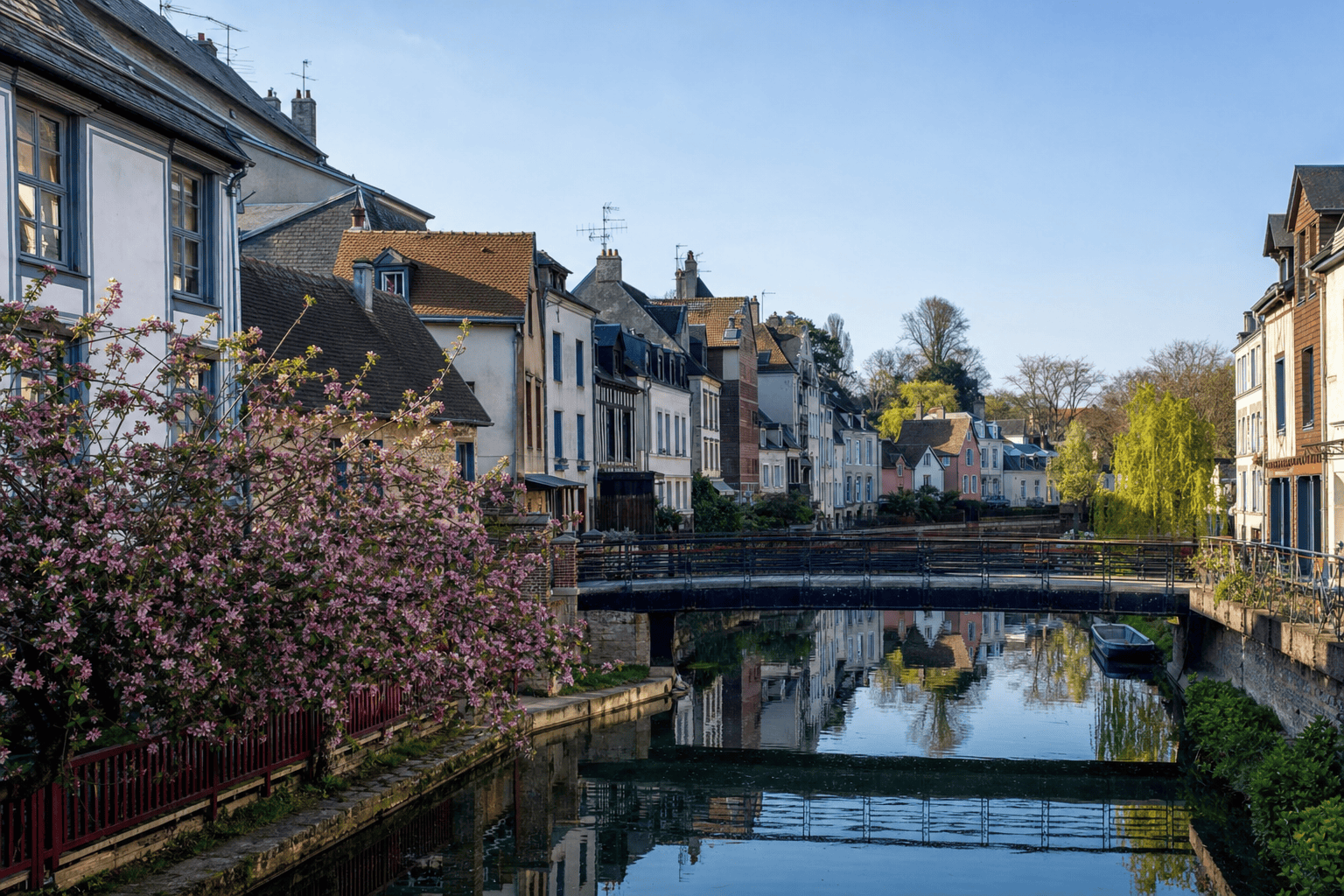
Saint-Leu is the most picturesque and lively area in central Amiens. Set around several branches of the Somme, it combines historic houses, riverbanks, footbridges, restaurants, bars, and cultural venues. Its proximity to Notre-Dame Cathedral makes it easy to plan a pleasant walk from the train station through the historic heart of the city. However, Saint-Leu should not be confused with the hortillonnages: here, you’ll discover an urban district crossed by waterways, while the hortillonnages are a landscape of gardens and market-garden plots farther east, requiring a separate excursion. A two- to four-hour walk allows you to enjoy the riverbanks, Place du Don, Quai Bélu, and surrounding streets, with a gourmet or cultural break.
Practical information
Use Place du Don or Quai Bélu as arrival landmarks, then continue on foot toward Rue de la Dodane, Place Parmentier, and Saint-Pierre Park. Saint-Leu and the hortillonnages are two separate visits.
Getting to Amiens from Paris with a Private Driver
For an excursion from Paris or a trip with luggage, Booking Paris Transfer can arrange private transportation from Paris, a hotel in the Île-de-France region, Charles de Gaulle Airport, or Orly. The trip can be planned with a return to Paris or incorporated into an itinerary through mainland France. Upon arrival, you can explore Saint-Leu on foot; tickets, guided tours, and restaurant reservations must be arranged directly with the relevant venues.
Departure from Paris, the Île-de-France region, CDG, or ORY; return to Paris or a private itinerary to be confirmed according to your needs.
Why Visit Saint-Leu?
Saint-Leu offers an especially accessible way to experience Amiens: within minutes, you can go from the Gothic cathedral to the branches of the Somme, then from the riverbanks to streets lined with small houses. This proximity explains its popularity with visitors who want to discover the city without relying on multiple forms of transportation. The district also has a genuine local character, with residents, students, restaurants, and concert venues.
Its charm comes less from a single monument than from the sequence of changing atmospheres. Colorful façades, reflections on the water, and views toward the bell towers offer photographers numerous perspectives. Couples can plan a walk followed by dinner, while families will appreciate a flexible route with a break by the water or at Saint-Pierre Park.
Saint-Leu is therefore a district best explored slowly. Be willing to leave the main route to admire a footbridge, a façade, or an old row of houses. The area remains lively in the evening, but it is first and foremost a neighborhood of Amiens, not a setting reserved for visitors.
A Walking Route Along the Riverbanks and Footbridges
From the cathedral, walk down toward the Somme through the streets of the historic center. Place du Don is a convenient starting point: from there, you can reach the riverbanks and immediately understand Saint-Leu’s relationship with the water. Continue toward Quai Bélu, where the terraces and façades create one of the district’s most recognizable scenes.
The footbridges and small bridges offer different views of the urban waterways. Here, “canals” refers to the branches and offshoots of the Somme that cross or border the district; these are not yet the waterways of the hortillonnages. As you walk without trying to follow a perfectly regular loop, you’ll discover changing views of the houses, riverbanks, and cathedral.
Depending on your energy level, continue to Rue de la Dodane, Place Parmentier, or Saint-Pierre Park. The surfaces can be uneven and some crossings are narrow, so comfortable shoes make the walk more enjoyable, especially after rain.
A History Shaped by the Somme
Saint-Leu developed in a low-lying area beside the Somme and its various branches. The water long played a role in the district’s economy, with mills, craft activities, and trades connected to textiles and leatherworking. These activities are part of the area’s urban history; they do not mean that every present-day house retains a specific trace of a particular workshop or trade.
The district’s layout nevertheless preserves the memory of this longstanding relationship with the river. Narrow streets, riverbanks, passages, and small bridges create a fabric distinct from the large squares in the city center. Over the course of urban development, Saint-Leu also became home to university and cultural facilities, explaining its atmosphere, which is both historic and student-oriented.
Place Parmentier recalls Amiens’ connection with market gardening and local trade. References to the floating market evoke a tradition and the memory of the hortillonnages; they should not be interpreted as a guarantee of a permanent market. For current events or markets, check the city’s official calendar.
Cathedral, Park, and Hortillonnages
Notre-Dame Cathedral in Amiens is the most obvious landmark to combine with a visit to Saint-Leu. From the district, its mass rises above the rooftops, allowing you to create a gradual itinerary: monument, central streets, then the banks of the Somme. Visit hours and conditions for tours, the towers, or the treasury may vary, so check the information published by the cathedral before your visit.
Saint-Pierre Park offers a more open break just a few minutes from the district. It’s ideal for extending your walk, especially with children, or for temporarily getting away from the terrace scene. You can then return to the riverbanks via the paths through the city center.
The hortillonnages offer a different Amiens experience. This extensive network of gardens and cultivated plots, interspersed with waterways, is visited according to the arrangements established by the sites that operate and promote it. They should therefore not be presented as Saint-Leu’s canals: allow extra time and inquire with your chosen organization about departures, the season, and any required reservations.
Terraces, Restaurants, and Culture
The riverbanks around Place du Don and Quai Bélu are home to part of the area’s dining and nightlife scene. You’ll find cafés, restaurants, and terraces whose hours, menus, and opening days change over time. For dinner or a table during busy periods, it’s best to check directly with the establishment and make a reservation if needed.
The atmosphere varies considerably depending on the time of day. At lunchtime, the district welcomes residents, students, and visitors; in the late afternoon, the riverbanks are ideal for a break by the water. In the evening, some areas become livelier, especially toward the end of the week and during the academic year. Nevertheless, be considerate of the neighbors: Saint-Leu remains a residential district.
La Lune des Pirates is a major cultural landmark in Amiens and a well-known venue for contemporary music. Its schedule is not permanent, and access information should be checked on its official website. Occasional events may also take place in or around the district; the city’s calendar is the best source for confirmed dates.
Getting Here from the Train Station or Paris
Amiens train station is southeast of the historic center. On foot, head toward the central streets and follow the signs to the cathedral; from there, walk down toward Place du Don and the Somme. This approach lets you discover the city gradually, but the exact time depends on your pace, construction work, and chosen arrival point. The Ametis network can supplement the journey depending on your accommodation and the day’s schedule.
For an excursion from Paris, the train lets you arrive directly in the city center, while a car offers more flexibility for a regional itinerary. Street parking near the riverbanks may be limited or subject to local regulations, so check parking options and traffic conditions before setting out. Once you arrive, Saint-Leu is best explored on foot rather than by car.
Booking Paris Transfer can arrange private transportation from Paris, an Île-de-France hotel, Charles de Gaulle Airport, or Orly. The vehicle takes you to Amiens according to the possible drop-off point, after which you can explore the district independently. The service covers transportation only and does not include train tickets, admission, or guided tours.
Tips for an Enjoyable Visit
For a first visit, allow two to three hours for a walk by the water, a few detours through the streets, a break, and, if you wish, a stop at the cathedral. A half-day is preferable if you add Saint-Pierre Park. The hortillonnages require separate planning and should not be squeezed into an overly tight schedule.
Morning is generally a good time to photograph the riverbanks in a quieter atmosphere. In the late afternoon, the light highlights the façades and reflections; in summer, the terraces are busier. In fall and winter, the district remains enjoyable for its architecture, but bring protection from the wind and damp air near the Somme.
The footbridges and riverbanks are not always designed as wide promenades. Take care with a stroller, wheelchair, or young children, and check the exact route before setting out. Do not block residents’ access while taking photographs, and respect the rules of religious or cultural sites. Finally, check return transportation after an evening out, as services and schedules may vary.
Useful sources
Frequently Asked Questions
Where does a visit to Saint-Leu begin?
How long does it take to visit Saint-Leu?
Is Saint-Leu close to Amiens train station?
Are Saint-Leu and the hortillonnages the same place?
Can you visit Saint-Leu in the evening?
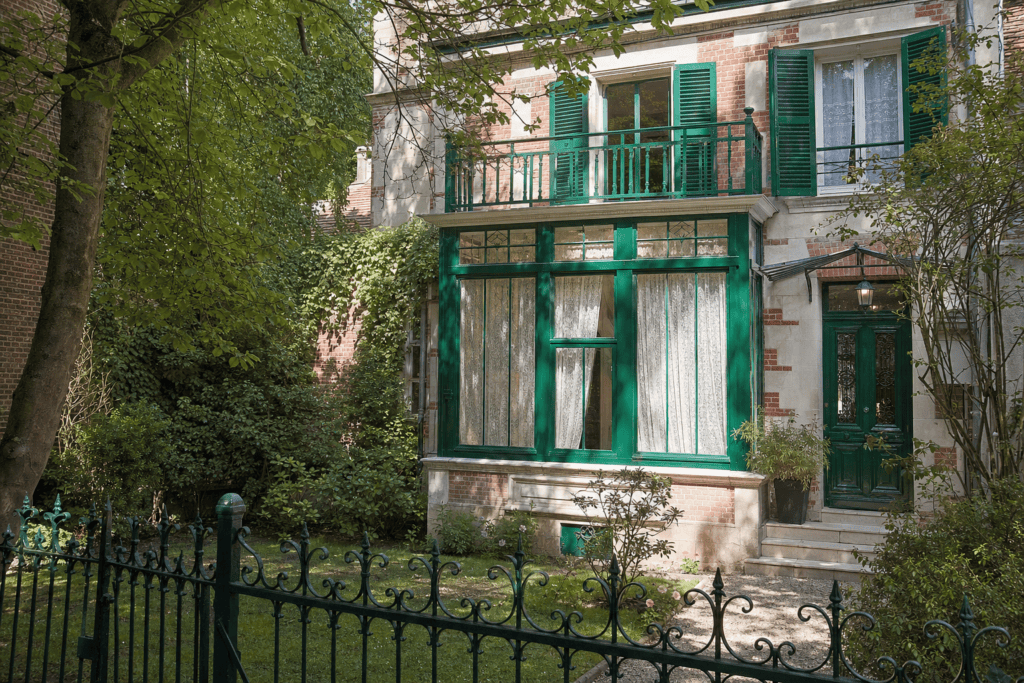 Jules Verne House In Jules Verne’s former Amiens home, discover the writer’s life, his scientific curiosities, and…
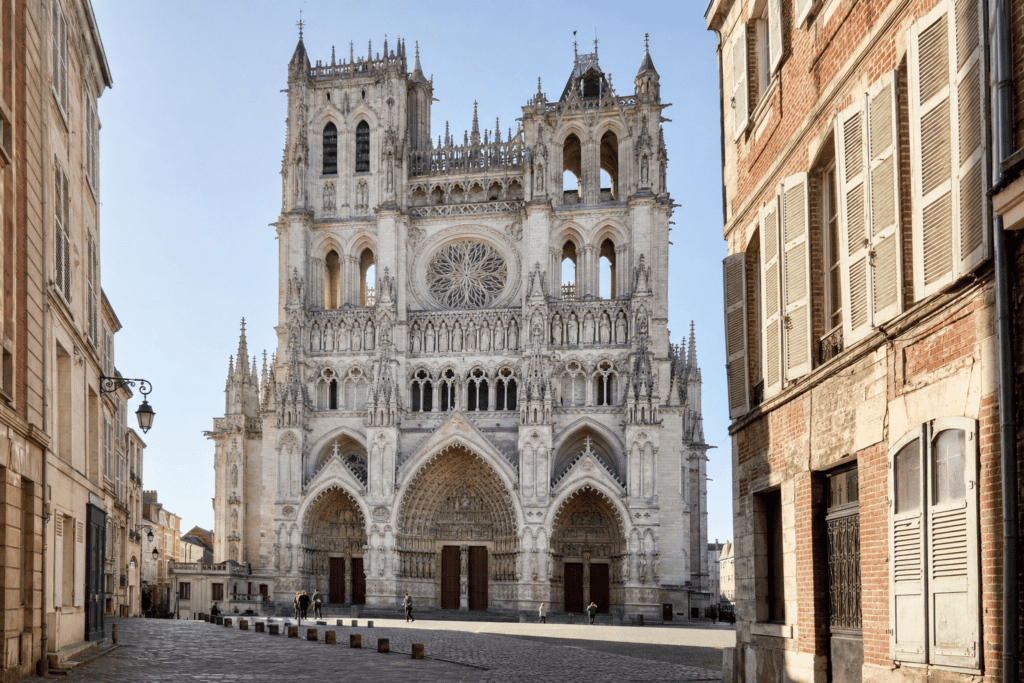 Notre-Dame Cathedral of Amiens A Gothic masterpiece to discover for its nave, sculpted portals, stained-glass windows, towers, and…
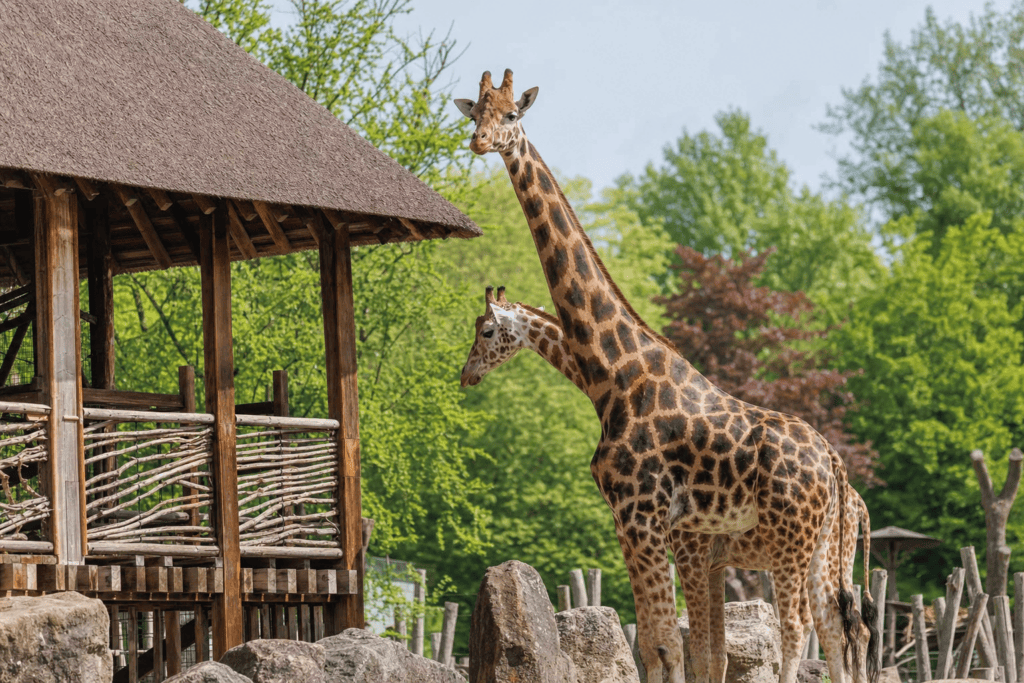 Amiens Métropole Zoological Park In the heart of La Hotoie, Amiens Zoo combines animal viewing, interpretation about biodiversity…
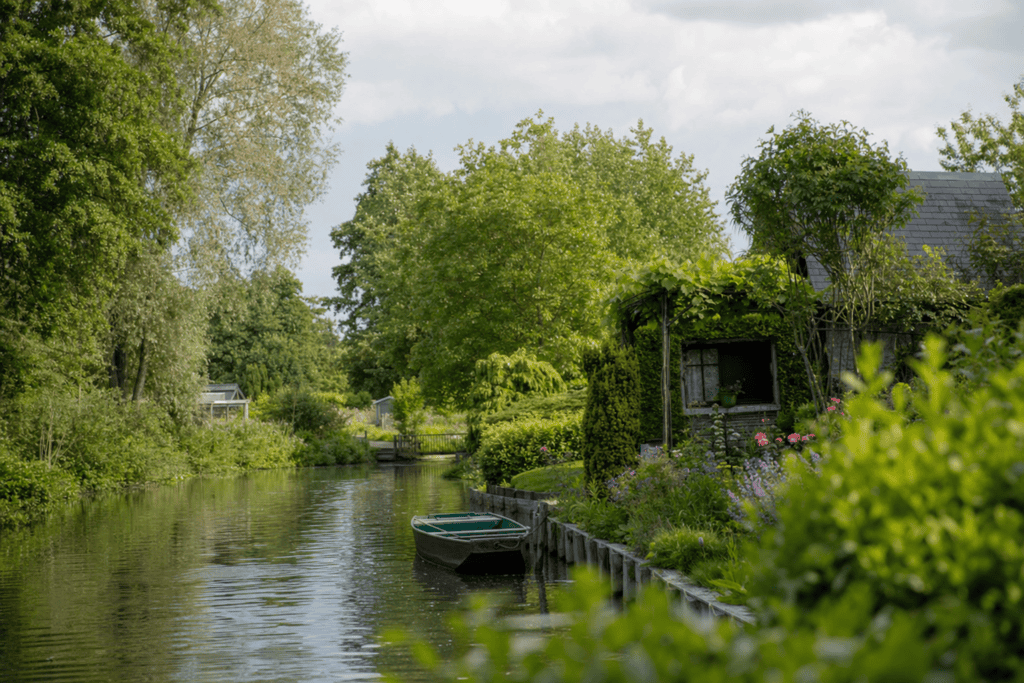 Amiens Hortillonnages A unique market-garden landscape in Amiens, explored among waterways, gardens, islands, and landscape artworks.
Online booking · Paris → Place du Don, 80000 Amiens, France
Choose your pickup date and time
Your departure and arrival details are already pre-filled. You can adjust them in the fare calculator before viewing the vehicles and fare.