



Rocher de la Vierge in Biarritz: Practical Guide
Biarritz
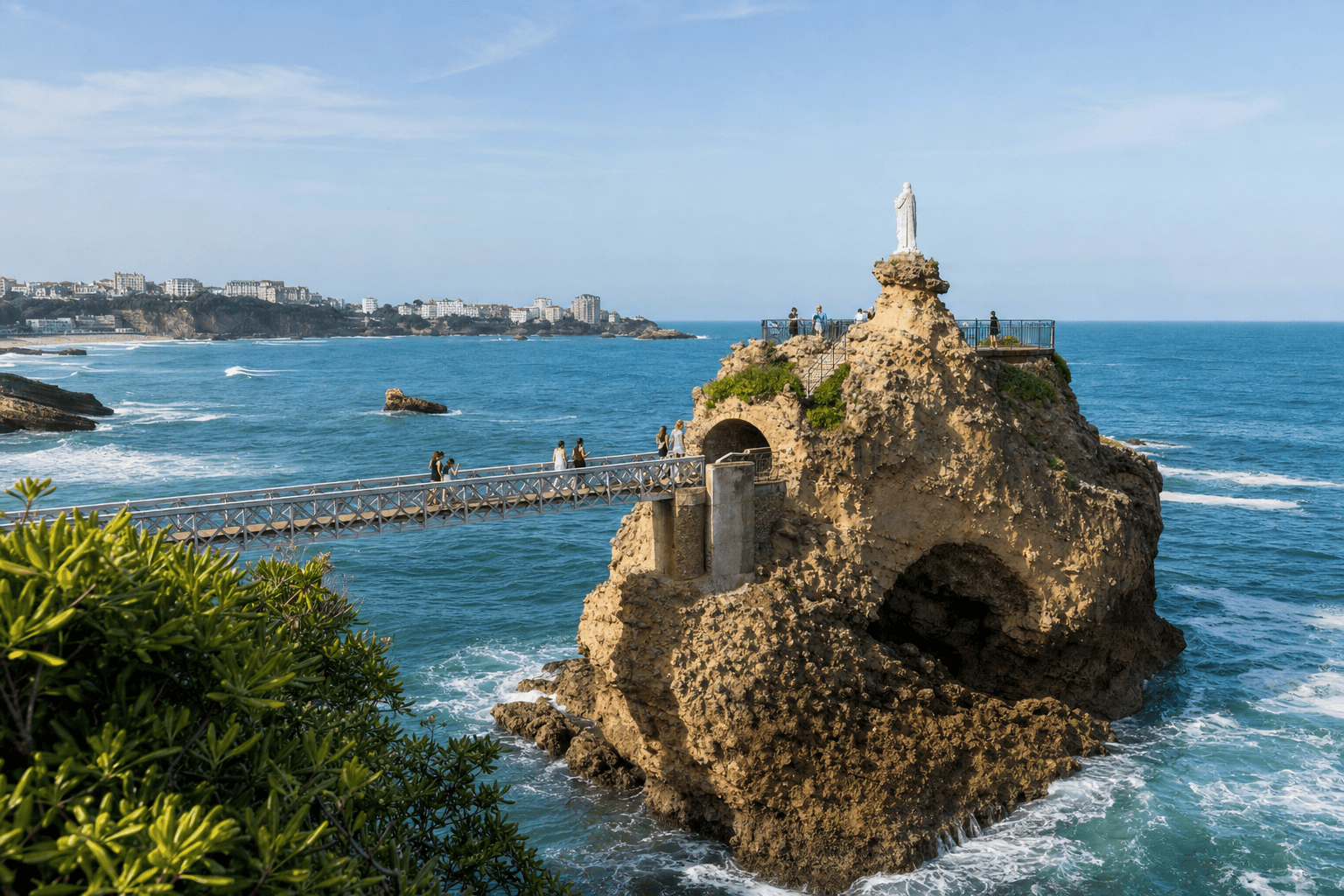
Rocher de la Vierge in Biarritz is one of the most recognizable landmarks on the Basque Coast. Connected to the shore by a footbridge, this promontory is home to a statue of the Virgin Mary and offers sweeping views of the Atlantic Ocean, the lighthouse, Grande Plage, Port-Vieux, and the cliffs of the Côte des Basques. The visit is relatively short, but it is worth incorporating into a longer walk through central Biarritz. Wind, sea spray, swell, and ground conditions can affect access: check official information before setting out, and always follow the barriers and instructions posted on-site.
Practical information
Wear stable shoes, protect your camera, and keep children close to you. Do not cross any barriers or climb down onto the rocks for a better shot.
Getting to Biarritz from Paris
To include Rocher de la Vierge in a stay on the Basque Coast, Booking Paris Transfer can arrange private transportation from Paris, a Paris hotel, Charles de Gaulle Airport, or Orly. The trip can be part of a round trip to Paris or a circuit that began in the Île-de-France region. The vehicle will drop you off in Biarritz; access to the site, local restrictions, and other activities must be arranged separately. Check opening conditions before departure, especially when marine weather is unfavorable.
Private transportation from Paris, a Paris hotel, CDG, or ORY. Admission tickets and tourist activities are not included.
Why visit Rocher de la Vierge?
Rocher de la Vierge offers one of the clearest immediate views of Biarritz’s landscape. Within minutes, you move from the bustle of downtown to a promontory open to the Atlantic. The site brings together several symbols of the resort town: the statue of the Virgin Mary, the footbridge, coastal structures, cliffs, and the sea horizon. This combination explains why it is considered a must-see for first-time visitors.
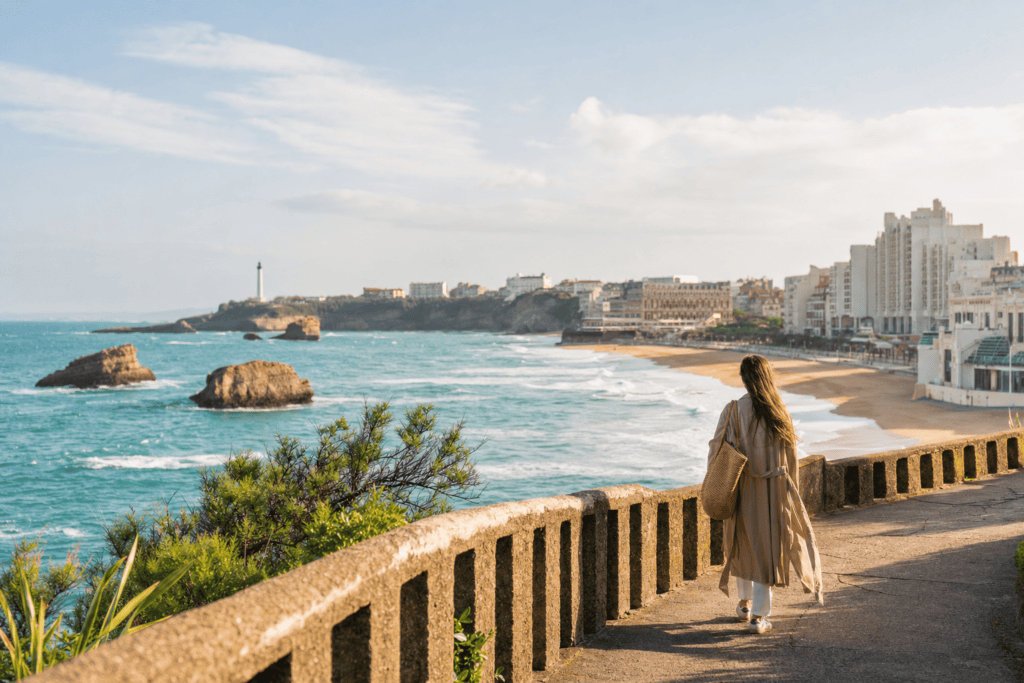
The view constantly changes with the tide, cloud cover, and light. Looking north, you can see the lighthouse and Grande Plage; to the south, the Côte des Basques extends the landscape with its cliffs. Port-Vieux and Port des Pêcheurs then offer a more sheltered, urban atmosphere.
The visit works equally well as a brief stop or as part of a photography-focused walk. However, it is a place for observation, not an invitation to approach the edge. Always respect the protective barriers, authorized paths, and local instructions.
History and Heritage of the Promontory
Rocher de la Vierge is part of Biarritz’s maritime and seaside history. Before becoming a destination sought out by visitors, the city was connected to fishing and the uses of the ocean. In the 19th century, the growth of the seaside resort gradually transformed the waterfront: promenades, viewpoints, and improvements made certain areas more accessible and helped establish the promontory’s reputation.
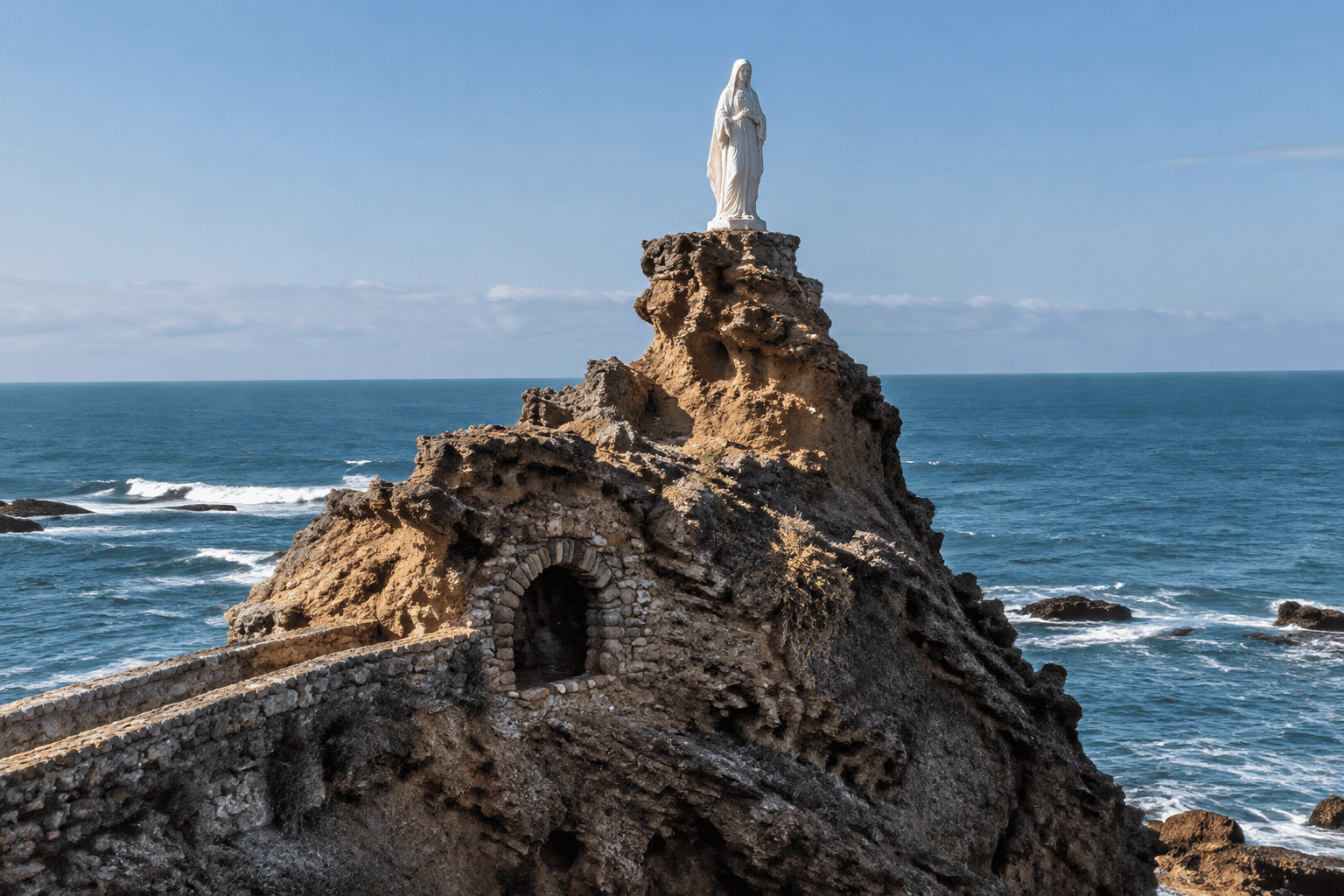
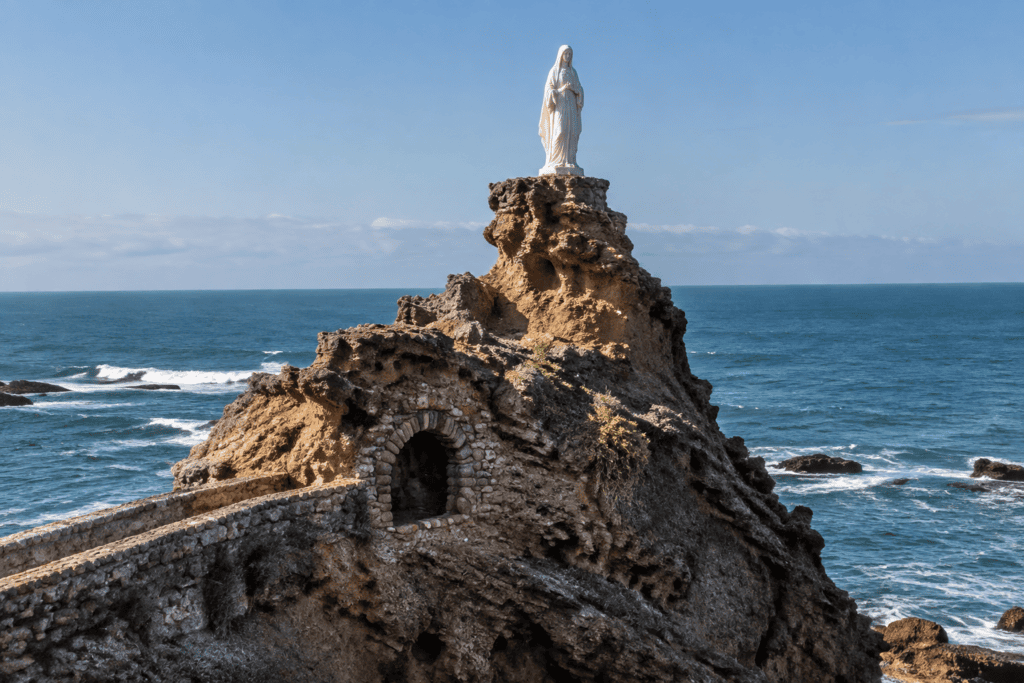
The statue of the Virgin Mary, generally dated to 1865 in tourist presentations, is the site’s best-known landmark. Accounts of its origins mention that it was acquired in Bayonne before being installed on the rock. For historical details and information about changes to the area, it is best to consult resources from the City of Biarritz and the tourist office.
The former name “Cucurlong” also appears in several heritage accounts. The tunnel, footbridge, statue, and panorama together reflect several periods of Biarritz’s history: maritime activities, devotion, seaside urban development, and the tourist discovery of the coast.
Footbridge and Views of the Basque Coast
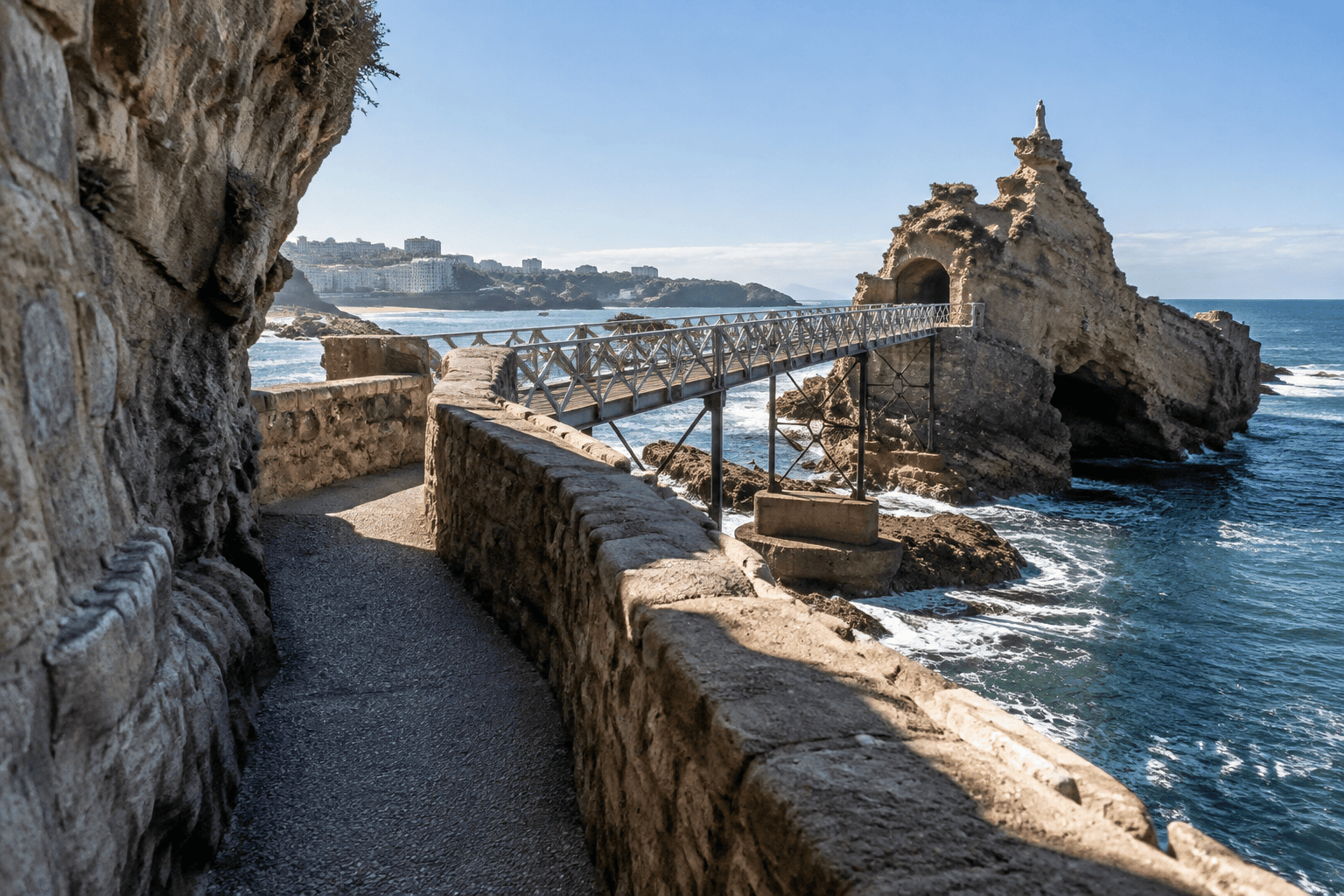
The approach from the Atalaye area unfolds gradually. The path leads through a narrower passage before opening onto the footbridge and the light of the ocean. The sound of the swell, sea spray, and sense of being above the water give the route a distinctive atmosphere. When visitor numbers are high, avoid stopping in the middle of the passage so others can get through.
Once on the promontory, start by looking north. The lighthouse, Grande Plage, and Biarritz’s buildings create an instantly recognizable urban perspective. To the south, the cliffs of the Côte des Basques add depth to the landscape. In front of you, the Atlantic changes with the tide, wind, and shifting light.
On clear days, distant landforms may sometimes be visible, although this is not guaranteed. Also notice the details nearby: the textures of the stone, the lines of the footbridge, the movement of the water, and the boats. The site’s appeal lies as much in this close attention as in the panoramic view.
Planning a Walking Tour in Biarritz
To plan a logical walk, you can start at Port-Vieux, head toward the Atalaye area, and then continue to Rocher de la Vierge. After your visit, return toward Port des Pêcheurs to see its small buildings and more sheltered atmosphere. You can then continue toward Grande Plage or downtown. The Côte des Basques is an interesting extension, but take the distance, stairs, and changes in elevation into account.
The final approach to the rock is on foot. If you arrive by car, check before departing on traffic conditions, pedestrian streets, and parking around Atalaye. These conditions may vary with the season, construction, events, or municipal decisions. Signs posted on-site always take priority.
If you are traveling with a stroller, cane, wheelchair, or bulky equipment, study the route carefully and allow extra time. If the site is closed, do not look for an alternative route. The viewpoints at Port-Vieux and Atalaye can provide pleasant alternatives.
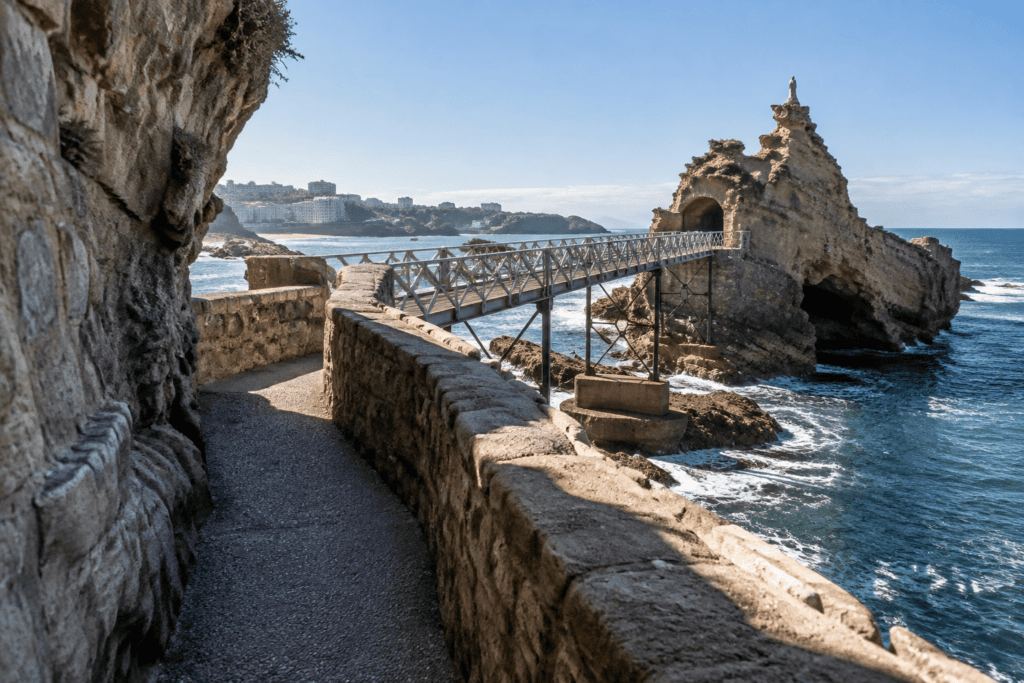
Weather, Swell, and Choosing the Right Time
Mornings often offer a quieter atmosphere and soft light on the statue, stone, and sea. Late afternoon can bring stronger contrasts, while clouds can add depth to the cliffs. Changing skies highlight the maritime character of the Basque Coast, while clear conditions favor distant views. However, there is no single ideal time that works all year round.
Marine weather should guide your decision. The promontory and footbridge are exposed to wind, sea spray, and the effects of the swell. After rough conditions, surfaces may be wet or slippery, and a temporary restriction may be imposed. Conditions observed in the downtown streets do not always reflect those along the waterfront.
Before setting out, check the latest information from the City of Biarritz and any local alerts. Also read the instructions posted near the site. If access is closed or the sea is dangerous, postpone your visit. No view is worth taking a risk or crossing a barrier.
Tips for Photographing the Site
A phone or compact camera is all you need to photograph Rocher de la Vierge. From the footbridge, its lines can draw the eye toward the statue and horizon. A wide composition brings together the rock, ocean, and coastline; a tighter composition highlights the stone, the silhouette of the Virgin Mary, and the sea foam. Looking for a photo should never inconvenience other visitors or distract you from the ground.
Vary your direction. To the north, the lighthouse and Grande Plage provide an urban context for the scene. To the south, the cliffs of the Côte des Basques create a sense of depth. Turn toward the city to include Biarritz’s rooftops, promenades, and architecture. Port des Pêcheurs then offers a more intimate contrast with the promontory’s open landscape.
Wind and sea spray require a few precautions. Hold your camera firmly, protect the lens, and use a suitable cloth to wipe off spray. Do not place your equipment on an exposed ledge or set up in the middle of the passage. The best shots are taken from a stable, authorized area well away from the edge.
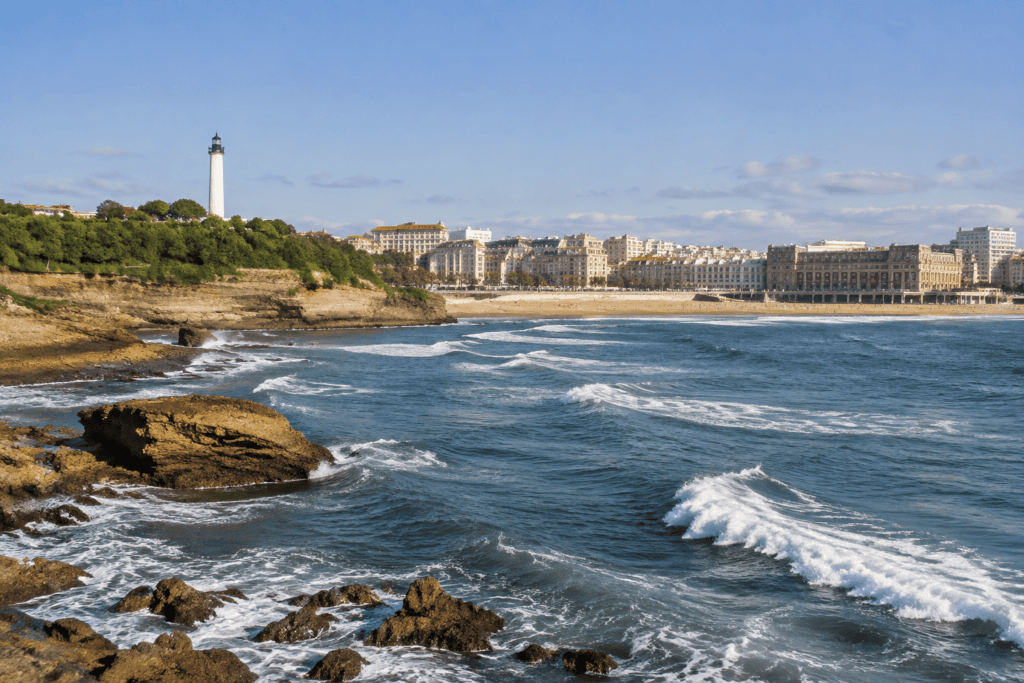
Safety, Accessibility, and Respect for the Coast
Rocher de la Vierge should be approached as an exposed coastal walk. The tunnel may be dark, the footbridge wet or windy, and some paths may include changes in elevation. Actual accessibility depends on the route, ground conditions, and restrictions in effect that day. People using a wheelchair, cane, or stroller should request up-to-date confirmation from the City of Biarritz before visiting.
With children, stay very close to the guardrails and do not let them run. Do not cross any barrier to watch a wave or reach a viewpoint. An apparently calm sea can produce an unexpected wave around structures and rocks. Follow instructions concerning wind, waves, construction, and events.
Respecting the site also involves simple actions: take your trash with you, do not touch the statue, and do not block the passage while taking photos. Consult the City of Biarritz’s official page on the Rocher de la Vierge area as well as municipal information about waves and coastal flooding. Information posted on-site always takes priority.
Useful sources
Frequently Asked Questions
Where is Rocher de la Vierge located?
Is access to Rocher de la Vierge free?
Is the footbridge always accessible?
Is the site accessible to people with reduced mobility?
How much time should I allow?
Can we visit with children?
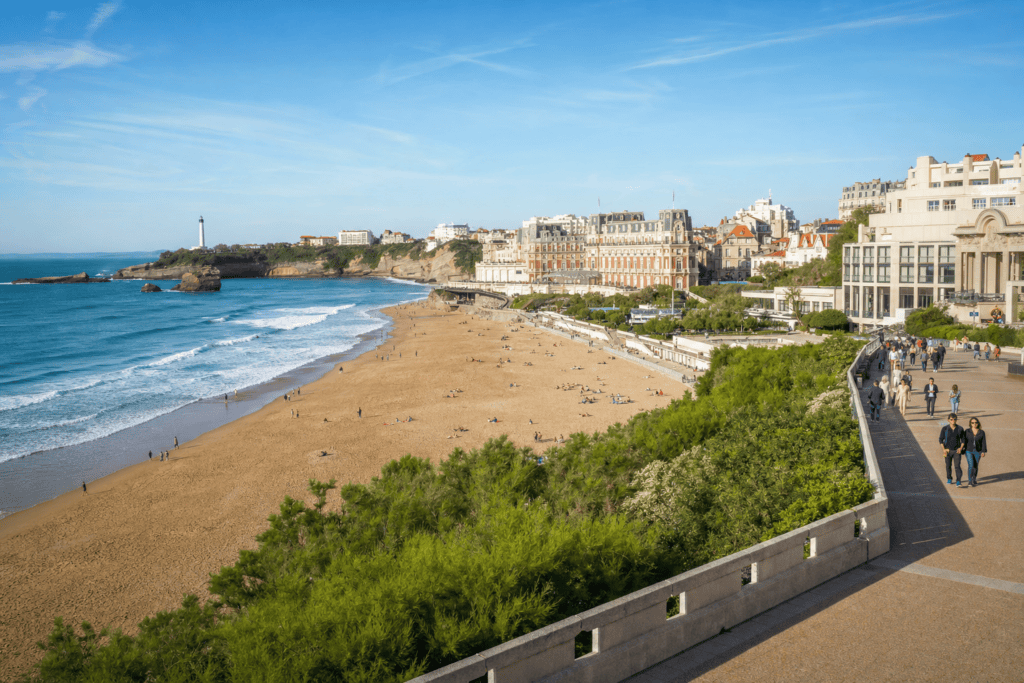 Grande Plage and seafront promenade An iconic walk in the heart of Biarritz, combining sand, seaside architecture, the Casino and ocean views.
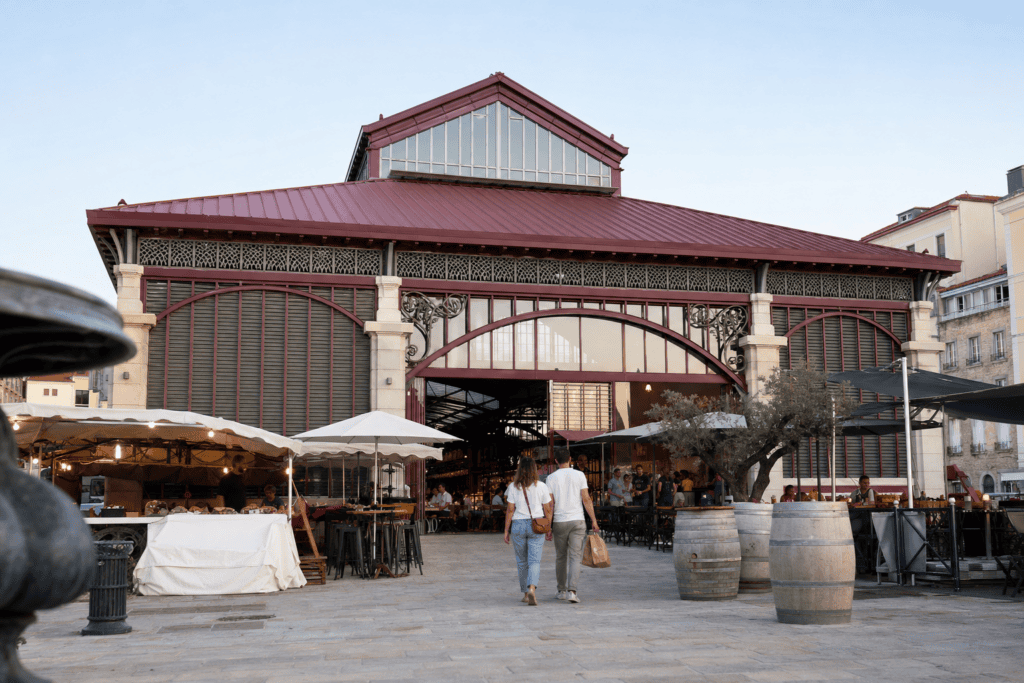 Les Halles de Biarritz A covered market in central Biarritz where you can discover Basque products, choose a few specialties, and…
 What to do in Biarritz for a weekend A two-day itinerary for discovering Biarritz through its beaches, imperial heritage, market halls, Basque cuisine, and…
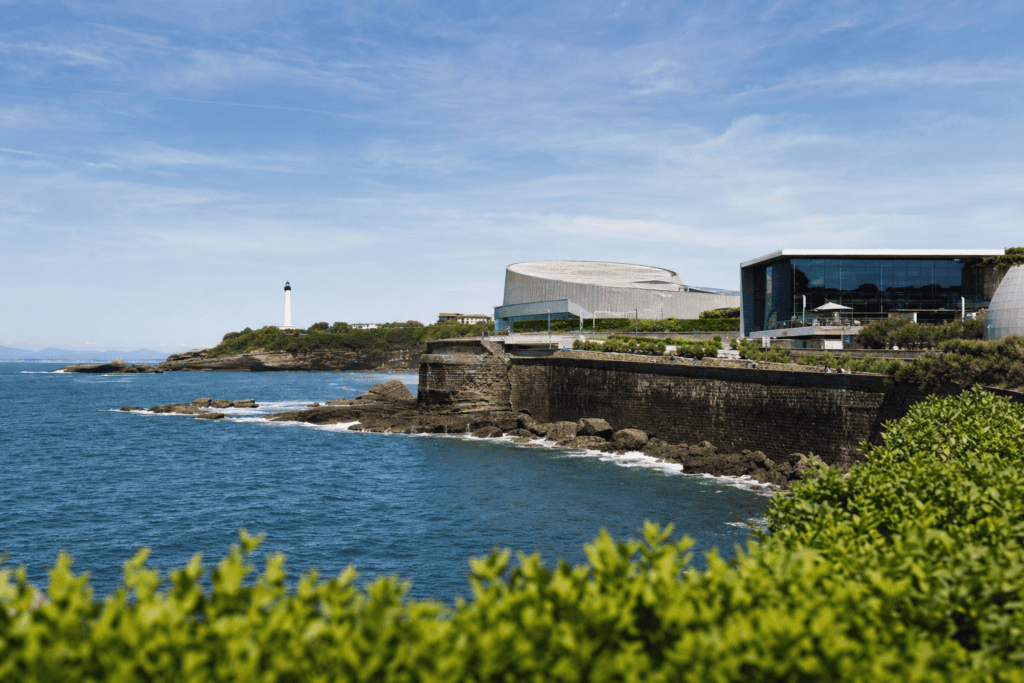 Cité de l’Océan An immersive museum facing Milady Beach, where you can explore the ocean, surfing, and…
Online booking · Paris → Rocher de la Vierge, Atalaye area, 64200 Biarritz, Pyrénées-Atlantiques, France. The final approach is on foot from the Port-Vieux and Atalaye area. Check the route and any restrictions with the City of Biarritz.
Choose your pickup date and time
Your departure and arrival details are already pre-filled. You can adjust them in the fare calculator before viewing the vehicles and fare.