



Château royal de Blois: Historical Visitor’s Guide
Blois
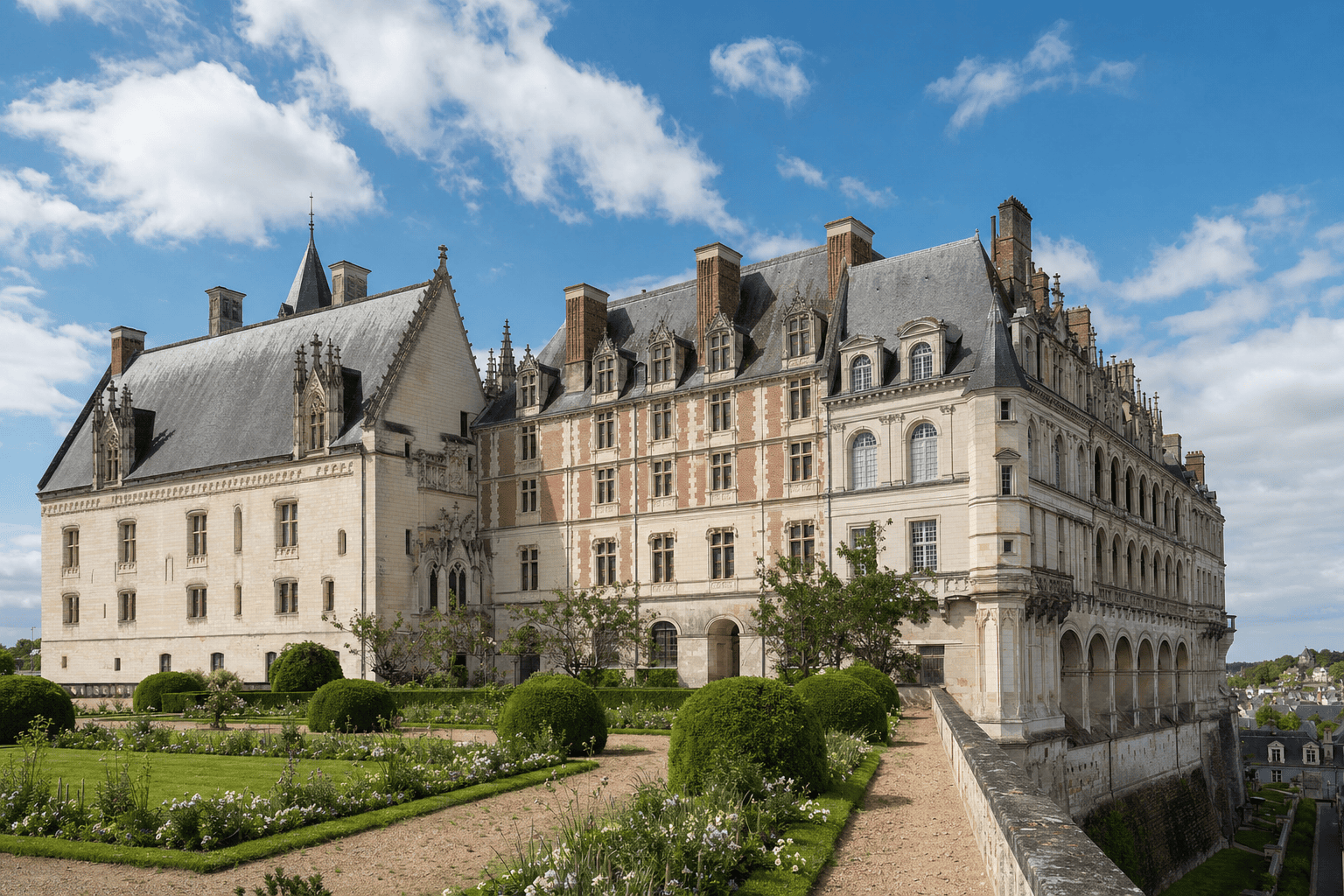
In the heart of Blois, the Château royal de Blois brings together four centuries of architecture and power around a single courtyard. A medieval fortress, the residence of Louis XII, François I’s Renaissance wing, and the classical palace of Gaston d’Orléans form an exceptional ensemble, particularly valuable for understanding the evolution of the Loire Valley châteaux. The visit also includes the royal apartments, historic interiors, the Musée des Beaux-Arts, and several spaces connected with major figures of the French monarchy. To make the most of the monument, allow time to admire the façades from the courtyard, follow the interior route, and explore the area around Blois’s historic center.
Practical information
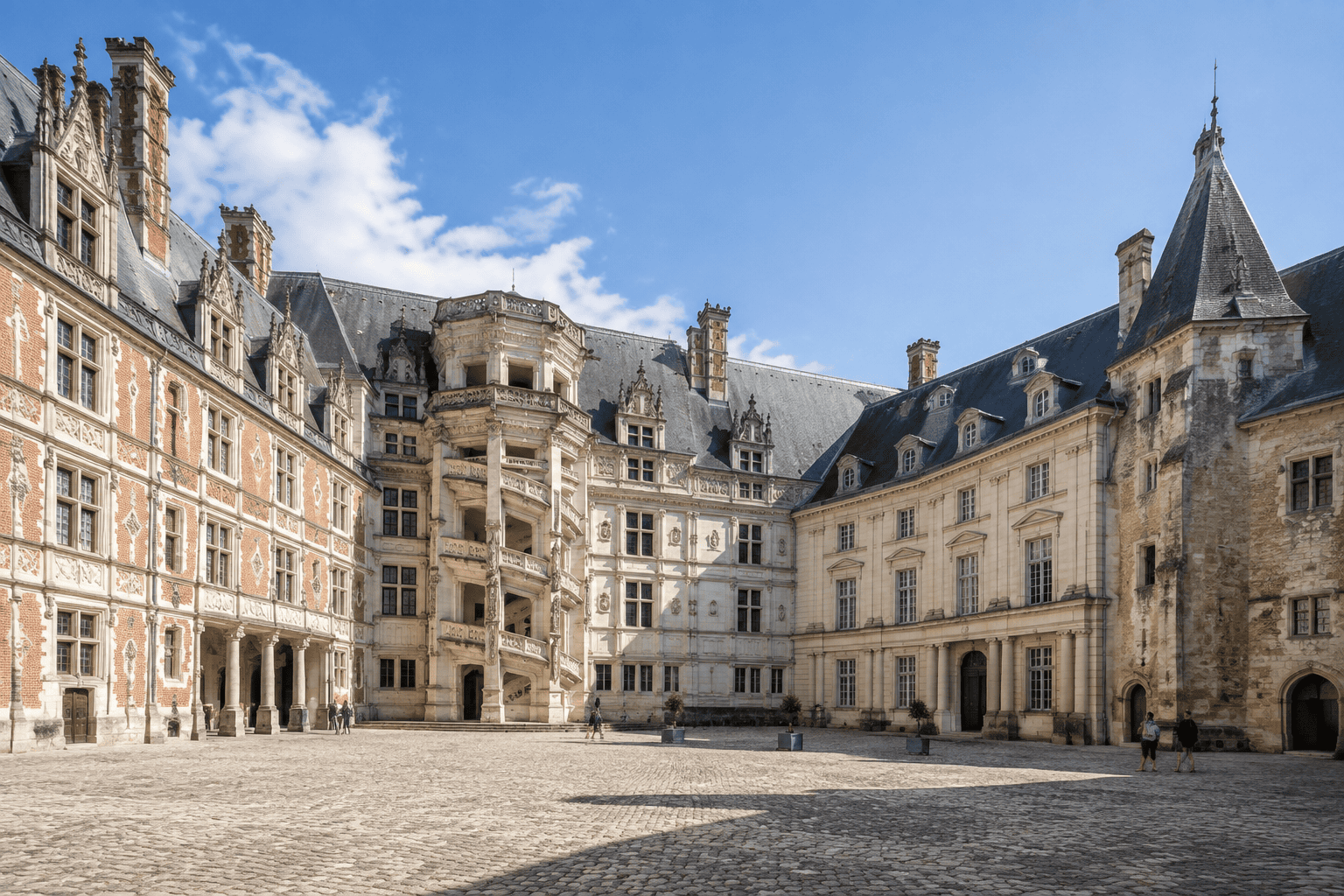
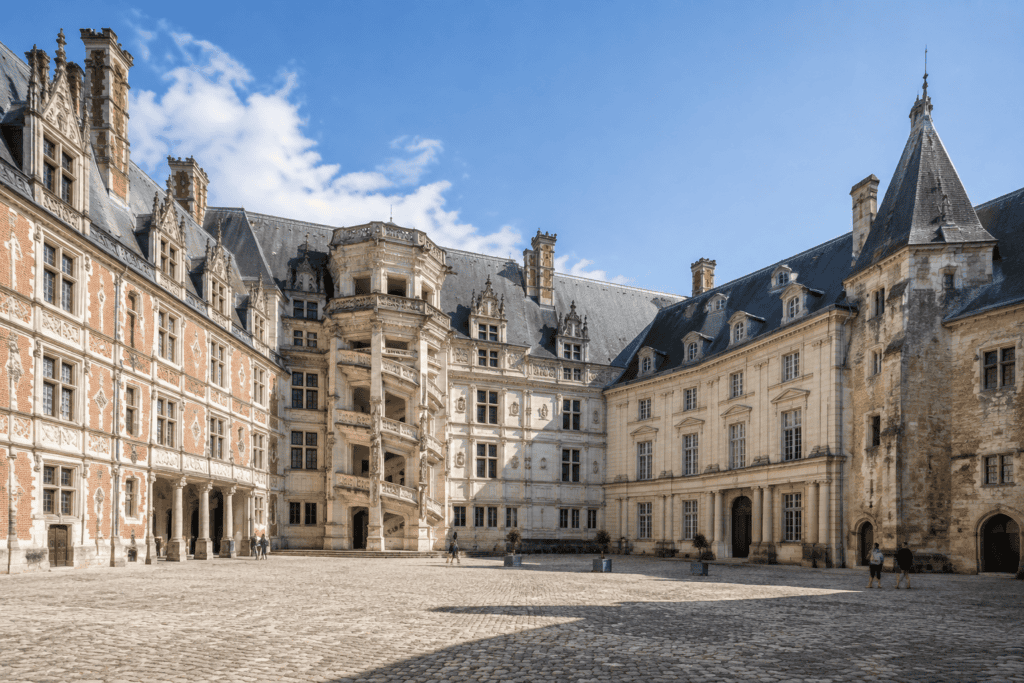
First, view the four wings from the courtyard: this exterior overview helps you understand the monument’s successive transformations before entering the royal apartments.
Getting to the Château royal de Blois from Paris
For a private day trip from Paris, a Paris hotel, CDG, or ORY, Booking Paris Transfer can arrange round-trip transportation to Blois. Enjoy your day at the château and in the historic center, then return to Paris along the agreed route. Transportation does not include admission tickets or monument tours.
Transportation service departing from Paris, the Île-de-France region, CDG, or ORY; no independent local chauffeur service based in Blois.
A château that captures the history of French architecture
The Château royal de Blois is remarkable because it does not represent just one historical period. Around the central courtyard, four wings built between the Middle Ages and the 17th century follow one another. This juxtaposition offers a direct view of changing tastes, techniques, and representations of power. The medieval section recalls the former fortress, while the Louis XII wing introduces a more refined style, at the intersection of Flamboyant Gothic and the Renaissance. François I’s wing then asserts Italian influence through its monumental staircase and sculpted decoration. Finally, the Gaston d’Orléans wing showcases 17th-century classical architecture.
The monument has been listed as a historic monument since 1840. It evokes the destinies of seven kings and ten queens of France, making it an especially rich stop for understanding the French monarchy and the gradual transformation of a fortified residence into a palace.
The four wings to admire from the courtyard
Begin your visit in the courtyard, a true visual summary of the château. To the east, the Louis XII wing is recognizable by its red brick, stone elements, and Gothic elegance tinged with Renaissance style. It dates to the period when Blois became a favored royal residence. François I’s wing immediately draws the eye with its grand spiral staircase, lavish decoration, and references to Italian architecture. The exterior galleries create an impression of movement and prestige.
The third sequence is the Gaston d’Orléans wing, more restrained on the outside but spectacular for its vestibule and dome designed by François Mansart. The fourth, older section includes the Hall of the Estates and remnants of the fortress. Take time to compare the proportions, materials, and ornamentation: the courtyard functions as a true open-air lesson in art history.
The royal apartments and court life
The interior visit takes you from architecture into the daily life of the court. The royal apartments feature decorated rooms, furniture, paintings, and elements that evoke how the monarchical residence was used. The tour therefore goes beyond major political events: it also shows how people moved around, received guests, worked, and lived in a royal palace. The painted interiors and sculpted details deserve careful attention, as they express both the occupants’ status and the artistic fashions of their time.
Depending on the season, the château offers a self-guided visit enhanced by interpretation tools, audio guides, and guided tours. The Histopad may also be available under the conditions specified by the monument. Since content and arrangements may change, consult the official page before your visit. For families, a gradual approach works well: choose a few emblematic rooms, then let children look for the symbols, fantastic animals, and decorative motifs visible throughout the interiors.
Francis I, Catherine de’ Medici, and the Duke of Guise
The château is associated with several major episodes in French history. Louis XII made Blois an important royal residence, before Francis I continued its transformation in a style shaped by the Italian Renaissance. Later, the reign of Henry III gave the château a dramatic role in the Wars of Religion. In December 1588, the Duke of Guise was assassinated there on the king’s orders, in an episode often called the “coup de majesté.” This history explains why certain rooms are associated with such a strong political legacy.
Marie de’ Medici, another figure connected with the château, was also held there before managing to escape in 1619. These episodes give the visit particular depth: behind the façades and interiors lie power struggles, family alliances, and religious crises. A guided tour can help put them into perspective, especially if you want to connect the spaces with the people who shaped them rather than follow only an architectural route.
The Musée des Beaux-Arts and its collections
The château also houses the Musée des Beaux-Arts de Blois, located in the Louis XII wing. It complements the historical visit with a tour devoted to works and collections held in the monument. The galleries place the château within a broader artistic history, presenting paintings, sculptures, and objects alongside the architectural spaces that house them. This combination of palace, museum, and collections makes the experience richer than a simple stroll through a historic residence.
The museum may appeal to visitors who want to take their study of the interiors further through a closer look at the artworks. The availability of certain rooms or displays may vary depending on exhibitions, restoration work, and the cultural program. If the museum is your priority, check the official practical information before setting out. In any case, allow enough flexibility: the courtyard, apartments, museum galleries, and seasonal activities do not always unfold at the same pace.
Guided tours, Histopad, and Son et Lumière
Several options can enhance a visit to the Château royal de Blois. A self-guided visit lets you take your time and return to the details that interest you. A guided tour provides more context about the building’s transformations, its historical figures, and court life. Audio guides offer a narrated route, including a family version advertised by the château. Check the official website for current conditions, available languages, and any additional fees when booking.
During the season, the Son et Lumière show uses the courtyard façades as a backdrop for projection and storytelling. The show is separate from the daytime visit and takes place in the evening according to a seasonal schedule. It can be an excellent way to see the four wings from a spectacular new perspective, but be sure to check the dates, times, and conditions for the year of your stay. Some special tours also explore areas that are usually closed, with age, mobility, or reservation requirements.
Planning your visit to Blois and extending your discovery
The château stands on Place du Château, in the upper part of Blois’s historic center. From the train station, downtown, and the Loire riverfront, getting there involves an uphill walk; wear comfortable shoes, especially if you plan to combine the monument with a stroll through the old streets. Visitors with reduced mobility should consult the official accessibility register, as the historic layout includes stairs and some routes are not suitable for everyone.
The château is listed as open year-round, except for certain closure days, but hours vary by season and may change for an event. Last admission is before closing, so check the day’s information on the official website. Half a day is enough to visit the château and explore central Blois. For a full day, you can add the Maison de la Magie, a walk along the Loire, or another Loire Valley site, allowing for travel times and each monument’s opening hours.
Frequently Asked Questions
How much time should I allow to visit the Château royal de Blois?
Is the Château royal de Blois open year-round?
Can I visit the château with children?
Is the château fully accessible to visitors with reduced mobility?
Is the Son et Lumière show included with château admission?
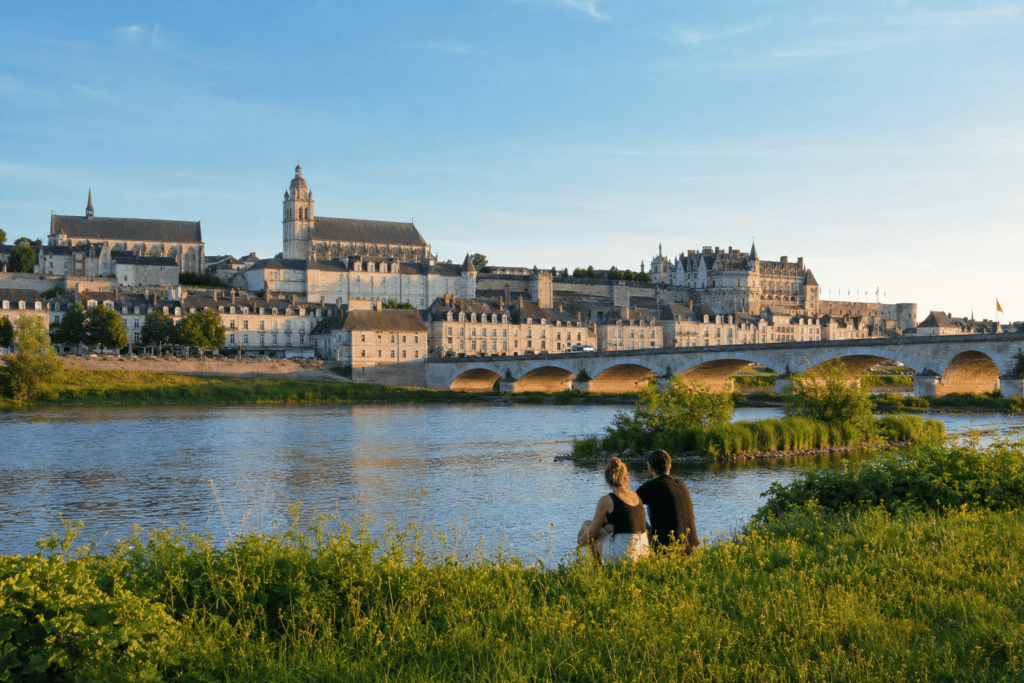 Things to do in Blois along the Loire Riverbanks, the Port de la Creusille, Loire à Vélo and Loire Valley landscapes: the best ideas for…
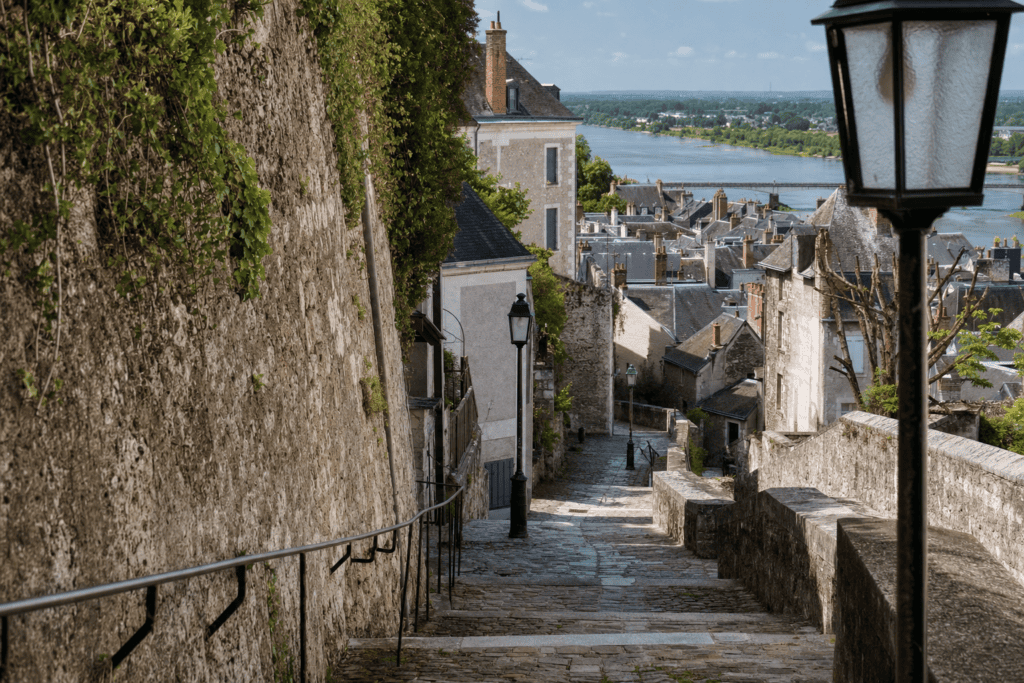 Old Blois and the Denis-Papin Staircase A heritage walk in the heart of Blois, among historic houses, the cathedral, the royal château, and the Denis-Papin Staircase.
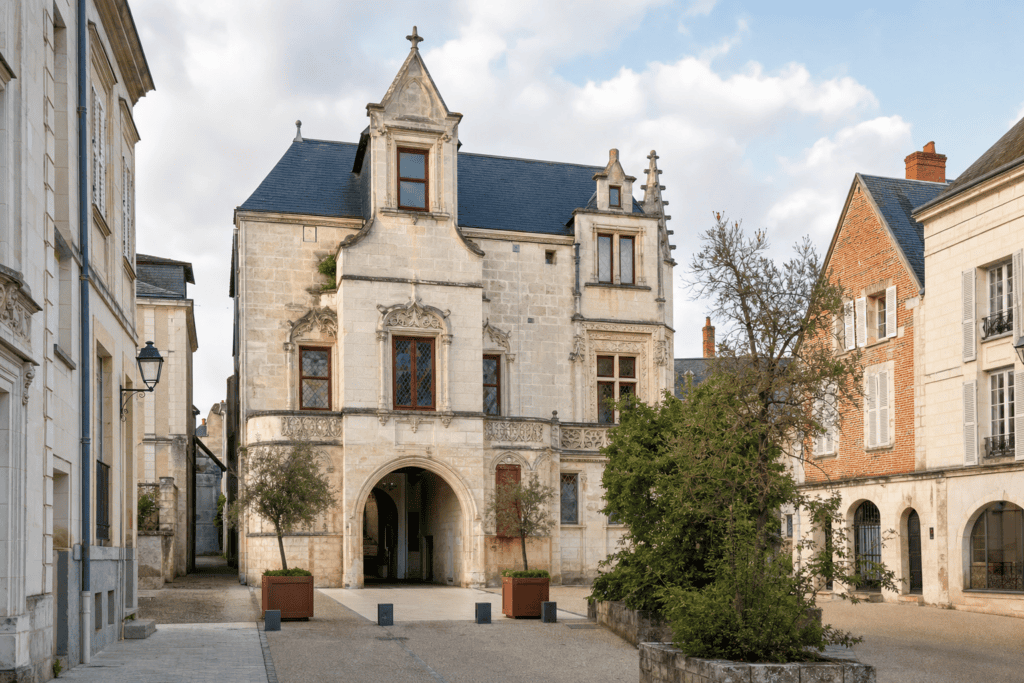 Robert-Houdin House of Magic A spectacular museum dedicated to Robert-Houdin and the history of magic, opposite the royal château…
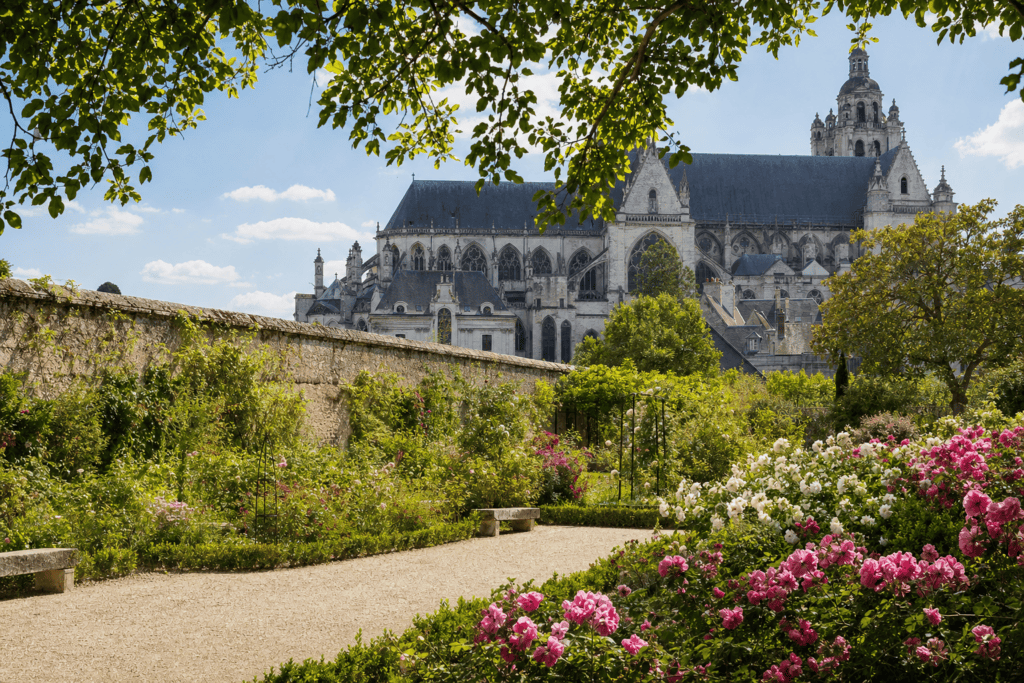 Bishop’s Gardens and Rose Garden A flower-filled walk behind Saint-Louis Cathedral, with a rose garden, terraces, and views over the Loire.
Online booking · Paris → Place du Château, 41000 Blois, France
Choose your pickup date and time
Your departure and arrival details are already pre-filled. You can adjust them in the fare calculator before viewing the vehicles and fare.