



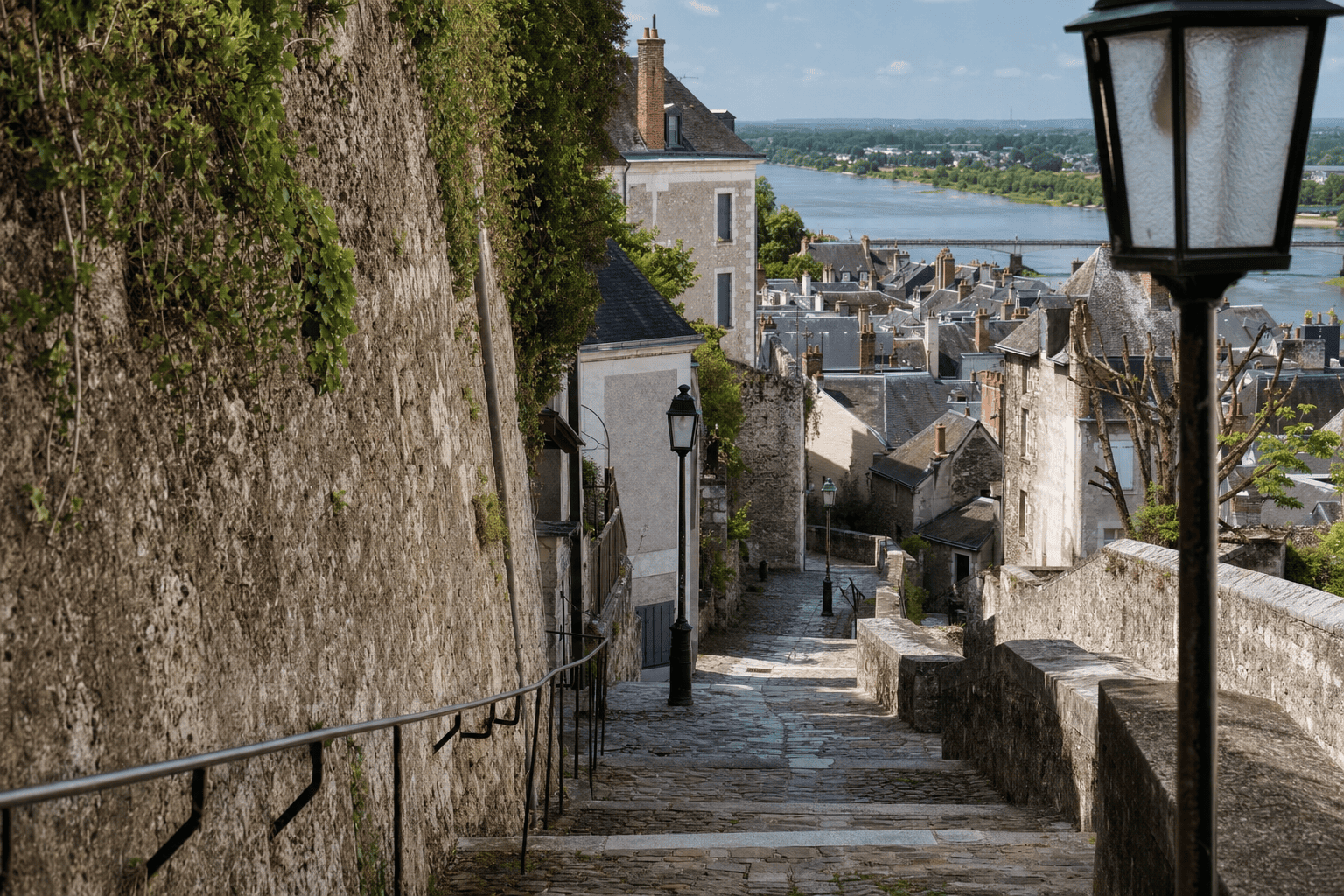
Visit Old Blois and the Denis-Papin Staircase
Blois
Old Blois is best explored on foot, along historic lanes lined with half-timbered houses, private mansions and monuments connected to the city’s royal history. At the heart of the walk, the Denis-Papin Staircase connects the lower town with the historic plateau and creates one of Blois’s most recognizable urban panoramas. The route can continue to Saint-Louis Cathedral, the Bishop’s Gardens, the royal château and the Loire riverfront. However, the hills, cobblestones and numerous steps call for comfortable shoes. Before setting out, check the latest information from the Blois Chambord Tourist Office for guided tours, events and any temporary changes.
Practical information
Start in the lower town, climb the Denis-Papin Staircase, then continue toward the cathedral, the Bishop’s Gardens and the royal château.
Getting to Blois from Paris with a private driver
For a day trip to Blois from Paris, Booking Paris Transfer can arrange private transportation from a Paris hotel, CDG or ORY, with a return to Paris depending on your itinerary. The service covers transportation by car and does not include admission tickets or a guided tour. This lets you devote your day to Old Blois, the Denis-Papin Staircase and the other sights of the Loire Valley.
Private transportation from Paris, a Paris hotel, CDG or ORY, with a possible return to Paris. No admission ticket included.
Starting your walk in Old Blois
To discover Old Blois, it is best to allow time for a flexible walk rather than a tightly scheduled route. The historic center stretches between the Loire and the château plateau, with streets that gradually climb from the lower town. Rue Denis-Papin is a natural place to start, particularly because of its view toward the monumental staircase. You can also begin at the riverfront or Place Louis-XII and gradually make your way into the old streets.
The district reveals a wide variety of façades: half-timbered houses, stuccoed buildings, private mansions and religious buildings follow one another within a fairly compact area. Take time to notice the overhangs, dormer windows, doors and carved details above the storefronts. This initial discovery is especially suitable for a first visit, as it immediately gives you a sense of Blois’s urban history without requiring long distances.
Climbing the Denis-Papin Staircase
The Denis-Papin Staircase is the most striking landmark on this walk. It connects the lower town with the plateau through a succession of steps aligned with Rue Denis-Papin. The current structure dates from the urban transformations of the 19th century and opened to traffic in 1865. Its name honors Denis Papin, a scientist born in the Blois area and associated with the history of research into steam pressure.
The climb includes around 120 steps, according to local tourism information. It can therefore be tiring, but several landings offer places to catch your breath and gradually take in the city. From below, the view emphasizes the geometric arrangement of the steps; from above, it opens toward the rooftops and the Loire landscape. The risers may feature temporary artistic designs, whose appearance varies according to events and years.
Taking in the statue and the views
At the top, the statue of Denis Papin makes a natural stopping point before continuing your visit. Created by Aimé Millet and unveiled in 1880, it recalls the importance of science and invention in local memory. The figure is associated with the Blois area and with work that contributed to the history of steam engines, although industrial developments unfolded over several generations.
For photographing the staircase, Rue Denis-Papin offers the most obvious composition: stand far enough back to fit both the steps and the statue in the same frame. The upper landings offer another, more open view of Blois’s rooftops. Morning and late afternoon generally provide softer light. However, check traffic conditions and any event installations before lingering on the steps.
Discovering the historic houses
After the staircase, continue across the plateau and pay attention to the differences between medieval houses and the more monumental residences of later centuries. Half-timbered houses can be identified by their exposed frameworks, overhangs and sometimes irregular volumes. They reflect an old urban style in which upper floors could extend over the street. Restorations have sometimes altered their appearance, but this layering is part of the district’s appeal.
The private mansions evoke the presence of an administrative and financial bourgeoisie connected to the royal court. The Hôtel d’Alluye, Hôtel de Saumery and several residences on Rue Saint-Honoré and Rue Porte-Chartraine illustrate this evolution. Observe the gateways, proportions and decorative details from public areas, without attempting to enter private properties. Rue des Trois Marchands and the nearby passageways allow you to continue exploring in a quieter atmosphere.
Stopping at Saint-Louis Cathedral
Saint-Louis Cathedral overlooks the Loire from the heights of Blois and fits naturally into the route after the Denis-Papin Staircase. It replaced the former Saint-Solenne Church, rebuilt after damage caused by a hurricane in 1678. The creation of the Diocese of Blois in 1697 then contributed to its change in status. Its history therefore follows the city’s major religious and urban transformations.
Outside, look at the relationship between the façade, the square and the Bishop’s Gardens. Inside, the atmosphere offers a quieter break after the climb. Hours, services and access conditions may vary depending on celebrations and the season, so check official information before your visit. The nearby gardens make a pleasant place to pause and offer views over the Loire, especially when the light softens in late afternoon.
Connecting the district to the royal château
Old Blois forms a cohesive ensemble with the royal château, Place du Château and the streets on the plateau. After the cathedral, walk to the château, allowing for changes in elevation and detours. Each shift in perspective may reveal a turret, courtyard, fragment of wall or façade that is easy to miss from the main route. This way of exploring helps you understand how the city developed around the royal residence.
A visit inside the château is a separate activity from the self-guided walk. Check the monument’s official website for hours, prices, performances and access conditions. Even without going inside, Place du Château and its surroundings offer an interesting perspective on local history. To round out the day, you can choose a museum, the Maison de la Magie or a walk along the riverfront, leaving enough time for photo breaks.
Practical Tips for a Successful Visit
Old Blois is easy to explore on foot, but its hills should be taken into account. The Denis-Papin Staircase, sloping streets, cobblestones and some narrow sidewalks can make getting around more difficult with a stroller, suitcase or unstable footwear. Bring water in hot weather and wear suitable clothing if you extend your walk along the riverfront. Those wishing to avoid stairs should choose an appropriate route and check access conditions for each monument.
With children, turn the visit into an observation game: look for half-timbering, coats of arms, signs, turrets and gargoyles. Photographers will appreciate the axis of Rue Denis-Papin and the views from the heights. If the area is busy, move a few streets away from the main route. Before setting out, check for construction, events and temporary decorations with the Tourist Office. A guided tour can also shed light on buildings whose history is difficult to discern from the street.
Useful sources
Frequently Asked Questions
How much time should you allow to visit Old Blois?
Is the Denis-Papin Staircase difficult to climb?
Can you visit Saint-Louis Cathedral?
Where can you take the best photos of the staircase?
Is the route suitable for families?
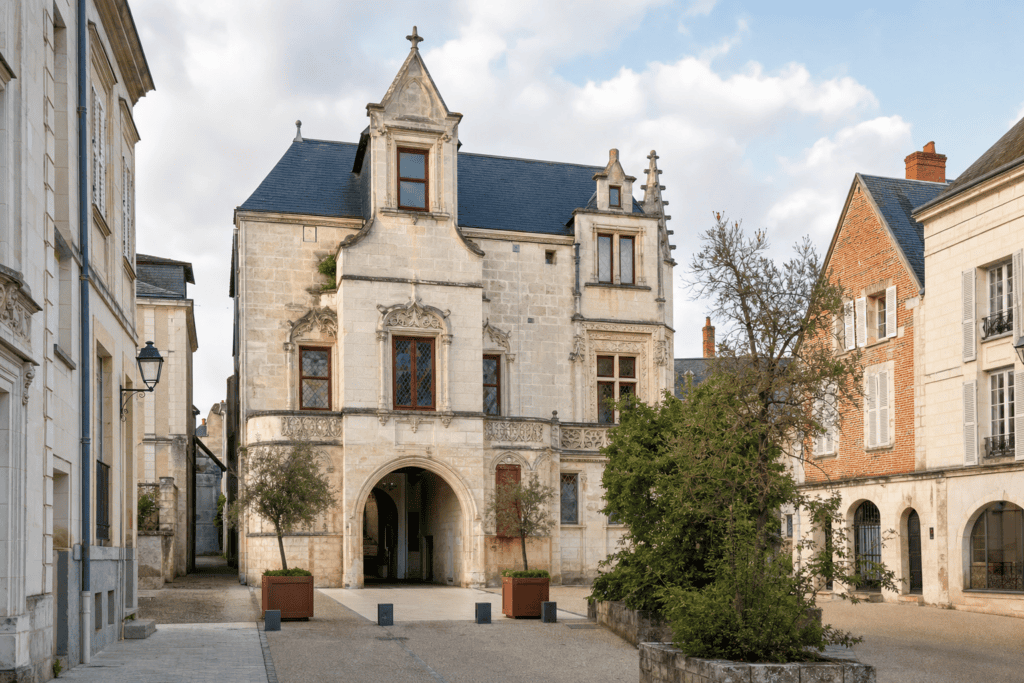 Robert-Houdin House of Magic A spectacular museum dedicated to Robert-Houdin and the history of magic, opposite the royal château…
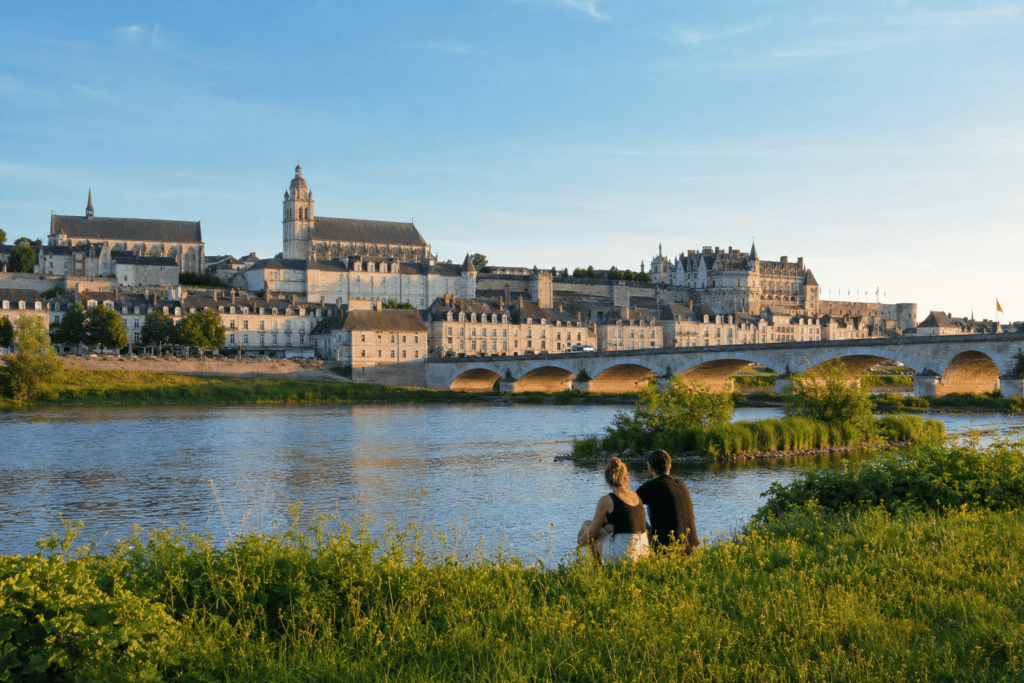 Things to do in Blois along the Loire Riverbanks, the Port de la Creusille, Loire à Vélo and Loire Valley landscapes: the best ideas for…
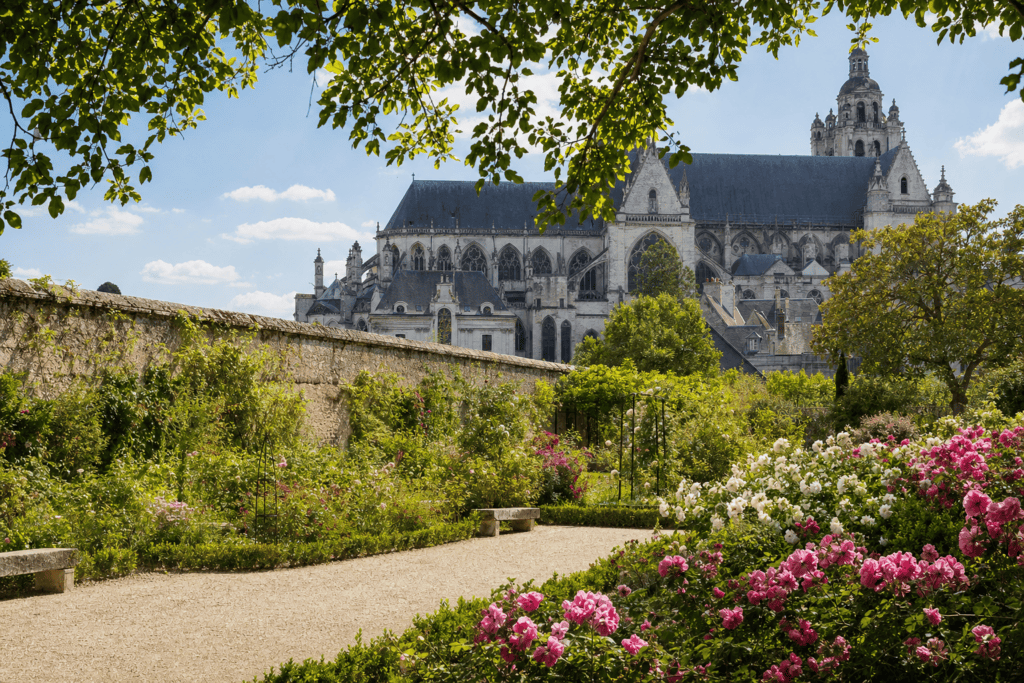 Bishop’s Gardens and Rose Garden A flower-filled walk behind Saint-Louis Cathedral, with a rose garden, terraces, and views over the Loire.
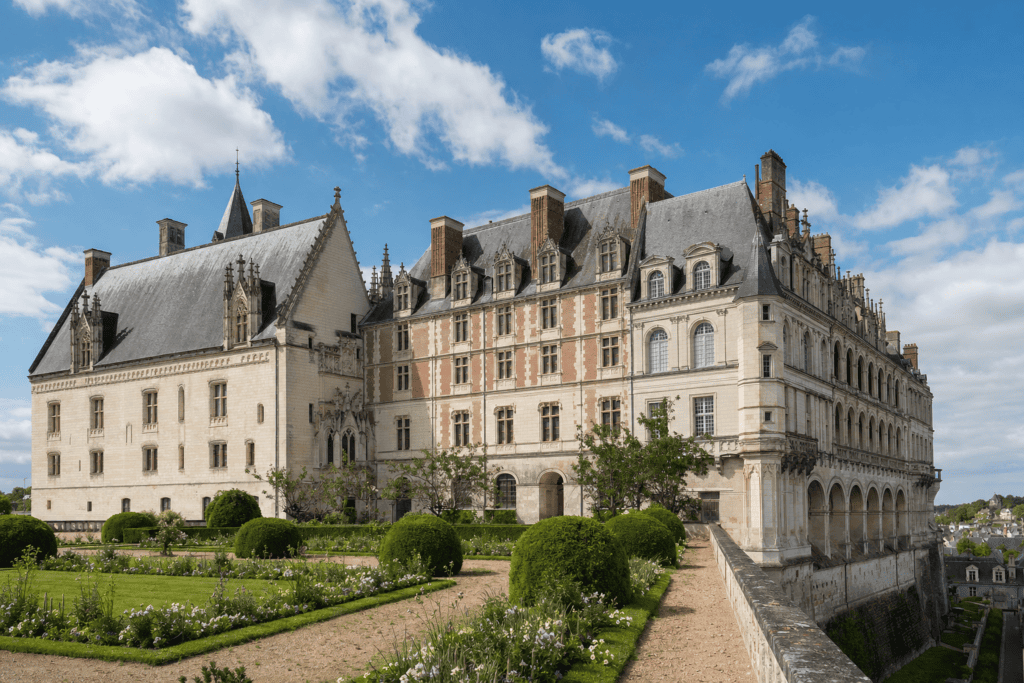 Royal Château of Blois A unique château in the Loire Valley, where four wings tell seven centuries of architectural history and…
Online booking · Paris → Denis-Papin Staircase, Rue Denis-Papin, 41000 Blois, France
Choose your pickup date and time
Your departure and arrival details are already pre-filled. You can adjust them in the fare calculator before viewing the vehicles and fare.