



Grand Hôtel de Cabourg: Proust’s Heritage and Legacy
Cabourg
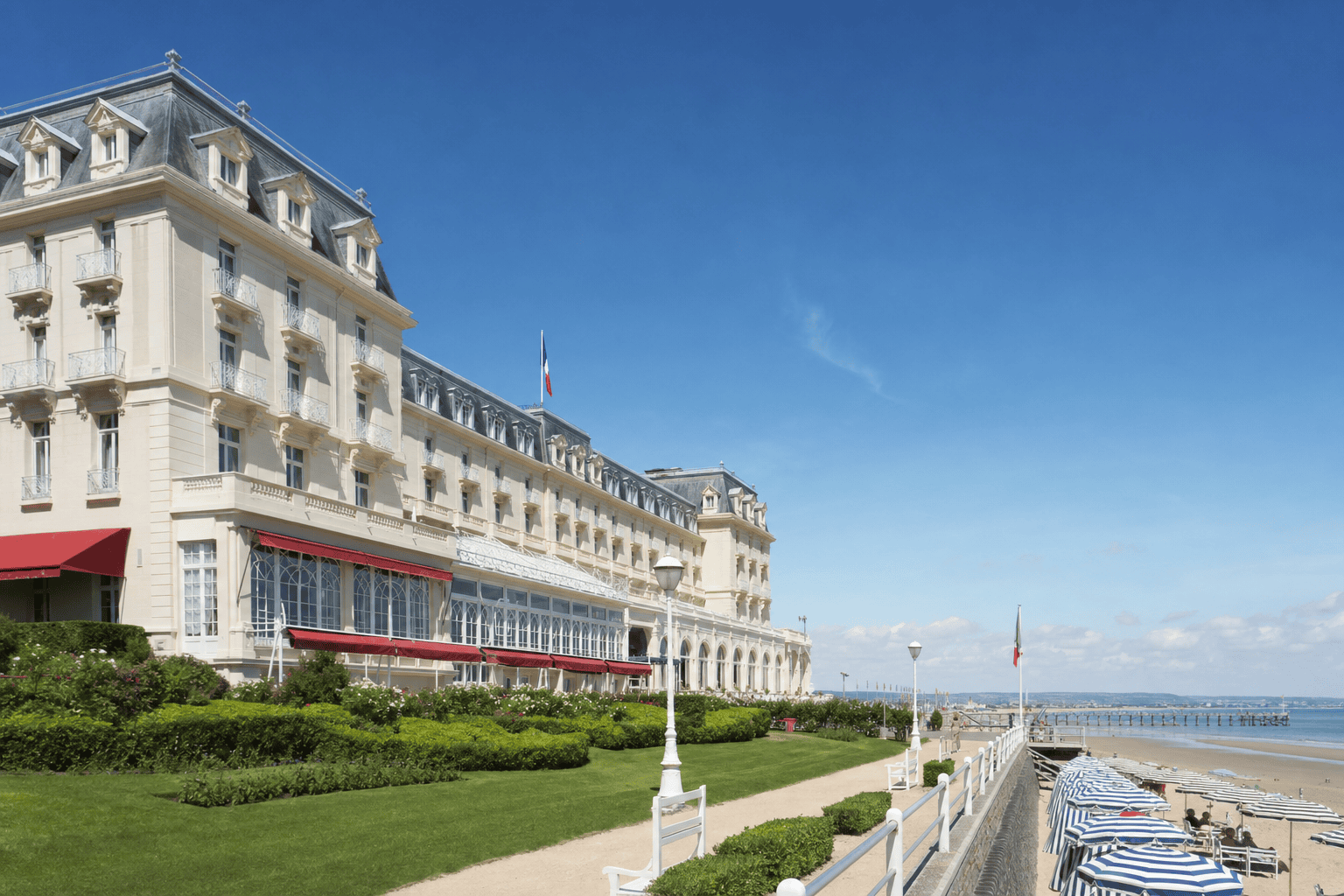
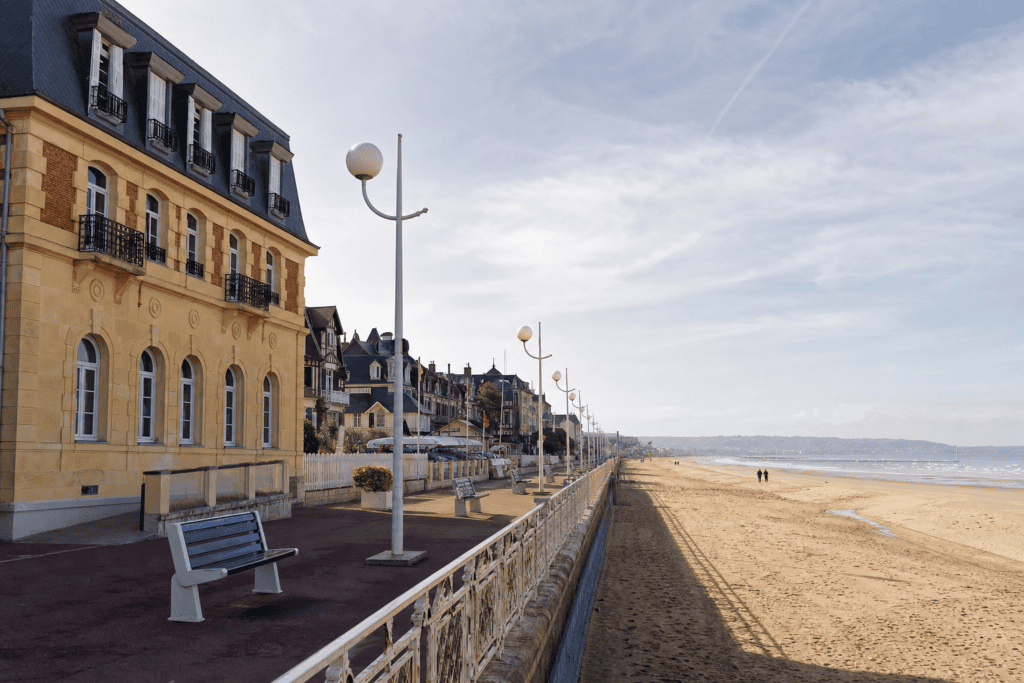
Facing the English Channel on the Marcel Proust Promenade, the Grand Hôtel de Cabourg is one of the resort’s most famous landmarks. Its seaside architecture, proximity to the casino, and association with Marcel Proust tell the story of a town shaped by holidaymaking. The façade can be viewed from public areas, while access to the interior depends on the hotel’s activities and guest-access policies. A walk around the property is already enough to appreciate its relationship with the beach, gardens, and Belle Époque villas of Cabourg.
Practical information
Combine the hotel with the casino gardens, the Marcel Proust Promenade, and a route among the seaside villas. Contact the property directly if you would like to go inside or ask about a particular area.
A private journey between Paris and Cabourg
From Paris, a Paris hotel, CDG, or ORY, Booking Paris Transfer can arrange private transportation to Cabourg, with a return to Paris or onward travel through Normandy depending on your itinerary. This service covers transportation only: it does not include tickets, hotel bookings, guided tours, or guaranteed access to the Grand Hôtel’s interior.
Departure from Paris, the Île-de-France region, CDG, or ORY; return to Paris or onward travel is possible depending on the itinerary.
A major landmark on the seafront
The Grand Hôtel de Cabourg is best discovered within its setting. Located beside the beach, it lines the Marcel Proust Promenade and forms, together with the casino and its gardens, one of the resort’s most recognizable ensembles. Its presence recalls the development of seaside resorts, when promenades, gaming establishments, and grand hotels shaped the social life of the Norman coast.
The building visible today reflects the evolution of Cabourg’s hotel industry in the 19thth and early 20thth centuries. Rather than focusing on an isolated date without context, observe the continuity between the hotel, the beach, and the public spaces. From the promenade, and then from the gardens, the viewpoints change and show how the architecture was designed to complement the maritime landscape.
Observing the architectural details
The Grand Hôtel’s silhouette incorporates several features of resort architecture: imposing volumes, a regular composition, numerous openings, and decorative details intended to convey the property’s prestige. Take a few minutes to look at the lines of the façade, the balconies, the rooflines, and the ornamental elements. Distance helps: by stepping back slightly, you can better appreciate the building’s scale and its dialogue with the beach.
The interior belongs to a different category. Grand hotels of this era were designed as reception venues as much as accommodations, with shared spaces intended to impress visitors. Today, these areas remain part of the operation of a hotel. Available heritage information should be distinguished from access rules: architectural significance does not mean that every part is freely open to visitors.
Marcel Proust and the image of Balbec
Cabourg has a close relationship with Marcel Proust, whose legacy is associated with the Grand Hôtel and the resort. Local sources mention several stays by the writer in the early 20thth century, as well as the room traditionally identified as number 414. For precise wording, it is best to consult the city’s and property’s current information rather than present every biographical detail as an independently established fact.
The connection with Balbec, the seaside town ofIn Search of Lost Time, gives the site a literary dimension. The promenade helps convey this association through the senses: the sea horizon, changing light, wind, and the rhythm of passersby. The site is not merely a Proustian backdrop; it also evokes the social life of seaside resorts and the experience of holidaymaking at the turn of the century.
What is actually accessible
The Grand Hôtel’s façade can be viewed from public areas along the seafront. This exterior visit does not mean treating the hotel as a museum: it involves looking at the building, its relationship with the beach, and the neighboring gardens while respecting walkways and private areas. The lobby, lounges, restaurants, and other shared spaces are subject to the property’s guest-access policies.
The room associated with Marcel Proust naturally attracts visitors, but its availability and any potential viewing should not be assumed. If you would like to enter, dine, or request heritage information, contact the Grand Hôtel directly before your visit. This precaution helps avoid a disappointing experience and protects guests’ privacy. For a guaranteed route through public areas, choose the promenade, the casino gardens, and Cabourg’s streets.
A landmark in Cabourg’s landscape
The Grand Hôtel’s significance becomes clear when considered within Cabourg’s layout. The resort’s plan gradually leads from the streets and shops toward the seafront. After leaving the hotel, explore Avenue de la Mer and the residential streets to observe the resort villas: bow windows, turrets, balconies, and varied decoration bear witness to the rise of seaside tourism.
The neighboring casino is a natural complement to the visit. Its gardens offer another perspective on the ensemble, while the Marcel Proust Promenade extends the route along the English Channel. Depending on opening dates and announced conditions, the Villa du Temps retrouvé can round out the visit with a cultural perspective on the Belle Époque. Check its practical information before setting out. The Grand Hôtel is therefore not an isolated building, but a central element of an urban landscape designed for holidaymaking.
Tips for a successful walk
The best time depends on your goal. Morning is often ideal for quieter observation and clear light on the façade. Toward the end of the day, the beach, seawall, and gardens take on softer hues. Normandy weather can change quickly, so bring protection from the wind and wear suitable shoes for an urban walk near the coast.
For an overall photograph, step back on the promenade or use the beach as a foreground, without entering restricted areas. Avoid photographing hotel guests without their consent. Tides, events, and seasonal crowds can change the atmosphere along the seafront; check local information if you are looking for a particularly quiet time. If you are considering interior access, a meal, or a specific request, contact the property rather than assuming it will be open.
Planning a day in Cabourg
A well-rounded day can begin in front of the Grand Hôtel, continue along the Marcel Proust Promenade, and include the casino gardens. Then head back toward Avenue de la Mer and the villa-lined streets to compare the different forms of seaside architecture. This loop combines landscape, literature, and urban planning without requiring access to the hotel’s interior.
After a break at an establishment that is open on the day of your visit, choose between another walk on the beach, a locally advertised cultural visit, or exploring another part of the Côte Fleurie. From Paris, Cabourg can fit into a day trip or a Normandy itinerary, but travel time should be checked based on traffic and your mode of transportation. Private transportation can make scheduling easier; it does not replace a hotel booking, ticket, or guarantee of access to the Grand Hôtel.
Frequently Asked Questions
Is the Grand Hôtel de Cabourg a museum?
Did Marcel Proust stay at the Grand Hôtel?
Can room 414 be visited?
Can visitors enter the lobby or restaurants?
How do you get to Cabourg from Paris?
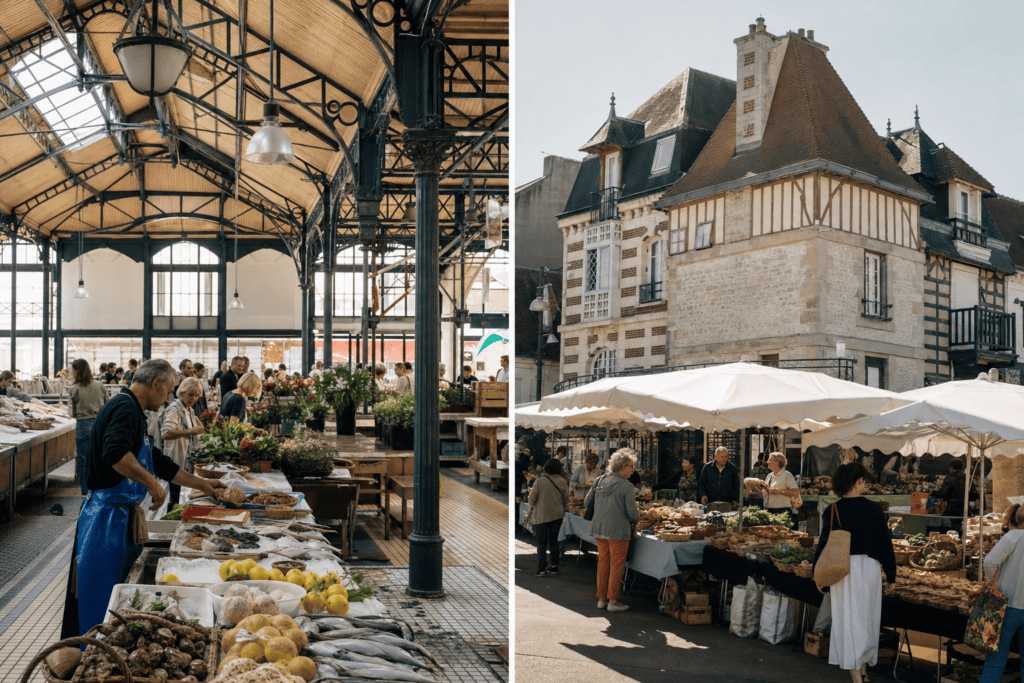 Cabourg Covered Market and Market A gourmet stop in the heart of Cabourg, with covered market halls, Normandy products, and an open-air market…
 Things to do in Cabourg: a weekend of seaside heritage, beach time, and Norman cuisine A weekend in Cabourg combining the beach, Belle Époque villas, gardens, the market, and the culinary delights of the Pays…
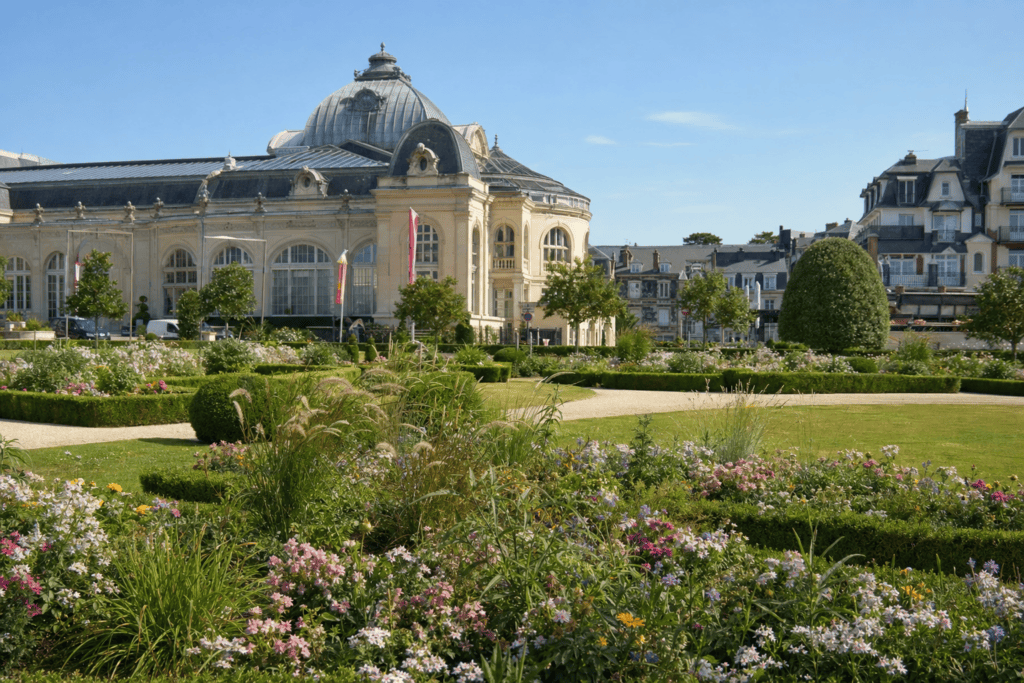 Casino Gardens and Avenue de la Mer An elegant walk through flower gardens, Belle Époque villas, shops, and Cabourg’s seafront.
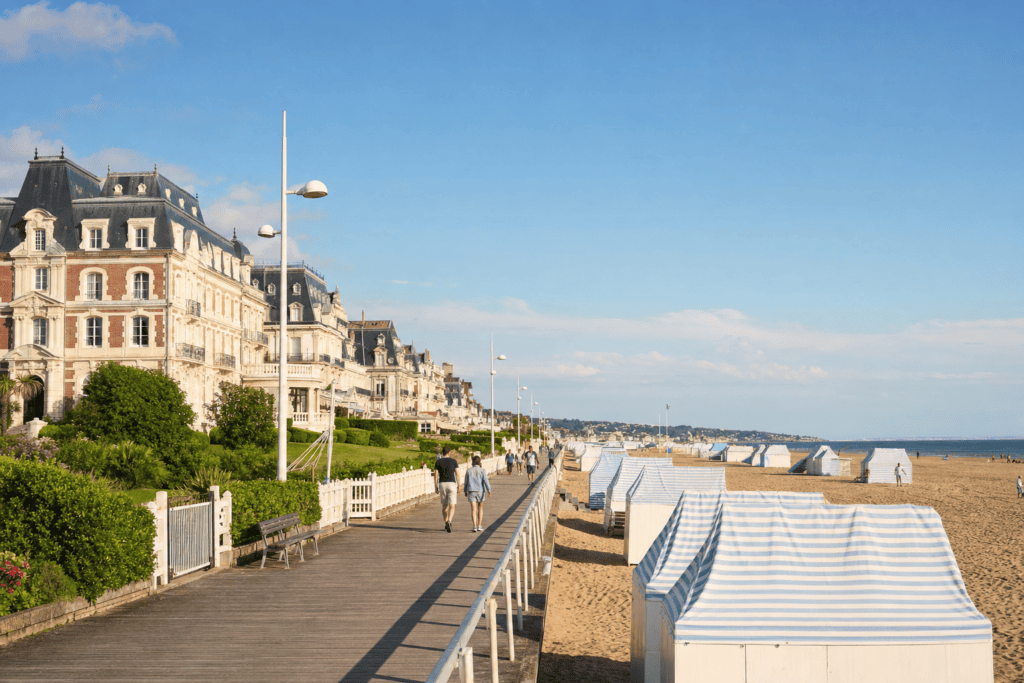
 Marcel Proust Promenade and Cabourg Beach An iconic Cabourg walk between the beach, Belle Époque villas, beach cabins, and sea views.
Online booking · Paris → Les Jardins du Casino, 14390 Cabourg, Calvados, Normandy, France
Choose your pickup date and time
Your departure and arrival details are already pre-filled. You can adjust them in the fare calculator before viewing the vehicles and fare.