



Côte Fleurie · Normandy · Normandy
Cabourg: Guide to the Beach of Romantics
On the Côte Fleurie, Cabourg charms visitors with its expansive beach, Marcel Proust promenade, and Belle Époque villas. With its literary heritage, seaside atmosphere, and opportunities to explore the Pays d’Auge, the resort is ideal for both a day trip and a weekend on the English Channel.
Explore Cabourg
Cabourg’s must-see attractions
 Must-see
Things to do in Cabourg: a weekend of seaside heritage, beach time, and Norman cuisine
A weekend in Cabourg with its beach, Belle Époque villas, gardens, market, and Pays d’Auge delicacies.
 Neighborhoods
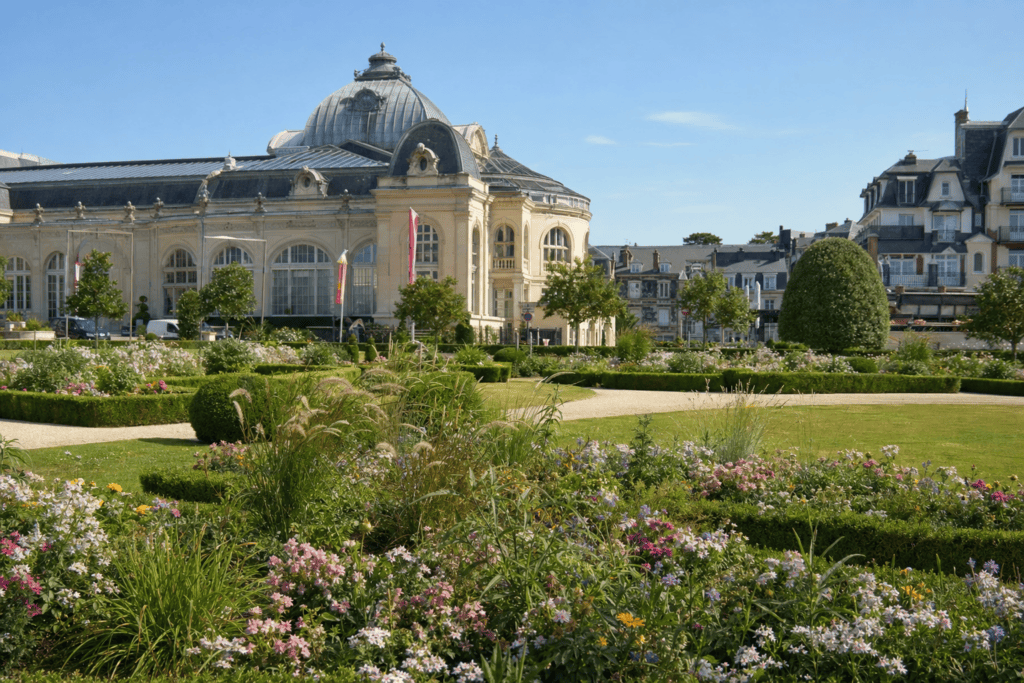
Casino Gardens and Avenue de la Mer
An elegant walk through flower gardens, Belle Époque villas, shops, and Cabourg’s seafront.
 Markets
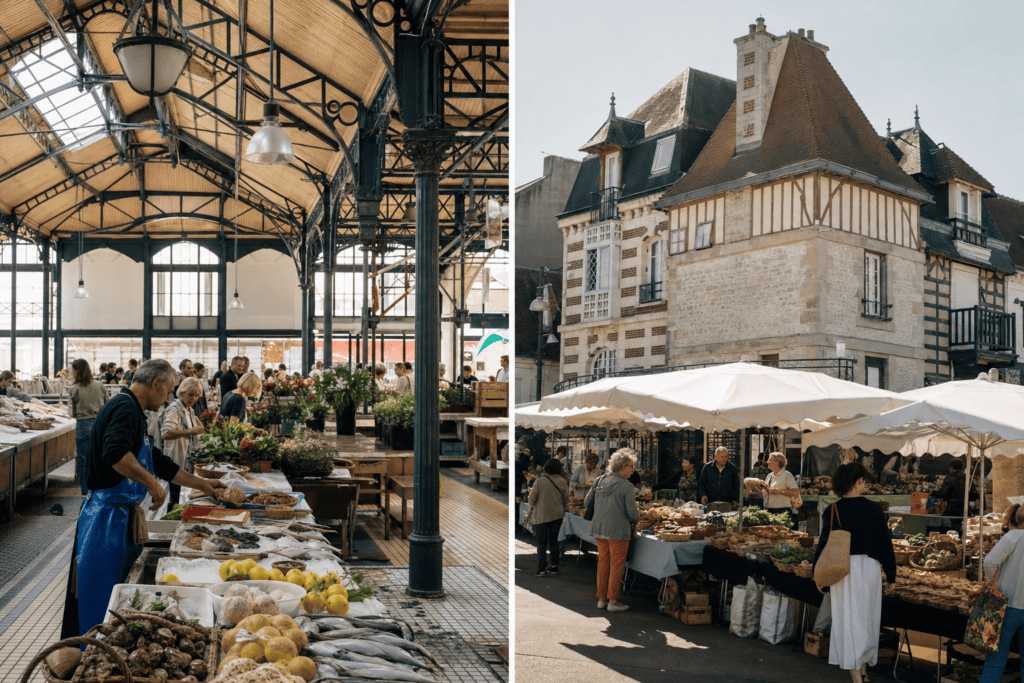
Cabourg Covered Market and Market
A gourmet stop in the heart of Cabourg, combining covered halls, Norman products, and an open-air market.
 Must-see
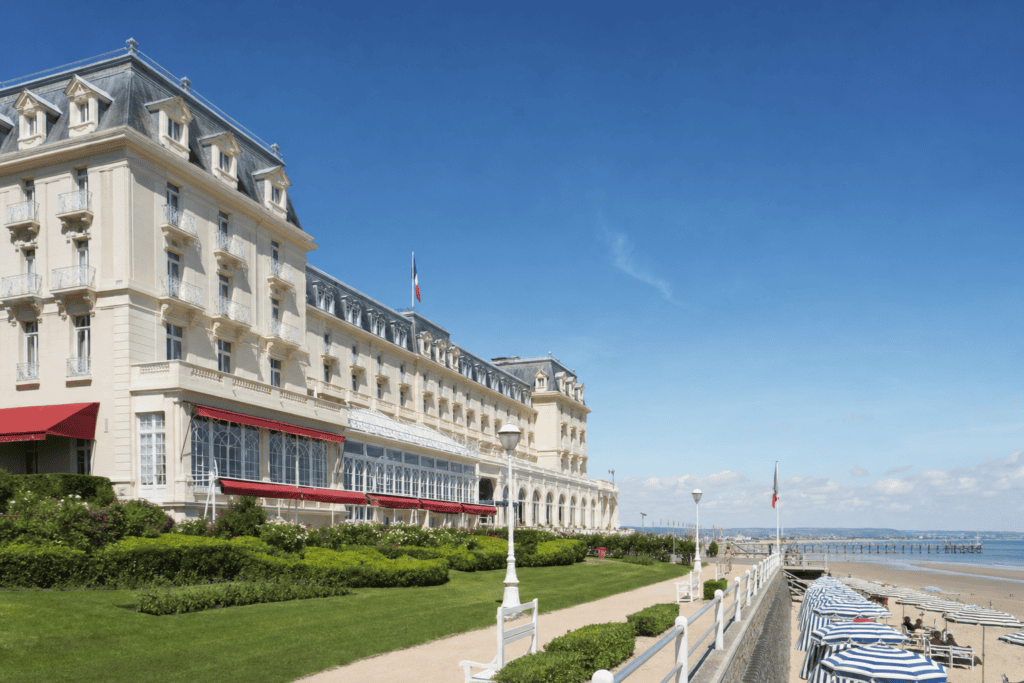
Grand Hôtel de Cabourg
Overlooking the sea, the Grand Hôtel de Cabourg combines seaside architecture, Marcel Proust’s legacy, and elegance…
 Must-see
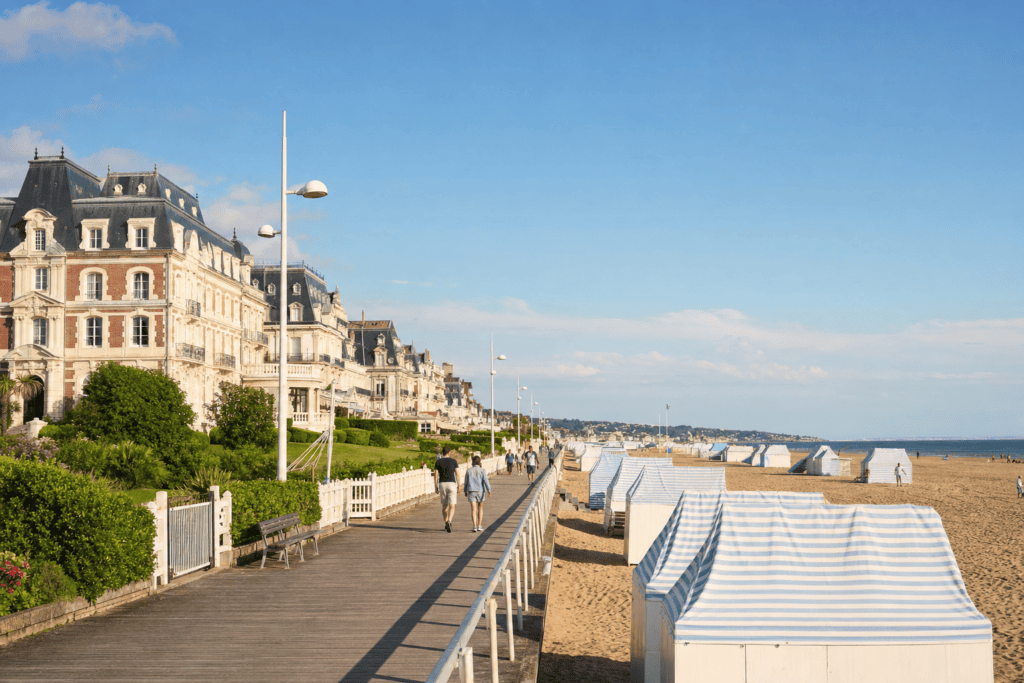
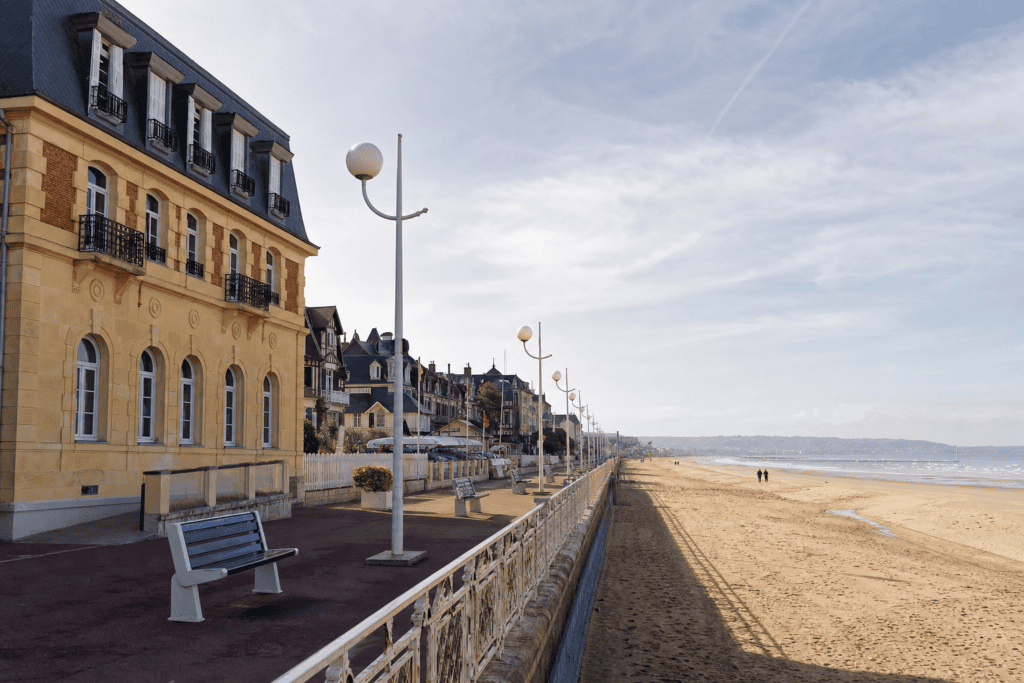
Marcel Proust Promenade and Cabourg Beach
An iconic Cabourg walk between the beach, Belle Époque villas, beach cabins, and sea views.
Other destinations to discover
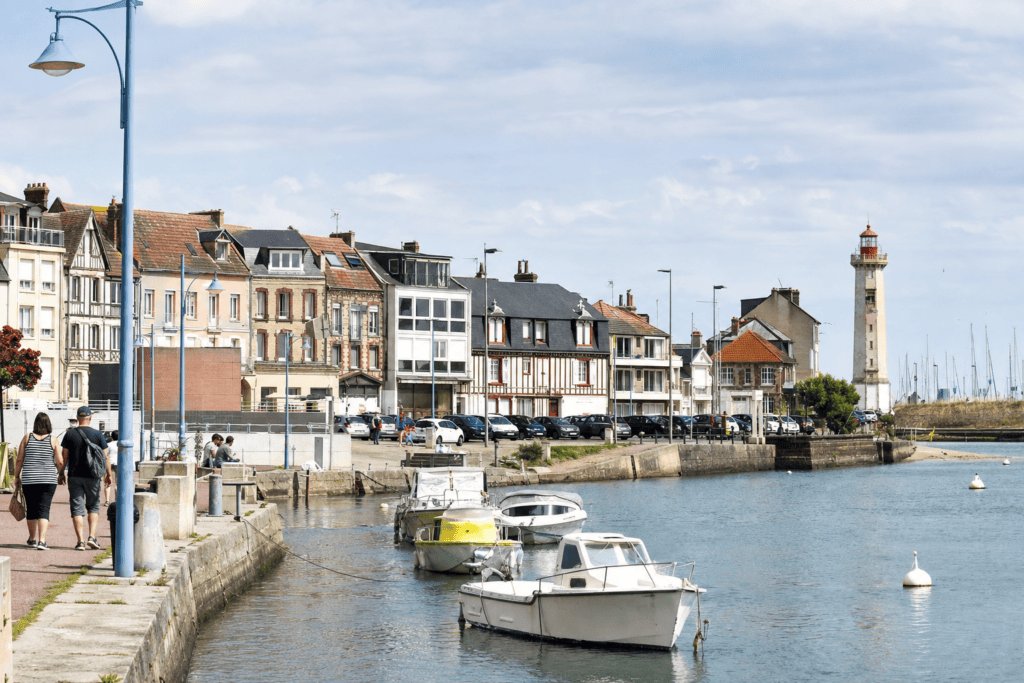
Ouistreham
Discover Riva-Bella Beach, Sword Beach, the Grand Bunker, the harbor and D-Day sites…
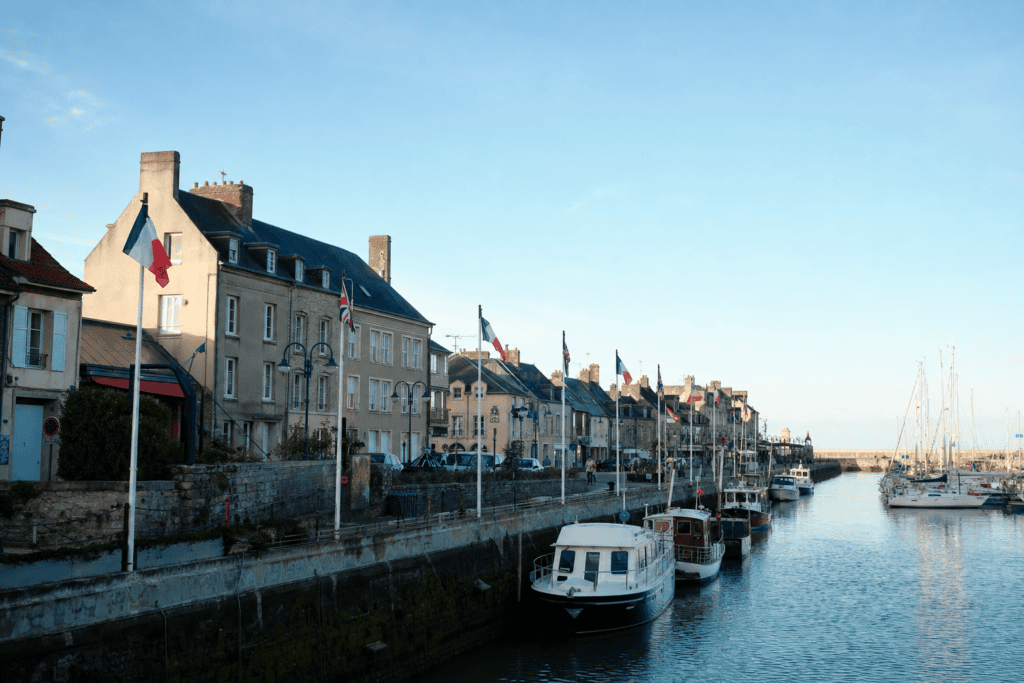
Courseulles-sur-Mer
A Côte de Nacre resort with beaches, a harbor, seafood and Canadian heritage…
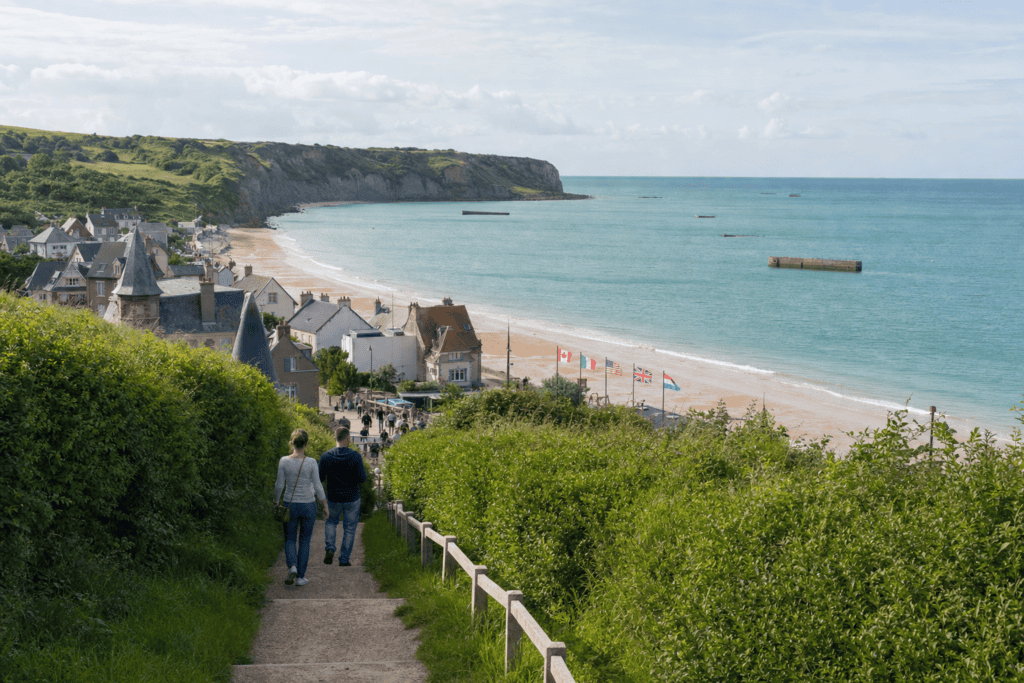
Arromanches-les-Bains
A major D-Day site featuring Mulberry B harbor, Gold Beach, a museum, and remembrance routes from Bayeux.
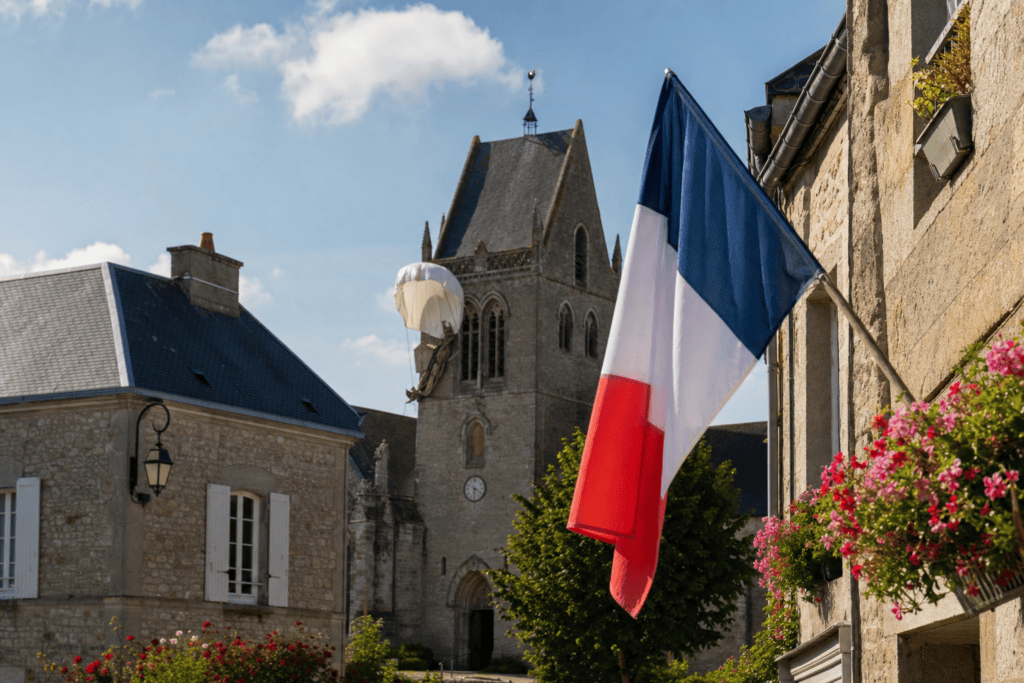
Sainte-Mère-Église
Discover the Airborne Museum, John Steele’s church, La Fière, and Utah Beach from Sainte-Mère-Église.
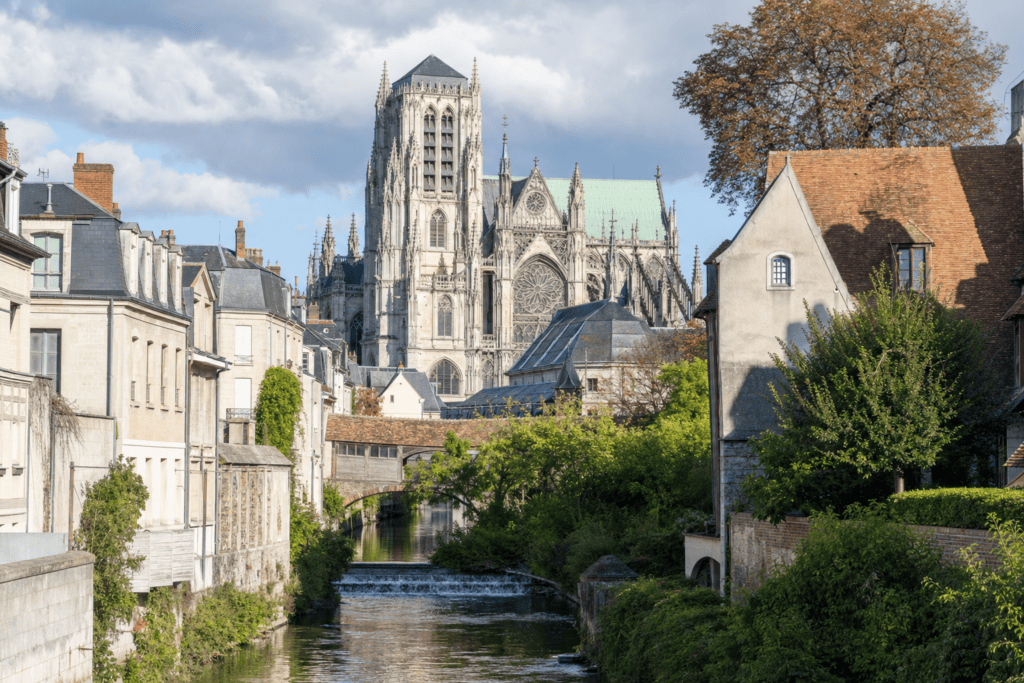
Évreux
A charming Norman town where the cathedral, belfry, museum and banks of the Iton make for a rich and…
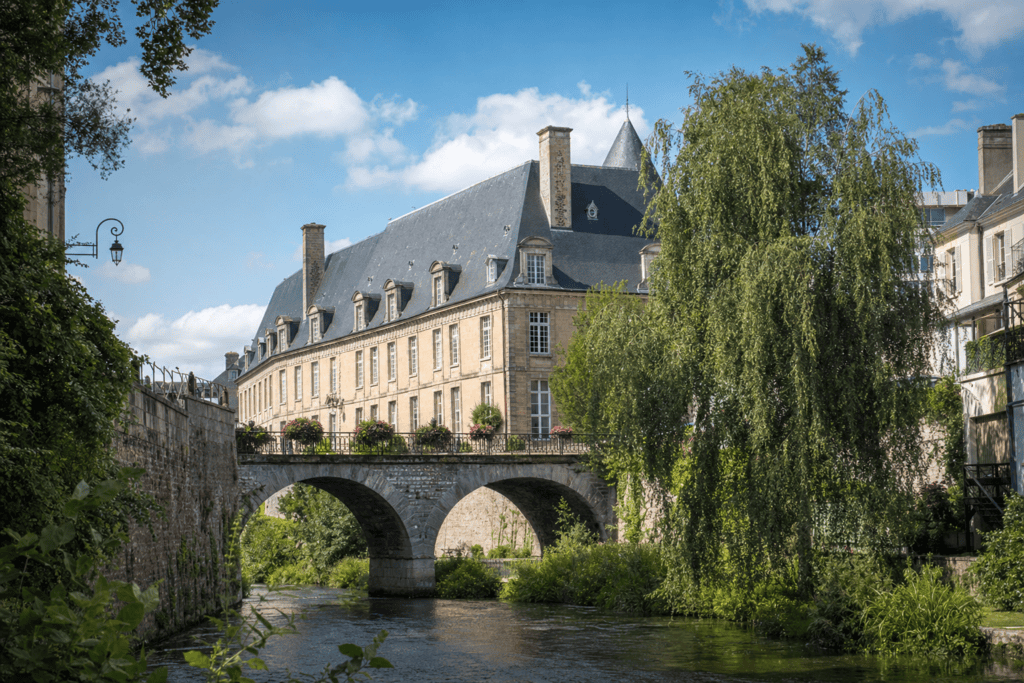
Alençon
Alençon charms visitors with its historic heritage, exceptional needle lace, religious legacy and landscapes…
DESTINATION GUIDE
Cabourg Travel Guide
A seaside resort between the sea and the Pays d’Auge
Cabourg holds a special place on the Côte Fleurie. The town combines a long sandy beach, distinctive resort architecture, and a more peaceful atmosphere than those of the major neighboring resorts. It is easy to explore on foot, taking time to admire the façades, gardens, and open views toward the English Channel.
The town lies near the Dives estuary, in a landscape where the coast meets the meadows and hedgerows of the Pays d’Auge. This setting makes it possible to combine a seaside walk with an excursion to Dives-sur-Mer, Houlgate, or the villages inland. Cabourg can be a destination in its own right, as well as a starting point for exploring part of Calvados.
The Marcel Proust Promenade and the Beach
The Marcel Proust Promenade is the centerpiece of any visit to Cabourg. This pedestrian sea wall follows the seafront for approximately 3.6 kilometers, from the area around Cap Cabourg to Home-Varaville Beach. It offers a particularly enjoyable panoramic walk when the light shifts across the sea and the coastal landscape.
The route is lined with villas and buildings constructed during the development of seaside bathing. In the center, the Grand Hôtel is one of the resort’s most iconic landmarks. Even without staying there, you can admire its silhouette from the promenade and understand its role in Cabourg’s high-society history.
- Choose the early morning for a quieter walk and softer light.
- Bring a windbreaker: the seafront can be cool, even during the summer season.
- Look out for details in the street furniture and markers of the Meridian of Love.
- Check local information before any activity affected by the tides or beach regulations.
The beach is perfect for swimming, relaxing, and family fun, but its appearance varies with the tides and weather conditions. For a more contemplative experience, the promenade remains appealing year-round, especially in fall and winter, when the coastline takes on a more stripped-back atmosphere.
Following in Marcel Proust’s Footsteps
Cabourg is closely associated with Marcel Proust, who regularly stayed at the Grand Hôtel between 1907 and 1914. The resort fueled the writer’s imagination and is generally linked to Balbec, the seaside town depicted in In Search of Lost Time. This legacy extends beyond a plaque or literary remembrance: it can be felt in the promenade, the Grand Hôtel, and the romantic identity embraced by the town.
The Villa du Temps retrouvé offers a broader look at this period. Its exhibits explore the Belle Époque, everyday life, the arts, fashion, and Marcel Proust’s world. Since exhibitions may change, it is best to check the venue’s schedule and visitor information before setting out.
On the sea wall, the Meridian of Love is another point of interest. This public artwork features studs and columns bearing the word “love” in different languages. It reflects Cabourg’s romantic character and provides a distinctive landmark along the walk.
Belle Époque Villas and Gardens
Cabourg’s town center deserves to be explored beyond the seafront. The streets arranged around the Grand Hôtel reveal numerous villas in eclectic styles: half-timbering, bow windows, turrets, ornate balconies, and polychrome decorations create a remarkably varied seaside heritage. Some properties are discreet or privately owned, so admire them from public areas while respecting local residents.
The Casino gardens and the green spaces near the town hall offer pleasant breaks between walks. To better understand the resort’s urban history, consider joining a guided tour offered by the tourist office. Dates and arrangements vary depending on the season and cultural program.
What to Do Around Cabourg?
Cabourg fits naturally into an itinerary along the Côte Fleurie. Nearby Dives-sur-Mer extends the experience with its historic heritage, harbor, and arts village. Houlgate is known for its villas and coastal scenery, while Merville-Franceville-Plage provides access to the Orne estuary and natural areas popular for birdwatching.
A little farther away, Deauville, Trouville-sur-Mer, and Honfleur offer other perspectives on the Normandy coast. You can devote the day to a single resort and take time to walk, or plan a loop connecting several harbors and beaches. History enthusiasts can also add D-Day sites and the cities of Caen and Bayeux to a Normandy trip.
- For a romantic weekend: sunset stroll, villas, the Grand Hôtel, and a visit to the Villa du Temps retrouvé.
- For a family outing: beach, pedestrian sea wall, gardens, and seasonal leisure activities.
- For a cultural stay: seaside heritage, Proust’s legacy, exhibitions, and excursions to Dives-sur-Mer.
- For a nature getaway: off-season beach walks, the Dives estuary, Orne Bay, and Pays d’Auge trails.
When to Visit Cabourg?
Warm weather is ideal for beach activities and seaside life, but it is also the busiest time of year. Spring highlights the gardens and flower-filled landscapes of the Côte Fleurie. Fall often brings remarkable light to the promenade, while winter suits travelers seeking a peaceful atmosphere and long, invigorating walks.
Before you leave, check museum opening hours, scheduled events, parking conditions, and any temporary restrictions along the coast. Cabourg’s official calendar and the tourist office’s information are the best references for planning a visit on a specific date.
Practical Tips for a First Visit
One day is enough to walk the promenade, enjoy the beach, and explore the town center. For a more complete experience, plan on two days to include the Villa du Temps retrouvé, an excursion into the Pays d’Auge, or a visit to nearby towns. Comfortable shoes are recommended: the best way to experience Cabourg’s atmosphere is to walk between the sea, gardens, and villa-lined streets.
Cabourg can also be explored in a more sustainable way: walk whenever possible, respect the dune areas, and check local guidelines regarding dogs, bicycles, and water activities. The resort retains its charm when everyone helps protect the coastline and heritage that define its identity.
Getting to Cabourg from Paris
Booking Paris Transfer can arrange a private ride from Paris, the Île-de-France region, or airports CDG and ORY to Cabourg. For a multi-stop trip, the journey can also be incorporated into a Normandy itinerary beginning in Paris, with a return to Paris arranged according to your schedule. Booking Paris Transfer is not a local taxi service based in Cabourg and does not sell admission tickets.