



Musée d’Art et d’Histoire de Cholet: Complete Guide
Cholet
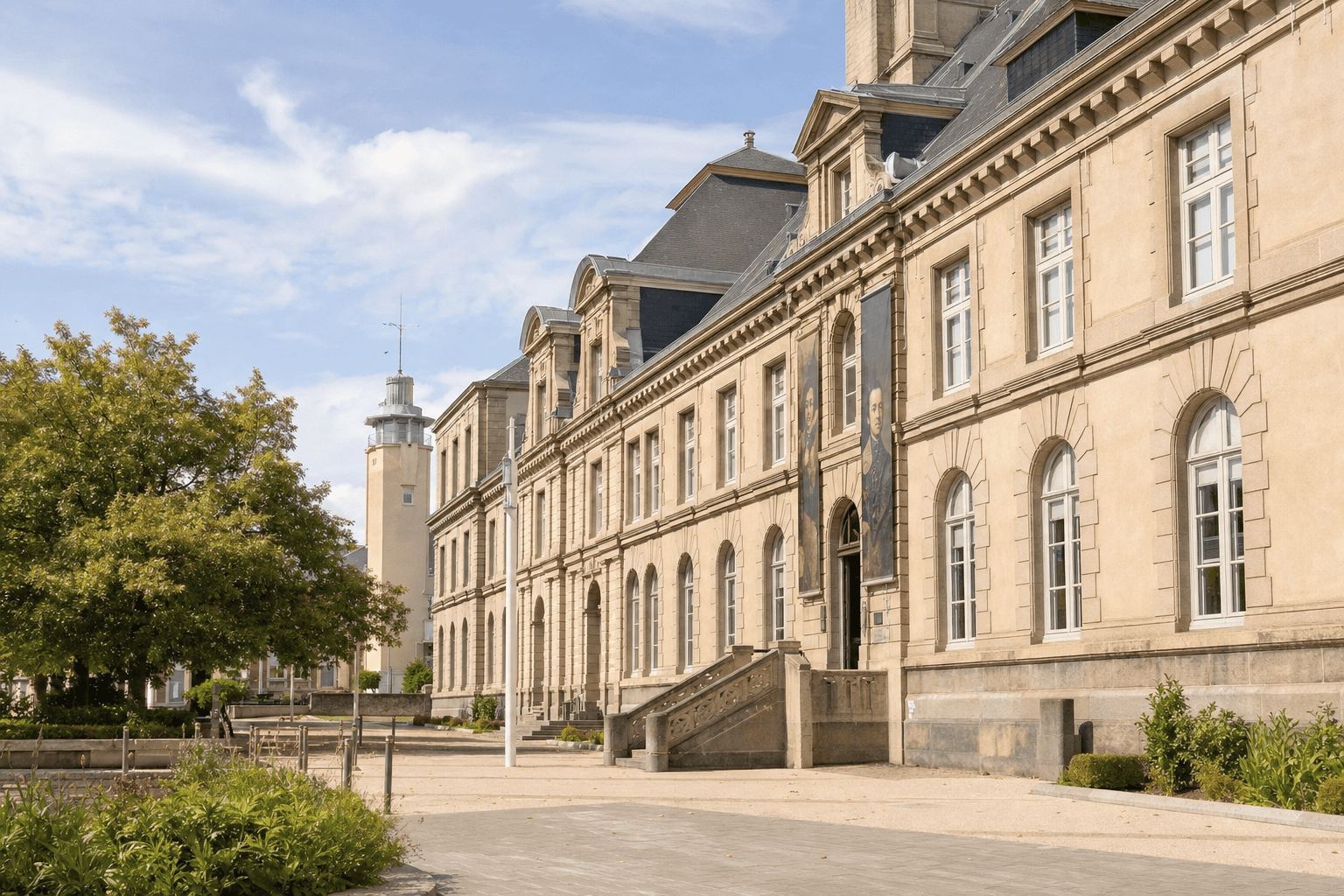
Located on Avenue de l’Abreuvoir in Cholet, the Musée d’Art et d’Histoire de Cholet brings together two complementary sections: a gallery devoted to local and regional history, and a space dedicated to fine arts, modern art, and geometric abstraction. The visit offers a better understanding of Cholet’s identity, from the city’s origins through the major upheavals of the French Revolution and World War I. The collections include paintings, sculptures, weapons, documents, flags, and objects connected with the memory of the Vendée Wars. Opening hours, admission fees, visitor information, and occasional closures may change, so check the official information before your visit.
Practical information
For a first introduction, start with the History Gallery to get your bearings in Cholet and the Mauges, then continue with the art collections and geometric abstraction.
Getting to Cholet from Paris with a Chauffeur
Arrange your Paris–Cholet journey from a Paris hotel, Paris, Charles de Gaulle Airport, or Orly Airport, with a return to Paris or by including the museum in a broader cultural itinerary. Transportation is separate from museum admission and activities.
Transportation service departing from Paris and the Île-de-France region; no ticketing service or local location in Cholet.
A Museum for Understanding Cholet and the Mauges
The Musée d’Art et d’Histoire de Cholet is an excellent first stop for discovering the city. Its distinctive feature is that it brings together, in one institution, a section devoted to local and regional history and a gallery displaying works of art. This layout offers different perspectives throughout the visit: a document may shed light on a painting, a portrait may recall an event, while a military object gives a historical period a tangible dimension.
The historical section follows a broad chronology, from Cholet’s origins to the early 20th century. The Vendée Wars occupy a prominent place, but they do not represent the entire collection. The museum also explores the formation of the region, the city’s transformations, and the successive memories that have shaped its inhabitants.
This combination makes the museum appealing to day visitors, families, history enthusiasts, and travelers curious about the heritage of the Mauges. The visit can easily fit between a walk through central Cholet, an exploration of the city’s textile heritage, and lunch in town. Above all, it provides useful context for understanding the landscapes and monuments of the Cholet area.
The History Gallery and the Vendée Wars
The History Gallery is particularly known for its collection devoted to the Vendée Wars. This conflict, which broke out in western France in 1793, pitted Republican forces against the Catholic and Royal armies, among others. Cholet played an important role in this period, notably because of the Battle of October 17, 1793, and the upheaval it caused for the population and the region.
The section features several figures associated with this period, including Jacques Cathelineau, Lescure, Henri de La Rochejaquelein, Charette, and Bonchamps. The Hall of Vendée Generals gives the story a human dimension through portraits and depictions of the main protagonists.
Paintings, weapons, archives, uniforms, flags, and objects offer insight into the fighting between the Whites and the Blues, the Virée de Galerne, and the uprising’s aftermath. The presentation also encourages reflection on the construction of historical memory: the collections show not only the events themselves, but also how they have been recounted, commemorated, and passed down over time.
Fine-Arts Collections to Explore
The Art Gallery offers a change of pace after the historical rooms. It brings together paintings, drawings, and sculptures spanning several periods and genres. Visitors will encounter mythological scenes, religious or historical episodes, landscapes, portraits, and genre scenes. This diversity makes the section accessible, even without specialized knowledge of art history.
The museum notably preserves works by Pierre Charles Trémolières, a painter born in Cholet. His presence creates a direct link between national artistic history and local identity. The landscapes and portraits also provide a sensitive counterpoint to the documents and objects displayed in the History Gallery.
To get the most from this section, take time to compare the formats, materials, light, and compositional choices. Rather than trying to remember every name, select a few works and study their details. Consider how an artist depicts a person, organizes a space, or suggests a particular era. This approach also works well with children and turns the visit into an exploration rather than simply a succession of display cases.
Geometric Abstraction and Modern Art
One of the museum’s strengths is its collection devoted to modern and contemporary art, with a strong focus on geometric abstraction. This creates a striking contrast with the historical paintings and figurative works displayed in the other areas. It shows that the museum is not limited to local heritage, but also opens a window onto the artistic developments of the 20th century.
Les collections permettent d’aborder différentes démarches fondées sur la ligne, la couleur, la forme, le rythme ou la construction de l’espace. Des artistes tels qu’Albert Gleizes, Georges Valmier, Auguste Herbin, František Kupka, Victor Vasarely, Jean Dewasne, François Morellet et Aurélie Nemours sont associés à cet ensemble.
This section may surprise visitors who came primarily for the Vendée Wars, but it enriches the experience precisely for that reason. Observe how a composition guides the eye and how a few simple shapes can create a sense of movement or balance. With children, compare a figurative work with an abstract one by asking them to describe the colors, lines, and sensations they produce, without immediately seeking an academic interpretation.
How to Plan Your Visit
A complete self-guided visit generally takes between 1 hour 30 minutes and 2 hours, depending on how much time you spend on the works and exhibit labels. For a first visit, begin with the History Gallery to place Cholet within the region’s major events. Then continue to the Art Gallery and the geometric abstraction section: this route provides a clear progression from chronology and objects to aesthetic observation.
With children, it is better to focus on a few stops rather than trying to cover every detail. Choose a portrait, a military object, a document, and an abstract composition, then compare their forms and functions. Organized groups and visitors seeking educational support should contact the Musées de Cholet directly for information about visitor arrangements and reservations.
Before setting out, check the opening hours, admission fees, days of operation, last admission times, and any exceptional closures, as this information may vary by season or program. Also allow some time to reach the Halles parking area or arrange group drop-off. A little preparation makes it easier to enjoy the collections without turning the visit into a race against the clock.
What to See Around the Museum in Cholet
The museum fits easily into a cultural day in Cholet. After your visit, a walk through the center allows you to place the collections in their urban setting and observe traces of the city’s development. The city’s industrial heritage can be explored further at the Musée du Textile et de la Mode, devoted to an industry that has profoundly shaped Cholet’s economy and identity.
To continue exploring the Vendée Wars, the Tourist Office provides information about historic sites and heritage resources throughout the area. The museum is a good starting point: its maps, portraits, objects, and accounts provide useful context for understanding a landscape, a former route, or a memorial site.
Depending on the time available, combine the visit with an urban walk, a break in the city center, or a second stop focused on textiles. Art enthusiasts can also look out for works and installations visible in public spaces. This combination allows you to discover Cholet through several dimensions: political history, fine arts, modern creativity, industry, and everyday life. Allow a morning for a condensed itinerary, or a full day to explore the city without rushing.
Planning a Cultural Stop from Paris
From Paris, the Musée d’Art et d’Histoire de Cholet can be included in an itinerary focused on western France. The city works equally well as a stop during a longer trip or as part of a route connecting several heritage sites in the Mauges and Loire Valley. Before setting out, check travel time, parking arrangements, and the museum’s opening hours separately so you can build a realistic itinerary.
Chauffeured transportation can be arranged from a Paris hotel, Paris, Charles de Gaulle Airport, or Orly Airport, with a return to Paris or onward travel to another destination in mainland France. The chauffeur provides transportation only: admission, guided tours, reservations, and on-site activities must be arranged directly with the relevant institution.
For a comfortable day, allow time for the visit, a lunch break in Cholet, and, if possible, a second attraction such as the Musée du Textile et de la Mode. This itinerary connects military history, fine arts, abstraction, and industrial heritage. It avoids reducing the city to a single period and offers a better understanding of the Cholet area’s cultural diversity.
Frequently Asked Questions
What is the address of the Musée d’Art et d’Histoire de Cholet?
How much time should I allow for the visit?
Does the museum focus exclusively on the Vendée Wars?
Are the opening hours and admission fees fixed year-round?
Can the museum be visited by groups?
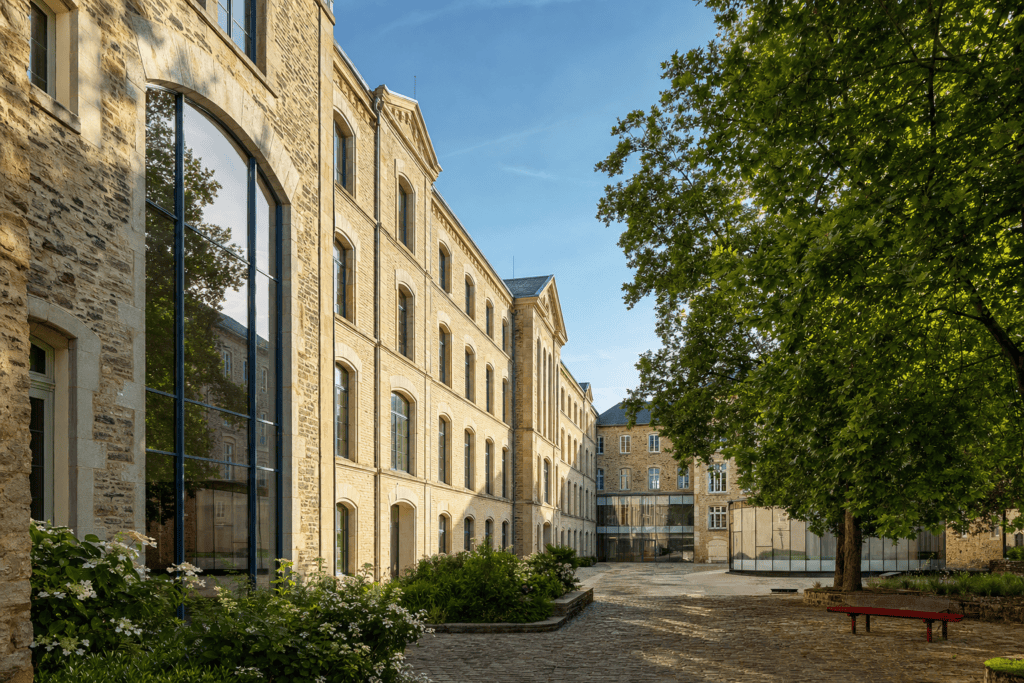 Museum of Textiles and Fashion A lively visit in a former laundry to explore Cholet’s textile history, from fibers to the…
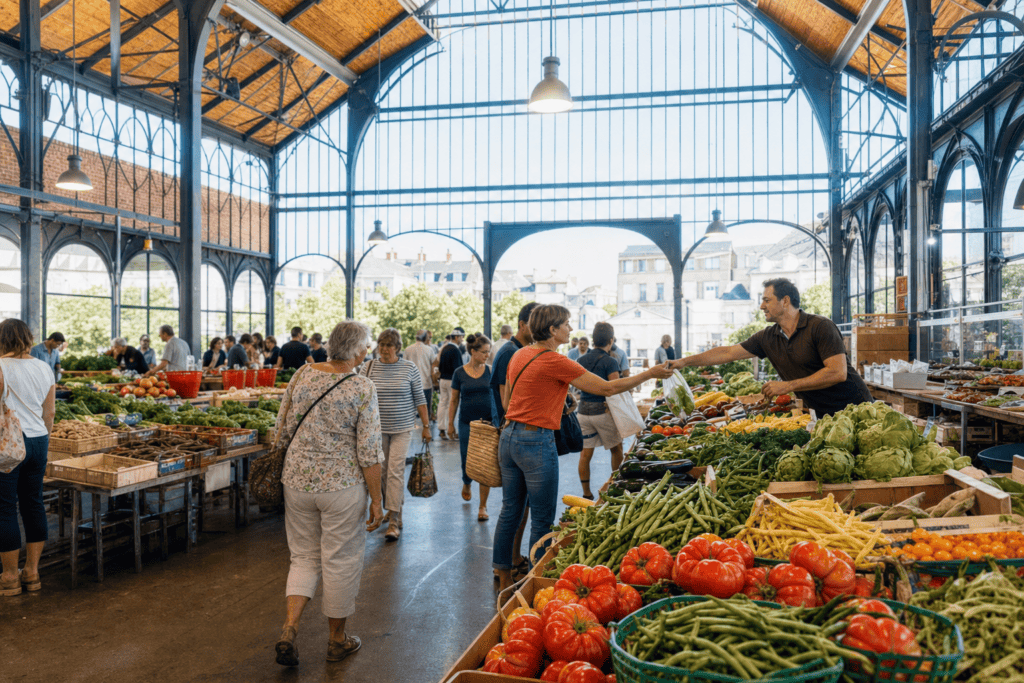 Les Halles de Cholet and the Town-Center Market A central stop for discovering food shops, fresh produce, and the area’s lively shopping atmosphere…
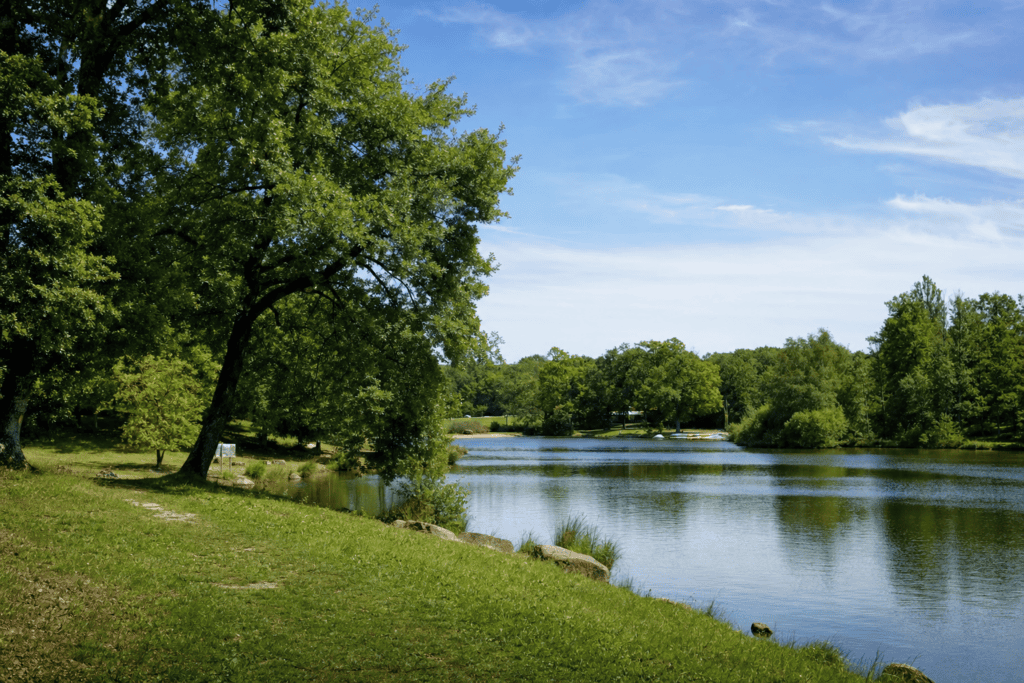 Lake Ribou A natural area near central Cholet for walking, photographing the landscape, and enjoying a…
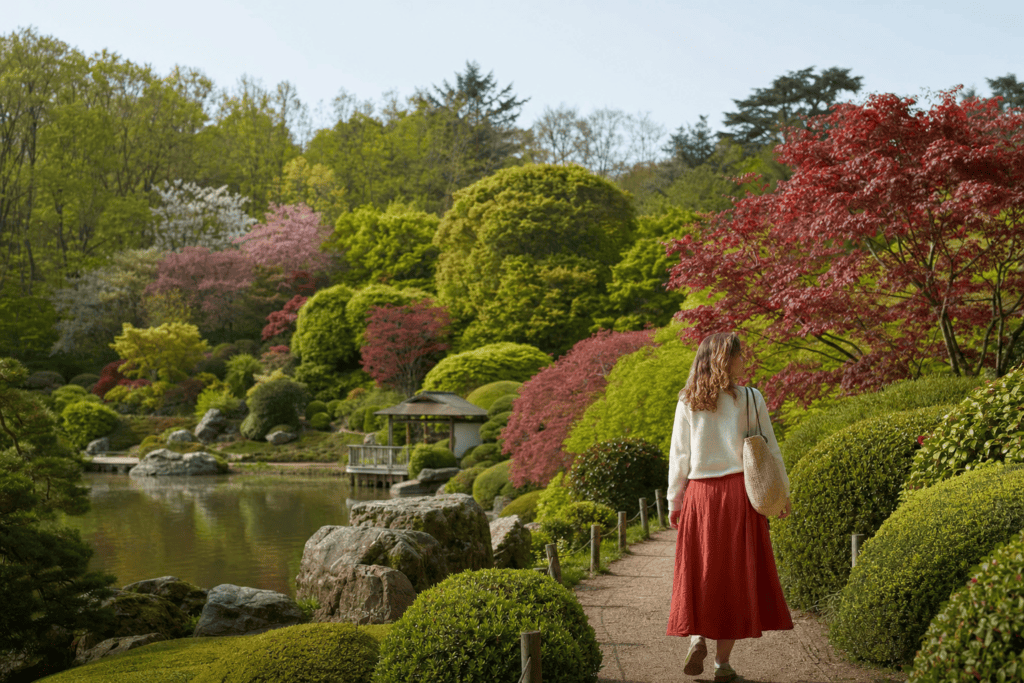 Maulévrier Oriental Park A vast Japanese garden near Cholet, to explore slowly among a pond, river, carefully designed vegetation, and…
Online booking · Paris → 27 avenue de l’Abreuvoir, 49300 Cholet, France
Choose your pickup date and time
Your departure and arrival details are already pre-filled. You can adjust them in the fare calculator before viewing the vehicles and fare.