



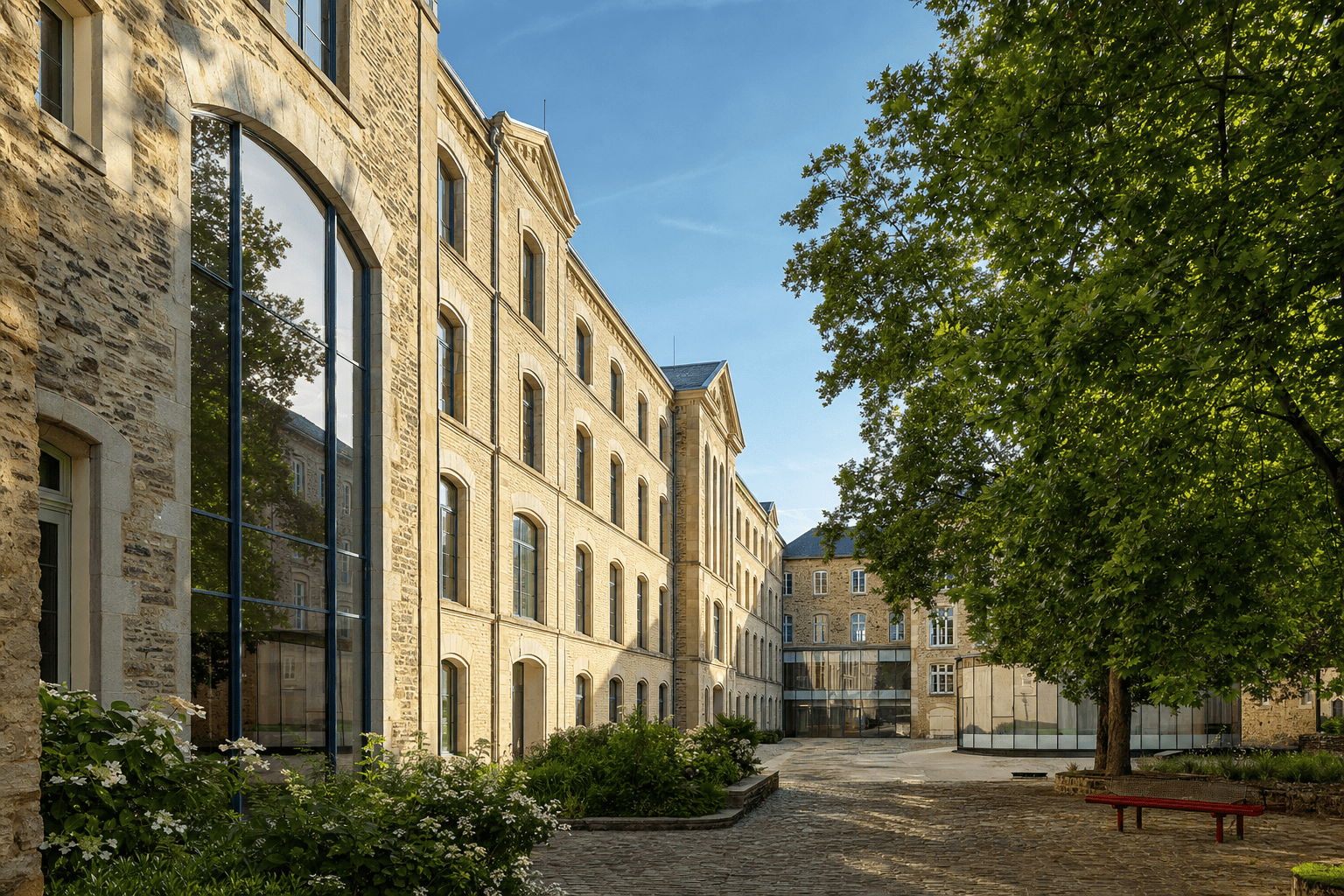
Cholet Museum of Textiles and Fashion
Cholet
Housed in the former Rivière Sauvageau bleach works, the Cholet Museum of Textiles and Fashion tells the story of an industry that profoundly shaped the city and the surrounding Choletais area. The tour connects fibers, threads, looms, cloth bleaching, household linens, the famous red handkerchief, and contemporary creations. Historic machinery and occasional demonstrations make the visit tangible, while the building itself recalls the working conditions of an industry that was once essential. It is an interesting cultural stop for a first visit to Cholet, whether with family or during a trip focused on industrial heritage. As opening hours, events, accessibility arrangements, and programming may change, check the museum’s official information before traveling.
Practical information
Start by looking at the building and its industrial scale, then follow the stages of fiber processing. If the looms are operating, take time to watch the movements and mechanisms.
Travel to Cholet from Paris with a private driver
Booking Paris Transfer can arrange transportation from Paris, a Paris hotel, Charles de Gaulle Airport, or Orly to Cholet, with a return to Paris or the museum included in a longer itinerary. The service covers transportation only; admission and any visit reservations must be arranged directly with the Museum of Textiles and Fashion.
Departure from Paris, the Île-de-France region, CDG, or ORY; return to Paris or travel incorporated into an itinerary that began in Paris.
A former bleach works transformed into a museum
The first distinctive feature of the Cholet Museum of Textiles and Fashion is its building. The museum occupies the former Rivière Sauvageau cloth-bleaching factory, built in 1881. The heritage is therefore not presented in a recreated setting: it forms the authentic backdrop to the visit. The industrial spaces, work areas, and traces of the former activity offer a better understanding of the constraints involved in textile processing.
The site was restored and opened as a museum in 1995. It notably retains a tall industrial chimney, recalling the importance of former production activities. Before entering the galleries, take time to look at the façade, the building’s proportions, and its setting. This architectural perspective adds depth to the collections: the machinery and objects occupy a place that genuinely played a role in the local textile history.
For industrial heritage enthusiasts, this continuity between the site and its content is a real asset. For visitors less familiar with textiles, it also provides a simple reference point for following the different stages of the tour. The visit therefore begins with a tangible history, embedded in the walls.
Understanding Cholet’s textile history
The museum tells the story of an industry that profoundly shaped Cholet and the surrounding towns. The tour explores Cholet’s textile industry from the 18th century to the present day, showing the gradual transition from home-based work and artisanal practices to mechanization and factory organization. This history connects the objects on display with the area’s economic and social transformations.
Textiles involve more than simply making fabric. The process includes fiber suppliers, spinners, weavers, bleachers, dyers, embroiderers, garment makers, and merchants. The museum highlights this chain of trades and the way it shaped local life. Galleries devoted to household linens, handkerchiefs, and garment making extend the technical story through a more everyday perspective.
This perspective is especially useful during a first visit to Cholet. It explains why the city’s industrial identity remains associated with textiles, even though production methods have changed. It also provides context for the former companies, expertise, and working-class memory of the Choletais area.
From fiber to fabric: a hands-on journey
The tour follows an easy-to-understand sequence: how does a fiber become a thread, then a fabric, and finally a finished product? This progression makes the visit accessible to children and adults alike. It allows visitors to observe the materials, tools, and movements required before the fabric even reaches a garment-making workshop.
The different stages of processing are presented through machinery, samples, and explanations of spinning, weaving, and finishing. Bleaching has a particularly important place because the building specifically housed this activity. Visitors can therefore connect the former factory’s installations with the processes used to make cloth cleaner, more uniform, or better suited to its intended use.
The visit is best enjoyed at a leisurely pace. Observe the mechanisms, shuttles, taut threads, and differences in texture. Even without prior knowledge, these details reveal processes that are often hidden behind a garment or household linen. Materials available at the reception desk can help explain the technical vocabulary and allow you to follow the tour at your own pace.
Looms and the red handkerchief
The looms are one of the most engaging parts of the visit. Depending on the schedule and operating conditions, demonstrations may bring some of the machines back to life. The noise, regular movement of the parts, and speed of the mechanisms create a very different experience from simply viewing an exhibit. For children, this sequence makes the transition from thread to fabric immediately understandable.
The museum notably preserves a loom used to weave Cholet’s red handkerchief. This item has become a local symbol, but the demonstration goes beyond the souvenir image. It shows the precision of the movements, the tension of the threads, and the monitoring needed to produce an even fabric. The handkerchief thus becomes a tangible example of expertise, production, and regional identity.
However, demonstrations are not guaranteed during every visit. They depend on the condition and operation of the machinery, the availability of trained staff, and the schedule. If seeing the looms in operation is the main reason for your visit, check with the museum before traveling.
Household linens, fashion, and contemporary creations
The museum goes beyond manufacturing techniques. Part of the tour presents finished products from Cholet’s textile industry: household linens, handkerchiefs, and garments. These objects show how material produced in a workshop becomes part of everyday life. They also offer a glimpse into the uses, tastes, and commercial forms that accompanied the growth of the regional textile industry.
Fashion plays a complementary role. Cholet has a recognized identity in garment making and children’s fashion, and the museum regularly hosts temporary exhibitions devoted to textile arts or contemporary creation. The program can therefore refresh the experience from one visit to the next, with approaches that may be more artistic, experimental, or contemporary.
This combination of industrial heritage and creative work is one of the site’s strengths. It avoids reducing textiles to a story of the past and shows that fabrics remain a medium for research, design, and expression. Before visiting, check the current temporary exhibition: it may affect the length of your visit and shape what you discover.
Planning an enjoyable visit to Cholet
The museum is located on Rue du Docteur Roux in Cholet, with nearby parking indicated. It is also served by a bus stop named after the museum. Regular hours, opening days, seasonal closures, and access conditions may vary depending on the period, public holidays, or programming. It is therefore best to check the official practical information page before setting out.
Organized groups generally need to book so that reception and guided interpretation can be arranged properly. Individual visitors can take a self-guided tour, with information available on site. If you are traveling with young children, people with reduced mobility, or a school group, let the museum know your needs before your visit.
Wear comfortable shoes and allow around two hours if you want to read the panels, observe the machinery, and see the temporary exhibition. Visiting early in the day or outside the busiest periods often makes it easier to view the collections. Depending on current availability, the shop may extend the experience with publications or textile items.
Why include the museum in your trip
The Museum of Textiles and Fashion is a worthwhile stop for adding context to a stay in Cholet. It is more than a specialized museum: it helps visitors understand the local economy, trades, and culture. After your visit, you will probably see Cholet’s red handkerchief, former industrial façades, and garment-making expertise in a different light.
The visit can be combined with the Museum of Art and History or the Cholet Museum of Art, depending on your interests and the current program. This combination lets you vary the subjects while staying within Cholet’s cultural world. For a family outing, the machinery offers tangible points of interest; for adults, the working-class memory, transmission of knowledge, and industrial transformation deserve particular attention.
From Paris, Cholet can also be a stop on a longer itinerary through the Pays de la Loire region. Booking Paris Transfer can arrange transportation from Paris, the Île-de-France region, or Charles de Gaulle and Orly airports, with a return to Paris or continuation of a trip that began in the capital. The museum itself remains a cultural visit that must be booked and arranged directly with the institution.
Frequently Asked Questions
Where is the Cholet Museum of Textiles and Fashion located?
How much time should I allow for the visit?
Can you see the looms in operation?
Is the museum suitable for a family visit?
Is the museum accessible to people with reduced mobility?
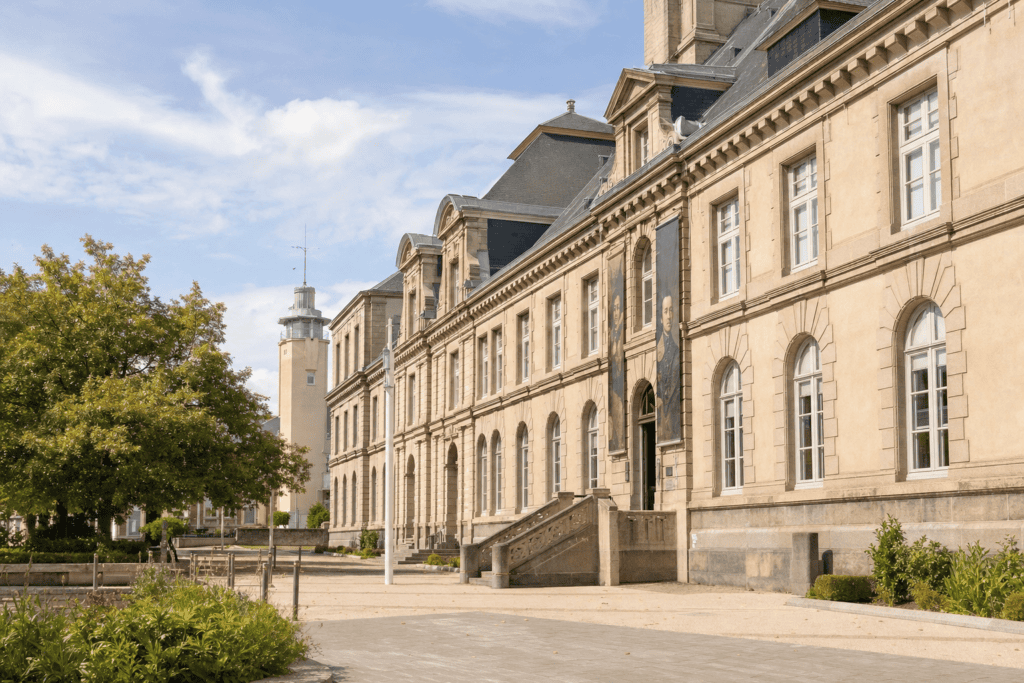 Cholet Museum of Art and History A cultural museum in Cholet connecting fine art, local history, abstraction, and the memory of the Vendée Wars…
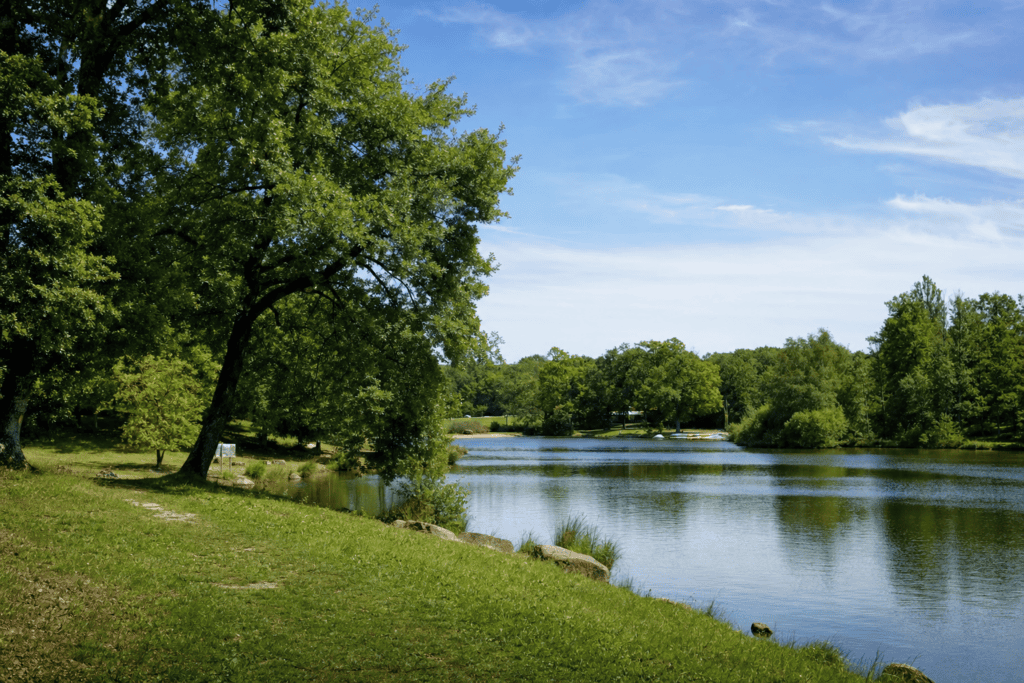 Lake Ribou A natural area near central Cholet for walking, photographing the landscape, and enjoying a…
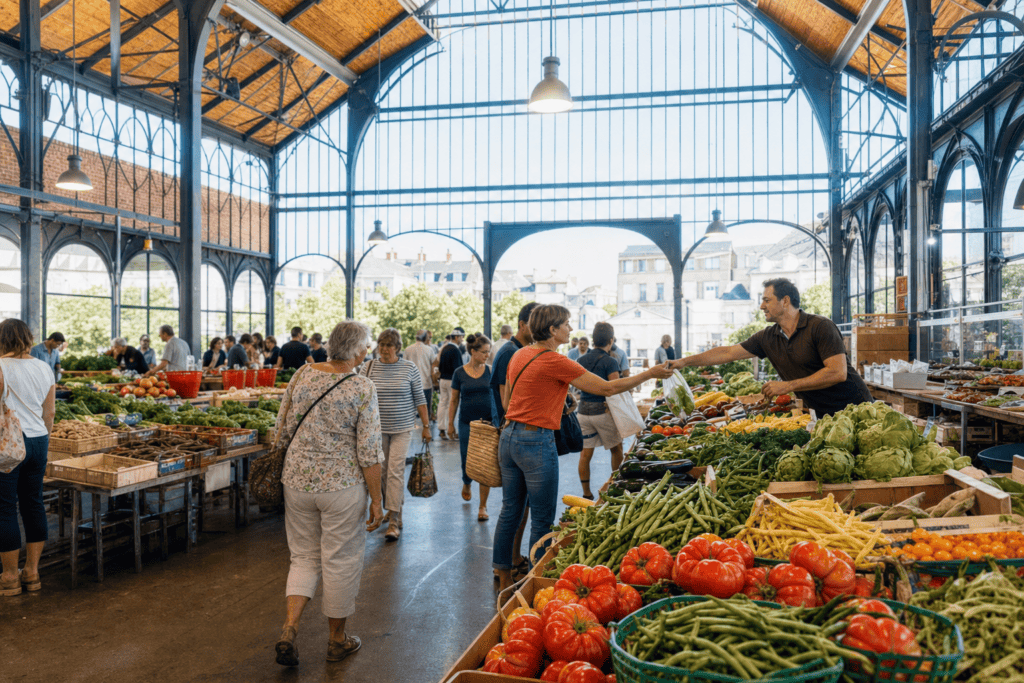 Les Halles de Cholet and the Town-Center Market A central stop for discovering food shops, fresh produce, and the area’s lively shopping atmosphere…
 Maulévrier Oriental Park A vast Japanese garden near Cholet, to explore slowly among a pond, river, carefully designed vegetation, and…
Online booking · Paris → Rue du Docteur Roux, 49300 Cholet, France
Choose your pickup date and time
Your departure and arrival details are already pre-filled. You can adjust them in the fare calculator before viewing the vehicles and fare.