



Château-Musée de Dieppe: Art, History and Panoramic Views
Dieppe
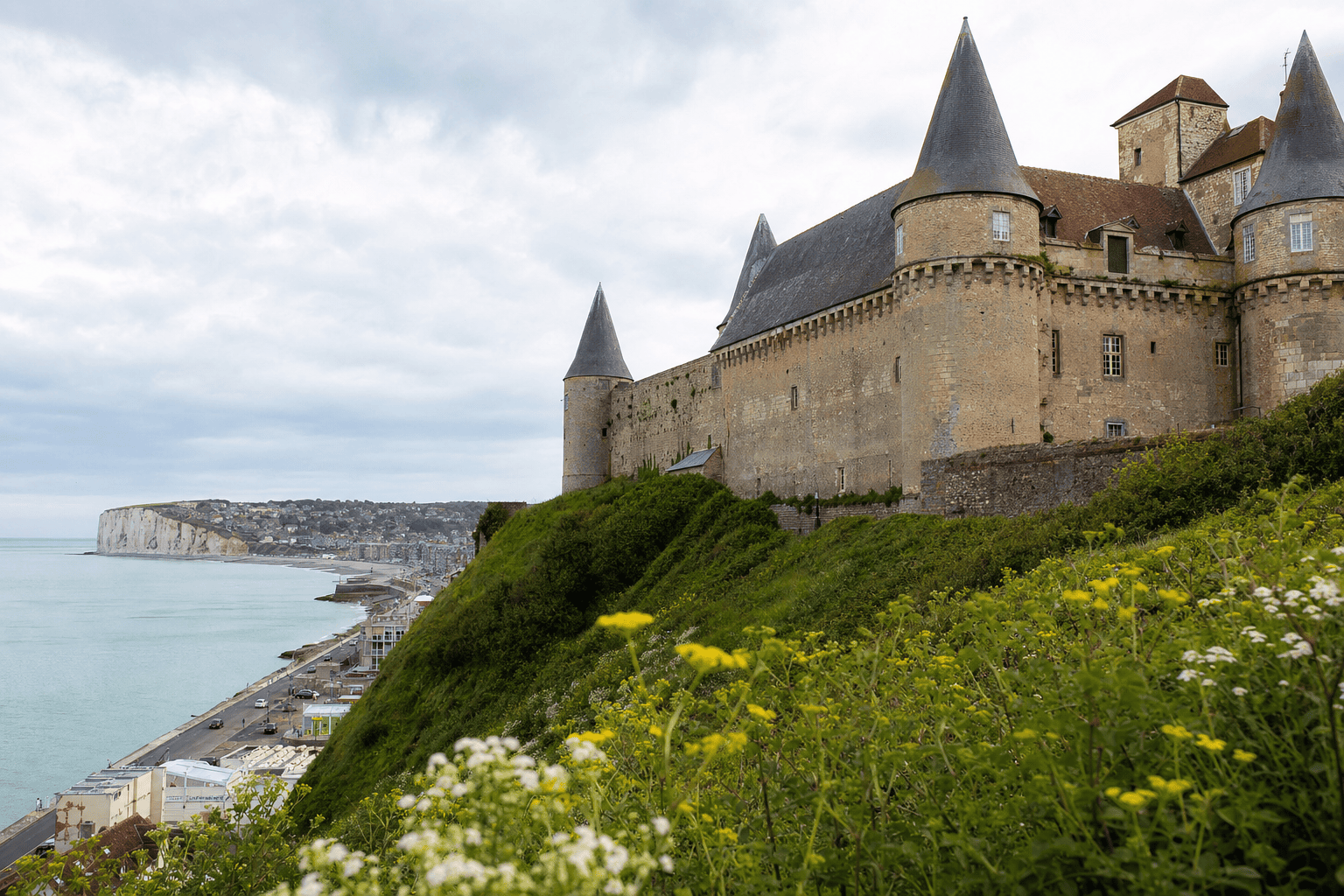
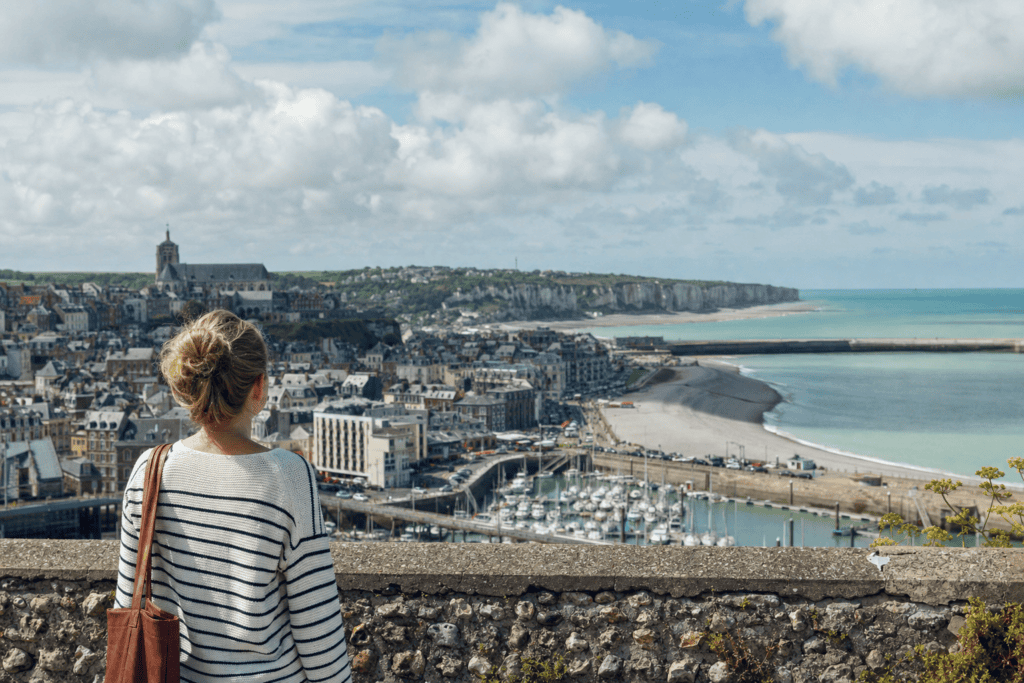
Overlooking the town, beach, and English Channel from the western cliff, the Château-Musée de Dieppe brings together military heritage, maritime history, and fine art. Housed in a fortress built of sandstone and flint, the museum is particularly renowned for its carved ivory collections, linked to an artisanal tradition that shaped Dieppe for several centuries. The visit also reveals paintings, drawings, sculptures, and objects evoking navigation, maritime trade, and artists associated with the town. The outdoor panorama alone is an excellent reason to climb up to the château, but the site’s true appeal lies in the dialogue between the building, the collections, and the coastal landscape.
Practical information
Pair your visit with a walk along the seafront, harbor, and historic center. On a clear day, allow a few extra minutes on the esplanade to enjoy the view, and protect your camera from the sea wind.
Getting to Dieppe from Paris with a private driver
For a cultural day trip in Normandy, Booking Paris Transfer can arrange private transportation between Paris, a Paris hotel, Charles de Gaulle or Orly Airport, and Dieppe, with a return to Paris or continuation of an itinerary begun in the Île-de-France region. Transportation is separate from admission to the Château-Musée, so be sure to check the museum’s official information directly before departing.
Transportation service departing from Paris, the Île-de-France region, CDG, or ORY; admission tickets are not sold.
A fortress overlooking the sea
The Château-Musée de Dieppe occupies a former military castle built on the western cliff, above the town and bay. Its sandstone-and-flint silhouette reflects the site’s defensive purpose, while its position offers a highly tangible understanding of the relationship between Dieppe, its harbor, and the English Channel. The current fortress is the result of successive transformations. Its towers, curtain walls, courtyards, and remodeled spaces therefore bear witness to several periods of occupation and adaptation.
Before entering the galleries, take time to observe the château’s structure and the view toward the seafront. The panorama helps explain Dieppe’s layout, between its pebble beach, harbor, old neighborhoods, and cliffs. The building is protected as a historic monument and has housed the municipal museum since the beginning of the 20thth century. This setting gives the visit a distinctive dimension: the history on display is inseparable from the landscape that shaped it.
The château is not an isolated reconstructed backdrop cut off from the town. It is a true viewpoint over the Alabaster Coast and a valuable starting point for understanding Dieppe’s strategic and commercial importance.
Ivory, Dieppe’s artistic signature
The ivory collection is one of the museum’s major highlights. For more than three centuries, Dieppe was a leading center of ivory craftsmanship in France, thanks to its port activity and maritime trade. Local artisans produced religious objects, statuettes, fans, boxes, reliefs, and many decorative pieces. These works offer insight into sculpture techniques, the social uses of objects, and the trade networks connecting the town with other parts of the world.
The collection is best explored slowly: the details are often tiny, and the carved surfaces reveal themselves gradually. Observe the poses, drapery, faces, and motifs, as well as differences in finish between the pieces. Some works demonstrate remarkable virtuosity, while others shed more light on everyday or religious practices.
A space evoking an ivory carver’s workshop helps explain the tools and techniques behind this tradition. This part of the visit is therefore about more than admiring precious objects: it shows how a craft became embedded in Dieppe’s economy, trade, and identity.
A maritime collection connected to Dieppe
Dieppe is a port town, and this maritime dimension shapes an important part of the collections. Models, depictions of ships, navigation-related objects, and works evoking trade or fishing place the town within its coastal setting. The displays remind us that the sea is not merely a backdrop: it shaped economic activity, trade, departures, and returns, as well as the risks faced by local residents.
To better appreciate this section, compare historic depictions of the harbor with what you can see from the château’s esplanade. Your gaze moves from the preserved object to the real town, then from the town to the maritime landscape. The collections include figures connected with local history, notably the navigator Jehan Ango and Admiral Abraham Duquesne. Dieppe’s cultural life is also represented through works and documents associated with Camille Saint-Saëns.
This multifaceted approach makes the museum a place for understanding the town as a whole. It connects port activities, commercial ambitions, international trade, and Dieppe’s artistic heritage without reducing its history to a single period.
Paintings, drawings, and artists’ perspectives
The Château-Musée is about more than ivory. Its collections of paintings, drawings, prints, and sculptures offer several ways of viewing Dieppe, Normandy, and the coastal landscapes. Seascapes and harbor scenes are displayed alongside works devoted to landscapes, portraits, and everyday life. This diversity makes the visit worthwhile even for travelers already familiar with the château’s military history.
The changing coastal light partly explains Dieppe’s appeal to artists. Works associated with Eugène Boudin, Camille Pissarro, and Albert Lebourg evoke plein-air painting and changing perceptions of the Normandy coast. Prints and modern works also show that the town continued to attract creators beyond the golden age of marine painting.
The displays and temporary exhibitions may change. If you are visiting for a particular work or artist, check the museum’s announced presentation before your trip. On site, take time to compare the compositions, light effects, and different depictions of the harbor.
Panoramic views over Dieppe and the English Channel
The view from the château is one of the great pleasures of the visit. From above, Dieppe appears as a town organized around its seafront and harbor, with the pebble beach below and the English Channel stretching northward. The view changes with the weather: clear skies, low sunlight, sea mist, or fast-moving clouds create very different atmospheres along the Alabaster Coast.
This panorama is worth experiencing at several points during your visit. First, look out over the town from the esplanade, then return after visiting the galleries: the collections give greater depth to the distant features. The beach, quays, and cliffs become more than geographical markers—they are places shaped by maritime, commercial, and artistic history.
Take care near elevated areas and follow the marked paths. For photography, late-afternoon light can be especially flattering, but the wind is often noticeable on the cliff. A windbreaker and a camera wrist strap are useful, even on a sunny day.
Tips for planning your visit
The Château-Musée de Dieppe is easy to include in a day devoted to the town center. Allow enough time to climb up to the cliff, explore the galleries, and enjoy the panorama without rushing. The reference address is rue de Chastes, Dieppe. Since opening hours, admission conditions, prices, and certain access arrangements may change, check information published by the City of Dieppe or the Tourist Office before setting out.
Inside the château, visitors may encounter stairs and changes in level. Those visiting with young children may want to plan a gradual visit, with a break outdoors. For a first visit, start with the most emblematic ivories, then spend time with the maritime objects and works on paper.
If you would like to explore the building’s history in greater depth or take part in a guided interpretation program, look for themed tours and cultural events announced by Dieppe Ville d’Art et d’Histoire. During the high season, also check for any photography restrictions, exhibition-visit conditions, and arrangements for groups.
What to see around the Château-Musée de Dieppe
The visit can easily be incorporated into a broader itinerary in Dieppe. As you head back toward the center, make your way to the seafront to see the beach, villas, and promenade. The marina and quays offer another perspective on the town, livelier and closer to contemporary maritime activity. The Pollet neighborhood, traditionally associated with fishermen, has a distinct atmosphere, with its streets and views toward the basins.
To continue exploring the sea, Estran-Cité de la Mer offers another perspective on the coast, maritime professions, and the environments of the English Channel. Be sure to check its own opening hours and visitor arrangements. Heritage enthusiasts may also enjoy the churches, historic houses, and urban routes offered by the Tourist Office.
If you are staying for several hours, plan a break on the seafront before continuing to another viewpoint along the Alabaster Coast. From Dieppe, the château works equally well as a short cultural stop or as the anchor for a full day in Normandy.
Frequently Asked Questions
Where is the Château-Musée de Dieppe located?
What can you see at the Château-Musée de Dieppe?
How much time should I allow for the visit?
Is the museum accessible to people with reduced mobility?
Are the opening hours and admission fees fixed?
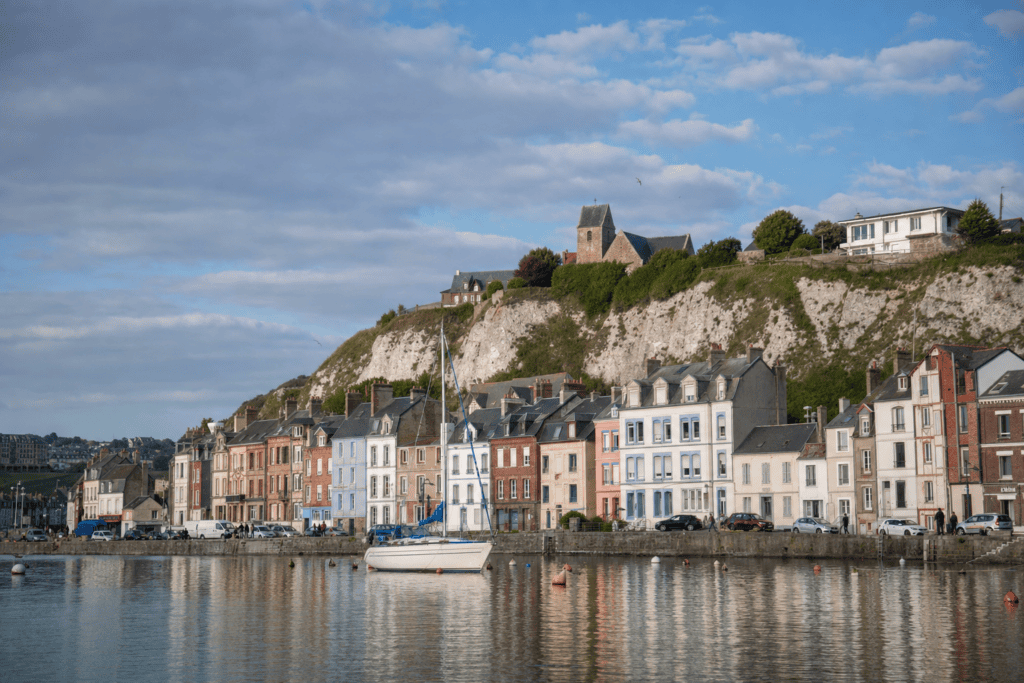 Le Pollet A former fishing neighborhood with narrow streets, flint houses, quays, and Dieppe’s maritime heritage.
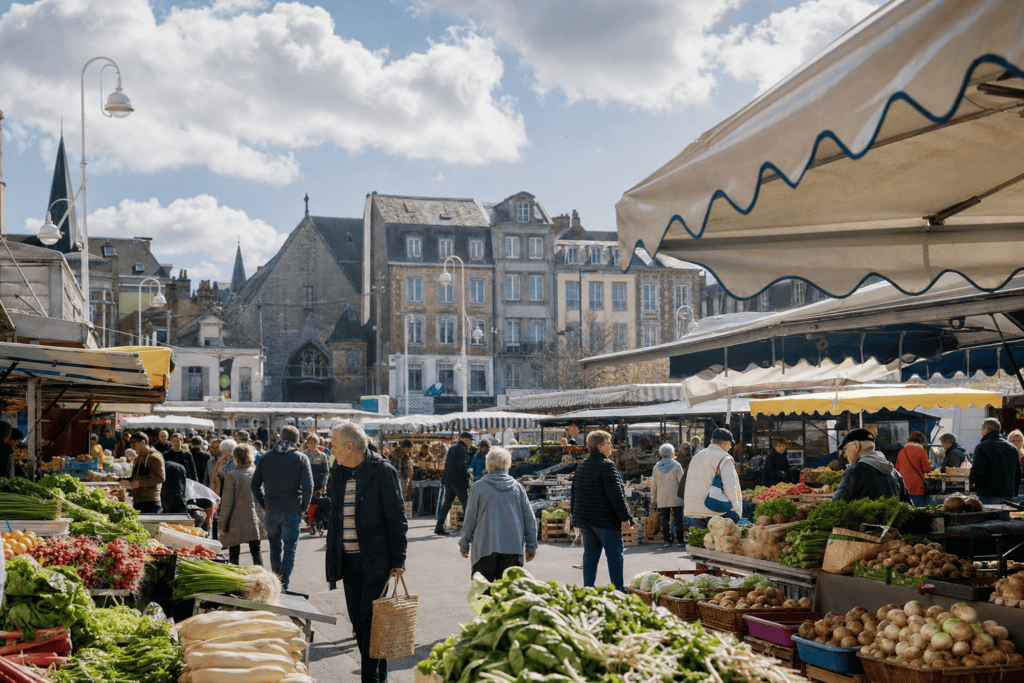 Dieppe Market Browse the stalls at Dieppe Market, then continue your walk toward the quays, harbor…
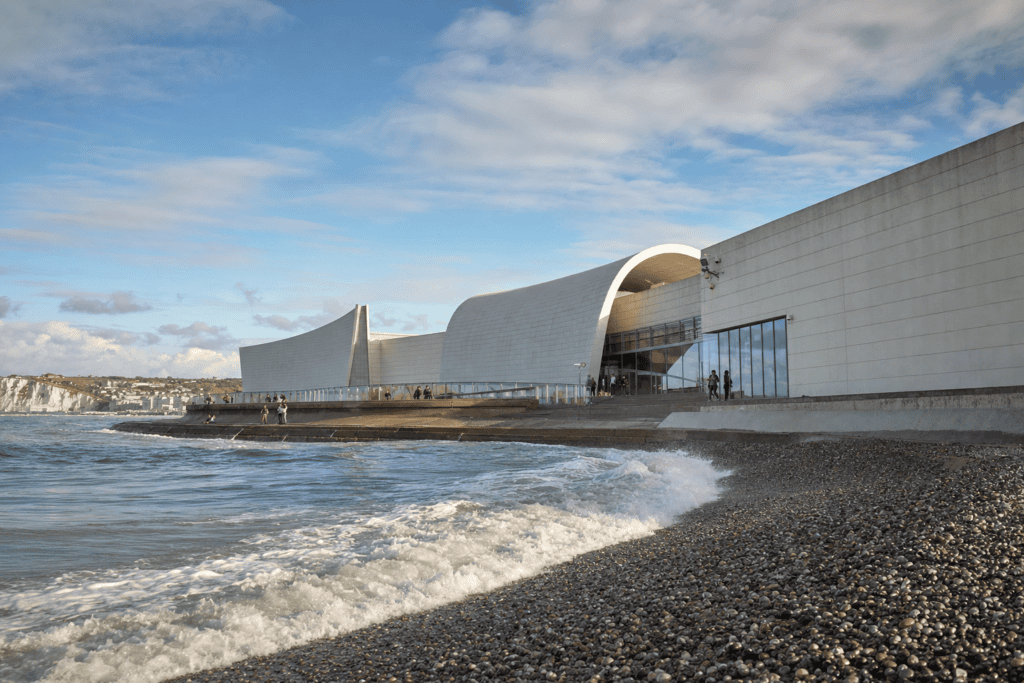 Estran-Cité de la Mer A science and culture center in Dieppe where you can discover the English Channel, fishing, cliffs, and…
 What to do in Dieppe in one day A convenient walking itinerary covering the beach, market, port, Le Pollet and…
Online booking · Paris → Rue de Chastes, 76200 Dieppe, Seine-Maritime, Normandy
Choose your pickup date and time
Your departure and arrival details are already pre-filled. You can adjust them in the fare calculator before viewing the vehicles and fare.