



Le Pollet in Dieppe: Narrow Streets, Quays and Maritime Heritage
Dieppe
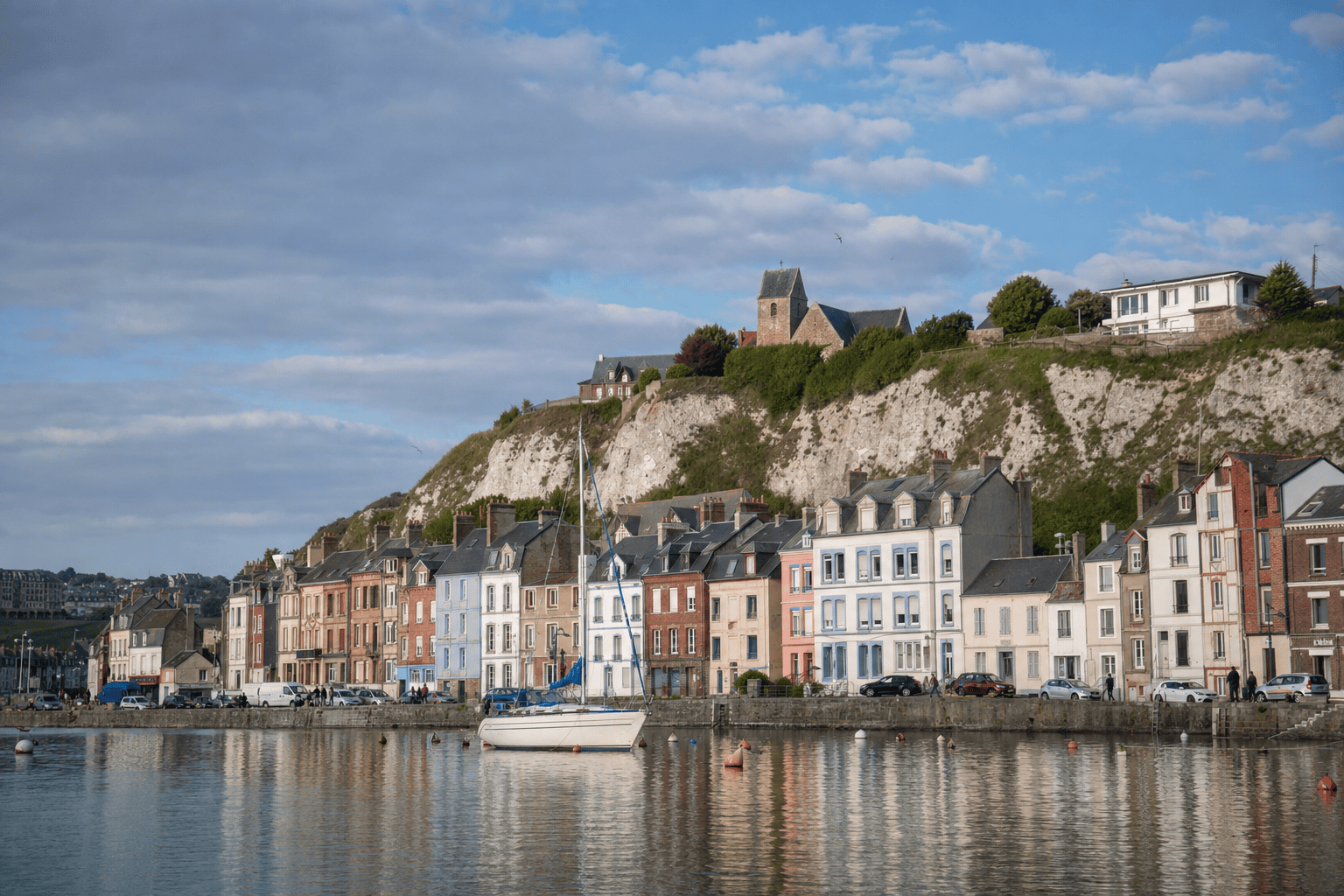
Across the harbor basins from the historic center, Le Pollet in Dieppe reveals a former fishermen’s and artisans’ neighborhood closely connected to the sea. Its narrow streets, traditional houses, quays and views over the harbor create a walk unlike the classic seaside routes. The neighborhood is easy to explore on foot from Dieppe’s quays and can be included in a day focused on the seafront, the château-museum or the town’s maritime heritage. To appreciate its character, take time to alternate between the inner streets and the waterfront, while respecting residents and active port areas.
Practical information
Start near the basins, follow the quays, then take the inner streets before returning to the water. This loop helps you understand the connection between the old homes and the port without disrupting professional activities.
Getting to Le Pollet from Paris
Arrange a private transfer from Paris, a Paris hotel, CDG or ORY to Dieppe, with the option of returning after your walk around Le Pollet.
Transportation from Paris, Île-de-France, CDG or ORY. Admission tickets and local guiding are not included.
A Distinct Maritime Neighborhood in Dieppe
Le Pollet occupies a unique position in Dieppe, on the opposite side of the basins from the historic center. Long known as a neighborhood of fishermen and artisans, it has retained a distinct atmosphere, shaped by narrow streets, modest homes and a direct connection to port activity. The change in atmosphere is noticeable as soon as you leave the center’s more open spaces and approach the quays.
For a first visit, start in the port area near the basins, take in the views across the water, then head into the neighborhood’s streets. Return to the quays afterward to compare Le Pollet’s two sides: its homes and its port. This is not an open-air museum, but a lived-in neighborhood where everyday activities remain the priority. Avoid photographing residents without their permission, stopping in front of entrances or entering work areas. This discretion allows you to fully enjoy a living heritage site.
Narrow Streets and Traditional Flint Houses
Le Pollet’s architectural appeal is best found in the details. The old streets do not form a perfectly signposted monumental route; instead, they offer a succession of façades, gables, irregular rows of buildings and passageways that tell the story of the neighborhood’s gradual growth. Flint, a material characteristic of the Dieppe region and the Alabaster Coast, appears on some buildings alongside other materials used in Norman architecture.
Notice the differences between the houses facing the quays and those on the more inland streets. The building volumes, openings and close-set façades convey the density of a former working-class neighborhood connected to maritime trades. Le Pollet was also partly spared from the fire that devastated Dieppe in 1694, adding to its historical interest, although this does not mean that every current building is intact or dates from that period. Dieppe’s heritage resources and the Dieppe, City of Art and History routes provide a more precise historical context for these observations.
A Heritage of Fishermen, Sailors and Artisans
Le Pollet’s identity developed around maritime trades. Fishermen, sailors, laborers and artisans lived for generations according to the rhythm of departures, returning boats, landings and repairs. This history explains the proximity of homes, circulation routes and basins. It can also be found in local accounts, historic representations and documents preserved by Dieppe’s cultural institutions.
The city’s digital heritage collection notably mentions a 19th-century manuscriptth century devoted to Le Pollet, combining events, descriptions and drawings. This type of source helps show that the neighborhood has its own heritage, beyond its picturesque image. Urban and port development has nevertheless changed its surroundings. Historical documents notably describe the gradual construction and excavation of channels and basins during port modernization, beginning in the late 19thth century. It is more accurate to speak of changes to maritime access and traffic than to attribute a single, undocumented project specifically to Le Pollet.
Quays, Basins and Port Landscapes
The quays offer another way to understand the neighborhood. After the narrow streets, the space opens onto basins, masts, hulls, footbridges and port buildings. The light can change quickly over the water, particularly along the Normandy coast, and the views are interesting in overcast weather as well as at the end of the day. From the quays, look back at Le Pollet as a whole; from the streets, turn toward the harbor to appreciate how close it is.
The basins are not merely a tourist backdrop. Depending on the area, they support boating, commercial or fishing activities. Stay behind safety barriers, respect marked entrances and watch for vehicles and maneuvers. Children should be supervised near the water. When taking photos, choose unobstructed viewpoints without standing in passageways. An enjoyable walk alternates observation with a relaxed pace rather than seeking viewpoints right next to professional facilities.
What to Combine with a Visit to Le Pollet
Le Pollet fits easily into a day in Dieppe. After exploring the neighborhood’s streets, head to the quays and continue toward the town center and seafront. This sequence lets you compare the former maritime suburb, open port areas, shopping streets and seaside landscape. Depending on your interests and the day’s opening hours, you can also plan a visit to Dieppe’s château-museum or explore the center’s collections and monuments.
Heritage enthusiasts should check the City of Dieppe’s calendar and the offerings from Dieppe, City of Art and History before visiting. Guided tours, exhibitions and events may be seasonal; verify their schedules, prices and meeting locations directly. For a family outing, a short loop around the quays is generally more suitable than an overly packed itinerary. Photographers and architecture enthusiasts can extend their walk through the inner streets, then return toward the beach or the town’s viewpoints. Still, no itinerary replaces seeing the area in person: the neighborhood is discovered through its transitions.
Practical tips for an enjoyable walk
Wear suitable shoes for the old streets and sometimes uneven surfaces. Some sections may be less comfortable for strollers or people with mobility difficulties; if accessibility is essential, ask the tourist office or the City of Dieppe for information before choosing your route. Maritime weather changes quickly: a windbreaker and rain protection are useful even on a day forecast to be pleasant.
Shops and restaurants in Le Pollet may have varying days and hours. Check their information directly if you plan to have lunch or dinner there. For a guided visit, also confirm the date, meeting point and conditions with the official organizer. On the quays, do not cross barriers, block passageways or let children wander far. The neighborhood is best explored at a leisurely pace, leaving room for residents, port professionals and other walkers.
A Getaway to Dieppe from Paris
Le Pollet is an interesting stop for a day trip or short stay on the Alabaster Coast from Paris. To give your excursion greater coherence, combine it with a walk along the seafront, time in central Dieppe and, if time allows, a heritage visit. This way, you can understand the relationships between the neighborhood, the basins, the town and the English Channel rather than limiting your outing to a few photographs.
Booking Paris Transfer can arrange private transportation from Paris, a Paris hotel, Charles de Gaulle Airport or Orly Airport to Dieppe, with a return to Paris depending on the selected itinerary. The service covers transportation only: admission tickets and local guiding are not included. Once there, explore Le Pollet independently or book a separate tour with official providers. To keep a comfortable pace, allow sufficient time for traffic, the walk and possible weather changes.
Frequently Asked Questions
Where is Le Pollet in Dieppe?
How long does it take to visit Le Pollet?
Is Le Pollet suitable for families?
Can Le Pollet be visited with a guide?
How do you get to Le Pollet from Paris?
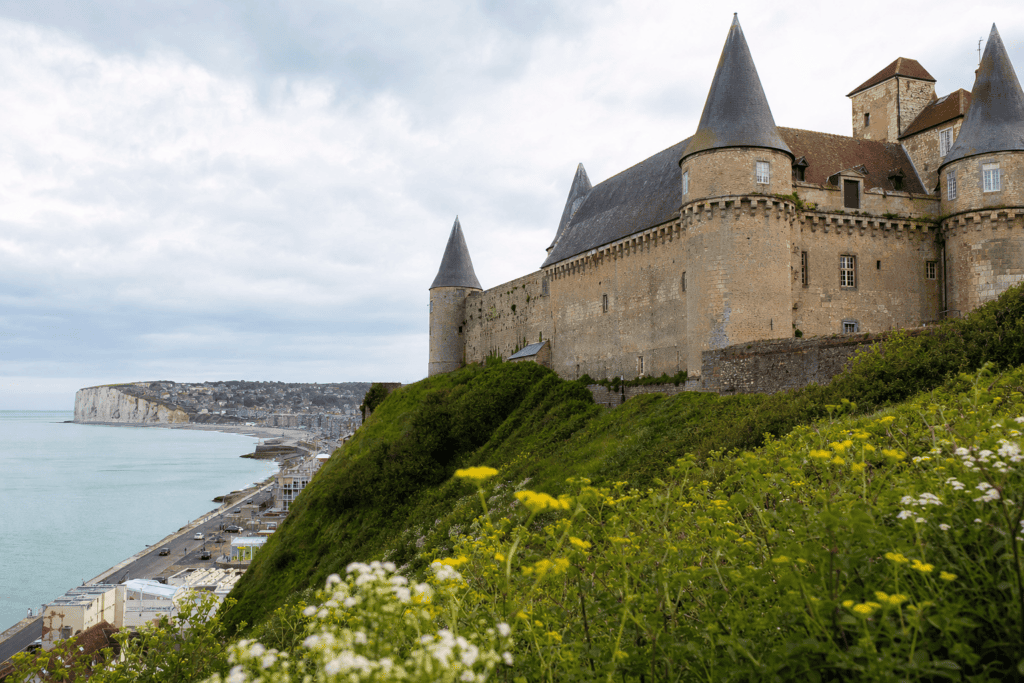 Dieppe Castle-Museum A fortress on the cliff, remarkable ivory pieces, maritime artworks, and superb panoramic views over…
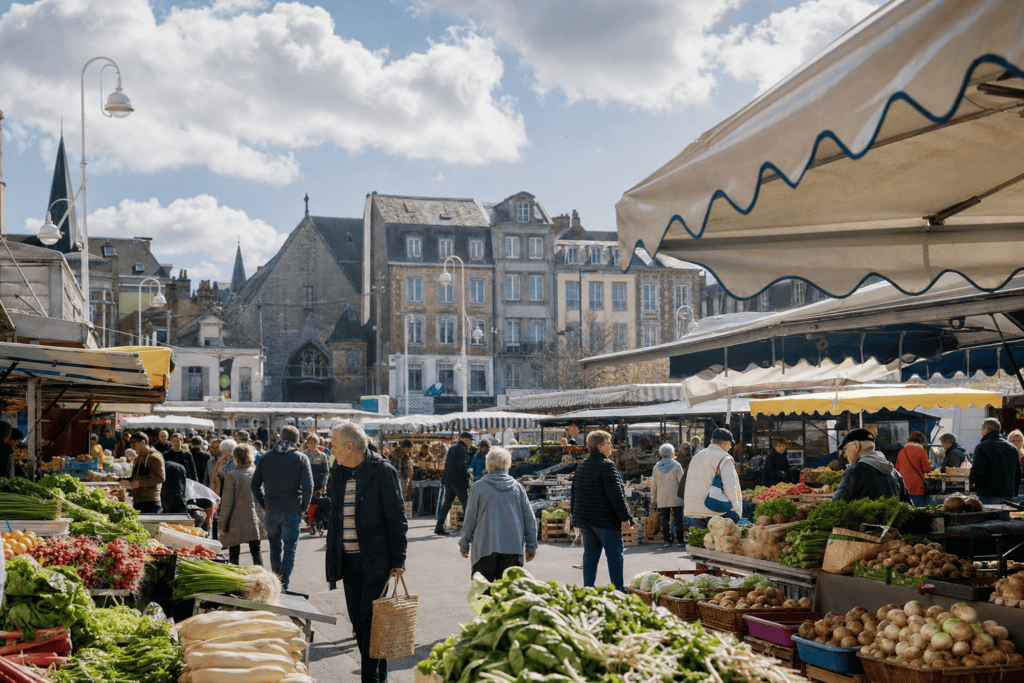 Dieppe Market Browse the stalls at Dieppe Market, then continue your walk toward the quays, harbor…
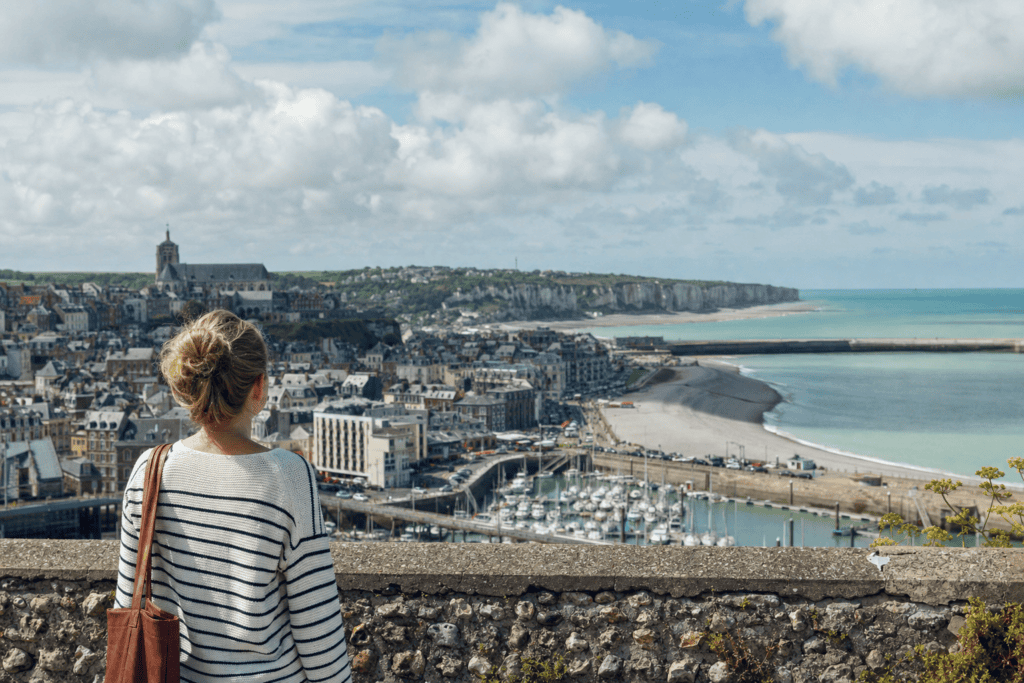 What to do in Dieppe in one day A convenient walking itinerary covering the beach, market, port, Le Pollet and…
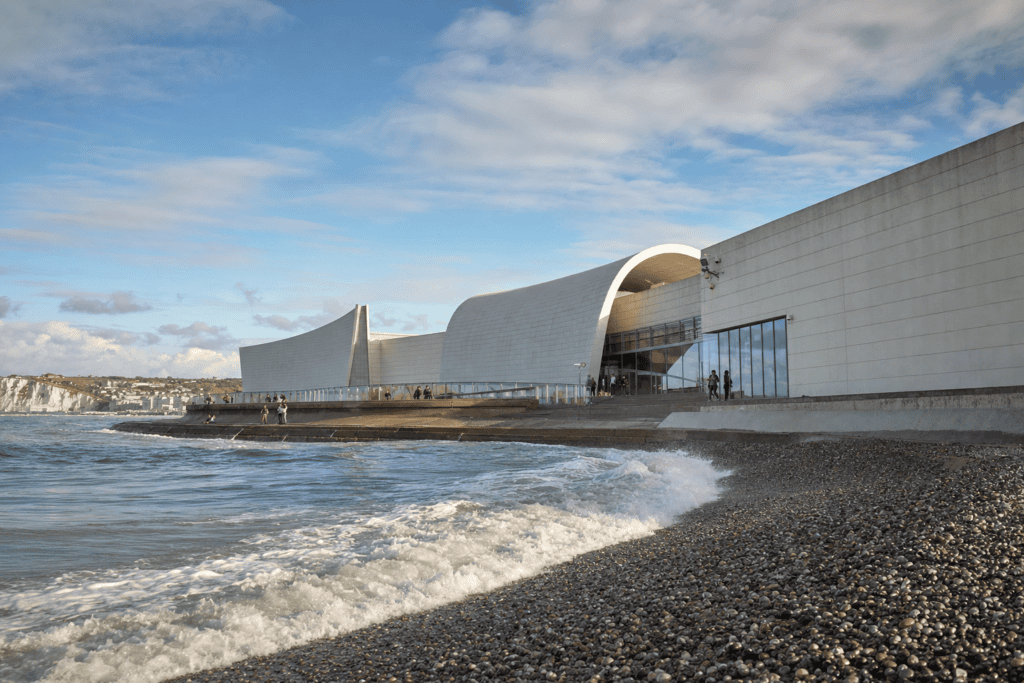 Estran-Cité de la Mer A science and culture center in Dieppe where you can discover the English Channel, fishing, cliffs, and…
Online booking · Paris → Le Pollet, 76200 Dieppe, Seine-Maritime, Normandy, France
Choose your pickup date and time
Your departure and arrival details are already pre-filled. You can adjust them in the fare calculator before viewing the vehicles and fare.