



Passage Pommeraye: Nantes’ Covered Gem
Nantes
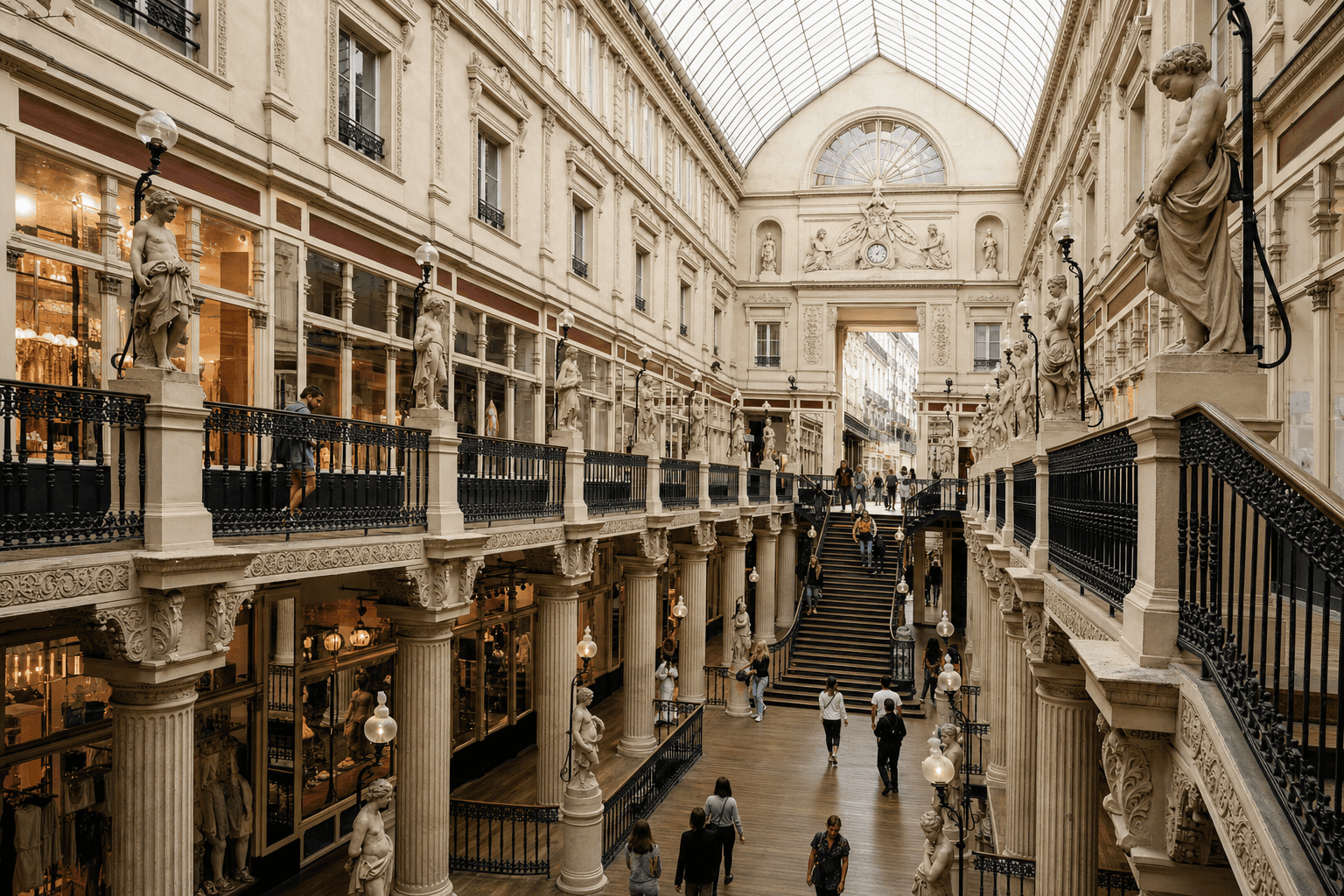
In the heart of central Nantes, Passage Pommeraye unfolds its shopping galleries across three levels around a spectacular monumental staircase. Opened in 1843 and listed as a Historic Monument in 1976, it is at once an elegant covered street, an exceptional architectural setting, and a lively part of everyday life in Nantes. Its glass roof, statues, balconies, and storefronts create a particularly pleasant promenade when the weather is wet. The passage connects Rue de la Fosse with Rue Santeuil, between the Graslin theater district and Place du Commerce.
Practical information
Start at the upper entrance on Rue Santeuil, slowly walk down the staircase while observing the statues, and finish on Rue de la Fosse, near Place du Commerce.
Travel to Nantes from Paris with a chauffeur
To include Passage Pommeraye in a Nantes itinerary, Booking Paris Transfer can arrange a private journey from Paris, a Paris hotel, Charles de Gaulle Airport, or Orly, with a return to Paris or onward travel. Transportation is provided independently of any tour or admission ticket.
Transportation service departing from Paris, the Île-de-France region, CDG, or ORY; no ticketing or independent local chauffeur service in Nantes.
A Covered Passage Born in 19th-Century Nantes
Passage Pommeraye belongs to the generation of covered galleries that developed in France during the 19th century, following the example of Parisian passages. In Nantes, the project was led by notary Louis Pommeraye and his associate Charles Guilloux. The Pommeraye et Cie company was established in 1841, before the passage opened in 1843. The ambition was commercial, but also urbanistic: to create a pedestrian link between the Fosse, commercial, and theater districts while enhancing an urban block marked by a steep incline.
The passage emerged during a period when cities sought to offer pedestrians more comfortable spaces, protected from rain and suited to new shopping habits. Stores, display windows, and gas lighting contributed to a modern shopping and strolling experience. The architectural achievement was significant, but the project weakened Louis Pommeraye’s fortune, and he died penniless in 1850. This history adds a human dimension to a monument whose appearance primarily suggests elegance and prosperity.
Over time, Passage Pommeraye has retained both its commercial purpose and its role as an urban shortcut. This continuity explains part of its charm: unlike a reconstructed setting or an isolated monument, it remains integrated into the daily journeys of Nantes residents.
Spectacular Architecture Arranged Across Three Levels
The first impression created by Passage Pommeraye comes from its interior volume. Unlike a simple covered shopping street, it extends across three levels around a large central staircase, adapted to the natural slope of the site. This layout creates a true architectural stage: mezzanine galleries, balconies, railings, and the glass roof overlap in the visitor’s field of vision.
Architects Jean-Baptiste Buron and Hippolyte Durand-Gasselin had to work with a narrow, steeply sloping plot. Their solution was original: the staircase is not merely functional but the heart of the monument. Cast iron, iron, stone, glass, and woodwork come together in an ensemble that is both elegant and theatrical. The large glass roof filters changing light, revealing the decor differently depending on the time of day and the weather.
Take time to view the passage from several vantage points. From below, the staircase appears monumental and draws the eye toward the light. From the intermediate landing, the walkways and shops create a more intimate perspective. From the upper level, the view over the lower floors reveals the ingenuity of the design and its adaptation to the slope.
Staircase, Statues, and Details to Look For
The grand staircase is the focal point of the visit. It naturally draws the eye, but the surrounding details deserve close attention. The sculpted decor combines botanical motifs, classical references, fluted columns, and allegorical figures. Some candelabra statues evoke activities and values associated with 19th-century society, such as industry, commerce, agriculture, and the fine arts.
The sculptures created notably by Jean Debay, Louis Grootaërs, and Guillaume Grootaërs contribute to the richness of the ensemble. They are not arranged randomly: their placement accompanies the ascent and gives the galleries the appearance of a miniature theater. Railings, storefront surrounds, and symmetrical arrangements complete the staging.
To get the most from your visit, look up toward the glass roof and walkways, then bring your gaze back down to the signs and floors. The current commercial elements should not obscure the fact that the passage was designed as a complete setting, where the architecture was meant to attract visitors as much as the merchandise. Photographers will find beautiful leading lines from the bottom of the staircase, but be mindful of pedestrian traffic and avoid obstructing the shops.
A Living Monument at the Heart of Nantes’ Shopping District
Passage Pommeraye is not a frozen museum. It remains a shopping gallery used by Nantes residents, visitors, and people who live in the city center. People come to shop, reach another street, take shelter from a shower, or simply admire the architecture. Contemporary storefronts fit into the historic setting without erasing the site’s original purpose.
This coexistence of heritage and everyday use is particularly interesting for understanding the monument. The passage was not designed solely to be viewed: it was meant to facilitate movement, attract shops, and provide a pleasant promenade. Even today, its commercial activity gives the staircase and galleries a human scale. Visitors can therefore appreciate it as a remarkable building, but also as an active part of central Nantes.
The passage’s opening hours and those of the shops are not necessarily the same. Public holidays, construction work, or changes in operations may alter the usual conditions. Check updated information from Le Voyage à Nantes or the city before your trip, especially if you are planning a visit at a specific time.
Passage Pommeraye in the Cinematic Imagination
The monument holds a distinctive place in Nantes’ cultural imagination. Its light, staircases, and set-like atmosphere have attracted writers, illustrators, and filmmakers. Nantes-born director Jacques Demy associated it with several films, including Lola and A Room in Town. The passage is thus part of a broader cinematic geography in which Nantes’ streets and squares become integral elements of the story.
This dimension does not replace architectural observation, but it changes the way one looks at the site. The walkways become vanishing lines, the staircase a stage, and visitors’ silhouettes passing characters. Film enthusiasts can extend their discovery with a walk devoted to Jacques Demy’s Nantes locations, connecting Passage Pommeraye with other sites in the city center.
The passage has also inspired artists such as cartoonist Jacques Tardi and writer André Pieyre de Mandiargues. This legacy partly explains why it is perceived not only as a commercial monument, but also as a poetic and narrative place. For a first visit, it is worth coming without an overly packed schedule, allowing the atmosphere of the site to take effect before seeking out its cultural references.
Practical tips for planning your visit
Passage Pommeraye is easy to reach on foot from the main points in central Nantes. The reference address is Rue de la Fosse, but entrances via Rue Santeuil and the Puits d’Argent area offer different perspectives on the monument. Public transportation serves the city center, particularly around the Commerce and Saint-Nicolas areas. From a nearby stop, the final leg is easy to walk.
If you arrive with a stroller, wheelchair, or reduced mobility, favor the upper entrance on Rue Santeuil and check accessibility information before traveling. The grand staircase has about thirty steps, while an elevator in the Passage Cœur de Nantes serves the intermediate landing according to the available information. Since accessibility may depend on equipment availability and any ongoing work, checking in advance is essential.
Bring a discreet camera and avoid blocking passageways: the gallery remains an active commercial space. Shops may have their own hours, separate from those of the gallery. For a quieter visit, choose a time outside peak periods. A short pause at the bottom of the staircase often provides a full view of the glass roof and galleries.
What to See Around Passage Pommeraye?
Passage Pommeraye is located in a particularly rich area of Nantes’ historic and commercial center. After your visit, head to Place Graslin to admire the theater and the neighborhood’s urban layout. Descending toward Place du Commerce, you will reconnect with the city’s former ties to port activities. Rue Crébillon, Place Royale, and Rue de la Fosse also form a pleasant area to explore on foot.
To continue exploring the city’s heritage, the Château des ducs de Bretagne and the Bouffay district offer an interesting contrast with the passage’s more theatrical architecture. The Nantes History Museum broadens your understanding of the city, its commercial development, and its relationship with the Loire. Depending on the season and the program, the green line from Le Voyage à Nantes can also guide an artistic and heritage walk through the city center.
Film enthusiasts can create a Jacques Demy walking tour through the city center, while visitors simply looking to wander can combine the passage with Place Royale, Place Graslin, and Place de la Bourse. This central location makes it easy to include in a half-day devoted to Nantes, without needing motorized transportation between stops. From Paris, a longer excursion can also combine the passage with other Nantes sites, provided you allow enough time to enjoy the city.
Frequently Asked Questions
When was Passage Pommeraye opened?
Is Passage Pommeraye a historic monument?
How many levels does Passage Pommeraye have?
Is the passage accessible to people with reduced mobility?
Does Passage Pommeraye appear in any films?
 Talensac Market Nantes’ iconic covered market, where you can discover fresh produce, the flavors of Loire-Atlantique, and…
 Les Machines de l’île A unique mechanical menagerie in Nantes, combining industrial heritage, Jules Verne’s imagination, and a spectacular experience…
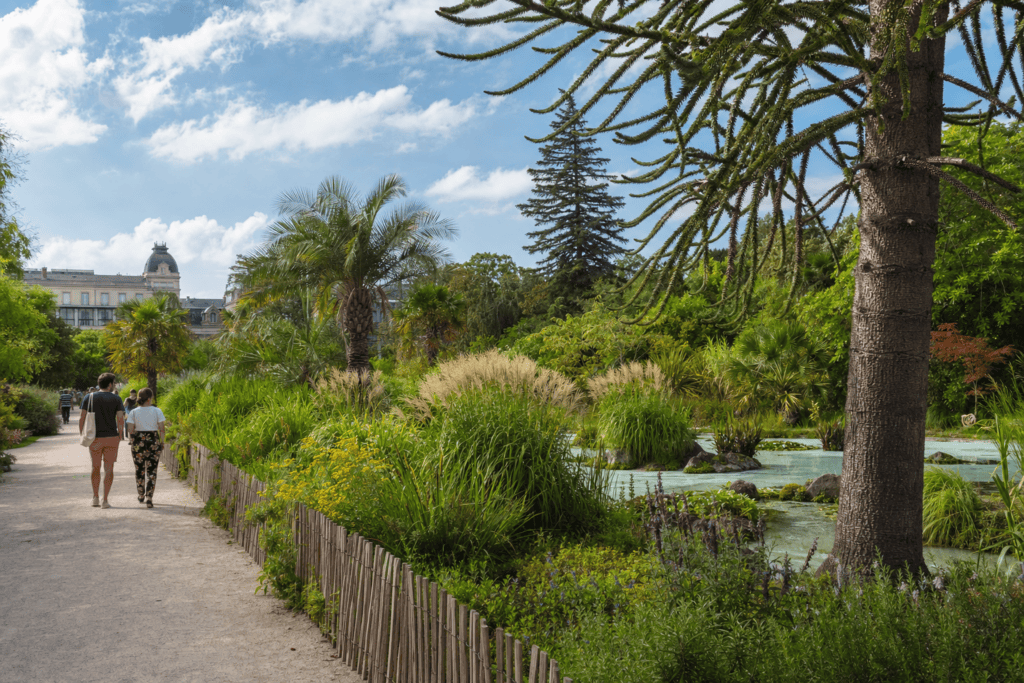 Nantes Botanical Garden A remarkable Nantes botanical garden featuring greenhouses, camellias, mature trees, and contemporary plant designs.
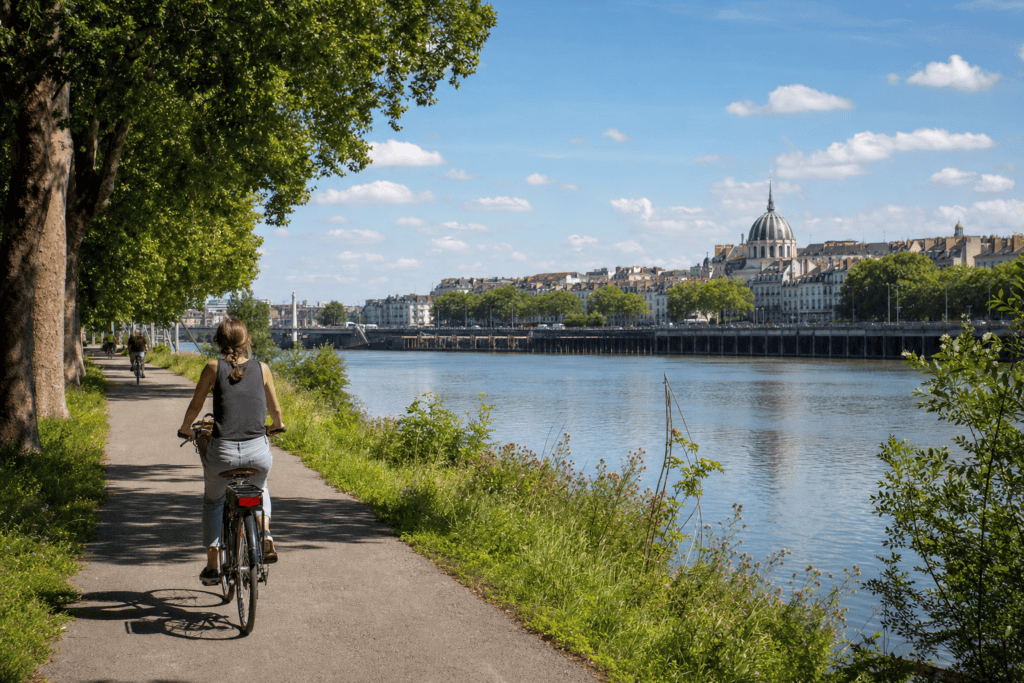 Cycling Along the Loire in Nantes A flexible bike ride between the Île de Nantes, Trentemoult and the first landscapes of the estuary.
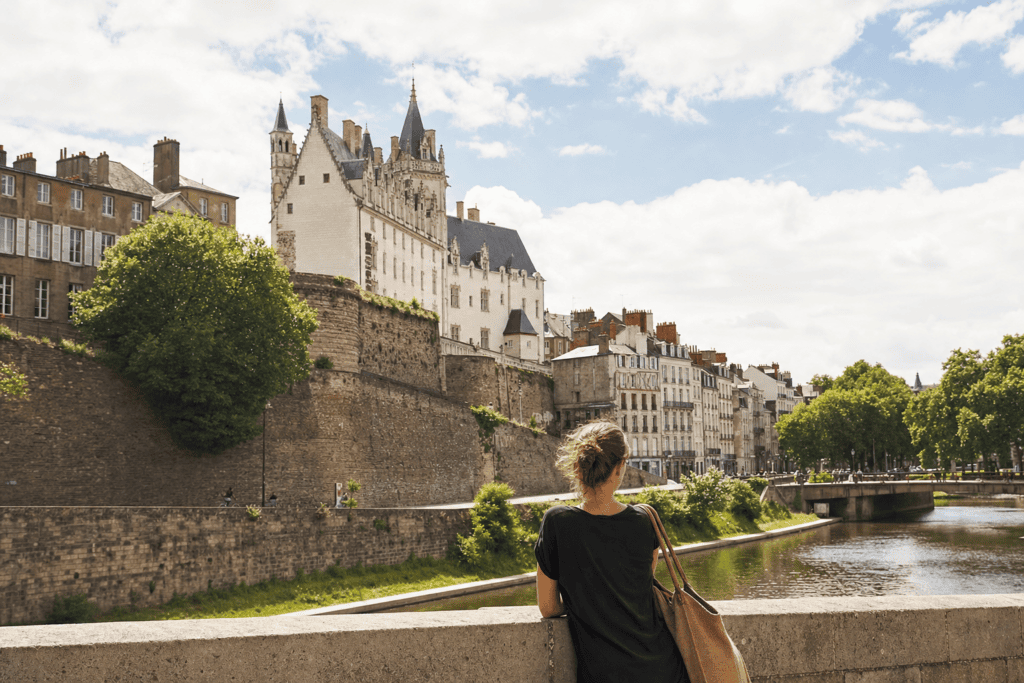
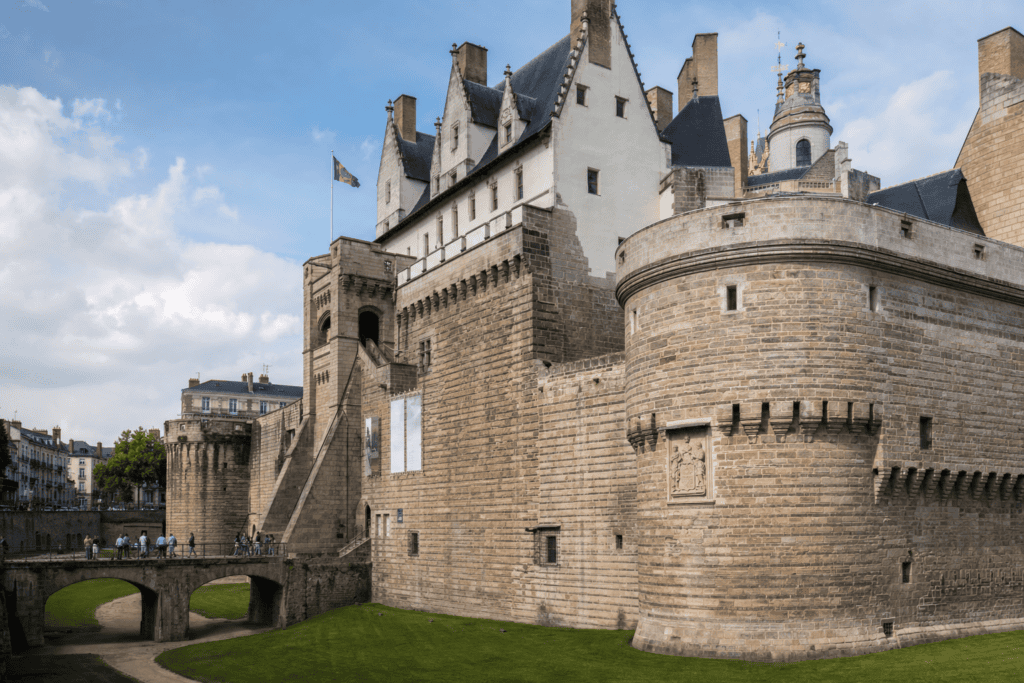 Château des ducs de Bretagne An iconic Nantes landmark, with ramparts, a fortified courtyard, flamboyant Gothic architecture, and the Nantes History Museum.
 What to Do in Nantes in a Weekend A practical two-day itinerary for discovering Nantes, combining heritage, contemporary art, Les Machines de l’île,…
Online booking · Paris → Rue de la Fosse, 44000 Nantes, with additional entrances via Rue Santeuil and the Puits d’Argent area.
Choose your pickup date and time
Your departure and arrival details are already pre-filled. You can adjust them in the fare calculator before viewing the vehicles and fare.