



Château des ducs de Bretagne: Visitor’s Guide to Nantes
Nantes
In the heart of Nantes’ historic center, the Château des ducs de Bretagne combines a medieval fortress, an elegant princely residence, and the Nantes History Museum. Its ramparts offer a walk with views across the city, while the interior rooms tell several centuries of Nantes’ Breton and maritime history. It is well worth visiting both for its architecture and the richness of its collections.
Practical information
Start with a walk around the ramparts to understand the château’s strategic position, then visit the museum to place Nantes in its historical context. Bags and suitcases may be subject to security restrictions.
Getting to Nantes from Paris with a private chauffeur
To include the Château des ducs de Bretagne in a trip through western France, Booking Paris Transfer can arrange a private journey from Paris, a Paris hotel, Charles de Gaulle Airport, or Orly Airport, with a return to Paris or onward travel as part of your itinerary. Transportation covers the journey only: admission to the château and any visit reservations must be arranged directly with the official site.
Transportation service departing from Paris, the Île-de-France region, CDG, or ORY; no ticketing service or independent local presence in Nantes.
A château at the heart of Nantes’ history
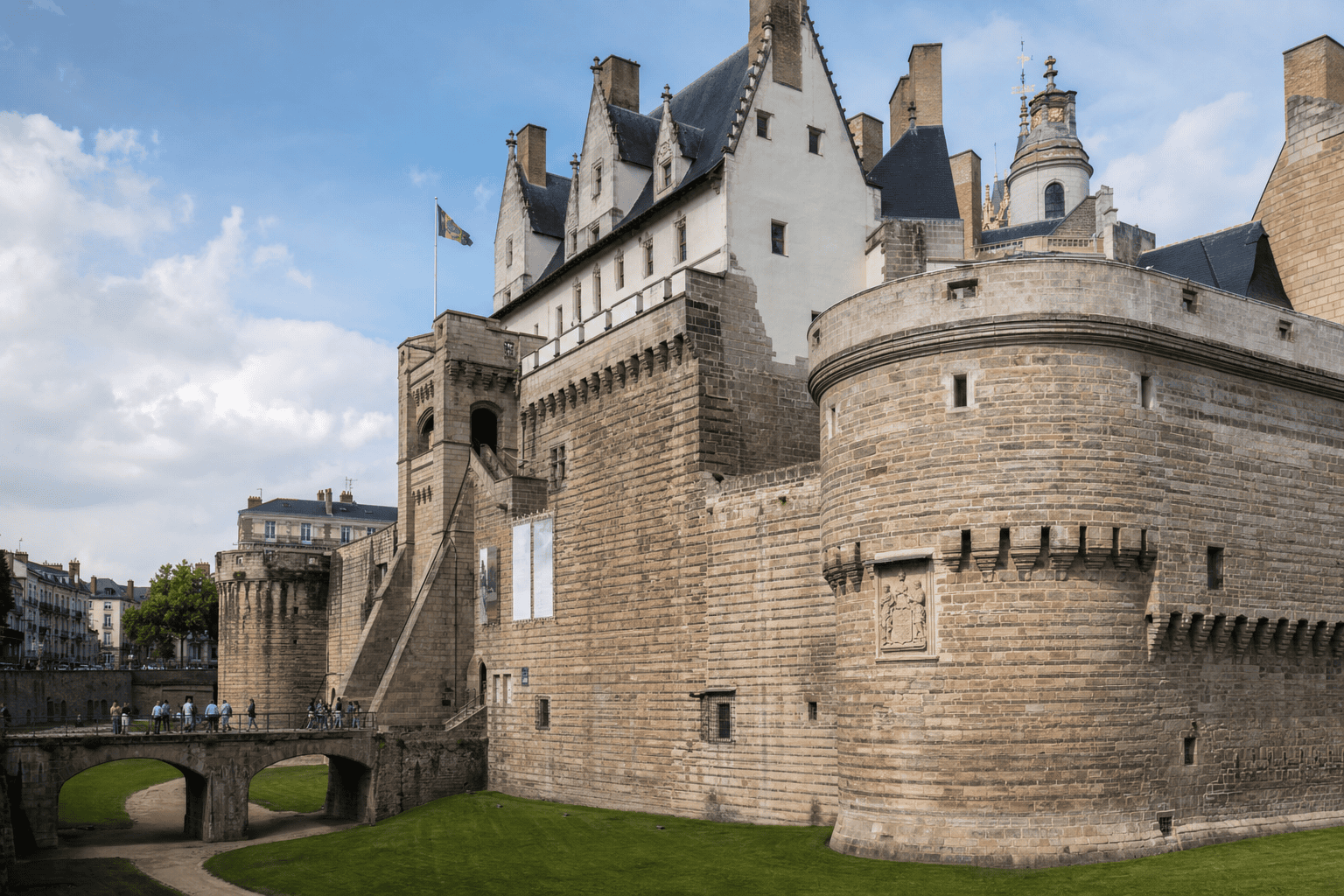
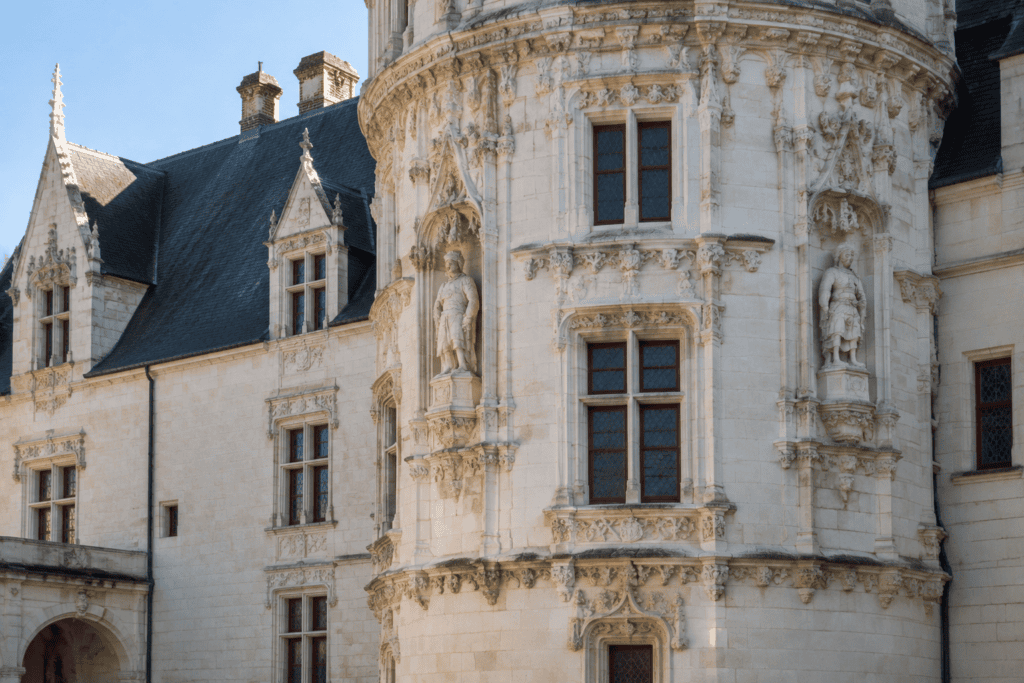
The Château des ducs de Bretagne is one of Nantes’ most iconic monuments. The first ducal château is documented as early as the 13th century, but the current building took shape at the end of the 15th century under François II, the last duke of independent Brittany. His daughter, Anne of Brittany, continued the work and transformed the fortress into a more refined residence while preserving its strongly defensive purpose.
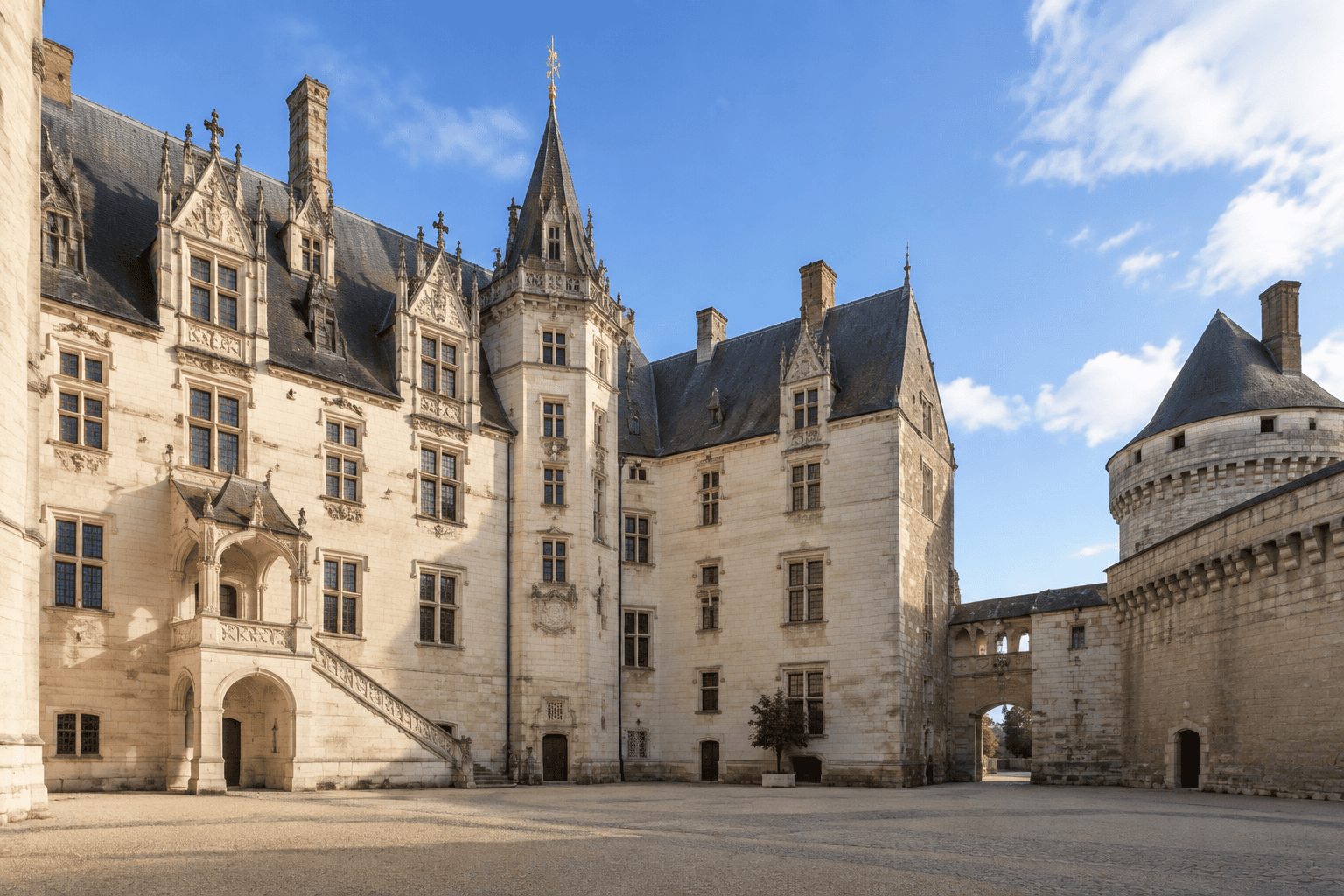
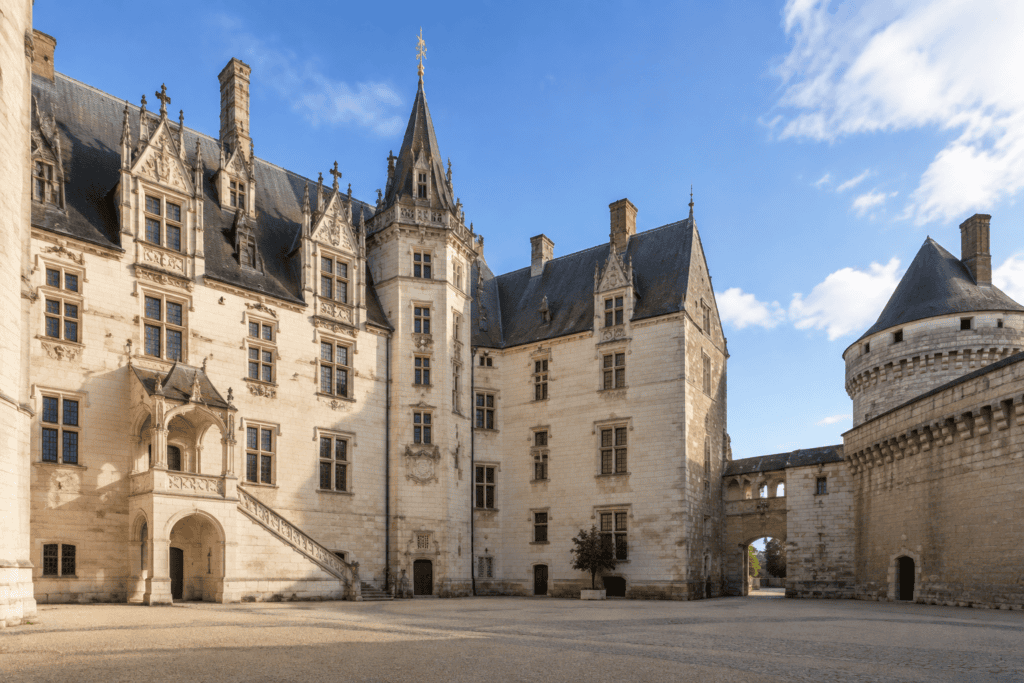
This dual identity can still be read in the stone today: powerful walls protect an inner courtyard lined with tuffeau-stone façades and Renaissance architectural details. The château is also associated with major episodes in the history of France and Brittany. Henry IV signed the Edict of Nantes here on April 30, 1598. Listed as a historic monument in 1862, the site has housed the Nantes History Museum since 2007.
Reading the architecture between fortress and palace
The visit ideally begins with an exterior look at the site. From Place Marc Elder, the fixed bridge leads to a massive enclosure punctuated by towers and curtain walls. The contrast between the military austerity of the ramparts and the refinement of the residential buildings is one of the monument’s main attractions. The light-stone interior façades display more elegant architecture, designed both to assert ducal power and to accommodate the court.
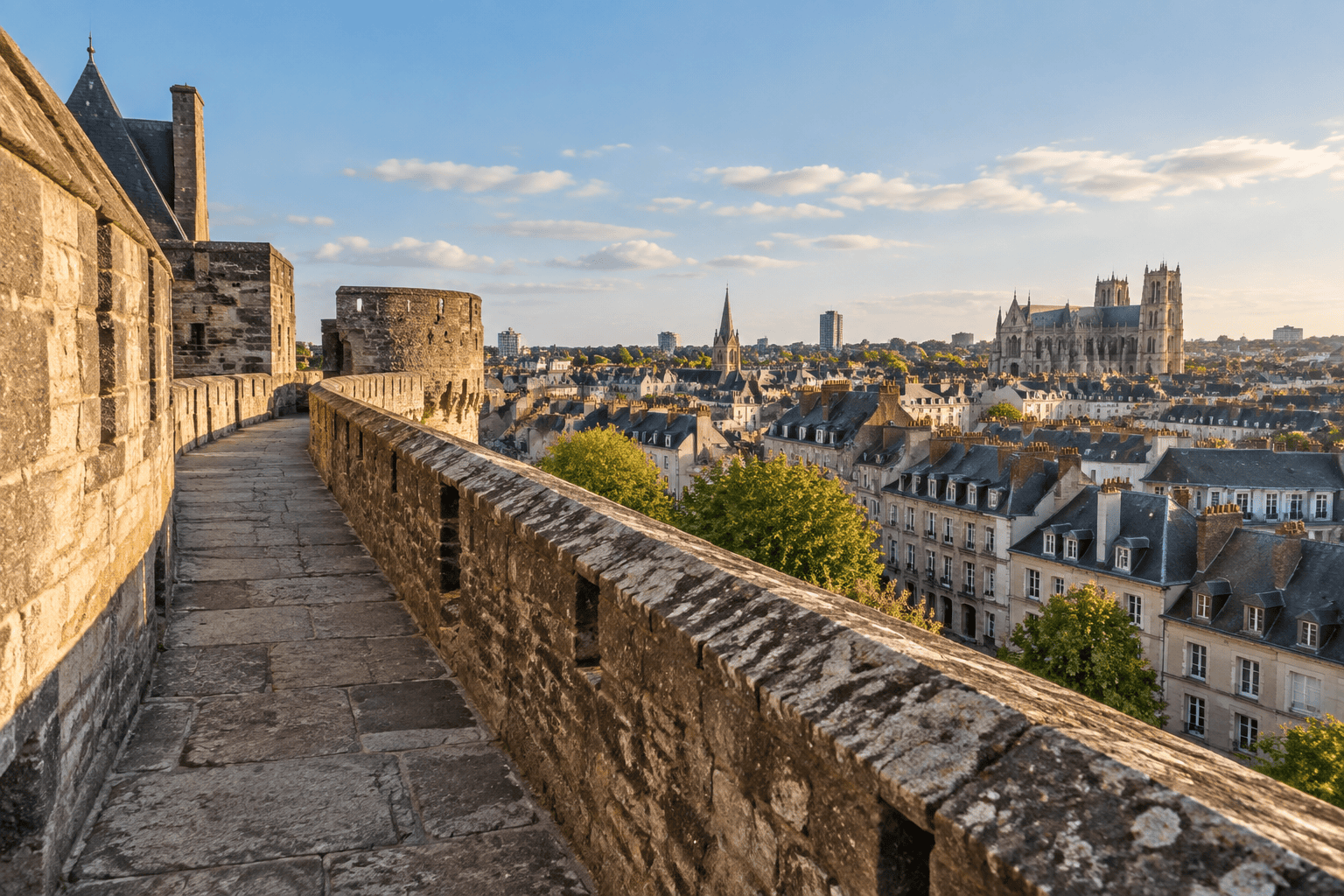
The rampart walk reveals the thickness of the walls and the defensive logic of the complex. As you continue, you discover different views of Saint Peter and Saint Paul Cathedral, the rooftops of the old town, and Nantes’ urban transformations. Take time to look at the openings, stairways, towers, and variations in materials. The château is not a uniform setting: each section reflects a different period, purpose, or restoration campaign.
The rampart walk and fortified courtyard
The courtyard and ramparts form a route accessible without a museum ticket, making them an excellent introduction to the site. The walk follows the enclosure and offers an unusual view of Nantes, between the medieval district, shopping streets, and neighboring monuments. It also helps visitors understand how the château once controlled access to the city and the Loire.
The inner courtyard deserves particular attention. Its dimensions offer a sense of daily life in a princely residence, while the façades reveal the political ambitions of François II and Anne of Brittany. Depending on the weather, the surfaces may be slippery, and some sections of the ramparts include stairs or changes in level. Wear comfortable shoes, especially if you plan to combine this walk with several museums or an extended exploration of the historic center.
The Nantes History Museum
Housed in the château, the Nantes History Museum expands the visit far beyond ducal history. Its exhibits trace the city’s development, its role as a port, its commercial activities, its industrial growth, and the memories connected to the Atlantic slave trade and slavery. The collections include objects, documents, models, and multimedia displays that connect Nantes’ transformations with major European events.
The museum occupies 32 rooms and presents more than a thousand objects, according to information from the official ticket office. Allow enough time so that your visit is not reduced to simply moving from room to room: several themes require reading, comparing, and listening. Temporary exhibitions regularly refresh the experience. Before visiting, check the program and reservation requirements, as time slots and content may change throughout the season.

Planning an enjoyable family visit
The château is suitable for a family visit, provided you adapt the pace. Children generally enjoy the walls, towers, passageways, and views from the ramparts before becoming interested in the museum’s objects. A good approach is to start outdoors, then choose a few rooms or themes rather than trying to see everything quickly. The map and materials available on-site can help you plan a simple route.
Guided tours and activities for younger visitors are scheduled during certain periods. Audio guides and video guides are available in several languages, but their availability and terms may change. Practical facilities include a cloakroom and a stroller area, while dogs are not allowed inside the grounds except guide and assistance dogs. For organized groups, advance reservations are generally recommended.
Access, opening hours, and practical tips
The Château des ducs de Bretagne is located at 4 Place Marc Elder, in central Nantes. From SNCF North Station, the official site indicates a distance of approximately 700 meters, or about a 10-minute walk. Public transportation also serves the area, and several paid parking garages are located downtown. For visitors arriving by bike, the château has the Accueil Vélo certification and offers suitable services.
Opening hours vary between the outdoor areas and the interiors. The museum and exhibitions are usually closed on Mondays outside the summer season, while the courtyard and ramparts have their own hours. Annual closures take place on certain public holidays. Security checks may slow entry, and suitcases or large bags may be prohibited. Always check the official “Hours and Access” page before setting out, particularly for a visit in 2026.
What to see around the château in Nantes
The château’s location makes it easy to plan a full day in Nantes’ historic center. Saint Peter and Saint Paul Cathedral is immediately nearby and naturally complements an exploration of the city’s medieval and religious heritage. Continuing southwest, you reach the old streets of Bouffay, the central squares, and the banks of the Erdre. This part of the city is easy to explore on foot, with plenty of opportunities to stop and take a break.
To extend your visit, you can head to the train station district, the Miroir d’eau, or the city center’s cultural areas. Les Machines de l’île and the Jules Verne Museum require more travel, but can be included in a longer stay. The Château des ducs de Bretagne is especially interesting as part of a Nantes itinerary: visit the monument first, then take an urban walk, and save the more distant cultural sites for another time.
Frequently Asked Questions
Where is the Château des ducs de Bretagne located?
Can you visit the ramparts without visiting the museum?
How much time should I allow for the visit?
Is the museum accessible to people with disabilities?
Are the opening hours the same year-round?
 Talensac Market Nantes’ iconic covered market, where you can discover fresh produce, the flavors of Loire-Atlantique, and…
 What to Do in Nantes in a Weekend A practical two-day itinerary for discovering Nantes, combining heritage, contemporary art, Les Machines de l’île,…
 Nantes Museum of Art A Nantes art trail from old masters to contemporary creation, combining heritage, landmark works, and architecture…
 Les Machines de l’île A unique mechanical menagerie in Nantes, combining industrial heritage, Jules Verne’s imagination, and a spectacular experience…
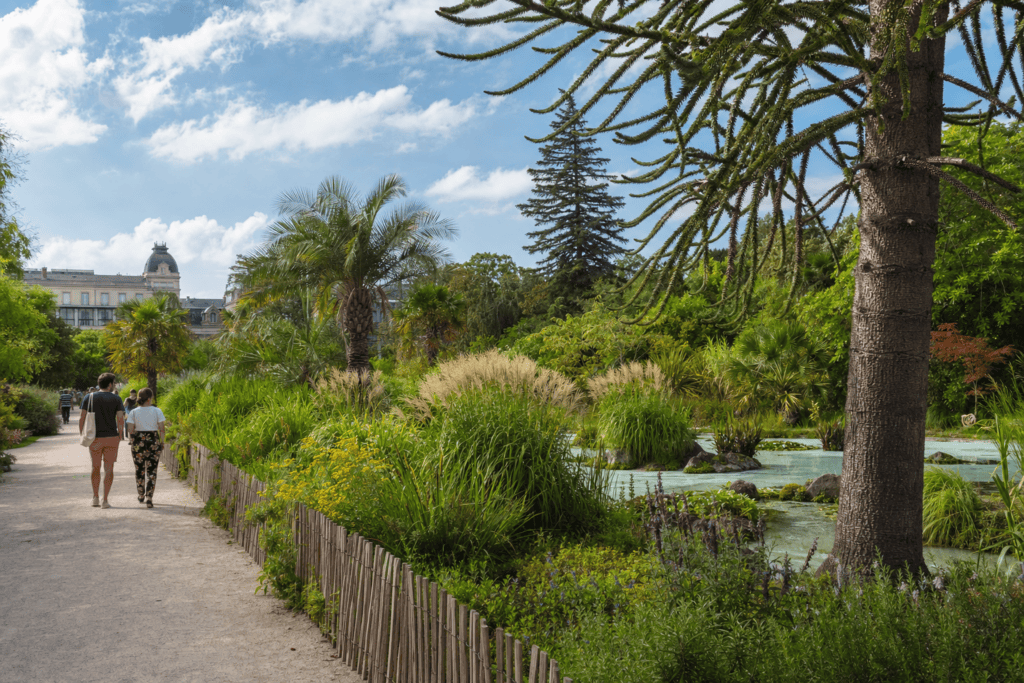 Nantes Botanical Garden A remarkable Nantes botanical garden featuring greenhouses, camellias, mature trees, and contemporary plant designs.
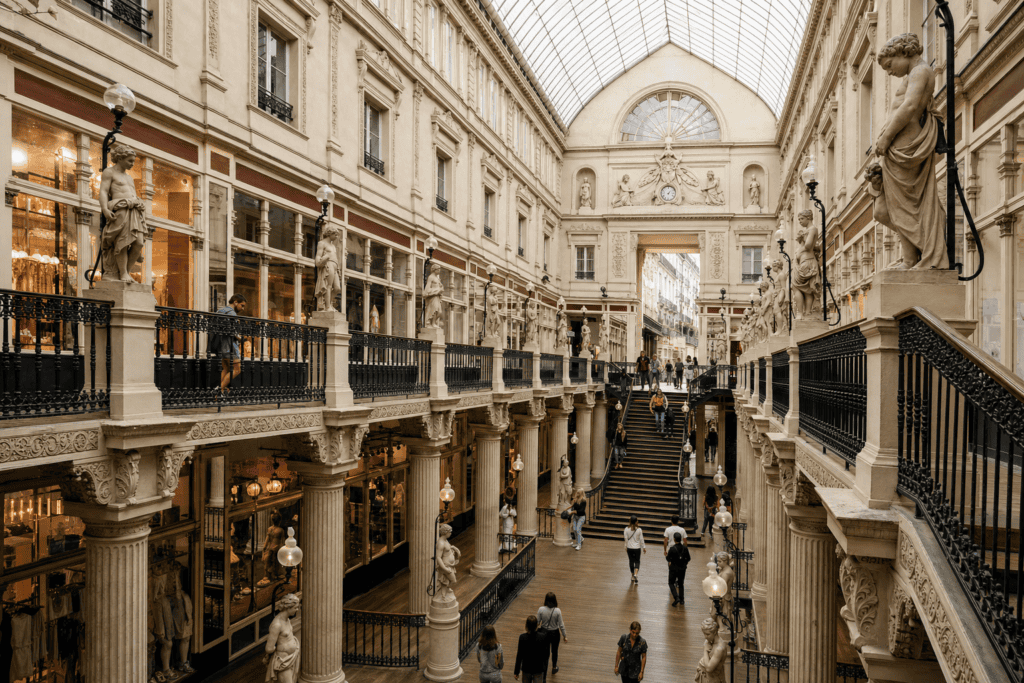 Passage Pommeraye A 19th-century covered passage, famous for its monumental staircase, glass roof, and decorative details…
Online booking · Paris → 4 Place Marc Elder, 44000 Nantes, France
Choose your pickup date and time
Your departure and arrival details are already pre-filled. You can adjust them in the fare calculator before viewing the vehicles and fare.