



Tour of the Chantiers de l’Atlantique in Saint-Nazaire
Saint-Nazaire
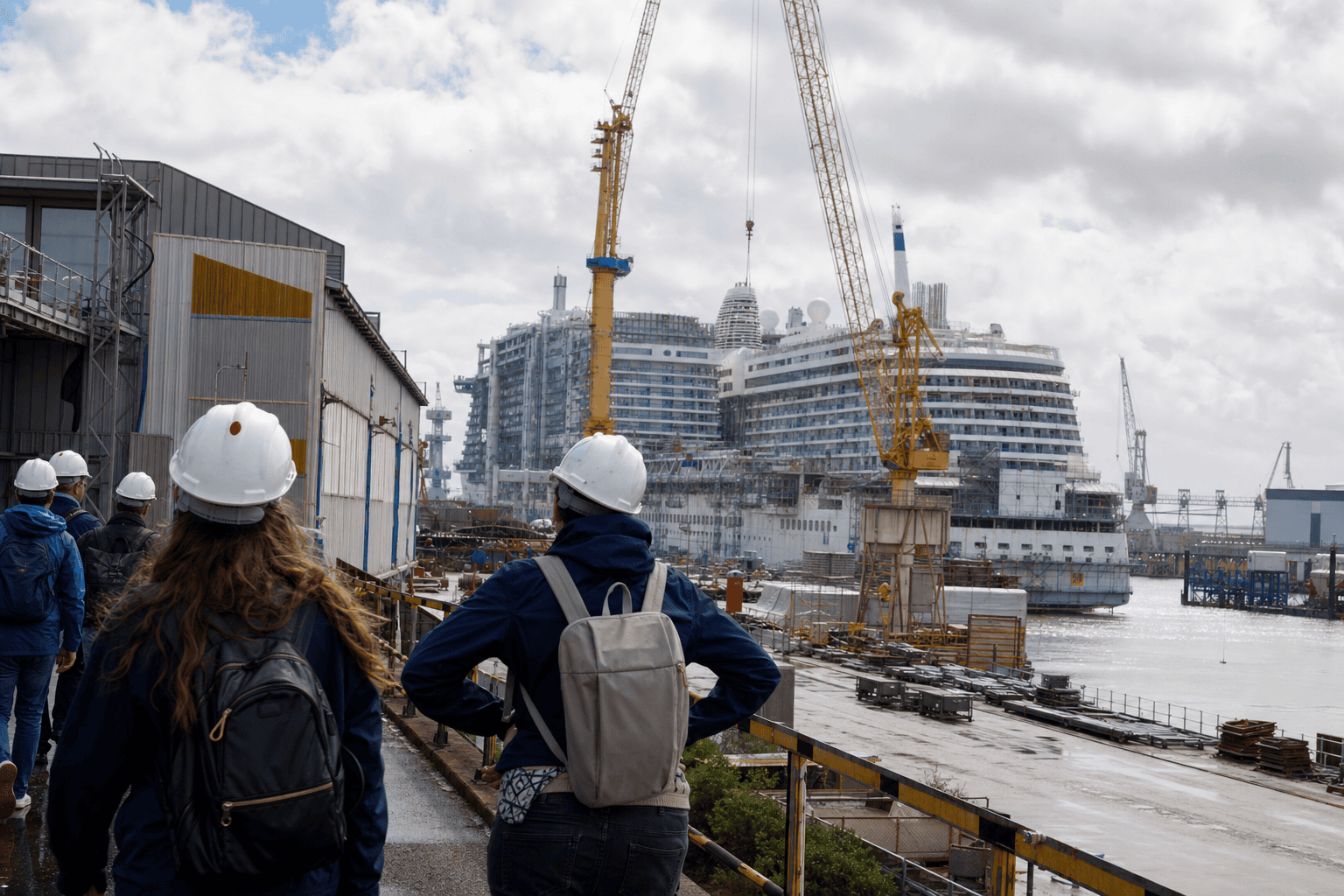
In Saint-Nazaire, the Chantiers de l’Atlantique tour offers a guided look at a major shipbuilding facility. Starting at the submarine base, the tour lets visitors observe, depending on the day’s activity and authorized areas, the facilities where large ships are built. The commentary sheds light on the port’s history, how a shipyard operates, and the many trades involved in building an ocean liner. Because the site remains operational, the tour content may vary for operational and safety reasons. Be sure to check the official information before booking.
Practical information
Arrive early at the meeting point and check the day’s instructions. Pair this tour with Escal’Atlantic or the Saint-Nazaire Ecomuseum to learn more about the area’s maritime heritage.
Getting to Saint-Nazaire from Paris
To include this experience in a trip through western France, Booking Paris Transfer can arrange a private ride from Paris, a Paris hotel, Charles de Gaulle, or Orly to Saint-Nazaire, followed by a return to Paris or onward travel. Transportation is separate from the tour and does not include an admission ticket.
Book the official time slot first, then provide its meeting time so a trip from Paris can be planned with an appropriate buffer.
Why visit the Chantiers de l’Atlantique?
A tour of the Chantiers de l’Atlantique offers a hands-on look at the shipbuilding industry. Rather than seeing only models or historical objects, visitors observe an active production environment, with its assembly areas, workshops, and port equipment. It is an especially interesting way to understand the scale, constraints, and coordination required to build a large ship.
The appeal, however, goes beyond the size of the facilities. The guide connects what visitors see with the trades involved at every stage: design, parts preparation, welding, assembly, equipment installation, finishing, and inspections. This step-by-step perspective turns an industrial landscape that can sometimes be difficult to decipher into an understandable story of how ships are built.
The tour suits travelers interested in shipbuilding, engineering, architecture, social history, or technical trades. It is also an original activity to add to a more traditional exploration of Saint-Nazaire’s coast and heritage.
A maritime history tied to Saint-Nazaire
Saint-Nazaire developed around its port and naval activities. The site’s history is linked to many ships, including transatlantic liners and cruise ships that defined their eras. The France and Queen Mary 2 are examples of this continuity, but the tour’s main focus is understanding an industrial history shaped by technological developments, successive organizational changes, and skills passed down over time.
Ships built today meet different requirements from those of earlier ocean liners. They incorporate complex systems, comfort equipment, technical networks, and safety features that require close coordination among design offices, workshops, suppliers, and assembly teams. The shipyard therefore appears as a collective system rather than simply a place where parts are assembled.
To continue exploring this perspective, Escal’Atlantic offers a complementary look at ocean liners and life on board. The Ecomuseum, meanwhile, provides context on the history of the city, its port, and its transformations.
How the guided tour works
The organizer provides the meeting point when you book, and it is generally at Saint-Nazaire’s submarine base. The group is then accompanied along the planned route. Explanations cover the port, visible facilities, and the main stages of shipbuilding. The mode of transportation, any stops, and the areas visited depend on the official program and the conditions on the day of the tour.
The tour may offer views of production areas, pre-assembly zones, dry docks, or lifting equipment. However, it should not be considered a fixed museum itinerary: an active shipyard must adjust access based on operations, vehicle traffic, and safety regulations.
This is part of the experience. Visitors explore a real working site whose activities are not organized solely for tourism. One area may be less visible than expected, while an ongoing operation makes another particularly interesting. The information provided at the time of booking therefore remains the reference.
Booking and preparing for your visit
It is best to book before coming to Saint-Nazaire. Time slots, duration, prices, minimum age, and access conditions are set by the organizer and may change. Check the official Saint-Nazaire Renversante page and the ticketing service for your chosen date. Do not rely on outdated information copied onto another website.
The meeting point is not necessarily the entrance to a hotel or shipyard building. The information provided with your booking specifies the starting point, arrival time, and any documents that may be required. Allowing extra time is advisable, especially if you are unfamiliar with the submarine base area or are traveling with a group.
Available languages, assistance options, safety-related restrictions, and accessibility must be confirmed on a case-by-case basis. The tour takes place in an industrial environment: appropriate footwear, strict compliance with instructions, and careful attention to the guide’s directions are essential. If you are traveling with young children or someone with specific needs, ask about the exact conditions before purchasing.
Planning a maritime day in Saint-Nazaire
The tour fits easily into a day focused on maritime heritage. The submarine base is an important landmark in the Saint-Nazaire landscape and houses several cultural attractions. Escal’Atlantic explores the history of ocean liners through spaces and objects connected with passengers’ lives. It complements the shipyard tour by focusing more on the experience of traveling by sea.
The Saint-Nazaire Ecomuseum offers another perspective on local history, port activities, and the city’s transformation. Depending on each site’s hours, it may make sense to group visits into the same half-day or allow for a more flexible full day. Check the official opening hours separately: opening times and reservations are not necessarily coordinated.
A walk afterward provides a change of perspective. The waterfront, port areas open to the public, and certain viewpoints over the estuary reveal the connection between the city, the Loire, and the ocean. Plan travel time between sites and avoid building an overly tight schedule around a guided tour time slot.
Who is this experience for?
This outing is for people who enjoy understanding how things are made and the trades that make them possible. Boat, mechanical, architecture, and industrial history enthusiasts will find plenty of points of interest. It may also appeal to travelers looking for an activity beyond traditional museums, with an experience directly connected to the area.
The tour does require visitors to pay attention to the explanations and follow the rules of an active site. Before booking, families should check the minimum age and the conditions announced for their date. People with mobility difficulties or specific needs should also contact the organizer, as the route and practical arrangements may depend on safety requirements.
From Paris or the Île-de-France region, Saint-Nazaire can be a stop on an itinerary through western France. Private transportation from Paris, a Paris hotel, Charles de Gaulle, or Orly can make a round trip easier to organize, while the tour must be booked separately with the official organizer.
Frequently Asked Questions
Where is the tour meeting point?
How long does the visit take?
Should you book in advance?
Is the visit suitable for children?
Can you visit from Paris?
 Saint-Nazaire Central Market Saint-Nazaire’s central market halls bring together fresh produce, Loire-Atlantique specialties, and postwar Reconstruction architecture.
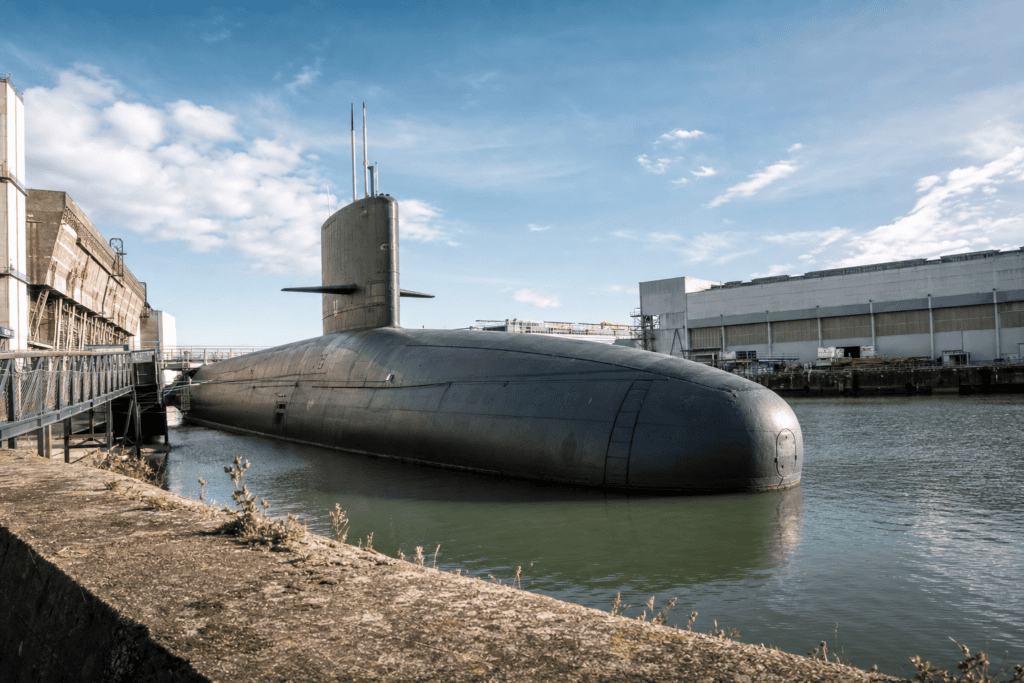 Espadon Submarine Board the Espadon in Saint-Nazaire and discover the history of a French submarine and its Arctic mission…
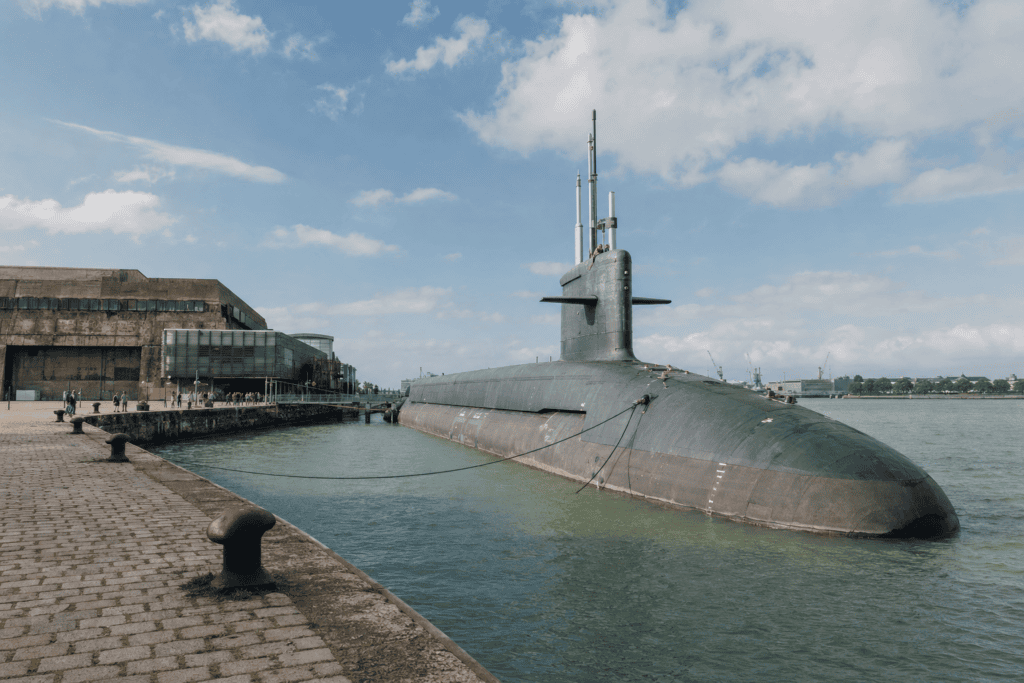 Escal’Atlantic A maritime experience in Saint-Nazaire featuring ocean-liner interiors, authentic objects, the history of crossings, and interactive exhibits…
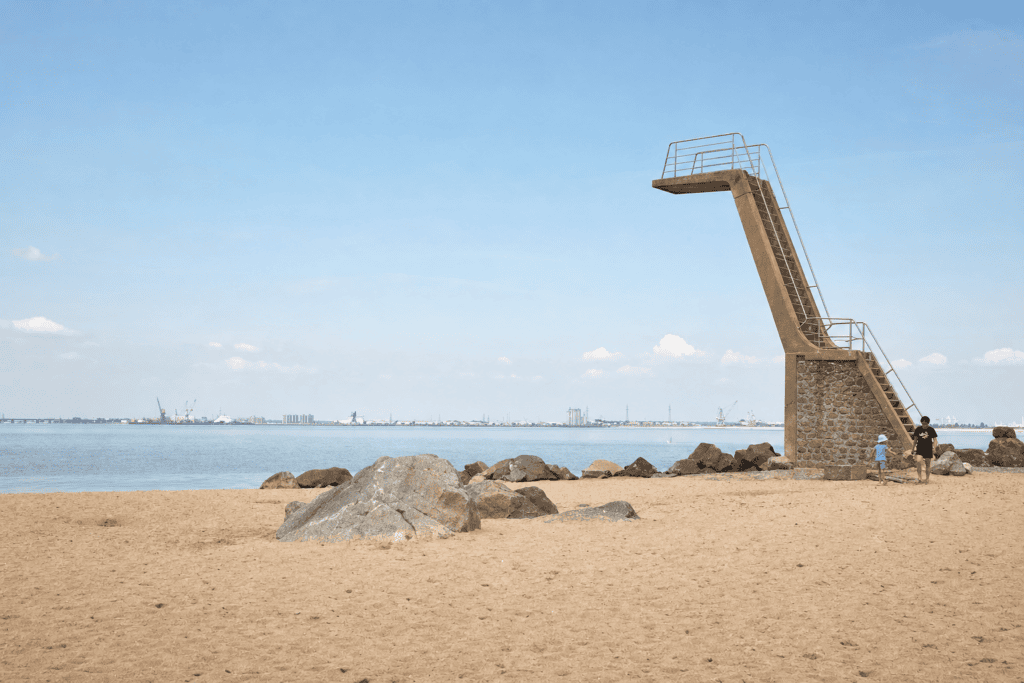 Monsieur Hulot’s Beach A family-friendly, cinematic beach in Saint-Nazaire, ideal for swimming, a walk along the coast…
Online booking · Paris → Meeting point specified by the organizer, generally at the submarine base, boulevard de la Légion d’Honneur, 44600 Saint-Nazaire.
Choose your pickup date and time
Your departure and arrival details are already pre-filled. You can adjust them in the fare calculator before viewing the vehicles and fare.