



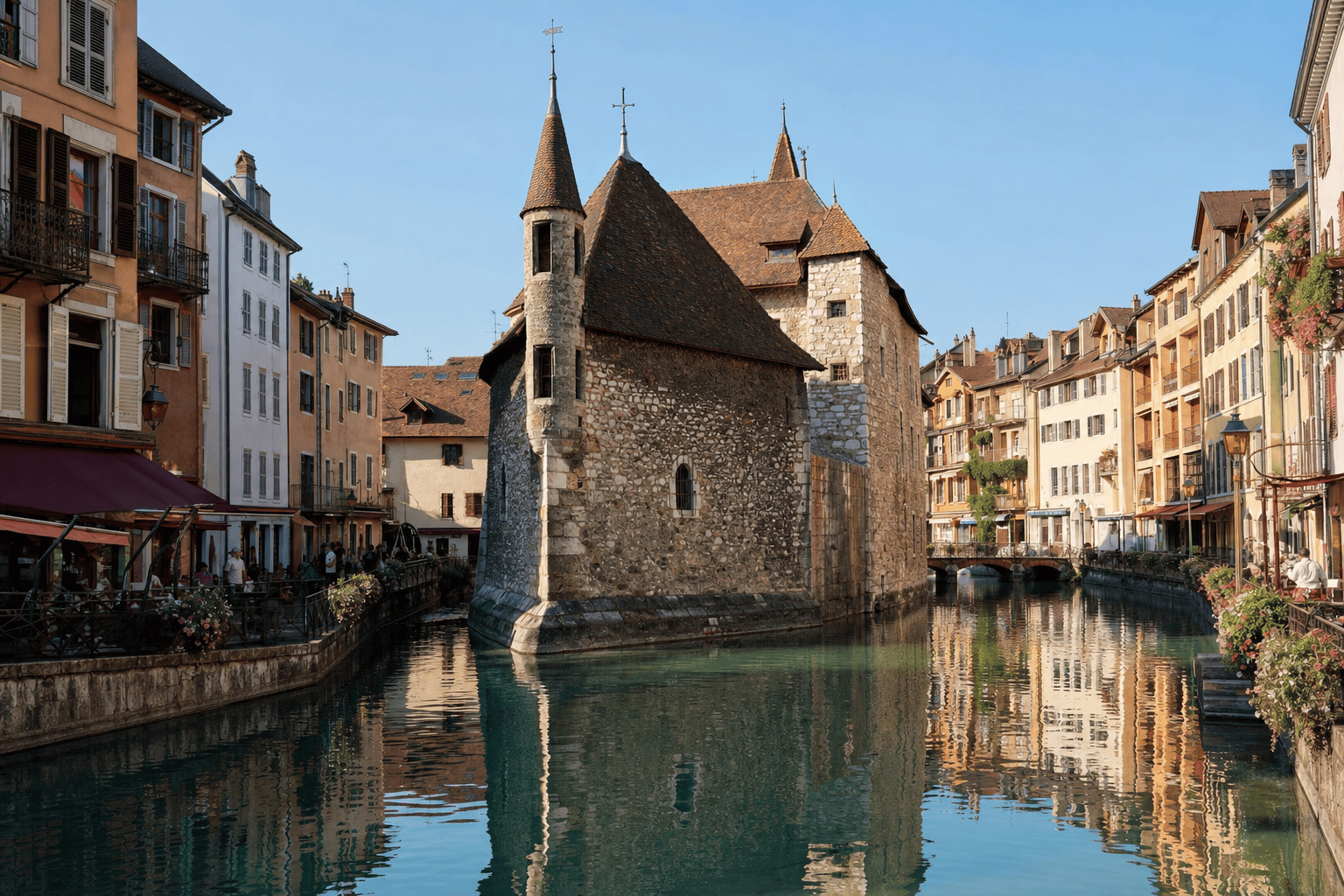
Château d’Annecy: Museum, History, and Alpine Panorama
Annecy
Overlooking the rooftops of the old town, Château d’Annecy is both a historic monument and a museum dedicated to the arts, Alpine history, and the environment of the lake. The visit brings together medieval architecture, restored rooms, fine-art collections, ethnology, contemporary art, and remarkable views over Annecy.
Practical information
Combine your visit with the Palais de l’Île and a walk through the old town: the two sites are close enough to reach on foot, but allow extra time for the steep lanes around the château.
Travel from Paris to Annecy with a private driver
To include Château d’Annecy in an Alpine trip, Booking Paris Transfer can arrange transportation from Paris, a Paris hotel, Charles de Gaulle or Orly Airport, with a return to Paris or onward travel along your itinerary. The service covers transportation only: museum admission and tours must be booked separately through the official sites.
Departure is available from Paris, a Paris hotel, CDG, or ORY; return to Paris or a private itinerary can be planned according to your needs.
A château above the old town
Château d’Annecy first reveals itself as a visual landmark. Set above the old town, it overlooks the closely packed rooftops, bell towers, and passageways descending toward the Thiou. This location is part of what makes it so interesting: before entering the museum galleries, visitors immediately understand the relationship between the monument, the city, and the lake.
The building was once the residence of the Counts of Geneva and later the House of Savoy. Its current appearance is the result of several construction campaigns, explaining the combination of defensive structures, towers, and residential buildings. The château has been listed as a Historic Monument since 1902.
The visit is therefore more than a succession of artworks. It offers a chance to understand a site where seigneurial power, military architecture, residential life, and cultural reuse come together. For a first introduction to Annecy, it is an excellent starting point before descending toward the canals and waterfront.
An architectural history shaped over several stages
Château d’Annecy preserves traces of several centuries of change. The oldest sections recall the site’s defensive role, while the residential quarters and ceremonial spaces reflect efforts to make the residence more comfortable and prestigious. The towers, thick walls, stairways, and courtyards still offer a tangible reading of this transformation.
The monument was the residence of the Counts of Geneva until 1394. Alterations carried out in the 15th and 16th centuries then gave it its distinctive blend of medieval architecture and Renaissance influences. After a period of abandonment, the château was used as a military barracks until the 20th century, before being acquired by the City of Annecy in 1953.
The museum was gradually established there beginning in the 1950s. This more recent history matters as much as the château’s seigneurial past: it explains why certain rooms were restored, adapted for displaying the collections, and incorporated into a cultural visitor route. Look at the differences in materials and proportions between the buildings—they tell the story of the site’s evolution.
The collections of the Château Museum
Château d’Annecy houses a Musée de France with particularly diverse collections. The displays include fine art, Alpine ethnology objects, and contemporary works. Some galleries evoke lake and mountain landscapes, while others explore the societies, customs, and artistic forms that developed in the Alps.
The paintings and sculptures show how artists have depicted the Alpine region over time. The landscape is more than a backdrop: it becomes a subject, an experience, and sometimes a place to protect. The ethnology collections complement this approach with objects and furnishings connected to everyday life and regional expertise.
Contemporary art provides a useful counterpoint. Installations, photographs, projections, and works related to the environment shift the perspective and invite comparisons between the sensibilities of different eras. The visit therefore suits history enthusiasts as well as visitors who prefer a more visual experience. Since the galleries may change during the museum’s modernization, check the official program before traveling.
Panoramic views over Annecy and the lake
One of the great pleasures of Château d’Annecy is the views from its upper sections and certain openings along the route. From here, the old town can be seen from a different angle: the rooftops form a compact whole, crossed by the lines of the streets and punctuated by bell towers. On a clear day, the view extends toward the lake and the mountains surrounding Annecy.
The view is worth experiencing at different times of day. In the morning, the light may highlight the forms of the old town; in the late afternoon, the façades and mountains often take on softer tones. Mountain weather changes quickly: an overcast day does not necessarily mean the visit will be disappointing, as clouds can sometimes emphasize the landscape’s relief.
To make the most of the panorama, do not rush through the next galleries. Take a few minutes to identify the main urban landmarks, then compare this perspective with the one seen from the lakefront. The château offers a vertical reading of Annecy that complements a walk along the water.
Planning your visit to Château d’Annecy
The Château Museum is located on Place du Château, in central Annecy. From the old town, the route is short but climbs along streets that are sometimes cobbled and steep. Comfortable shoes are recommended, especially if you plan to continue walking to the lake, the Palais de l’Île, or the gardens near the center.
Hours and admission prices vary by season. Information published by the Annecy Museums generally indicates longer opening hours from June to September and split hours from October to May, with the museum usually closed on Tuesdays. Public holidays, exceptional closures, free-admission policies, and access conditions may change: always check the official page before setting out.
For a comfortable visit, allow at least 1.5 hours. Families may want to focus on the most visual galleries and alternate between artworks, architecture, and viewpoints. If you would like to explore further, ask about guided tours, temporary exhibitions, and activities listed on the city calendar.
A visit to combine with the old town
The château fits easily into a day of exploring Annecy. Start by walking up to Place du Château, visit the museum, then slowly make your way back down through the old town’s lanes. This route connects the monument with its surroundings rather than treating it as an isolated stop.
The Palais de l’Île is a natural complement. Located in the middle of the Thiou, it offers another perspective on Annecy’s heritage and the city’s historic layout. The two sites are close enough to visit together, subject to the day’s opening hours. Afterward, continue toward the canals, waterfront, and lake for a complete change of atmosphere.
A break in the old town is also an opportunity to admire the colorful façades, arcades, and bridges. During high season, set out early or schedule the château outside the middle of the day to enjoy the galleries and views more peacefully. Finally, leave time for a walk: Annecy is understood as much by walking as by visiting its monuments.
Who is Château d’Annecy for?
Château d’Annecy appeals to a very broad audience. Heritage enthusiasts will find a complex monument shaped by several periods of construction. Art lovers can follow a route linking fine art, Alpine ethnology, and contemporary creation. Visitors drawn by the lake will appreciate the elevation and views, which offer a different perspective from walks along the water.
The visit can also work well for children, provided it is made interactive. Invite them to spot the towers, compare the materials, look for depictions of mountains, and draw the rooftops seen from the château. However, the stairs, slopes, and certain circulation constraints should be considered for young children or people with mobility difficulties.
The site is especially appealing in uncertain weather, since part of the experience takes place indoors. For a first visit, focus on the permanent route and galleries that clearly explain the history of the site. Visitors who already know Annecy can return for a temporary exhibition or cultural event.
Useful sources
Frequently Asked Questions
Where is Château d’Annecy located?
How much time should I allow for the visit?
Is Château d’Annecy open year-round?
Can the château be combined with the Palais de l’Île?
Is the site easily accessible for people with reduced mobility?
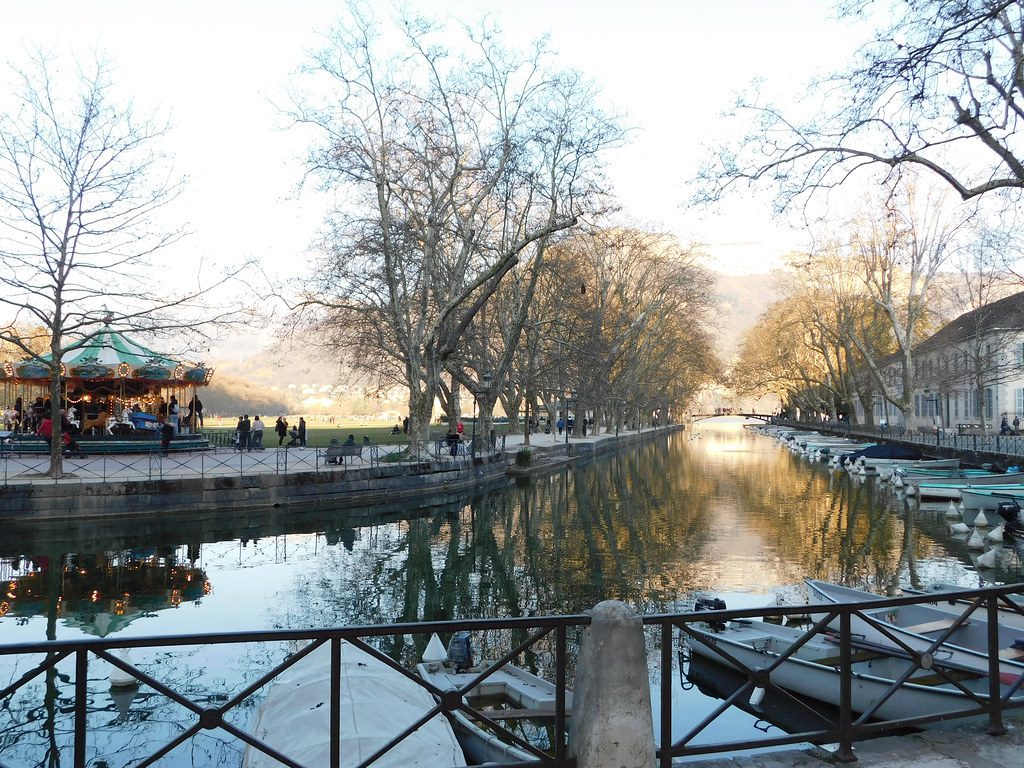 Annecy Old Town and its canals Medieval lanes, the Thiou waterfront, the Palais de l’Île, and colorful façades create an unmissable walk through…
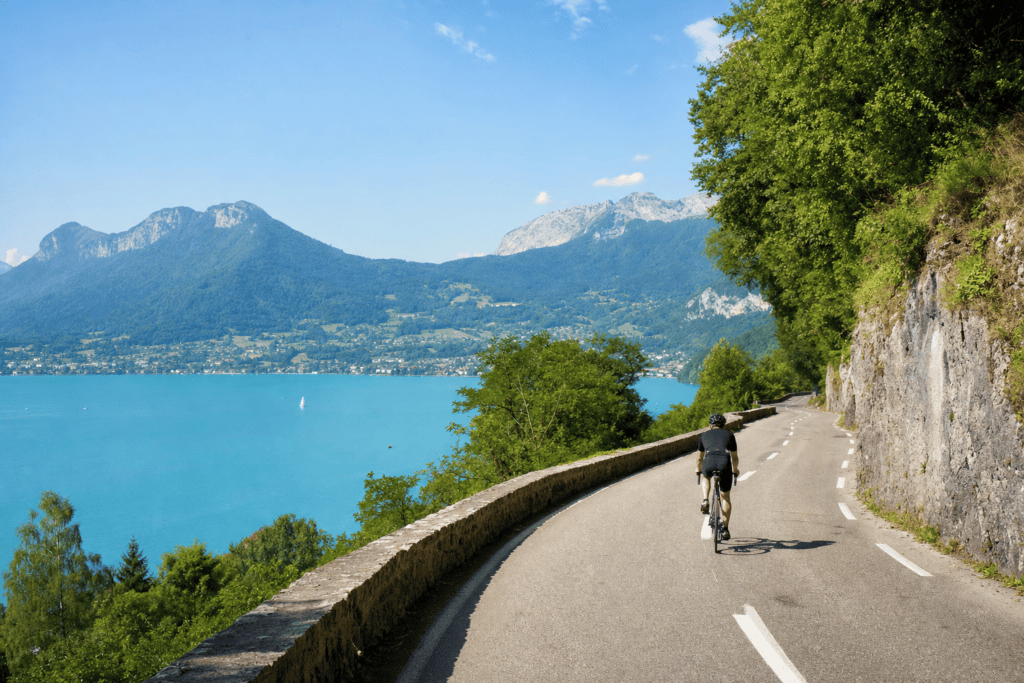 Cycling Around Lake Annecy A scenic loop around Lake Annecy, passing greenways, villages, beaches, and Alpine landscapes.
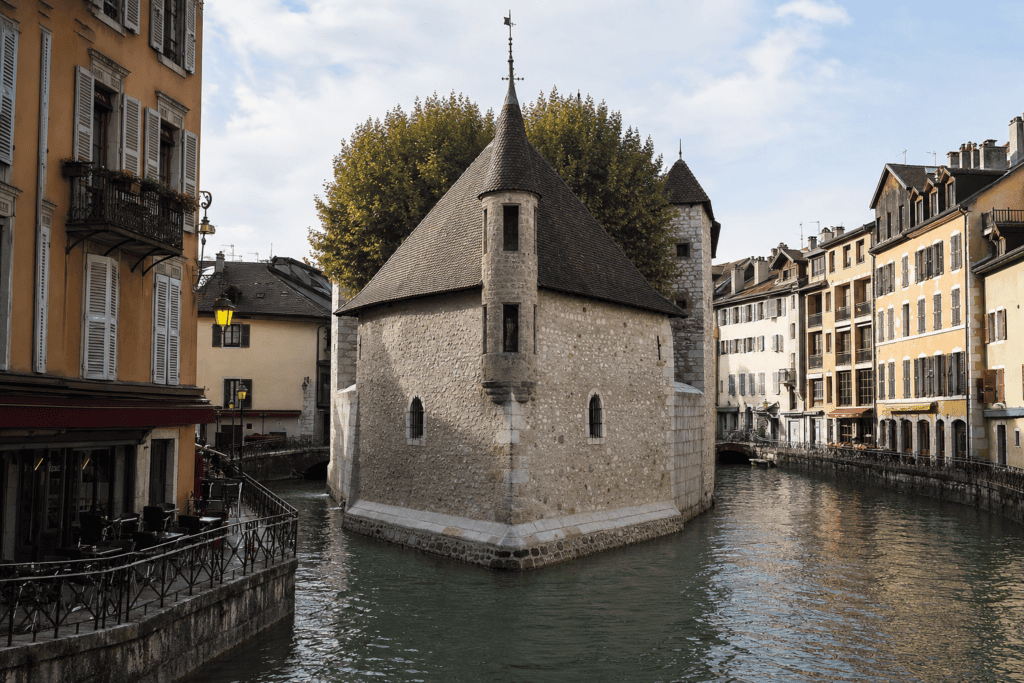 Palais de l’Île An iconic Annecy monument set on the Thiou, telling the story of the old town’s judicial, urban, and heritage…
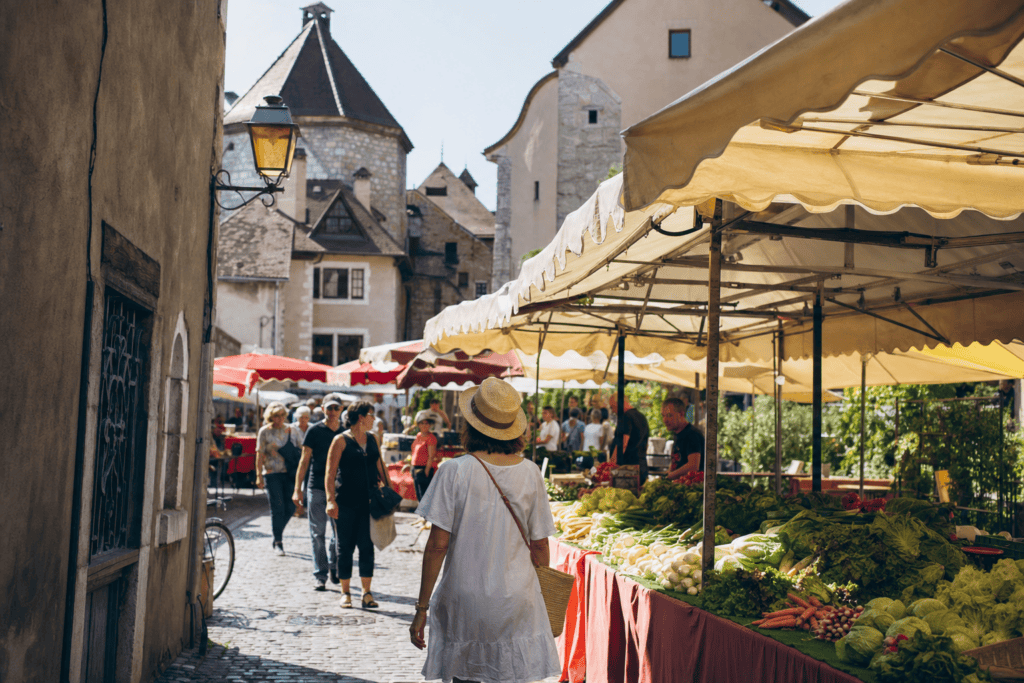 Annecy Old Town Market A market in the heart of Annecy where you can discover Savoyard flavors and the streets of the historic center.
Book online · Paris → Place du Château, 74000 Annecy, France
Choose your pickup date and time
Your departure and arrival details are already pre-filled. You can adjust them in the fare calculator before viewing the vehicles and fare.