



Explore Avignon on Foot: A Route Within the City Walls
Avignon
Exploring Avignon on foot is the best way to understand its history and atmosphere. Within the city walls, a compact route connects the Palais des Papes, Pont Saint-Bénézet, Rocher des Doms garden, medieval streets, lively squares, and elegant façades of private mansions. The city is best discovered at an unhurried pace: look up, pass through an old gateway, linger beneath the plane trees, and embrace the detours. Avignon’s historic center, including the Palais des Papes, the episcopal complex, the ramparts, and Pont Saint-Bénézet, has been listed as a UNESCO World Heritage Site since 1995.
Practical information
Start at the Palais des Papes or the tourist office, bring water in summer, and wear comfortable shoes. Check the monuments’ updated opening hours before you leave.
Getting to Avignon from Paris with a Private Chauffeur
To include Avignon in a Provence trip, Booking Paris Transfer can arrange transportation from Paris, a Paris hotel, Charles de Gaulle Airport, or Orly Airport, with arrival in Avignon and the option of returning to Paris. The service covers transportation only; admission tickets and monument visits must be booked separately through the official sites.
Possible departure from Paris, a Paris hotel, CDG or ORY; return to Paris or a customized itinerary from the Île-de-France region.
1. Start Outside Avignon’s Ramparts
For a first visit, start near one of the gateways in the ramparts, then make your way gradually toward the heart of the walled city. The 14th-century fortifications immediately convey Avignon’s strategic and political importance in the Middle Ages. Its walls, dotted with towers and gates, still form a clearly visible boundary between the historic city and the newer neighborhoods. Before entering, observe the height of the fortifications and how they follow the terrain around the Rocher des Doms.
As you pass through the gate, take time to look at the views. A tower may appear at the end of a street, an old façade may emerge between two shops, and then the bulk of the Palais des Papes may suddenly dominate the horizon. The tourist office offers several suggested heritage walks, including routes around the ramparts and the old town.
This first step helps you understand the layout of the visit. The distances seem short, but detours through squares, museums, and narrow streets naturally extend the walk. Keep a map handy while leaving room for spontaneity.
2. The Palais des Papes and Place du Palais
The Palais des Papes is the highlight of any walking route through Avignon. Its massive silhouette evokes a fortress, a papal residence, and a center of power all at once. Built and expanded in the 14th century, it brings together the Old Palace and the New Palace, with vast halls, chapels, reception rooms, and decorated apartments. The building’s grandeur is especially clear from the square in front of it.
Before going inside, walk around Place du Palais to appreciate the entire urban setting. Notre-Dame des Doms Cathedral, the Petit Palais, and the buildings associated with the former religious authority create an exceptional scene. The UNESCO listing of Avignon’s historic center highlights the value of this religious, administrative, and military complex.
An interior visit takes time and involves many stairs. Opening hours, routes, and access arrangements may change depending on the season or programming. Check the information on the official Palais des Papes website before your visit. During very busy periods, the monument may recommend booking in advance.
3. Notre-Dame des Doms and the Rocher des Doms
After the Palais des Papes, head to Notre-Dame des Doms Cathedral and then the Rocher des Doms garden. Recognizable by its golden statue of the Virgin Mary, the cathedral naturally complements a visit to the palace and recalls Avignon’s religious role during the papal period. Its architecture bears traces of centuries of change, with chapels and alterations dating from after the medieval period.
The garden offers a welcome break above the Rhône. From the viewpoints, you can look toward Pont Saint-Bénézet, Villeneuve-lez-Avignon, the hills, and the landscapes of Vaucluse. This vantage point helps explain the city’s location between the river, the rock, and the fortified walls. It also helps you better locate the neighborhoods you will explore next.
Allow extra time if you enjoy photography or are traveling with children. The paths and viewpoints make it easy to slow down after exploring the palace’s interiors. In hot weather, mornings and late afternoons are generally more pleasant. Be cautious in elevated areas and keep an eye on children near the viewpoints.
4. Pont Saint-Bénézet and Views of the Rhône
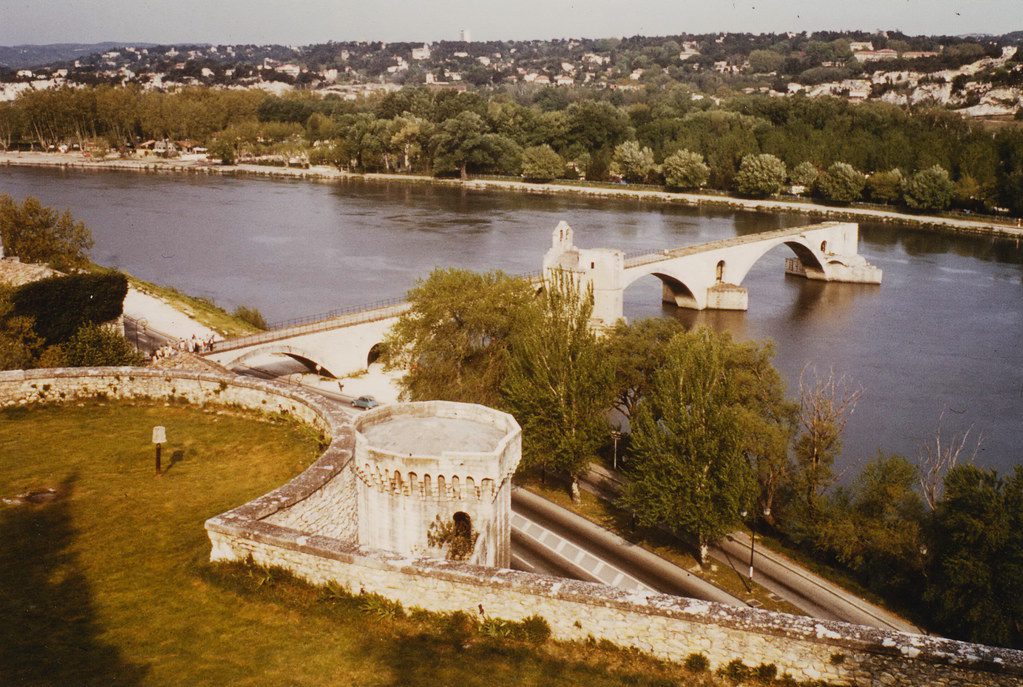
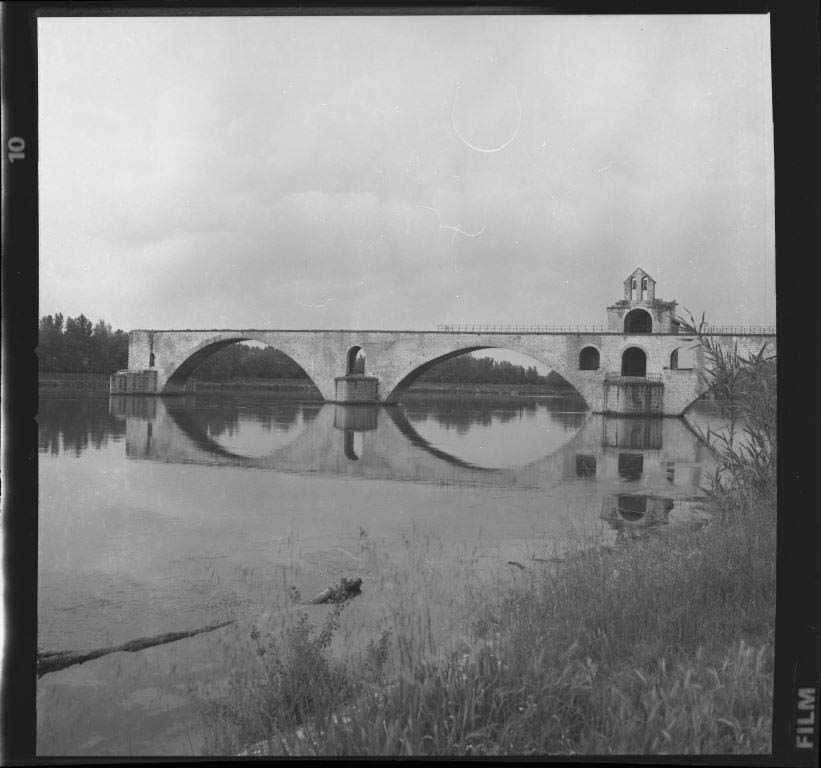
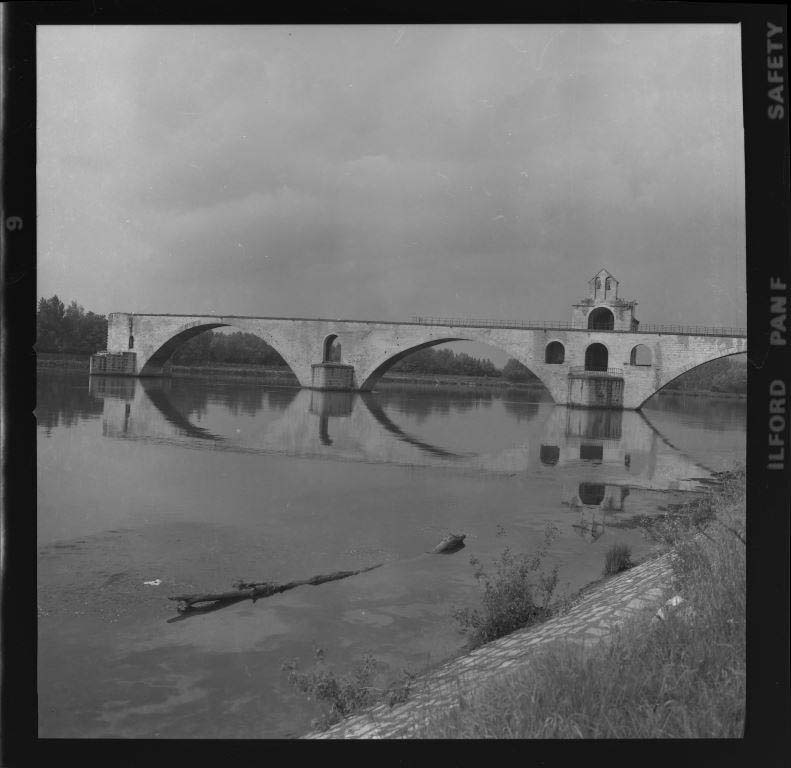
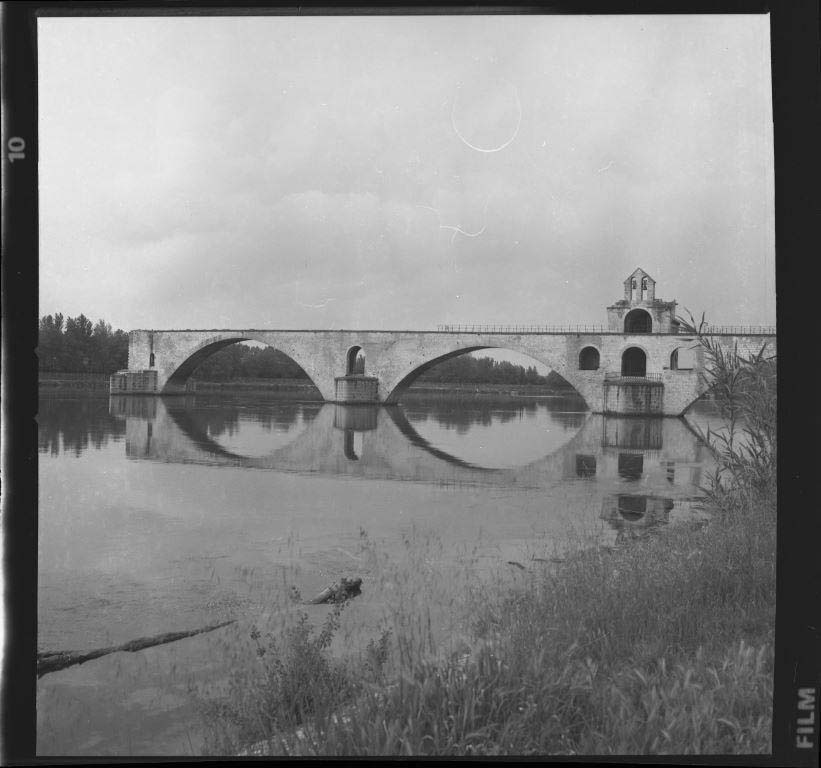
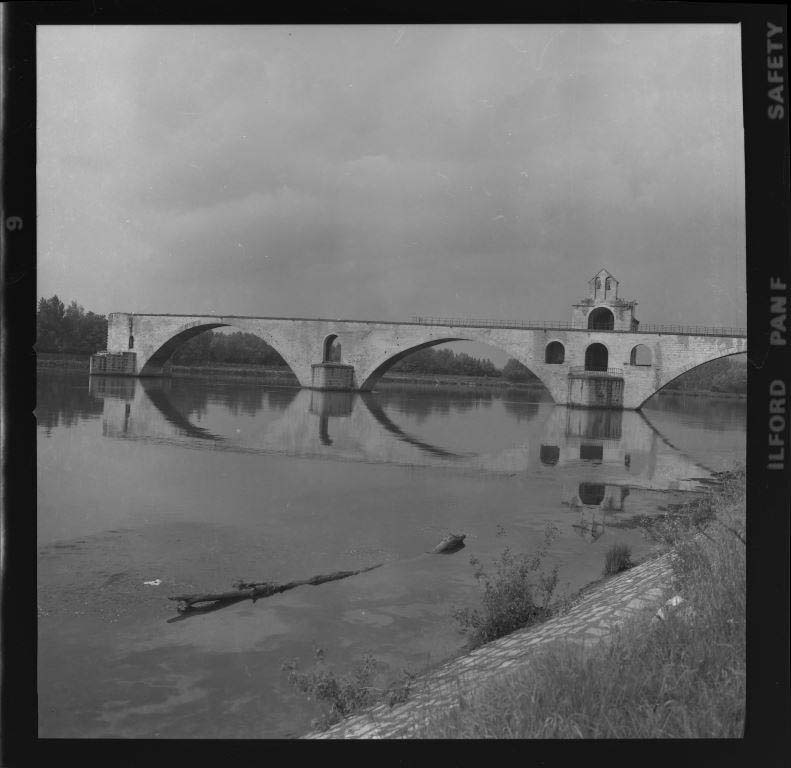
Pont Saint-Bénézet, better known as the Pont d’Avignon, is one of the city’s symbols. Today, only four arches remain of the medieval bridge that once crossed the Rhône. The visit lets you walk along part of the bridge and understand its historic role as a crossing, a strategic structure, and a link between Avignon and the opposite bank. Its current condition also tells the story of floods and changes in the river over the centuries.
From the bridge, the view of the ramparts, the Palais des Papes, and the Rocher des Doms is particularly striking. Observe the relationship between the fortifications and the Rhône, then look toward Villeneuve-lez-Avignon to appreciate the scale of the former crossing. The bridge belongs to the historic ensemble listed as a World Heritage Site along with the palace, cathedral, Petit Palais, and fortifications.
Check opening hours and visiting arrangements before you arrive, as they may vary. The bridge is highly exposed to sun and wind. A visit early or late in the day often offers softer light and a more comfortable walk. Stable shoes are useful on the old, sometimes uneven surfaces.
5. Narrow Streets, Rue des Teinturiers, and Private Mansions
After visiting the major monuments, deliberately get lost in the streets within the city walls. The Balance district, the area around Rue Peyrolerie, and the passages near the Palais des Papes reveal a more intimate side of Avignon, with old houses, small squares, and understated façades. Rue des Teinturiers, lined by the Vaucluse Canal and several waterwheels, offers a shadier atmosphere connected to the city’s artisanal and industrial history.
As you continue along the old streets of the center, look out for the private mansions. Their entrances, courtyards, and stonework reflect the prosperity of families who settled in Avignon during the 17th and 18th centuries. Many details can be seen from the street: mascarons, balconies, ironwork, carved surrounds, and monumental doors. However, please respect residents’ peace and quiet where the passages are residential.
This part of the route should not be rushed. Keep a map with you, but let the views, shadows, and changing atmosphere guide you between busy areas and quieter streets. Rue des Teinturiers can be especially pleasant for a break, although crowds vary depending on the season and events.
6. Lively Squares: Horloge, Pie, and Saint-Didier
The squares set the pace of the walk. Place de l’Horloge, lined by the town hall and opera house, is one of the main thoroughfares within the city walls. Its terraces and rows of plane trees make it a convenient place to pause, observe local life, and continue toward the shopping streets. It is also a useful landmark for adjusting the route to suit the group’s energy.
Place Pie is another central spot, associated with shops and, depending on the day, market activity. From there, it is easy to reach Place Saint-Didier, a more open square marked by the church of the same name. These areas change atmosphere with the season, cultural events, and the Avignon Festival program. The terraces can be lively, while some nearby streets remain quieter.
Use the squares as genuine stops rather than simply passing through them. They let you break up the walk, choose a café or lunch spot, and adjust the route. During the festival and school holidays, allow extra time: the streets and squares can be very busy, and temporary installations may change the usual route.
7. Build Your Route at Your Own Pace
A complete route can start at the ramparts, continue to Place du Palais, visit the Palais des Papes, climb to the Rocher des Doms, descend toward Pont Saint-Bénézet, and return through the Balance district and central squares. This loop combines the major monuments, panoramic views, and street atmospheres without requiring additional transportation. It can be adapted, however, if you want to avoid certain stairs or spend more time in museums.
For a half-day, focus on the ramparts, the Palais des Papes, Notre-Dame des Doms, the Rocher des Doms, and the bridge. For a full day, add the Petit Palais, Rue des Teinturiers, the private mansions, and a longer break in the historic center. Art lovers can check which exhibitions are open on the day of their visit with Avignon Tourisme.
People with reduced mobility should plan the route carefully: some streets are cobbled or steep, and the standard Palais des Papes route is partly inaccessible to wheelchair users because of the number of stairs. Information about accessible tourism in Avignon should be reviewed before departure. In all cases, bring water, wear comfortable shoes, and allow extra time for breaks.
Frequently Asked Questions
How long does it take to explore Avignon within the city walls on foot?
Can you explore Avignon on foot with children?
Is the Palais des Papes accessible to people with reduced mobility?
What is the best time to walk around Avignon?
Do you need to book to visit the monuments?
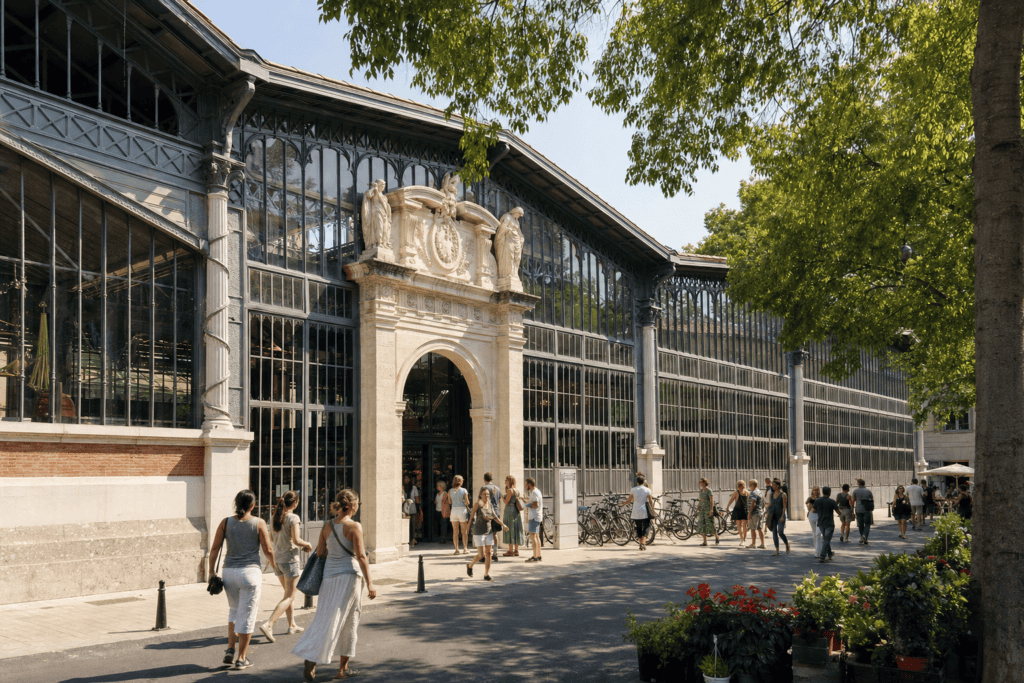 Avignon Market Halls A lively covered market where you can discover fresh produce, Provençal specialties and local life…
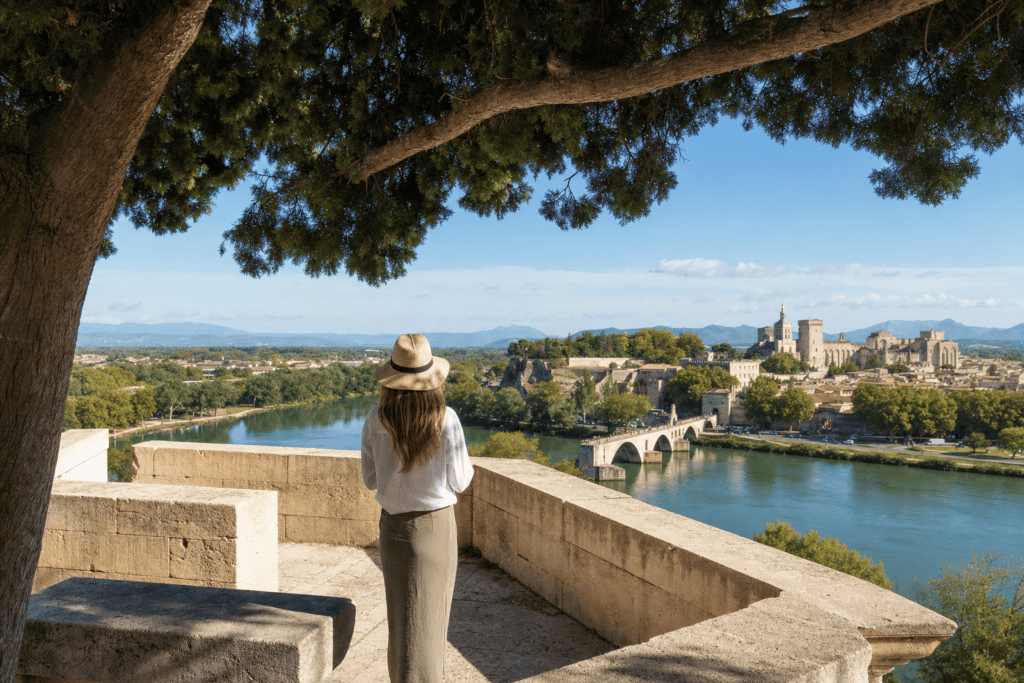 Rocher des Doms A historic hilltop garden, ideal for taking in views of the Rhône, Pont Saint-Bénézet and the surrounding scenery…
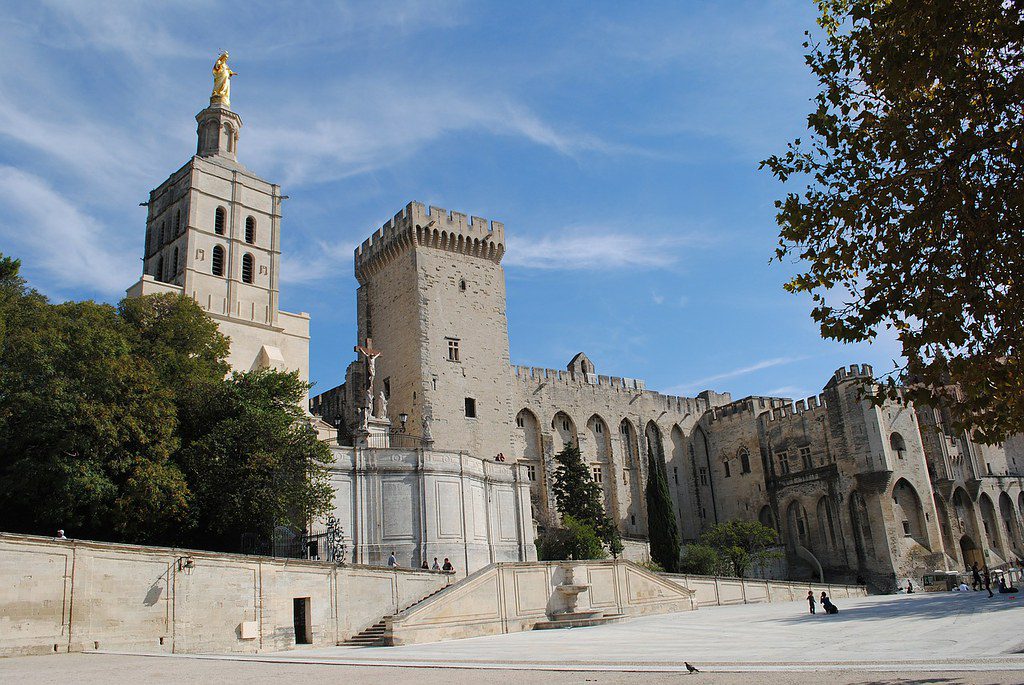 Palace of the Popes A Gothic fortress palace in the heart of Avignon, part of the historic center listed as a UNESCO World Heritage Site…
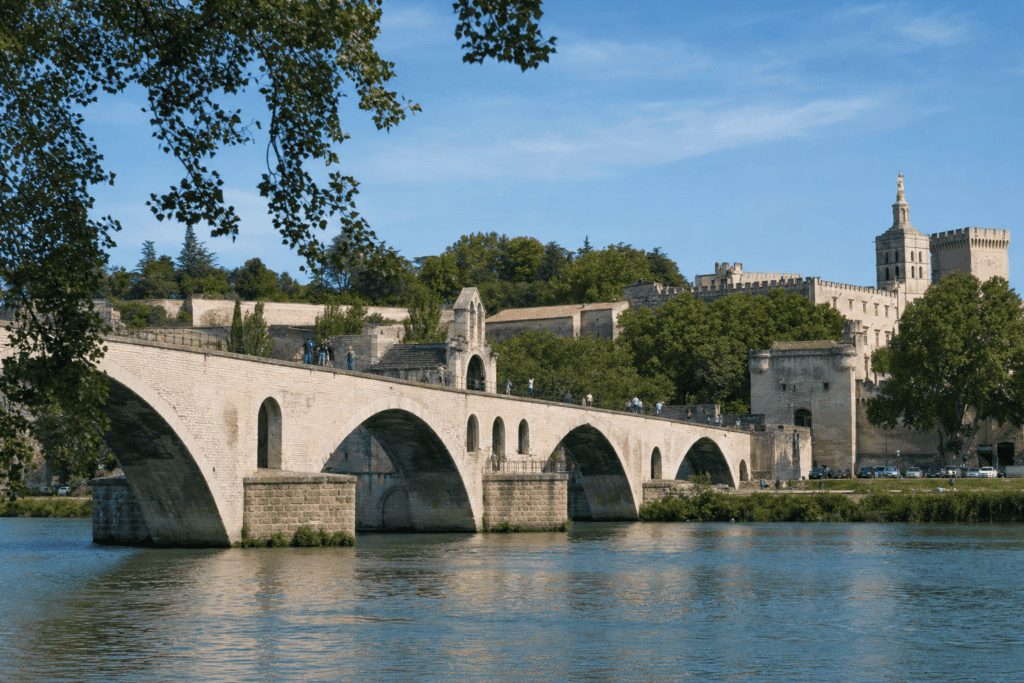 Pont Saint-Bénézet An iconic medieval monument offering a short visit and superb views over the Rhône, the…
Online booking · Paris → Avignon Historic Center, 84000 Avignon, France
Choose your pickup date and time
Your departure and arrival details are already pre-filled. You can adjust them in the fare calculator before viewing the vehicles and fare.