



City of Popes and World Heritage in Provence · Provence-Alpes-Côte d’Azur
Visiting Avignon: The Complete Guide to the City of Popes
Visiting Avignon means stepping into a fortified city where papal history, Gothic architecture, Rhône landscapes, and contemporary cultural life come together. Its historic center, listed as a UNESCO World Heritage Site, is easy to explore on foot around the Palace of the Popes, Pont Saint-Bénézet, Notre-Dame des Doms Cathedral, and the city walls. Avignon is also an excellent base for exploring Vaucluse, the Luberon, Mont Ventoux, and Provence’s villages.
Explore Avignon
Avignon’s must-see attractions
 What to do
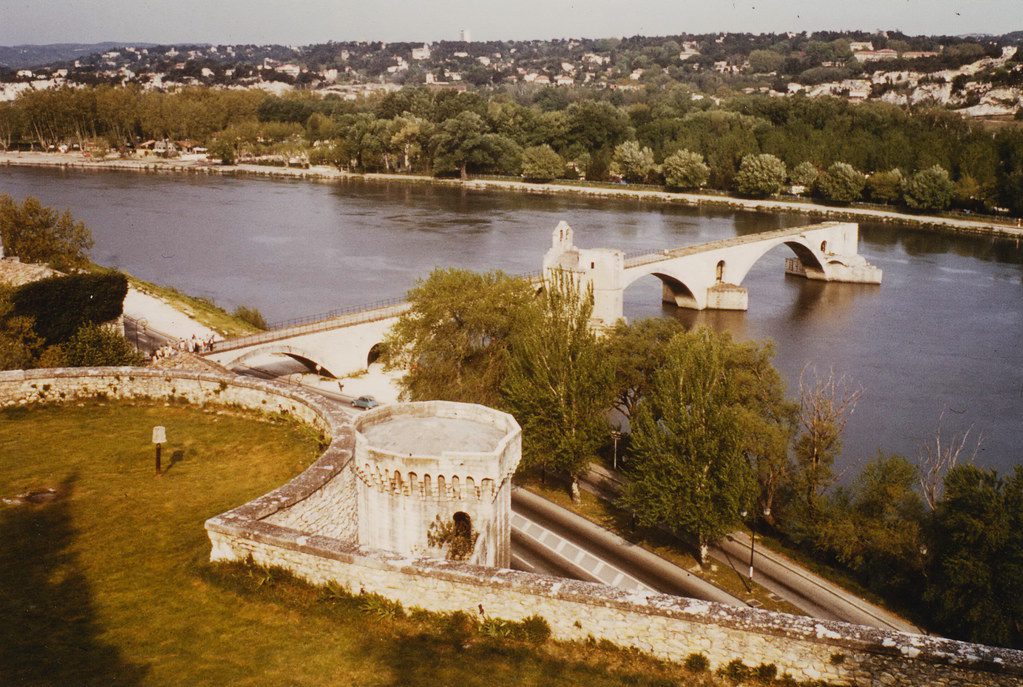
Explore Avignon’s historic center on foot
A walking itinerary through the city walls, the Palace of the Popes, historic lanes, squares, and…
 Markets
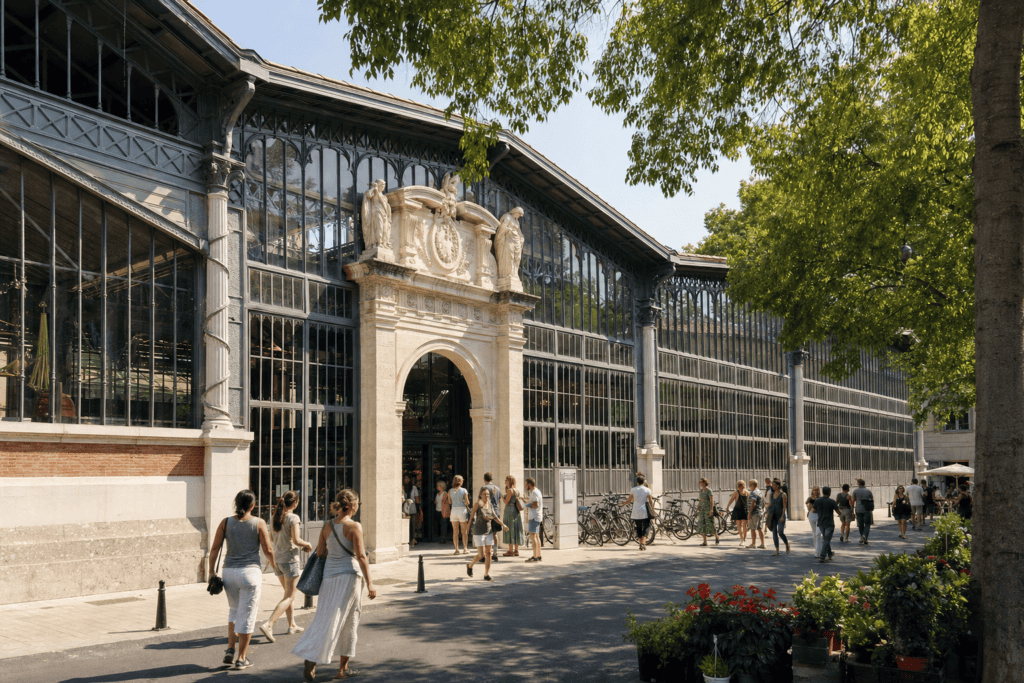
Avignon Market Halls
A lively covered market where you can discover fresh produce, Provençal specialties and local life in Avignon.
 Must-see
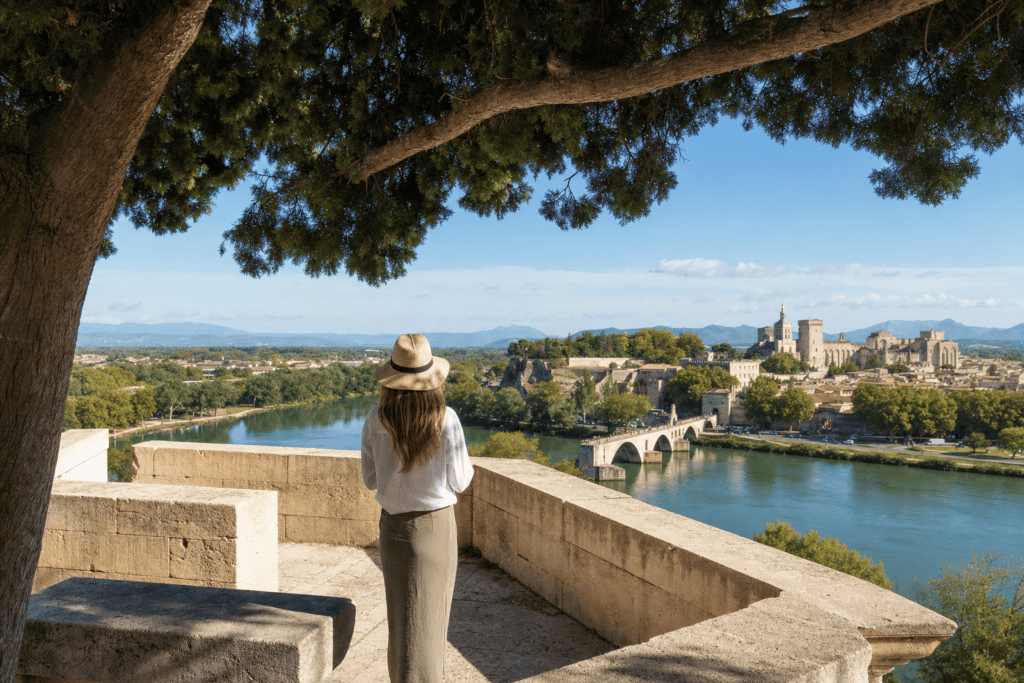
Rocher des Doms
A historic hilltop garden, ideal for taking in views of the Rhône, Pont Saint-Bénézet and the scenery around Avignon.
 Must-see
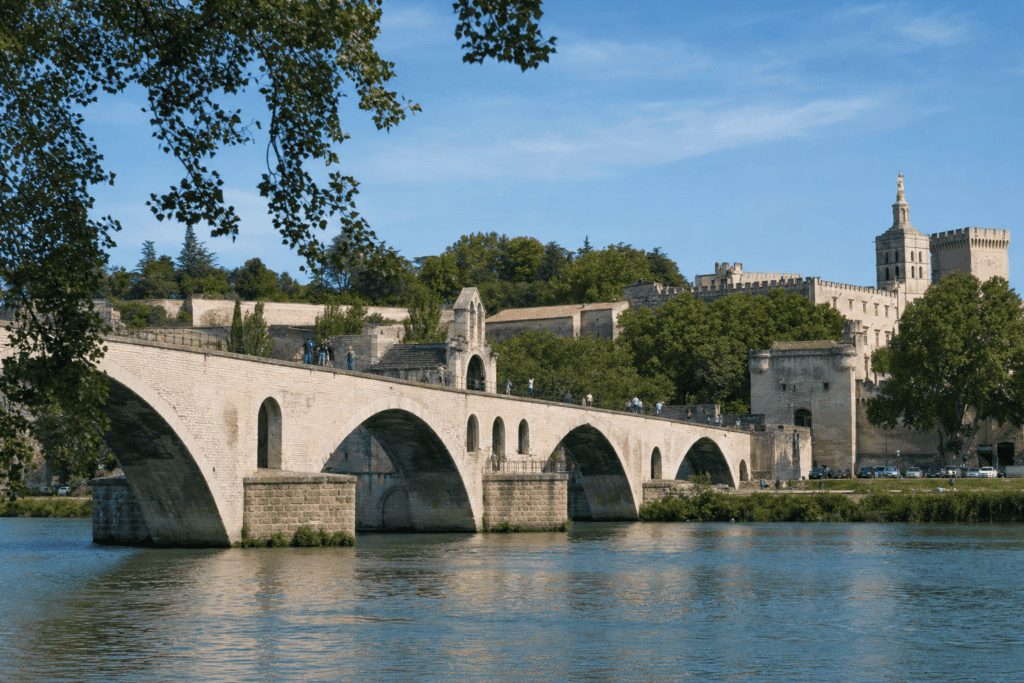
Pont Saint-Bénézet
An iconic medieval monument offering a brief visit and superb views of the Rhône, the city walls, and…
 Must-see
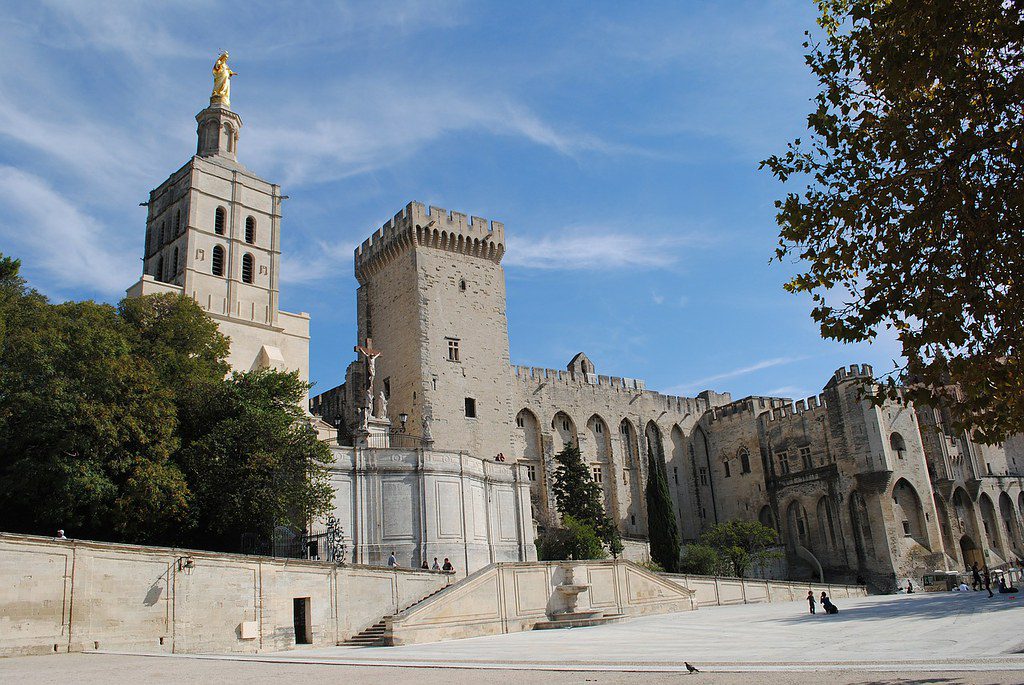
Palace of the Popes
A Gothic fortress-palace in the heart of Avignon, part of the historic center listed as a UNESCO World Heritage Site along with the…
Other destinations to discover
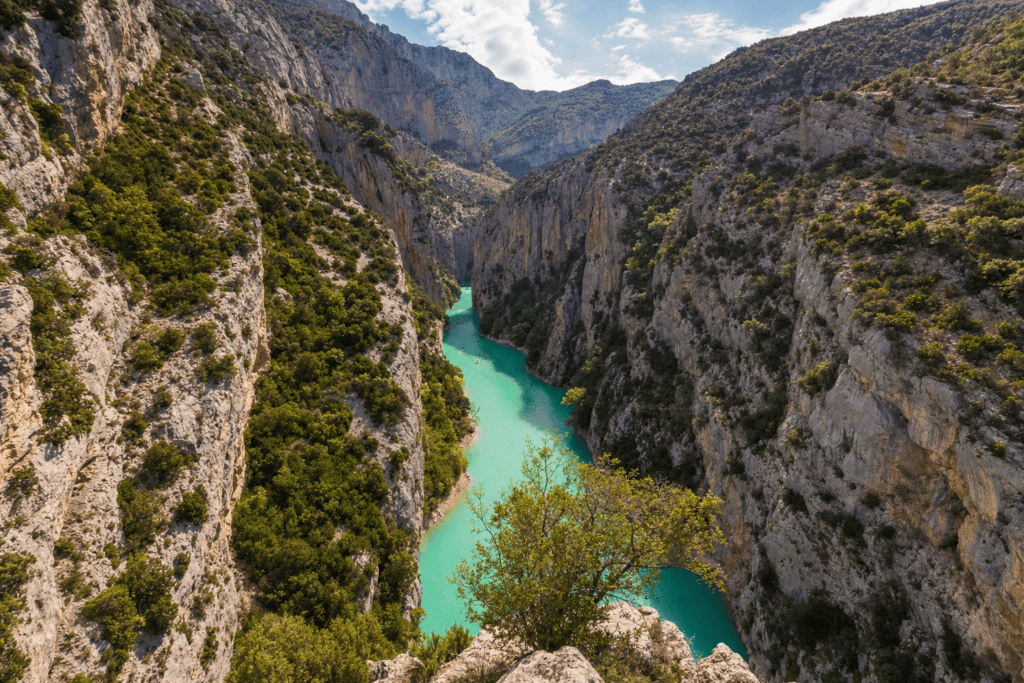
Gorges du Verdon
A comprehensive guide to discovering the viewpoints, trails, lakes and villages of the Verdon Gorge, with…
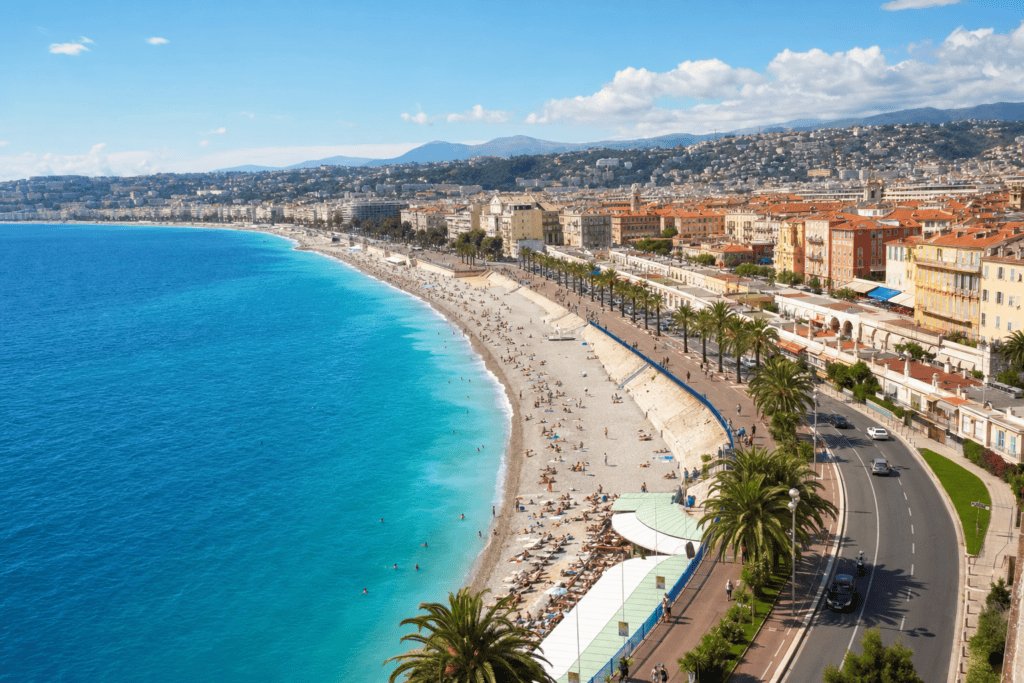
Nice
A bright, vibrant city where the Mediterranean, Belle Époque architecture, the old town, museums, and views over the…
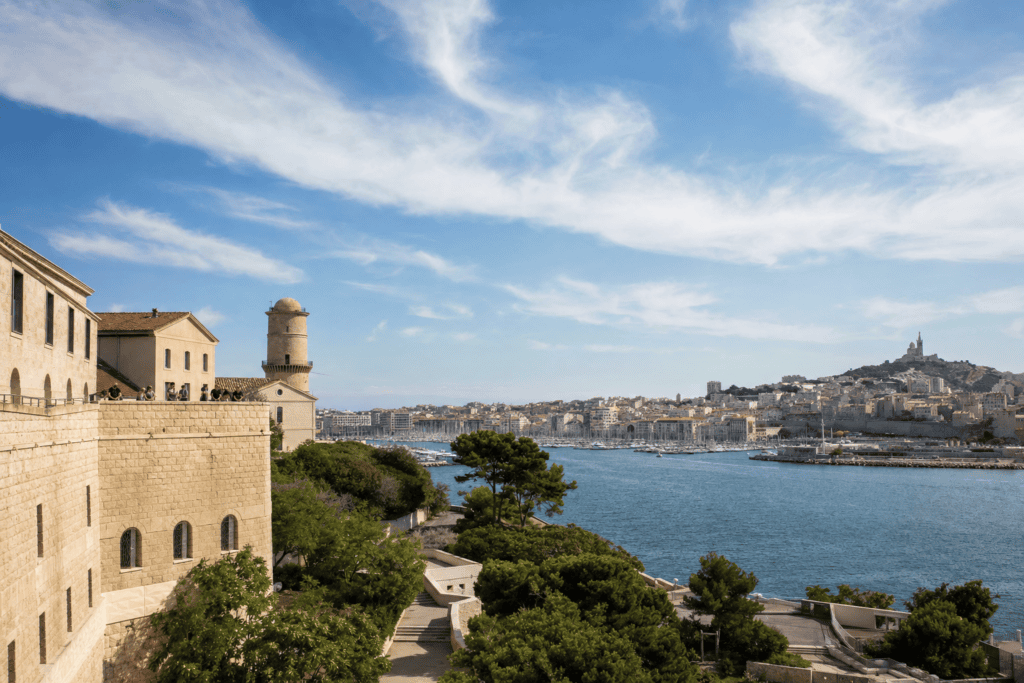
Marseille
From La Canebière to the Calanques, Marseille blends Mediterranean heritage, museums, distinctive neighborhoods, local cuisine, and sea views.
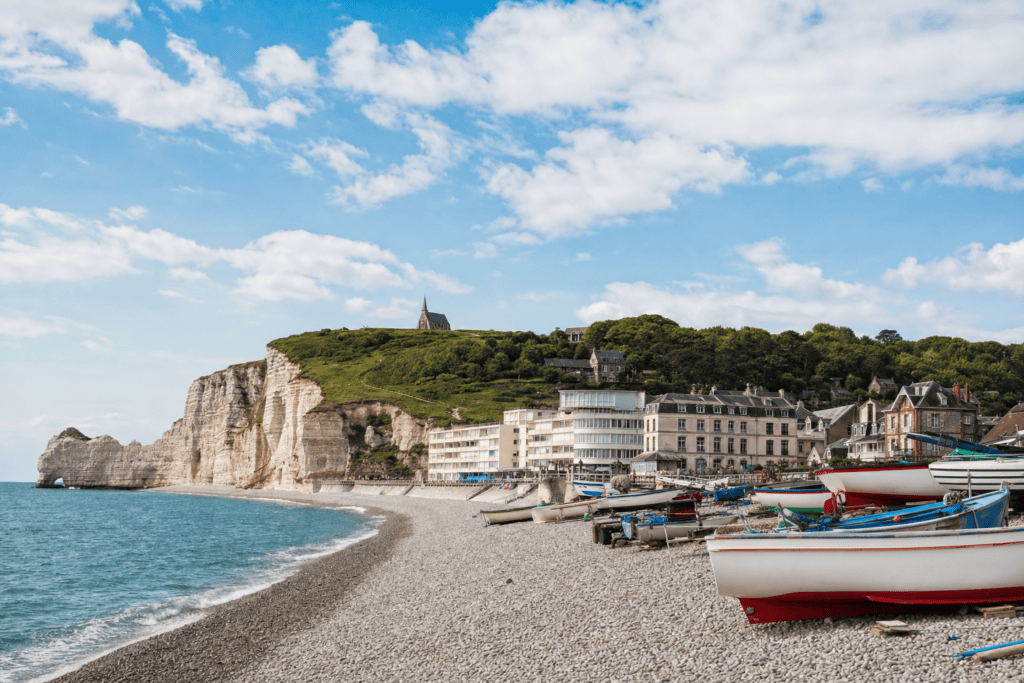
Fécamp
Between its port, cliffs, and heritage, Fécamp reveals an authentic maritime Normandy, ideal for a getaway from Paris.
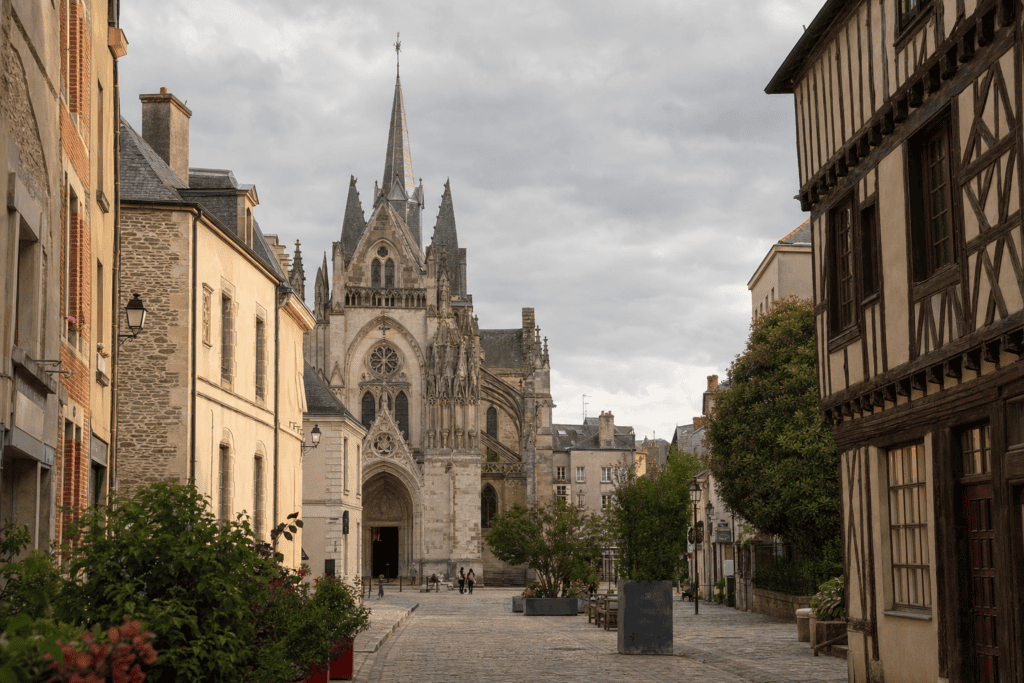
Cholet
A charming town in the Choletais region, known for its textile heritage, museums, gardens, and nature excursions to Maulévrier, the lake…
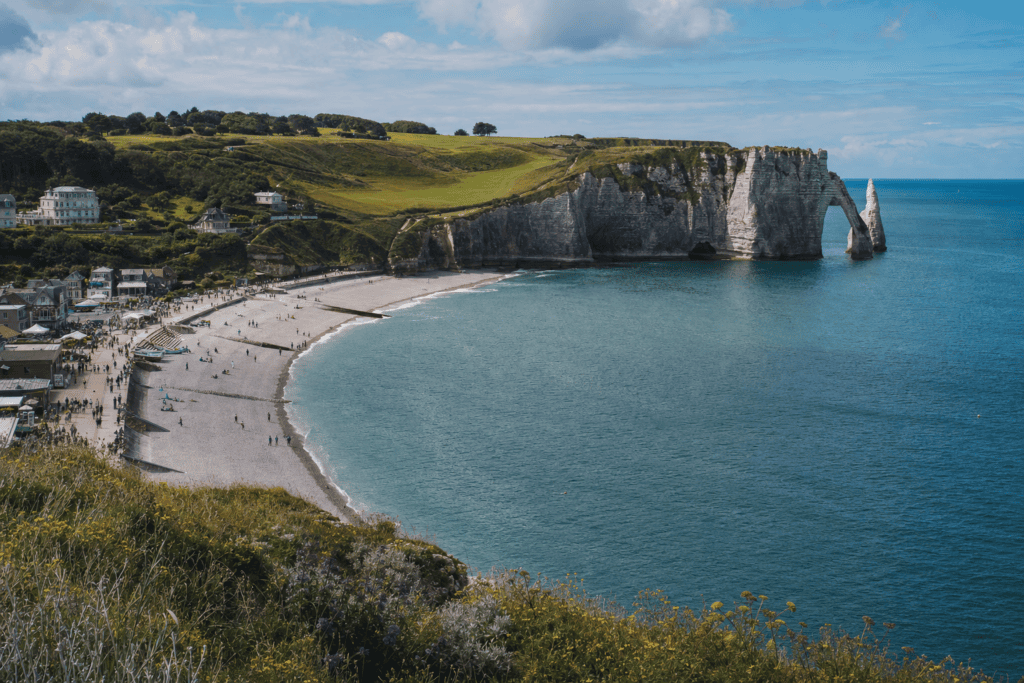
Étretat
Chalk cliffs, natural arches, coastal trails, and Belle Époque villas: Étretat reveals a Normandy landscape…
DESTINATION GUIDE
Avignon Travel Guide
A city shaped by the papacy
Avignon is often called the City of Popes because of the role it played in Church history during the 14th century. Between 1309 and 1377, and later during the Great Western Schism, the city became a leading political, religious, and artistic center. This history profoundly shaped its urban landscape: a fortified palace, an episcopal complex, religious buildings, city walls, and a bridge over the Rhône form a remarkably coherent historic center.
Avignon’s monumental ensemble has been listed as a UNESCO World Heritage Site since 1995. It notably includes the Palace of the Popes, Pont Saint-Bénézet, Notre-Dame des Doms Cathedral, the Petit Palais, the city walls, and the Rocher des Doms area. The best way to appreciate its richness is to take the time to connect these monuments on foot rather than limiting your visit to a single building.
The Palace of the Popes: an essential starting point
The Palace of the Popes overlooks the square of the same name and is the city’s emblematic monument. Its massive silhouette is as evocative of a fortress as it is of a princely residence. The complex brings together the Old Palace, built under Benedict XII, and the New Palace, developed under Clement VI. Together, they reflect the political and artistic ambitions of the papal court in the 14th century.
Inside, the tour takes in grand reception rooms, chapels, spaces of power, and private apartments. The painted decorations, especially in the Stag Room and certain chapels, recall that this defensive architecture also housed a refined, cosmopolitan court deeply devoted to the arts. The monument includes numerous staircases and several levels, so it is worth checking visiting conditions and accessibility arrangements before you arrive.
- Start your day at the Palace of the Popes to allow plenty of time and avoid rushing your visit.
- Wear comfortable clothing: the route includes stairs and spaces that may not be temperature-controlled.
- Complete your visit with the Palace Square, the cathedral, and the Petit Palais to place the monument in its historic surroundings.
Pont Saint-Bénézet and the Rhône
Pont Saint-Bénézet, better known as the Bridge of Avignon, is one of France’s most recognizable monuments. Built beginning in the 12th century, it once crossed the Rhône over a much greater length than the section accessible today. Only four arches remain, but they are enough to convey the structure’s strategic and commercial importance.
Visiting the bridge offers a unique view of the city walls, the Palace of the Popes, and the river. Its famous children’s song has contributed to its international renown, but the monument deserves to be viewed above all as a remnant of medieval infrastructure, shaped by floods and changes in the Rhône. For a different perspective, cross to or head toward the banks of Barthelasse Island, where Avignon’s silhouette appears in a more open landscape that is especially pleasant at the end of the day.
Rocher des Doms, the city walls, and the old town
The Rocher des Doms gardens are one of the best places to gain some elevation without leaving the city center. From the promenade, you can take in the Rhône, Pont Saint-Bénézet, Barthelasse Island, and the rooftops of the old town. It is a welcome stop after visiting the major monuments, especially during the hottest hours of summer.
The city walls form an almost continuous belt around the historic center. They give Avignon a very distinctive identity and help explain its defensive layout. Inside, the streets invite you to take a less monumental stroll: small squares, private mansions, historic façades, independent shops, and shaded passageways unfold around Place Pie, Rue des Teinturiers, and the Balance district.
Rue des Teinturiers is particularly interesting for its atmosphere and its historic features connected with the textile trade. It should not be reduced to a mere photographic backdrop: it recalls the importance of water, mills, and artisanal trades in Avignon’s economic history.
Museums, art, and cultural life
Avignon is more than its medieval heritage. The Petit Palais Museum houses an important collection of medieval and Renaissance paintings in a former episcopal palace near Notre-Dame des Doms. The Calvet Museum, located in a private mansion, complements this experience with works spanning several periods and disciplines. The Lapidary Museum will appeal to visitors interested in archaeology and ancient sculpture.
The city is also known for its theater scene and festival, which each summer transforms theaters, courtyards, chapels, and cultural venues into stages. The atmosphere can then be very different from that of a traditional heritage-focused trip: the city becomes a space for creativity, debate, and encounters. If you travel during this period, plan your stay further in advance and check the official programs, as the offerings vary from one edition to the next.
Provençal flavors and excursions around Avignon
Exploring Avignon can easily include an introduction to Provençal cuisine. At markets and shops in the city center, look for products from Vaucluse: fruit, vegetables, herbs, oils, cheeses, and locally prepared specialties. Avignon’s Les Halles market is an interesting stop for observing regional food traditions and putting together a seasonal lunch.
Several day trips are possible from Avignon. The Luberon offers hilltop villages and rolling landscapes; Mont Ventoux dominates the Vaucluse horizon; and the vineyards of Châteauneuf-du-Pape and the Côtes-du-Rhône extend the experience through the region’s agricultural landscape. Adapt your routes to the time available and traffic conditions, particularly in summer.
Tips for planning your stay
- For a first visit, plan on at least one full day to combine the Palace of the Popes, Pont Saint-Bénézet, Rocher des Doms, and a stroll through the old town.
- With two days, add the museums, Barthelasse Island, Les Halles, and an excursion in Vaucluse.
- The old town is mainly explored on foot; suitable shoes are recommended for the cobblestones and monuments.
- In summer, prioritize indoor visits in the morning or around midday, and save outdoor walks for early or late afternoon.
- Visitors with reduced mobility should contact each monument directly: access conditions may vary depending on the buildings and routes.
Ultimately, Avignon charms visitors through the coexistence of several cities in one: the medieval papal capital, the fortified city, the city of museums and theater, and also a gateway to the landscapes and vineyards of Provence. Taking the time to move from the monuments to the streets, and then from the streets to the river, reveals a destination richer than a simple photo stop.
Useful sources
Getting to Avignon from Paris
Booking Paris Transfer peut organiser un trajet privé au départ de Paris, de l’Île-de-France, de CDG ou d’ORY vers Avignon, avec possibilité de construire un itinéraire multi-ville en Provence avant un retour vers Paris. Le service concerne le transport : les billets d’entrée aux monuments ne sont pas vendus par Booking Paris Transfer.