



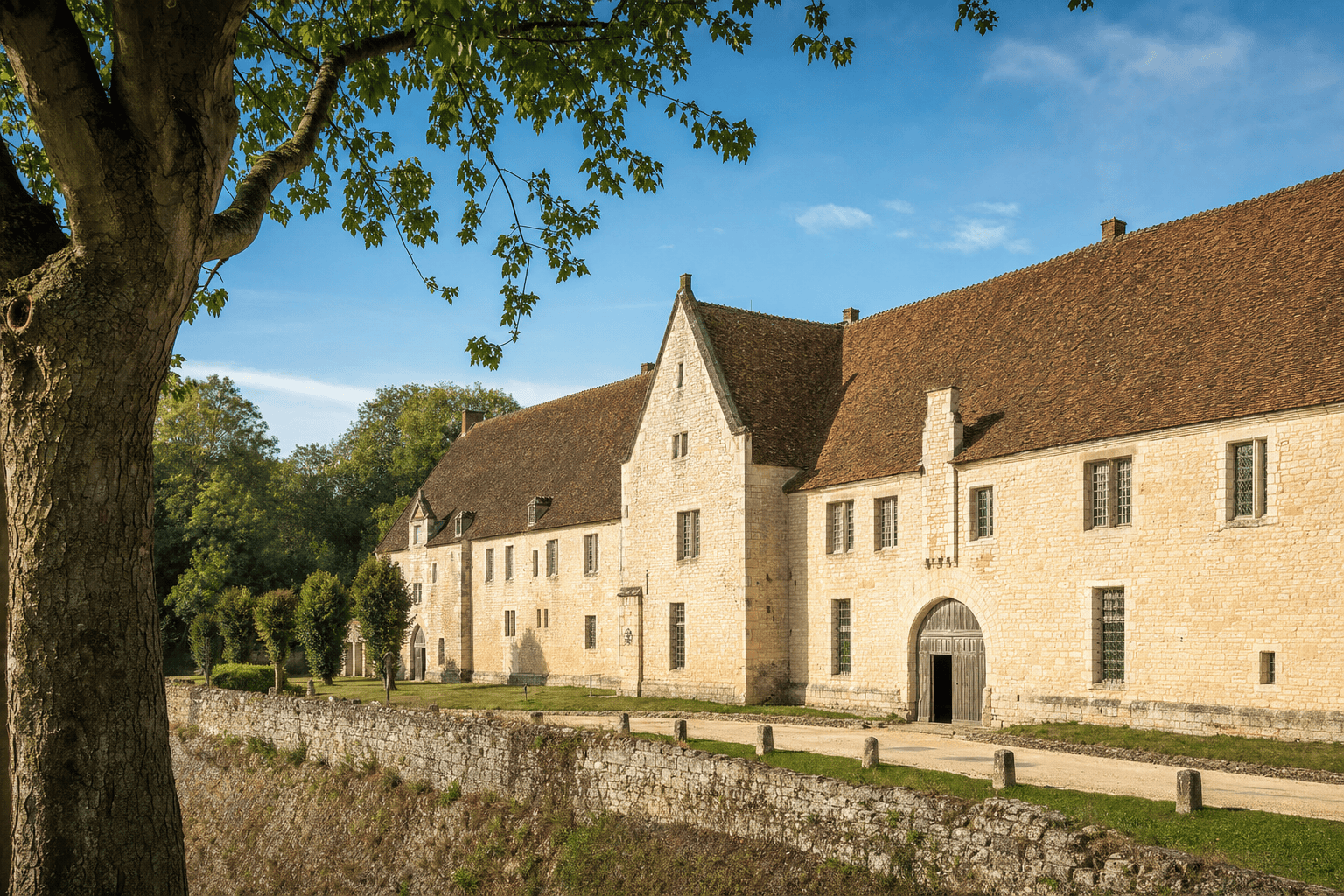
Maladrerie Saint-Lazare: Guide to Beauvais’ Medieval Site
Beauvais
In Beauvais, in the Voisinlieu district, Maladrerie Saint-Lazare preserves one of the most remarkable medieval hospital complexes in northern France. Its chapel, lodging house, large barn, and garden form a site where the history of care, religion, and agriculture can still be read in the buildings. Less monumental than Saint-Pierre Cathedral, the site nevertheless offers a very tangible understanding of life in an ancient institution. It appeals to enthusiasts of architecture, history, photography, and gardens, as well as travelers wishing to discover another side of Beauvais. Since opening hours, accessible areas, and cultural programming vary by season, check the official information before your trip.
Practical information
Combine Maladrerie with Saint-Pierre Cathedral and the historic center, allowing time to travel between these areas. For a trip from Paris, first confirm the site’s hours and access conditions.
Getting to Maladrerie from Paris
For a trip between Paris, CDG or ORY and Beauvais, Booking Paris Transfer can arrange transportation suited to your itinerary, with a return to Paris if needed. This option works well for an itinerary combining Maladrerie, Beauvais’ historic center, or an airport transfer. It covers transportation only: tickets, guided tours, and events must be arranged with the site’s official representatives.
Departure is available from Paris, the Île-de-France region, CDG or ORY, with a return to Paris depending on the requested itinerary.
A Former Medieval Hospital
Maladrerie Saint-Lazare is a former hospital located in Voisinlieu, south of Beauvais. Its relative distance from the city center reflects a common medieval arrangement: people with leprosy were cared for in institutions separate from densely populated areas, while remaining close to the city and major routes. A maladrerie was therefore more than just a place of care. It combined prayer, accommodation, administration, agricultural production, and assistance.
The preserved site helps visitors understand this diversity of functions. The buildings and outdoor areas formed an estate capable of meeting some of its own needs, managing supplies, and organizing the daily lives of its occupants. This practical dimension gives the visit particular depth: the stonework tells the story of a community as much as it tells the history of illness and charity.
Restoration work has preserved a coherent complex that is now used for cultural activities. Observe the relationship between the building volumes, walls, openings, circulation routes, and plantings: it is this overall composition that makes Maladrerie distinctive.
Chapel, Lodging House, and Large Barn
The chapel is the estate’s main religious landmark. It recalls the importance of prayer and ritual in the institution’s life, but its significance is best understood when viewed in relation to the courtyard and the other buildings. The proximity of the spiritual space, living quarters, and work buildings shows how religious and everyday functions coexisted within the same institution.
The lodging house and service buildings evoke the management of a community responsible for housing, feeding, and administering its occupants. A maladrerie required staff, land, supplies, and regular resources. The buildings therefore help visitors imagine the tasks, movements, and relationships among the different groups present on the estate.
The large barn is particularly impressive for its size and the role it played in the site’s agricultural economy. Its timber frame, proportions, and sightlines offer excellent photographic subjects. Interior access may depend on opening hours or a special event, so check which areas are open on the day of your visit rather than assuming that every building will be accessible.
A Garden That Offers a New Perspective on the Site
The medieval-inspired garden adds a sensory and educational dimension to the visit. Its plantings evoke uses that certain species may have had in food, medicine, fragrances, dyes, or symbolic practices. It is not an exact reconstruction of one particular medieval garden, but rather an arrangement that helps explain the connections between health, the environment, and daily life.
The way the site is perceived changes with the seasons. In spring, blooms and young foliage contrast with the old stone. In summer, textures and scents give the plantings greater presence. Fall highlights the colors of the garden and walls, while winter reveals the landscape’s forms and architectural lines more clearly. Photographers can vary their compositions by combining vegetation, masonry, and timber framing.
Workshops or activities focused on heritage and gardens may be offered, but their schedule is not permanent. If the outdoor areas are the main reason for your visit, check the official program. Respect the plantings, borders, and paths to help preserve this fragile space.
An Additional Way to Discover Beauvais’ Heritage
Maladrerie fits very well into a day in Beauvais, provided you take its location in Voisinlieu into account. Saint-Pierre Cathedral and the historic center are in another part of the city, so you need to plan a dedicated transfer rather than rely on a short walk between the two complexes. This arrangement also gives you time to explore Maladrerie without reducing it to a quick photo stop.
The comparison with the cathedral is particularly interesting. Saint-Pierre expresses Gothic ambition, religious power, and urban monumentality; Maladrerie speaks more of hospitality, work, estate management, and forms of assistance. Together, these two sites tell complementary parts of Beauvais’ history.
Depending on opening hours, you can start at Maladrerie before heading to the center, or do the reverse. Le Quadrilatère, the old streets, and other cultural venues can round out your itinerary if their opening hours align. Allow extra time for transportation, guided tours, and any scheduling constraints.
Getting Here from the Train Station, Airport, or Paris
The site is located at 203 rue de Paris, Beauvais. By car, approach via the roads leading into the city, particularly from the A16, then follow local roads toward Voisinlieu. Parking options and access conditions may vary during events; do not assume a space will be available immediately in front of the monument, and check the official instructions before leaving.
From Beauvais train station, the Corolis network serves the city’s various districts. However, routes, stops, and itineraries may change, so use the official journey planner to find the service corresponding to your date and time. Do not automatically rely on the mention of a “Maladrerie” stop: check that it is currently active and suitable for your route, including any final walk.
Beauvais-Tillé Airport is outside the city. You will need to travel to Beauvais, then continue toward Voisinlieu by local transportation, taxi, or an arranged transfer. From Paris, CDG or ORY, a driver can simplify a private excursion; tickets, tours, and events must nevertheless be arranged separately.
Guided Tours and Cultural Programming
Maladrerie is a living historic monument, not simply an architectural complex to view from the outside. Depending on the season, the program may include guided tours, workshops, garden-related activities, family events, or activities for groups. These formats provide insight into the site’s history, restoration work, construction techniques, and the successive uses of its buildings.
The large barn and other spaces may also host concerts, performances, exhibitions, or local events. This cultural use shows how an historic site remains part of contemporary life in Beauvais. It may, however, change the atmosphere, visitor numbers, and areas accessible to the public. If you are looking for quiet conditions to photograph the courtyard, timber frame, or garden, check the calendar before planning your trip.
European Heritage Days and certain garden-focused events may offer special opportunities to visit, but they do not represent a permanent schedule. Check dates, hours, any required reservations, and access arrangements in the official materials. An old announcement does not guarantee that the program is still current.
Practical Tips for a Successful Visit
For a careful self-guided visit, allow approximately 1.5 to 2 hours. This gives you time to explore the main areas, view the chapel, barn, and outdoor spaces, and take a few photographs without rushing. Allow additional time if you take part in a guided tour, workshop, concert, or exhibition. Comfortable shoes are recommended, as the route may alternate between buildings, the courtyard, and outdoor areas with varied surfaces.
If accessibility, restrooms, pets, photography, or parking are essential to your plans, contact the site before your visit. Conditions may differ depending on which areas are open and the nature of the event. With children, explain the former role of the maladrerie: understanding hospitality, communal life, and agricultural organization makes the visit more meaningful.
Respect the plantings, masonry, barriers, and posted instructions. Maladrerie is a historic monument and cultural venue, not merely a photographic backdrop. To extend your day, combine it with the center of Beauvais while allowing extra time for travel. A private itinerary from Paris can make connections easier, while site activities must be booked separately when necessary.
Useful sources
Frequently Asked Questions
Where is Maladrerie Saint-Lazare located?
How much time should I allow for the visit?
How do you get to Maladrerie from Beauvais train station?
Is Beauvais-Tillé Airport next to the site?
Is Maladrerie open year-round?
Can you come from Paris with a driver?
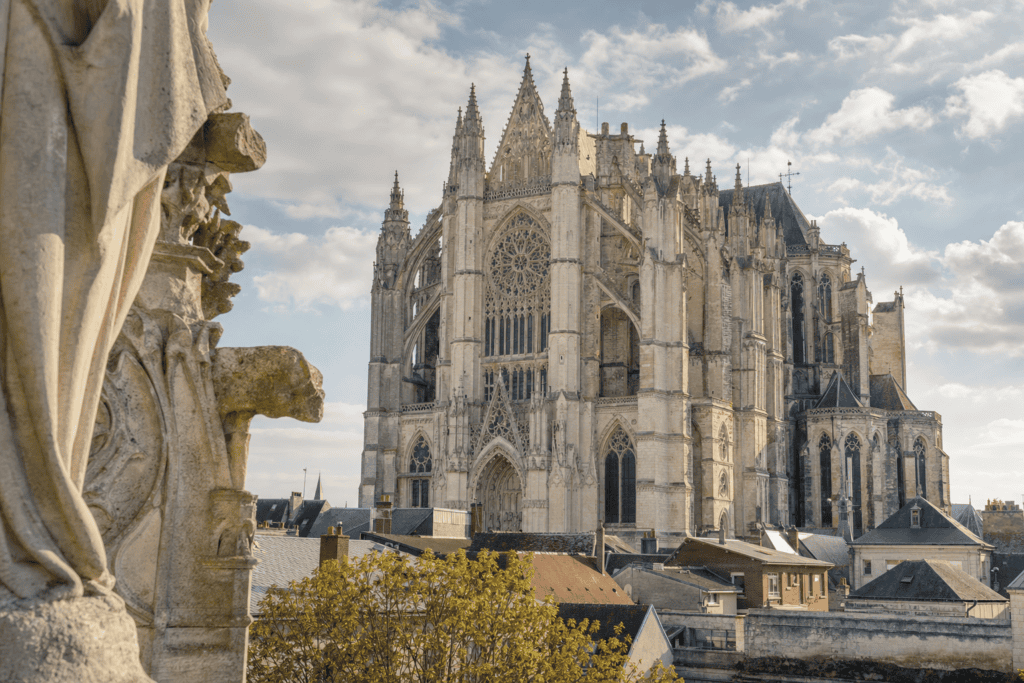 Saint-Pierre Cathedral of Beauvais A unique Gothic masterpiece, famous for its exceptionally tall choir, stained-glass windows, astronomical clock, and…
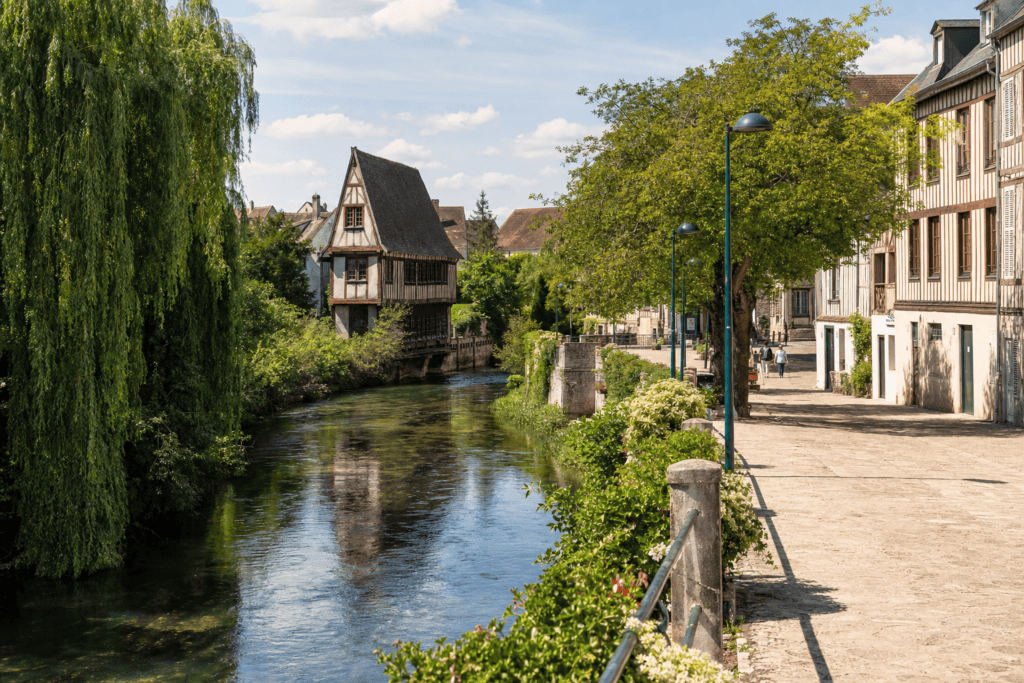 What to do in Beauvais: historic center and walk along the Thérain A walking route through Beauvais covering Saint-Pierre Cathedral, the episcopal quarter, Place Jeanne-Hachette, Boileau Tower, and…
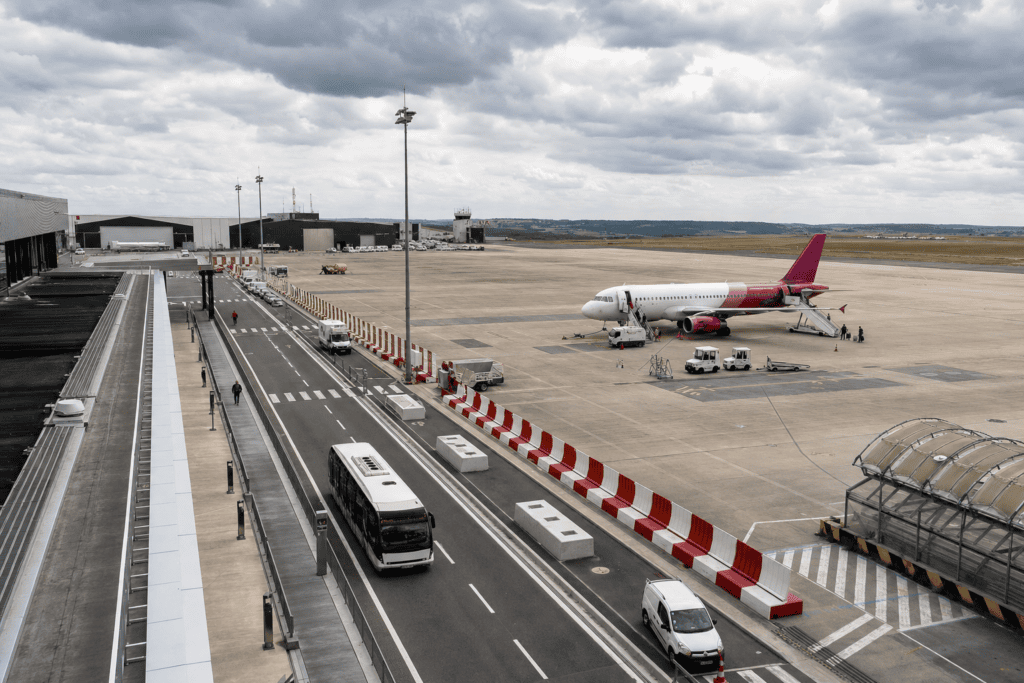 Paris-Beauvais Airport Everything you need to know to reach Beauvais, Paris, or your accommodation from the airport located in Tillé.
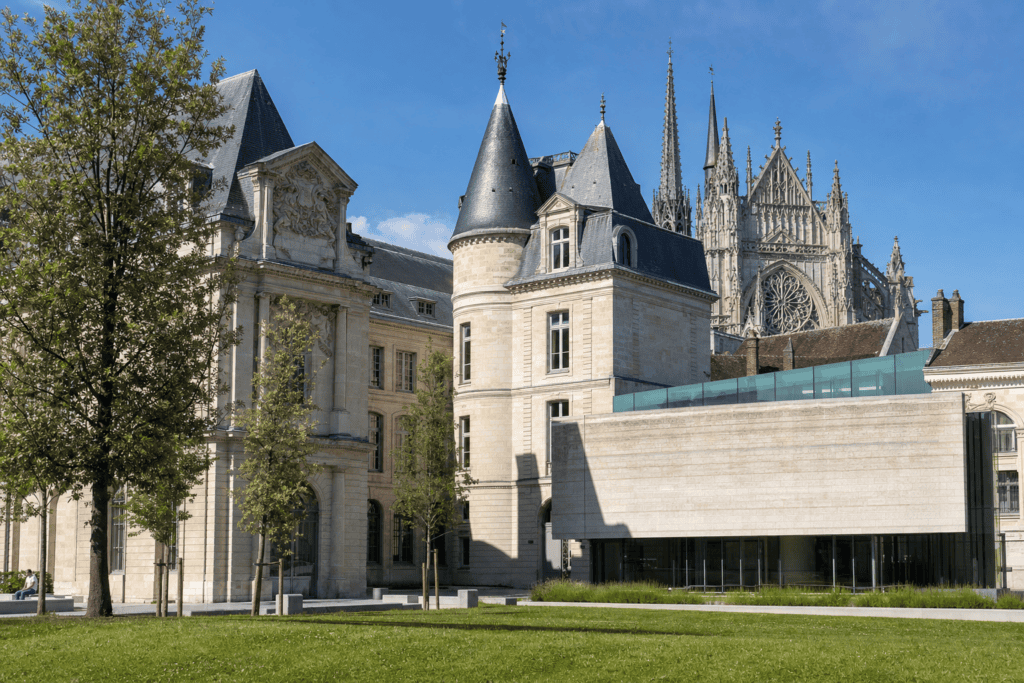 MUDO – Musée de l’Oise Across from Beauvais Cathedral, the MUDO combines art collections, the history of Oise, and the discovery…
Online booking · Paris → 203 rue de Paris, 60000 Beauvais, Hauts-de-France
Choose your pickup date and time
Your departure and arrival details are already pre-filled. You can adjust them in the fare calculator before viewing the vehicles and fare.