



MUDO Musée de l’Oise: Visitor Guide to Beauvais
Beauvais
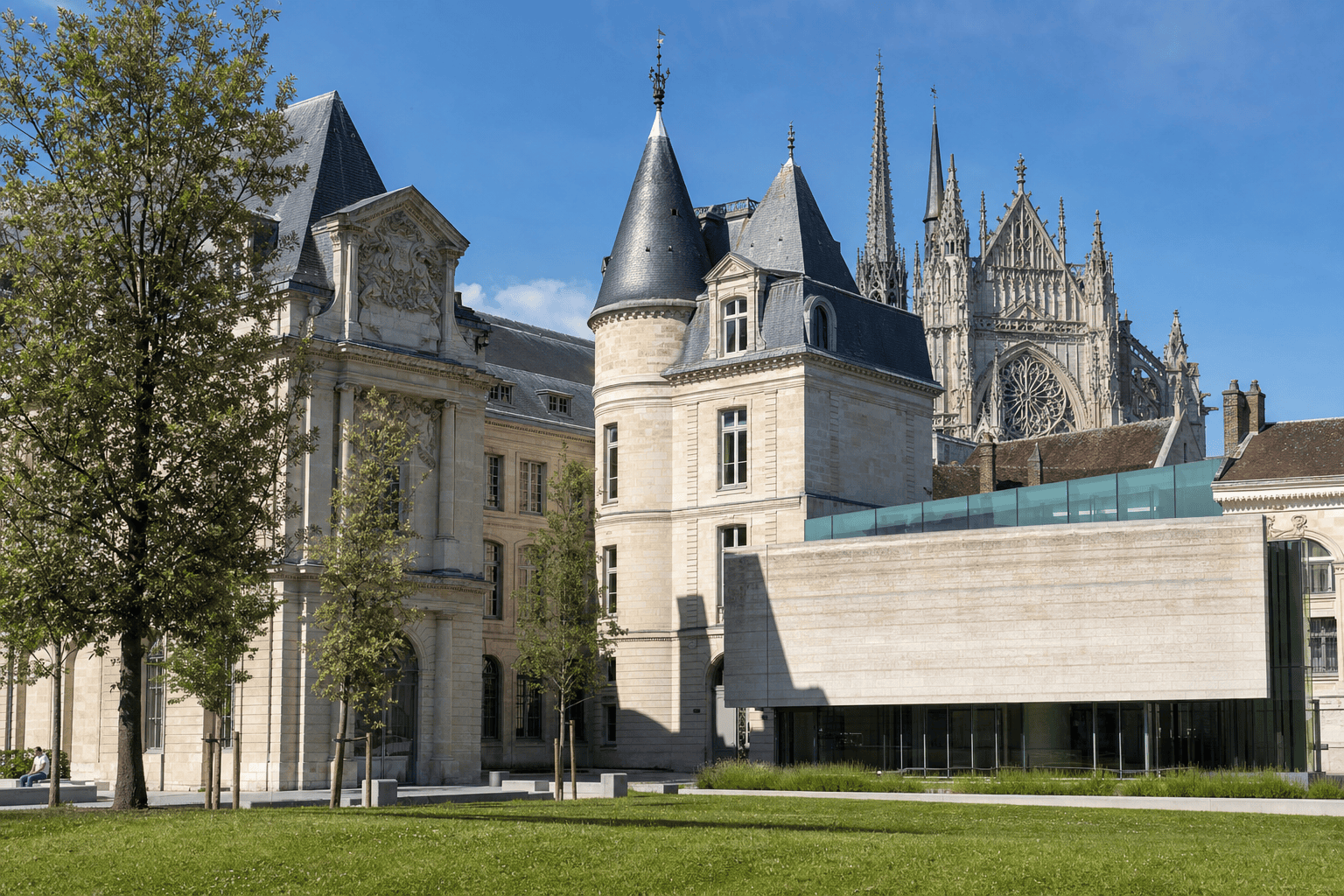
Housed in the former episcopal palace opposite Beauvais Cathedral, the MUDO Musée de l’Oise brings together architectural heritage, regional history, and art collections. A visit lets you explore a historic building while discovering paintings, sculptures, decorative arts, and works dating mainly from the 19th and 20th centuries. Its location in the heart of the canonical quarter makes it a natural stop during a day devoted to the cathedral, the old town, and Beauvais’s heritage.
Practical information
Combine the museum with Saint-Pierre Cathedral, the canonical quarter, and a walk through the old town. Check the official information if you need an accessible route or if your visit depends on a train or flight.
Getting to Beauvais from Paris
For a cultural day trip, BookingParisTransfer.com can arrange a private transfer from Paris, the Île-de-France region, CDG, or ORY to Beauvais, with a return to Paris or onward travel to another destination in the Oise department. Transportation is separate from the museum visit, and no admission ticket is included.
Transportation from Paris, the Île-de-France region, CDG, or ORY. The service covers transportation only and does not include a museum admission ticket.
An Episcopal Palace in the Heart of Beauvais
The MUDO occupies Beauvais’s former episcopal palace, directly opposite Saint-Pierre Cathedral. This setting gives the visit a sense of heritage from the moment you enter: the building is not merely a backdrop for the collections but an essential part of the experience. The gatehouse, façades, courtyards, and interior spaces offer insight into the former importance of the episcopal quarter.
The site brings together several layers of architecture. Medieval elements stand alongside later alterations, accounting for the variety of spaces and passageways. Take time to notice the openings, materials, and views toward the cathedral before focusing on the artworks. In a historic building, some rooms and passageways may not have the uniform layout of a contemporary museum.
The palace changed function over the centuries, particularly after the French Revolution. Information provided on-site places these changes within Beauvais’s history. For a first introduction to the city, the MUDO offers a tangible overview of the quarter’s religious, administrative, and cultural role.
Paintings, Sculptures, and Decorative Arts
The MUDO’s collections offer an overview of several artistic developments from the 19th and 20th centuries. Paintings, sculptures, and works of art explore themes such as landscape, light, history painting, and decorative arts. The variety of techniques and formats makes the visit engaging both for first-time visitors and for those seeking a closer look at the collections held in the Oise department.
The museum displays or holds works associated with artists including Camille Corot, Alfred Sisley, Paul Huet, and Prosper Marilhat. The selection on view may vary depending on loans, conservation work, temporary exhibitions, and the layout of the galleries. If you are looking for a specific work or artist, check the official schedule before your visit.
Decorative arts also play an important role. Ceramics associated with Jules-Claude Ziegler and works related to monumental painting illustrate the connections between craftsmanship, architecture, and fine art in the 19th century. Compare the materials, colors, and uses depicted: this approach reveals connections between works that may initially seem very different.
A History Connected to the Oise and Beauvais
The history of the MUDO is inseparable from that of Beauvais and the Oise department. Founded at the end of the 19th century, the museum has evolved through acquisitions, changes in presentation, and events that shaped the region. The destruction Beauvais suffered in 1940 profoundly changed the city and its heritage; it is an important reference point for understanding the transformation of the urban landscape and the gradual development of the collections.
One particularly noteworthy work is The Enlistment of Volunteers of 1792, a large unfinished composition by Thomas Couture. It offers an opportunity to explore history painting, monumental scale, and the different stages of an artist’s work. Because its display may depend on the route open to the public, check whether it is on view and review the exhibition conditions before making it the main focus of your visit.
The MUDO also holds medieval Picard sculptures and religious works. They naturally engage in dialogue with the cathedral and nearby monuments. The visit can therefore be understood as a story unfolding across several periods: medieval heritage, the artistic ambitions of the 19th century, the destruction of the 20th century, and Beauvais’s cultural reconstruction.
Cathedral and Canonical Quarter
The proximity of Saint-Pierre Cathedral makes the MUDO an excellent starting point for discovering the historic heart of Beauvais. The cathedral helps explain the organization of the quarter and the role of religious institutions in the city’s development. Its scale, stained glass, and architecture provide an interesting contrast with the more enclosed spaces of the former episcopal palace.
After visiting the museum, look at the relationship between the gatehouse, the palace façades, and the cathedral. The canonical quarter, cloister, and surrounding streets extend this heritage-focused exploration. Depending on the time available, Saint-Étienne Church and the old town can round out the itinerary. It is better to choose a few stops and explore them at a relaxed pace than to try to see the entire city too quickly.
This combination works year-round, subject to each monument’s individual hours. In bad weather, the museum provides a suitable indoor stop. When the weather is favorable, a walk around the cathedral places the palace and collections within their urban setting. Comfortable shoes are recommended for the streets and paved areas.
Getting There from the Train Station and Airport
Beauvais train station is about 1 km from the MUDO. For visitors without bulky luggage, walking to the center and then to the cathedral generally takes around 15 to 20 minutes, depending on the route and pace. This estimate is indicative only: construction, events, and traffic conditions may alter the journey. An up-to-date route is advisable if you are traveling with children or need an especially easy path.
Beauvais–Tillé Airport is about 5 km from the city center, in Tillé. You must first reach Beauvais using the service, network, or transportation option indicated by the airport, then continue to the museum quarter. The total travel time depends on waiting times, traffic, and the connection selected. If traveling between flights, allow plenty of extra time and avoid an overly tight schedule.
By car, Beauvais is connected in particular by the A16 and N31. Since the museum is in a historic area, identify authorized parking before you arrive and account for temporary restrictions. For an excursion beginning in Paris, a private transfer can be arranged from Paris, the Île-de-France region, CDG, or ORY, with a return to Paris or onward travel through the Oise department.
Hours, Admission, and Accessibility
Check the MUDO’s official website for opening hours, closure days, admission information, and access conditions before setting out. An exhibition, conservation work, event, or exceptional closure may change the usual route. This check is especially important if your visit falls between a train, an airport arrival, or another activity in Beauvais.
The MUDO states that admission is free for individual visitors under its usual conditions. Guided tours, lectures, workshops, and other activities may follow different arrangements. Do not automatically assume that the rules for a self-guided visit apply to groups or programs; consult the practical information relevant to your situation.
As a historic building, the palace may include levels, thresholds, or passageways that are less straightforward than those in a modern facility. Accessibility conditions also depend on which spaces are open on the day you choose. Visitors with accessibility concerns are encouraged to contact the museum directly to learn about the specific options, any limitations, and available assistance.
Planning a Cultural Day in Beauvais
For a first visit, start by checking whether the MUDO is open and reviewing the current schedule, then build your itinerary around the cathedral and old town. Allowing 1½ to 2 hours lets you explore the galleries without rushing and appreciate the palace’s architecture. Add more time if you enjoy reading the labels, comparing techniques, or taking part in an educational activity.
History enthusiasts can connect the episcopal palace, the cathedral, the destruction of 1940, and the city’s gradual reconstruction. Families can select a few works and plan a short walk between the main monuments. If Beauvais is a stop before or after a flight, allow extra time for the airport transfer, luggage, and possible waits.
The MUDO also suits a cultural day trip from Paris or a stop on an itinerary devoted to the Oise department. BookingParisTransfer.com can arrange transportation from Paris, the Île-de-France region, CDG, or ORY, with a return to Paris or onward travel to another destination. This service covers transportation only and does not include a museum admission ticket.
Useful sources
Frequently Asked Questions
Where is the MUDO Musée de l’Oise located?
How much time should I allow for the visit?
Is the MUDO free?
How far is it from Beauvais train station?
How do I get there from Beauvais–Tillé Airport?
Is the museum accessible to people with reduced mobility?
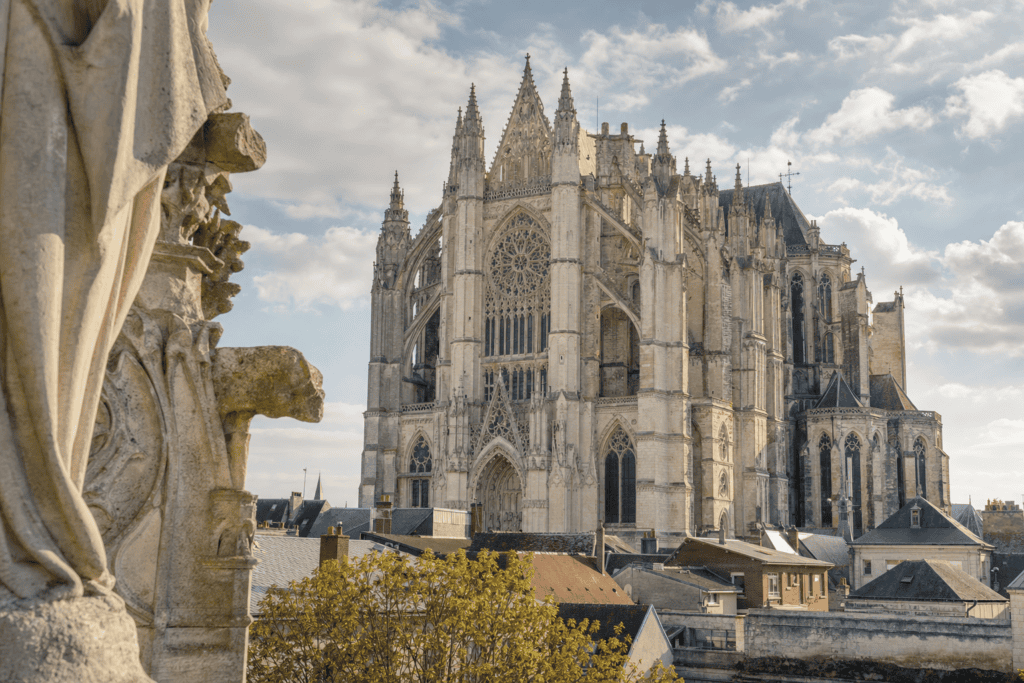 Saint-Pierre Cathedral of Beauvais A unique Gothic masterpiece, famous for its exceptionally tall choir, stained-glass windows, astronomical clock, and…
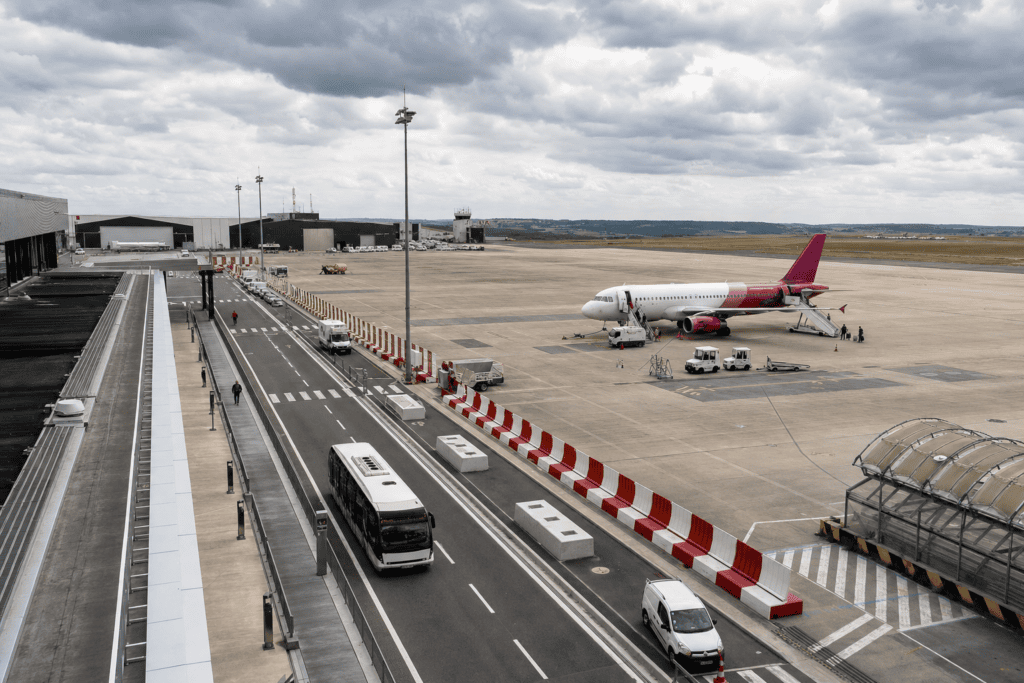 Paris-Beauvais Airport Everything you need to know to reach Beauvais, Paris, or your accommodation from the airport located in Tillé.
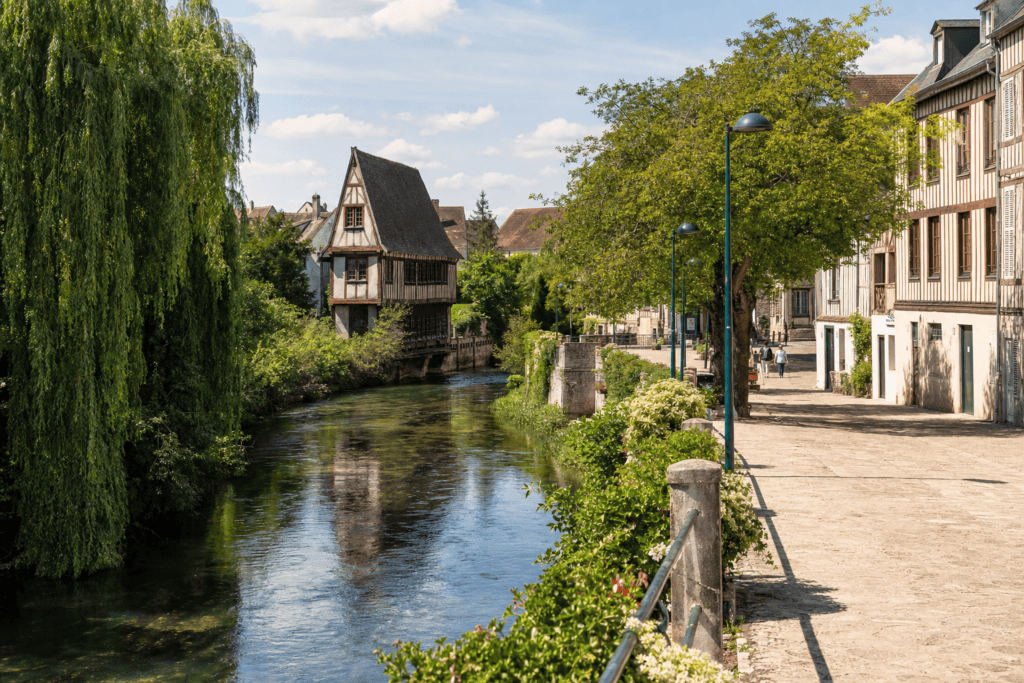 What to do in Beauvais: historic center and walk along the Thérain A walking route through Beauvais covering Saint-Pierre Cathedral, the episcopal quarter, Place Jeanne-Hachette, Boileau Tower, and…
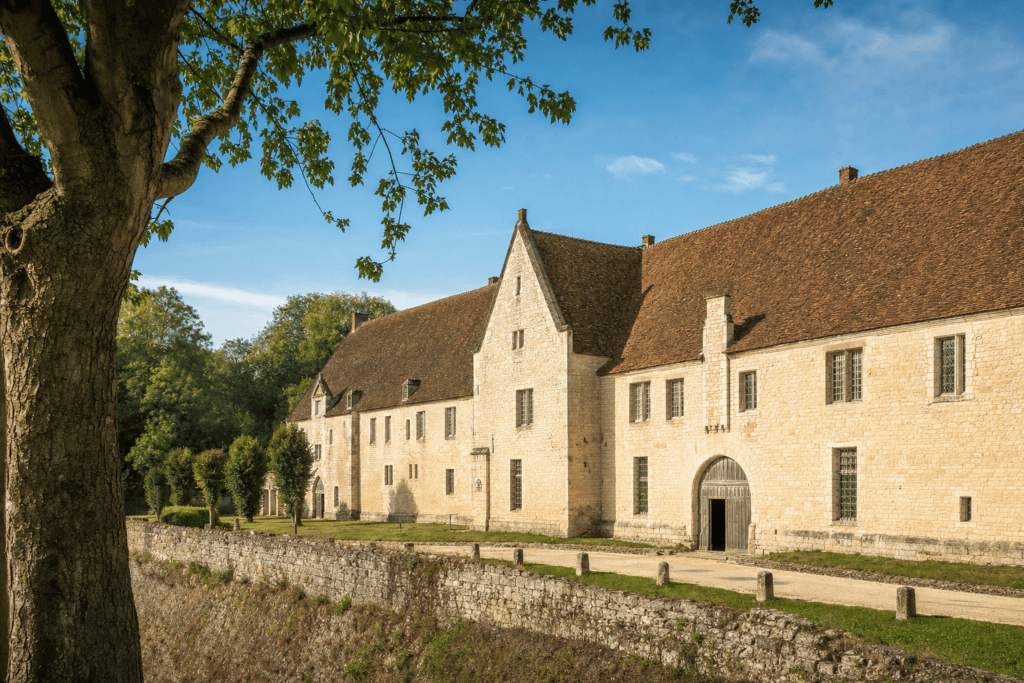 Maladrerie Saint-Lazare A former medieval hospital in Beauvais, with a chapel, large barn, garden, and cultural programming.
Online booking · Paris → 1 rue du Musée, 60000 Beauvais, Hauts-de-France
Choose your pickup date and time
Your departure and arrival details are already pre-filled. You can adjust them in the fare calculator before viewing the vehicles and fare.