



Abbaye aux Dames in Caen: Complete Visitor’s Guide
Caen
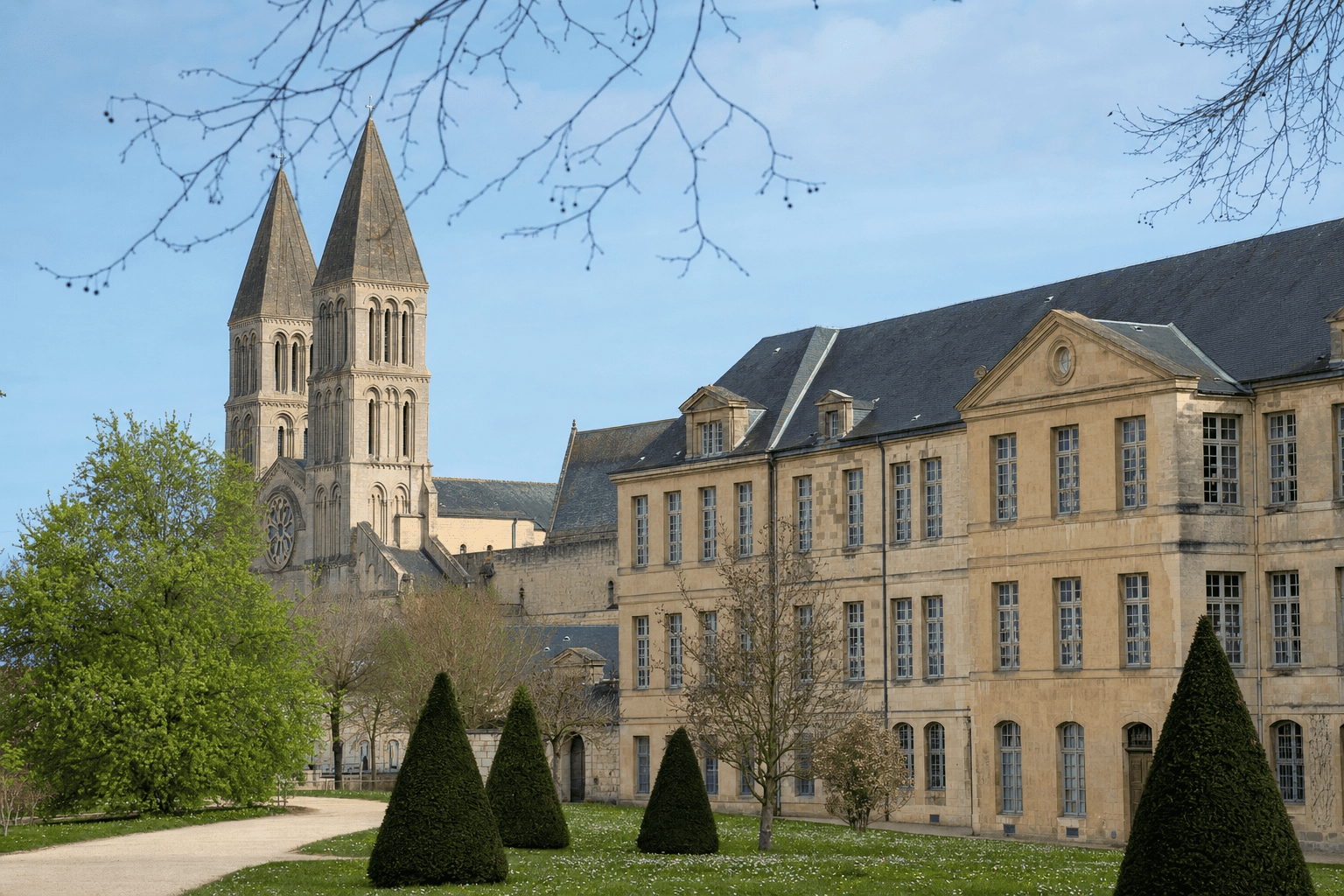
East of Caen’s historic center, Abbaye aux Dames brings together a former Benedictine abbey, the abbey church of the Trinity, and outdoor spaces connected to the city’s history. Founded in the 11th century by Matilda of Flanders, wife of William the Conqueror, the complex is one of Normandy’s major Romanesque monuments. A visit lets you admire the church’s architecture, discover a medieval crypt when access is available, and see Queen Matilda’s tomb in the choir. The site is now home to the headquarters of the Normandy Region, so visiting arrangements are not the same for every area. Check the official information from the City of Caen before setting out.
Practical information
Combine the abbey with Abbaye aux Hommes, Caen Castle, or the Normandy Museum to create a well-rounded heritage itinerary.
Getting to Caen from Paris with a private driver
To include Abbaye aux Dames in a day trip to Normandy, Booking Paris Transfer can arrange a private journey from Paris, a Paris hotel, Paris-Charles-de-Gaulle, or Paris-Orly, with a return to Paris according to your itinerary. Transportation does not include admission tickets or a guided visit on site: check the official conditions for the abbey and crypt separately.
Transportation service from Paris and the Île-de-France region to Caen, with a return to Paris according to your chosen itinerary.
A Foundation Connected to Matilda of Flanders
Abbaye aux Dames was founded in the 11th century by Matilda of Flanders, wife of William the Conqueror. The foundation was established amid the consolidation of Norman ducal power and the religious reorganization of the duchy. The institution was dedicated to the Holy Trinity and housed a community of Benedictine nuns. Together with Abbaye aux Hommes, founded by William, it forms a monumental complex that also expresses the power of the ducal couple.
Matilda died in 1083 and was buried in the choir of the abbey church. This burial gives the site a religious, dynastic, and commemorative dimension. A visit is therefore not limited to observing a Romanesque building: it also helps explain how a monastic foundation contributed to the organization of Caen and the representation of Norman power.
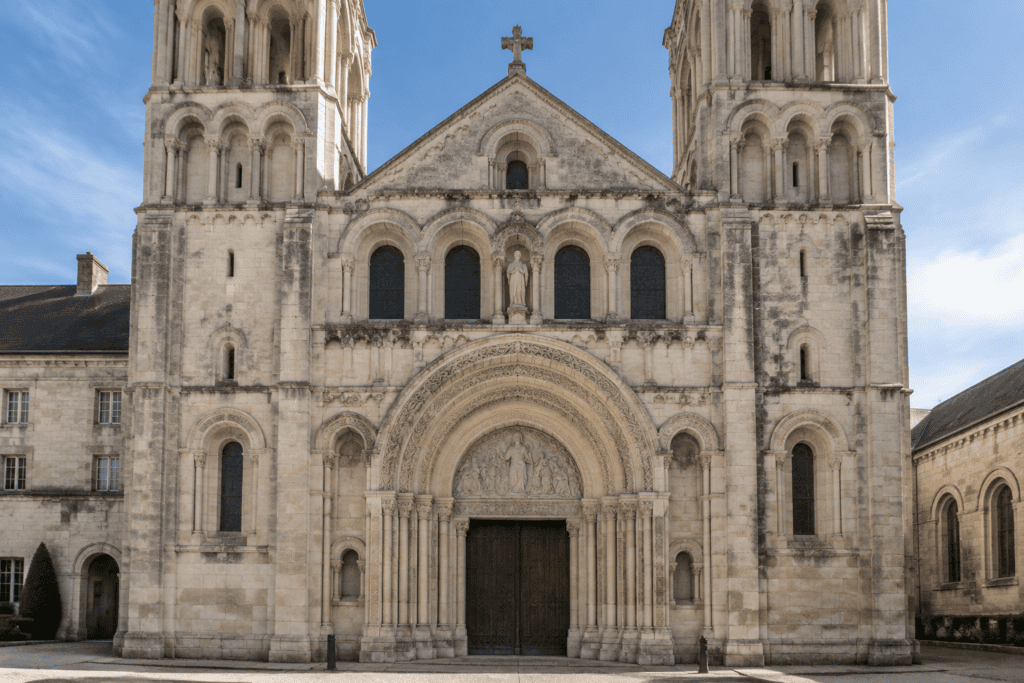
From Place Reine-Mathilde, look at the relationship between the buildings, green spaces, and urban routes before entering. This first overview helps place the abbey within the modern city.
Understanding the Architecture of the Trinity
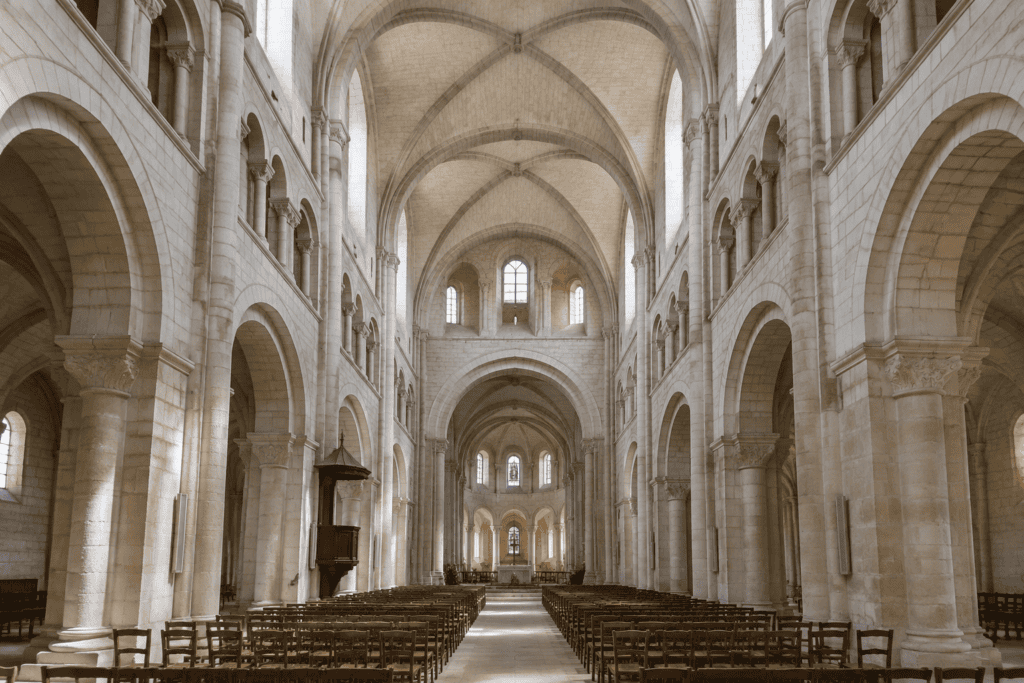
The abbey church of the Trinity is the monumental heart of Abbaye aux Dames. Its silhouette, towers, and volumes reflect major building campaigns and transformations carried out over the centuries. As is often the case with historic buildings, the architecture visible today is the result of a long history of construction, repairs, restoration, and adaptation.
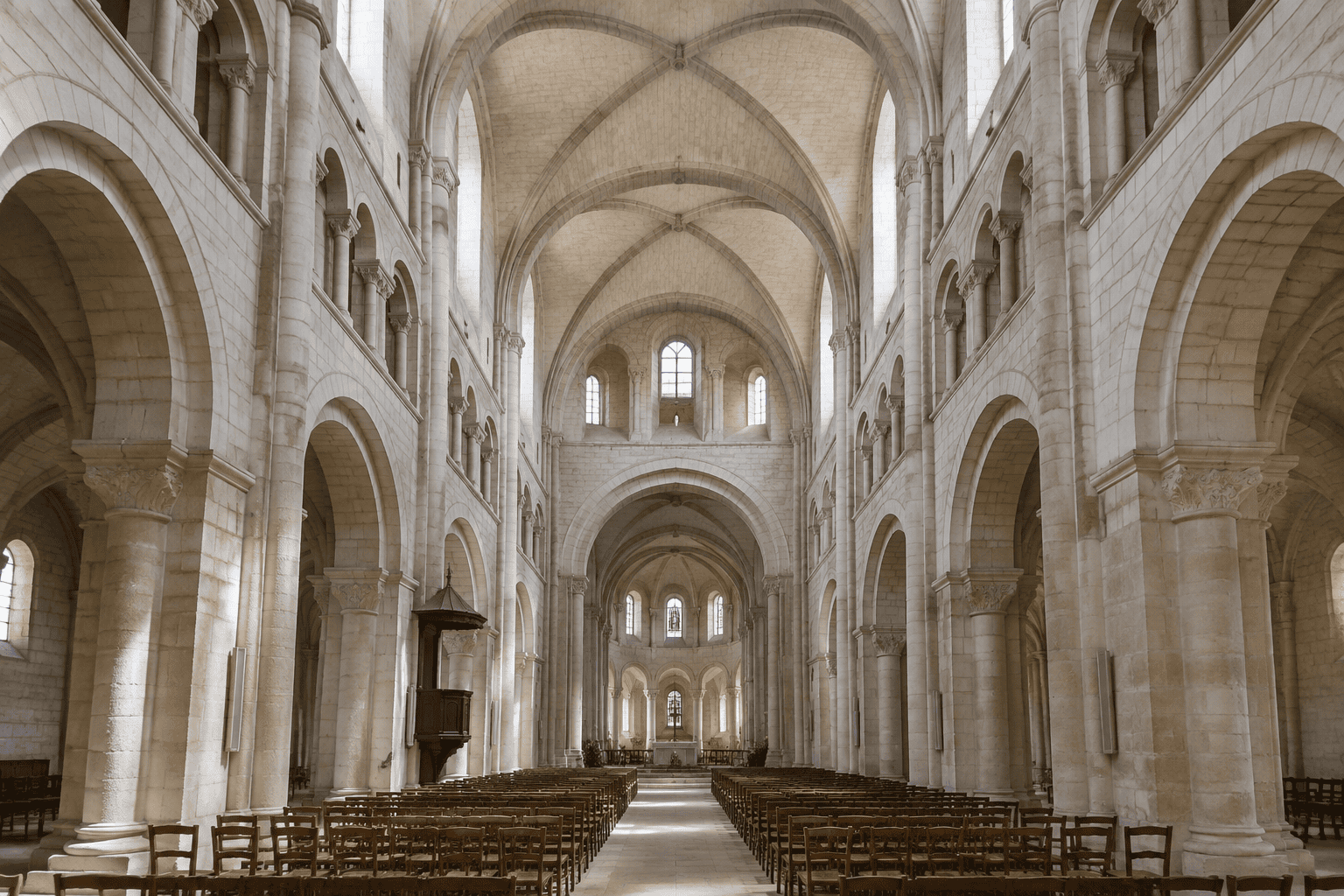
Inside, the nave leads the eye toward the transept and choir. The arcades, supports, and height of the spaces create an impression of strength and regularity characteristic of Norman Romanesque architecture. Take time to observe the transitions between the nave, side aisles, and eastern sections: they help explain the spatial logic of a large abbey church.
The light changes significantly depending on your location and the time of day. Careful observation reveals details that may be less visible from the entrance, particularly in the upper sections and around the supports. As a place of worship, the church naturally calls for respect for services, visitors, and any posted instructions.
The Crypt: Check Access Before Your Visit
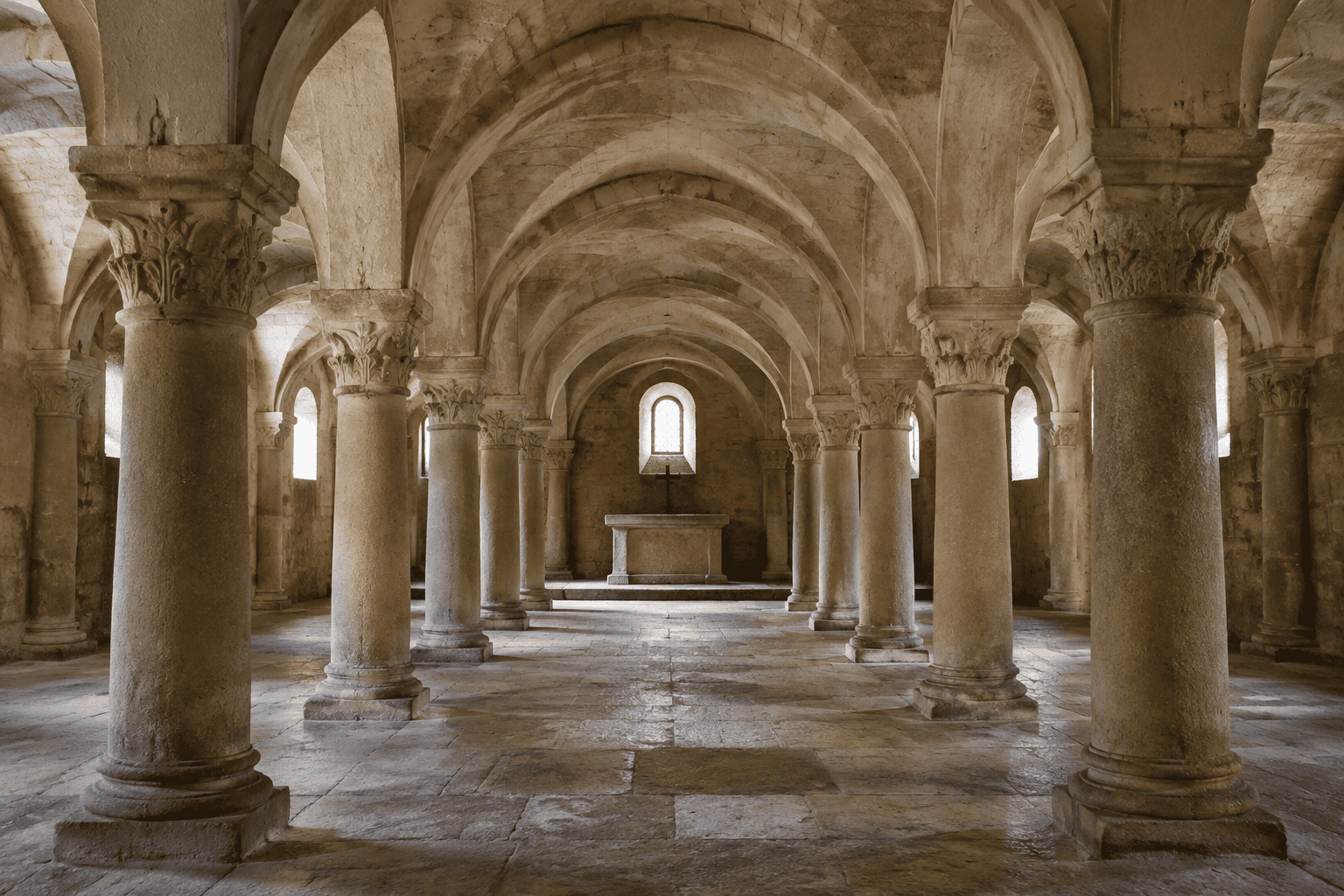
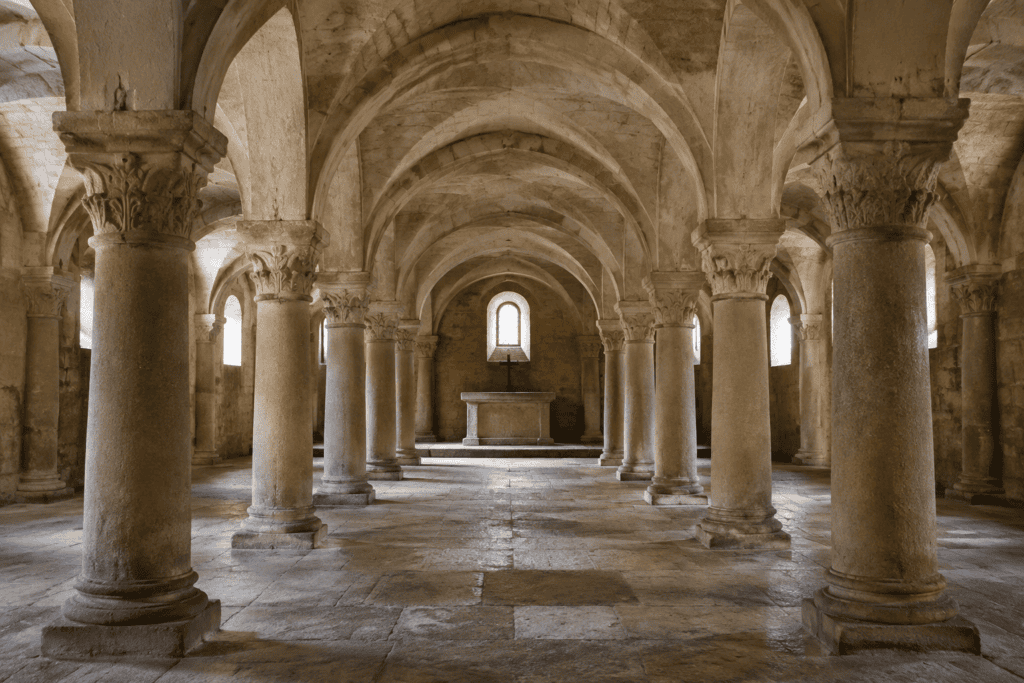
The crypt beneath the church is one of the complex’s most remarkable spaces. Lower and more intimate than the nave, it offers a clear view of an arrangement of columns, arches, and capitals that brings Romanesque architecture to life. The supports structure the space while creating a regular rhythm sometimes compared to a stone forest.
The capitals feature carved forms whose interpretation can be difficult. Wear, restoration, lighting, and distance all affect how the motifs are perceived. Rather than trying to identify every figure, observe the volumes, repetitions, and differences between the supports. This approach makes the discovery more engaging, even when some details remain fragmentary.
The crypt is not necessarily accessible under the same conditions as the church. Opening may depend on the day’s schedule, a guided tour, construction work, conservation measures, or an exceptional opening. It should therefore not be considered guaranteed free access: if it is your priority, check with the City of Caen before setting out.
Queen Matilda’s Tomb
The burial attributed to Matilda of Flanders is located in the choir of the abbey church. The queen, wife of William the Conqueror and founder of the abbey, thus holds a central place in the monument’s story. The tomb is marked by a black marble slab and commemorative inscription recalling the connection between the church, the ducal dynasty, and the memory of medieval Normandy.
However, this tomb should be understood in the context of the site’s turbulent history. The abbey suffered looting and damage, particularly during the Wars of Religion. Burials and funerary monuments may have been moved, damaged, or restored over the centuries. The current presentation therefore does not represent an arrangement that has remained intact since the 11th century.
The burial is visible when the church is open and visiting conditions allow. Access may be limited during a service, event, or organized tour. Observe its location in the choir rather than focusing on the tomb alone: it represents the founder’s presence at the symbolic center of the abbey church.
From Religious Uses to Public Functions
The history of Abbaye aux Dames continued long after the Middle Ages. Like other religious institutions, it was affected by the political and social upheavals of the end of the Ancien Régime and the Revolution. The buildings gradually changed function. Institutional sources about the site notably mention uses connected with a beggars’ depot, a military hospital, and a barracks.
In the 19th century, the complex was also used as a hospice. It housed various groups, including older people, people in need, and children receiving public assistance. These changes explain why the former abbey should not be viewed solely as a medieval monument: its buildings were adapted successively to social, administrative, and military needs.
Caen was severely affected during World War II, and the city’s heritage suffered damage. Restoration and preservation campaigns subsequently helped protect the building. Today, Abbaye aux Dames houses the headquarters of the Normandy Region and retains a heritage, cultural, and institutional role.
Planning a Visit That Truly Fits Your Needs
Start by checking the official information from the City of Caen. Church hours, self-guided visit options, guided tours, any applicable fees, access to the crypt, and areas open to the public may change depending on the season, construction work, services, or institutional events. A self-guided visit to the church does not automatically mean that the crypt is open at the same time.
Once there, begin around the exterior and outdoor spaces to understand the layout of the former monastery. Then enter the church if it is accessible, observe the nave and choir, and look for Matilda’s burial. If a guided tour is offered, it may provide useful details about the site’s successive uses, restoration work, and areas that are usually difficult to interpret.
Wear comfortable shoes and clothing suitable for a religious building. Underground areas may be dimmer and have uneven floors. Allow around 1.5 hours for a careful visit, longer if you add the grounds, an exhibition, or another Caen monument.
What to See Around Abbaye aux Dames
Abbaye aux Dames fits easily into a day devoted to Caen’s heritage. Abbaye aux Hommes is the most obvious complement: the two foundations allow you to compare the monuments associated with Matilda of Flanders and William the Conqueror. Caen Castle, the Normandy Museum, and the Museum of Fine Arts offer other options, depending on opening hours and your interests.
The historic center can be explored on foot and connects several periods in the city’s history. For a more contemporary perspective, the Caen Memorial provides important insight into World War II, the Battle of Normandy, and the challenges of peace. Located outside the center, it requires separate travel time and planning.
From Paris, the abbey can be included in a private excursion focused on Caen, potentially extended to the D-Day beaches. This journey concerns transportation logistics and does not replace booking or checking access conditions for the sites visited. Plan a realistic itinerary so you have enough time for the church and monuments.
Useful sources
Frequently Asked Questions
Where is Abbaye aux Dames located?
Can Matilda of Flanders’ tomb be seen?
Is a visit to Abbaye aux Dames free?
Can the crypt be visited independently?
How much time should I allow?
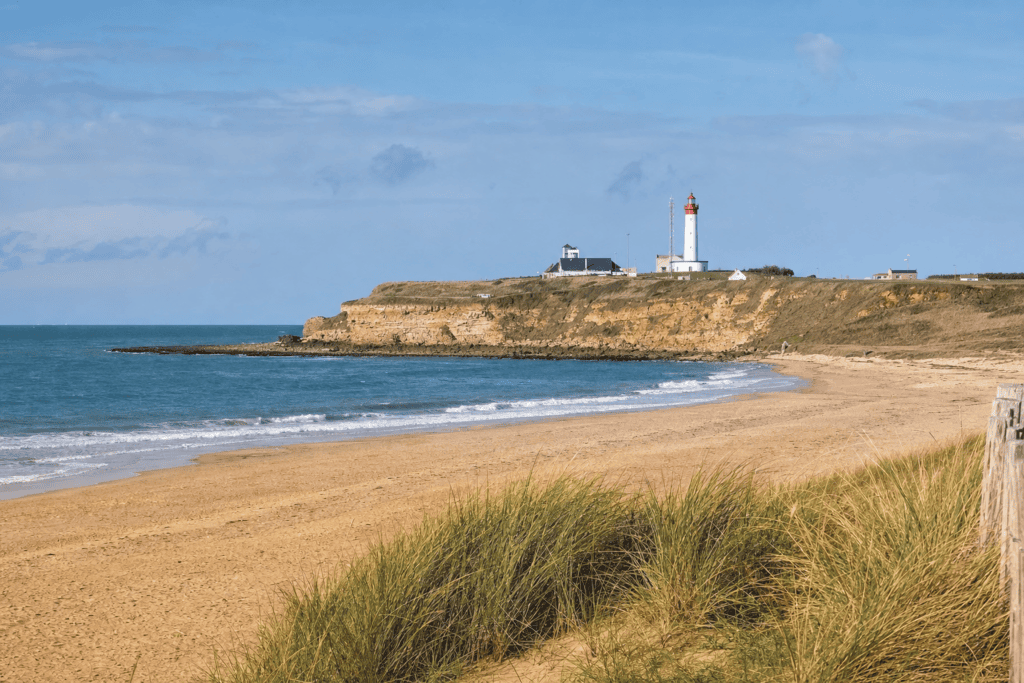 Ouistreham Beach and Pointe du Siège Lighthouse A getaway combining beach, lighthouse, harbor and estuary, with the natural landscapes of Pointe du…
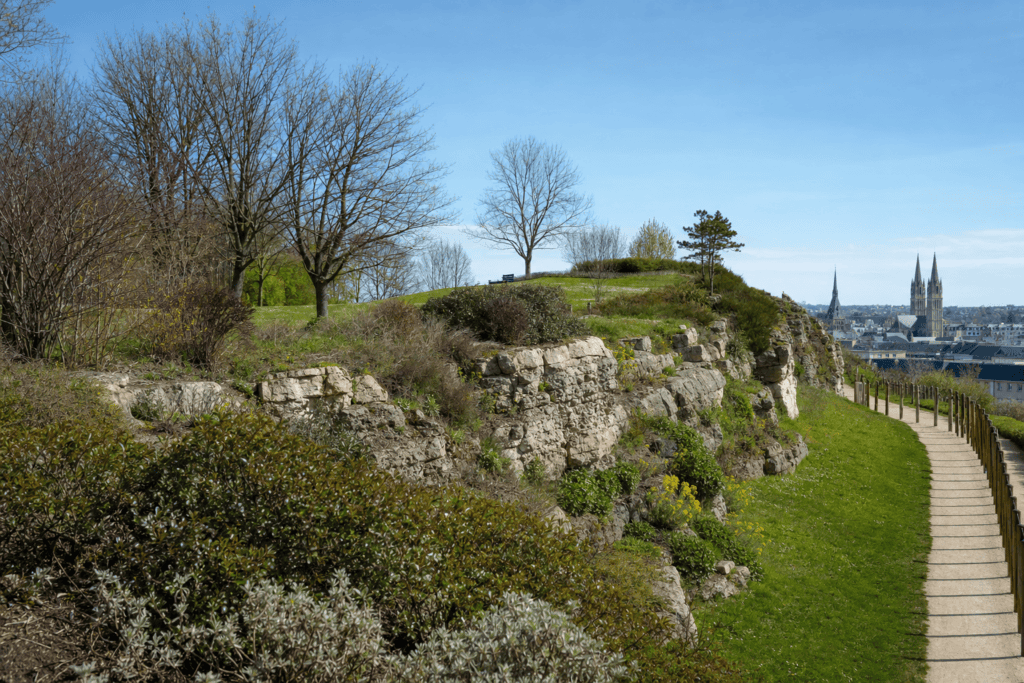 Colline aux Oiseaux A large landscaped park in Caen, known for its rose garden, gardens, family areas and…
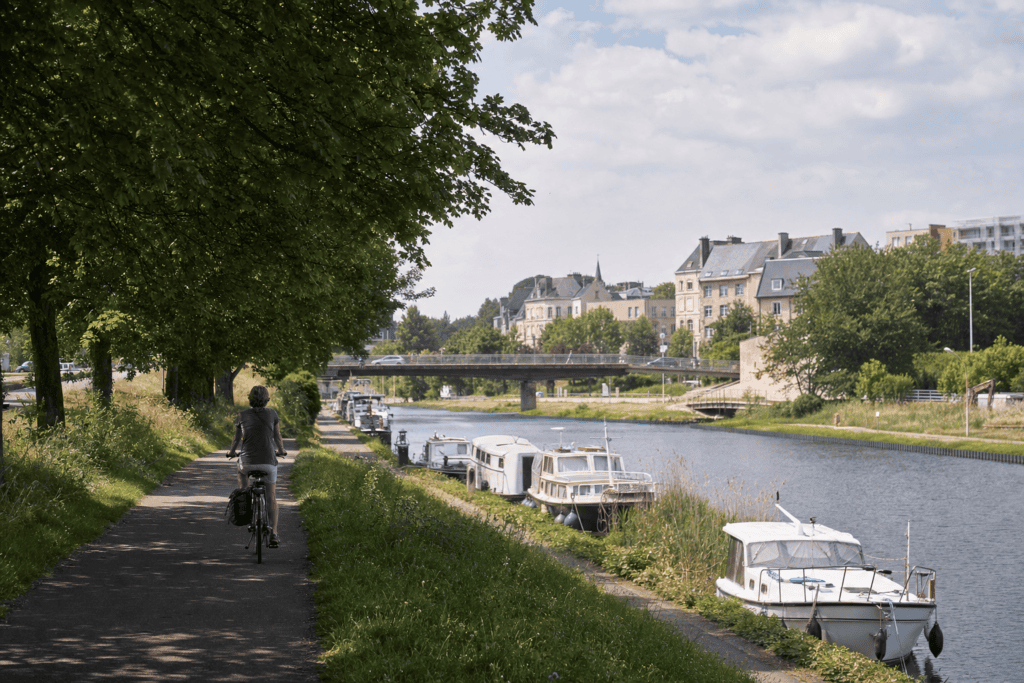 Caen–Ouistreham Canal by bike A mostly flat cycling route between Caen and Ouistreham, following the canal and the landscapes of the Orne…
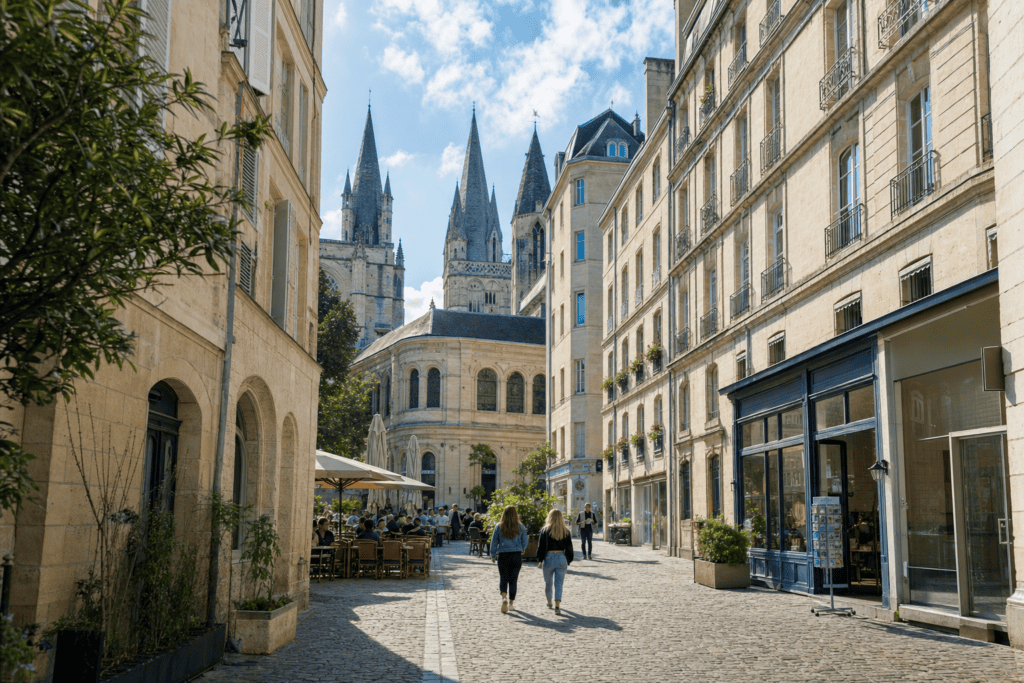 What to Do in Caen in a Weekend Two days to discover Caen Castle, the abbeys, Vaugueux, the Memorial and the atmosphere…
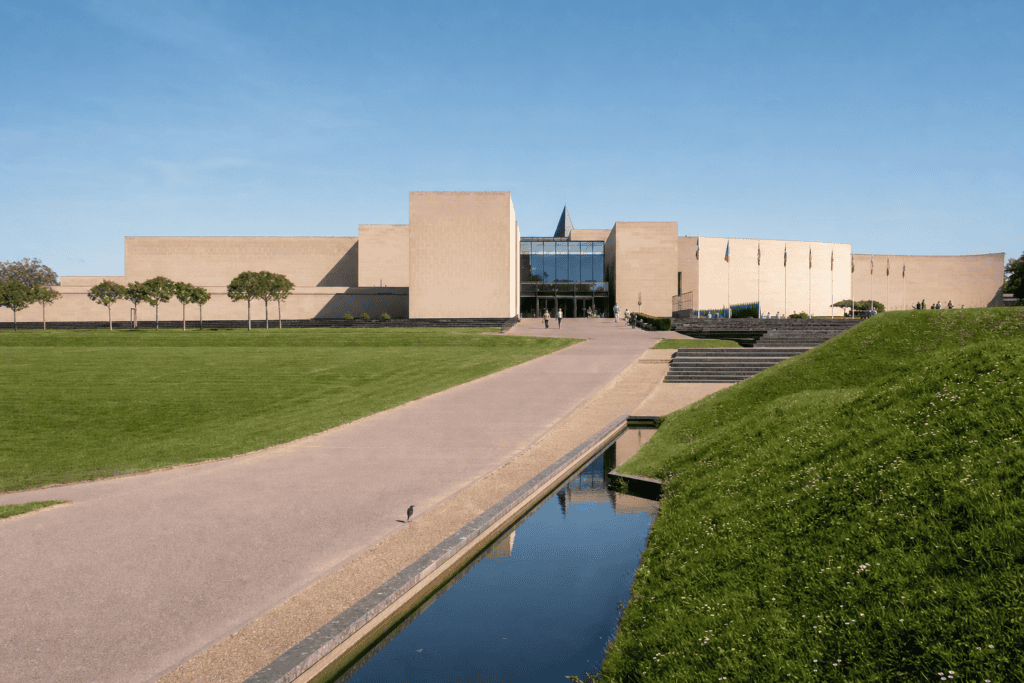 Caen Memorial A major history museum in Caen exploring World War II, the D-Day landings and the…
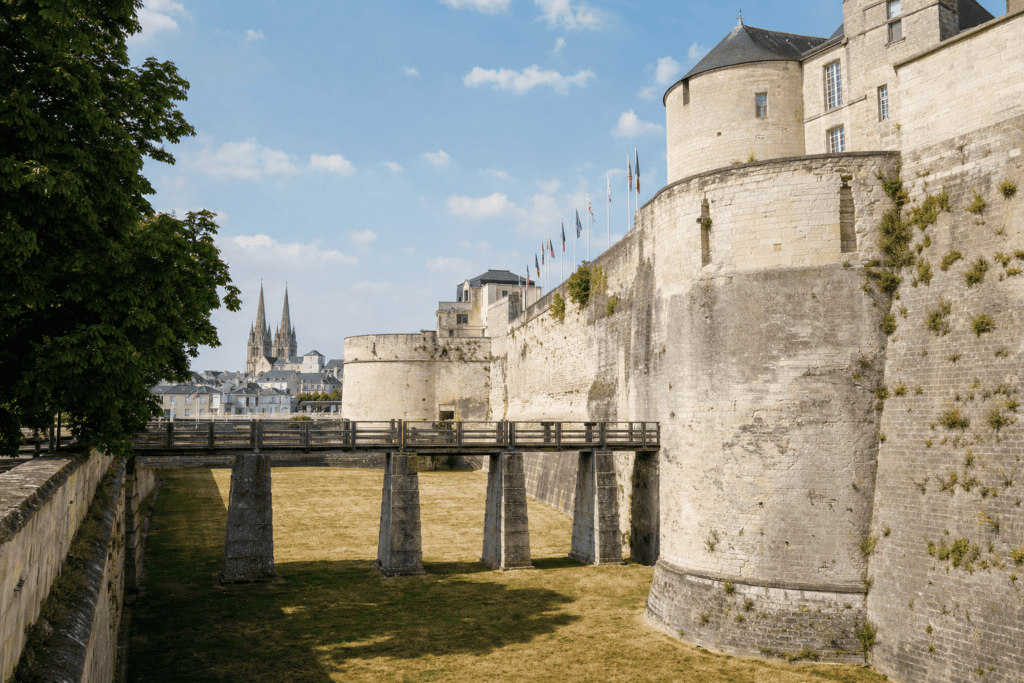 Caen Castle An iconic fortress of William the Conqueror, with ramparts, museums, gardens, and views over the city center…
Online booking · Paris → Abbaye aux Dames, Place Reine-Mathilde, 14000 Caen
Choose your pickup date and time
Your departure and arrival details are already pre-filled. You can adjust them in the fare calculator before viewing the vehicles and fare.