



Château de Caen: Complete Guide to Your Visit
Caen
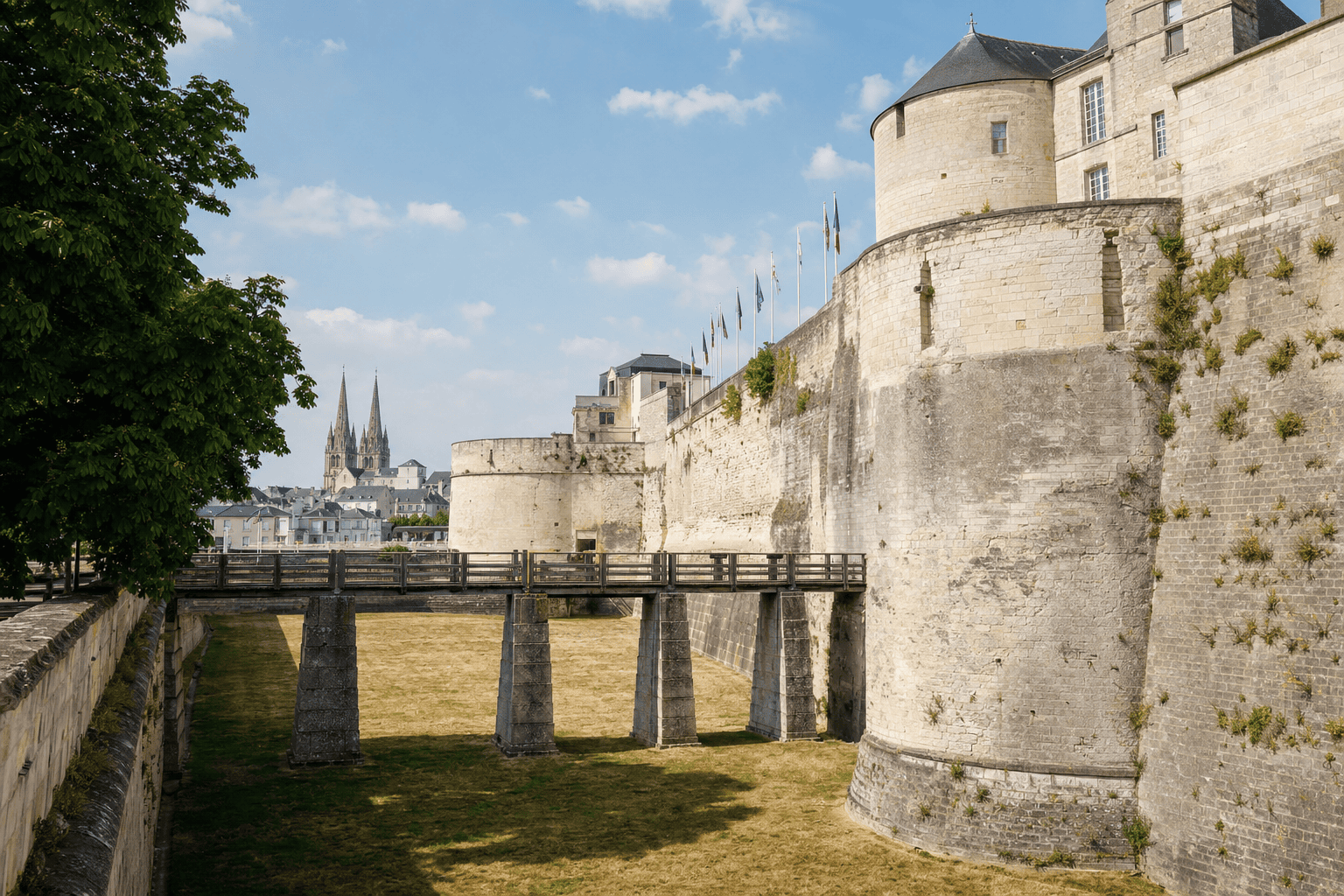
In the heart of Caen, Château de Caen is one of Normandy’s major fortified complexes. Founded in the 11th century by William the Conqueror, it now encompasses ramparts, medieval remains, landscaped areas, the Normandy Museum, and the Museum of Fine Arts. The grounds can be explored on a self-guided stroll, a guided tour, or a cultural visit to the museums. Opening conditions vary by area and programming, so check the official information before you go.
Practical information
Start by checking the map and the day’s information at the visitor information point, then adapt your itinerary to the areas that are open and the scheduled tours.
Getting to Château de Caen from Paris
To include Château de Caen in a day trip to Normandy, Booking Paris Transfer can arrange private transportation from Paris, a Paris hotel, Charles de Gaulle Airport, or Orly Airport. The journey can be part of a round trip to Paris or a private Normandy itinerary. The service covers transportation only; tickets, tours, and château reservations must be arranged with the official sites.
Departure is available from Paris, a Paris hotel, CDG, or ORY, with a return to Paris or a private Normandy itinerary available on request.
A Fortress Founded by William the Conqueror
Château de Caen is associated with William the Conqueror, Duke of Normandy and later King of England. Construction began in the 11th century, when Caen was emerging as a major political center of the duchy. The fortress then dominated the city and formed part of the ensemble created with the abbeys founded by William and his wife, Matilda.
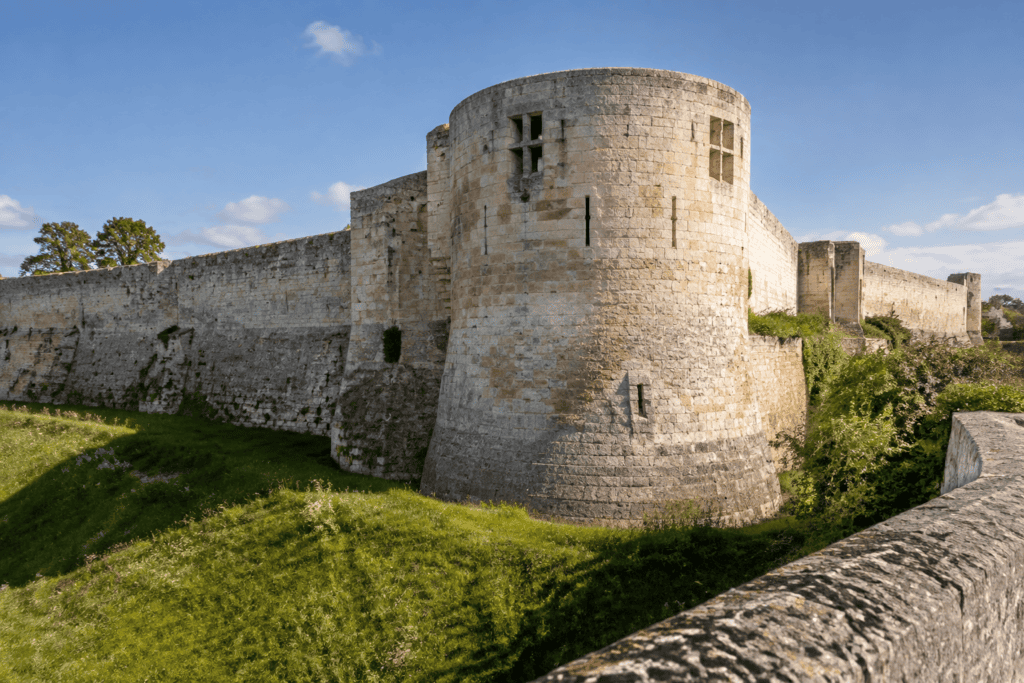
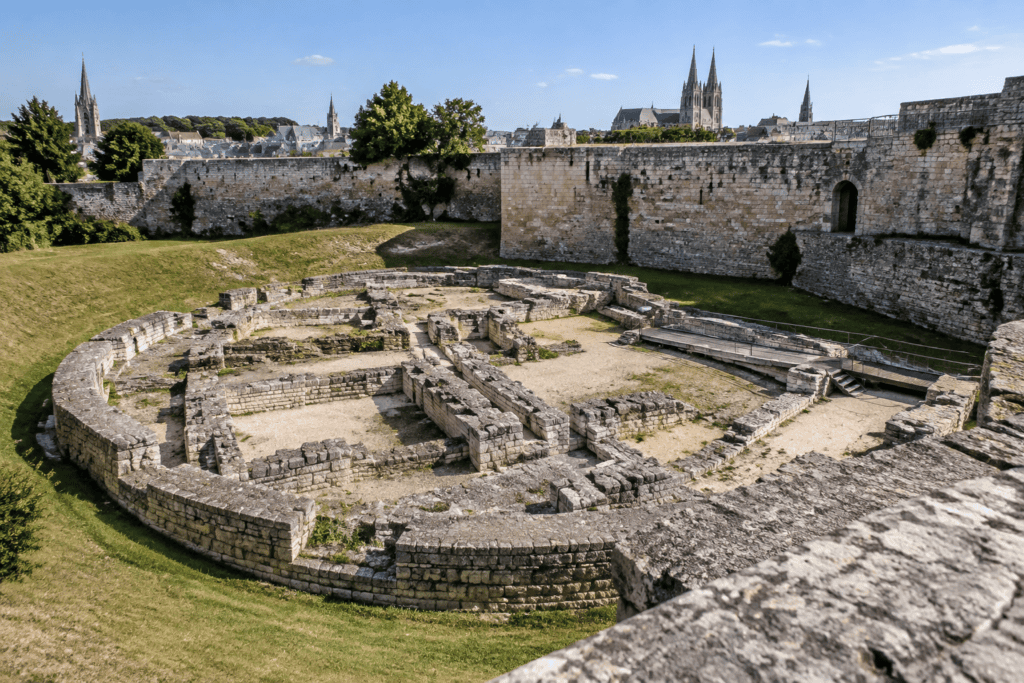
The site continued to evolve over the centuries. Once a princely residence, royal fortress, and later barracks, it preserves traces of several periods in Norman history. The ramparts, gates, towers, and remains of the keep reveal this gradual transformation.
Observing the differences in masonry and scale makes the site’s history easier to read. The château is therefore more than a monument to William the Conqueror: it also reflects the military, political, and urban changes that shaped Caen.
Ramparts, Gates, and Remains to Look Out For
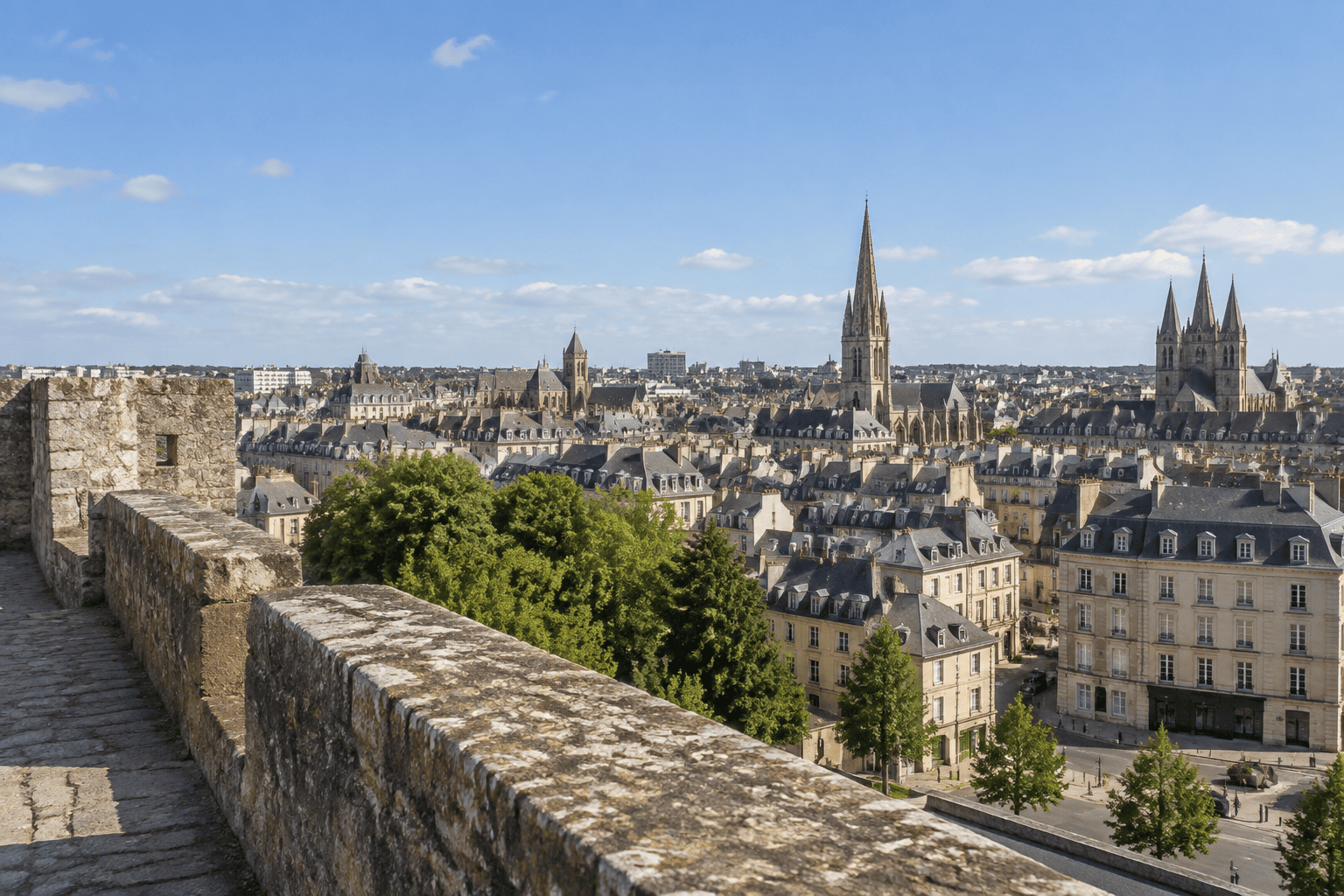
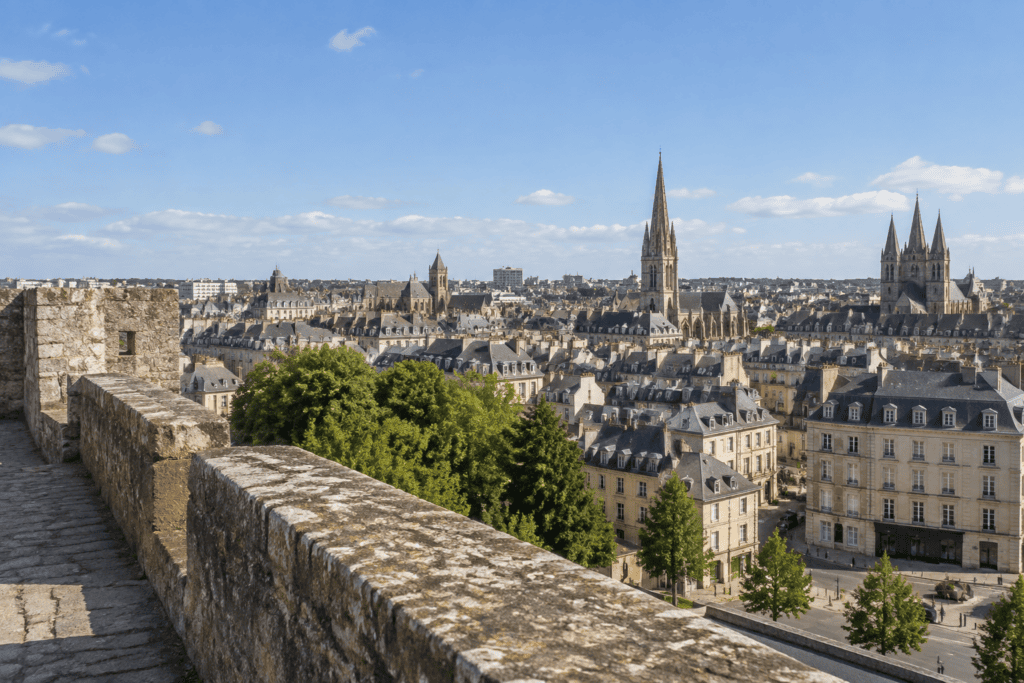
The ramparts are the best place to start to appreciate the fortress’s scale. Depending on which access points are open on the day of your visit, the walkways and terraces offer views over Caen’s rooftops, historic center, and the various buildings within the grounds. This walk helps explain the château’s strategic position.
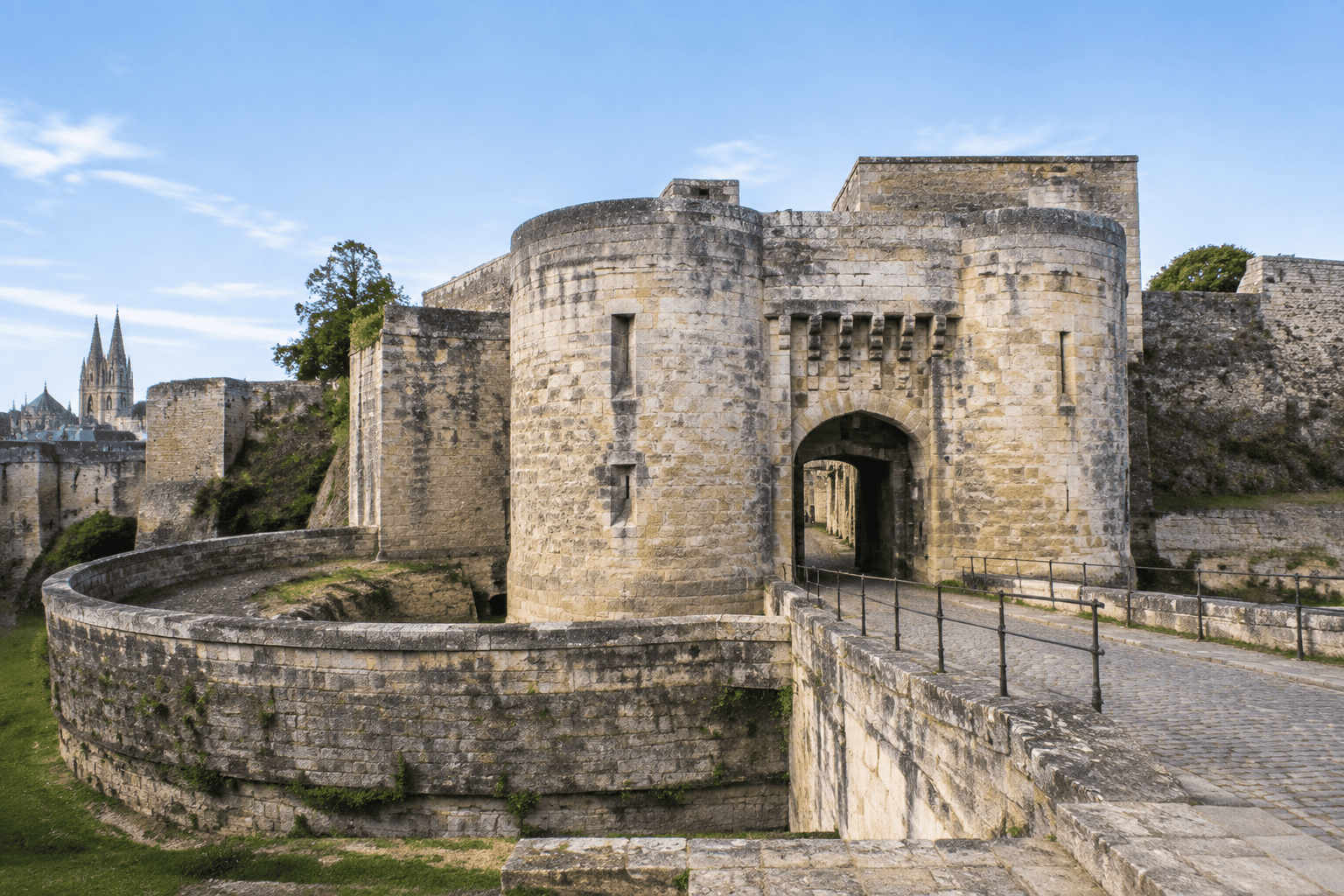
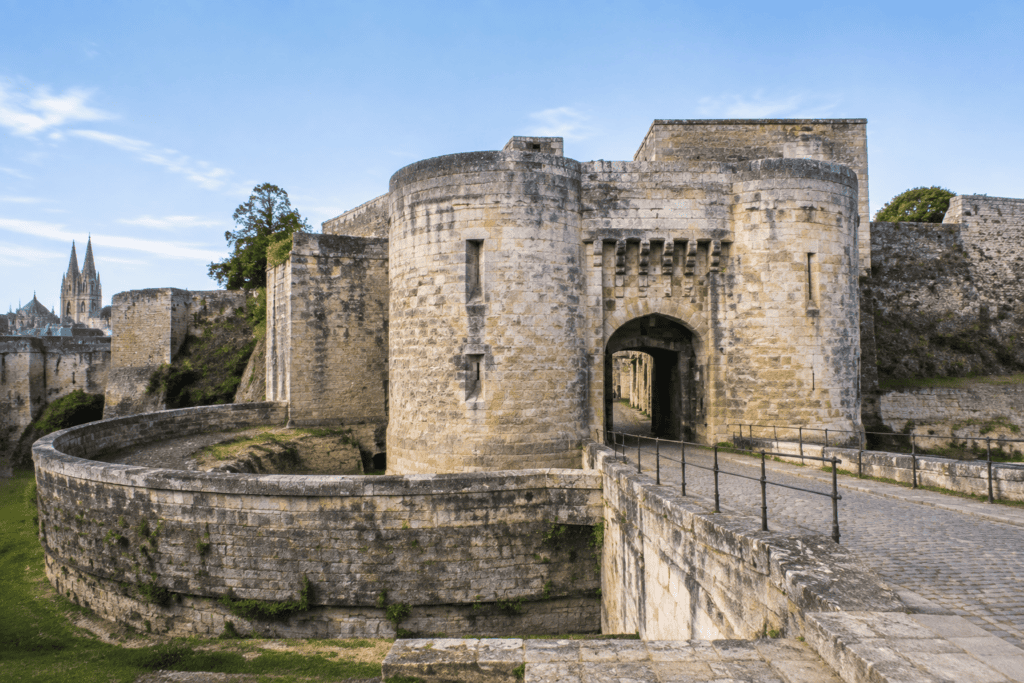
The Porte des Champs, its barbican, the Porte Saint-Pierre, the Queen Matilda Tower, Puchot Tower, and the remains of the keep are among the notable features along the route. Not all of them are necessarily accessible at all times, so ask on-site rather than planning an itinerary around an unconfirmed opening.
Wear comfortable shoes. The route may alternate between cobblestones, pathways, and uneven surfaces. For photography, morning or late-afternoon light often highlights the texture of the walls particularly well.
The Two Museums Within the Grounds
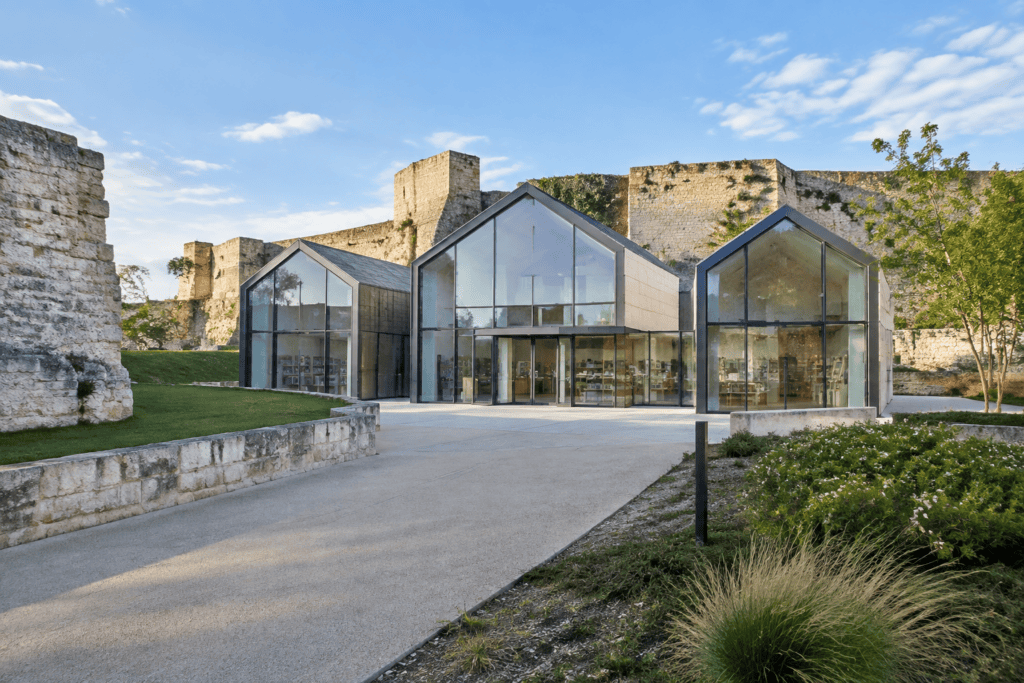
Château de Caen houses the Normandy Museum and the Museum of Fine Arts, two institutions that complement the exploration of the fortifications. The Normandy Museum presents the history of Norman communities, landscapes, and ways of life through collections spanning different periods. It provides regional context for the stonework seen within the grounds.
The Museum of Fine Arts offers a collection focused in particular on painting and graphic arts. It can be an excellent alternative when the weather is less favorable, or a way to extend a day devoted to Caen’s heritage.
Hours, temporary exhibitions, admission fees, and access conditions may change. The two museums do not necessarily follow the same schedule as the park. Check the institutions’ official pages before your visit, especially on public holidays, during school breaks, and during special programming periods.
Guided Tours and Areas Usually Closed to the Public
A guided tour provides useful insight into the château’s defensive organization, its uses, and the changes to the grounds over time. When included in the program, it can also provide access to areas that are not always open for self-guided visits. The Queen Matilda Tower and the remains of the keep may in particular be accessible through special tours.
Occasional or short tours may be offered depending on the season, school holidays, and events. Capacity, recommended age, and reservation requirements vary by activity. It is best to check the official schedule before planning your day around a particular tour.
Families can also look for activity booklets or programs designed for younger visitors. These materials encourage children to spot architectural details, understand the purpose of the buildings, and make the walk more interactive. Arrive a little early if an activity requires on-site pickup or registration.
Landscaped Park, Gardens, and an Outdoor Break
The grounds of Château de Caen offer a more varied experience than a simple monument visit. Landscaped areas, walking spaces, and the sculpture park create inviting breaks between the ramparts and museums. They provide opportunities to pause, take photos, or let children move around more freely.
The Herb Garden and Gardener’s Tower evoke historical uses of plants and aspects of everyday life. Other areas, such as La Garenne and La Roquette, give the site an almost urban character: today, the château functions as a vast heritage space in the heart of Caen.
Access to the park may be adjusted during events, construction work, or special measures. Respect marked areas, temporary installations, and posted instructions. For a quieter walk, choose less busy periods and plan a break before continuing to the museums.
Access, Transportation, and Planning Your Visit
The château is located in central Caen, near several urban transport lines. The university area, Saint-Pierre, and Château-Quatrans are useful landmarks for reaching the grounds, but the exact route depends on your starting point and any network changes.
From Caen train station, you can continue to the city center on foot or by urban transport. If driving, plan to park in the city center or nearby, as the grounds must be explored on foot. Access points may differ depending on whether you enter through the Porte Saint-Pierre, the Porte des Champs, or one of the museum facilities.
The visitor information point, museums, and park may have different hours. Before setting out, check the official information about opening times, available services, accessibility, and any restrictions. This is especially useful when visiting on a Monday, public holiday, or during the off-season.
Recommended Itinerary for a First Visit
Start by locating the site map and checking which areas are open that day. Then make an initial circuit of the ramparts to understand the size of the site and identify the main buildings. This approach provides an overview before you spend more time among the remains, gardens, or museums.
Continue toward the keep, Saint George’s Church, and the Queen Matilda Tower when these areas are accessible. If a guided tour is scheduled, make it the centerpiece of your itinerary. Then add the Normandy Museum to explore regional history in greater depth, or the Museum of Fine Arts for an artistic stop.
Two hours may be enough for a thorough outdoor visit. Allow a half-day if you are adding a museum and an activity. When you leave, you can easily continue to the old town, shopping streets, or other monuments in Caen. With children, alternate heritage sites, green spaces, and regular breaks.
Useful sources
Frequently Asked Questions
Is Château de Caen Park Free?
How Much Time Should You Allow to Visit Château de Caen?
Can You Visit the Keep and the Queen Matilda Tower?
Is Château de Caen Suitable for a Family Visit?
How Do You Get to the Château from Caen Train Station?
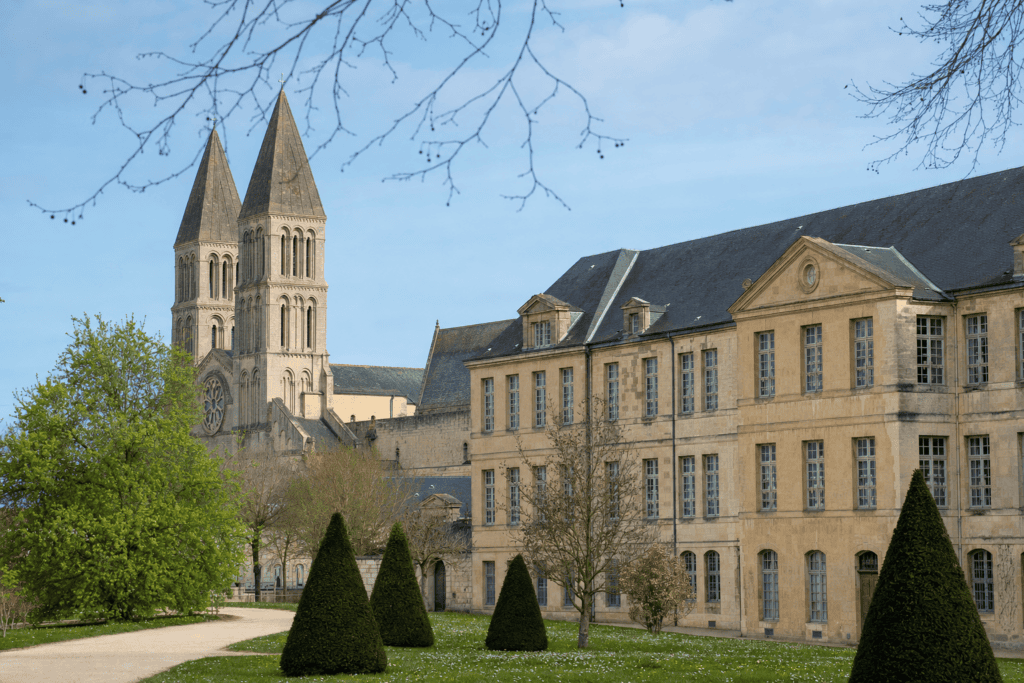 Abbaye aux Dames and Trinity Church A major monastic complex in Caen, featuring Romanesque architecture, a medieval crypt, Mathilde’s tomb and gardens.
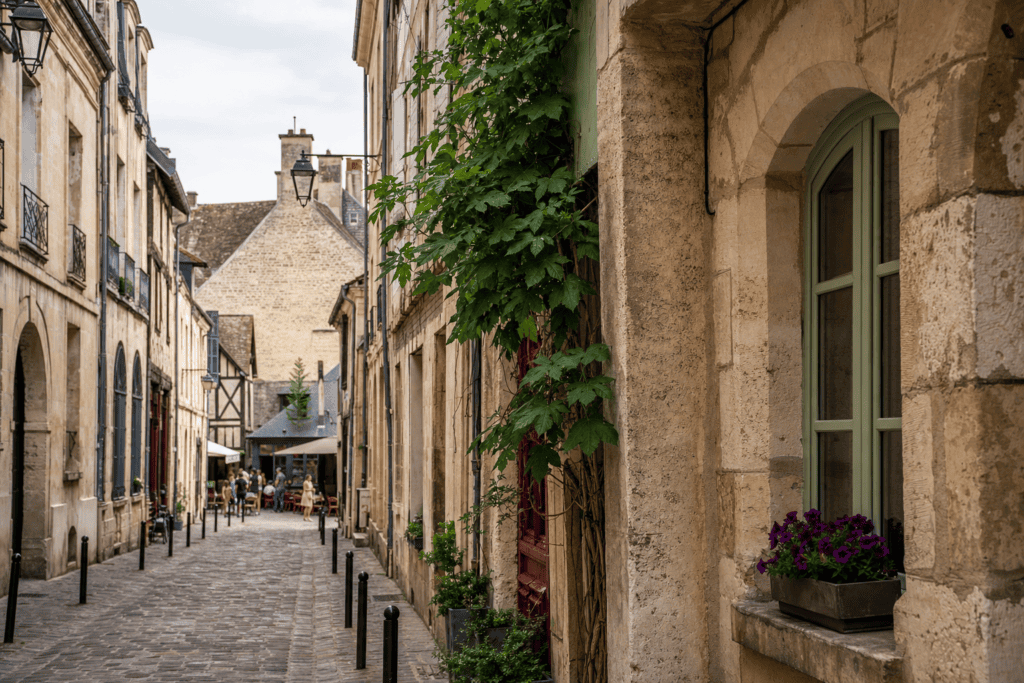 Old Caen and the Vaugueux neighborhood A walking route between Château de Caen, the narrow streets of Vaugueux, Rue Froide…
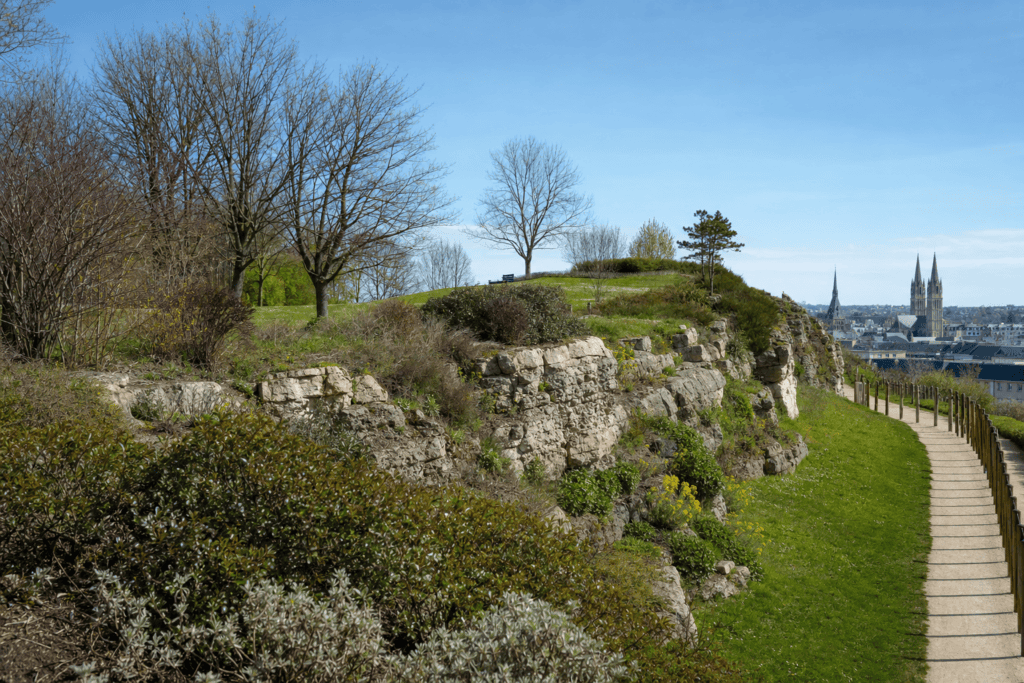 Colline aux Oiseaux A large landscaped park in Caen, known for its rose garden, gardens, family areas and…
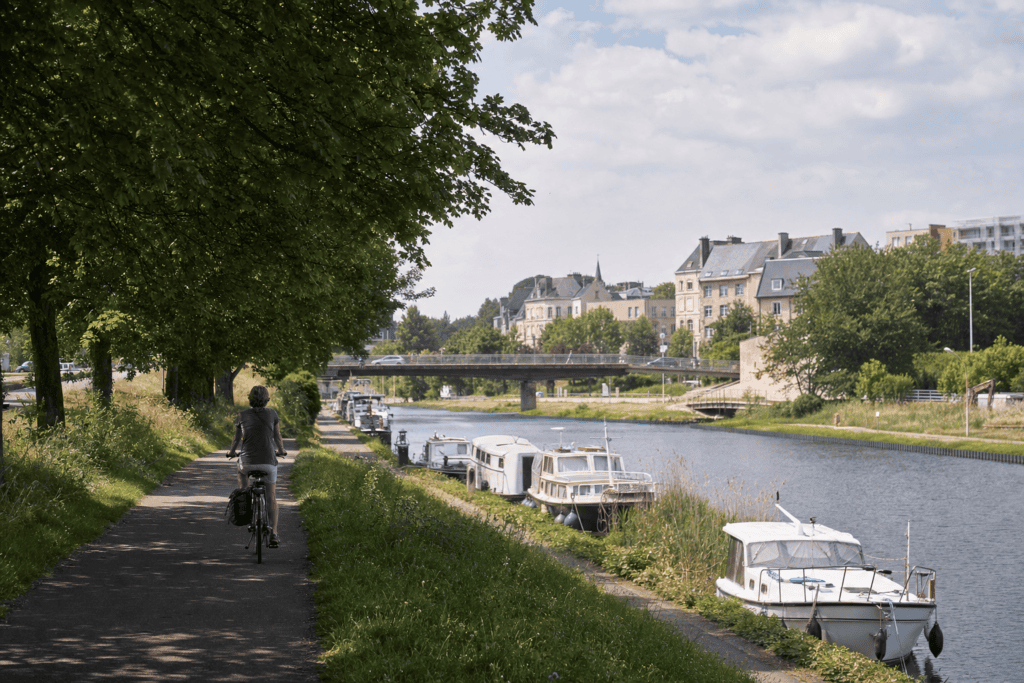 Caen–Ouistreham Canal by bike A mostly flat cycling route between Caen and Ouistreham, following the canal and the landscapes of the Orne…
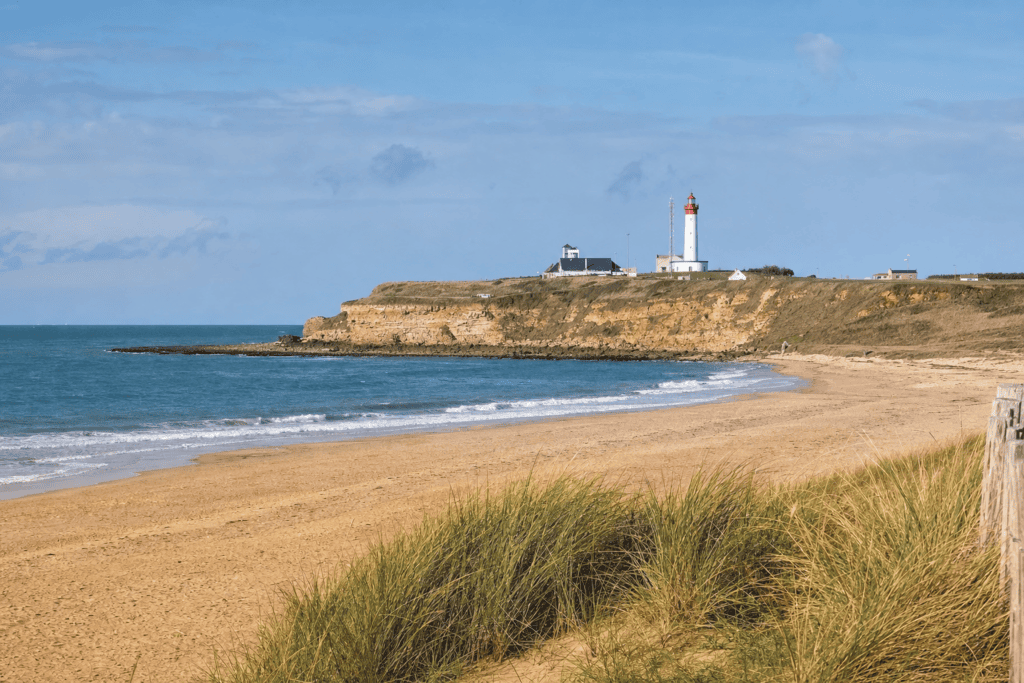 Ouistreham Beach and Pointe du Siège Lighthouse A getaway combining beach, lighthouse, harbor and estuary, with the natural landscapes of Pointe du…
 Caen Memorial A major history museum in Caen exploring World War II, the D-Day landings and the…
Online booking · Paris → Château de Caen, 14000 Caen, France
Choose your pickup date and time
Your departure and arrival details are already pre-filled. You can adjust them in the fare calculator before viewing the vehicles and fare.