



Caen Memorial: Planning a History-Focused Visit
Caen
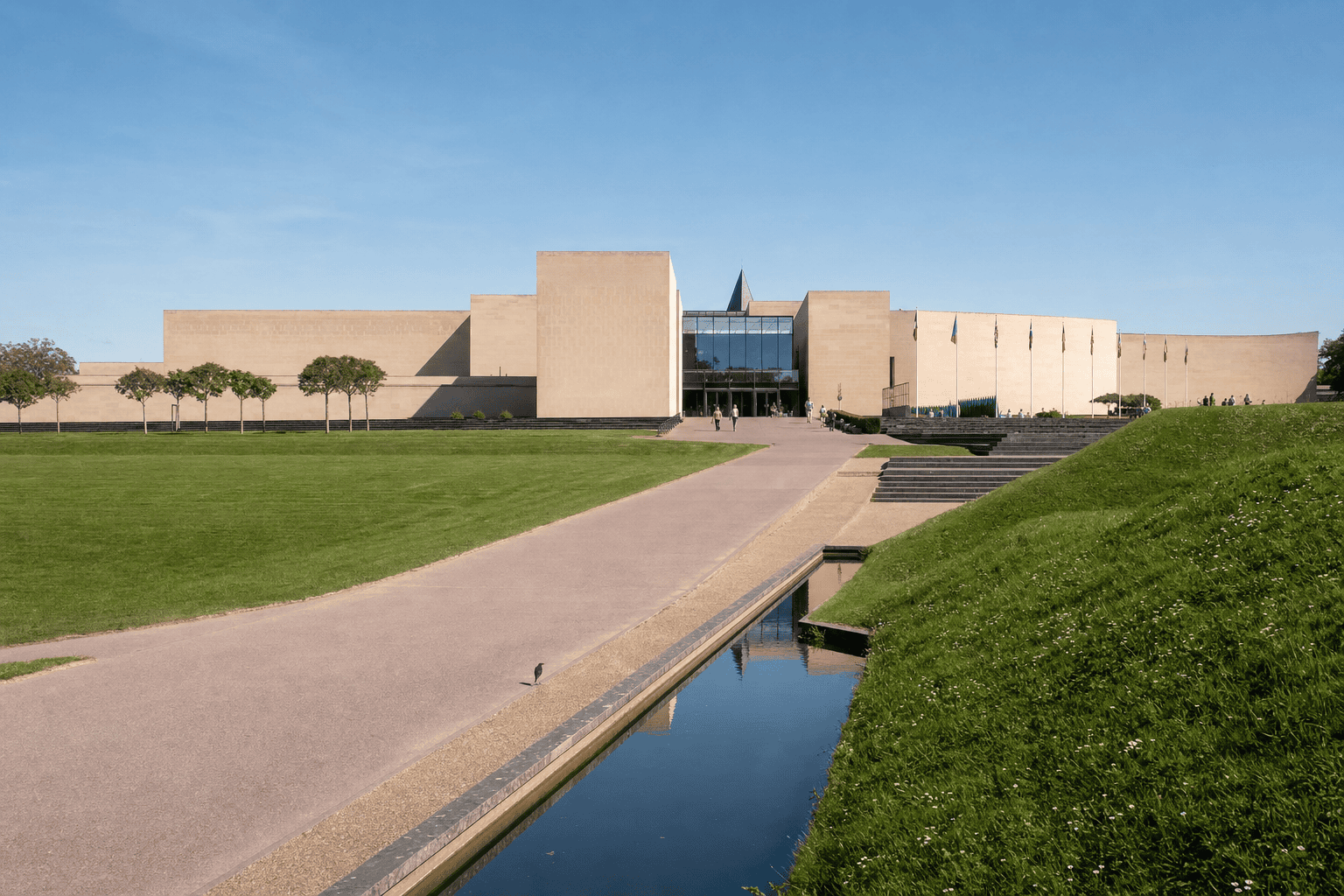
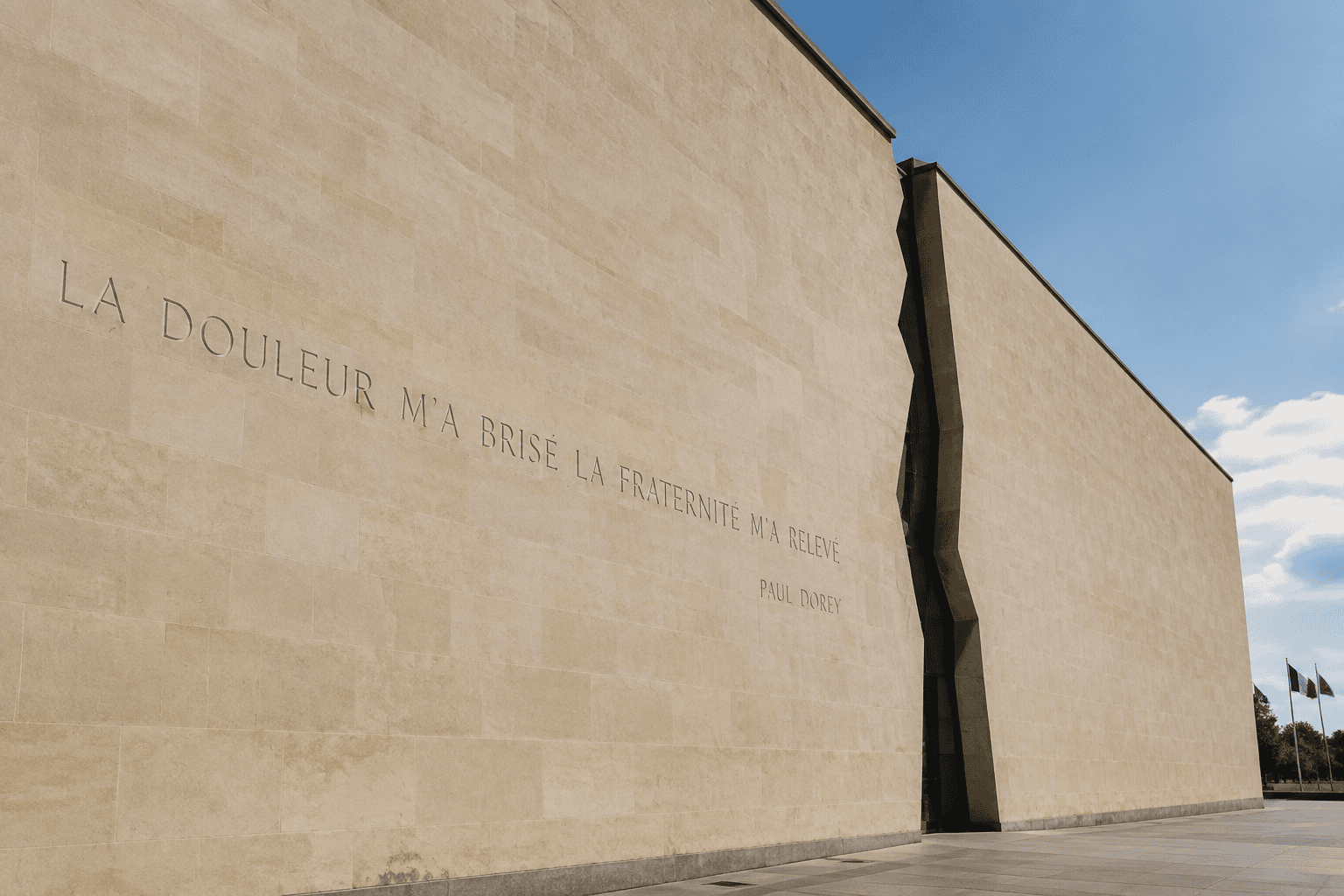
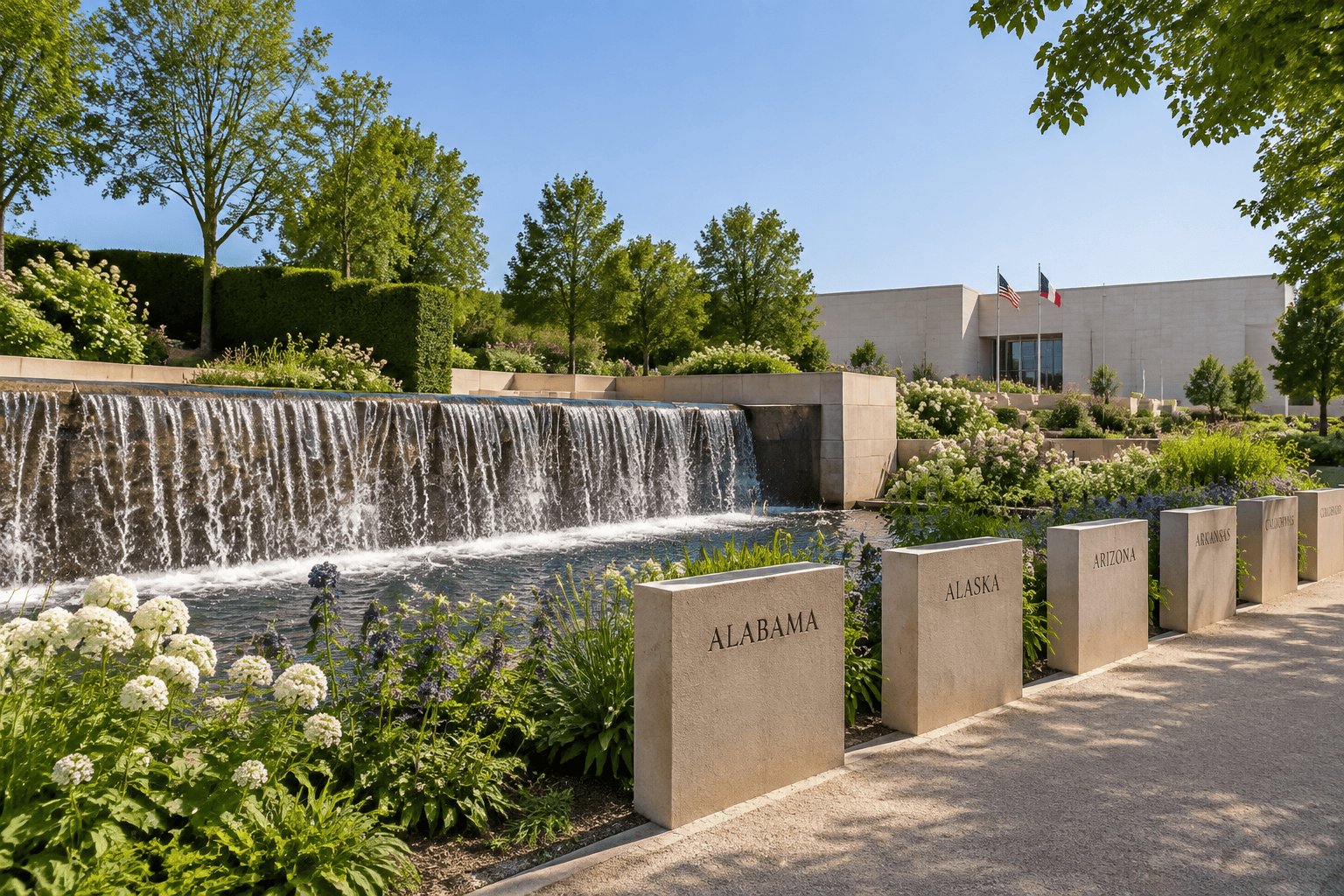
The Caen Memorial is a museum dedicated to the origins of World War II, persecution, the Resistance, D-Day, the Battle of Normandy, and the postwar world. Located in Caen, it offers a chronological, international perspective on 20th-century conflicts, complemented by areas on the Cold War and a changing temporary exhibition program. The visit is extensive: allow several hours and check the official information for 2026 opening hours, exhibitions available, prices, and access conditions on your chosen date.
Practical information
For a first visit, follow the permanent exhibition without trying to read everything, then allow time for the postwar areas, the gardens, and the exhibitions accessible on the day.
Getting to the Caen Memorial from Paris
For a journey from Paris, a Paris hotel, Charles de Gaulle, or Orly, Booking Paris Transfer can arrange transportation to Caen, with a return to Paris or onward travel to the D-Day beaches. The service covers transportation only; museum admission and guided tours must be booked separately with the relevant sites.
Departure from Paris, a Paris hotel, CDG, or ORY; return to Paris or onward travel through Normandy, depending on your itinerary.
Why Visit the Caen Memorial?
The Caen Memorial holds a special place among Normandy’s memorial sites. It goes beyond the military story of June 6, 1944: it explains the political and social tensions leading up to World War II, then follows the conflict, the Occupation, persecution, the Resistance, liberation, and the consequences of 1945. This perspective provides essential context before exploring the D-Day beaches.
The exhibition combines archives, photographs, objects, maps, films, and testimonies. Its wealth of documentation requires attention, but the chronological layout makes it easier to understand. The museum is particularly suitable for adults and teenagers interested in contemporary history. Some sections address war, persecution, and the disappearance of populations; they can be difficult and warrant a thoughtful visit, with breaks and a pace suited to each visitor.
Understanding the Historical Journey
The exhibition begins before 1939, presenting the crisis of democracies, the rise of totalitarian regimes, nationalism, and international tensions. This introduction avoids presenting the war as an isolated series of battles. It shows how a political and economic context can lead to mass violence and the collapse of the European order.
The following sections cover the war, the Occupation, the persecution of Jews and other populations, the Resistance, and liberation. D-Day and the Battle of Normandy are placed in their military, geographic, and human context. Particular attention is given to civilians, whose towns and villages endured the fighting. The exhibition then turns to reconstruction, rivalry between blocs, the nuclear threat, and the Cold War. This conclusion connects the history of 1945 with issues facing the contemporary world.
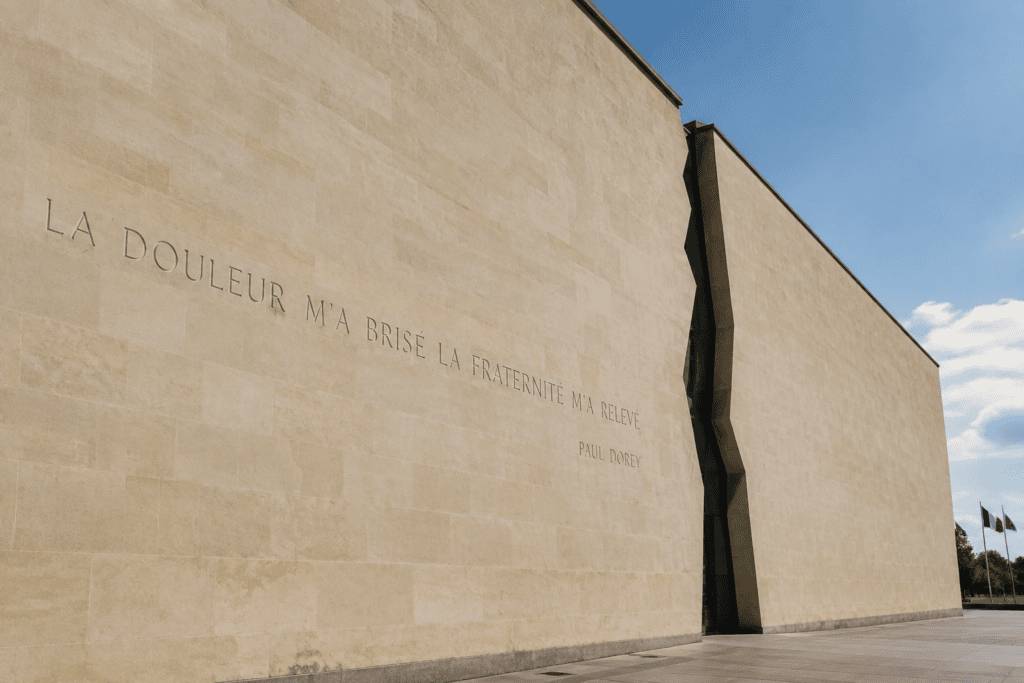
Areas to Explore on Site
On a first visit, it is best to follow the overall progression rather than try to read every document. The maps help place the operations, while the films and testimonies give the events a tangible dimension. The sections devoted to persecution, the Holocaust, and everyday life during the war deserve particular attention: they place political decisions in the context of people’s lived experiences.
The sections on the postwar period and the Cold War provide a useful continuation of the visit. They show that the end of the fighting did not eliminate international tensions and that reconstruction brought a new global balance. The Memorial also hosts temporary exhibitions. Since their content, dates, and accessibility may change, do not consider an announced exhibition guaranteed for 2026: check the official program for your date, along with any additional conditions.
Planning a Family Visit
A family visit is possible, but the content should be introduced thoughtfully. Children do not all react the same way to images of war, accounts of persecution, and testimonies. With teenagers, a brief introduction to the chronology and historical vocabulary can make the exhibition more accessible. It is also helpful to agree that some rooms may be visited quickly or skipped.
Plan breaks and do not necessarily expect everyone to read everything. Activities, guided tours, educational materials, and family-oriented resources depend on the program and availability. Check the official pages before booking. For young children, selecting certain sections may be more appropriate than attempting the full four-hour visit. Since the site is extensive, also check the practical services, accessibility, and visitor arrangements in effect on the day of your visit.
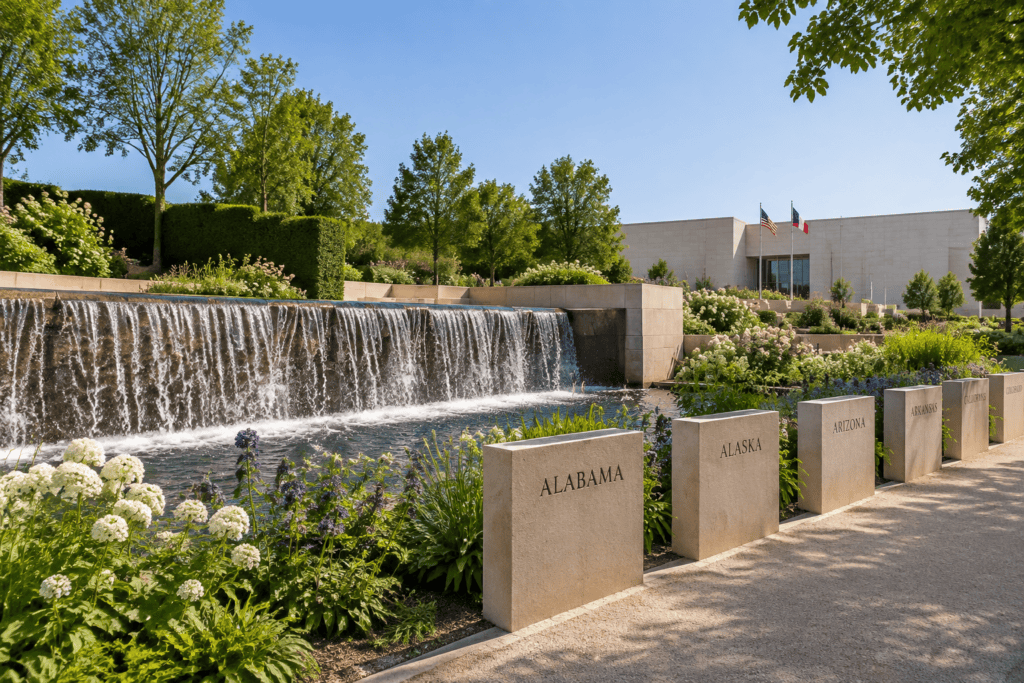
Opening Hours, Booking, and Practical Tips
The Memorial publishes its opening calendar, prices, and ticketing information on its official website. Hours vary by season and may change in the event of an exceptional closure, event, or program update. For 2026, do not rely on general hours without checking the calendar for your date. Also check the latest admission time, any required reservations, and the conditions applying to guided tours or audio guides.
Booking online may be useful during school vacations and weekends, but it does not replace checking the visitor information. The museum usually offers several visitor services, including dining areas and practical facilities; their availability or arrangements may change. Do not assume that animals are allowed in indoor areas: check the official policy, especially for service dogs. Allow enough extra time to begin your visit without rushing.
Combining the Museum with the D-Day Beaches
The Caen Memorial is an excellent introduction to the D-Day beaches. By visiting the museum first, you gain context on the forces involved, operational sectors, logistics, and the consequences for civilians. The landscapes then take on a more precise meaning, even though each site has its own story and collections.
From Caen, an itinerary can include Omaha Beach, Pointe du Hoc, the American Cemetery at Colleville-sur-Mer, Gold Beach, Juno Beach, or Sword Beach. It is difficult to see everything properly in a single day: choose a few coherent stops and allow time for travel, parking, and visits. Opening hours and access conditions for museums, cemeteries, and memorial sites are independent of those of the Memorial. Check each site before setting out and adapt your itinerary to the season and weather.
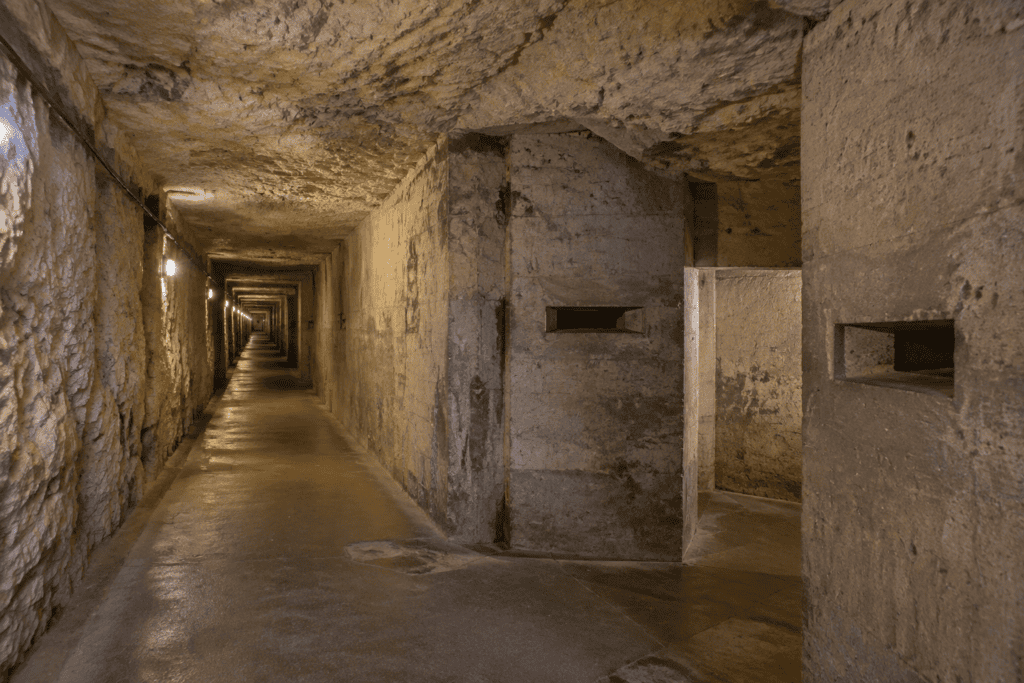
Access from the Train Station, Paris, and Caen
The Memorial is located northwest of central Caen, at Esplanade Général Eisenhower. From Caen train station, you can take the Twisto network toward the Memorial area, including the line shown on the network map and journey planner at the time of travel. Since the network may change its lines, stops, or schedules, check the exact connection on the day. A taxi is a direct option if you have luggage or arrive late. Walking from the station takes significantly longer than traveling by bus or taxi: use an up-to-date route rather than relying on a fixed duration.
From Paris, taking the train to Caen followed by local transportation allows for an independent visit, while a car makes it easier to combine the museum with the beaches in one day. A private driver can also depart from Paris, a Paris hotel, Charles de Gaulle, or Orly, travel to Caen, then return to Paris or continue through Normandy. This service covers transportation only: admission tickets and guided tours must be booked separately with the relevant establishments.
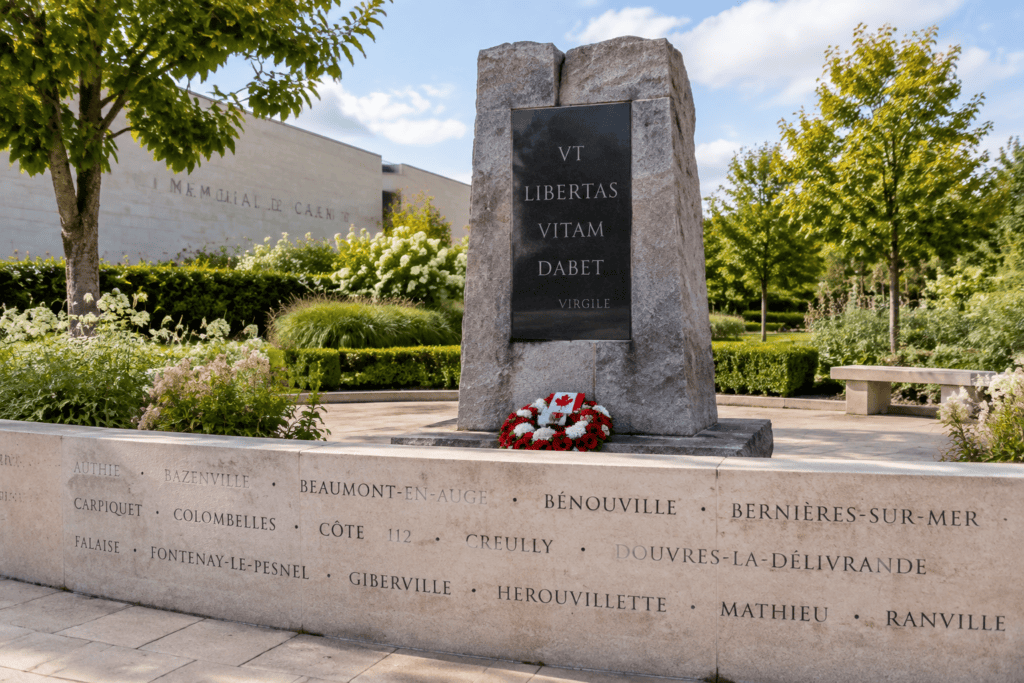
Frequently Asked Questions
How much time should I allow at the Caen Memorial?
Are the 2026 opening hours the same year-round?
Does the museum focus only on D-Day?
Can we visit with children?
How do I get to the Memorial from Caen train station?
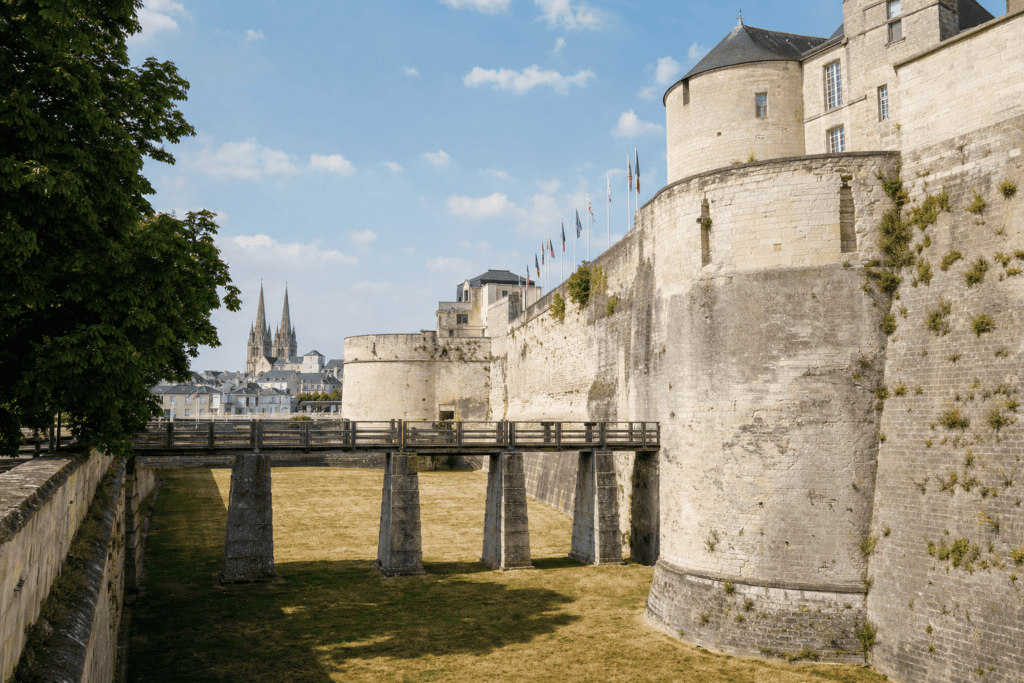 Caen Castle An iconic fortress of William the Conqueror, with ramparts, museums, gardens, and views over the city center…
 Abbey of the Men and Saint-Étienne Church A major Caen landmark, combining a Romanesque abbey church, classical cloister, City Hall and the tomb of…
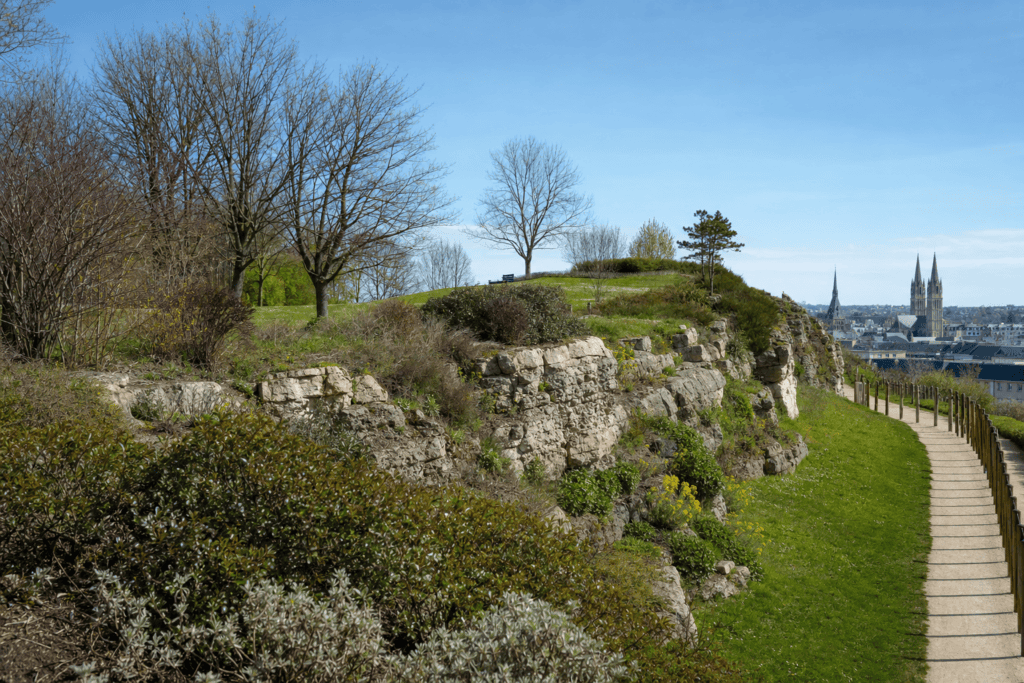 Colline aux Oiseaux A large landscaped park in Caen, known for its rose garden, gardens, family areas and…
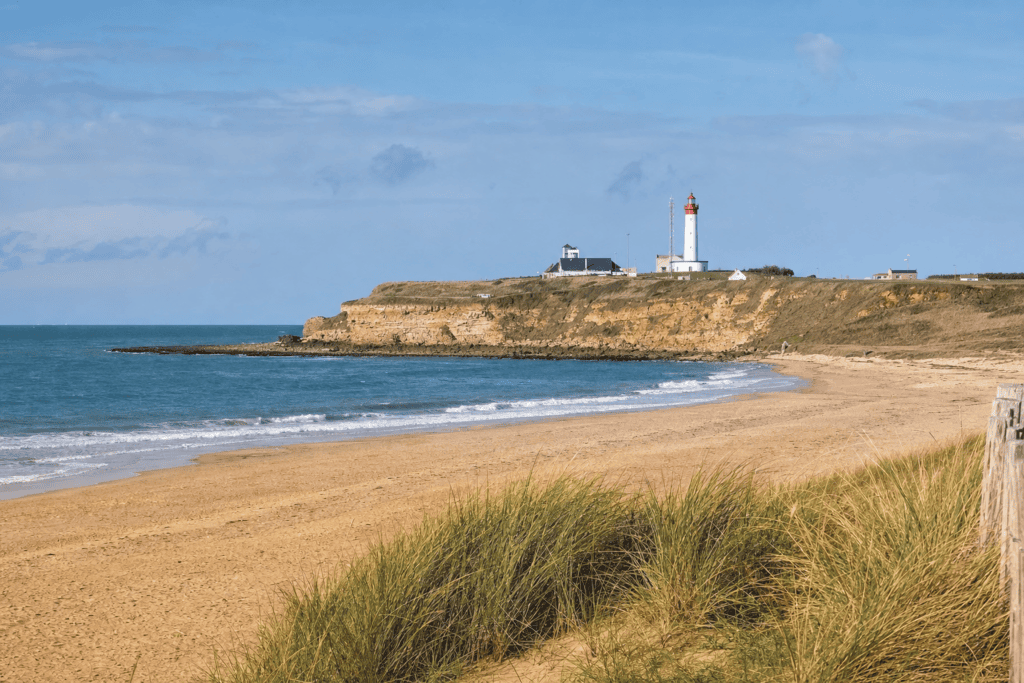 Ouistreham Beach and Pointe du Siège Lighthouse A getaway combining beach, lighthouse, harbor and estuary, with the natural landscapes of Pointe du…
 Abbaye aux Dames and Trinity Church A major monastic complex in Caen, featuring Romanesque architecture, a medieval crypt, Mathilde’s tomb and gardens.
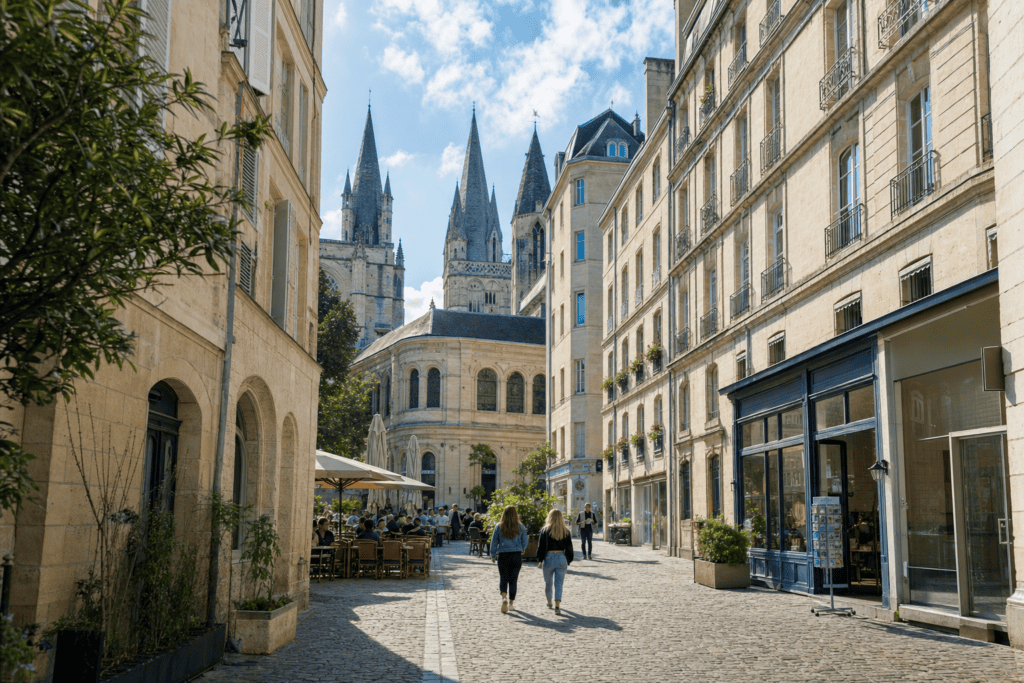 What to Do in Caen in a Weekend Two days to discover Caen Castle, the abbeys, Vaugueux, the Memorial and the atmosphere…
Online booking · Paris → Esplanade Général Eisenhower, 14050 Caen Cedex, France
Choose your pickup date and time
Your departure and arrival details are already pre-filled. You can adjust them in the fare calculator before viewing the vehicles and fare.