



Caen’s Abbaye aux Hommes: Visitor Guide
Caen
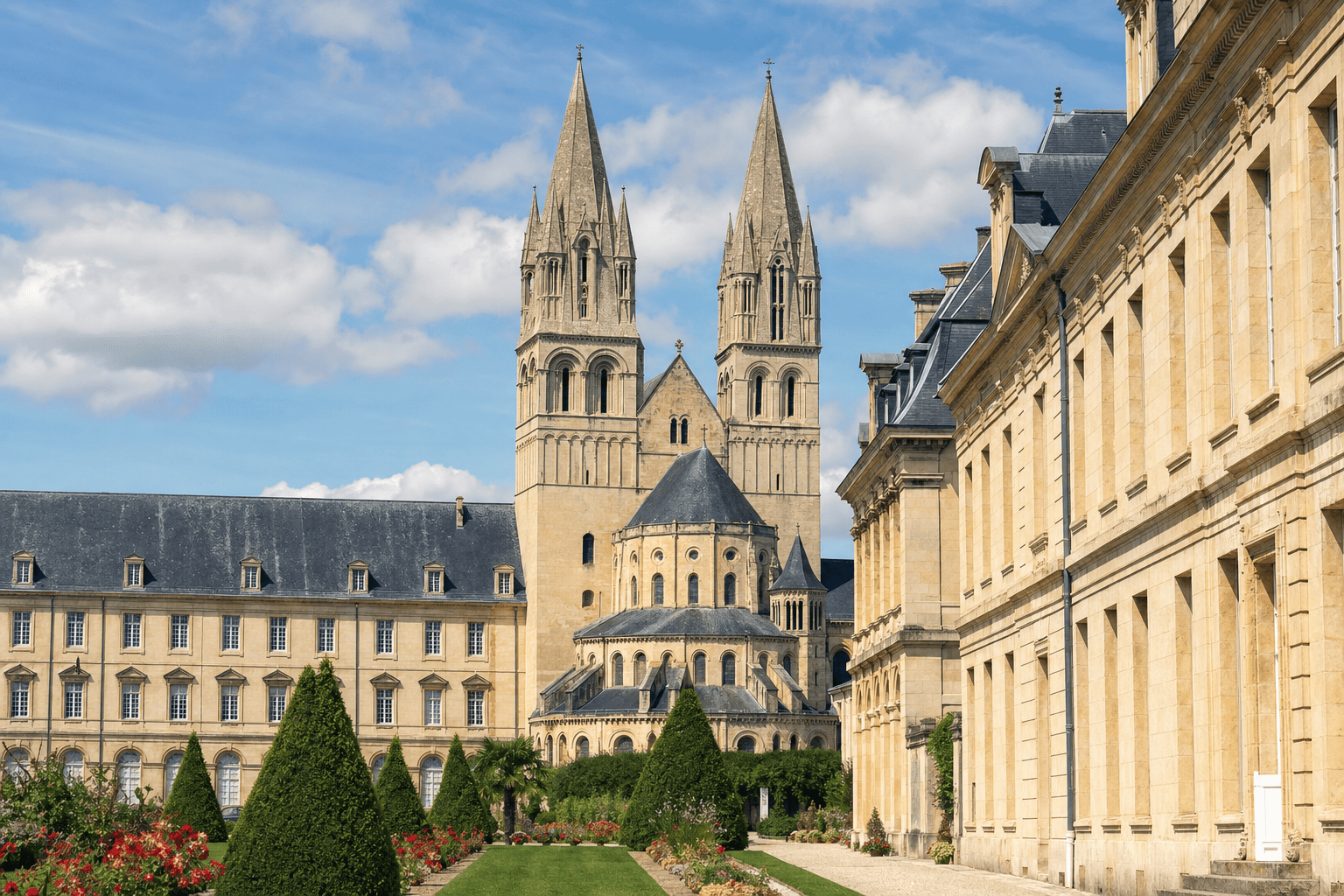
In the heart of Caen, the Abbaye aux Hommes brings together a former Benedictine monastery, a remarkable complex of classical buildings, and the abbey church of Saint-Étienne. Founded during the reign of William the Conqueror, it tells the story of the Duchy of Normandy, the transformation of religious life, and the rebuilding of Caen after 1944. The former monastery now houses City Hall, while Saint-Étienne Church remains a place of worship. Access arrangements may vary depending on services, ceremonies, municipal events, and construction work. This guide clearly distinguishes the two parts of the site and helps you plan a well-rounded heritage visit.
Practical information
Locate the City Hall entrance and the Saint-Étienne Church entrance separately. Check the official City of Caen information about the Abbaye aux Hommes before setting out, and also review the page dedicated to Saint-Étienne Church.
Getting to Caen from Paris
For a heritage day trip from Paris, CDG, or ORY, Booking Paris Transfer can arrange private transportation to Caen, with a return to Paris or continuation of your Normandy itinerary. This service covers transportation only and does not include admission tickets or a guided tour.
Transportation is available from Paris, the Île-de-France region, CDG, or ORY; Booking Paris Transfer is neither a ticketing service nor a local driver based in Caen.
A Foundation Linked to William the Conqueror
The Abbaye aux Hommes, also known as Saint-Étienne Abbey, is one of Caen’s most important monuments. It was founded in the 11th century in connection with the marriage of William, Duke of Normandy, and Matilda of Flanders. Two religious establishments were associated with this princely couple: the men’s abbey west of the city and the Abbaye aux Dames to the east. Their foundation contributed to Caen’s development as a political, religious, and urban center of the duchy.
The abbey church was intended for a community of Benedictine monks. William the Conqueror died in 1087 and was buried in Saint-Étienne Abbey Church. His tomb has become a major highlight of the visit, even though the funerary monument has been altered over the centuries. To understand the site, it should therefore be viewed as an evolving complex: a ducal foundation, Romanesque architecture, successive alterations, and the municipal reuse of the former monastery.
This history explains why the site rewards careful exploration. The abbey is more than a medieval backdrop: it reflects the power of the dukes of Normandy, monastic organization, and the political changes that shaped Caen. Visitors can connect the monument with other Norman sites associated with William while remaining in an urban complex that is easy to reach from the city center.
Saint-Étienne Church and Its Volumes
Saint-Étienne Abbey Church stands out for its proportions, the length of its nave, and the clarity of its Norman architecture. It retains the imprint of its Romanesque construction while also showing changes made over the centuries. The large arcades, rhythm of the bays, elevations, and depth of the choir offer several ways to read the building. Even without specialist knowledge, you can observe how the light guides the eye toward the eastern sections of the church.
The tomb of William the Conqueror is located inside the abbey church. It is best understood within its architectural setting rather than viewed in isolation: the nave’s volumes, the perspective toward the choir, and the simplicity of the surroundings give the place a powerful presence. Since the church remains consecrated, visitors should be discreet and respect services, ceremonies, and times of prayer. Tourist access may therefore be temporarily suspended.
To fully appreciate the space, take time to look upward and compare the building’s different heights. A guided tour can provide useful information about construction campaigns, restorations, and funerary elements. On a self-guided visit, focus on the proportions and perspectives rather than simply passing by the tomb.
The Cloister and Classical Buildings
Immediately next to the church, the former monastery has a very different atmosphere. The buildings reconstructed in the 18th century follow a classical design, characterized by regular lines, orderly façades, and spaces arranged around the cloister. The inner courtyard is the natural landmark of this part of the site. Its galleries offer elegant views of the pale stone and highlight the contrast between the medieval abbey church and the classical monastery.
Depending on the route available and how the spaces are being used, the visit may include several historic areas, such as the warming room, scriptorium, gatehouse, or grand staircase. However, no individual room should be considered guaranteed to be open: the former monastery now houses City Hall, and some rooms may be used for administrative purposes, ceremonies, or exhibitions. The city’s information will indicate which route is available at the time of your visit.
The cloister is especially helpful for understanding the daily life of an abbey. The galleries connected living, working, and prayer spaces, while the courtyard provided light and quiet. Even when the route is limited, the complex retains a strong architectural coherence. Respect marked areas and do not attempt to enter administrative spaces that are not open to the public.
A Monument Still Connected to Life in Caen
One of the Abbaye aux Hommes’ distinctive features is that it is not a static monument. The former monastery houses Caen City Hall and remains part of the municipality’s institutional life. In the historic rooms, heritage exists alongside administrative functions, official ceremonies, and municipal events. This continuity gives the site particular interest: the buildings are not merely preserved; they are still in use.
This situation explains why the route may vary. A meeting, wedding, exhibition, or technical constraint may restrict access to certain areas without closing the entire site. A guided tour can help explain the organization of the former monastery, its changes of use, and architectural details that are less visible on a self-guided visit. In all cases, follow staff instructions and do not enter areas reserved for municipal services.
This coexistence of heritage and administration also offers a contemporary perspective on the monument. It shows how a religious complex can be reused without losing all of its historical memory. When taking photographs, use only permitted areas and avoid disturbing City Hall users. The visit deserves the same consideration as a visit to a religious building.
Planning Your Visit to Caen
The Abbaye aux Hommes is in central Caen, west of the city center. It fits easily into a day focused on heritage, along with Caen Castle, the old streets downtown, and the Abbaye aux Dames. For a first visit, begin by locating the former monastery’s visitor entrance, then continue to Saint-Étienne Church, keeping in mind that it has a separate entrance. This approach avoids confusing the buildings and helps clarify their historical relationship.
Opening hours and visiting arrangements may change depending on the season, public holidays, municipal events, and religious services. Before setting out, check the updated information on the official City of Caen website and the page dedicated to the Saint-Étienne Church. Groups may need to make arrangements in advance. Do not assume that the church is open because City Hall is: the two entrances operate separately.
Wear suitable shoes if you plan to continue through the old town or to the castle. From Caen train station, you can combine public transportation and walking depending on your route. If arriving by car, check traffic and parking conditions in the city center beforehand, as being close to the monument does not guarantee an available parking space.
Accessibility and Good Practices
The City of Caen provides accessibility information for the Abbaye aux Hommes and lists facilities that may assist visitors with different disabilities. Conditions may nevertheless depend on the route open, the areas being visited, and any temporary adaptations. Contacting the site in advance is therefore recommended for wheelchair users, accompanied groups, or visitors who need specific auditory, visual, or cognitive information.
In the church, behave appropriately in a religious building that is still used for worship. Photography, movement, and noise levels should respect worshippers and services. Children may enjoy the cloister’s broad perspectives and stories connected with William the Conqueror; a guided route can help them connect the different buildings. Comfortable shoes are recommended if you continue toward the castle, historic center, or the banks of the Orne.
Visitors who need a break can divide the visit into several stages, taking the site’s layout and the route actually open into account. For a school or family outing, prepare a few simple reference points: the role of an abbey, the difference between a nave and a cloister, and the former monastery’s reuse as City Hall. This approach makes the visit more accessible without overloading it with dates.
Including the Abbey in a Normandy Itinerary
The Abbaye aux Hommes deserves an important place in an itinerary focused on Caen and medieval Normandy. In one area, you move from a church established as part of a ducal foundation to a former classical monastery and then to a public building that remains active. This layering of periods makes the visit particularly informative. It also helps explain Caen’s role in the history of the Duchy of Normandy and William the Conqueror’s place in local memory.
To extend your day, combine the site with the Abbaye aux Dames, Caen Castle, or the Caen Memorial. From Paris, Caen can also serve as a stop before Bayeux and the D-Day beaches. Each monument has its own access conditions, however, so check hours, reservations, and announced closures separately. This precaution is especially important for Saint-Étienne Church, whose religious activities may affect tourist access, and for the former monastery, which is connected to City Hall operations.
For a stay of several days, Caen is a convenient base for exploring Calvados and Normandy. An itinerary can combine ducal heritage, 20th-century history, and coastal scenery without multiplying journeys on the same day. If traveling from Paris, allow enough time for the journey and confirm the hours for each stop. The Abbaye aux Hommes then fits naturally into a cultural excursion rather than being presented as merely a photo stop.
Useful sources
Frequently Asked Questions
Where exactly are the Abbaye aux Hommes and Saint-Étienne Church located?
Is Saint-Étienne Church open to visitors?
Can William the Conqueror’s tomb be seen?
How much time should I allow?
Is the Abbaye aux Hommes accessible to people with disabilities?
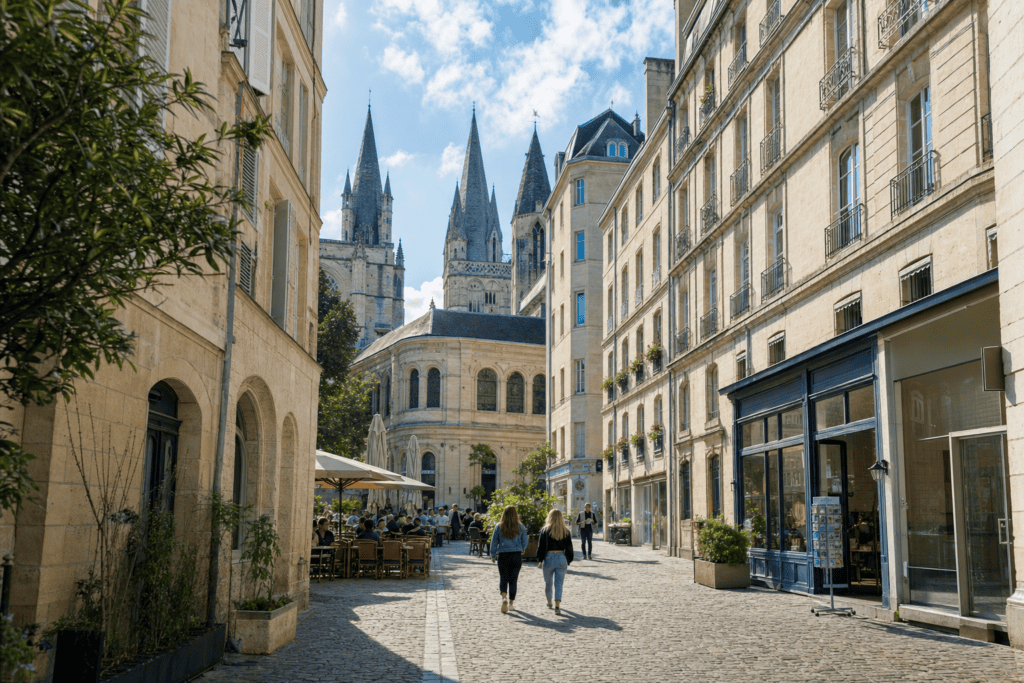 What to Do in Caen in a Weekend Two days to discover Caen Castle, the abbeys, Vaugueux, the Memorial and the atmosphere…
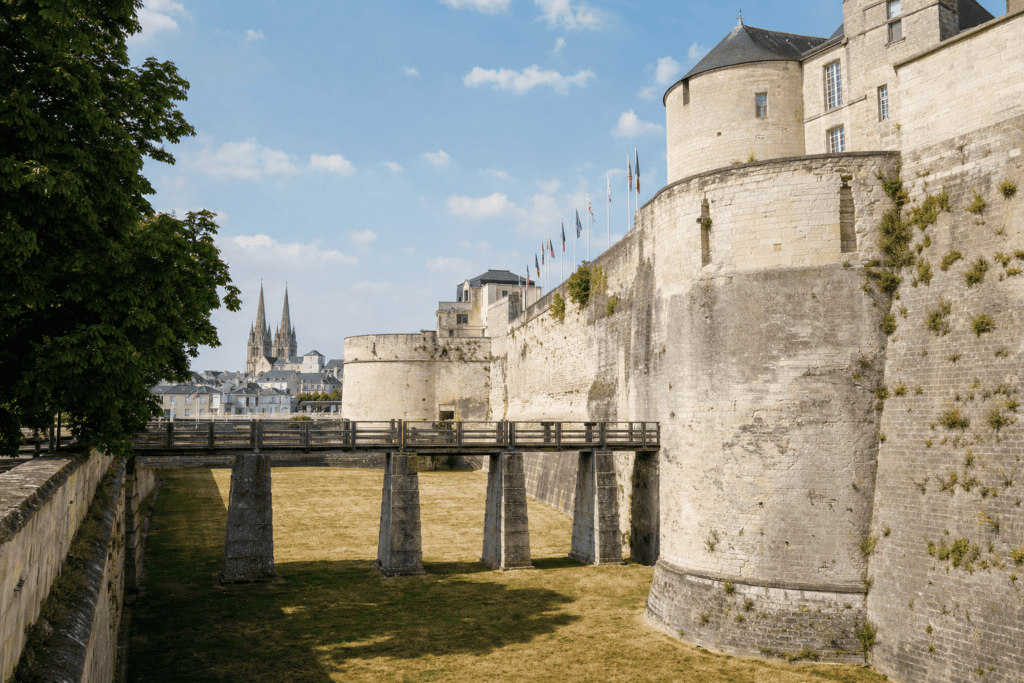 Caen Castle An iconic fortress of William the Conqueror, with ramparts, museums, gardens, and views over the city center…
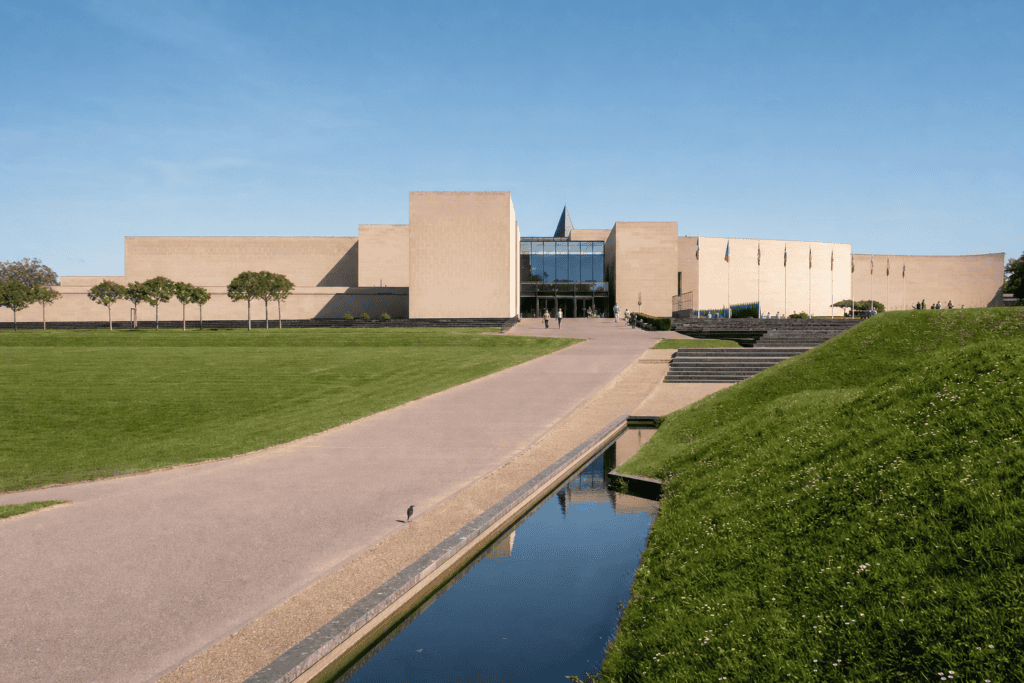 Caen Memorial A major history museum in Caen exploring World War II, the D-Day landings and the…
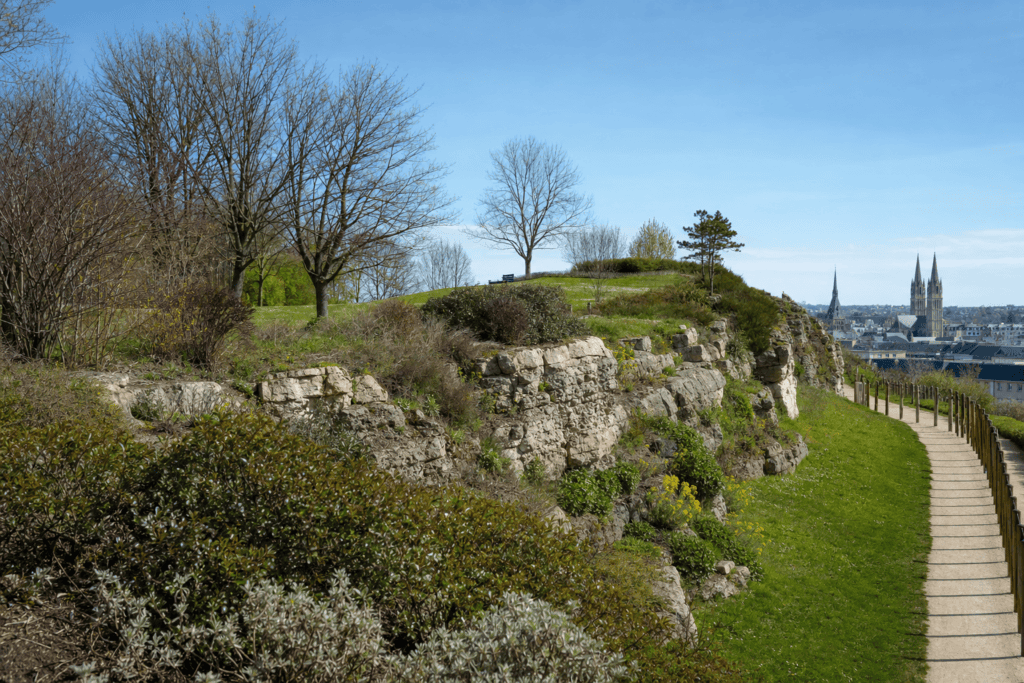 Colline aux Oiseaux A large landscaped park in Caen, known for its rose garden, gardens, family areas and…
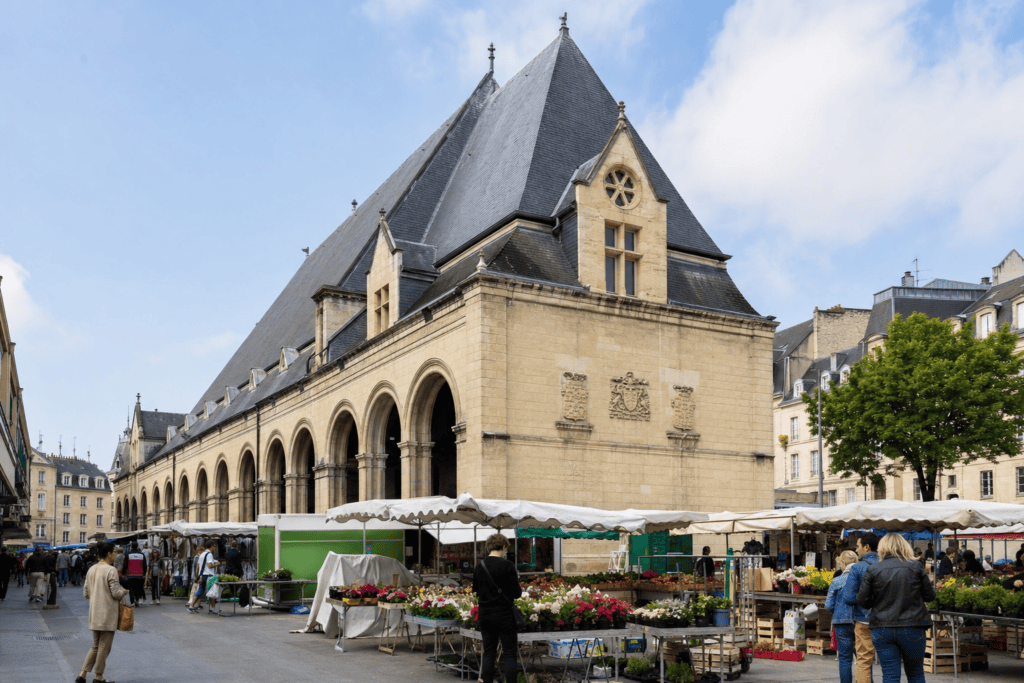 Saint-Pierre Market A lively Sunday market in the heart of Caen, ideal for discovering Norman products and continuing…
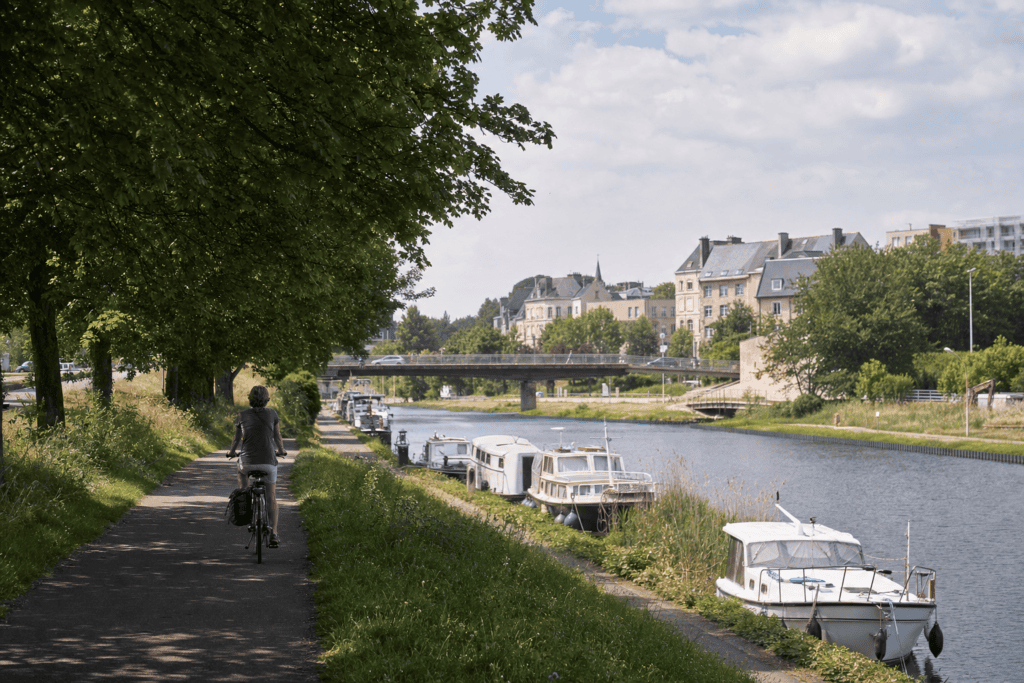 Caen–Ouistreham Canal by bike A mostly flat cycling route between Caen and Ouistreham, following the canal and the landscapes of the Orne…
Online booking · Paris → Former monastery and City Hall: Esplanade Jean-Marie-Louvel, 14027 Caen Cedex. Saint-Étienne Abbey Church: Place Monseigneur des Hameaux, 14000 Caen. The two sites are next to each other, but their entrances and opening hours may differ.
Choose your pickup date and time
Your departure and arrival details are already pre-filled. You can adjust them in the fare calculator before viewing the vehicles and fare.