



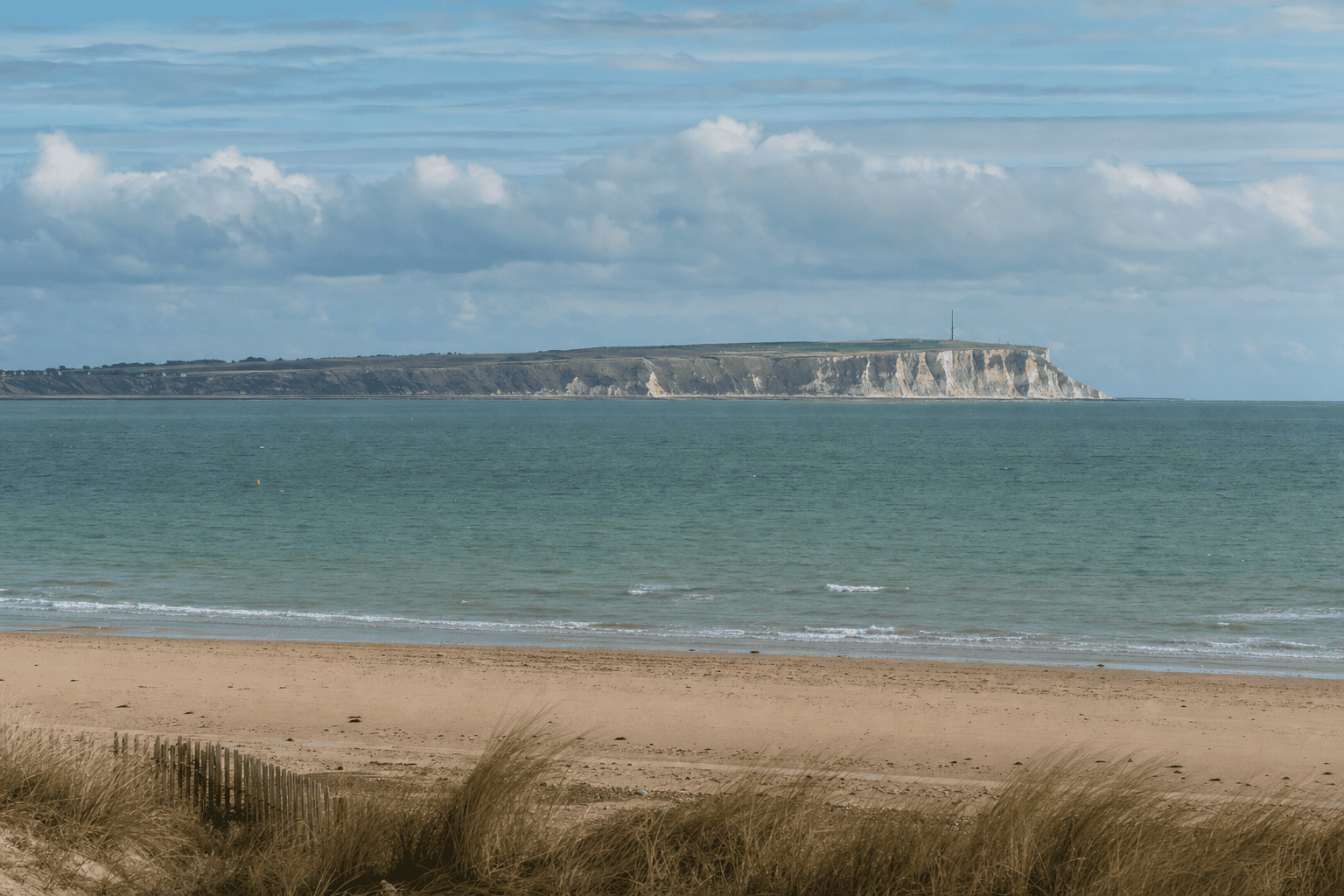
Cap Blanc-Nez from Calais: Cliff Guide
Calais
About fifteen kilometers from Calais, Cap Blanc-Nez offers one of the most remarkable panoramas in Hauts-de-France. From Escalles, trails climb toward the chalk cliffs, the Strait of Dover and, on clear days, the English coast. This half-day excursion is a natural addition to a stay beginning with an arrival by ferry, at Calais train station or at the Eurotunnel terminal. It quickly takes you out of the urban environment and into the Deux-Caps Grand Site de France, amid coastal landscapes, military history and outdoor hiking.
Practical information
Wear sturdy, non-slip shoes and bring a windbreaker and water. Stay on marked trails, keep a safe distance from the cliffs and do not venture onto the foreshore without checking the tide.
Travel from Paris to the Opal Coast with peace of mind
Booking Paris Transfer can arrange a private journey from Paris, a Paris hotel, Charles de Gaulle Airport or Orly to Calais and Escalles, with a return to Paris or onward travel. Transportation takes you close to your destination; site access, any tickets and visiting conditions should still be checked with the official organizations.
Transportation service departing from Paris, the Île-de-France region, CDG or ORY; no ticketing and no local chauffeur service based in Calais.
Why visit Cap Blanc-Nez from Calais
Cap Blanc-Nez is one of the most obvious day trips from Calais: the distance is short, but the change of scenery is immediate. After the quays, ferries and infrastructure serving cross-Channel traffic, the road climbs into the coastal hills around Escalles. The landscape then opens onto a spectacular coastline of grasslands, fields, white cliffs and a sea often busy with passing ships.
The site is part of the Deux-Caps Grand Site de France, which brings together Blanc-Nez and Gris-Nez along a major stretch of the Opal Coast. This designation does not refer to an attraction developed like a theme park; it highlights the coastline’s landscape value and the need to protect its natural environments. Visiting therefore mainly involves walking, observing and respecting the designated routes.
For travelers arriving from London by ferry or through the Channel Tunnel, the cape offers a striking first glimpse of the French coastline. For visitors staying in Calais, it provides a half-day outdoors that can easily be combined with the seafront, the Cité de la dentelle et de la mode or an exploration of the port heritage.
Panoramic Views, Cliffs and Historical Landmarks
The summit of Cap Blanc-Nez rises to about 134 meters and overlooks a coastline shaped by chalk, marl and marine erosion. From the beach or Cran d’Escalles, the cliff appears particularly imposing; from the heights, it becomes the edge of a plateau opening onto the strait. The light changes quickly: overcast skies emphasize the contrasts between the whiteness of the rock, the short grass and the dark sea, while a clear day reveals a much broader horizon.
Looking north, you can locate Calais and the coastal plain. To the southwest, Wissant Bay and Cap Gris-Nez extend the coastal landscape. When visibility is good enough, the cliffs of Kent appear across the strait. Ships, ferries and cargo vessels bring the panorama to life and recall the strategic importance of this sea route.
The Dover Patrol Monument, installed at the summit, recalls the surveillance of the strait during World War I. It gives the viewpoint a historical dimension without distracting from the landscape. Around the cape, other military traces and elements of the coastal heritage can be observed discreetly without leaving the authorized routes.
Hikes Starting from Escalles
For a first introduction, a short loop around the cape allows you to reach the heights, enjoy the panorama and return toward the visitor area without spending the entire day walking. Published distances and durations may vary depending on the route selected, trail conditions and any changes to the markings. It is therefore best to consult an up-to-date map from the Deux-Caps Grand Site or the tourist office.
The Balcons d’Escalles trail offers a more complete discovery. It combines the village, agricultural landscapes, the climb toward the cape and Cran d’Escalles. This hike requires more effort than a simple scenic walk, especially when it is windy or the paths are wet. Proper footwear is essential after rain, as some sections can become muddy or slippery.
Experienced hikers can extend their route toward Wissant or plan a full day connecting several points in the Grand Site. This option requires planning for the distance, return options, lack of supplies along some sections and exposure to weather conditions. The coastline should be treated as an open natural area, not an urban promenade: carry enough water and plan an alternative option.
Getting There from Calais and Planning Your Arrival
From Calais, access to the Blanc-Nez area generally goes through Sangatte and then Escalles. The proximity of the A16, the port and the Eurotunnel terminal makes it easy to include the site in a regional itinerary. Travelers arriving by ferry can plan a stop at the cape before continuing to Boulogne-sur-Mer, Wissant or Le Touquet. From the Channel Tunnel, the excursion can also fit in before an overnight stay on the Opal Coast or onward travel to other cities in Hauts-de-France.
Calais-Ville and Calais-Fréthun stations are the main rail arrival points. However, the final journey to Escalles requires specific planning, as the site is in a rural coastal municipality. Depending on the season, regional transportation, active mobility or taxi options may be available, but their schedules and availability should be checked before departure.
When driving, follow local signs and use only authorized parking areas. Parking rules may change during weekends, school vacations or busy periods. Large vehicles may also encounter restrictions in village areas. If you are traveling with luggage or need to meet a ferry departure time, allow extra time for traffic, walking and finding a suitable parking space.
When to Visit and How to Make the Most of Your Trip
Cap Blanc-Nez can be visited in any season, but the weather strongly affects the experience. A clear day makes it easier to distinguish the English coast, ships and the line of cliffs. Conversely, fog or low cloud gives the site a wilder, more dramatic atmosphere but reduces visibility. Wind is often stronger at the heights than in Calais, so a warm, wind-resistant jacket is useful even in summer.
Spring brings fresh vegetation and often pleasant walking conditions. Summer offers long days but attracts more visitors, especially on weekends and during school vacations. Early fall can provide especially favorable light for photographers and more moderate visitor numbers. In winter, the landscapes are powerful and clear on some days, but you should skip the outing if gusts, rain or poor visibility make walking dangerous.
For photography, morning and late afternoon emphasize the contours of the cliffs. However, sunshine is not the only attraction: changing skies, maritime traffic and variations in the color of the sea are part of the site’s identity. Do not leave the trails in search of a more dramatic angle; protecting the site must come before the photograph.
Safety, Tides and Respect for the Coastline
The cliffs of Cap Blanc-Nez are naturally unstable. Rockfalls can occur after periods of rain, frost or heavy swell, sometimes without visible warning. Stay well back from the edge, respect barriers and follow the signs. Children must be supervised at all times, as gusts can unbalance a person and the terrain includes breaks that may be difficult to spot.
The beach and the base of the cliffs cannot be visited under the same conditions as the heights. A walk on the foreshore must take the tide, swell and access points open that day into account. Never descend into an area where rising water could block your return. Tide times change daily: consult a reliable maritime source and plan to return well in advance, without relying solely on the predicted low-tide time.
The site is a protected, heavily visited natural area. Stay on marked routes, take your trash with you, follow the rules that apply to dogs and do not pick plants from the coastal grasslands. Also avoid moving stones or sitting beneath a cliff. These simple actions help preserve habitats, landscape quality and visitor safety.
What to See Around Cap Blanc-Nez
A trip from Calais can easily become a full day on the Opal Coast. In Escalles, Cran d’Escalles offers another view of the cliff and helps explain the relationship between the village, farmland and sea. To the south, Wissant stretches along a long beach framed by the two capes. Continuing toward Audinghen and Cap Gris-Nez, you will discover a different landscape, maritime viewpoints and heritage connected with monitoring the strait.
Your return to Calais can be devoted to the seafront, the beach or the Cité de la dentelle et de la mode. The city also tells the story of cross-Channel exchanges: its port, ferries, station and modern infrastructure explain its distinctive position between France and the United Kingdom. For architecture and history enthusiasts, this combination of a port city and grand landscapes is one of the excursion’s major attractions.
Restaurants and accommodations are spread across Calais, Escalles, Wissant and neighboring municipalities. Check opening days and make reservations during busy periods. From Paris, the cape can be included in a private itinerary with a stop in Calais, an exploration of the Deux-Caps area, then a return to the capital or onward travel along the Opal Coast. Transportation does not replace the site’s instructions: access, hours and visiting conditions must still be checked locally.
Frequently Asked Questions
How far is Calais from Cap Blanc-Nez?
Can you see England from Cap Blanc-Nez?
Which hike should you choose for a first visit?
Can you go down to the beach at the foot of the cliffs?
How can you get to Escalles from Calais without a car?
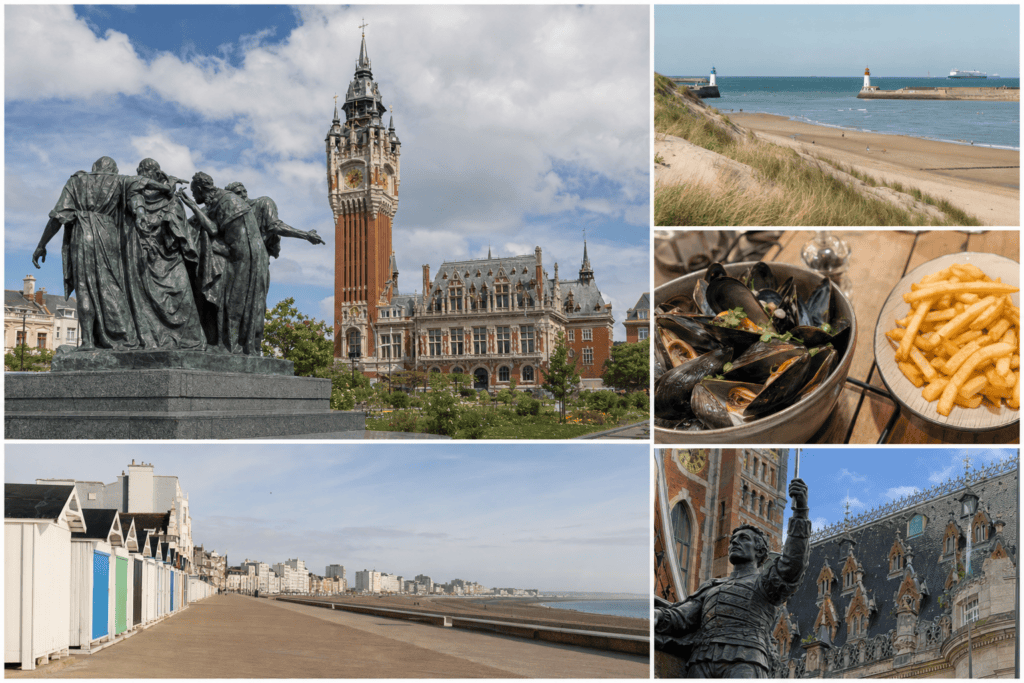 What to Do in Calais Between Ferry Crossings or the Channel Tunnel A timed local itinerary for making the most of Calais between the ferry port, city center, Calais…
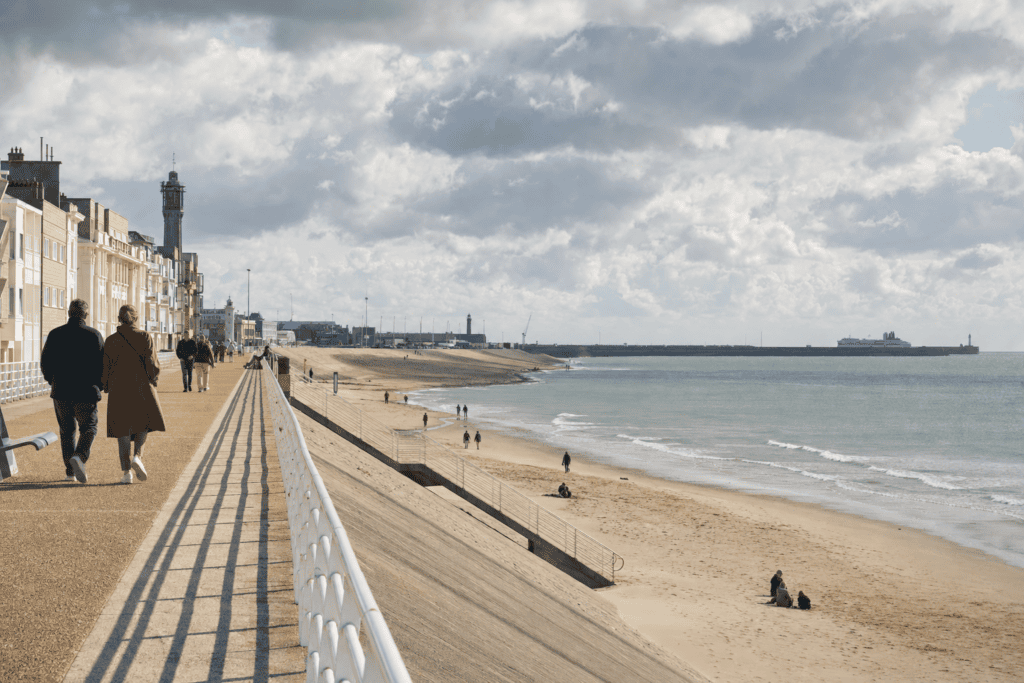 Calais Beach and Seafront Promenade A wide-open beach overlooking the strait, with its seawall, ferries, Calais Dragon, and family-friendly promenade.
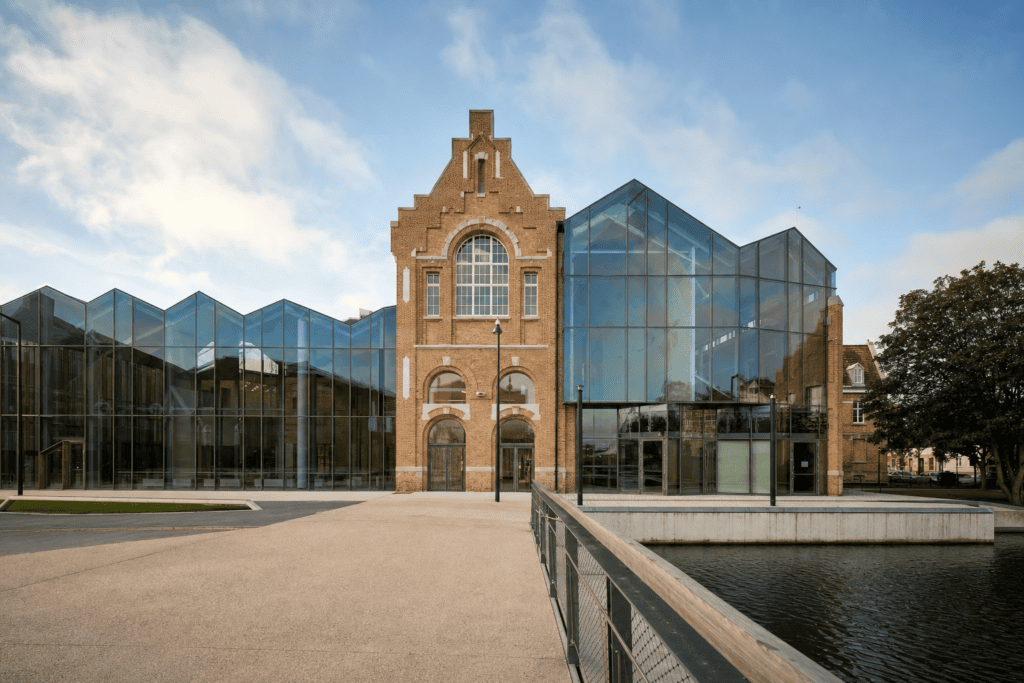 Cité de la Dentelle et de la Mode A former factory, working Leavers lace machinery, and a fascinating dialogue between local expertise, fashion…
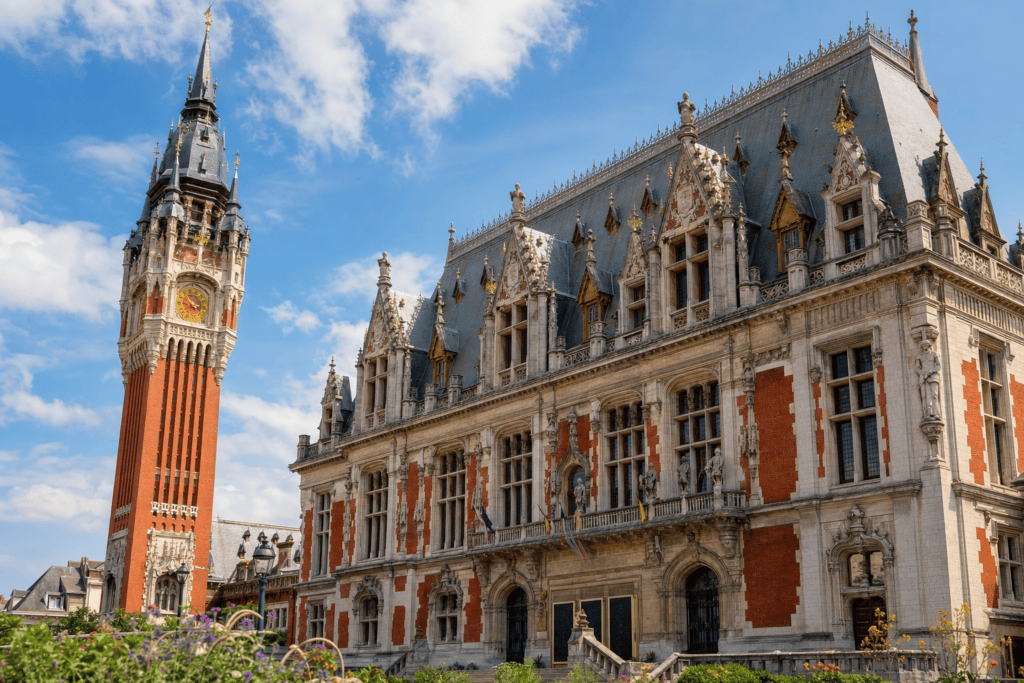 Calais Belfry and City Hall A UNESCO-listed landmark in the heart of Calais, featuring regionalist architecture, stained glass, civic history and a look at the…
Online booking · Paris → Cap Blanc-Nez, 62179 Escalles, Pas-de-Calais, Hauts-de-France
Choose your pickup date and time
Your departure and arrival details are already pre-filled. You can adjust them in the fare calculator before viewing the vehicles and fare.