



Opal Coast · Hauts-de-France · Hauts-de-France
Visiting Calais: Beach, Heritage, and Coastal Flavors
At the northern end of the Opal Coast, Calais combines a broad beach facing the English Channel, heritage shaped by conflict and maritime exchange, a lace-making tradition, and a remarkable mechanical-art scene. The city is also one of the main crossing points between France and the United Kingdom, thanks to its ferry port and the Channel Tunnel terminal in Coquelles. Easily accessible from Paris and Lille, Calais is ideal for both a cultural weekend and a coastal itinerary.
Explorer Calais
Calais Essentials
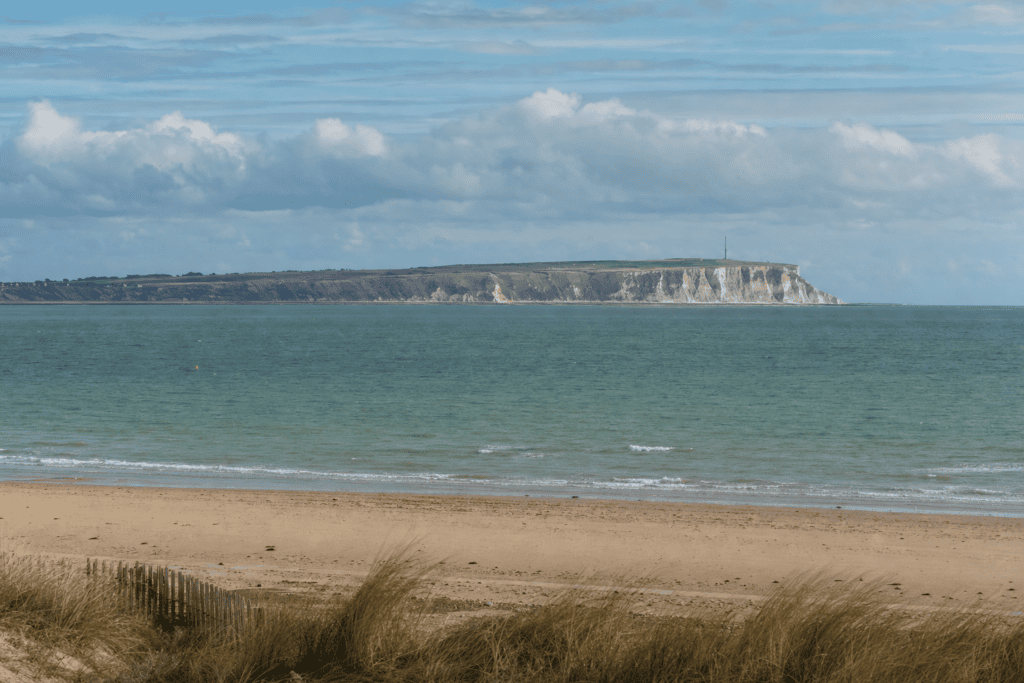 Viewpoints
Cap Blanc-Nez from Calais
An unmissable seaside escape from Calais, among chalk cliffs, coastal trails and views over the English Channel.
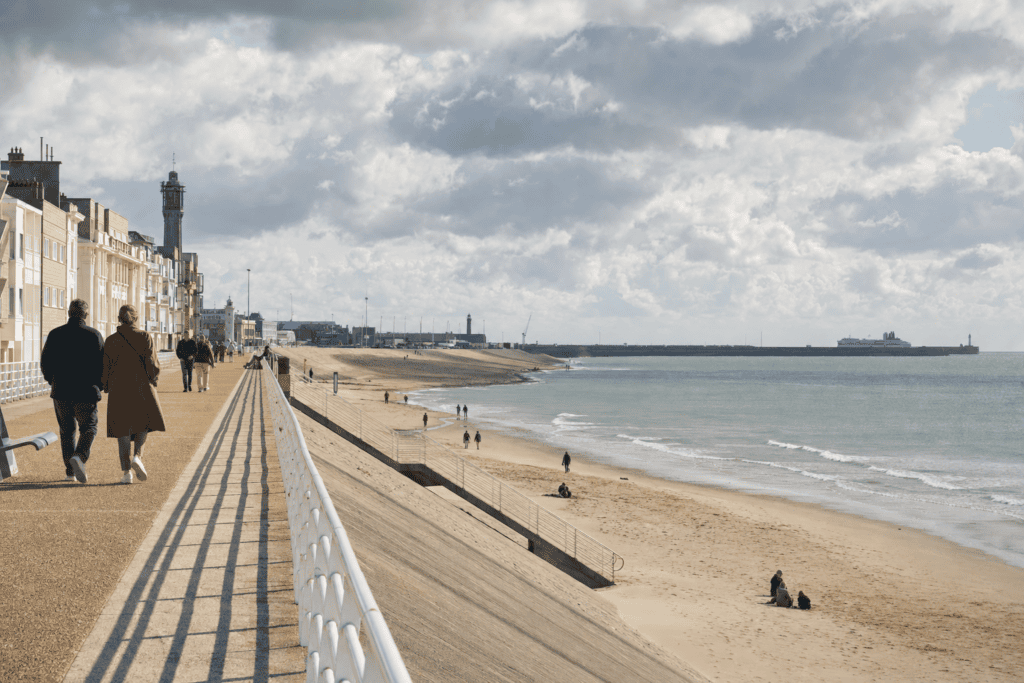 Beaches
Calais Beach and Seafront Promenade
A wide-open beach overlooking the strait, with its seawall, ferries, Calais Dragon, and family-friendly promenade.
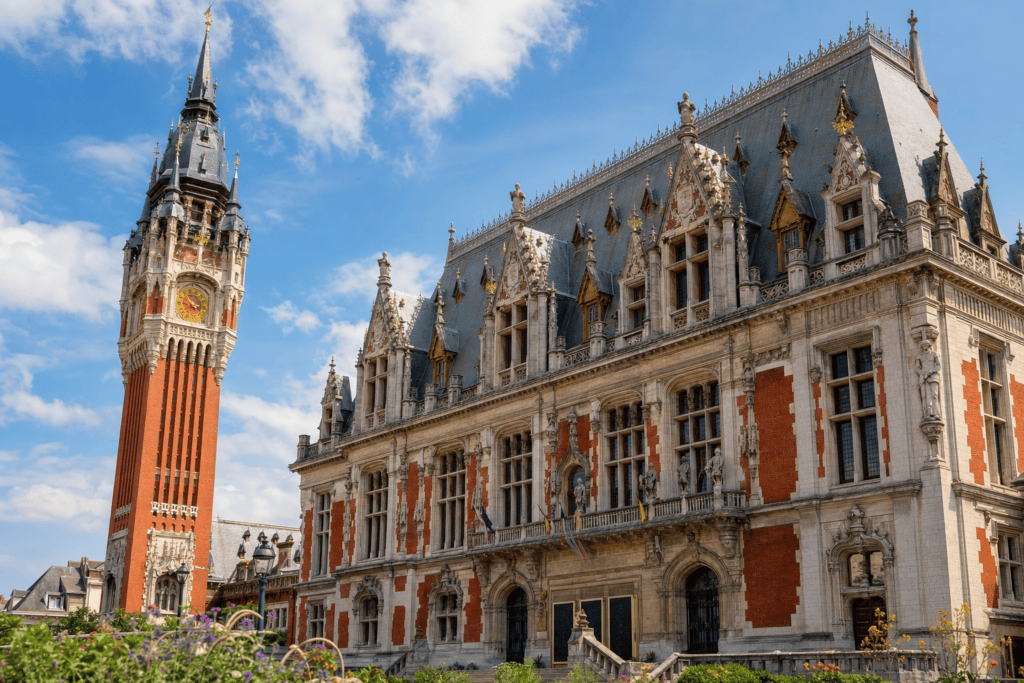 Must-see
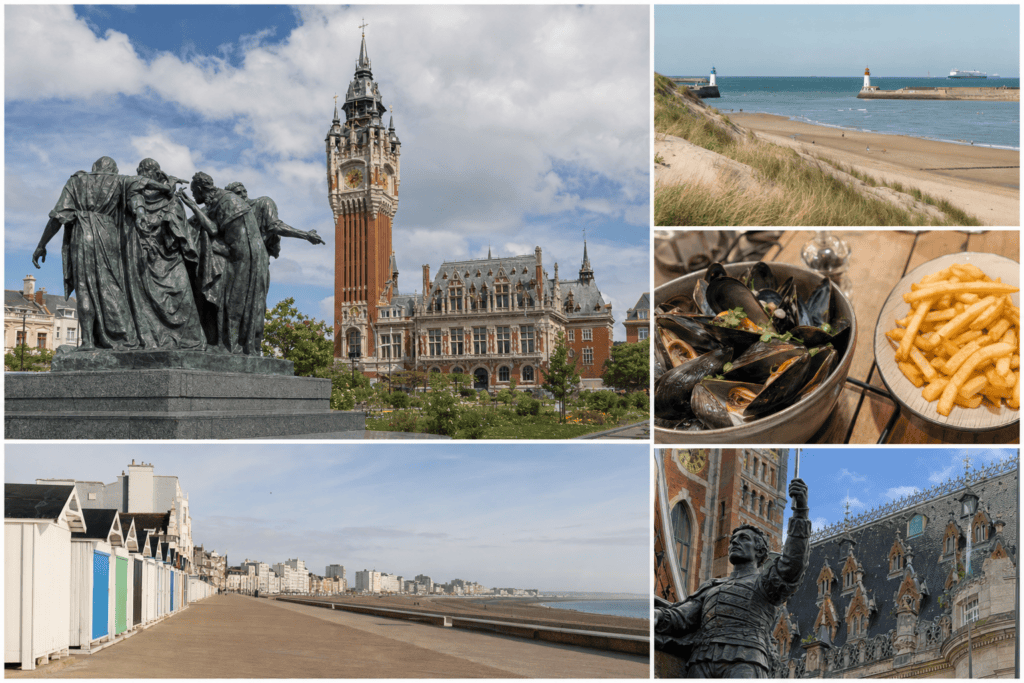
Calais Belfry and City Hall
A UNESCO-listed monument in the heart of Calais, featuring regionalist architecture, stained-glass windows, civic history and the city center.
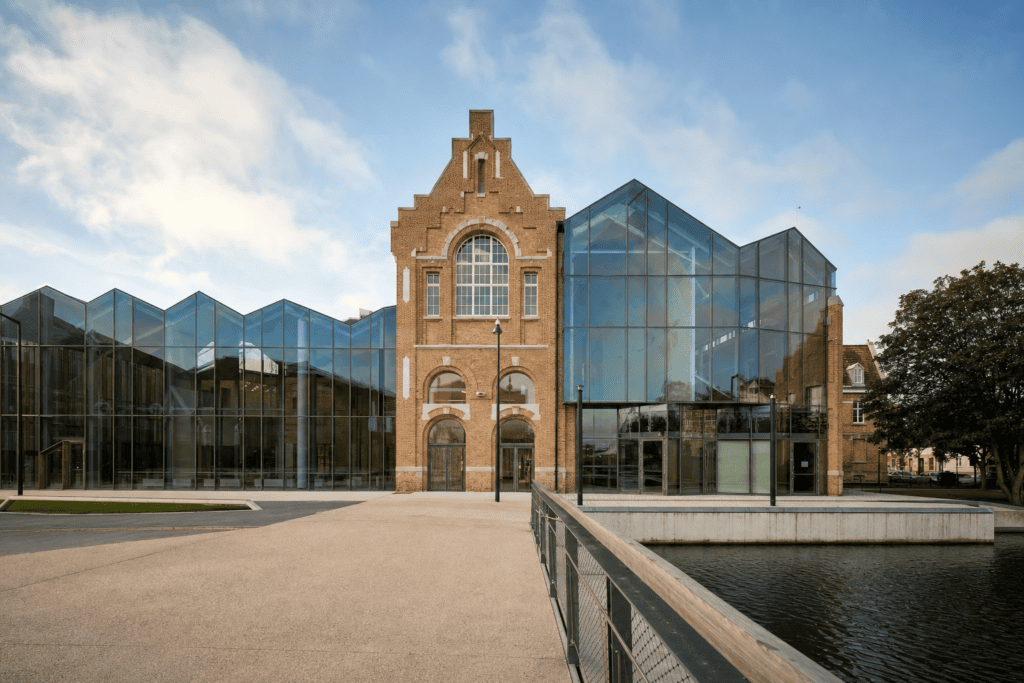 Must-see
Cité de la Dentelle et de la Mode
A former factory, working Leavers lace machines, and a fascinating dialogue between local craftsmanship, fashion, and creativity…
 Must-see
What to Do in Calais Between Ferry Crossings or the Channel Tunnel
A timed local itinerary for enjoying Calais between the ferry port, the city center, Calais Beach…
Other destinations to discover

Boulogne-sur-Mer
A seaside city on the Opal Coast, with ramparts, a fishing port, Nausicaá, seafood cuisine and major…
Dunkirk
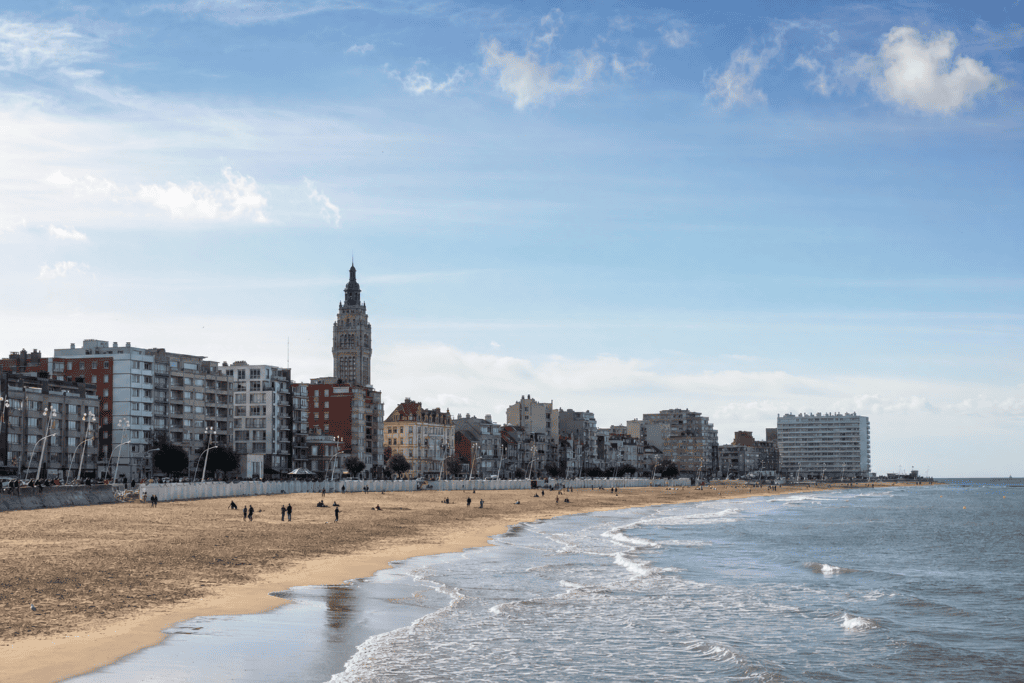
A complete maritime destination with Malo-les-Bains beach, a port, carnival, museums and the history of Operation Dynamo.

Chantilly
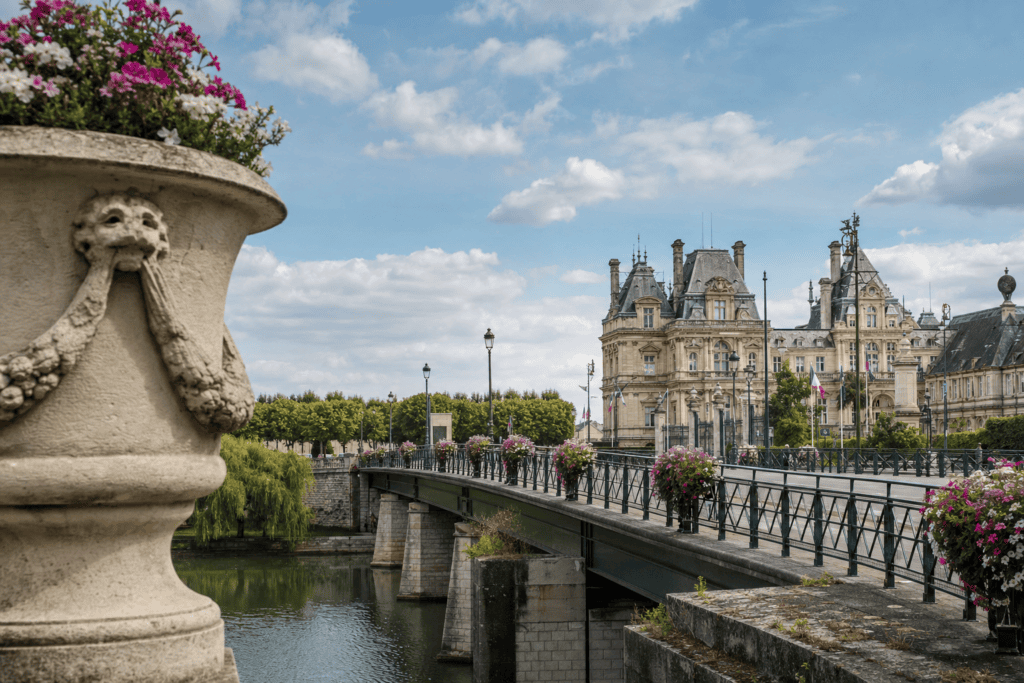
A remarkable princely estate near Paris, featuring the Condé Museum, Great Stables, formal French gardens,…
Compiègne
An imperial city with a château, historic forest, museums, gastronomy and memorial sites, ideal for a day…
Beauvais
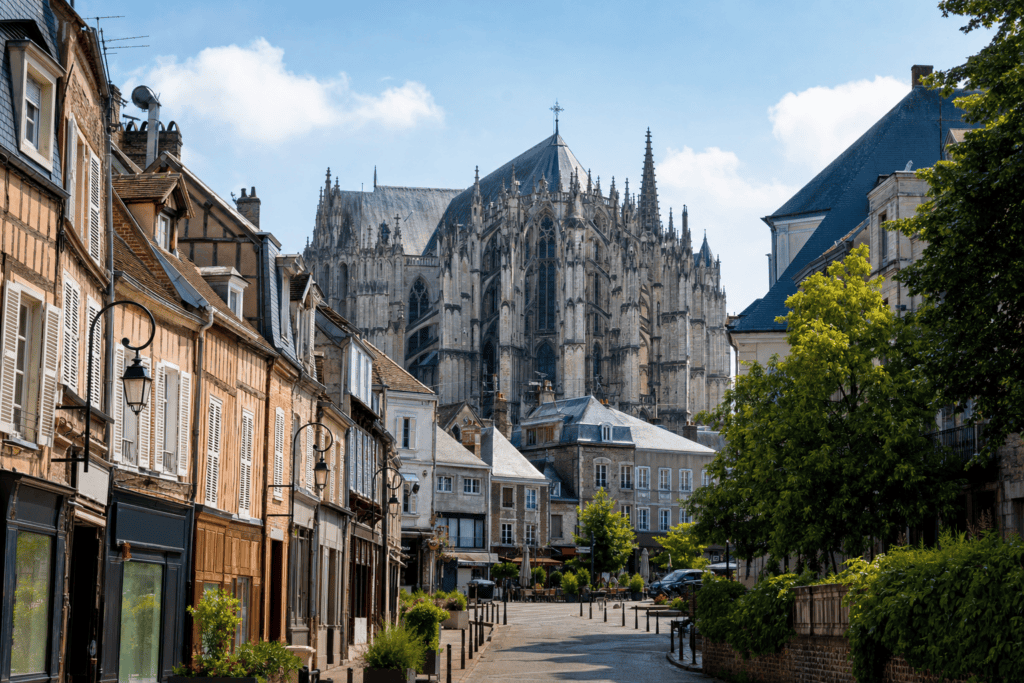
A heritage destination north of Paris, with an unfinished Gothic cathedral, astronomical clock, episcopal palace, tapestry and…
Arras
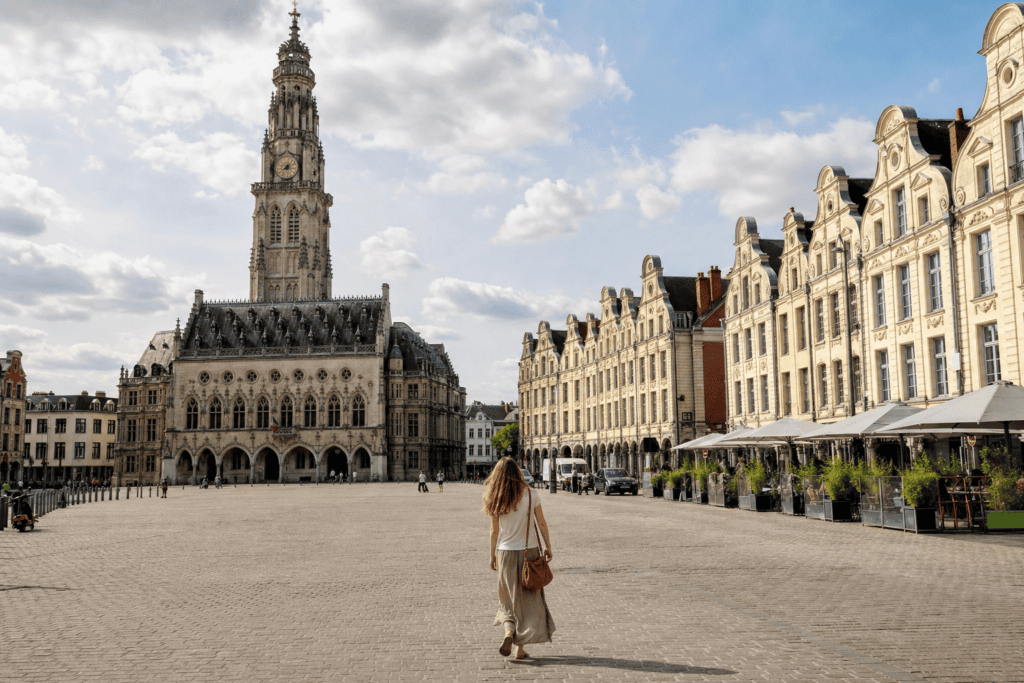
With Baroque squares, a belfry, underground passages, the Citadel and memorial sites, Arras offers a wealth of heritage in…
DESTINATION GUIDE
Calais Travel Guide
A Maritime City at the Crossroads of Europe
Visiting Calais means discovering a city shaped by its position on the Strait of Dover. The port, ferries, and Channel Tunnel are part of everyday life, but they do not define the entire destination. The city center, beach, Courgain Maritime neighborhood, and Reconstruction-era districts make for an interesting area to explore on foot.
Calais is a good fit for travelers looking for an accessible stop, a car-free stay, a stop before or after the United Kingdom, or a base for exploring the Opal Coast between Dunkirk, the Two-Caps area, and Boulogne-sur-Mer. The city also has a strong cultural identity, visible in its museums, monumental artworks, murals, and lace-focused venues.
Getting to Calais: Train, Ferry, Tunnel, and Highway
Calais-Ville station is the most convenient arrival point for visiting the city center. It is close to the town hall, belfry, Burghers of Calais monument, and shopping streets. From the station, the beach is generally about a 15-minute walk, depending on the route and the exact point along the seafront you are heading for. It is best to check the route on a mapping app before setting out, especially with luggage or in bad weather.
Calais-Fréthun station serves high-speed trains and is several miles from the city center, in the municipality of Fréthun. It can be useful for travelers arriving from Paris, Lille, or other major cities, but you should plan for a connection to Calais-Ville, a taxi, or another transfer.
The Port of Calais operates ferry services to Dover. Boarding procedures for vehicles, coaches, and foot passengers depend on the company and the ticket booked. Check-in times and any restrictions should therefore be confirmed directly with the operator. In Coquelles, the Channel Tunnel terminal serves LeShuttle trains carrying vehicles; it is not a conventional station for foot passengers.
By road, Calais is connected to the A16, which serves the Opal Coast and Belgium, and to the A26 toward Reims, Arras, and the eastern French highway network. From Paris, a private transfer can take you directly to your hotel, the port, or the station, without confusing the ferry terminal with the Channel Tunnel terminal.
Beach, Seawall, and Seafront
Calais Beach is one of the first places to explore. Its broad stretch of sand offers an open promenade facing the English Channel, with views of ships and, on clear days, the English coast. The seawall is ideal for walking, cycling, and family outings. The seafront is especially pleasant at the end of the day, when the changing light falls across the ferries and port facilities.
The beach also helps explain Calais’s distinctive character: a seaside landscape sits alongside highly visible port and industrial activity. Depending on the season and weather, visitors can walk, try coastal walking, or enjoy beach activities. Swimming conditions, lifeguard coverage, and facilities may vary; the information posted on-site is the most reliable.
Belfry, Town Hall, and Calais’s History
The town hall and its belfry are the city center’s main landmarks. The belfry is a UNESCO World Heritage site as part of the Belfries of Belgium and France. Its brick-and-stone silhouette towers over the station district and guides visitors toward the main historic sites. Check access details, including opening days and tower climbs, with the tourist office.
Nearby, Auguste Rodin’s major work, the Burghers of Calais monument, commemorates the city’s medieval siege. The Fine Arts Museum complements the visit with collections connected to the area’s artistic history. The 1939-1945 Memorial Museum, housed in a former blockhouse, recalls Calais’s strategic role during World War II.
The Courgain Maritime, a former fishing district, offers another perspective on the city. Its streets and basins recall Calais’s longstanding connection with the sea. When open to visitors, the Calais Lighthouse provides elevated views over the port and coastline. Fort Risban, at the port entrance, reflects the city’s defensive role.
Lace, the Dragon, and Contemporary Creativity
The Cité de la Dentelle et de la Mode is one of Calais’s most distinctive attractions. Housed in a former factory, it explores the history of machine-made lace, the machinery, local expertise, and contemporary uses of the textile. The visit appeals as much to fashion and design enthusiasts as to travelers seeking to understand the city’s industrial identity.
The Dragon of Calais, designed by the La Machine company, has become a contemporary symbol of the destination. This monumental creature moves through the urban and coastal landscape, adding a spectacular dimension to the promenade. Routes, operating times, and boarding options may change, so consult official information before planning your visit.
Calais also has a street-art trail linking murals, Reconstruction-era architecture, and public spaces. A walk through the city center and toward the seafront reveals a more contemporary side of the city, where industrial memory meets artistic creativity.
Restaurants and Opal Coast Specialties
Food is a great reason to extend your stay in Calais. Restaurants in the city center, beach district, and along the seafront serve fish and seafood, among other dishes. Depending on the menus and the day’s catch, you might look for fish soup, mussels, locally caught fish, or herring dishes, a specialty strongly associated with Hauts-de-France. Menus change with the seasons, so it is better to check the day’s offerings than to plan around a specific dish.
Regional cuisine is not limited to seafood. Flemish carbonnade, Welsh rarebit, fries, and slow-cooked dishes inspired by Flemish traditions are often among the options visitors seek out. For something sweet, waffles, tarts, biscuits, and regional cheeses are easy choices for a break after the beach or a museum visit. Brasseries are convenient for a quick lunch, while the seafront is better suited to a meal with a view; reservations may be helpful on weekends and during the summer season.
For a more local experience, markets and specialty food shops make it possible to put together a picnic to enjoy on the beach, provided you follow cleanliness rules and use permitted areas. Travelers with dietary requirements should check allergens and ingredients directly with each establishment.
Cap Blanc-Nez and the Two-Caps Area
Cap Blanc-Nez is the most obvious nature excursion from Calais. Its chalk cliffs, coastal meadows, and views over the strait create a spectacular contrast with the urban beach. The site is part of the Grand Site de France des Deux-Caps, with Cap Gris-Nez farther south. Visibility can be exceptional in clear weather; in wind or fog, the landscape takes on a wilder character.
From Calais, Cap Blanc-Nez is generally easiest to reach by car or private transfer. Do not present the free urban transit service as a direct, permanent connection to the cape: local routes, stops, any seasonal services, and their conditions should be checked on the network’s official website or with the tourist office before departure. Hikers can access certain sections of the GR120, but the route should be planned around the weather, trail conditions, and time available. Stay on marked paths and keep away from cliff edges, which can be unstable.
- For half a day: beach, town hall, Burghers of Calais monument, and Courgain Maritime.
- For one day: add the Cité de la Dentelle et de la Mode, a regional meal, and the Dragon of Calais.
- For two days: plan for Cap Blanc-Nez, a section of the coastline, and a more leisurely exploration of the museums.
Local Transportation and Choosing a Neighborhood
The Grand Calais Terres et Mers metropolitan transit network includes free urban services, but routes, stops, operating hours, and conditions of use may change. Before relying on a shuttle, check the map and the latest information from the official network. Free service does not necessarily mean that a vehicle directly serves every tourist site, the port, or Cap Blanc-Nez. For a first visit, arriving at Calais-Ville is still the most convenient option; the beach, city center, and several monuments can then be reached on foot.
The city center suits travelers who prioritize the station, restaurants, shops, and museums. The beach area is better for those seeking a maritime atmosphere and open-air walks. The areas around Calais-Fréthun and Coquelles work well for a road stop or departure toward the tunnel, but are less convenient for exploring the historic center without a car.
Calais can be visited year-round. Spring and summer are ideal for beach walks and excursions to the Two-Caps area. Fall and winter reveal a quieter city that is still rewarding for museums, architecture, regional cuisine, and seascapes when the wind gives the coastline its full force.
Useful sources
Getting to Calais from Paris
Booking Paris Transfer can arrange a private transfer from Paris, the Île-de-France region, Paris-CDG Airport, or Paris-Orly to Calais, or arrange a return to Paris. For a more complete trip, combine Calais with Lille, the Opal Coast, or another destination in Hauts-de-France as part of an itinerary starting in Paris. Ferry and tunnel tickets, as well as admission to attractions, must be booked directly with the relevant operators.