



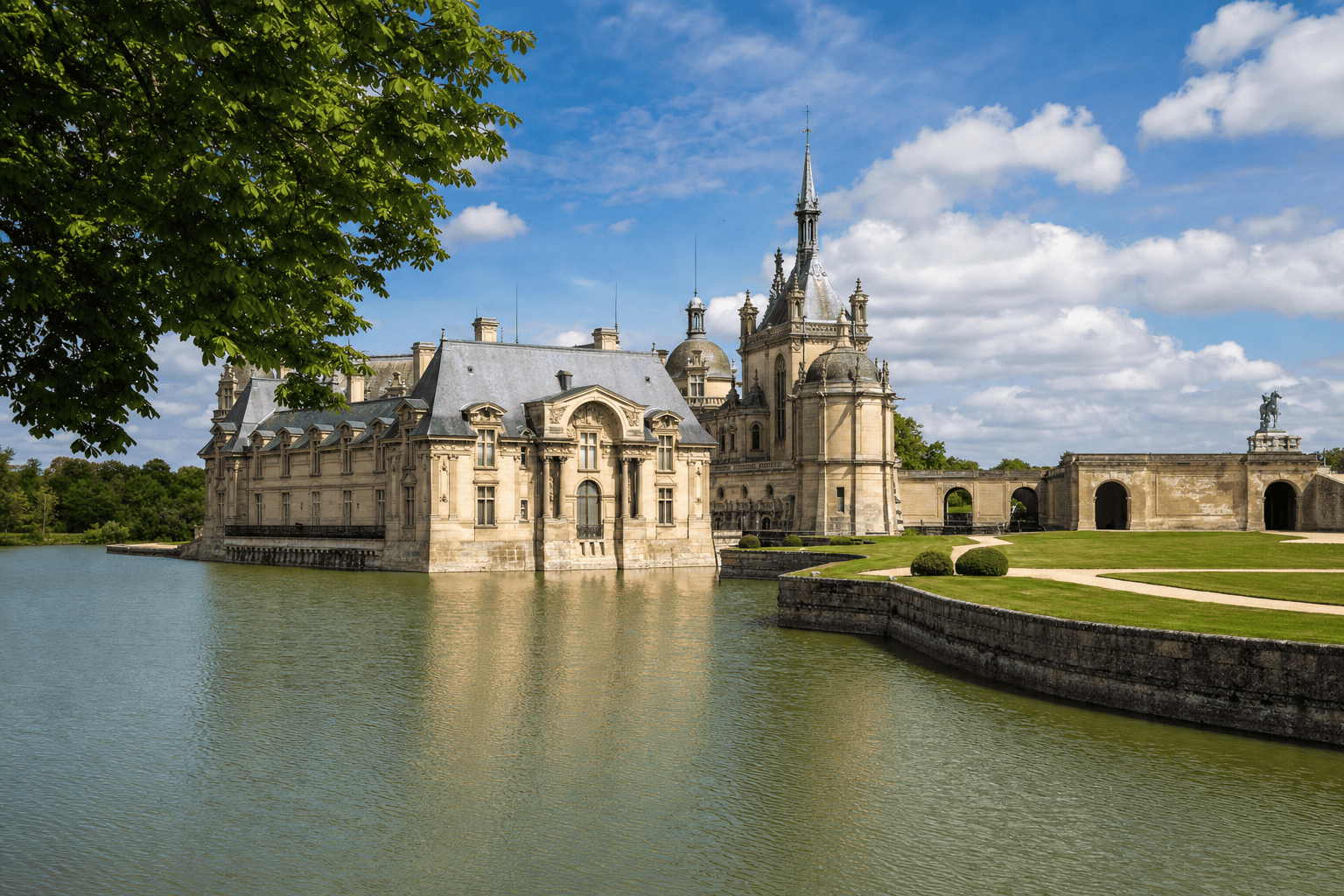
Château de Chantilly: Museum, Gardens and Stables
Chantilly
Less than an hour from Paris, Château de Chantilly is an exceptional heritage site in the heart of the Oise region. A visit brings together the château-museum, the Condé Museum collections, gardens designed by André Le Nôtre, the Great Stables and the Living Museum of the Horse. Inherited by the Princes of Condé and later the Duke of Aumale, the estate can be experienced as an aristocratic residence, an art museum and a vast historic landscape. If this is your first visit, allow plenty of time to see the royal apartments, painting galleries, park and stables without reducing Chantilly to a simple château day trip.
Practical information
The estate is extensive: check the schedule of equestrian shows and exhibitions before your visit, then plan your route around an arrival time. Dated tickets and access conditions may change.
Getting to Chantilly from Paris with a private chauffeur
For a comfortable excursion from a Paris hotel, Paris-Charles de Gaulle or Paris-Orly, BookingParisTransfer.com can arrange a private ride to Château de Chantilly, with a return to Paris or onward travel to your next destination. Transportation is separate from admission tickets and the estate’s programming, so remember to book your visit directly through the official website.
Pickup is available from Paris, Île-de-France, CDG or ORY; return to Paris or continue along an itinerary that began in Paris.
A château-museum shaped by the Princes of Condé
Château de Chantilly is more than a spectacular façade: it tells the story of centuries of power, collecting and aristocratic representation. The estate was closely associated with the Princes of Condé, a prestigious branch of the House of Bourbon, before becoming the property of Henri of Orléans, Duke of Aumale. He inherited the estate in the 19th century and transformed Chantilly into a museum residence intended to preserve his collections and family legacy. The present château combines the remains of the Grand Château, destroyed during the Revolution, with the Petit Château, built in the 16th century. In 1886, the Duke of Aumale ultimately bequeathed the estate to the Institut de France, subject to specific conditions intended to preserve the integrity of the collections. This history explains the site’s distinctive atmosphere: Chantilly is at once a princely residence, a historic monument and a museum conceived as a personal setting for its collections.
The Condé Museum and its painting galleries
The Condé Museum is at the cultural heart of the visit. The collections assembled by the Duke of Aumale include Old Master paintings, drawings, manuscripts, rare books and works of art. In the galleries, Italian, French and Flemish painting is presented alongside works attributed to major masters of the Renaissance and the classical era. The museum is especially compelling for visitors who want to see a historic collection preserved in the setting for which it was intended. The Library Cabinet also plays a major role in Chantilly’s identity, notably through its illuminated manuscripts and rare volumes. Among its most famous pieces is the manuscript of the Très Riches Heures of the Duke of Berry, a masterpiece of medieval illumination. The presentation of the works follows the heritage principles established by the Duke of Aumale’s bequest, setting Chantilly apart from a museum organized like a modern gallery.
The royal apartments and the art of living
Exploring the apartments helps visitors understand how the château functioned as a ceremonial residence. The grand apartments include spaces used for receptions, ceremonies and the princes’ official life. The décor, furnishings and artworks are not isolated elements: together, they form an ensemble in which architecture, daily use and collections interact. The Duke of Aumale’s private apartments offer a more personal view of the residence, with an atmosphere distinct from the formal rooms. This alternation between public and intimate spaces makes the visit easier to follow, especially if you take time to observe the circulation routes, portraits and arrangement of objects. Chantilly appeals equally to those interested in political history and visitors drawn to the decorative arts. To fully appreciate the rooms, avoid rushing through everything and set aside dedicated time for the interiors before heading to the gardens.
Gardens shaped by Le Nôtre, water and landscape
The park naturally extends the château visit. Its layout reflects several periods of landscape design and different tastes. The formal French garden is associated with André Le Nôtre, who created a landscape of grand vistas, basins and orderly axes. The Grand Canal gives the estate a distinctive sense of depth and offers instantly recognizable views of the château. Other areas, such as the Anglo-Chinese and English gardens, introduce more picturesque moods, with paths, follies and less geometric compositions. This variety allows the experience to change throughout the walk: one part of the park invites architectural observation, while another is better suited to a more relaxed stroll. Distances and weather genuinely matter, particularly for families or visitors combining the park, château and stables. Wear suitable shoes and check access conditions for the outdoor areas before setting out.
The Great Stables and Chantilly’s equestrian identity
The Great Stables are among the estate’s most impressive monuments. Built in the 18th century for Louis-Henri de Bourbon, the seventh Prince of Condé, they were designed as a true palace for horses. Their scale reflects the central role of breeding, hunting and equestrian display in aristocratic society. Today, they house the Living Museum of the Horse, dedicated to the relationship between humans and horses across different civilizations. The visit becomes even more engaging when the schedule includes a demonstration or performance by the château’s equestrian company. Chantilly is also associated with racing: its racecourse and training center contribute to the city’s identity, as do the major horse-racing events held in the region. This equestrian dimension strongly distinguishes the estate from other châteaux near Paris and makes it worth looking beyond the Condé Museum galleries.
Getting there from Paris: the train station and local connections
Chantilly is easy to visit from Paris without a car. From Paris-Gare du Nord, TER trains reach Chantilly-Gouvieux station in about 25 minutes, depending on the schedule; RER D also offers a connection, usually taking longer. The estate notes that the bus station is near the SNCF train station, with several options for continuing to the château: the DUC city bus, route 645, a tourist shuttle on some weekends and public holidays, a walk of about 20 minutes or a taxi. Check current schedules, as services and shuttles can vary by season. By car, routes from Paris include the A1, with signs for Chantilly; from Lille or Brussels, the regional approach also follows major roads in northern France. From Paris-Charles de Gaulle Airport, the estate is relatively close by car, which can work well for an arrival or departure that includes Chantilly.
Planning a day between the château, town and forest
A successful day in Chantilly depends on a well-balanced itinerary. Start with the château and Condé Museum, when you have the most energy for the paintings, books and apartments. Continue through the gardens, adapting the walk to the season and your energy level, then head to the Great Stables. If an equestrian show is scheduled, build your day around it and check booking requirements separately. The estate also offers dining spots and sweet treats on-site; Chantilly cream is naturally part of the experience, but the town also invites you to continue exploring its streets and the surrounding forest. Heritage enthusiasts can extend the outing with a visit to the Lace Museum or a walk toward central Chantilly. For families, the combination of horses, parkland and visitor spaces is particularly appealing. For photographers, the canal vistas and Great Stables offer very different views depending on the light.
Frequently Asked Questions
How do you get to Château de Chantilly from Paris?
What does a visit to Château de Chantilly include?
How much time should I allow to visit Chantilly?
Can you have lunch at the market?
Is Château de Chantilly accessible to people with reduced mobility?
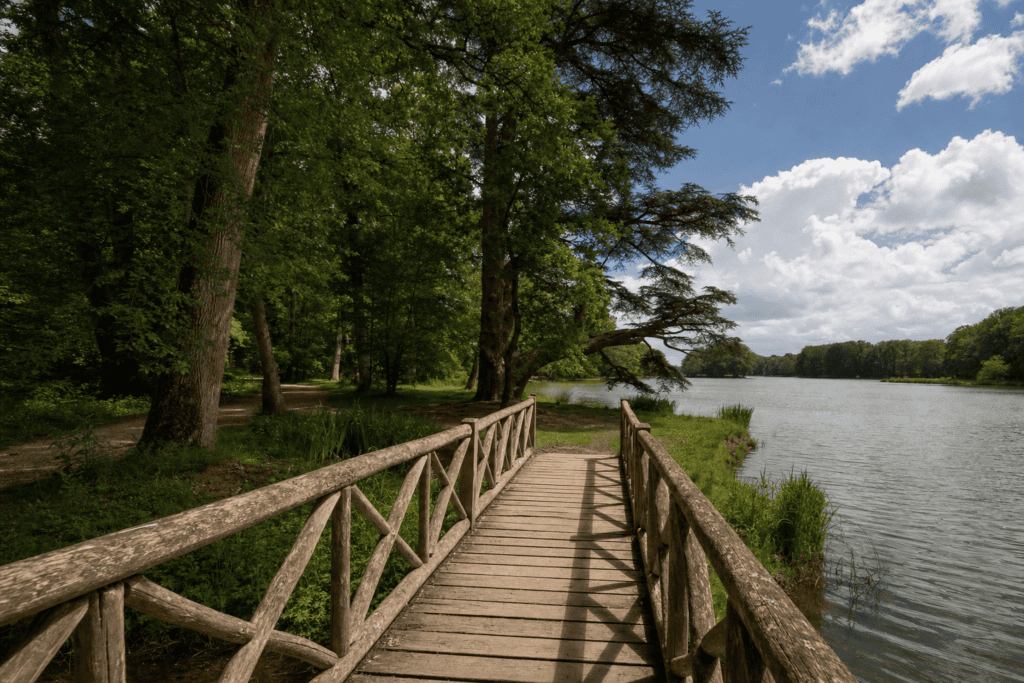 Chantilly Forest and Its Ponds A nature escape among grand forest avenues, the Commelles ponds, equestrian heritage, and the landscapes of Oise.
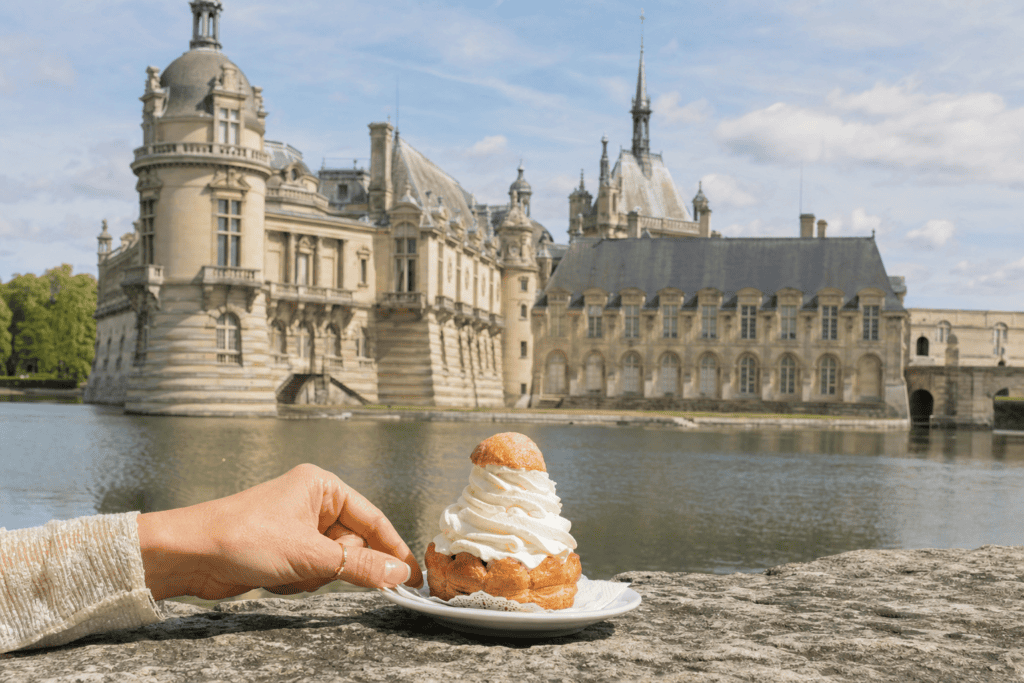 Chantilly Cream and Local Cuisine A food guide to tasting Chantilly cream, exploring the estate and planning an excursion from…
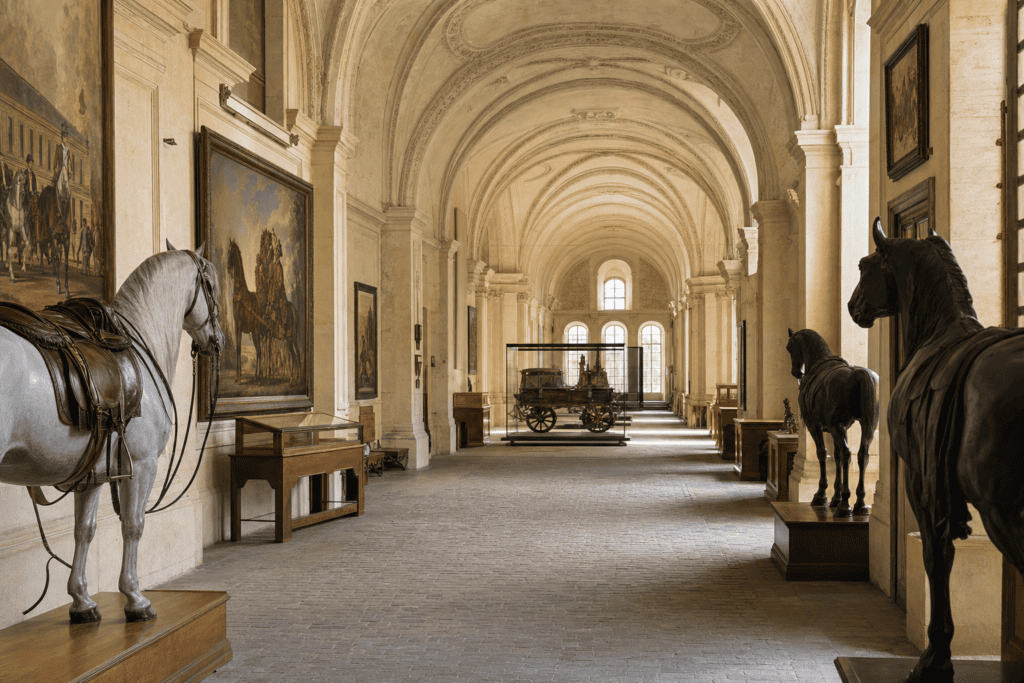 Horse Museum and Great Stables A museum dedicated to the history of the horse, housed in Chantilly’s monumental Great Stables, with…
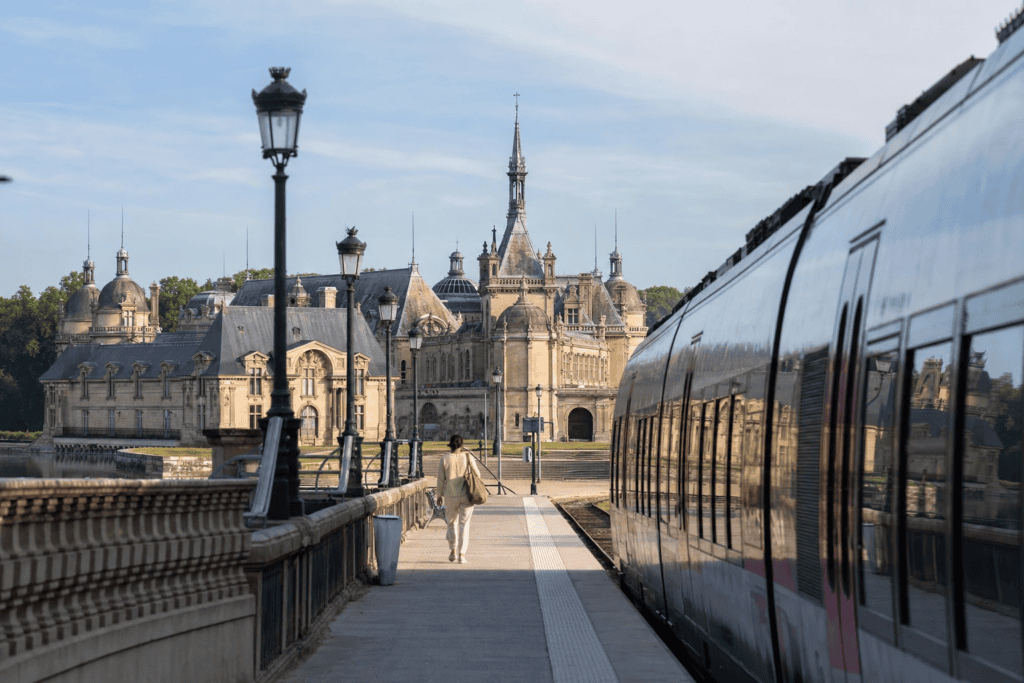 Getting to Chantilly from Paris by train Travel to Chantilly-Gouvieux from Paris-Gare du Nord, then reach the château on foot, by bus or taxi…
Online booking · Paris → Château de Chantilly, 60500 Chantilly, France
Choose your pickup date and time
Your departure and arrival details are already pre-filled. You can adjust them in the fare calculator before viewing the vehicles and fare.