



Heritage and the art of living in Oise · Hauts-de-France
Visiting Chantilly: Château, Horses and a Royal Forest
Less than an hour from Paris, Chantilly brings together an exceptional château, one of France’s most important collections of Old Master paintings, grand royal stables and an expansive forest. This Hauts-de-France destination is easy to reach from Paris, Gare du Nord or Paris-Charles de Gaulle Airport, making it ideal for a cultural excursion, an elegant getaway or an itinerary focused on the heritage of Oise.
Explore Chantilly
Chantilly’s must-see attractions
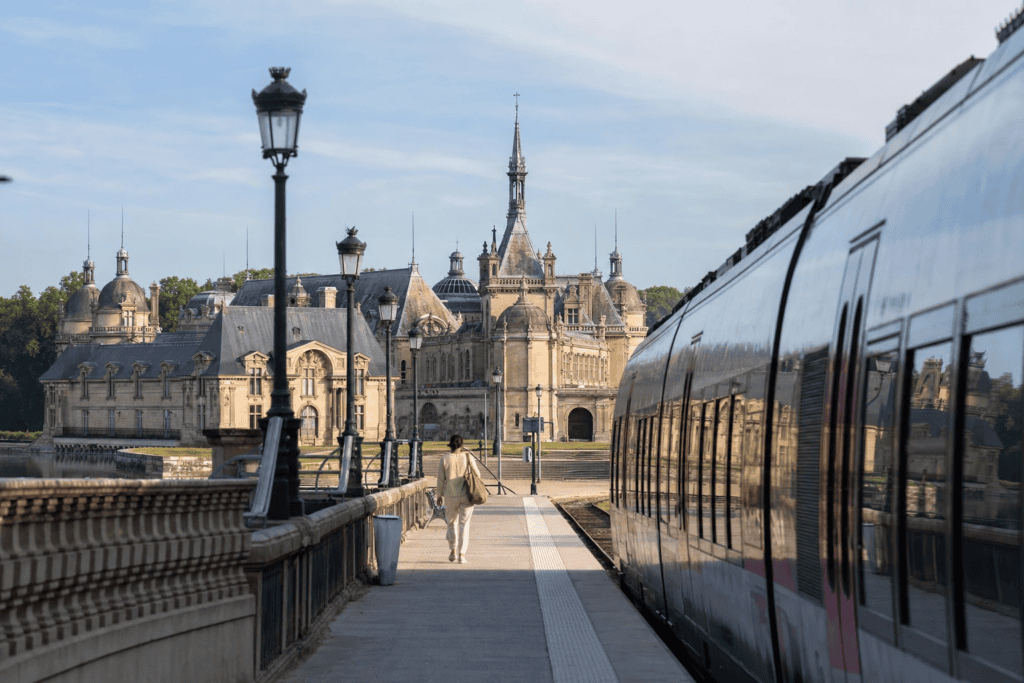 Must-see
Getting to Chantilly from Paris by train
Take the train from Paris-Gare du Nord to Chantilly-Gouvieux, then reach the château on foot, by bus or by taxi with our…
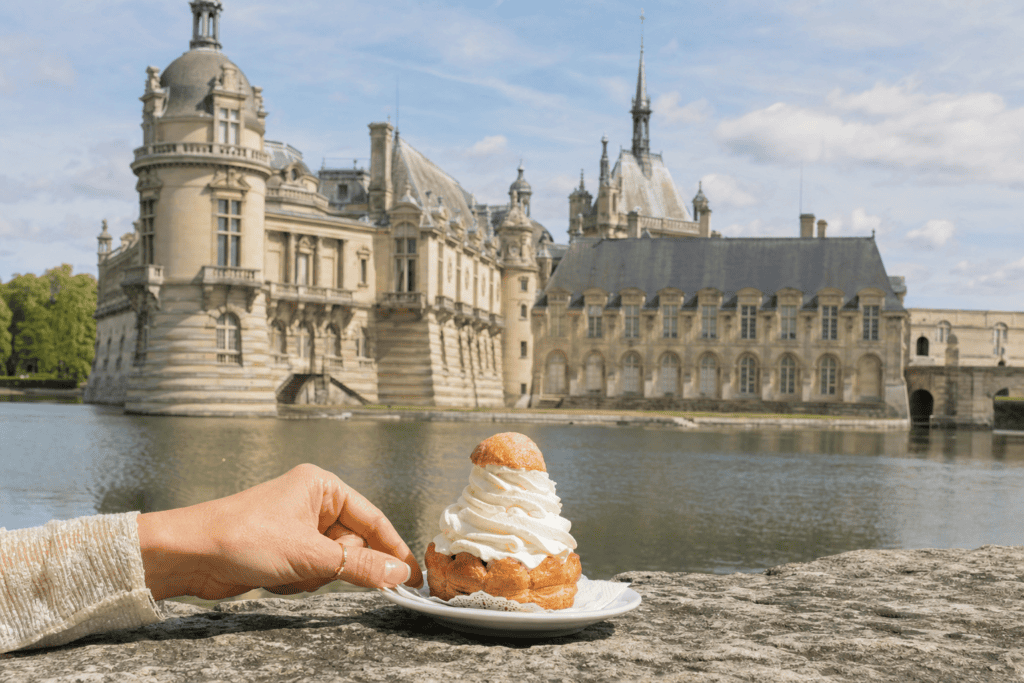 Gastronomy
Chantilly Cream and Local Cuisine
A food lover’s guide to tasting Chantilly cream, exploring the estate, and planning a day trip from Paris.
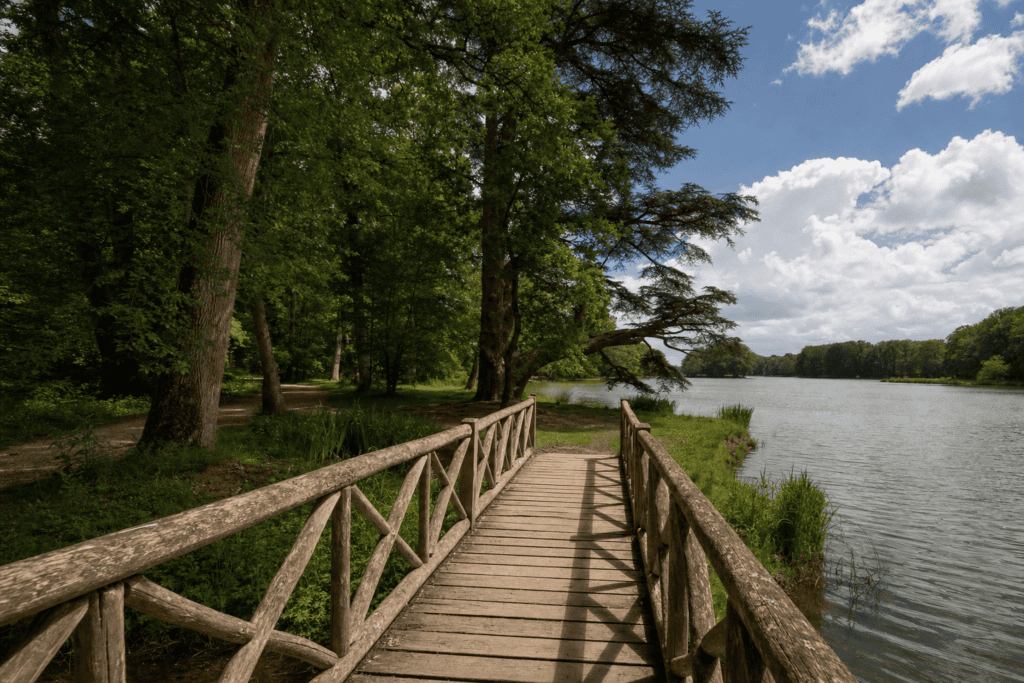 Nature
Chantilly Forest and Its Ponds
A nature escape among grand forest avenues, the Commelles ponds, equestrian heritage, and the landscapes of Oise.
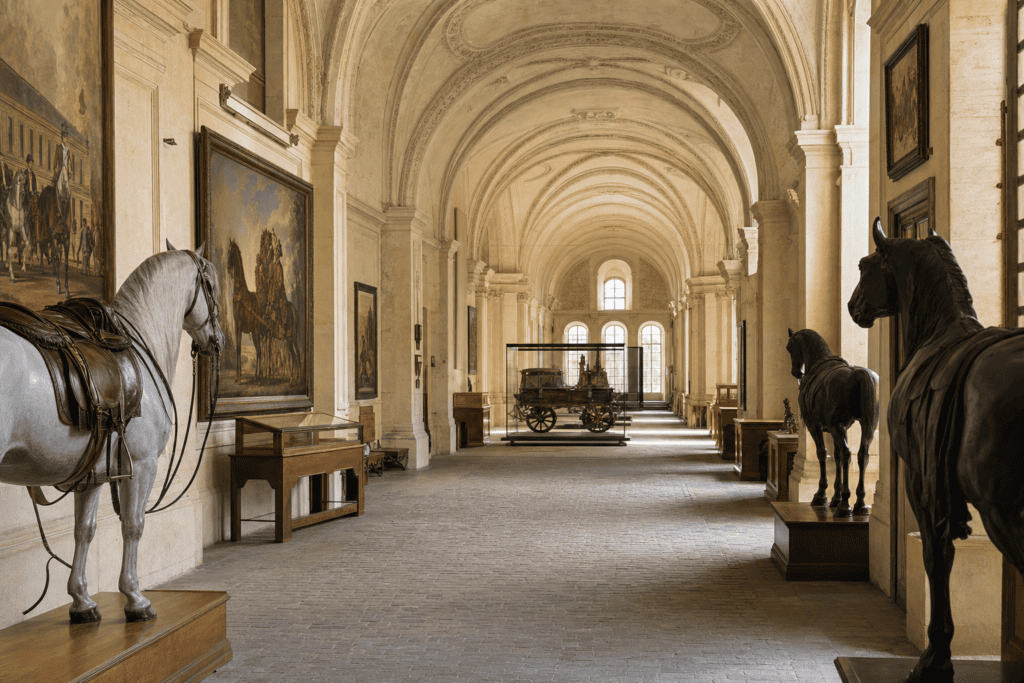 Must-see
Horse Museum and Great Stables
A museum dedicated to the history of horses, housed in Chantilly’s monumental Great Stables, with a program…
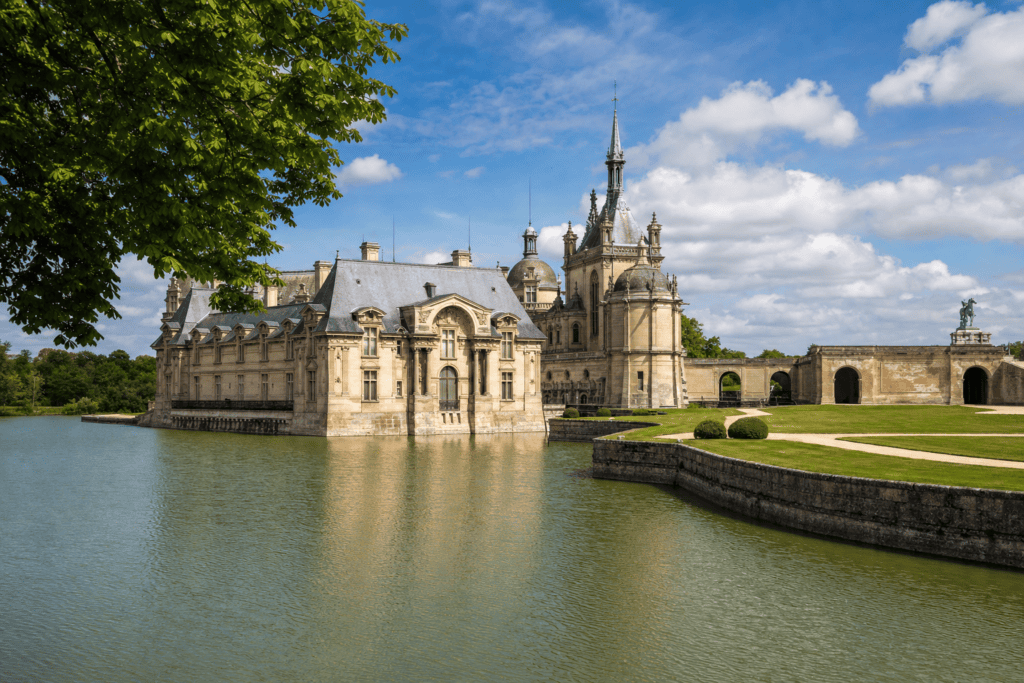 Must-see
Chantilly Castle
A unique princely estate near Paris, combining masterpieces from the Condé Museum, historic gardens, and equestrian culture.
Other destinations to discover

Boulogne-sur-Mer
A seaside city on the Opal Coast, with ramparts, a fishing port, Nausicaá, seafood cuisine and major…
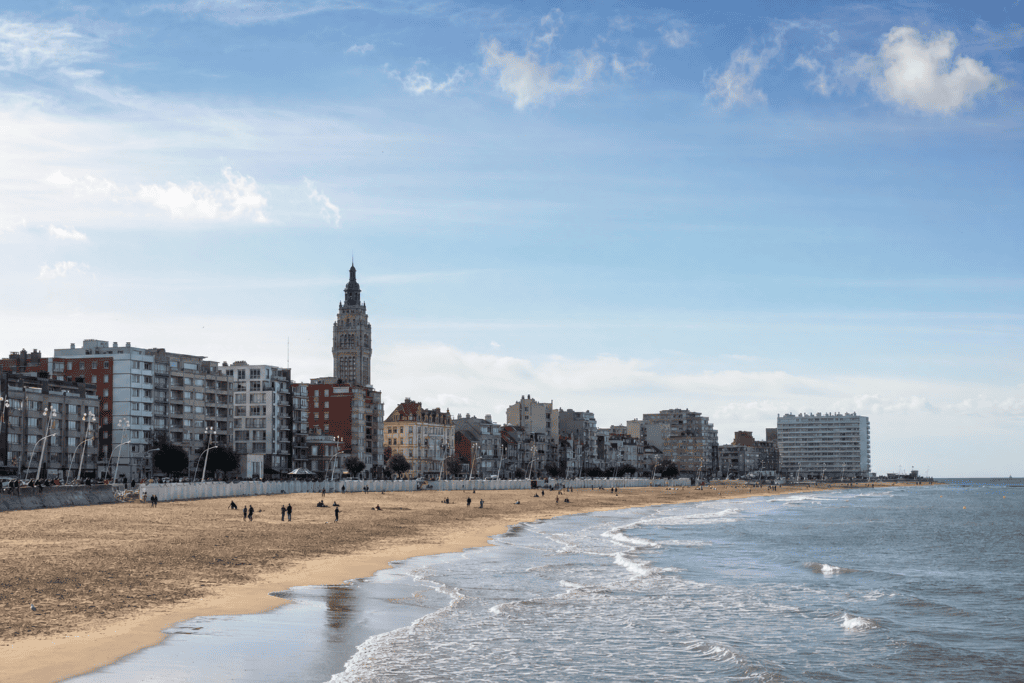
Dunkirk
A complete maritime destination with Malo-les-Bains beach, a port, carnival, museums and the history of Operation Dynamo.
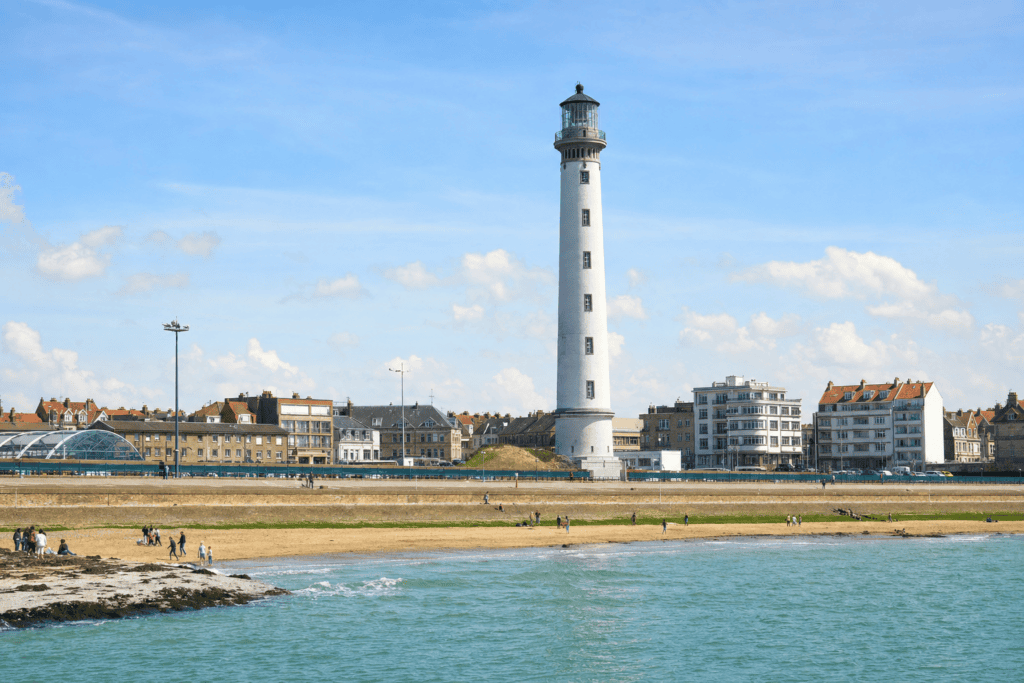
Calais
A maritime city with a beach, listed belfry, lace, Dragon, regional cuisine, and the landscapes of the Deux-Caps.
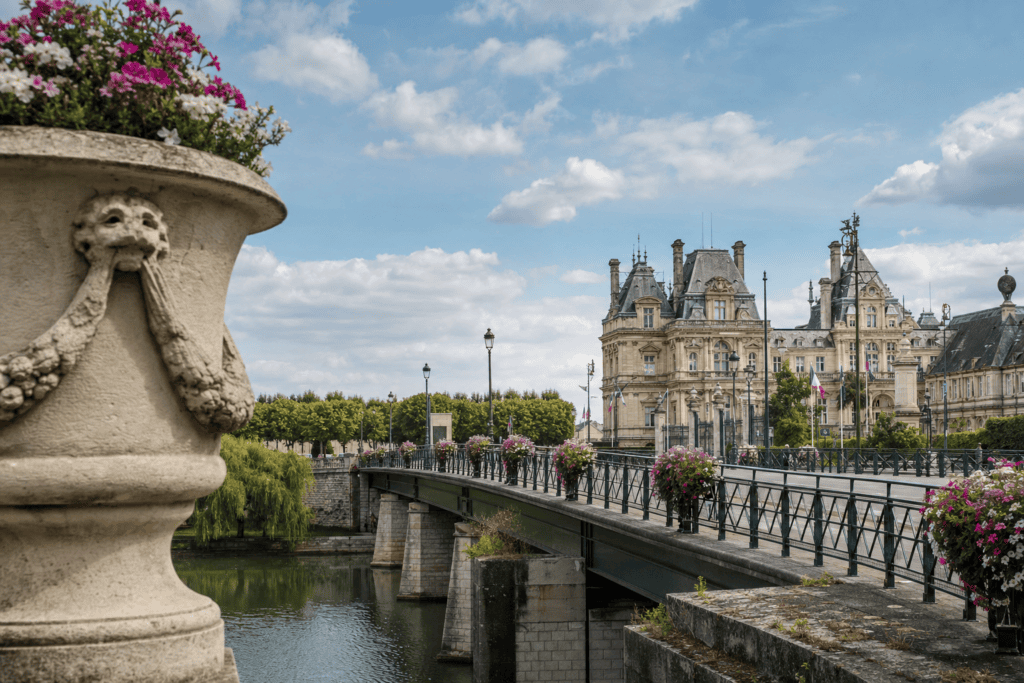
Compiègne
An imperial city with a château, historic forest, museums, gastronomy and memorial sites, ideal for a day…
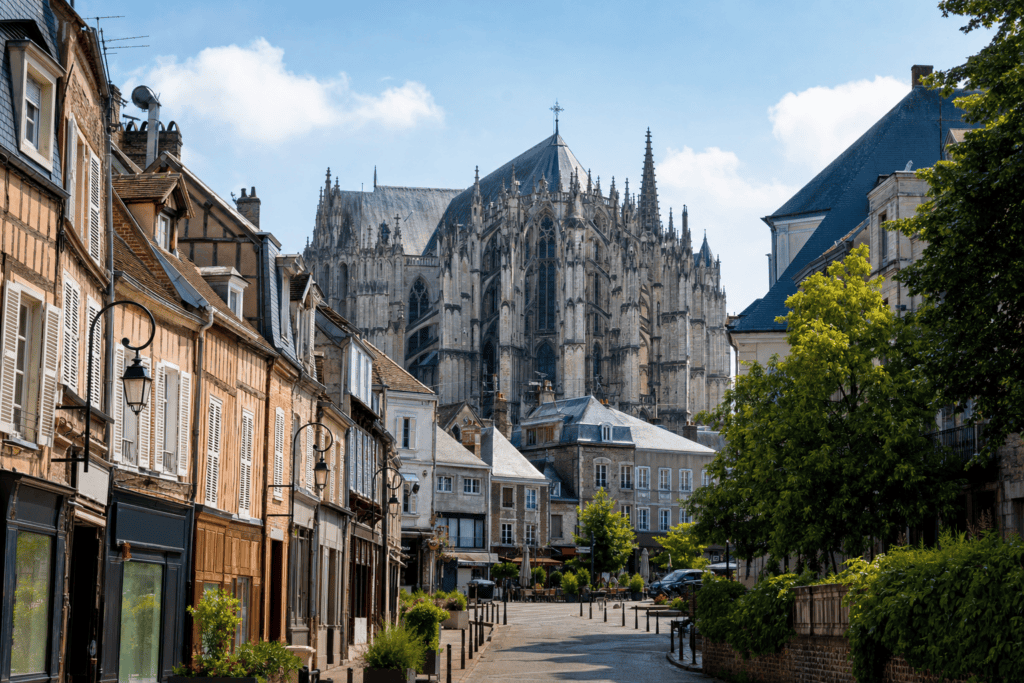
Beauvais
A heritage destination north of Paris, with an unfinished Gothic cathedral, astronomical clock, episcopal palace, tapestry and…
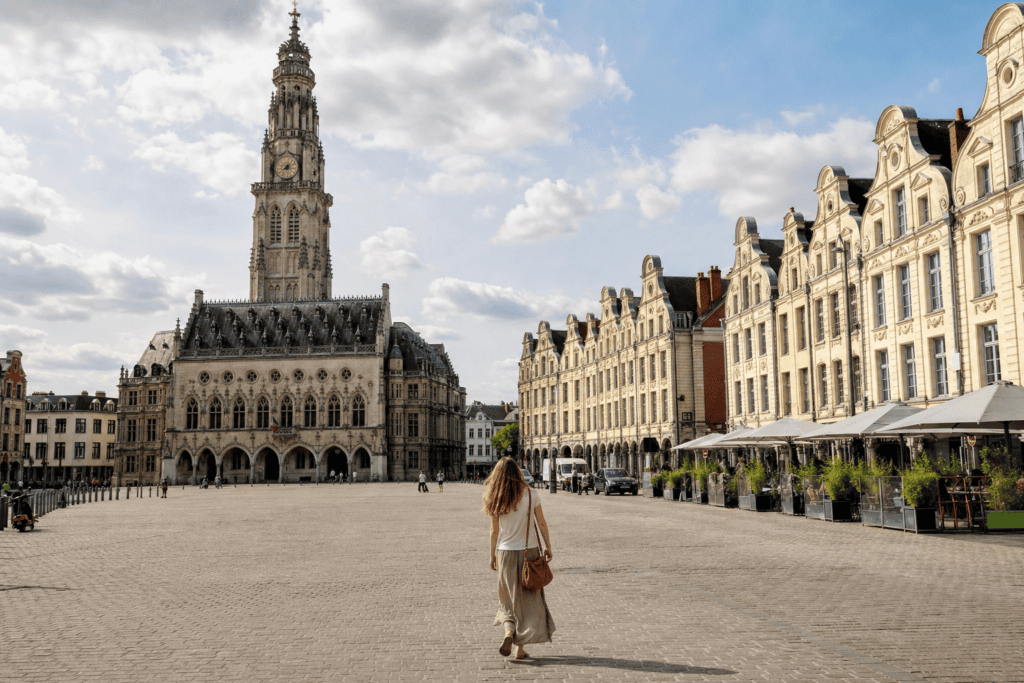
Arras
With Baroque squares, a belfry, underground passages, the Citadel and memorial sites, Arras offers a wealth of heritage in…
DESTINATION GUIDE
Chantilly Travel Guide
A heritage destination north of Paris
Chantilly is one of the easiest day trips from Paris for exploring a grand historic estate without venturing far from the capital. The town lies in Oise, in the heart of Hauts-de-France, between the Forest of Chantilly and the Nonette Valley. Its identity rests on a rare combination: a royal château, a leading museum, gardens designed by André Le Nôtre, the Great Stables and a strong equestrian tradition that remains very much alive.
The estate’s history spans several centuries. After the Orgemont and Montmorency families, Chantilly became the residence of the Princes of Condé. The Grand Condé maintained a dazzling court here in the 17th century and had the gardens laid out. In the 19th century, the Duke of Aumale rebuilt the Grand Château, assembled his collections and ultimately bequeathed the estate to the Institut de France. This succession explains the diversity of the buildings and works of art visible today.
The Château and Musée Condé
A visit usually begins with the château, comprising the Renaissance Petit Château and the Grand Château rebuilt in the 19th century. The royal apartments retain a distinctive atmosphere, with their décor, furnishings and mementos associated with the Duke of Aumale. The Musée Condé is the artistic heart of the estate. It features Old Master paintings by Italian, Flemish and French artists, as well as a cabinet of rare books.
The library deserves special attention: the Duke of Aumale was a major collector and wanted his collections to remain together in Chantilly. Visitors can admire manuscripts and rare works there, including the celebrated Très Riches Heures of the Duke of Berry, depending on current display conditions. To fully appreciate the museum, it is better to allow plenty of time rather than reduce the visit to a quick photograph of the façades.
- Allow half a day to combine the château, museum, gardens and Great Stables.
- Check visitor information before departure for areas requiring reservations or subject to capacity limits.
- Arrive early on weekends and during major events.
The Gardens, Park and Canals
The Chantilly estate is more than a formal garden. It combines a French formal garden attributed to André Le Nôtre, an Anglo-Chinese garden and more natural areas around the ponds and canals. This layout lets visitors alternate between architectural discoveries and walks. The garden axis, vistas and reflecting pools offer particularly photogenic views of the château.
The hamlet, located in the Anglo-Chinese section, reflects the 18th-century taste for garden follies and picturesque landscapes. Depending on the season and access conditions, a walk can extend a château visit with a quieter exploration of the estate. Comfortable shoes are recommended: the distances are considerable, and some paths are less even than the areas immediately surrounding the buildings.
The Great Stables and Equestrian Culture
The Great Stables are one of Chantilly’s most distinctive monuments. Built in the 18th century for the seventh Prince of Condé, they were designed as a true palace for horses. Their monumental architecture reflects the importance of hunting, breeding and equestrian display in the lives of the princes.
The Horse Museum traces the relationship between humans and horses across civilizations. Exhibits devoted to equipment, practices and equestrian traditions usefully complement a visit to the château. The estate’s equestrian company also presents shows and activities, depending on the schedule. It is best to check the official program before planning your day around a performance.
Chantilly is also associated with its racecourse and horse racing. Race days can affect the town’s atmosphere, traffic and parking availability. They are a travel highlight in their own right for enthusiasts, but require different planning from a simple cultural visit.
The Forest of Chantilly and Surrounding Areas
The Forest of Chantilly naturally extends the heritage experience. Once a royal forest, it offers walking routes through landscapes dominated by oak, beech and lime trees. The woodland scenery, ponds and riding roads recall the longstanding connection between the estate, par force hunting and equestrian activities.
For a fuller day, Chantilly can be combined with Senlis, another historic town in Oise located a short drive away. Senlis offers an interesting contrast with its old streets, cathedral and medieval remains. From Chantilly, travelers can also explore the Nonette Valley or nearby forest villages, allowing for travel time between stops.
Getting There from Paris, Train Stations and Airports
Chantilly-Gouvieux station is the main arrival point for visitors coming from Paris. Direct trains connect Paris-Gare du Nord with Chantilly-Gouvieux in around 25 minutes, depending on the service and train type. The station is approximately a 20-minute walk from the château. Local buses, a tourist shuttle on certain days and taxi services also provide access to the estate.
By car, the route from Paris generally follows the A3 and A1 motorways, then the exit signposted for Chantilly. From Lille or Brussels, the A1 motorway and directions toward Senlis are a common route. The estate has parking nearby, but on busy days, race days and during major events, arrival may take longer.
Paris-Charles de Gaulle Airport is the most convenient airport for a stay combining Chantilly and Paris. The château indicates that it is approximately a 20-minute drive from the airport, depending on traffic. Paris-Orly is farther away but may be suitable depending on the flight route and travel plans.
When to Visit and How to Plan Your Trip
Spring and fall are especially pleasant for enjoying the gardens and forest. Pleasant weather brings more visitors, while equestrian events, exhibitions and horticultural events can change weekend visitor numbers. In winter, the château interiors and collections remain compelling, although some outdoor activities may be less comfortable.
For a first visit, an efficient itinerary is to explore the château and museum in the morning, have lunch in Chantilly or the surrounding area, then spend the afternoon at the Great Stables and gardens. Travelers who want to walk more can set aside time for the park and forest. Opening hours, reservations and program details should be checked on the official websites before departure, as they may change with the seasons and events.
Getting to Chantilly from Paris or an Airport
Booking Paris Transfer organise des trajets privés au départ de Paris, de l’Île-de-France ou des aéroports Paris-Charles-de-Gaulle et Paris-Orly vers Chantilly. Une prise en charge peut aussi être prévue pour un retour vers Paris ou dans le cadre d’un itinéraire multi-ville commencé à Paris. Le service concerne le transport, et non la vente de billets d’entrée au domaine.