



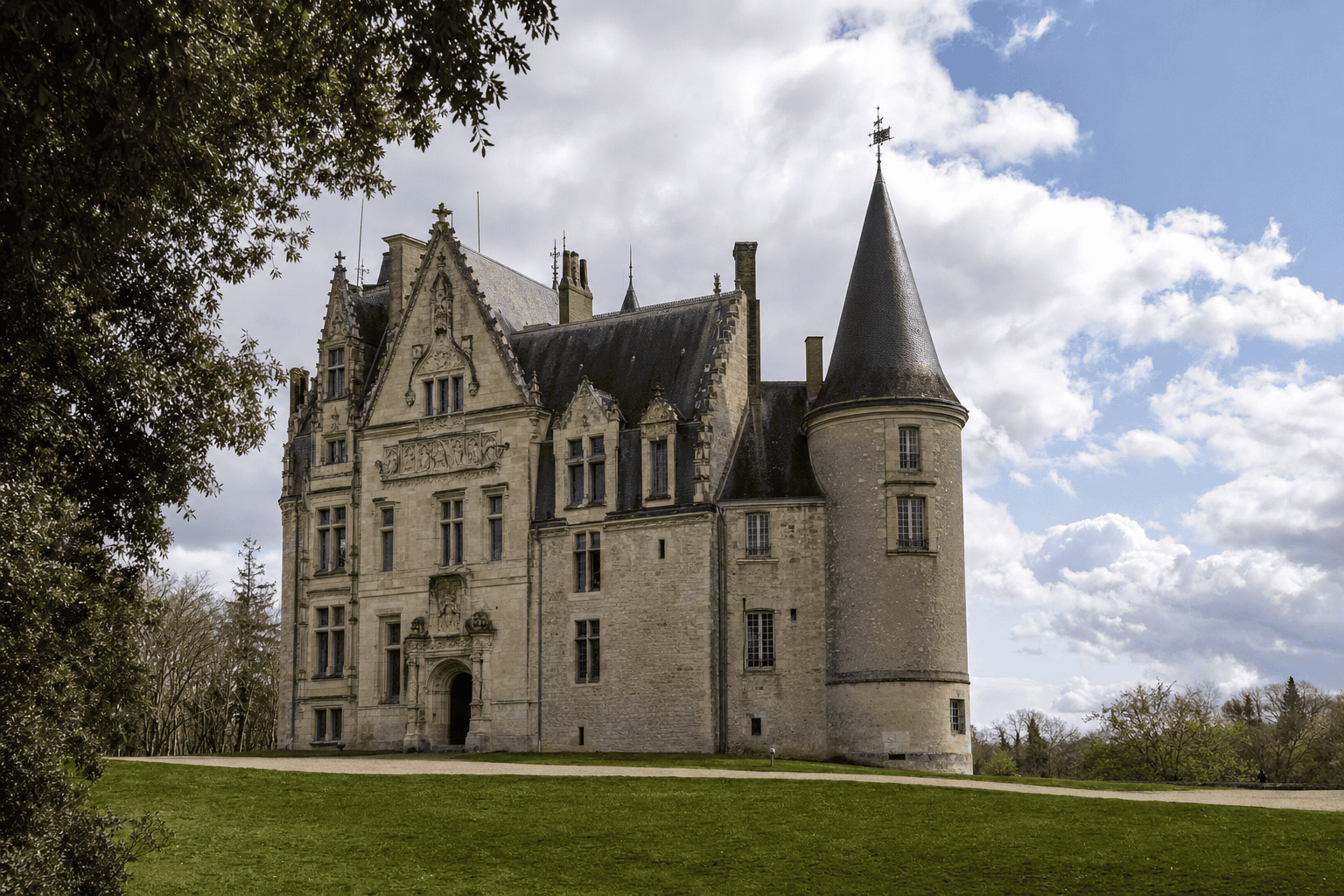
Château Raoul in Châteauroux: Visitor Guide
Châteauroux
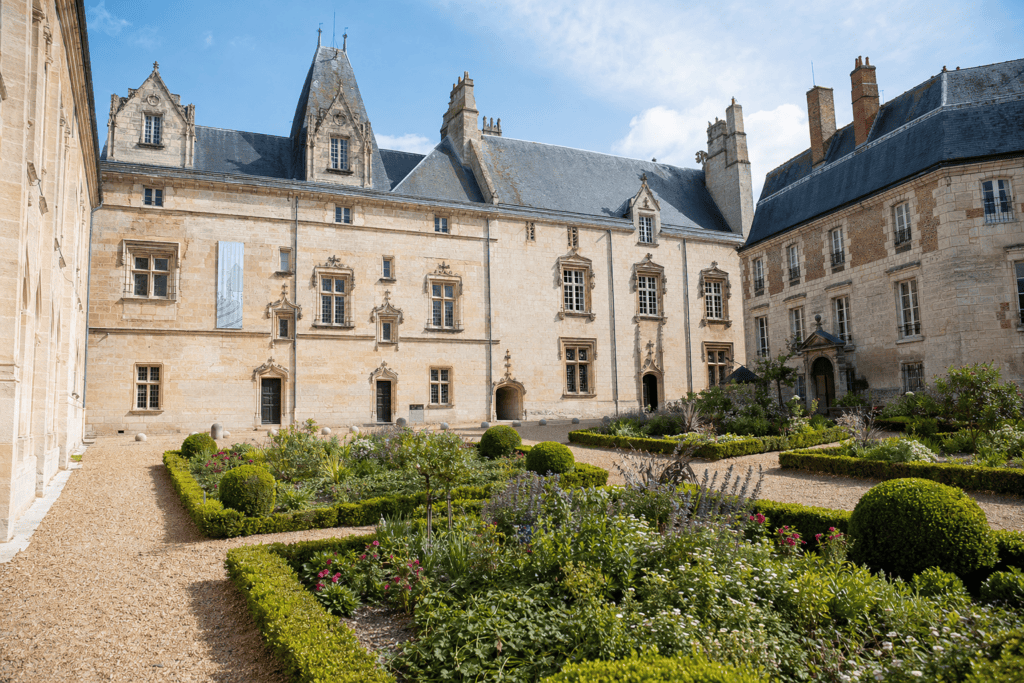
Overlooking the Indre from Châteauroux’s historic center, Château Raoul is the city’s iconic monument and is associated with the origin of its name. This former seigneurial residence is primarily viewed from public spaces and during guided tours, events, or special openings announced by official organizations. Even when the interior is not accessible, the château is an excellent starting point for exploring the old streets, the banks of the Indre, and the Saint-Gildas meadow. Since opening hours, booking arrangements, and accessible areas may change, check the official schedule before your visit.
Practical information
Before setting out, check the date, time, meeting point, any booking requirements, and accessibility information on the official page for your chosen event. Do not cross barriers or assume that private areas are open.
Getting to Châteauroux from Paris
Booking Paris Transfer can arrange a private ride from Paris, the Île-de-France region, CDG, or ORY to Châteauroux, with a return to Paris or continuation of an itinerary that began in the Paris region. Château visits must still be booked through the official organizations.
Private transportation from Paris, the Île-de-France region, CDG, or ORY. Return to Paris or continuation of an itinerary that began in Paris. Tickets, visits, and guiding not included.
A monument linked to the origins of Châteauroux
Château Raoul helps explain the origin of the name Châteauroux. Set on a promontory above the Indre, it occupies a position combining high ground, the river, and control of travel routes. Its name is generally linked to Castrum Radulphi, a medieval expression meaning “Raoul’s castle.” This name refers to Raoul de Déols, an important lord of Berry.
Exploring the site is best understood within the broader history of Déols, once a political and religious center of the area. The château is therefore not an isolated monument: it forms part of an urban landscape shaped by the river, the old neighborhoods, and former routes of travel. From several streets in the center, its massing looks different depending on the distance and direction. This exterior view is an especially suitable introduction when no interior opening is scheduled on the day of your visit.
A medieval history, later remodeled
The site’s origins date back to the Middle Ages, but the building visible today should not be described as a fortress that has remained intact since that period. Like many seigneurial residences, it evolved with changing uses, owners, and political transformations in Berry. Its commanding position nevertheless explains the strategic importance of the promontory at different points in regional history.
Its current appearance owes much in particular to the 19thth century remodeling associated with departmental architect Alfred Dauvergne. The façades and certain details visible from outside give it a Neo-Gothic appearance layered onto its medieval origins. This combination of periods is central to the site’s appeal: Château Raoul is at once a former fortified site, a transformed residence, and a heritage monument. For dates and construction campaigns, consult resources from the Indre Department or explanations provided during an official tour.
Understanding occasional tours
Château Raoul is not a museum open freely every day. When a time slot is offered, a guided tour or event may present spaces that are usually closed and place the monument within the history of Châteauroux. The content depends on the organizer, season, and event. It is therefore best to consult the official listing for your chosen date rather than assume that the tour is the same year-round.
Information about accessible rooms, décor, or objects on display should be checked for each opening. This guide does not confirm the regular presence of any particular tapestry, décor, or set interior route. Also ask whether booking is required, whether stairs are involved, and what options are available for people with reduced mobility. Photography rules and accessible areas may vary by event.
Viewing the château from the Indre
A walk through the historic center often offers a better appreciation of Château Raoul than simply stopping in front of its façade. From the streets near Place de la Victoire and Place des Alliés, take time to observe its position above the Indre. The views change as you walk: some reveal more of the terrain, while others connect the château with the old houses and open spaces of the valley.
As you go down toward the river, the Saint-Gildas meadow provides another setting for viewing the promontory. The riverside can be interesting for photography, especially when the light softens toward the end of the day. Paths, stairs, and surfaces may vary depending on the route. Wear suitable shoes, stay on authorized paths, and do not try to enter closed areas. This exterior loop is possible even when no interior tour is scheduled.
What to see around Château Raoul
The monument fits easily into a day devoted to Châteauroux’s heritage. In the center, the old streets, Saint-Martial Church, and Notre-Dame Church complement the architectural discovery. The Bertrand Museum can provide cultural insight into the city and its collections, subject to its opening conditions. Check each site’s hours separately so you do not build your itinerary around outdated information.
Parc Balsan is a pleasant place to take a break and explore the industrial and residential history of Châteauroux. If your schedule allows, also visit Déols, a neighboring town, to see the remains of the former Notre-Dame Abbey. Together, these sites create a well-balanced outing combining history, architecture, and urban landscapes. Arrange the order of your stops according to the weather, your walking plans, and the confirmed opening times of sites with set hours.
Planning your visit to Châteauroux
The best approach is to check the Châteauroux tourist office schedule and information from the Indre Department. Since Château Raoul is a departmental property and is not continuously open, access arrangements depend on guided tours, events, and special openings. European Heritage Days may provide a special opportunity, but the program and rules change from one edition to the next.
If you book a tour, note the meeting point specified by the organizer and arrive at the requested time. Check the arrangements for children, strollers, and people with reduced mobility. If no interior access is announced, simply plan an exterior route around the center, the Saint-Gildas meadow, and the banks of the Indre. If arriving by car, find out about parking in the center, then continue on foot. Any applicable fees should be checked on the page for the relevant event.
A possible stop from Paris
Châteauroux can be a cultural stop on an itinerary between Paris and the southern part of the Centre-Val de Loire region. Depending on your plans, you can travel by train or road. Once there, Château Raoul naturally combines with the historic center, the banks of the Indre, and the Saint-Gildas meadow. A fuller day may include Parc Balsan, the Bertrand Museum, or Déols, provided you check each site’s opening hours.
Booking Paris Transfer can arrange private transportation from Paris, a Paris hotel, Charles de Gaulle Airport, or Orly Airport, with a return to Paris or continuation to another stop on an itinerary that began in the Île-de-France region. The service covers transportation only: it does not include tickets, tour reservations, or a local guide. First confirm that the monument is open with the official organizations, then request a ride suited to your itinerary.
Frequently Asked Questions
Is Château Raoul open year-round?
Does the address indicate a visitable entrance?
Are the interior decorations always visible?
Is the tour suitable for people with reduced mobility?
What can you see without an interior tour?
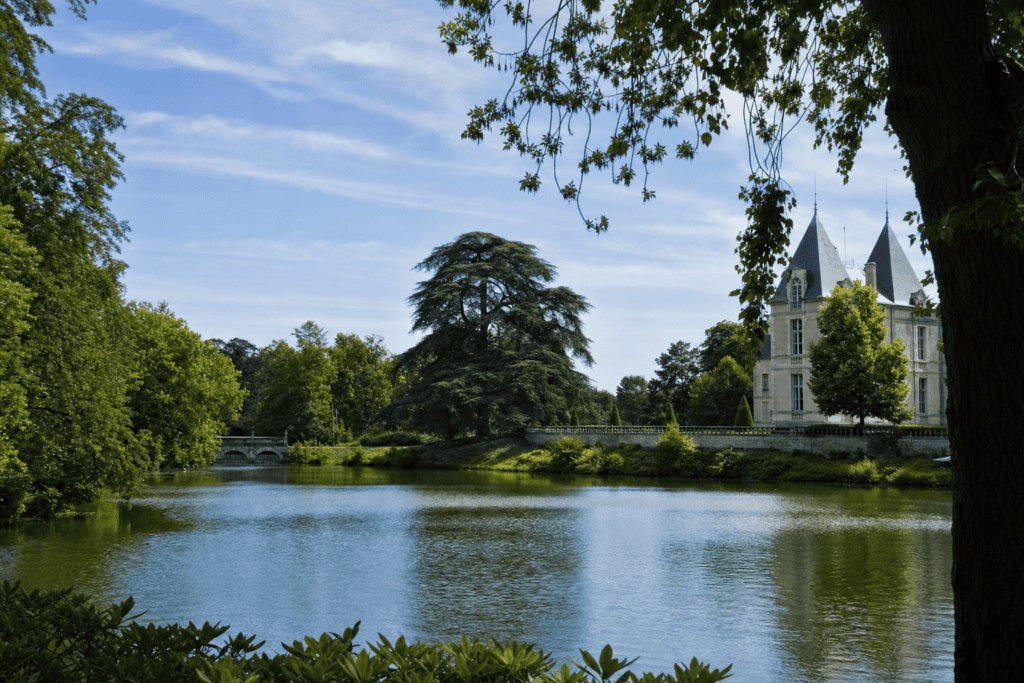 Belle-Isle Park A tree-filled park surrounding a lake, ideal for walking, relaxing, and enjoying family activities…
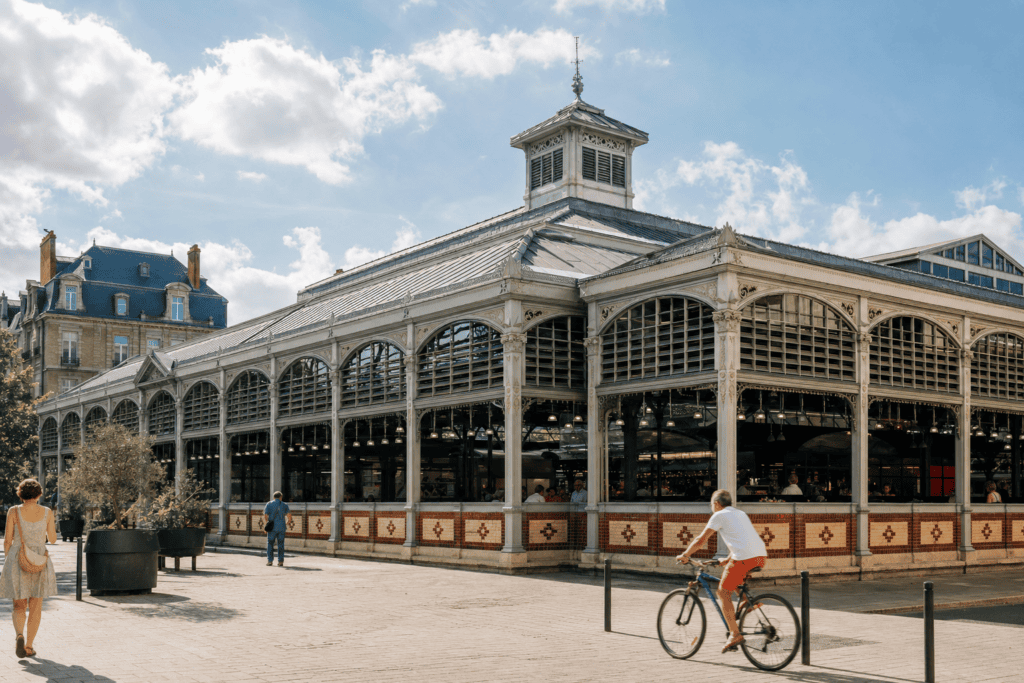 Les Halles de Châteauroux An indoor market in central Châteauroux where you can discover fresh produce, the flavors of Berry…
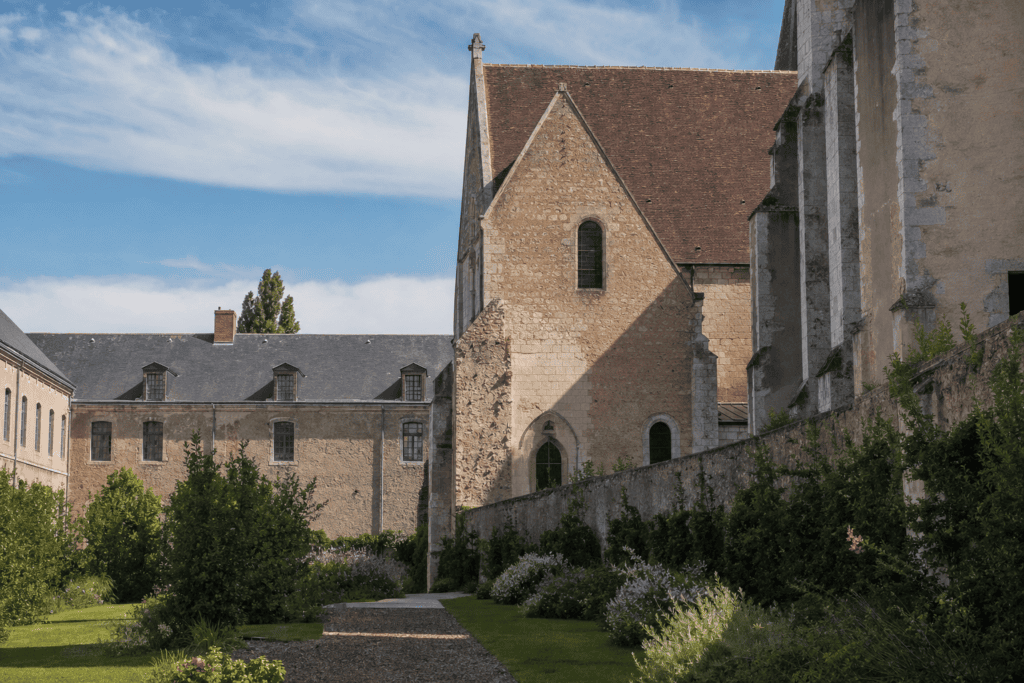 Cordeliers Convent A former Franciscan convent converted into a cultural venue, combining architecture, exhibitions, and terraced gardens in…
 Musée Bertrand An 18th-century mansion, Napoleonic memorabilia, works of art, and a garden…
Online booking · Paris → Château Raoul, Châteauroux historic center, 36000 Châteauroux, France. This indication is provided as a geographic reference and does not guarantee access to a visitable entrance.
Choose your pickup date and time
Your departure and arrival details are already pre-filled. You can adjust them in the fare calculator before viewing the vehicles and fare.