



Musée Bertrand: An Imperial Residence in Châteauroux
Châteauroux
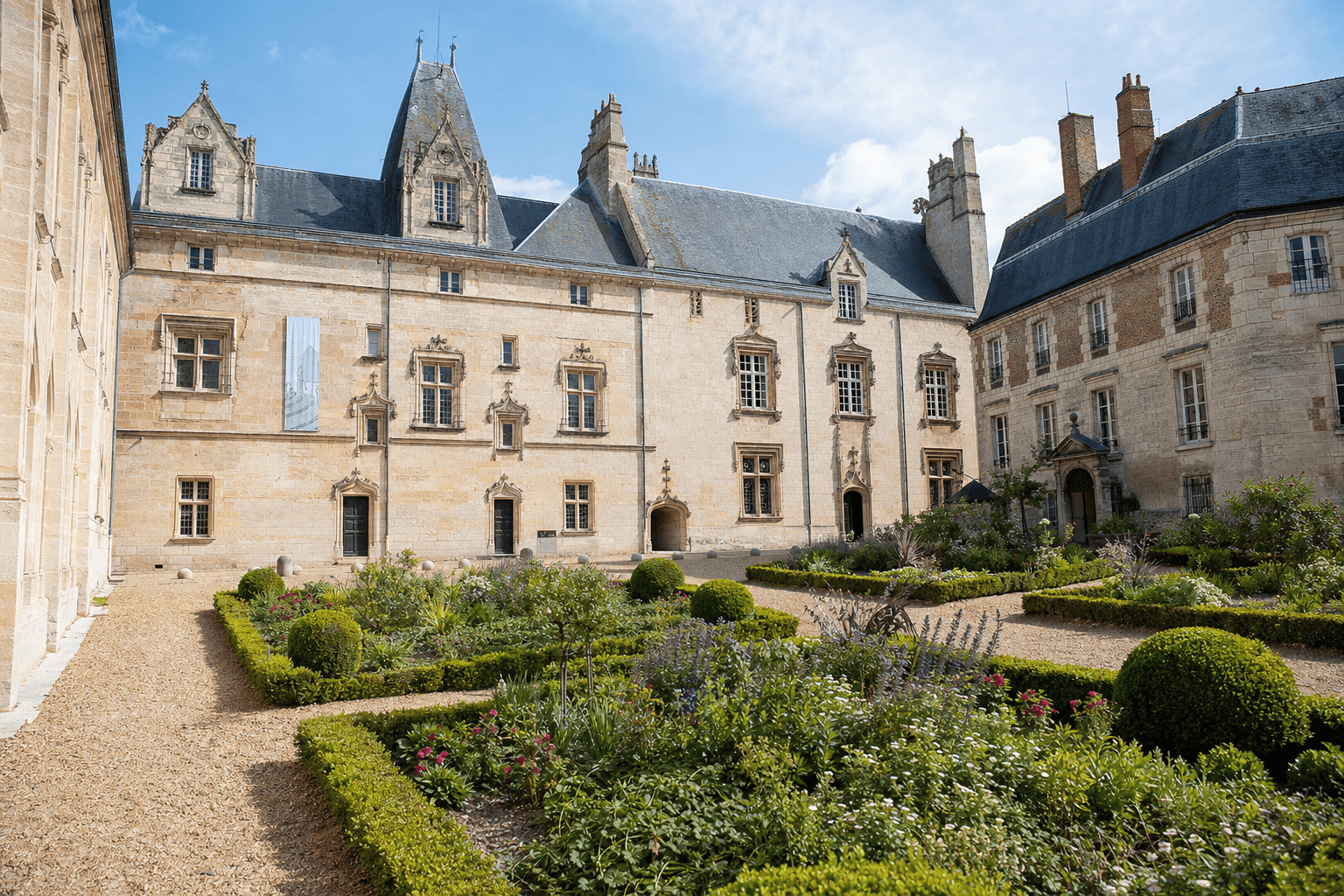
In the heart of Châteauroux’s historic center, Musée Bertrand occupies an elegant mansion built in the 1770s and associated with the family of General Henri-Gatien Bertrand, a companion of Napoleon I. The visit combines imperial history, archaeology, fine arts, decorative arts, and local heritage in a residential setting that gives the collections a particularly intimate atmosphere. Before or after exploring the galleries, take time to see the courtyard, the general’s statue, and the garden open to visitors.
Practical information
Don’t limit your visit to the Napoleonic collections: the archaeology galleries, old master paintings, decorative arts, and regional works offer a wonderfully varied experience.
Traveling to Châteauroux from Paris with a private driver
For a cultural day trip or a multi-day itinerary, Booking Paris Transfer can arrange private transportation from Paris, a Paris hotel, CDG, or ORY to Châteauroux, with a return to Paris according to your itinerary. The service covers transportation only: admission to Musée Bertrand and any guided tours must be arranged directly with the venue.
Private transportation from Paris, a Paris hotel, CDG, or ORY, with the option of returning to Paris. Admission ticket not included.
A historic residence in the heart of Châteauroux
Musée Bertrand is housed in a classical-style mansion built beginning in the 1770s. The residence was designed by Martin Bouchet, the king’s engineer and grandfather of General Henri-Gatien Bertrand. Its architecture, arranged around a courtyard and extending into a garden, is already an essential part of the visit. Here, the works are not displayed in a neutral building: they occupy an old house shaped by successive residential, military, and heritage uses.
The Bertrand family is closely connected to the history of Châteauroux. Henri-Gatien Bertrand became the owner of the mansion in 1834 and died there in 1844. The city later acquired the residence in 1901. After a period associated with the military authorities and use as a military hospital between 1917 and 1919, the building began housing the municipal museum’s collections in 1921, around the centenary of Napoleon I’s death. The entire property is protected as a historic monument.
Understanding the figure of General Bertrand
The museum is named for Henri-Gatien Bertrand, who was born in Châteauroux in 1773 and became one of Napoleon’s close companions. Trained as an engineer, then an officer and grand marshal of the palace, he accompanied the Emperor through several major stages of the Napoleonic epic. His loyalty continued during exile: Bertrand followed Napoleon to Saint Helena with his wife, Fanny, and their family.
This biographical dimension gives the imperial collections a distinctive coherence. Visitors encounter more than a succession of military objects or official portraits: they also discover mementos connected with everyday life, personal relationships, and the memory of exile. The general’s statue in the courtyard recalls the connection between the man, his hometown, and the family residence. To fully appreciate the displays, it helps to place each object within this story of loyalty, power, and memory rather than viewing the museum as simply a Napoleonic collection.
Napoleonic memorabilia not to miss
The Napoleonic collection is one of Musée Bertrand’s major attractions. It brings together objects associated with Napoleon I, Joséphine, General Bertrand, and the imperial world. Depending on the displays, the exhibition may touch on military campaigns, ceremony, personal customs, and exile on Saint Helena. Items identified by heritage institutions include a campaign case, weapons and mementos belonging to General Bertrand, the Emperor’s death mask, and a Chinese aviary brought back from Saint Helena.
The strength of this section lies in its range of perspectives. A precious object may evoke the official representation of power, while a more personal accessory suggests someone’s habits or the conditions of life in exile. Take time to read the labels and compare the objects: the collections tell as much about the making of the imperial legend as they do about the material reality of those who lived through it. Admirers of Napoleonic history will find it an interesting complement to the major national museums.
Fine arts, decorative arts, and regional works
The museum is more than its imperial identity. Its collections also cover fine arts and decorative arts, with old master paintings, sculptures, furniture, ceramics, and objects reflecting very different artistic tastes. The collections notably include Flemish and Dutch paintings, as well as works ranging from the Renaissance to modern and contemporary art.
This diversity invites visitors to explore without following an overly rigid route. Painting enthusiasts can look for contrasts between the old schools and regional artists; decorative arts enthusiasts can examine the materials, techniques, and uses of the objects; and visitors drawn to sculpture can pause before works associated with Camille Claudel or artists from Berry. The displays also show how a municipal museum builds its identity: it preserves national history while connecting it to a region, its artists, and the memory of its residents. This interplay of family intimacy, art, and local heritage is what makes the visit so engaging.
Archaeology and the heritage of the Berry region
Another part of the visit is devoted to regional archaeology. The collections notably cover the Gallic and Gallo-Roman periods, with fragments, sculptures, and stone artifacts that shed light on the long history of human settlement in Berry. The museum also presents medieval artifacts, including pieces connected with Déols Abbey, a major site near Châteauroux.
This section is valuable for understanding the city beyond its Napoleonic heritage. Archaeological objects do not only recount famous events: they speak of religious practices, trade, craftsmanship, beliefs, and the organization of communities. For families, it is often a good way to begin the visit through shapes, materials, and tangible traces. For local history enthusiasts, the collections offer a starting point before continuing to Déols’s heritage, Châteauroux’s old center, or the landscapes of the Indre. In this way, the museum serves as a gateway to a history far longer than that of the First Empire.
The courtyard and garden: extending your visit
The outdoor setting deserves special attention. In the courtyard, the statue of General Bertrand creates a direct link between the historical figure and the residence. It is an interesting visual landmark to see before entering the galleries or after the visit, when everything you have learned may give its presence added meaning. The mansion’s layout, volumes, and sightlines also recall the building’s original purpose: it was a family home before becoming a cultural venue.
The museum garden offers a quieter break in the historic center. Designed as a formal French garden, it provides views over parts of the neighborhood, including Château Raoul, the Cordeliers Convent, and the Ebbes Valley. Access follows the museum’s opening conditions and may end before the galleries close, so check the current information on the official source. To round out your visit, spend a few minutes in this space instead of leaving immediately after the last display cases.
Practical tips for planning your visit
Musée Bertrand is located at 2 rue Descente des Cordeliers, in central Châteauroux. Information published by Châteauroux Tourism and Châteauroux Métropole indicates that the museum is closed weekly on Mondays, with opening hours varying by time of year. Hours may change, as may arrangements on public holidays or during temporary events, so be sure to consult the official page before setting out. Guided tours may be available on request for groups, subject to advance arrangements.
Allow about 1½ hours, or longer if you enjoy reading the labels or exploring at an unhurried pace. The museum works well as a family cultural stop, an introduction to Napoleonic heritage, or part of a walk through old Châteauroux. To enrich your day, combine it with Château Raoul, the historic streets downtown, and a visit to Déols. If you are coming from Paris, a private itinerary can make the journey to Châteauroux easier while leaving flexibility for your return, but transportation does not include museum admission or a guided visit.
Frequently Asked Questions
Where is Musée Bertrand located?
What can you see at Musée Bertrand?
Is the museum garden open to visitors?
How much time should I allow?
Are the opening hours the same year-round?
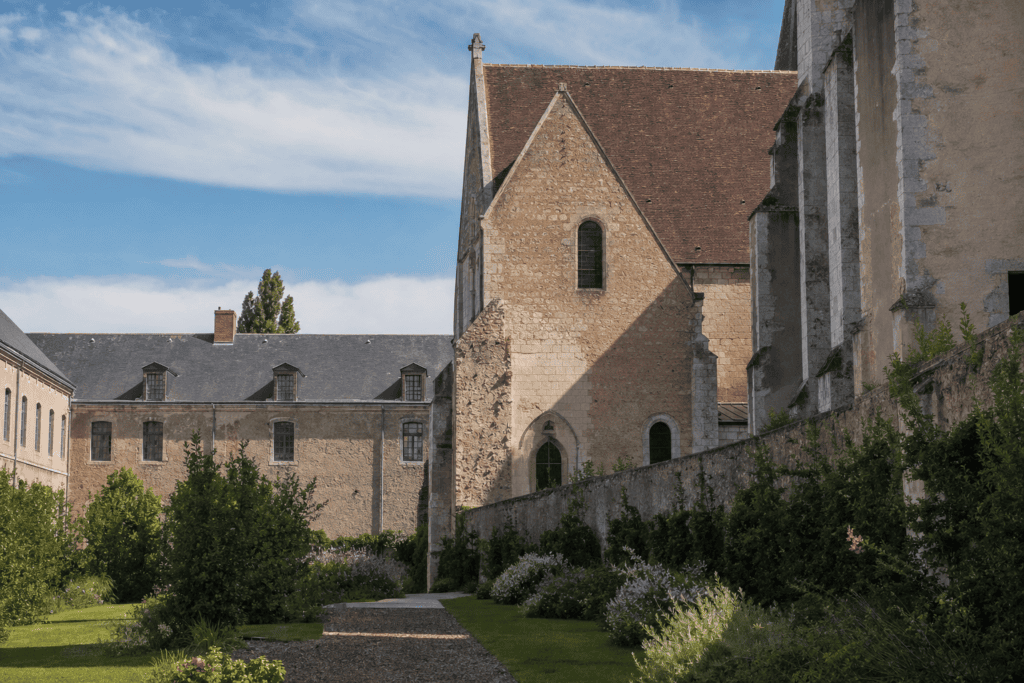 Cordeliers Convent A former Franciscan convent converted into a cultural venue, combining architecture, exhibitions, and terraced gardens in…
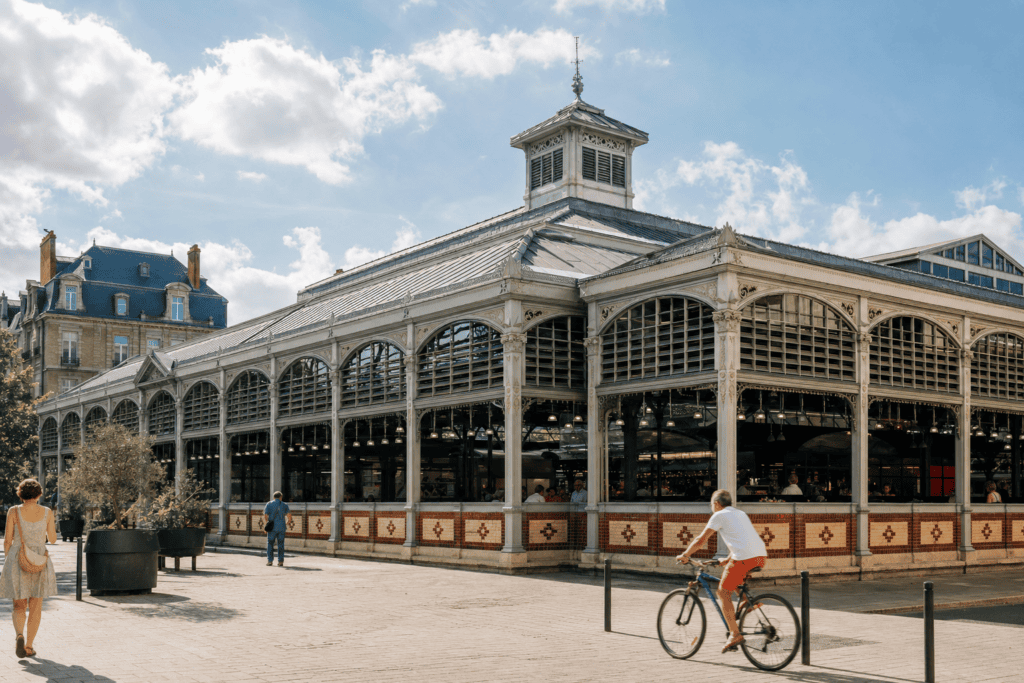 Les Halles de Châteauroux An indoor market in central Châteauroux where you can discover fresh produce, the flavors of Berry…
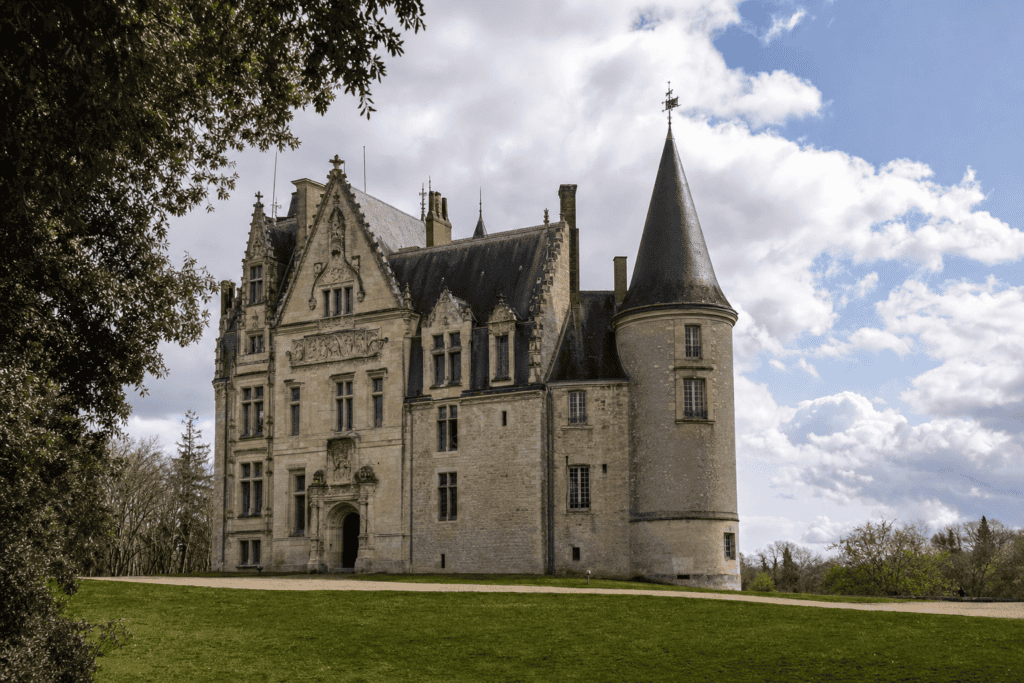 Château Raoul Château Raoul is Châteauroux’s historic landmark, best discovered from the old town and while walking…
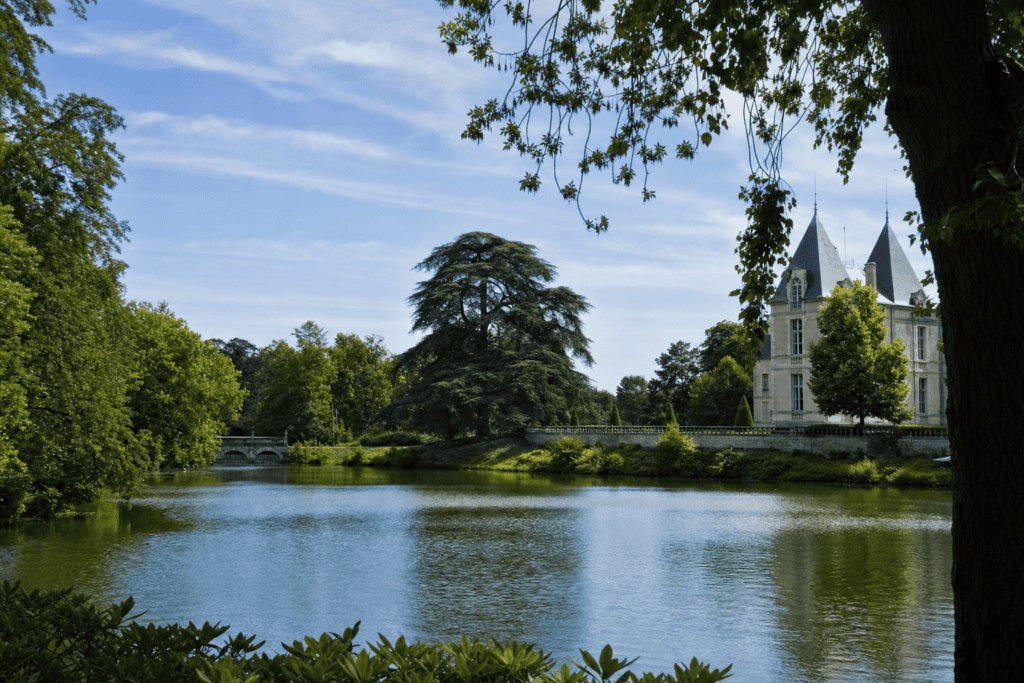 Belle-Isle Park A tree-filled park surrounding a lake, ideal for walking, relaxing, and enjoying family activities…
Online booking · Paris → 2 rue Descente des Cordeliers, 36000 Châteauroux, France
Choose your pickup date and time
Your departure and arrival details are already pre-filled. You can adjust them in the fare calculator before viewing the vehicles and fare.