



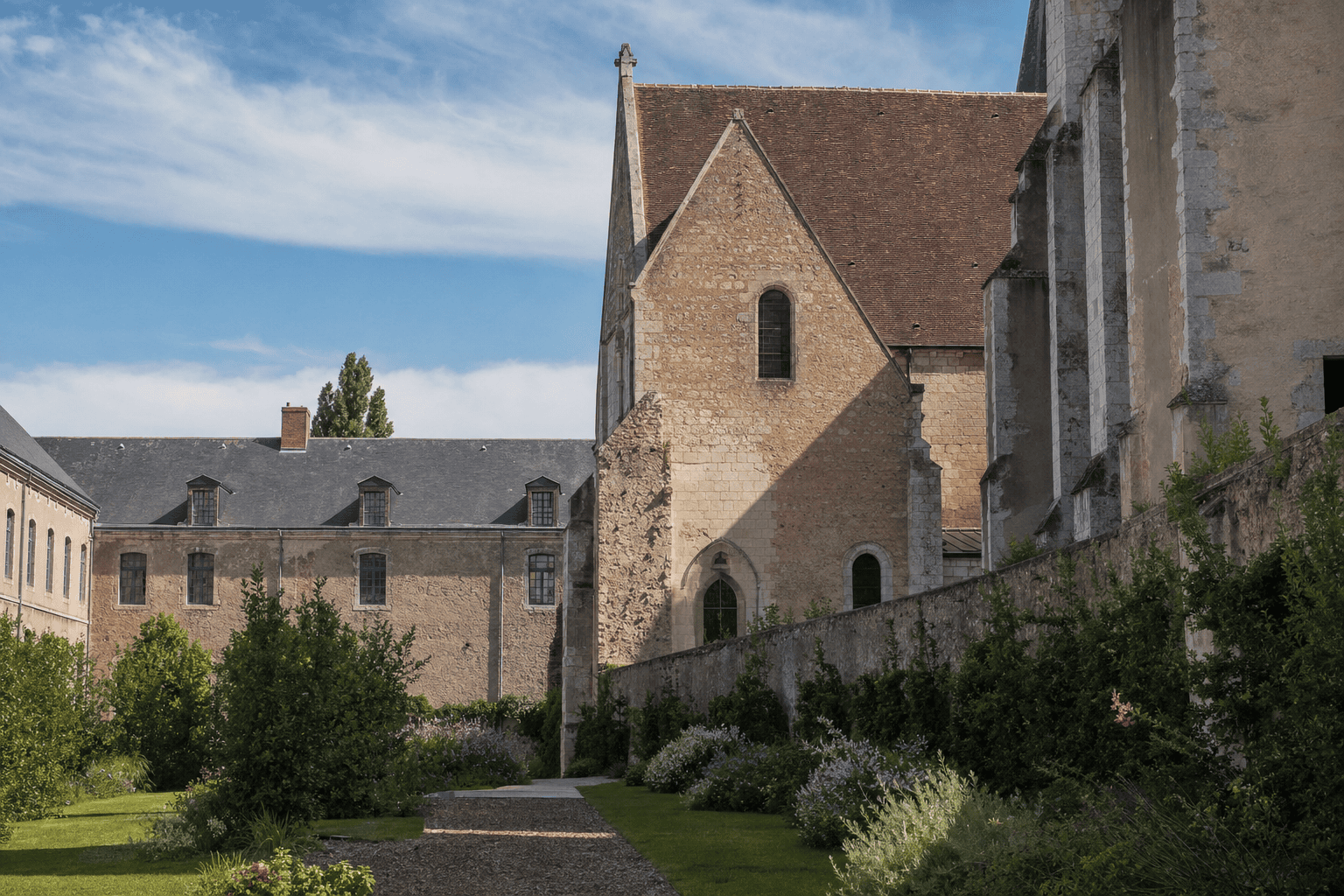
Couvent des Cordeliers in Châteauroux: Visit and Gardens
Châteauroux
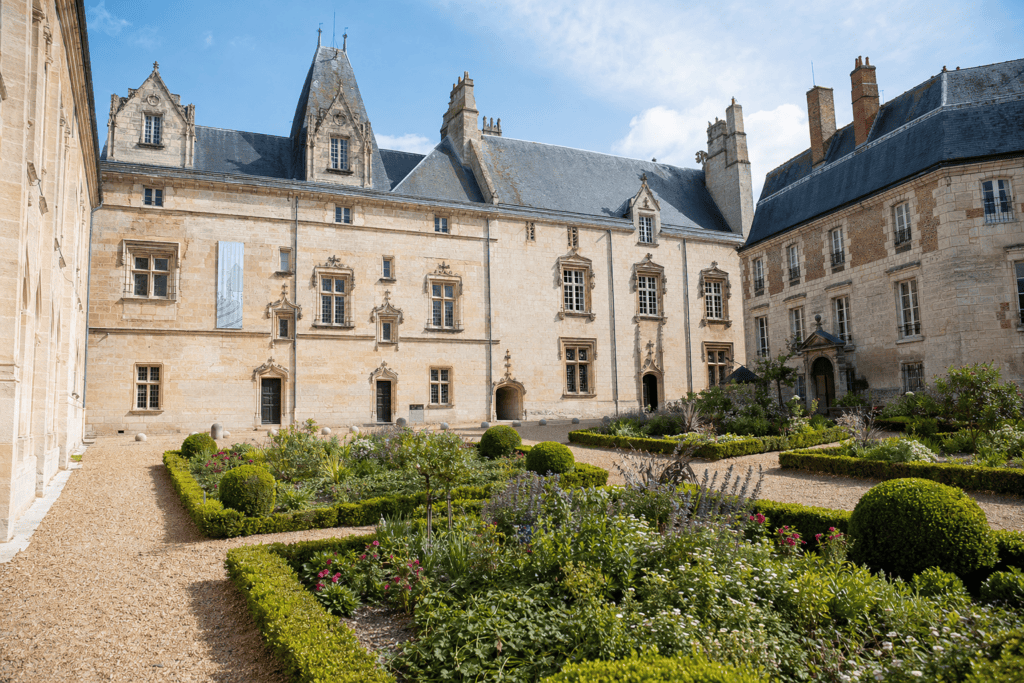
The Couvent des Cordeliers in Châteauroux is a former Franciscan institution that has become a cultural venue open to the city. Located on Rue Alain-Fournier, this heritage site combines altered religious buildings, exhibitions depending on the program, and terraced gardens laid out on the hillside. A visit offers insight into how a convent site evolved from religious use to cultural reuse, while also providing an enjoyable route through central Châteauroux. However, be sure to check official sources for opening hours, accessible areas, and any reservation requirements before your visit.
Practical information
Combine the convent with the old town, Château Raoul, the Bertrand Museum, and a walk along the Indre to create a cultural day in Châteauroux.
Getting to Châteauroux from Paris
Booking Paris Transfer peut organiser un trajet privé depuis Paris, l’Île-de-France, l’aéroport Charles-de-Gaulle ou Orly vers Châteauroux, avec retour à Paris selon l’itinéraire retenu. Ce service concerne uniquement le transport : aucun billet d’entrée ni prestation de billetterie n’est inclus pour le Couvent des Cordeliers.
Departure from Paris, the Île-de-France region, CDG, or ORY; return to Paris available depending on the selected itinerary.
The Convent’s Franciscan History
The Couvent des Cordeliers takes its name from the Franciscan friars, known as cordeliers in France in reference to the cord worn with their habit. The institution recalls the presence of a religious community in Châteauroux’s historic landscape. Its significance therefore lies not only in a facade or preserved room, but in the relationship between a former conventual community and the city’s urban history.
The site has undergone several periods of occupation and transformation. Like many historic complexes, it cannot be understood as a building constructed in a single phase: its volumes, openings, and circulation routes bear witness to successive changes in use. The end of its religious function paved the way for a new cultural use without erasing the memory of the site.
To understand each phase precisely, refer to the signs, guided tours, and information published by the site managers. This approach helps distinguish elements inherited from the convent from more recent alterations and makes it possible to appreciate the heritage redevelopment carried out in Châteauroux.
Understanding the Architecture and Preserved Spaces
An architectural visit begins by observing the proportions, materials, and connections between the various spaces. The old walls, openings, and changes in level offer clues about the site’s former functions. A conventual building was organized around religious, domestic, and communal needs; later uses, however, altered part of this arrangement.
Take time to look at the transitions between the interior spaces and the gardens. They show how the convent fits into the slope and the fabric of central Châteauroux. The views from the terraces also make it clear that the site is not an isolated monument: it maintains a direct relationship with the city and its terrain.
When scheduled, a guided visit generally provides a more detailed understanding of the transformations. On a self-guided visit, the information materials are a good starting point. Photographers will find interesting compositions in the staircases, walls, openings, and contrasts between stone, vegetation, and light, while following the site’s guidelines.
Exhibitions and Cultural Programming
The Couvent des Cordeliers is now a cultural venue, and its program regularly renews the experience of the monument. Depending on the period, visitors may discover an exhibition, take part in a themed tour, or attend an event. The offering is not the same year-round, so it is best to consult the official calendar rather than assume that a permanent exhibition will be open.
The dialogue between the artworks and the architecture is part of the site’s appeal. A contemporary installation may draw attention to the light in a room, the height of a space, or the texture of an old wall. Conversely, the building gives the artworks a different context from that of a conventional gallery. This interplay appeals equally to history enthusiasts and visitors who come for the art.
If you are planning to attend an event, check its date, hours, whether reservations are required, and which spaces are involved. For a more spontaneous visit, allow time to explore the building and gardens when they are open. The convent deserves to be experienced as a whole, rather than merely as the venue for a temporary exhibition.
The Terraced Gardens
The terraced gardens extend the visit with a landscaped route laid out on the hillside. The different levels, retaining walls, and plantings create a succession of views over the convent and the surrounding areas of Châteauroux. This layout gives the site a distinctive character: the building’s history can also be read through its relationship with the terrain and vegetation.
The garden’s presentation may evoke the world of monastic gardens, useful plants, and food cultivation. However, it is a contemporary heritage landscape associated with the former convent, not a complete reconstruction of a medieval garden. This distinction helps explain the project without attributing an age to each planting that it may not have.
Wear suitable shoes and take care on stairs, slopes, and surfaces made slippery by rain. The terraces may be more difficult to navigate with a stroller or for people with mobility issues. Before planning your itinerary around the garden, ask the staff which areas are accessible on the day of your visit.
Planning Your Visit: Hours and Duration
Visitor arrangements may vary depending on the season, exhibitions, and events. Before setting out, check the official Couvent des Cordeliers website for opening days and hours, access conditions, and any reservation requirements. The Châteauroux tourist office website may provide additional information, particularly for placing the site within a broader itinerary.
A general visit can take 45 minutes to an hour when the main areas are open. Allow extra time if you want to read the exhibition materials, enjoy the gardens, join a guided tour, or photograph the different levels. The duration will also depend on the program and the number of spaces accessible during your visit.
For groups, families, and visitors with specific needs, contacting the site in advance is helpful. Clearly describe your situation: wheelchair, companion, stroller, or difficulty with stairs. The staff can explain the possible route and the day’s restrictions. Do not rely on an outdated information sheet, as opening hours and accessible areas may change.
What to See Around the Convent in Châteauroux
The Couvent des Cordeliers fits easily into a walk through central Châteauroux. You can continue to Château Raoul for a heritage-focused visit, then check the Bertrand Museum’s opening arrangements if you would like to add a stop devoted to local collections and history. The distances between the sites make it possible to create a walking route, depending on your pace and the exact location of the entrances.
A walk along the banks of the Indre offers a quieter interlude after exploring the interior spaces. It allows you to alternate architecture, culture, and scenery without turning the day into a succession of indoor visits. The convent gardens naturally provide a transition between the built heritage and this more urban exploration.
If you are exploring the Indre department, the convent can serve as a cultural stop on a longer itinerary. Plan visits around the official opening hours, allow extra time for travel, and keep a backup option in case of rain, especially if the terraces are central to your plans.
Tips for a Successful Visit
Choose your visit based on your interests. History enthusiasts will enjoy a guided tour when one is offered; art lovers should check the program before arriving; and photographers can explore the contrasts between architecture and vegetation. With children, look for workshops or activities advertised for younger visitors and check whether they require a separate reservation.
On site, take time to read the available information before exploring the gardens. Observe the changes in level, traces of alterations to the building, and views over the city. This gradual approach makes the visit richer than simply passing through a former religious building.
Respect protected areas, photography guidelines, and the quiet of the cultural spaces. Watch children on the stairs and choose footwear suited to the weather. Finally, always consult official information when planning your visit: the calendar, hours, access conditions, and open areas may change depending on the season or program.
Frequently Asked Questions
Where is the Couvent des Cordeliers in Châteauroux located?
How much time should I allow for the visit?
Are the opening hours the same year-round?
Are the terraced gardens accessible to everyone?
Can we visit with children?
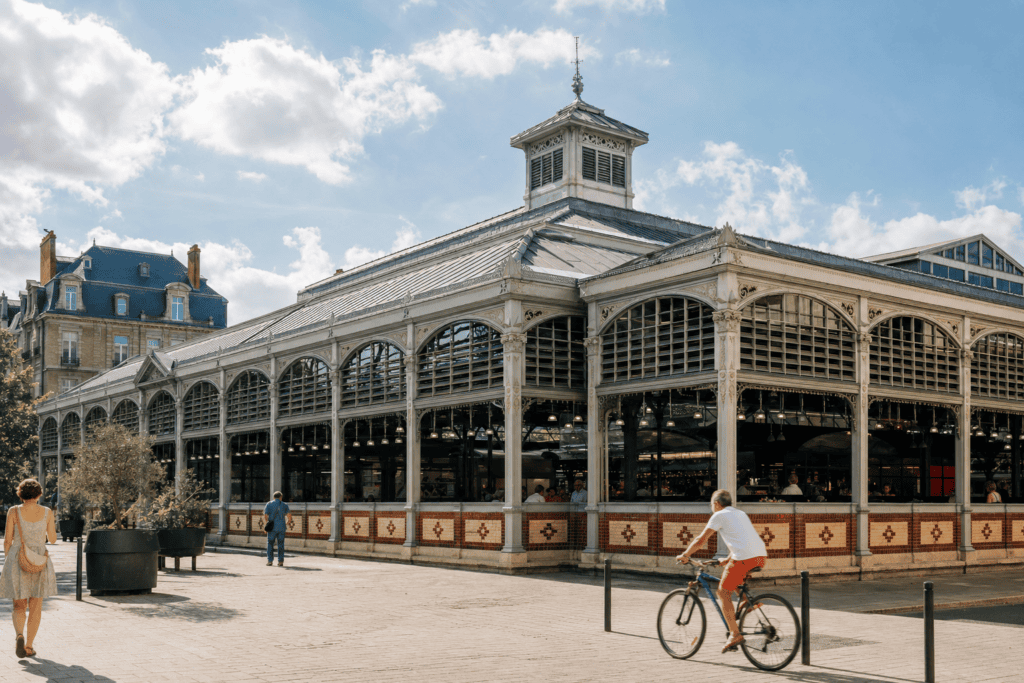 Les Halles de Châteauroux An indoor market in central Châteauroux where you can discover fresh produce, the flavors of Berry…
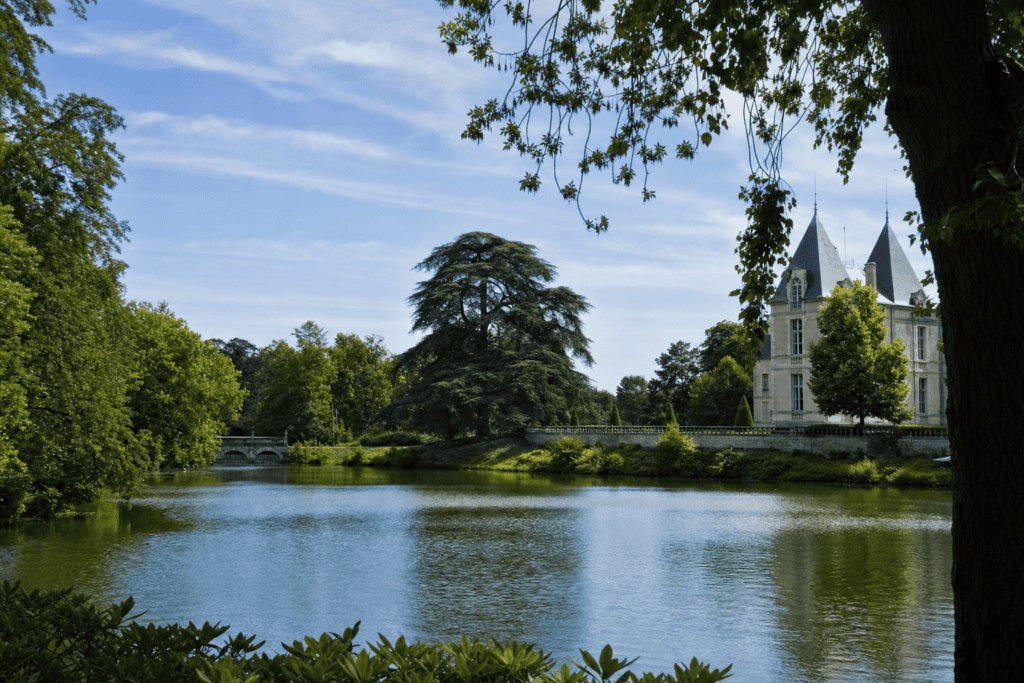 Belle-Isle Park A tree-filled park surrounding a lake, ideal for walking, relaxing, and enjoying family activities…
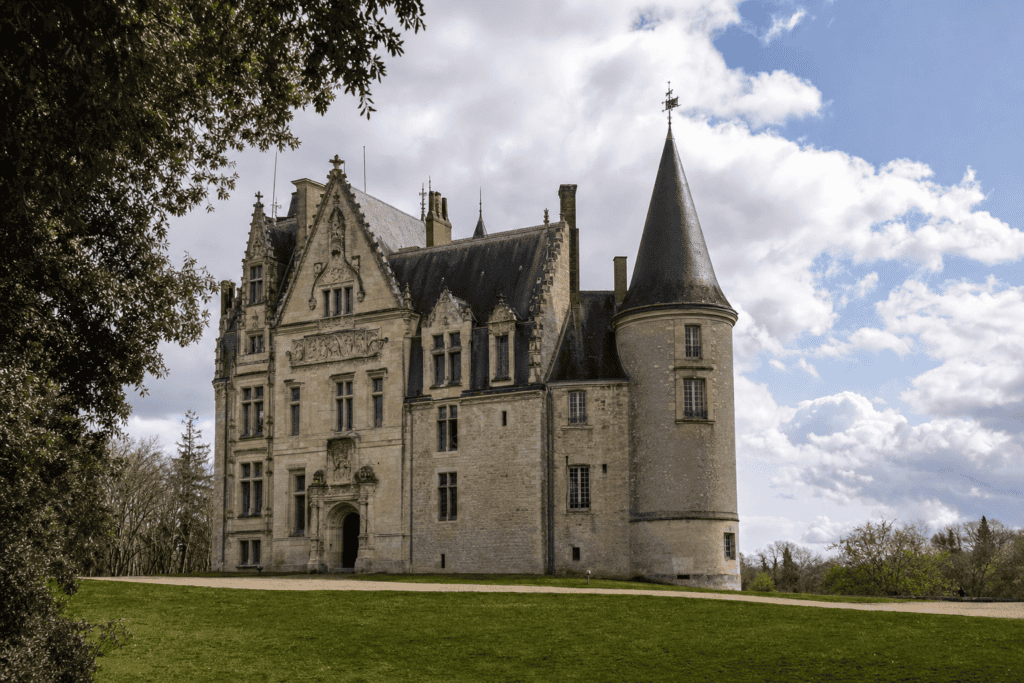 Château Raoul Château Raoul is Châteauroux’s historic landmark, best discovered from the old town and while walking…
 Musée Bertrand An 18th-century mansion, Napoleonic memorabilia, works of art, and a garden…
Online booking · Paris → Rue Alain-Fournier, 36000 Châteauroux, France
Choose your pickup date and time
Your departure and arrival details are already pre-filled. You can adjust them in the fare calculator before viewing the vehicles and fare.