



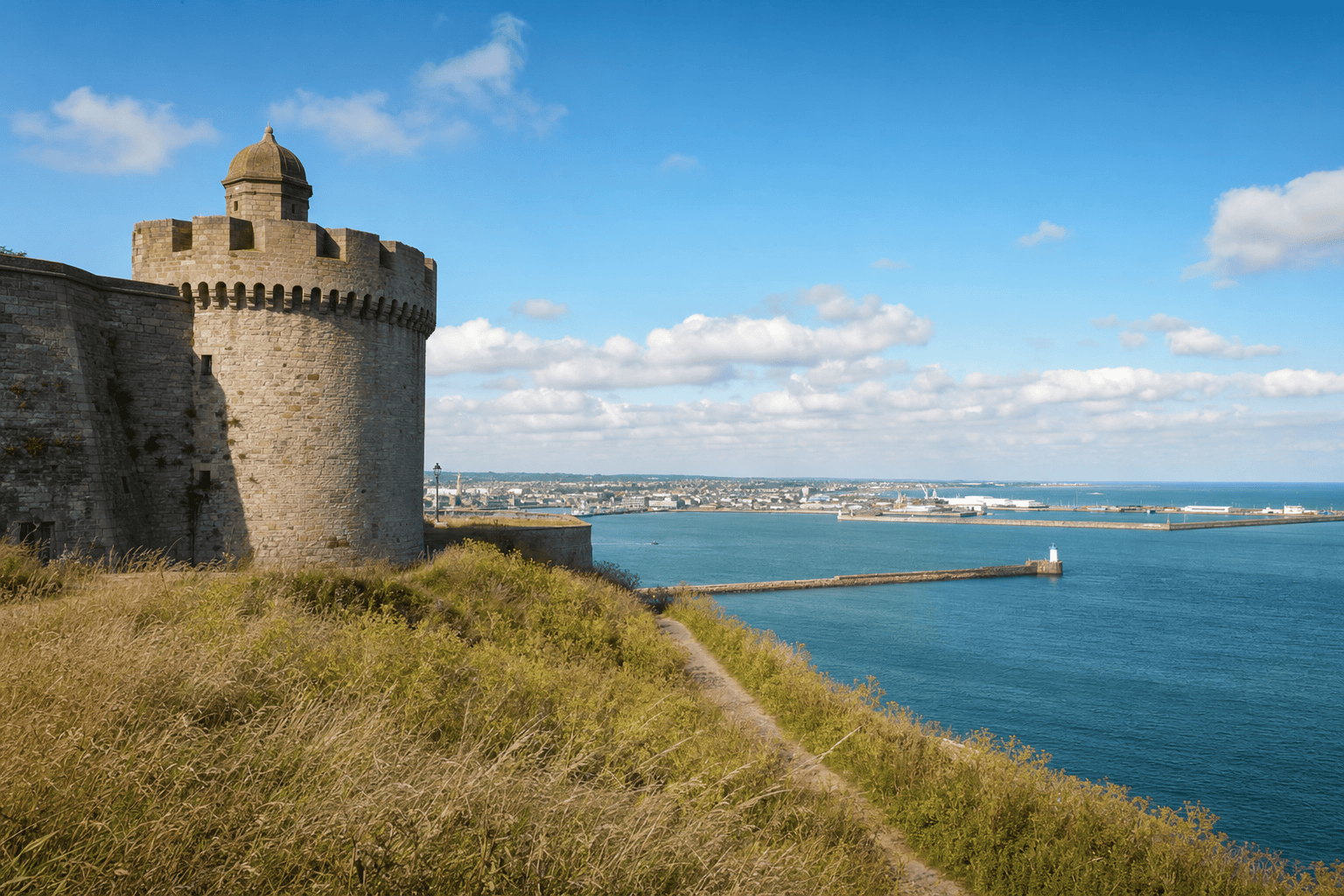
Fort du Roule: Historic Panorama over the Harbor
Cherbourg-en-Cotentin
Overlooking Cherbourg-en-Cotentin, Fort du Roule offers spectacular views of the city, its ports, and one of the largest artificial harbors in the world. The site combines an outdoor viewpoint, a former fortified complex, and the Liberation Museum, dedicated to the history of Cherbourg and the Cotentin during World War II. Visiting the site therefore takes you from the maritime landscape to an understanding of the port’s strategic importance. However, access to the outdoor viewpoint and access to the museum should not be confused: the museum’s hours, indoor opening periods, and visiting arrangements may vary. From Paris, Fort du Roule is a remarkable stop for exploring Normandy’s maritime heritage.
Practical information
Wear sturdy shoes and bring a windbreaker. Start by viewing the harbor from outside, then visit the museum only if its opening arrangements fit your schedule.
Getting to Fort du Roule from Paris
For a trip to Cherbourg-en-Cotentin, private transportation can be arranged from Paris, a Paris hotel, Charles de Gaulle Airport, or Orly Airport. The journey can include a return to Paris or form part of a Normandy itinerary planned in advance. This service covers transportation only: museum access, guided tours, and any tickets must be checked and booked separately with the relevant sites.
Departure from Paris, a Paris hotel, CDG, or ORY; return to Paris or an itinerary departing from Paris available on request.
A Viewpoint above Cherbourg
Fort du Roule stands on Mount Roule, a hill overlooking Cherbourg-en-Cotentin. From the accessible outdoor areas, you can see the city’s neighborhoods, port basins, naval arsenal, and the vast harbor protected by its breakwaters. This elevated position offers an immediate understanding of Cherbourg’s relationship with the sea: the city developed around a maritime area that has been engineered, monitored, and used for centuries.
The panorama is best enjoyed slowly. First observe the harbor’s overall shape, then the structures that partially close off its entrance. The light changes quickly across the Cotentin: on clear days, the breakwaters and port facilities stand out sharply; under more changeable skies, the landscape takes on a more dramatic character. The outdoor viewpoint is a worthwhile visit in its own right, even if the museum is closed or you do not wish to visit its galleries.
Understanding the Great Artificial Harbor
The harbor is the main feature of the landscape seen from Fort du Roule. Its development, begun in the late 18thth century and continued over successive periods, transformed Cherbourg into a leading military and maritime port. The breakwaters, forts, and harbor entrances were designed to protect ships and provide shelter in this exposed part of the English Channel. From above, the whole area appears as a vast protected body of water that remains connected to the open sea.
This layout explains Cherbourg’s strategic and economic importance. The panorama reveals the contrast between the dense city, the port basins, and the open maritime spaces. A small pair of binoculars can help you identify distant structures, but it is not essential. Stay within areas marked as accessible and keep away from military, technical, or undeveloped zones. The wind can be strong at the summit: secure lightweight belongings and dress according to the day’s conditions.
A Fortification Adapted to the Terrain
Mount Roule was long considered an important defensive position because of its elevation. The fort visible today mainly belongs to the fortified system developed in the 19thth century: a reconstruction is generally dated to the Second Empire, between 1853 and 1857, on a site that had already undergone military development. Its position enabled it to monitor approaches to Cherbourg and contribute to the defense of the port.
The expression “Whoever holds Roule holds Cherbourg” is sometimes used to sum up this importance. It is best presented as a traditional or commemorative saying rather than as a precisely attributed military quotation without a source. The site is also interesting because of the layering of its uses and transformations. Not every part of the fort is necessarily open to the public: visitors must follow local instructions, respect barriers, and never enter an area marked as closed or dangerous.
The Liberation Museum
The Liberation Museum is housed in Fort du Roule and presents the history of Cherbourg and the Cotentin during World War II. Its collections and exhibits cover the Occupation, civilians’ daily lives, the Resistance, D-Day, and the liberation of the port. Objects, documents, photographs, maps, and personal accounts place local events in the broader context of the Allied advance through Normandy.
Cherbourg was liberated on June 26, 1944, after fighting around the city and the fort. Capturing the port served a major logistical objective: the Allies needed a base capable of supporting the advance of their troops. After viewing the harbor from outside, a visit to the museum helps explain why this port landscape was also a military and logistical objective. Since hours, admission fees, occasional closures, and events may change, check the City’s official website before your visit. Access to the museum should not be inferred merely from the ability to see the fort from its surroundings.
The Résistants Slope and the Site’s Memory
The Résistants Slope leads to Fort du Roule and gives the route a commemorative dimension. Its name refers to Cherbourg’s history during the Occupation, but it is not by itself enough to document every local episode. Panels, personal accounts, or interpretive features may be present depending on current facilities and programming. Since their availability and content may change, it is best to view them as supplementary resources and consult municipal information to find out what is actually offered during your visit.
Take your time walking up the slope, pausing to observe how the landscape changes. The incline and site layout may require effort from people unaccustomed to steep terrain. When visiting with children, explain that the fort is both a former military structure, a memorial site, and a place subject to safety rules. Follow posted instructions, do not move anything, and remain respectful in areas dedicated to victims and combatants.
Tips for Enjoying the Viewpoint
To plan your visit, first check the information for the outdoor viewpoint and the museum separately. The panorama may be accessible according to the conditions around the site, while the museum has its own hours, opening periods, and any applicable visiting arrangements. This distinction is essential to avoid planning an indoor visit solely on the basis that outdoor access is possible. The City and museum websites should take priority over older information published on third-party sites.
Comfortable shoes, a waterproof jacket, and protection from the wind are useful on site. For photography, a wide-angle lens captures the scale of the harbor, while a longer focal length can isolate the breakwaters and port facilities. Visibility can deteriorate quickly with mist or showers. If you are traveling with someone with reduced mobility, ask before departing which areas are truly accessible, as the slope, stairs, and layout of an old fort may limit the route.
Including Fort du Roule in a Day Trip
Fort du Roule can be included in a day dedicated to Cherbourg-en-Cotentin’s maritime heritage. After taking in the panorama, head back down toward the port basins and city center to see the facades, quays, and port facilities. La Cité de la Mer offers another perspective on local maritime history, with areas devoted to great voyages and the underwater world. You can also plan a walk near the harbor, taking permitted access areas and the weather into account.
The order of activities depends on visibility and your priorities. On a clear day, consider visiting Fort du Roule at the beginning or end of the route, when the light highlights the breakwaters. If the weather is overcast, a cultural visit in the city center can come before the viewpoint. From Paris, this excursion requires planning around travel time and site hours. If needed, Booking Paris Transfer can arrange private transportation only from Paris, a Paris hotel, CDG, or ORY, with a return to Paris or a Normandy itinerary planned in advance; admission and visits must be booked separately.
Useful sources
Frequently Asked Questions
Do the outdoor viewpoint and the museum have the same hours?
Can you enjoy the panorama without visiting the museum?
Is “Whoever holds Roule holds Cherbourg” a historical quotation?
Does the Résistants Slope always feature memorial panels?
How much time should I allow for a visit?
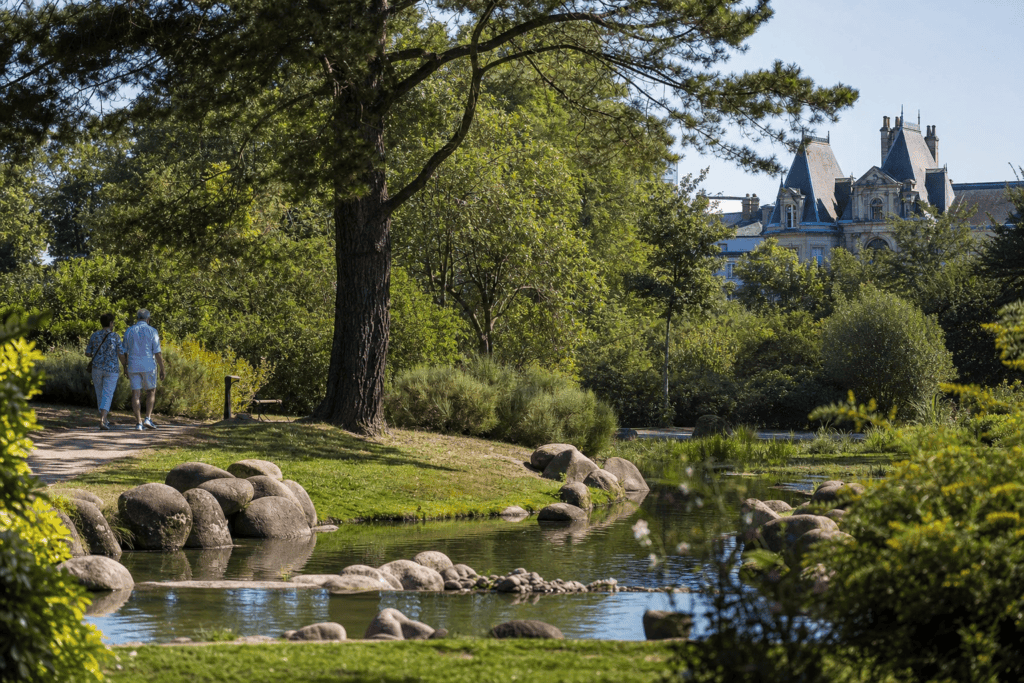 Emmanuel Liais Park A romantic botanical garden in the heart of Cherbourg-en-Cotentin, with exotic greenhouses, remarkable trees and peaceful paths.
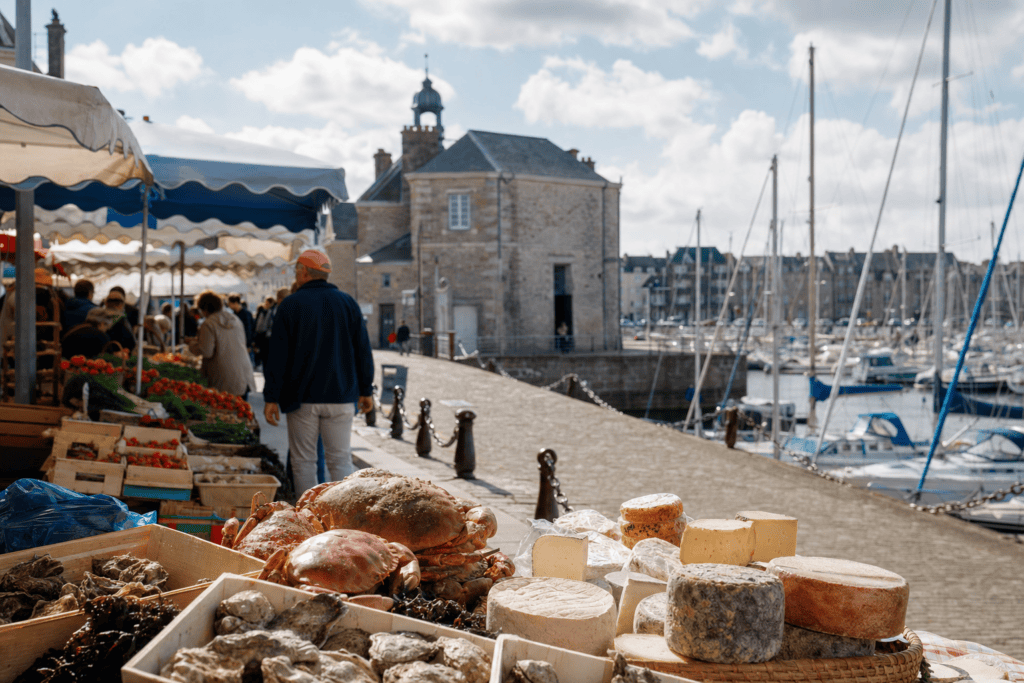 Things to do in Cherbourg: market, port, and Norman specialties A useful loop between Place de Gaulle, the city center, Plage Verte, Port Chantereyne, and products from the Cotentin.
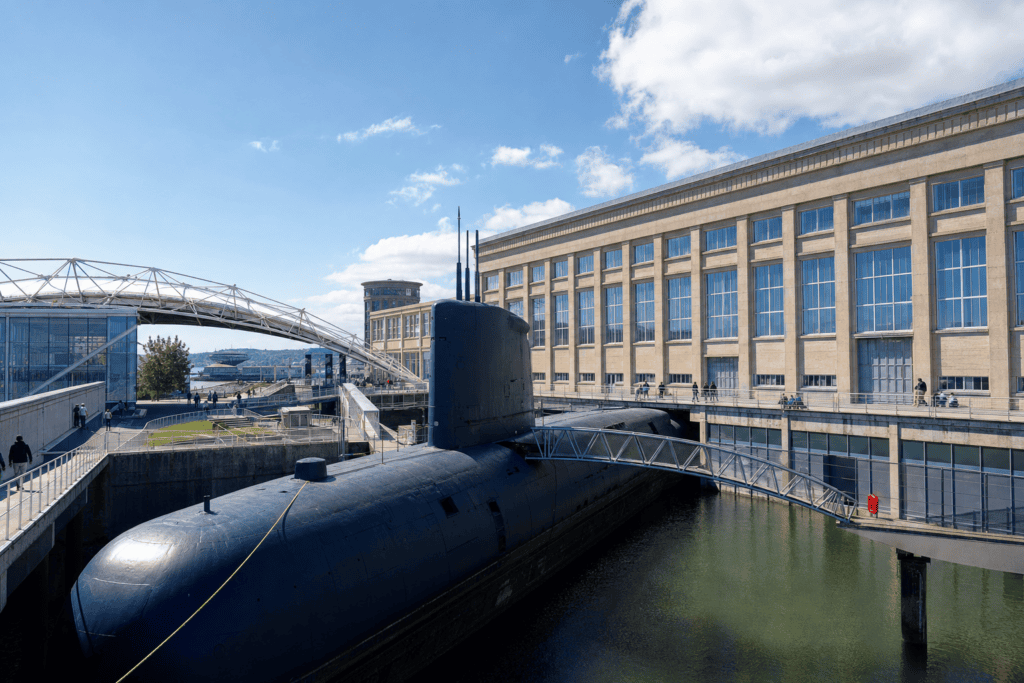 La Cité de la Mer A major maritime museum in Cherbourg, featuring a submarine, aquariums, Titanic exhibits, and transatlantic architecture.
 Thomas Henry Museum A remarkable European collection, from Fra Angelico to Millet, at Le Quasar in Cherbourg-en-Cotentin.
Online booking · Paris → Montée des Résistants, 50100 Cherbourg-en-Cotentin, France
Choose your pickup date and time
Your departure and arrival details are already pre-filled. You can adjust them in the fare calculator before viewing the vehicles and fare.