



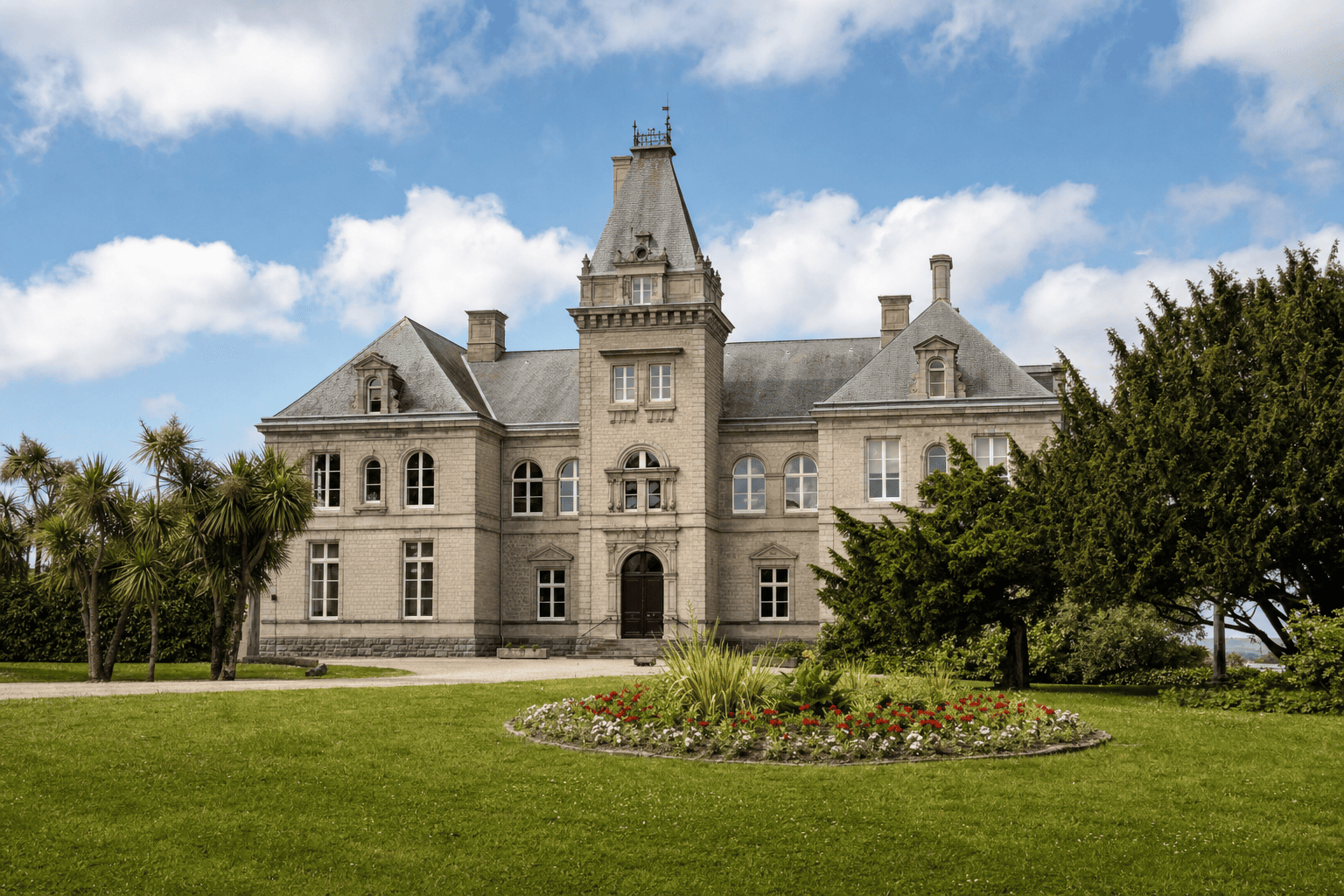
Thomas Henry Museum: European Art in Cherbourg
Cherbourg-en-Cotentin
Located at Le Quasar in the heart of Cherbourg-en-Cotentin, the Thomas Henry Museum showcases a collection of European art from the 15th to the early 20th century. The collection includes paintings and sculptures associated with major artists such as Fra Angelico, Chardin, Poussin, David, Signac, and Jean-François Millet. The visit offers a pleasant balance of art history, French painting, and Normandy’s artistic heritage. It is a cultural stop well suited both to a first introduction to Cherbourg and to a more in-depth stay in the Cotentin.
Practical information
Combine your visit with a stroll through the city center or another cultural stop in the Cotentin, leaving time to see the works by Jean-François Millet.
Getting to Cherbourg from Paris with a private driver
For a cultural stay in Normandy, Booking Paris Transfer can arrange a private journey between Paris, a hotel in the Île-de-France region, Charles de Gaulle or Orly Airport, and Cherbourg-en-Cotentin. Transportation is separate from admission to the Thomas Henry Museum: tickets and any required reservations must be arranged directly with the museum. Depending on your plans, choose a round trip to Paris or a broader itinerary through the Cotentin starting in the Paris region.
Transportation service departing from Paris, the Île-de-France region, CDG, or ORY. Booking Paris Transfer does not sell admission tickets and does not claim to be a local driver based in Cherbourg.
Why visit the Thomas Henry Museum?
The Thomas Henry Museum is a particularly rewarding cultural discovery in Cherbourg-en-Cotentin. More intimate in scale than the major national institutions, it brings together works spanning several centuries of European art. The visit takes you from the Renaissance to modernity while highlighting the evolution of subjects, techniques, and artistic sensibilities.
The museum appeals both to art enthusiasts and to travelers looking for a cultural break during a stay in the Cotentin. Its galleries are more than a list of famous names: they also tell the story of a municipal collection created to make art accessible to the public. The variety of paintings and sculptures makes the visit approachable for first-time visitors while offering plenty to engage more knowledgeable guests. Its designation as a Musée de France reflects the institution’s heritage value. Finally, Le Quasar’s contemporary, central setting makes it easy to include the museum in a day of exploring Cherbourg.
The story of a museum born from a donation
The museum’s origins are linked to Thomas Henry, an art dealer and patron born in Cherbourg. In 1835, he donated a significant part of his collection to his hometown, hoping that a museum would be created to make it accessible. His initiative was not simply about bringing paintings together; it also reflected an educational ambition: to familiarize visitors with the major stages of art history.
The original collection was gradually expanded through donations, loans, and acquisitions. This development over time explains the variety of the holdings, which include religious paintings, genre scenes, portraits, landscapes, still lifes, and history paintings. The museum therefore has an identity distinct from that of a gallery devoted to a single period. Its history also illustrates the role cities and local collectors have played in preserving and sharing artistic heritage. To fully appreciate the visit, it is helpful to keep in mind the connection between patronage, education, and Cherbourg’s cultural history.
The great masters to look for in the galleries
The collection brings visitors face to face with several important figures in European painting. Fra Angelico evokes the spiritual refinement of the Italian Renaissance, while Philippe de Champaigne, Nicolas Poussin, and Jacques-Louis David reflect the importance of religious, historical, and classical painting in France. Works by Flemish and Dutch artists offer another perspective, often attentive to detail, interiors, and scenes of everyday life.
The 19th- and 20th-century paintings then open the collection to new explorations of light, landscape, and perception. Eugène Boudin and Paul Signac are among the names to look for, but it would be a shame to limit your visit to the best-known works. Instead, compare the formats, textures, and ways of depicting a face, a sky, or an interior space. This gradual observation keeps the visit engaging. A visitor guide, when provided by the institution, can also help place the artists and periods in context.
The collection devoted to Jean-François Millet
Jean-François Millet holds a special place in the visit. Born in Gréville-Hague in the Cotentin, the artist remains closely associated with Norman landscapes, rural life, and working people. His paintings explore themes such as working the land, the dignity of ordinary people, everyday life, and the relationship between human beings and their environment.
The museum holds a significant collection devoted to Millet, often described by the City as the second-largest in France after that of the Musée d’Orsay. This presence gives the exhibition a local resonance: the artist is not only studied as a major painter but also situated within the geography and memory of the Cotentin. Take time to observe the construction of the figures, the density of the horizons, and the treatment of light. After your visit, a route through the landscapes of La Hague or sites connected with the artist can extend the experience, provided you check access conditions and opening hours for each location.
A museum located at Le Quasar
The Thomas Henry Museum is located at Le Quasar, a cultural venue on the Esplanade de la Laïcité. Its central location in Cherbourg-en-Cotentin makes it convenient to combine the museum with an urban walk or other cultural activities. Le Quasar serves several purposes, including spaces dedicated to reading, visual arts, and performance, creating an environment well suited to a full cultural day.
The contrast between the building’s contemporary architecture and the age of the artworks adds to the appeal of the visit. The paintings are displayed in a space designed for today’s audiences, without historical décor that might distract from them. Before setting out, however, check the City’s latest information: opening hours, events, temporary exhibitions, and access arrangements may change. The address to remember is Le Quasar, Esplanade de la Laïcité, Cherbourg-en-Cotentin. For a group visit or a visit with children, also ask about the activities available during your stay.
Tips for planning your visit
A first visit can take a little over an hour, but painting enthusiasts will want to allow more time. Start by walking through the entire collection to understand its overall structure, then return to the works that caught your attention. This approach prevents you from spending too long in the first galleries and helps you better appreciate the collection’s diversity.
Opening hours, admission fees, and access conditions should be checked in the official information before you leave, as they may change depending on the season, events, or construction work. The cultural program may include guided tours, lectures, or family activities. Groups may need to book in advance, especially if they want guided assistance. For a well-balanced day, also allow time for lunch or a leisurely walk through the city center. Visitors with reduced mobility or those who need specific accommodations should contact the institution directly to learn about the arrangements available on their chosen date.
What can you see around the museum in Cherbourg?
The museum is easy to include in a day devoted to Cherbourg-en-Cotentin. After your visit, a walk through the city center lets you take in the architecture, shops, and port atmosphere. La Cité de la Mer is another major cultural attraction, with exhibits devoted to maritime adventure, ocean liners, and the deep sea. The Museum of the Liberation offers a different historical perspective, focusing on the memory of World War II.
With more time, you can extend your itinerary to the landscapes of La Hague or sites associated with Jean-François Millet. It is better to choose two major attractions than to pack in too many journeys, especially if you want to keep some free time for the city center. The Thomas Henry Museum is also a good option on a rainy day, when coastal walks are less comfortable. Nevertheless, check opening days and any required reservations for each additional stop. The Cotentin is best explored with a flexible schedule alternating heritage, landscapes, and indoor breaks.
Useful sources
Frequently Asked Questions
Where is the Thomas Henry Museum located?
How much time should I allow for the visit?
Which artists can you discover at the museum?
Is the museum suitable for a family visit?
Are the opening hours and admission fees fixed?
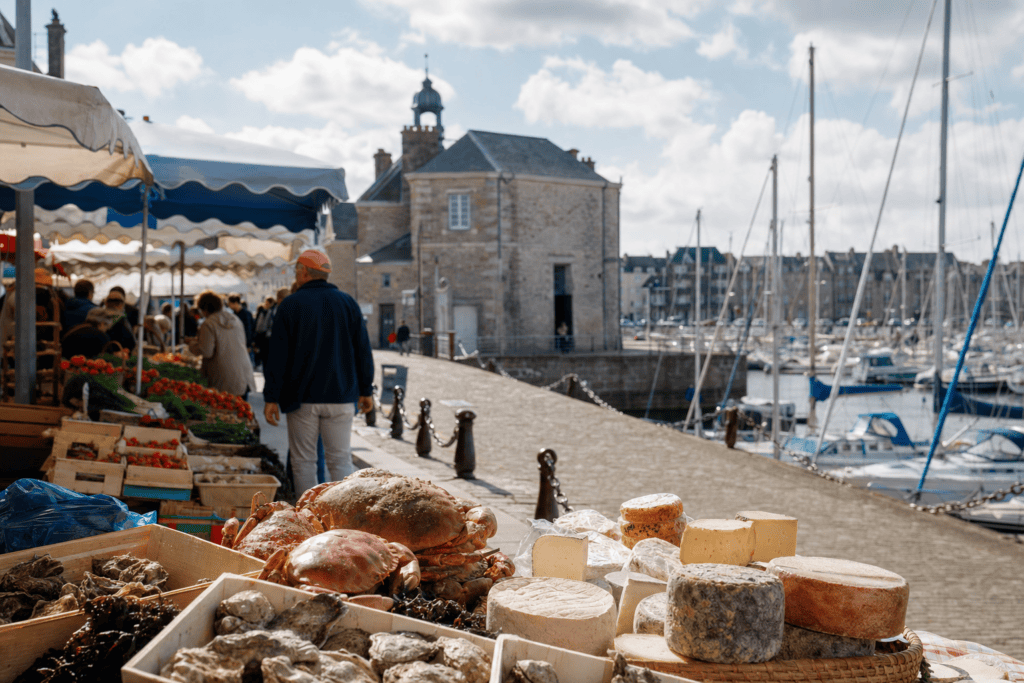 Things to do in Cherbourg: market, port, and Norman specialties A useful loop between Place de Gaulle, the city center, Plage Verte, Port Chantereyne, and products from the Cotentin.
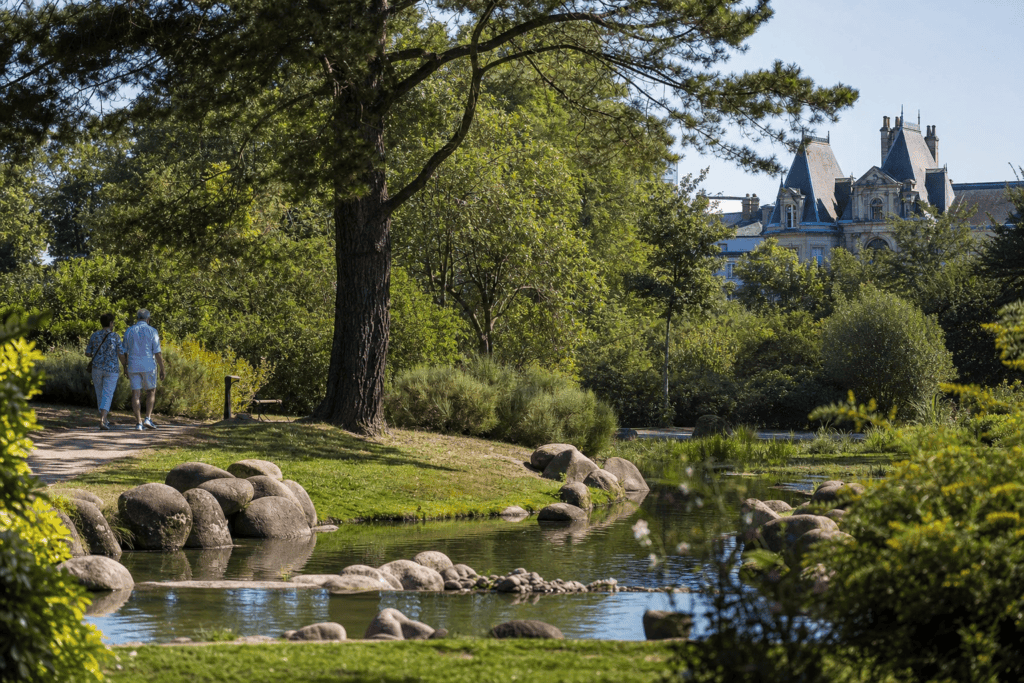 Emmanuel Liais Park A romantic botanical garden in the heart of Cherbourg-en-Cotentin, with exotic greenhouses, remarkable trees and peaceful paths.
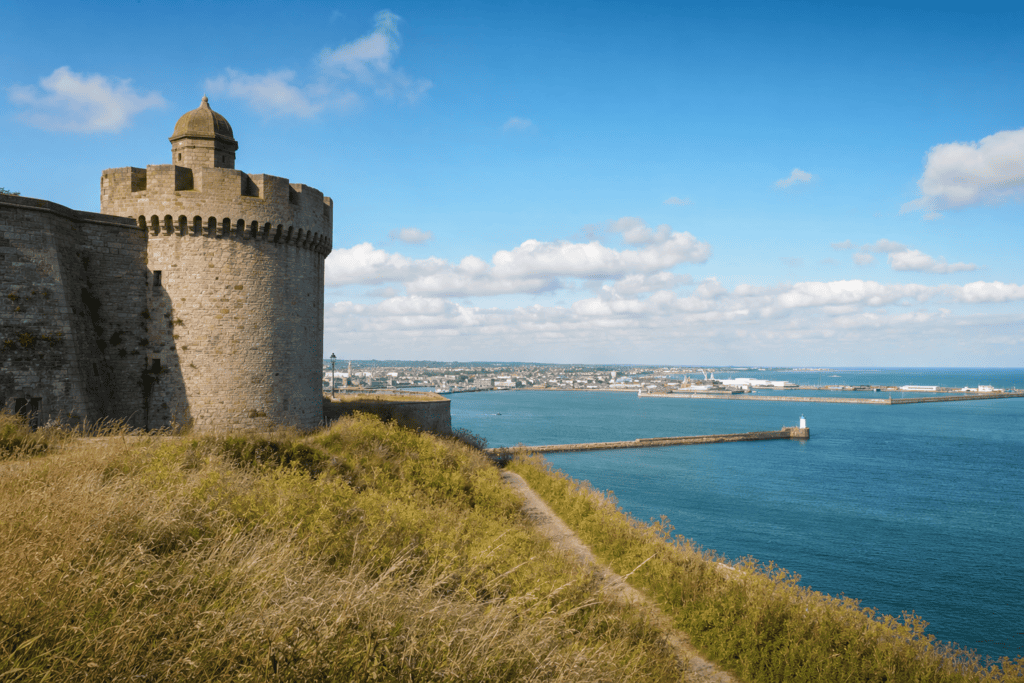 Fort du Roule and Views over the Harbor A striking panorama over Cherbourg and its harbor, complemented by a fortified site and the museum…
 La Cité de la Mer A major maritime museum in Cherbourg, featuring a submarine, aquariums, Titanic exhibits, and transatlantic architecture.
Online booking · Paris → Le Quasar, Esplanade de la Laïcité, 50100 Cherbourg-en-Cotentin
Choose your pickup date and time
Your departure and arrival details are already pre-filled. You can adjust them in the fare calculator before viewing the vehicles and fare.