



La Cité de la Mer: A Maritime Journey in Cherbourg
Cherbourg-en-Cotentin
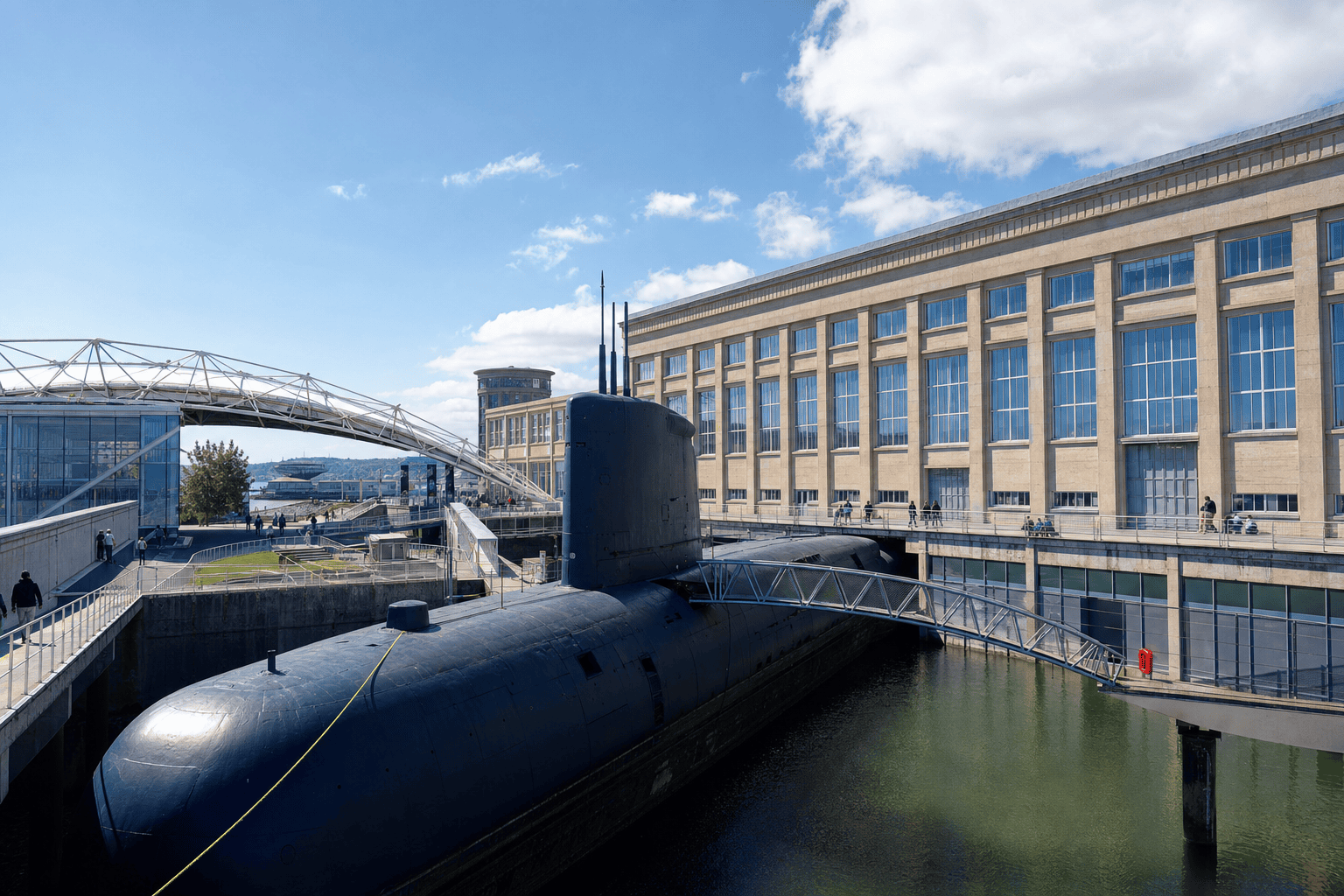
Housed in Cherbourg-en-Cotentin’s former Transatlantic Maritime Station, La Cité de la Mer brings together heritage, science, and the story of great ocean crossings. The visit includes the Le Redoutable submarine, spaces dedicated to ocean exploration, aquariums, and an exhibition about the Titanic and transatlantic travel. The site is well suited to families, naval history enthusiasts, and visitors curious to understand Cherbourg’s role in maritime trade. Allow half a day to explore the main areas without rushing, and check the official information for the conditions in effect on the day of your visit.
Practical information
Start by identifying the areas you most want to see, then leave time for the former station’s architecture and the aquariums. Conditions for visiting Le Redoutable, activities, and on-site services may change.
Getting to La Cité de la Mer from Paris
A private driver can take you from Paris, a Paris hotel, CDG, or ORY to La Cité de la Mer in Cherbourg-en-Cotentin, then drive you back to Paris or continue along a Normandy itinerary that began in the Île-de-France region. Transportation is separate from the visit: tickets and any required reservations must be arranged directly with the venue.
Departure from Paris, the Île-de-France region, CDG, or ORY; return to Paris or a Normandy itinerary departing from Paris. Admission tickets are not included.
A Former Transatlantic Station at the Heart of the Visit
La Cité de la Mer occupies Cherbourg-en-Cotentin’s former Transatlantic Maritime Station. This monumental building recalls the era when travelers boarded ocean liners bound for England or North America. Before even discovering the collections, visitors enter a place directly connected to the history of crossings and migration.
The architecture makes a major contribution to the experience. The grand volumes, geometric lines, passageways, and views of the harbor environment give the route an almost theatrical quality. The station was designed to manage the movement of large numbers of passengers and pieces of luggage; today, it helps visitors understand Cherbourg’s importance as a transatlantic port. The building benefits from heritage protection, although local sources can provide details about the exact level of protection and any areas that may be accessible. Take time to observe the decorative details and views along the nave: they provide tangible context for the maritime stories presented in the museum.
This connection between architecture and content sets La Cité de la Mer apart from a museum housed in an ordinary building. The setting was not added afterward: it is part of the story being told.
Le Redoutable and Discovering the Underwater World
Le Redoutable is one of the highlights of the visit. This former French Navy ballistic missile nuclear submarine is displayed in a specially designed space. Its silhouette already conveys the vessel’s size, but walking through its interior is what reveals the constraints of life on board.
The visit leads through narrow passageways, technical areas, rest areas, and workstations. It reveals the close quarters, collective organization, and sophisticated equipment required for submarine missions. The experience is particularly engaging for teenagers and adults, but it can also appeal to children who enjoy machines, vehicles, and exploration stories. The site provides visitor information and support services whose arrangements may change; check which languages are available and the exact conditions before your visit.
Access to the submarine is subject to safety and circulation constraints. People accompanied by young children, those who have difficulty navigating narrow passages, or those who need specific accommodations should seek advice from the venue. To plan your visit efficiently, also check whether a reservation or specific time slot is required.
Aquariums, the Deep Sea, and Ocean Science
The ocean-themed areas provide a transition between Le Redoutable’s military world and the world of scientific research. The aquariums showcase different marine environments and allow visitors to observe species in suitable habitats. The route also explores the special conditions found in the deep sea: darkness, pressure, temperature, and limited resources.
This section is particularly well suited to families because it alternates direct observation with interpretation. Children can linger in front of the tanks while adults explore questions related to understanding and protecting the oceans. The deep-sea areas are especially helpful for making concepts that are difficult to imagine from photographs alone more tangible. Bioluminescence, organisms’ adaptations, and exploration methods become easier to understand when connected to images, objects, or interactive displays.
Take a slower pace in this area. Rushing through reduces the aquariums’ appeal, while a few minutes of observation reveal animal behavior and differences between environments. Because the scientific programming and displays may change, the official website remains the best reference for available activities on your date of visit.
Titanic, Cherbourg, and the Great Ocean Crossings
The connection between Cherbourg and the Titanic is another important focus of the museum. The ocean liner stopped in Cherbourg harbor on April 10, 1912, before continuing its voyage to New York. The exhibition places this episode within a broader history: shipping companies, passenger classes, European migration, and departures for America.
The exhibit therefore goes beyond the dramatic story of the sinking. It helps visitors understand how a transatlantic stopover worked and what an ocean voyage represented at the beginning of the 20thth century. The documents, testimonies, reconstructions, and objects on display give this history a human dimension. They also connect the museum galleries to the station itself, since the building welcomed travelers waiting to board.
The collections and temporary exhibitions may be updated. It is best not to assume that a particular object will be on display on a given date: consult the official exhibition information before traveling if you want to see a specific piece. This section will appeal to Titanic enthusiasts as well as visitors interested in social history and travel stories.
Exploration, Inventions, and Stories of Pioneers
The visit continues with areas devoted to submersibles, technology, and the women and men who contributed to underwater exploration. They show that our knowledge of the oceans is built on a succession of innovations: measuring instruments, crewed vehicles, robots, diving equipment, and communication systems. This approach complements Le Redoutable by broadening the focus beyond the military use of technology.
The different displays make it possible to compare the aims of various expeditions. Some seek to observe the seabed, while others map, rescue, transport, or study living organisms. This diversity offers a more accurate view of the underwater world, which is not limited to great ocean liners or military submarines. The objects and testimonies also reveal the risks of working at depth and the preparation required before any mission.
Depending on the period, La Cité de la Mer may offer additional activities, guided tours, or immersive experiences. Their availability, duration, and arrangements should be checked before booking. If you are traveling with children, identify the most interactive areas; with history or technology enthusiasts, allow more time for the technical explanations and stories of pioneers.
Planning an Enjoyable Visit for Families or Couples
La Cité de la Mer is large enough to warrant some basic planning. Start by checking opening days and hours, prices, any required time slots, and access conditions on the official website. This information may vary depending on the season, construction work, programming, or visitor numbers. If your time is limited, choose two or three priorities in advance rather than trying to rush through everything.
Half a day generally allows you to combine Le Redoutable, the aquariums, and some of the historical areas. For a shorter visit, prioritize the submarine and one other section. Families can plan breaks, since children’s attention shifts between the science displays, tanks, and historical content. Also check the conditions concerning strollers, infants, people with reduced mobility, and the submarine’s narrow passages.
Food or break facilities may be available, but their hours and opening should not be assumed to be permanent. Plan a flexible option and ask ahead before relying on a restaurant, snack bar, or picnic area. Cherbourg train station is within walking distance depending on the route chosen; by car, follow local directions and check the parking information published by the venue.
Combining the Museum with Exploring Cherbourg
La Cité de la Mer can serve as the centerpiece of a day in Cherbourg-en-Cotentin or as a stop on an itinerary through the Cotentin. After the museum, you can continue exploring with a walk through the city center, views of the harbor, or a look at the area’s maritime heritage. The pace will depend on how much time you spend in the exhibitions and on transportation schedules, but combining the museum with the city provides a better understanding of the port’s role.
For a longer stay, Cherbourg can serve as a base for exploring the Cotentin Peninsula and the Normandy coast. Be sure to allow for travel time and consult local information for any other sites you plan to visit. The museum visit remains separate from tickets, reservations, or opening hours for nearby attractions.
From Paris, chauffeur-driven transportation can simplify the journey to Cherbourg-en-Cotentin, particularly for a private excursion or a Normandy itinerary beginning and ending in the Île-de-France region. Booking Paris Transfer arranges this type of transportation from Paris, a Paris hotel, CDG, or ORY, but does not sell museum admission tickets. Book your visit separately with La Cité de la Mer and check the hours before arranging your return.
Useful sources
Frequently Asked Questions
How much time should I allow for La Cité de la Mer?
Is Le Redoutable accessible to all visitors?
Can I come by train?
Are the opening hours and prices the same year-round?
Can I eat on-site?
 Thomas Henry Museum A remarkable European collection, from Fra Angelico to Millet, at Le Quasar in Cherbourg-en-Cotentin.
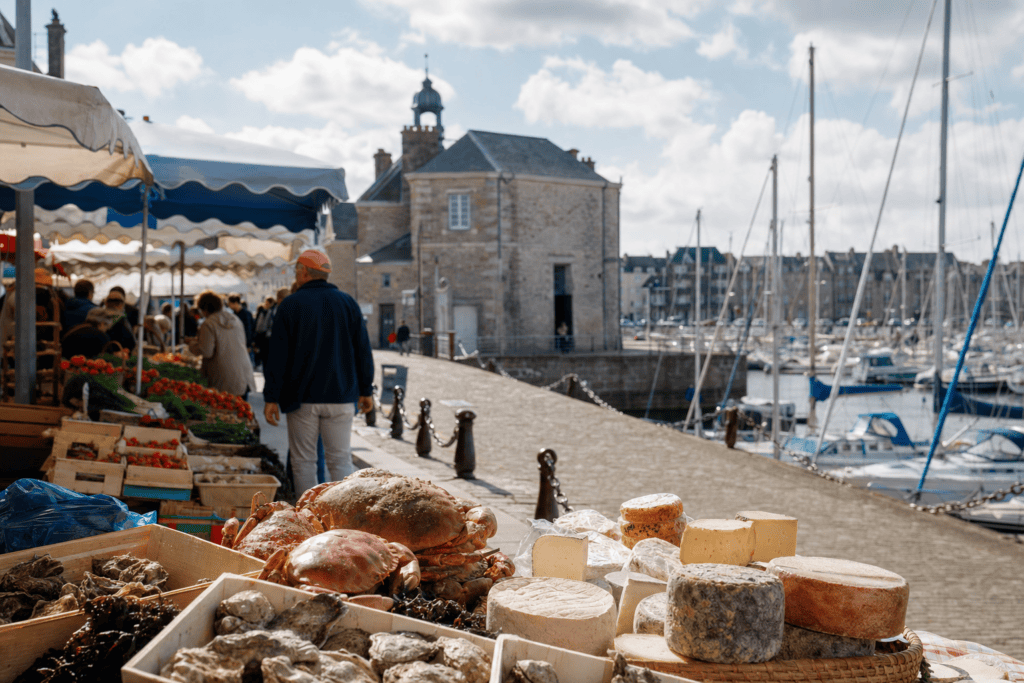 Things to do in Cherbourg: market, port, and Norman specialties A useful loop between Place de Gaulle, the city center, Plage Verte, Port Chantereyne, and products from the Cotentin.
 Emmanuel Liais Park A romantic botanical garden in the heart of Cherbourg-en-Cotentin, with exotic greenhouses, remarkable trees and peaceful paths.
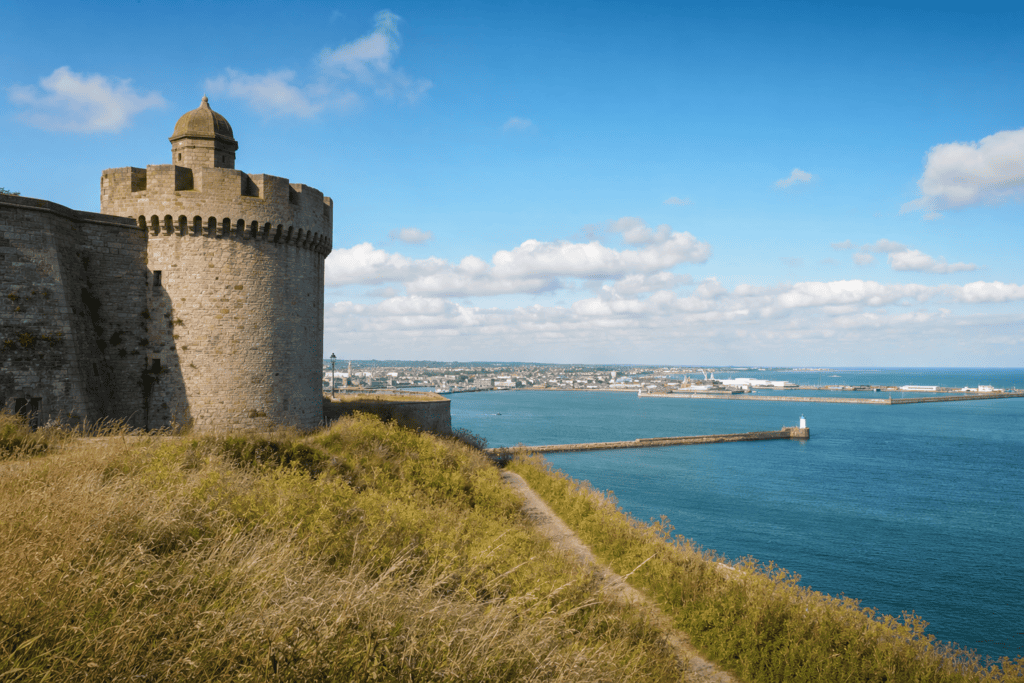 Fort du Roule and Views over the Harbor A striking panorama over Cherbourg and its harbor, complemented by a fortified site and the museum…
Online booking · Paris → Transatlantic Maritime Station, Allée du Président Menut, 50100 Cherbourg-en-Cotentin, France
Choose your pickup date and time
Your departure and arrival details are already pre-filled. You can adjust them in the fare calculator before viewing the vehicles and fare.