



Saint Catherine’s Church in Honfleur: Visit and History
Honfleur
Just steps from the Vieux Bassin, Saint Catherine’s Church in Honfleur stands out for its almost entirely wooden construction, inverted-hull appearance, and separate bell tower. Built beginning in the 15th century during the post–Hundred Years’ War reconstruction, it reflects the expertise of the town’s shipwrights. A visit fits easily into a walk through the historic district, among the quays, narrow houses, and art galleries. Listed as a Historic Monument since 1875, the building deserves time to appreciate its structure, interior volumes, and religious furnishings. This page helps you plan a respectful and enjoyable visit, without replacing the information provided locally when you arrive.
Practical information
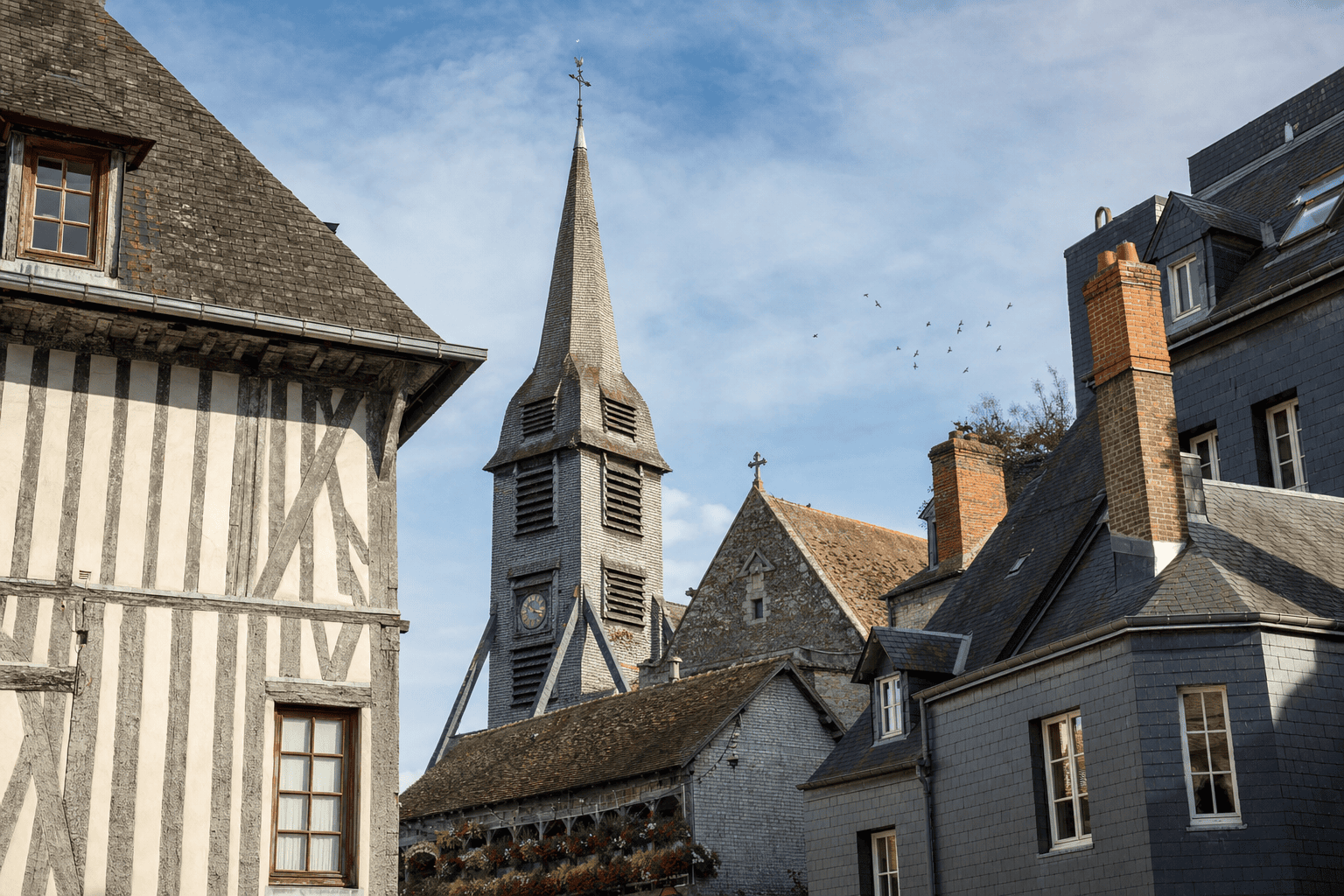
First, take in the building from the square: the separate bell tower, the two roof slopes, and the volumes of the nave are easier to understand from the public space.
Travel from Paris to Honfleur by private transportation
To include Saint Catherine’s Church in a Normandy excursion, Booking Paris Transfer can arrange private transportation from Paris, your Paris hotel, Charles de Gaulle Airport, or Orly, with a return to Paris according to your itinerary. The vehicle will drop you off in Honfleur for your visit; admission to the monument and any guided tours must be arranged separately.
Private transportation from Paris, a Paris hotel, CDG, or ORY; admission tickets are not included.
Why visit Saint Catherine’s Church?
Saint Catherine’s Church is one of Honfleur’s most distinctive landmarks. Its appeal lies not only in its age: it offers an architectural experience unlike that of the large stone-built churches of Normandy. Here, wood dominates, giving the space a warm, almost maritime atmosphere. The framework, posts, and vaults reflect the expertise of artisans who also worked on boats.
The monument is located in the historic district, just steps from the Vieux Bassin. This makes it easy to include in a walk focused on heritage, painting, or port history. After taking in the quays and their tall façades, visitors encounter a building whose silhouette directly evokes the town’s maritime identity.
The visit is particularly well suited to a first introduction to Honfleur because it is short, central, and complements the port’s other sights. It will also appeal to anyone interested in architecture, timber framing, and religious heritage.
A history that began after the Hundred Years’ War
Construction of Saint Catherine’s Church began in the 15th century, during a period when Honfleur was recovering from the conflicts that had shaped Normandy. After the French reconquest, the town had to restore its neighborhoods, defenses, and places of worship. The new church was built using locally available resources and expertise, particularly that of woodworkers.
The choice of a wooden structure reflects Honfleur’s setting. The port has long been closely connected with navigation, fishing, and shipbuilding. Shipwrights mastered joinery, curved forms, and techniques for creating solid structures without using the same methods as a stone construction site.
The building evolved over the centuries. Its furnishings, works of art, and certain features reflect different periods, while its structure retains the exceptional character that led to its protection as a Historic Monument. In 1875, the church became part of France’s protected heritage.
An architectural study in wood
The exterior silhouette deserves careful attention. The church has two parallel naves covered by separate roofs, giving it an unusual appearance. From Place Sainte-Catherine, it is easier to understand the relationship between the building’s volumes and its separate bell tower. The overall composition does not resemble a conventional church dominated by a central tower.
Inside, wood is not simply decorative: it forms the core of the architecture. The posts, framework, and vaults show how artisans organized a religious space using techniques related to shipbuilding. The comparison to an inverted hull is often used to describe the shape of the nave; it helps visualize the lines of the ceiling without capturing the building’s full richness.
The freestanding bell tower is another important detail. Its separation from the nave contributes to the monument’s distinctive character and makes its composition easier to read from the public space. Take a few minutes to look at the roofs, façades, and materials before going inside.
What to look for inside
Once inside, position yourself where you can take in the overall volume. Your eyes will naturally be drawn to the framework, but the side sections also deserve attention. The repetition of the wooden elements, the shape of the vaults, and the light create an atmosphere very different from that of a monumental stone building.
The religious furnishings add to the architectural interest. Altars, statues, paintings, and liturgical objects remind visitors that Saint Catherine’s remains a place of worship, not merely a monument visited for its originality. Some elements are protected as Historic Monuments. On-site notices and official heritage resources can help you identify them more clearly.
The experience changes depending on the time, weather, and visitor numbers. A quiet visit makes it easier to distinguish the details of the framework. It is important to respect the silence, services, and any closed areas. Access may vary depending on services, ceremonies, or construction work, so allow for a flexible visit.
Reaching the church from the Vieux Bassin
Saint Catherine’s Church is easily reached on foot from the Vieux Bassin. From the quays, head toward the historic district along the streets leading to Place Sainte-Catherine. The walk is short, but it is part of the visit: narrow houses, colorful façades, signs, and galleries offer a glimpse of Honfleur’s atmosphere.
The old town is best explored at an unhurried pace. The streets can be cobbled, narrow, and very busy during peak periods. Comfortable shoes are recommended. With young children, keep a relaxed pace and stay alert in areas where pedestrians gather.
After your visit, you can return to the quays or continue walking through the old streets. Anyone interested in painting will appreciate the connection between the port, the estuary light, and the artists drawn to Honfleur. This short loop combines architecture, the urban landscape, and maritime history without requiring extensive travel.
Tips for planning your visit
For a quieter atmosphere, choose early morning or late afternoon, avoiding the busiest times on weekends and during school vacations if possible. The Vieux Bassin area can be very lively around midday, especially near the restaurants and shops. Arriving early also makes it easier to explore the historic center.
Opening hours and access conditions may vary depending on services, ceremonies, construction work, and religious events. Before setting out, check the latest information from the parish or the Honfleur tourist office. This is preferable to relying on an outdated listing or unofficial publication.
From the square, photography can capture the separate bell tower and the roofs. Inside, follow posted instructions, avoid flash when discouraged, and do not block passageways. Twenty to forty minutes is enough to see the essentials, but anyone interested in timber framing and religious heritage may wish to spend longer looking around.
What to see around Saint Catherine’s Church
The church’s significance becomes clearer when viewed within Honfleur’s wider setting. The Vieux Bassin is a natural complement to the visit: its quays and tall façades show the town’s port identity, while Saint Catherine’s reveals an architecture directly connected to woodworking. The contrast between the basin’s open space and the narrow streets of the historic district is particularly compelling.
Allow time to explore the nearby lanes, admire the old houses, and take a break in the town center. Depending on your itinerary, you can continue to the museums, gardens, or viewpoints over the estuary. Honfleur is well suited to a balanced day combining heritage, walking, and moments of quiet reflection.
A day trip from Paris requires planning for travel time, parking, and visitor numbers in the town center. Arriving early can make the experience more comfortable. For a longer stay, Honfleur is also an interesting base for exploring the Côte Fleurie and the landscapes of the Seine estuary.
Useful sources
Frequently Asked Questions
Is Saint Catherine’s Church built of wood?
Where is Saint Catherine’s Church located?
How much time should I allow?
Are the opening hours the same year-round?
Can you walk to the church from the Vieux Bassin?
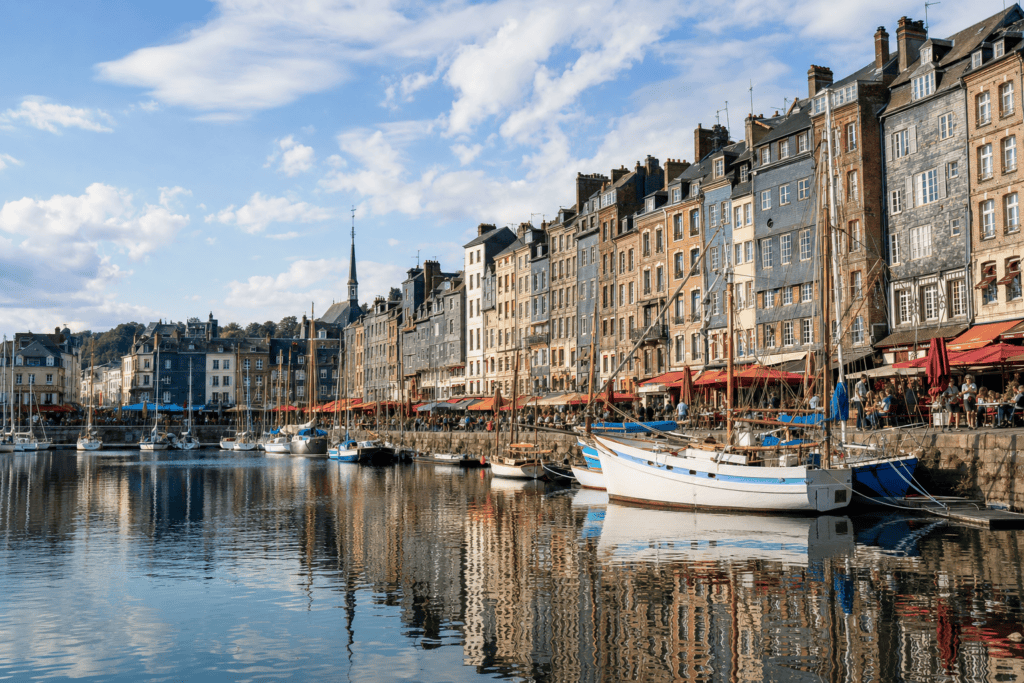 Honfleur’s Vieux Bassin and historic district A walking itinerary linking the historic harbor, slate-roofed houses, galleries, churches, and iconic lanes of…
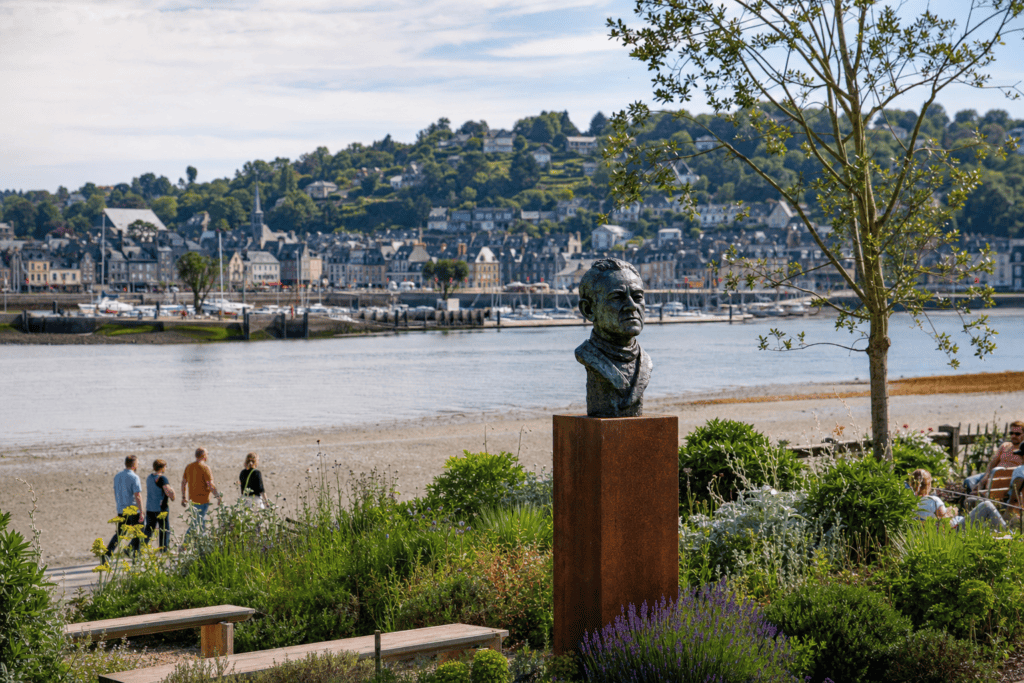 Butin Beach and Jardin des Personnalités A bracing seaside walk between the beach, landscaped gardens, and Honfleur’s iconic figures.
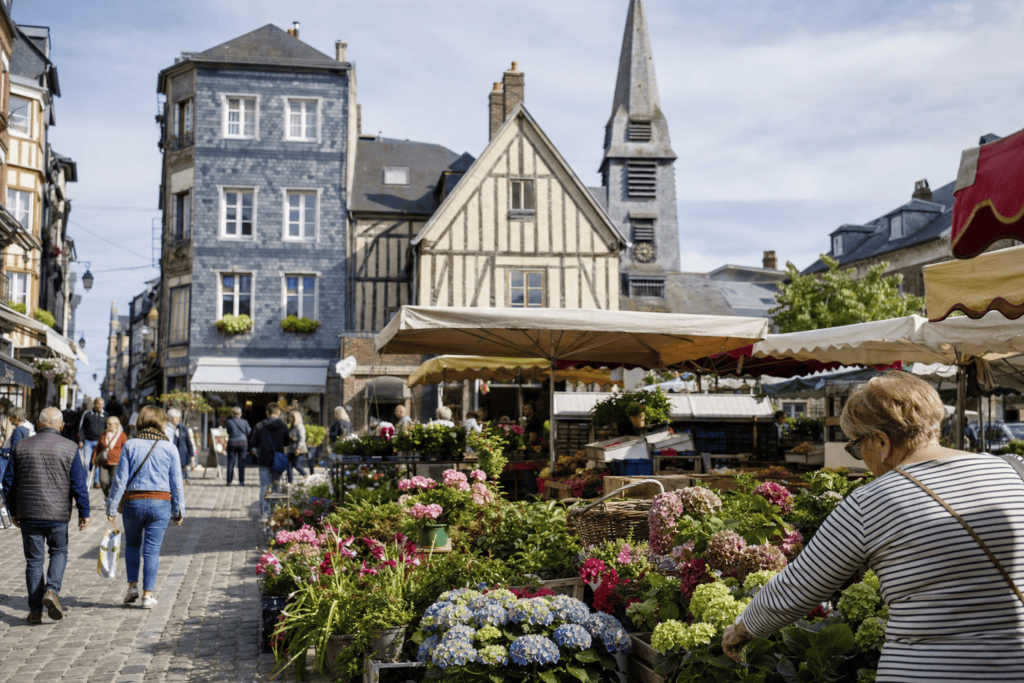 Honfleur Market On Saturday mornings, discover Norman products and local activity around Place Sainte-Catherine.
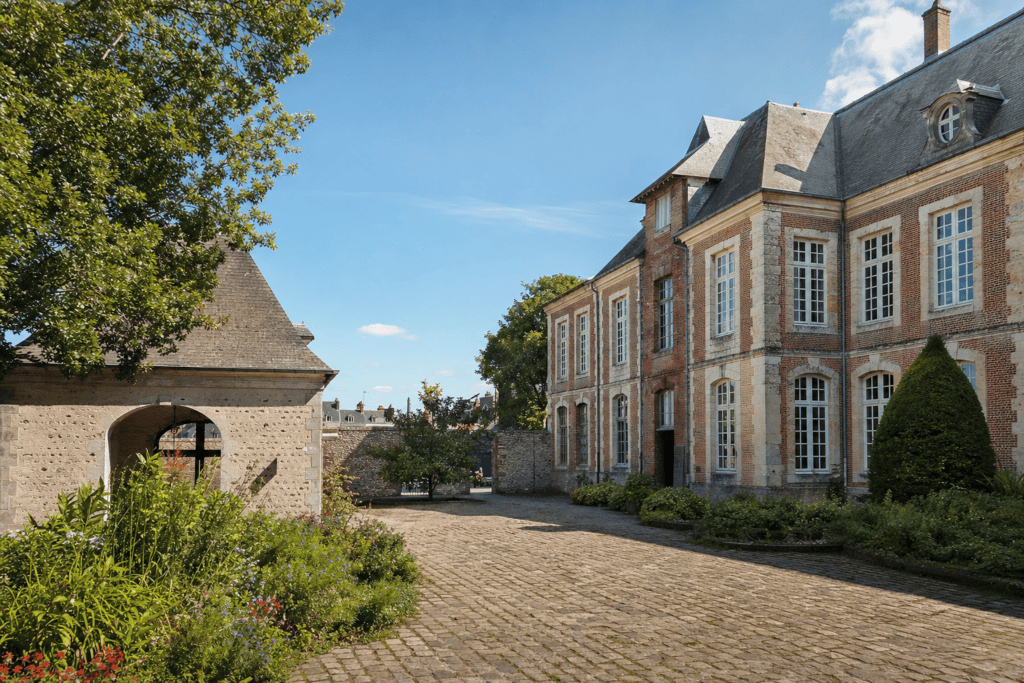 Musée Eugène Boudin A must-see museum for discovering Eugène Boudin, Honfleur’s painters, and the light of the estuary…
Online booking · Paris → Place Sainte-Catherine, 14600 Honfleur, Normandy, France
Choose your pickup date and time
Your departure and arrival details are already pre-filled. You can adjust them in the fare calculator before viewing the vehicles and fare.