



MuMa Le Havre: an artistic stop in Normandy
Le Havre
Located on the banks of the Seine estuary, MuMa – André Malraux Museum of Modern Art is one of Le Havre’s leading cultural attractions. Its collection is especially renowned for Impressionism, Fauvism and the development of modern painting, with works associated in particular with Eugène Boudin, Claude Monet, Auguste Renoir, Alfred Sisley, Camille Pissarro and Raoul Dufy. For cruise travelers, the museum is a worthwhile cultural stop when time ashore allows for a visit to central Le Havre. From Paris, it can also be included in an excursion focused on the city’s maritime and architectural heritage.
Practical information
If you are stopping on a cruise, carefully check the time available between disembarking and returning to the ship. After the museum, Southampton Quay and the seafront provide a natural continuation of your exploration of Le Havre.
Getting to MuMa from Paris
For a cultural excursion to Le Havre, Booking Paris Transfer can arrange a private ride from Paris, the Île-de-France region, CDG, or ORY, with a return to Paris or inclusion in a Normandy itinerary. This service covers transportation only: tickets, opening hours, and admission requirements for MuMa must be checked and purchased separately through the museum.
Transportation from Paris, the Île-de-France region, CDG, or ORY; no ticketing and no independent local service in Le Havre.
Why visit MuMa in Le Havre
MuMa holds a special place in any exploration of Le Havre because it combines a major art collection with the history of a city shaped by its estuary and maritime connections. A visit helps explain how Normandy’s landscapes, ports, beaches, and changing skies influenced the vision of so many painters. It also offers a cultural counterpoint to walks through the rebuilt city center or along the coast.
The museum appeals to many types of visitors. Impressionism enthusiasts will find major works and insightful connections; visitors passing through can focus on a few galleries; families can choose paintings featuring colors, boats, or people. Its location also makes MuMa appealing for a cruise stop in Le Havre: once transportation is arranged, it offers a clearly defined cultural activity close to the harbor landscape that characterizes the city.
It is best to treat the museum as a destination in its own right rather than simply a stop between two sites. The artworks, architecture, and surroundings form a coherent whole, but the time available should remain compatible with the constraints of your day.
A distinguished Impressionist collection
MuMa’s collection is particularly well known for its works from the late 19th and early 20th centuries. The galleries feature artists associated with Impressionism and its later developments, including Claude Monet, Auguste Renoir, Alfred Sisley, Camille Pissarro and Armand Guillaumin. Eugène Boudin has a prominent place here: born in Honfleur, he closely observed the skies, beaches and atmospheres of the Normandy coast.
La donation Senn-Foulds a contribué à enrichir considérablement les collections du musée. Elle comprend notamment des œuvres de Courbet, Delacroix, Boudin, Monet, Sisley, Pissarro, Renoir, Degas, Sérusier, Vallotton, Marquet et Cross. L’intérêt du parcours tient autant à la présence de noms célèbres qu’à la possibilité de comparer des sensibilités, des techniques et des périodes différentes.
For a more attentive visit, take time to look at the formats, framing, and relationships between colors. A landscape may be treated as a study of atmosphere, a beach scene as a modern composition, and a port as a space of movement. These differences make the collection accessible even to visitors who are not familiar with the detailed history of Impressionism.
From Fauvism to modern experimentation
MuMa is not limited to Impressionist painters. Its collections show the gradual transformation of pictorial language through Neo-Impressionism, the Nabi movement, Fauvism and various trends in modern art. Artists such as Paul Signac, Henri-Edmond Cross, Maximilien Luce, Pierre Bonnard, Maurice Denis, Paul Sérusier, Albert Marquet, André Derain, Henri Manguin, Henri Matisse and Maurice de Vlaminck make it possible to follow the evolution of color and composition.
The collection devoted to Raoul Dufy is another highlight. Born in Le Havre, the artist is represented by works that shed light on several aspects of his career and practice, including painting, drawing, and watercolor. His presence gives the visit a local connection without reducing the museum to a regional story.
The galleries also feature modern artists such as Fernand Léger, Jean Hélion, Jacques Villon, and Jean Dubuffet, as well as contemporary photography. The collection therefore traces a progression from explorations of perception and brushwork to freer, more daring forms. Visitors who come for Monet or Boudin can extend their discovery to the major transformations of 20th-century art.
A museum in dialogue with the estuary
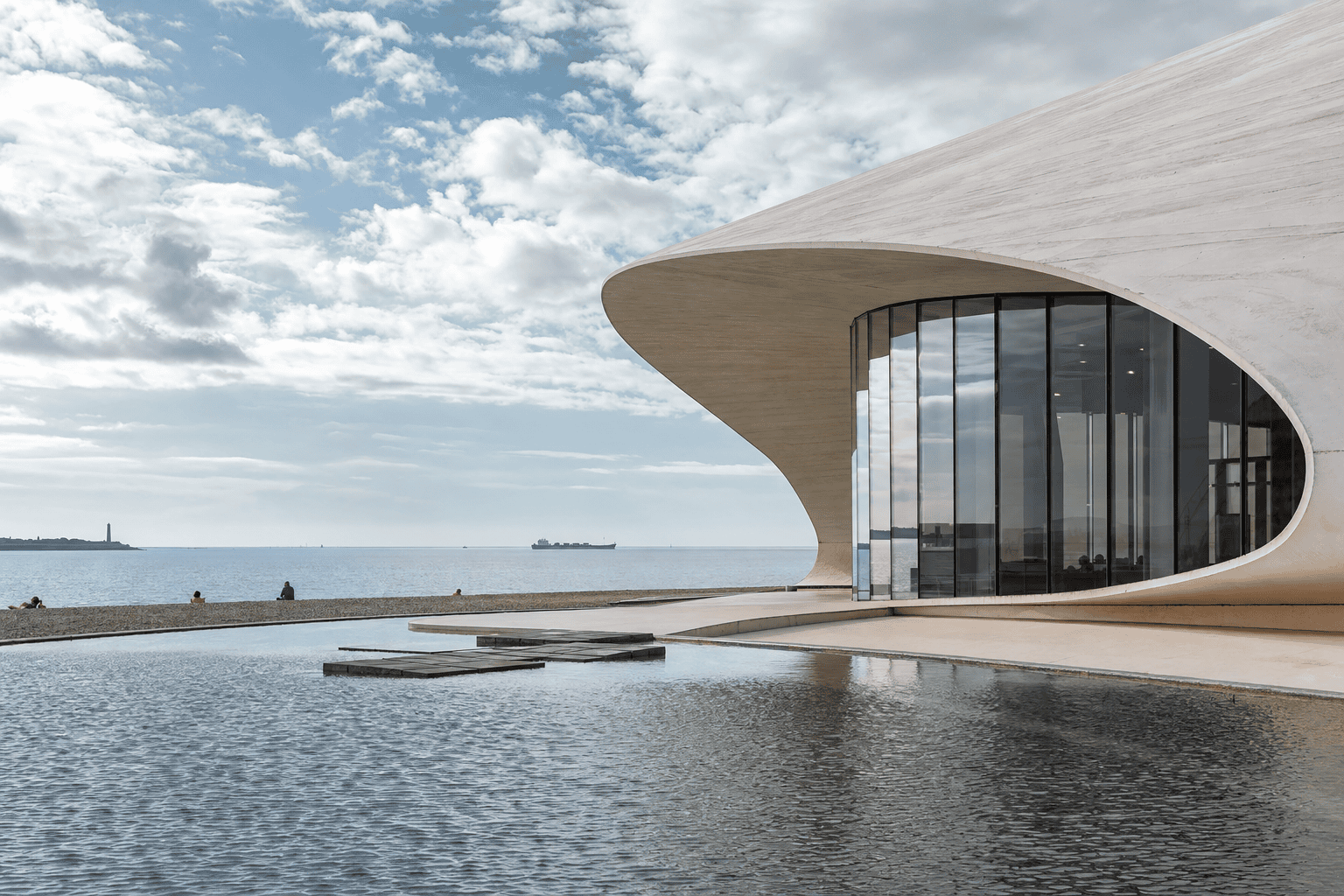
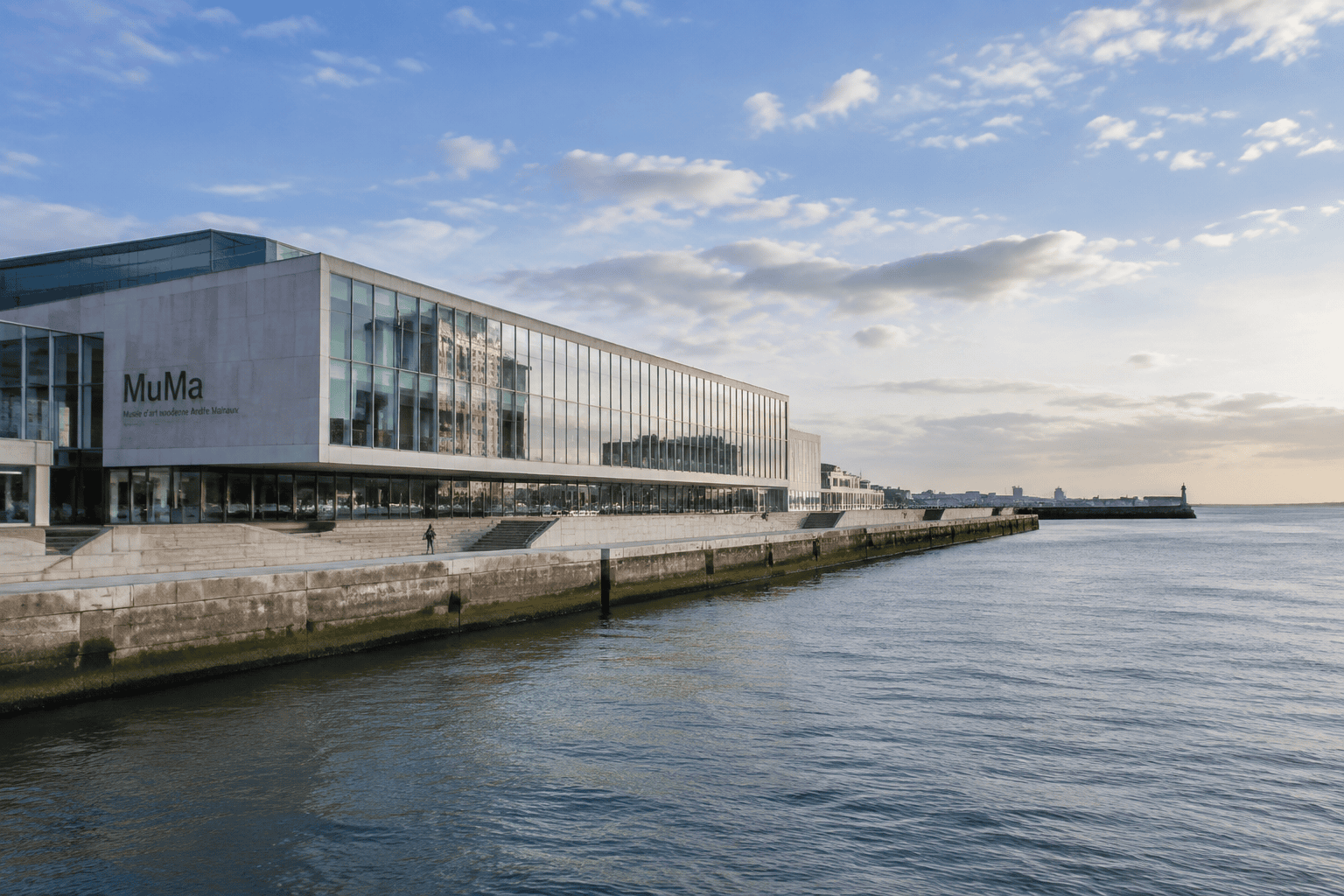
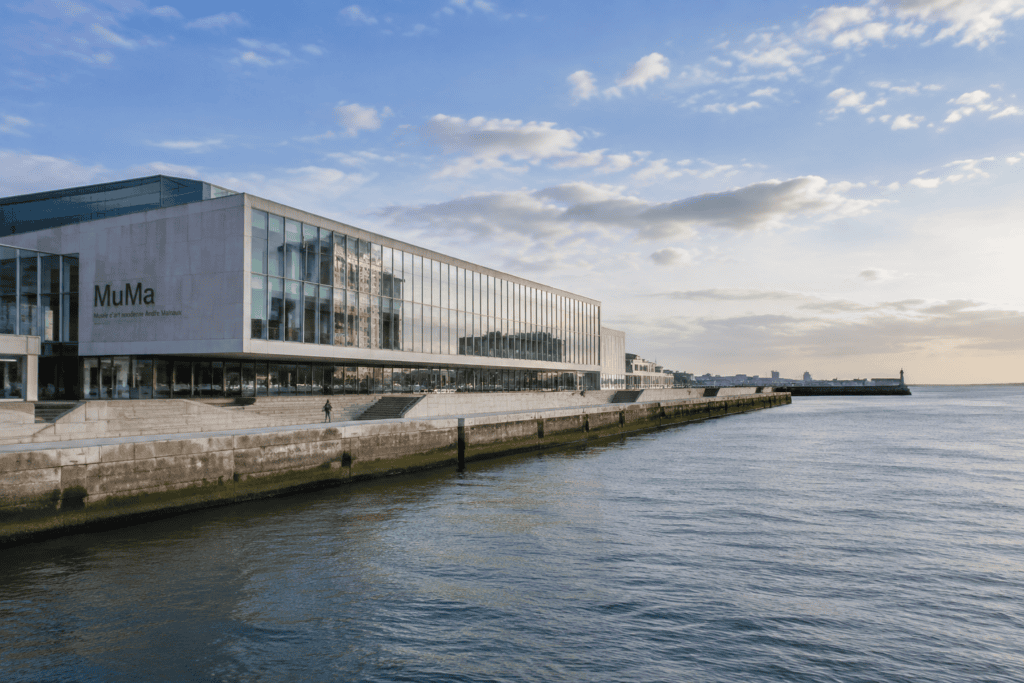
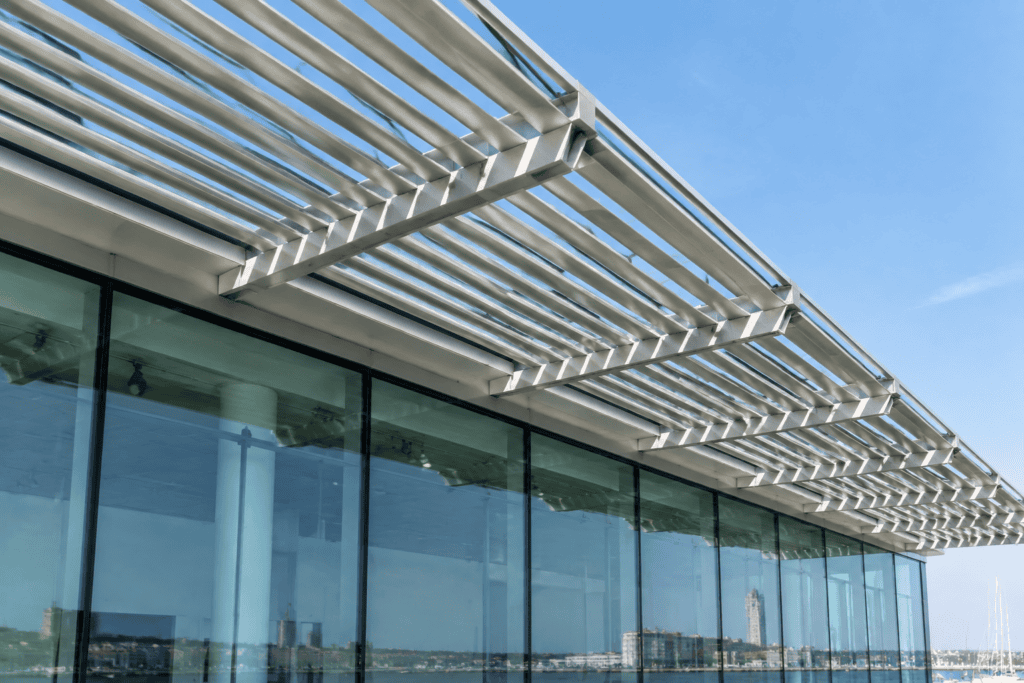
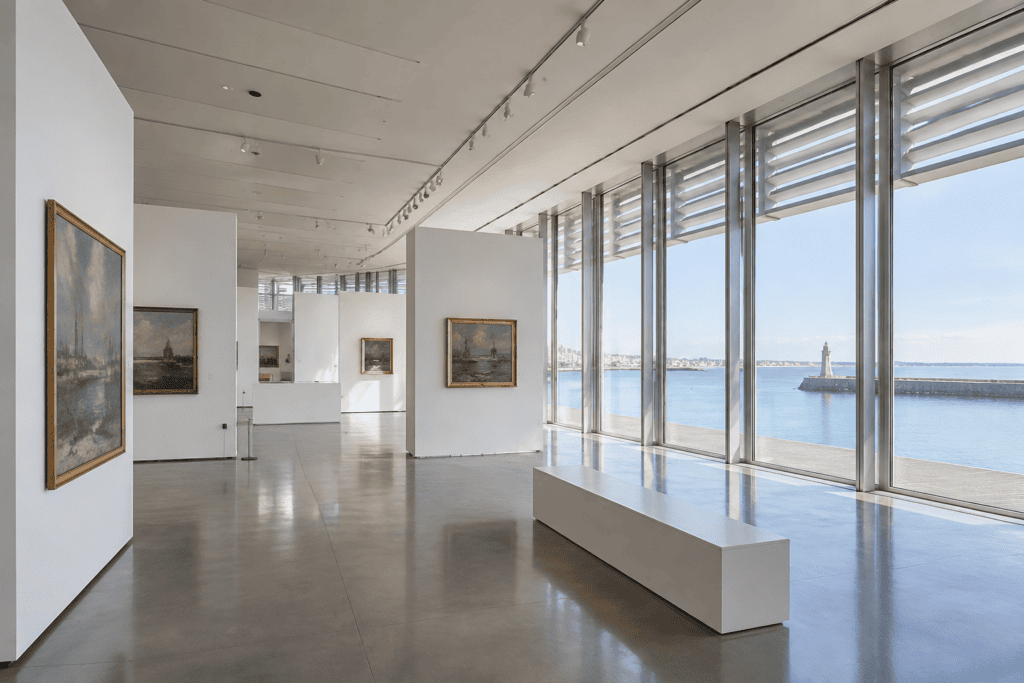
MuMa’s architecture maintains a direct relationship with its setting. Its open spaces and large glass surfaces foster a visual connection with the maritime surroundings, without reducing the museum to a simple viewing point. Instead, the outside landscape becomes a backdrop that accompanies the visit and recalls Le Havre’s role in the history of painters drawn to the Normandy coast.
This connection is especially interesting for visitors discovering the city during a stopover. After viewing ports, beaches, or skies in the paintings, they can see the estuary and port facilities in their real setting. The aim is not to find an exact match between each work and the visible landscape, but to understand the same territory through several perspectives.
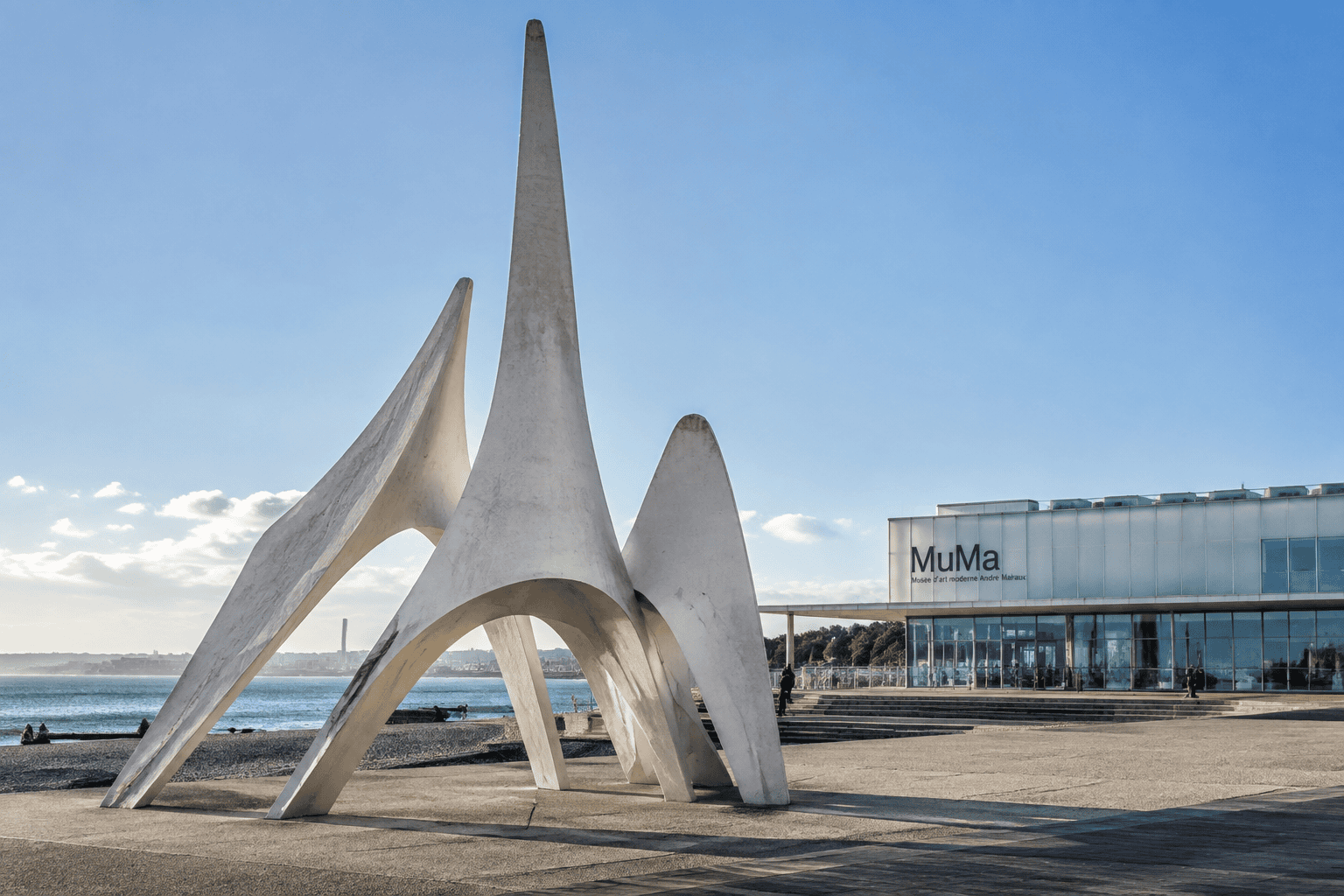
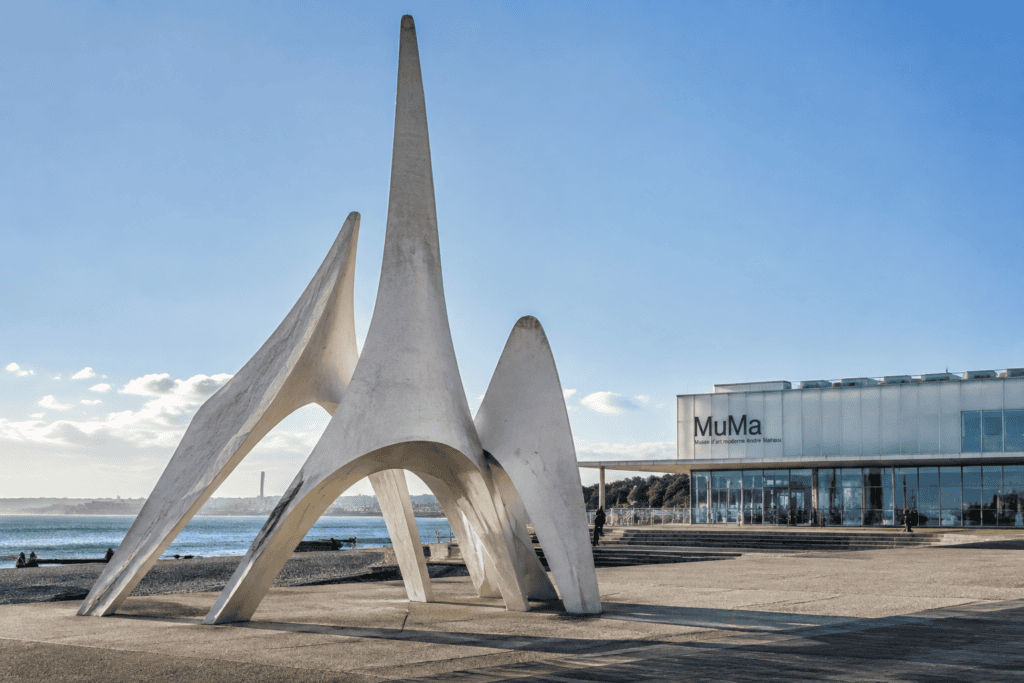
Near the museum, Le Signal, a sculpture by Henri-Georges Adam, is an architectural and artistic landmark. A brief stop outside extends the visit and gives you time to take in the seafront views. Depending on the weather, wind, and season, the outdoor experience can vary considerably, so wear suitable clothing if you plan to continue with a walk.
Planning a visit or cruise stopover
For a first visit, allow approximately 1.5 to 2 hours, depending on the exhibitions on display during your visit. A cruise stopover requires more careful planning: check the ship’s arrival and departure times, allow extra time for disembarkation and returning on board, then check the travel time to the museum. A cultural visit should not compromise your reboarding requirements.
MuMa can be combined with a short walk through central Le Havre, but it is best not to include too many distant sites when time ashore is limited. Travelers with a full day can consider a broader itinerary including the rebuilt city center, Southampton Quay, or the beach. Visitors coming from Paris should also allow for round-trip travel time before choosing their schedule.
Practical information changes depending on the season and exhibitions. Check the official website for hours, prices, possible closures, educational activities, and reservation requirements. The museum may offer special tours or events; do not assume they are available without checking in advance.
What to see around MuMa
The museum’s location makes it easy to continue your day on foot, depending on the time you have available. Southampton Quay offers views of the basins and port activity. The seafront presents another side of Le Havre, more open and expansive, while the rebuilt city center reveals the work of Auguste Perret after World War II. Listed as a UNESCO World Heritage Site, this area is an essential complement to a visit to MuMa.
Saint Joseph’s Church, with its tower visible from several parts of the city, and Le Volcan are among the architectural landmarks in the center. The Hanging Gardens may suit a longer stay, subject to their opening conditions and travel time. For an excursion from Paris, choose a limited number of stops to keep the experience enjoyable.
Cruise passengers may prefer a concentrated route around the museum, seafront, and central areas. This approach keeps you close to the main urban routes and makes it easier to manage your return schedule. A walk after the visit also helps connect the artworks you have seen with the surrounding area: the basins, quays, and maritime horizon become part of the same Le Havre story.
Tips for making the most of the museum
Start by walking through the galleries without trying to read everything immediately. Identify the works that attract you, then return to the labels and gallery texts for more detail. This approach prevents a short visit from becoming too dense. For children, a simple observation game can work well: spot the boats, compare the skies, identify color contrasts, or imagine the movement in a scene.
Art enthusiasts can spend more time comparing Boudin, Monet, Dufy, and the modern artists. Observe how each one treats the landscape, color, and structure of the image. Temporary exhibitions can change the appeal and length of the visit, so check whether one is on before planning your day.
Visitors with reduced mobility or specific needs should consult the accessibility information published by the museum. Reception arrangements and available services should be confirmed directly with the institution. Finally, be sure to distinguish transportation arrangements from museum admission: a private ride does not include an admission ticket. From Paris, the itinerary can be planned around MuMa’s official hours and, for a cruise, around the requirements provided by the cruise line.
Useful sources
Frequently Asked Questions
Where is MuMa located in Le Havre?
What can you see at MuMa?
How much time should I allow?
Is MuMa suitable for a cruise stopover?
Can you get to MuMa from Paris?
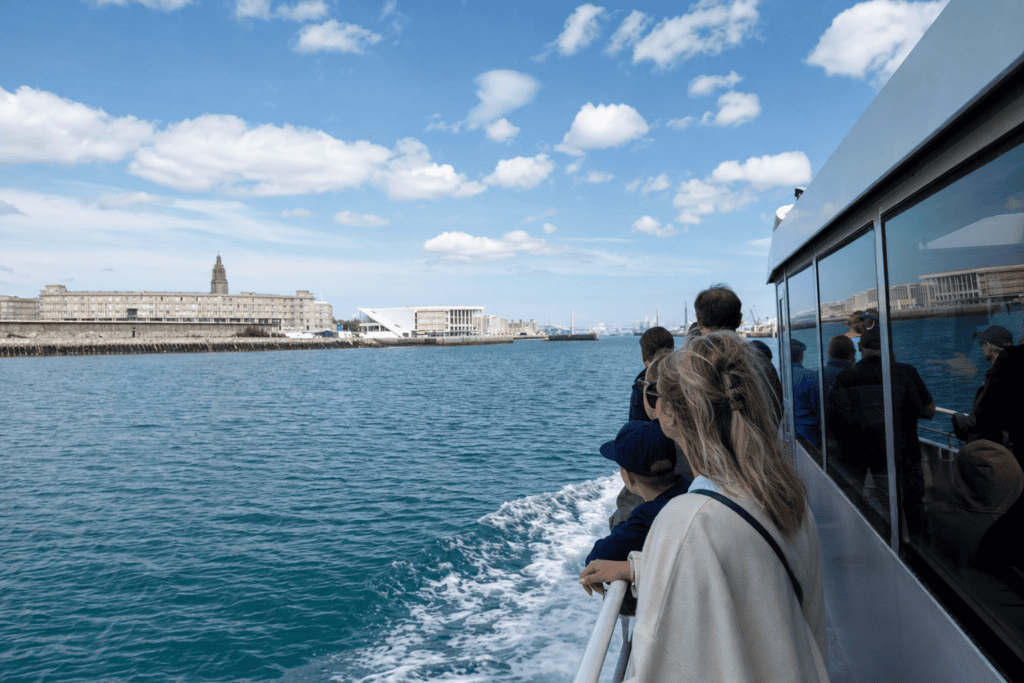 Le Havre Harbor Cruise and Coastal Discovery Set out on a unique discovery of Le Havre’s port, its basins, the estuary and the…
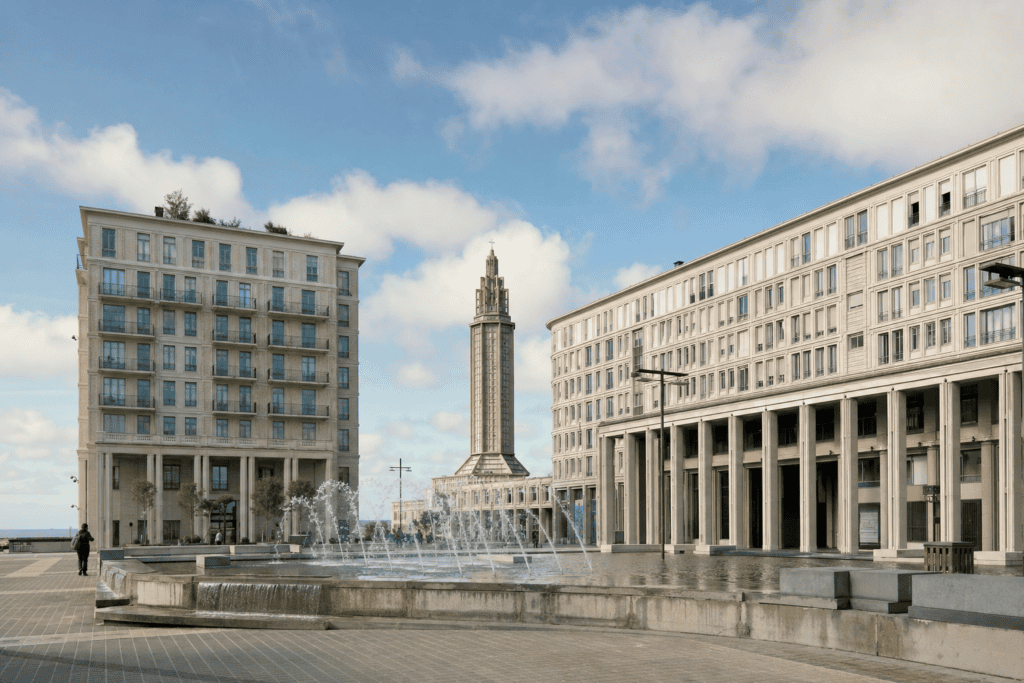 Perret Architecture and Le Havre’s Rebuilt City Center A walking route through the heart of Le Havre, rebuilt by Auguste Perret, among concrete architecture, grand…
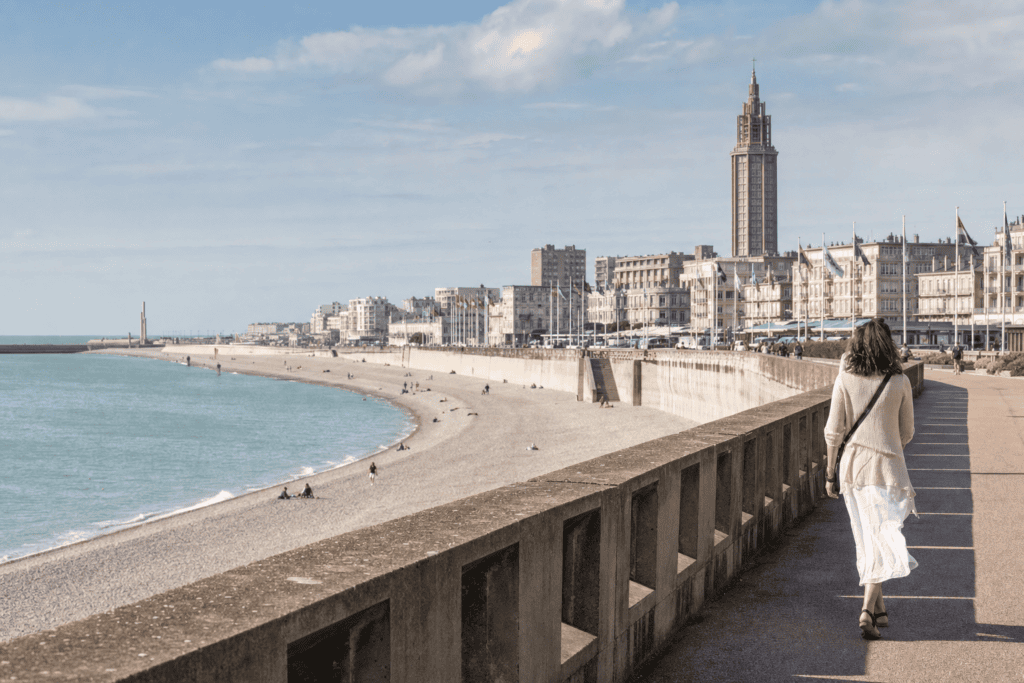 Le Havre Beach and Seafront Promenade An urban beach open to the English Channel, ideal for walking, swimming in season, and enjoying…
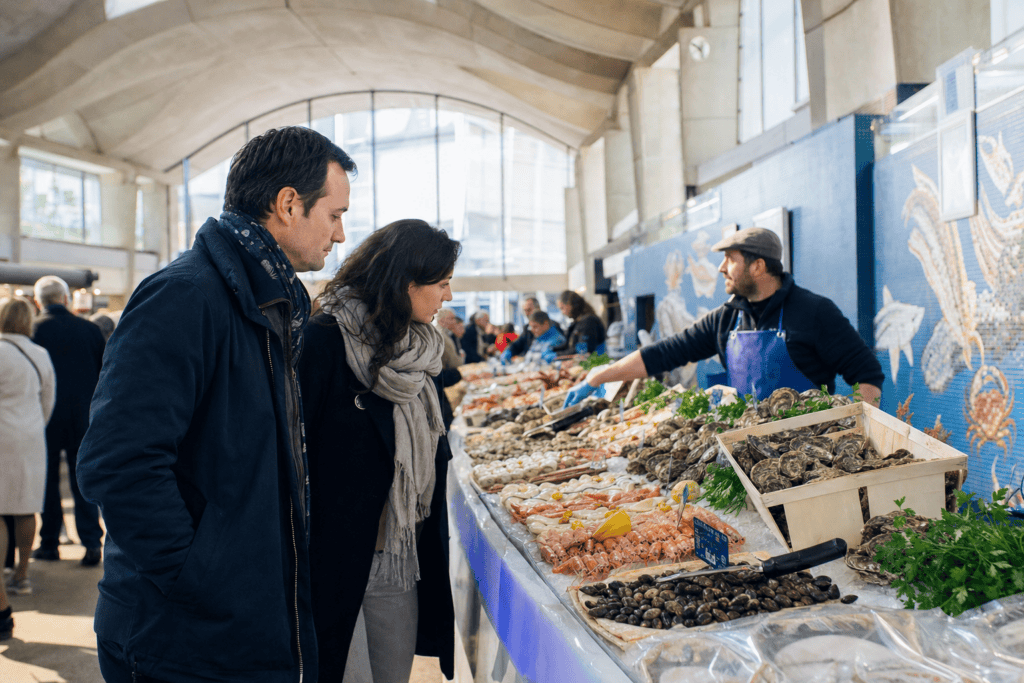 Central Market Halls and Norman Specialties A gourmet stop in the heart of Le Havre to discover the Central Market Halls, Norman products and…
Online booking · Paris → 2 boulevard Clémenceau, 76600 Le Havre
Choose your pickup date and time
Your departure and arrival details are already pre-filled. You can adjust them in the fare calculator before viewing the vehicles and fare.