



Normandy · English Channel Coast · Normandy
Le Havre: Architecture, Beaches and Cruises in Normandy
Between the English Channel, the Seine estuary, and one of France’s largest ports, Le Havre offers a unique experience. The city combines modern architecture, maritime heritage, a downtown beach, museums, and cruise departures. Its center, rebuilt by Auguste Perret and listed as a UNESCO World Heritage Site, provides the ideal starting point for a first visit.
Explore Le Havre
Le Havre’s Must-See Sights
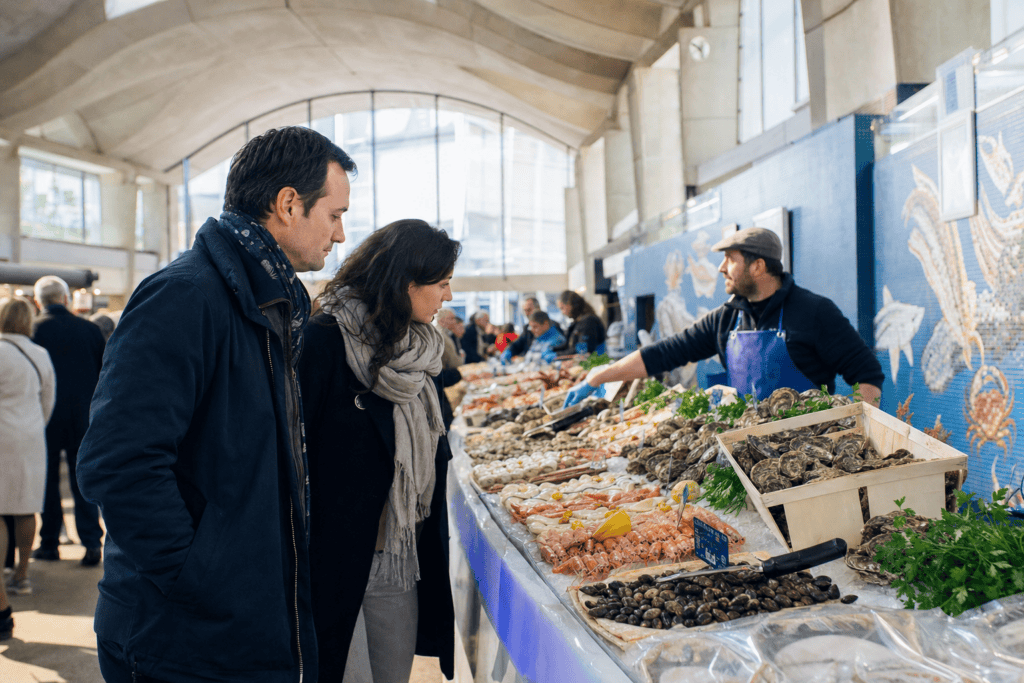 Markets
Central Market Halls and Norman Specialties
A delicious stop in the heart of Le Havre to discover the Central Market Halls, Norman products, and the atmosphere of the…
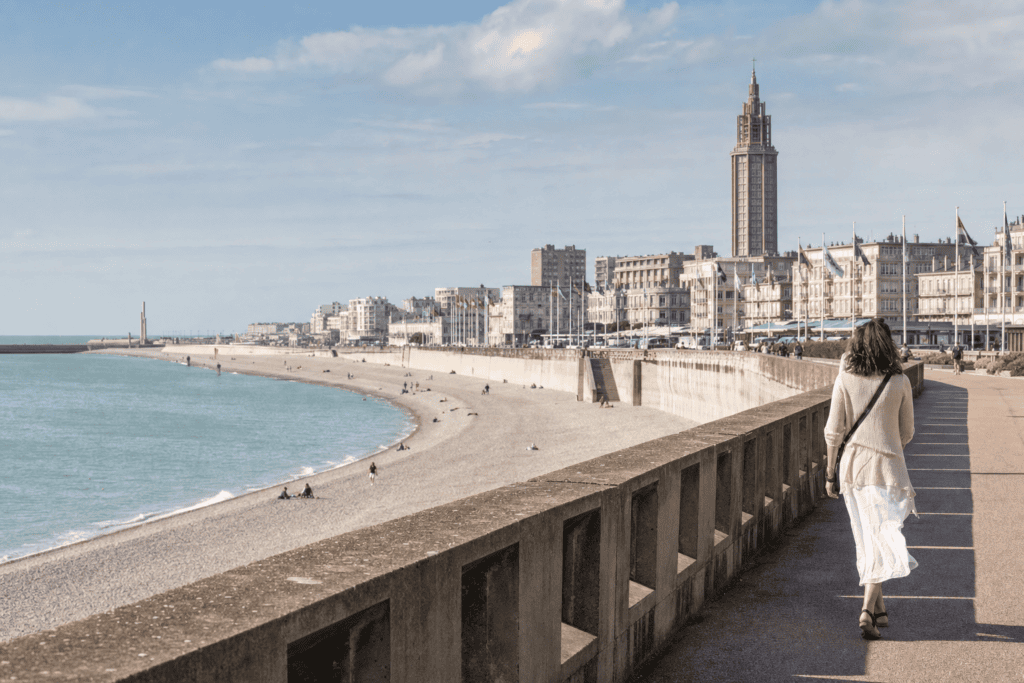 Beaches
Le Havre Beach and Seafront Promenade
An urban beach open onto the English Channel, ideal for walking, swimming in season, and enjoying the coast…
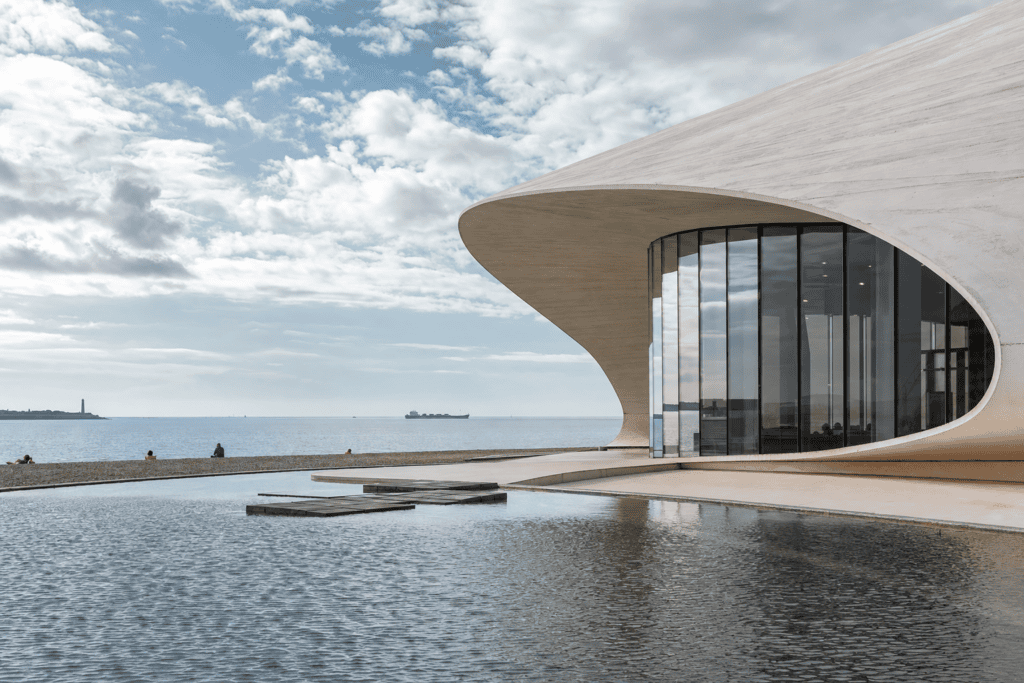 Must-see
MuMa – André Malraux Museum of Modern Art
A major cultural stop in Le Havre, ideal for discovering Impressionism, modern art, and the artistic history of a port city.
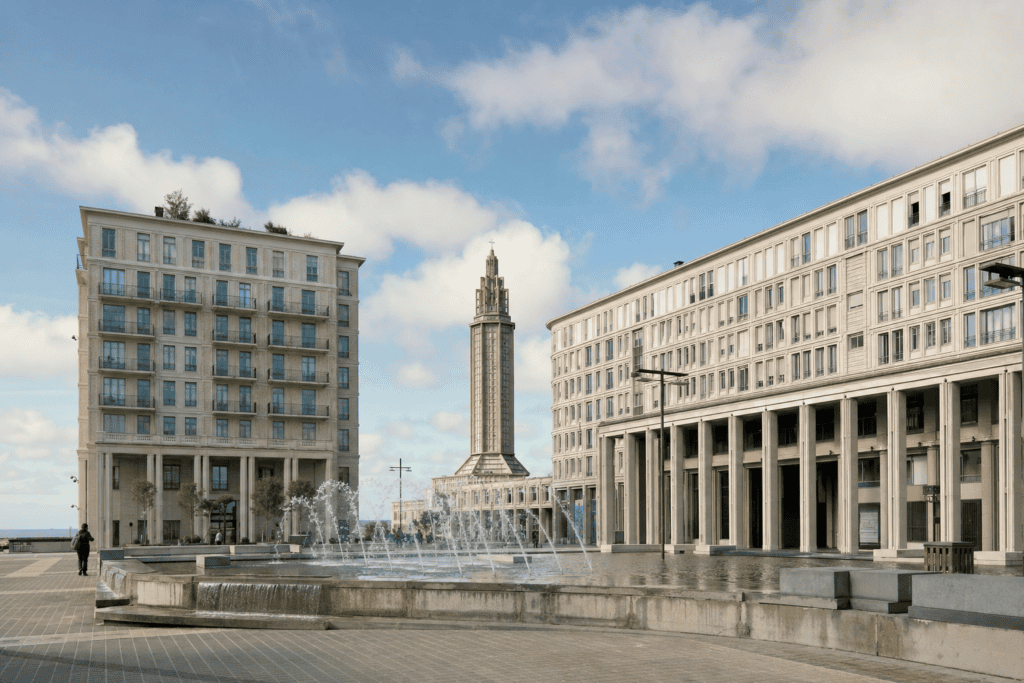 Must-see
Perret Architecture and Le Havre’s Rebuilt City Center
A walking tour through the heart of Le Havre, rebuilt by Auguste Perret, among concrete buildings, broad vistas, and…
 Must-see
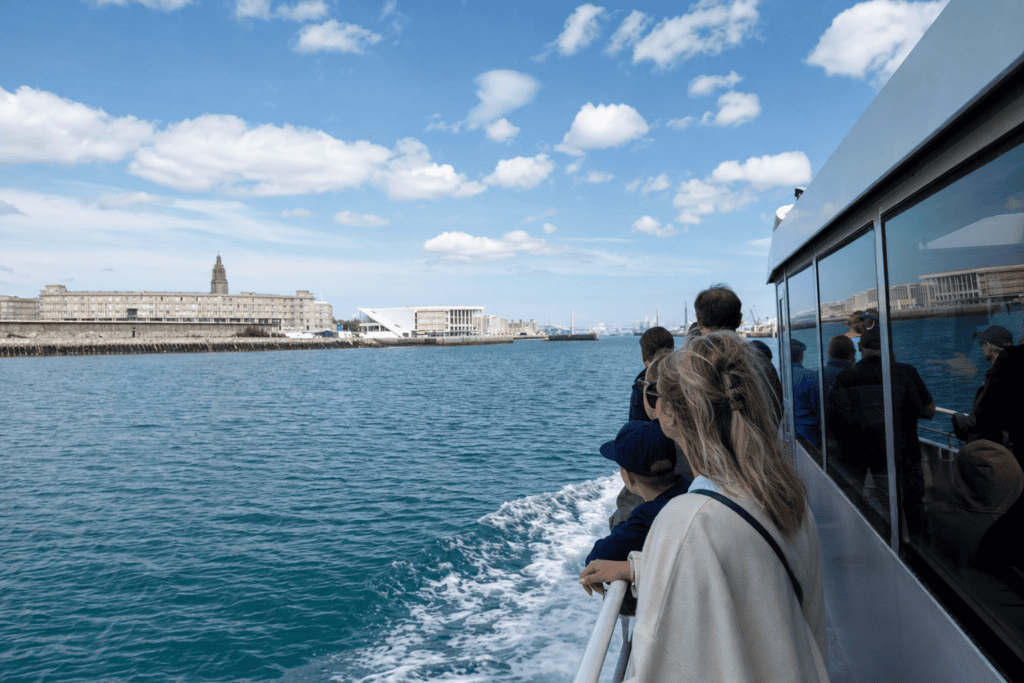
Le Havre Harbor Cruise and Coastal Discovery
Set out on an original tour of Le Havre harbor, its basins, the estuary, and the Normandy coast.
Other destinations to discover
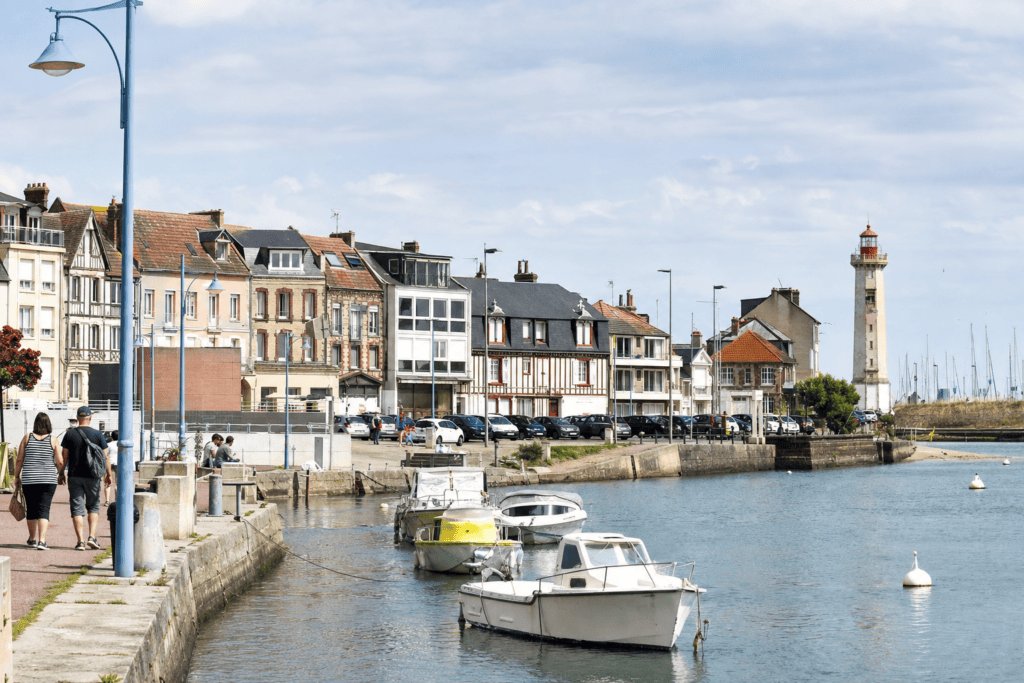
Ouistreham
Discover Riva-Bella Beach, Sword Beach, the Grand Bunker, the harbor and D-Day sites…
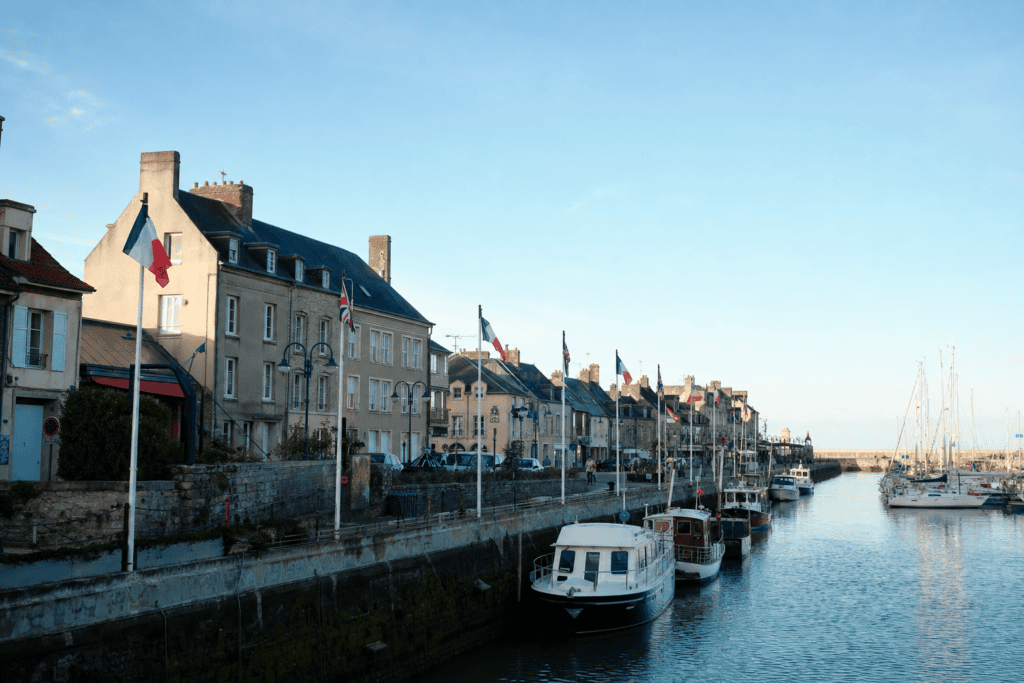
Courseulles-sur-Mer
A Côte de Nacre resort with beaches, a harbor, seafood and Canadian heritage…
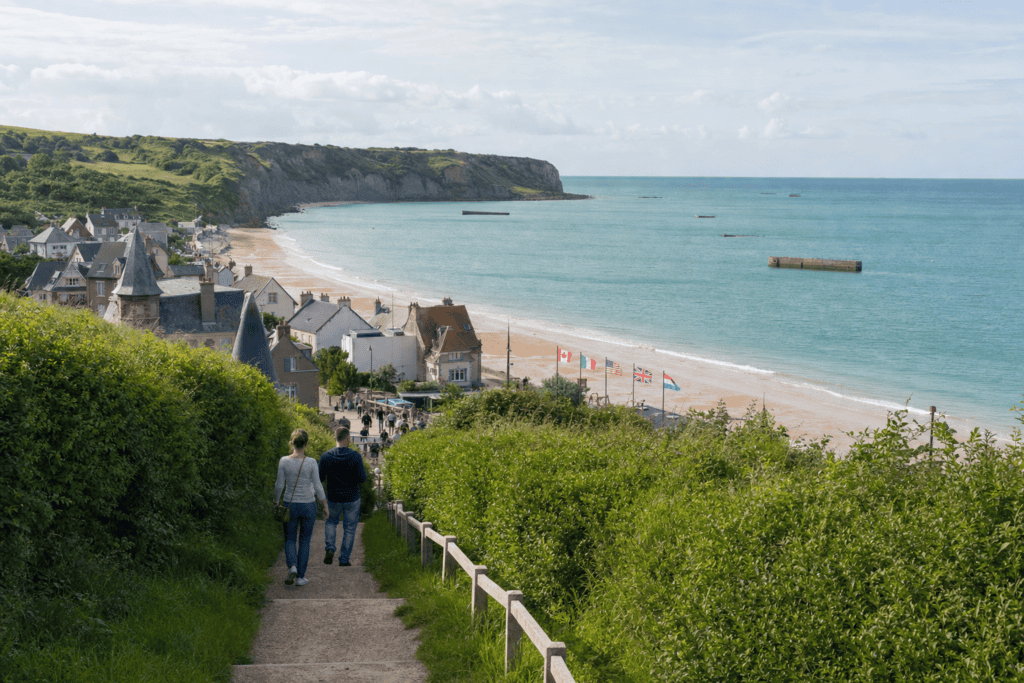
Arromanches-les-Bains
A major D-Day site featuring Mulberry B harbor, Gold Beach, a museum, and remembrance routes from Bayeux.
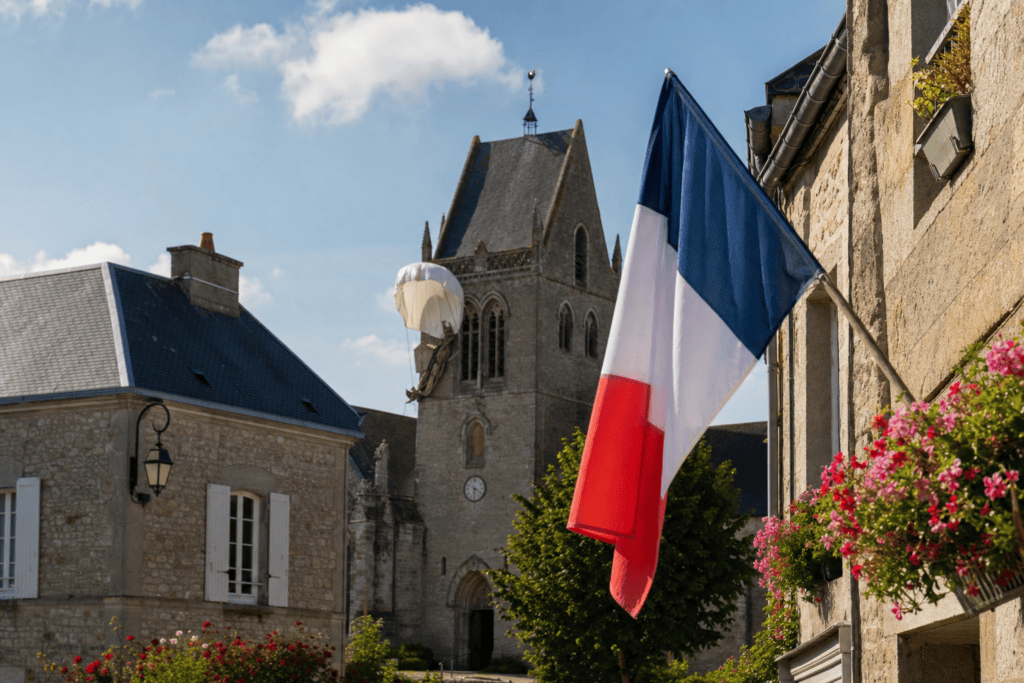
Sainte-Mère-Église
Discover the Airborne Museum, John Steele’s church, La Fière, and Utah Beach from Sainte-Mère-Église.
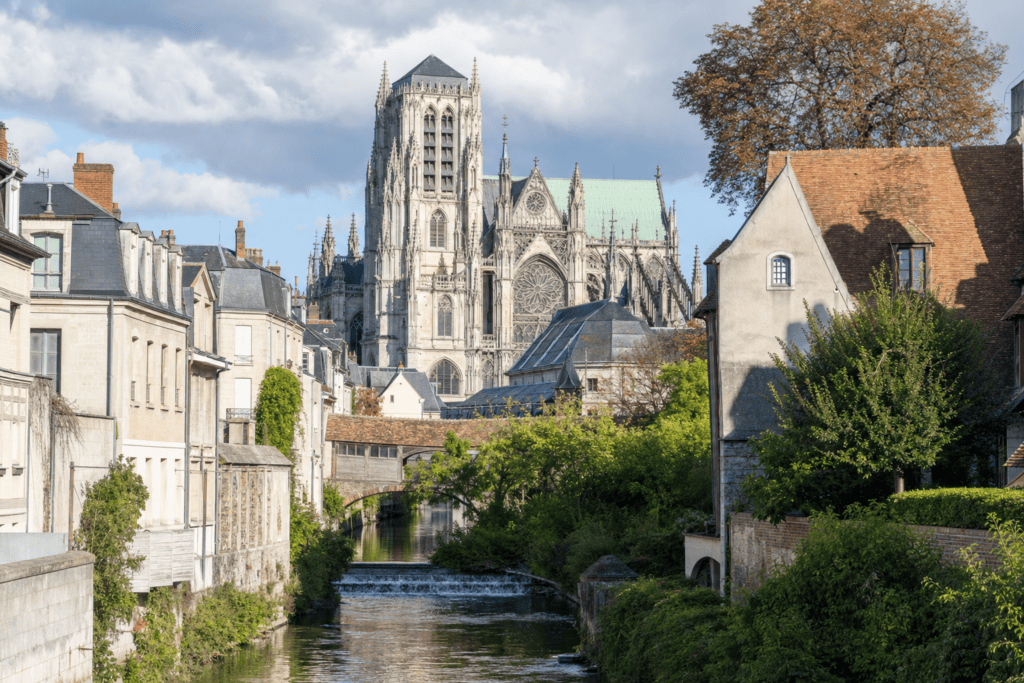
Évreux
A charming Norman town where the cathedral, belfry, museum and banks of the Iton make for a rich and…

Alençon
Alençon charms visitors with its historic heritage, exceptional needle lace, religious legacy and landscapes…
DESTINATION GUIDE
Le Havre Travel Guide
Understanding Le Havre Before You Go
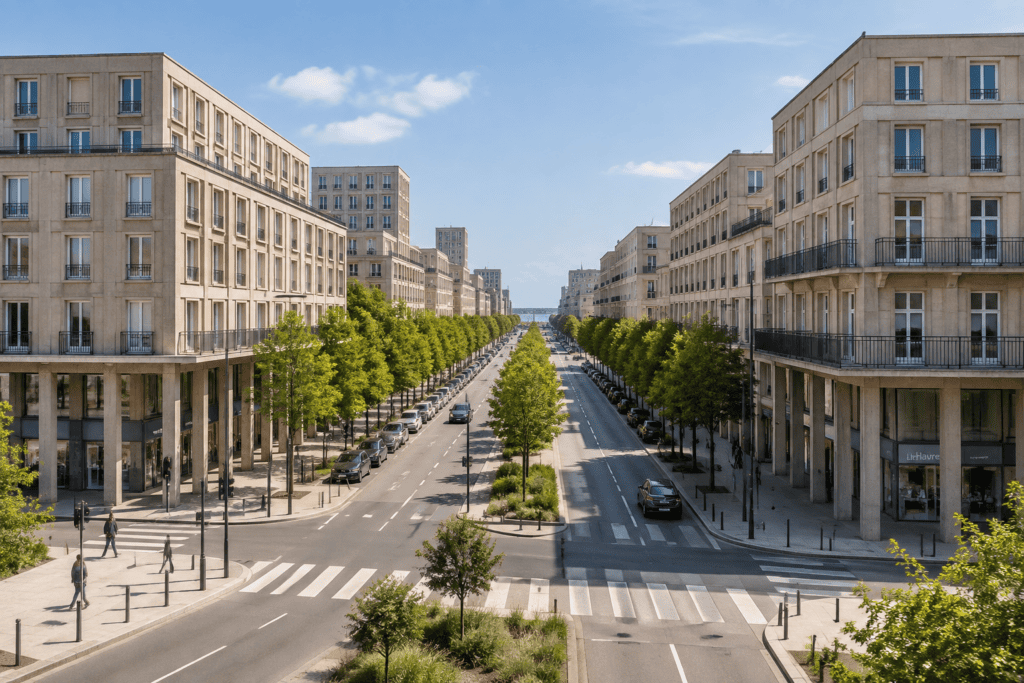
Le Havre is not experienced like a traditional old Norman town. Its identity is largely shaped by the reconstruction carried out after the destruction of World War II under the direction of Auguste Perret. Between 1945 and 1964, the city center was completely redesigned around a regular urban grid, broad avenues, and reinforced-concrete architecture. This cohesive ensemble has been listed as a UNESCO World Heritage Site since 2005.
This history explains the city’s distinctive character: the views are open, the buildings create a cohesive urban landscape, and the light of the English Channel constantly changes the appearance of the façades. To appreciate Le Havre, take time to walk, look up, and compare the different uses of concrete, volumes, and public spaces.
Explore the Center Rebuilt by Auguste Perret
A first walk can begin around City Hall, then follow Avenue Foch toward Porte Océane. The route helps explain the logic of the reconstruction plan and the importance given to vistas, gardens, and major thoroughfares. The listed city center is not limited to a few monuments: it is a lived-in urban ensemble, whose ordinary buildings also contribute to the site’s heritage value.
- City Hall, recognizable by its long façade and tower, is one of the main landmarks in the urban landscape.
- Porte Océane marks the transition between the city and the seafront.
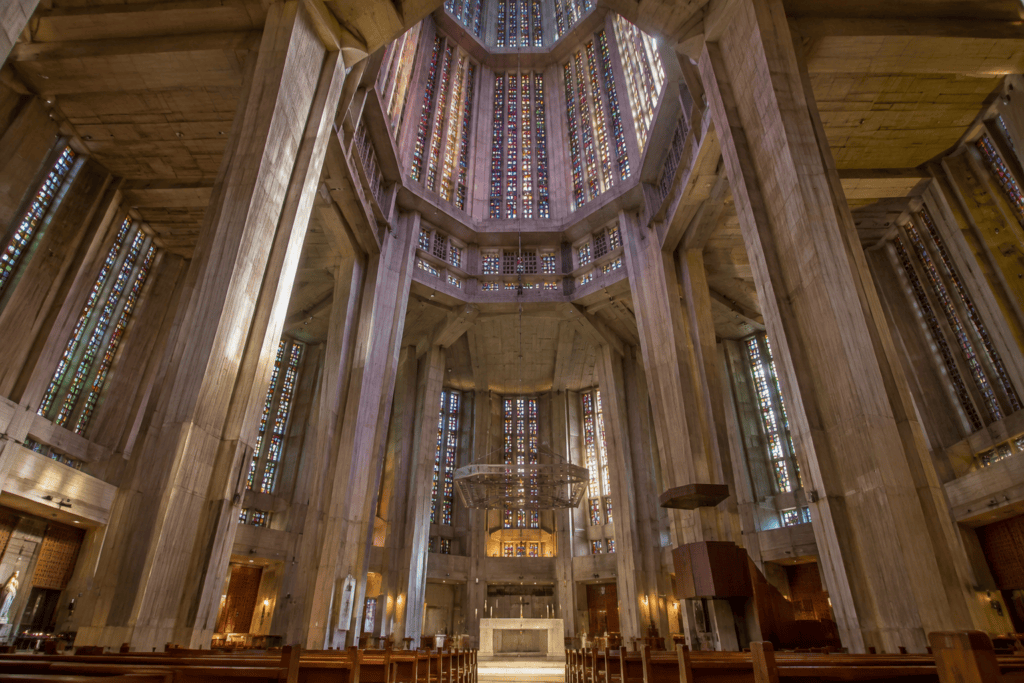
- St. Joseph’s Church impresses with its lantern tower and interior space bathed in colorful light.
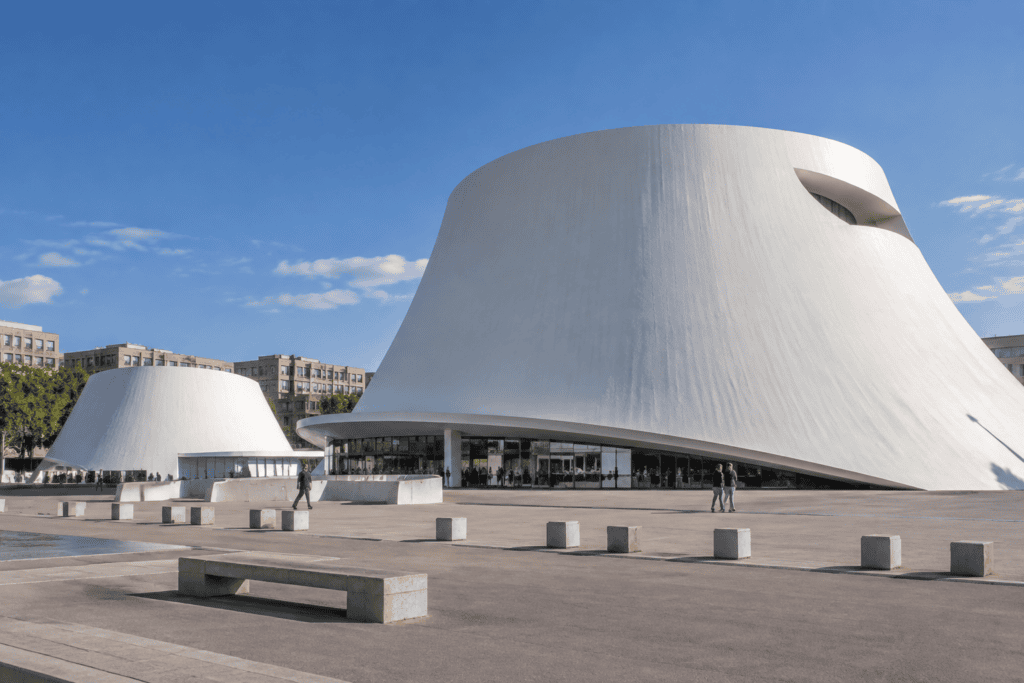
- Oscar Niemeyer Space, with its white Volcano and Little Volcano, offers another perspective on Le Havre’s modern architecture.
A guided tour focused on the reconstruction can be especially helpful for distinguishing Auguste Perret’s principles and understanding why this architecture, long considered austere, is now regarded as a major heritage achievement of the 20th century.
Enjoying the Beach and Seafront
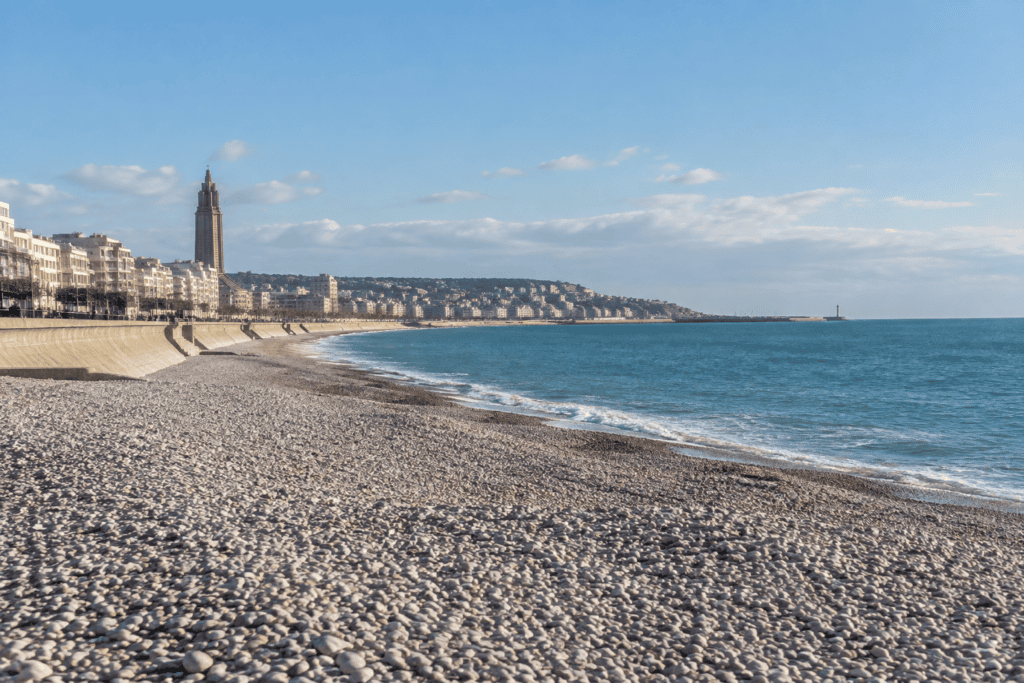
Le Havre has a beach that is directly accessible from downtown. The seafront promenade offers a pleasant break after exploring the rebuilt neighborhoods. It attracts walkers, sunset enthusiasts, and visitors interested in water activities. The beach consists of pebbles, with a seawall and developed areas where you can take in views of the Seine Bay.
The seafront offers several different atmospheres: a morning walk in the soft light, a break on a terrace, watching ships enter or leave the port, or an evening stroll at twilight. As anywhere along the coast, it is best to consider the weather, wind, and tides before planning a water activity or a long walk by the sea.
Visit the Museums and Maritime Neighborhoods
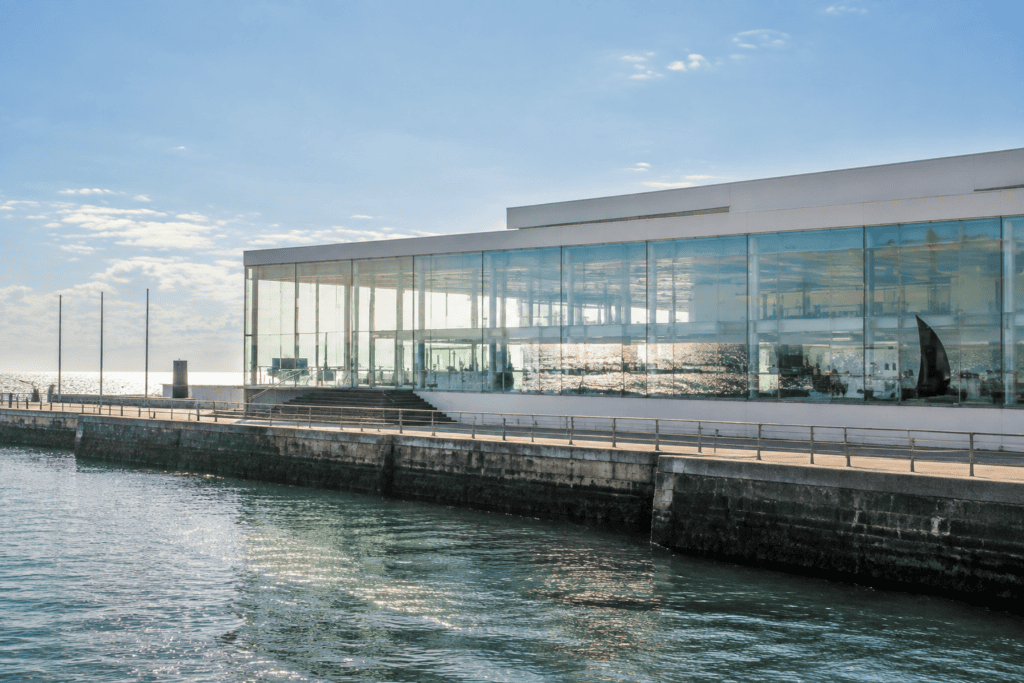
MuMa, the André Malraux Museum of Modern Art, is one of Le Havre’s major cultural attractions. Its waterfront location and collections make it an important stop for understanding the relationship between the city, light, and painting. The museum is particularly associated with the history of Impressionism in Normandy, a region that inspired many artists.
The Saint-François neighborhood reveals another side of Le Havre. Older in its layout and connected to port life, it differs from the rebuilt center through its distinct atmosphere of quays, basins, and maritime buildings. The Docks and former port areas, meanwhile, reflect the city’s gradual transformation, from industrial activity to shops, leisure facilities, and new cultural venues.
Understanding the Port and the Cruise Experience
The port is inseparable from Le Havre’s identity. It shapes the local economy, the landscape, and sightseeing routes. From certain points along the seafront or around the basins, you can observe maritime activity, ferries, cargo ships, and, depending on the season, cruise liners.
Le Havre is also a port of call and an embarkation port for cruise itineraries. A port call can be planned in several ways: explore the rebuilt center on foot, head to the beach, visit a museum, or arrange an excursion into the surrounding Normandy countryside. Travelers should check directly with their cruise line regarding disembarkation procedures, all-aboard times, and transfer arrangements to the terminal.
For a one-day port call, it is generally best to limit your itinerary to a few nearby, well-connected areas. For a longer stay, Le Havre can serve as a base for exploring Étretat, Honfleur, the abbeys of the Seine Valley, or sites connected with the history of D-Day, while taking distances and available time into account.
Trip and Excursion Ideas Around Le Havre
- One day: Perret center, St. Joseph’s Church, Oscar Niemeyer Space, MuMa, and a walk along the beach.
- A weekend: an in-depth exploration of the UNESCO heritage site, the Saint-François neighborhood, the Docks, the seafront, and an excursion to Étretat or Honfleur.
- A Normandy itinerary: combine Le Havre with Rouen, the D-Day beaches, Honfleur, or the Alabaster Coast.
- A cruise port call: choose a realistic route around downtown and allow plenty of time before returning to the ship.
Le Havre also suits travelers who want to go beyond Normandy’s most classic itineraries. Its modern character, maritime setting, and architectural heritage offer a different, more urban and contemporary destination while remaining close to dramatic coastal landscapes.
Practical tips for planning your visit
The city center is easy to explore on foot, but distances become greater when you want to combine the beach, port, museums, and an excursion farther afield. Comfortable footwear is recommended, especially for walks on the pebbles and quays. Weather can change quickly along the coast, so a windbreaker is often useful, even on a sunny day.
Before you leave, check the official information from the City of Le Havre, the tourism office, and the port to confirm access conditions, any required reservations, and current events. For an excursion from Paris or the Paris airports, a private itinerary can combine Le Havre with another stop in Normandy without presenting Booking Paris Transfer as a local transportation service based in Le Havre.
Useful sources
Getting to Le Havre from Paris
Booking Paris Transfer can arrange a private ride from Paris, the Île-de-France region, CDG, or ORY to Le Havre, as well as a return trip to Paris. This option also works for a multi-city Normandy itinerary beginning in Paris. Cruise, admission, and tour tickets are not sold by Booking Paris Transfer.