



Citadelle of Lille: Guide to the Park and Fortress
Lille
West of Lille’s historic center, the Citadelle of Lille encompasses an extensive area of fortifications, woodlands, gardens, and recreational spaces. Built between 1667 and 1670 under Vauban’s direction, it remains a military site: its inner area is not freely accessible, while the grounds and park can be explored on foot. Guided tours may be available depending on the dates and arrangements offered by the Lille Tourist Office. Around the ramparts, the park provides a pleasant setting for walking, running, observing nature, or enjoying a family outing.
Practical information
Start at the Porte Royale or the Champ de Mars, then choose a heritage or nature loop. Wear comfortable shoes, as the site is extensive and distances can be considerable.
Travel from Paris to Lille with a private driver
For an organized excursion from Paris, Booking Paris Transfer can provide private transportation between a Paris hotel, Charles de Gaulle Airport, or Orly Airport and Lille, with a return trip to Paris according to your itinerary. The service covers transportation only: tickets for the zoo, recreational activities, or guided tours of the Citadelle must be booked directly with the official providers. Plan your day around the travel time and the schedules confirmed before departure.
Private transportation from Paris, a Paris hotel, CDG, or ORY; return to Paris available. No admission ticket included.
Understanding the site before your visit
The Citadelle of Lille is more than an isolated monument. It forms part of a landscaped area of approximately 110 hectares encompassing the Bois de Boulogne, the zoo, Cita-Parc, gardens, meadows, and the banks of the Deûle. This variety makes it easy to tailor your visit to your interests: a leisurely walk, an exploration of Vauban heritage, a sporting outing, or a family day. The site offers a true urban escape while remaining close to Vieux-Lille and the historic center.
The paths pass through wooded areas, open spaces, and landscaped sections. A walk around the Citadelle can therefore be a destination in itself or one stop on a broader itinerary including the Vauban Garden, the Champ de Mars, and the quays. Before setting out, consider the atmosphere you want and the time available: you do not need to explore the entire park to enjoy its main highlights.
A fortress designed by Vauban
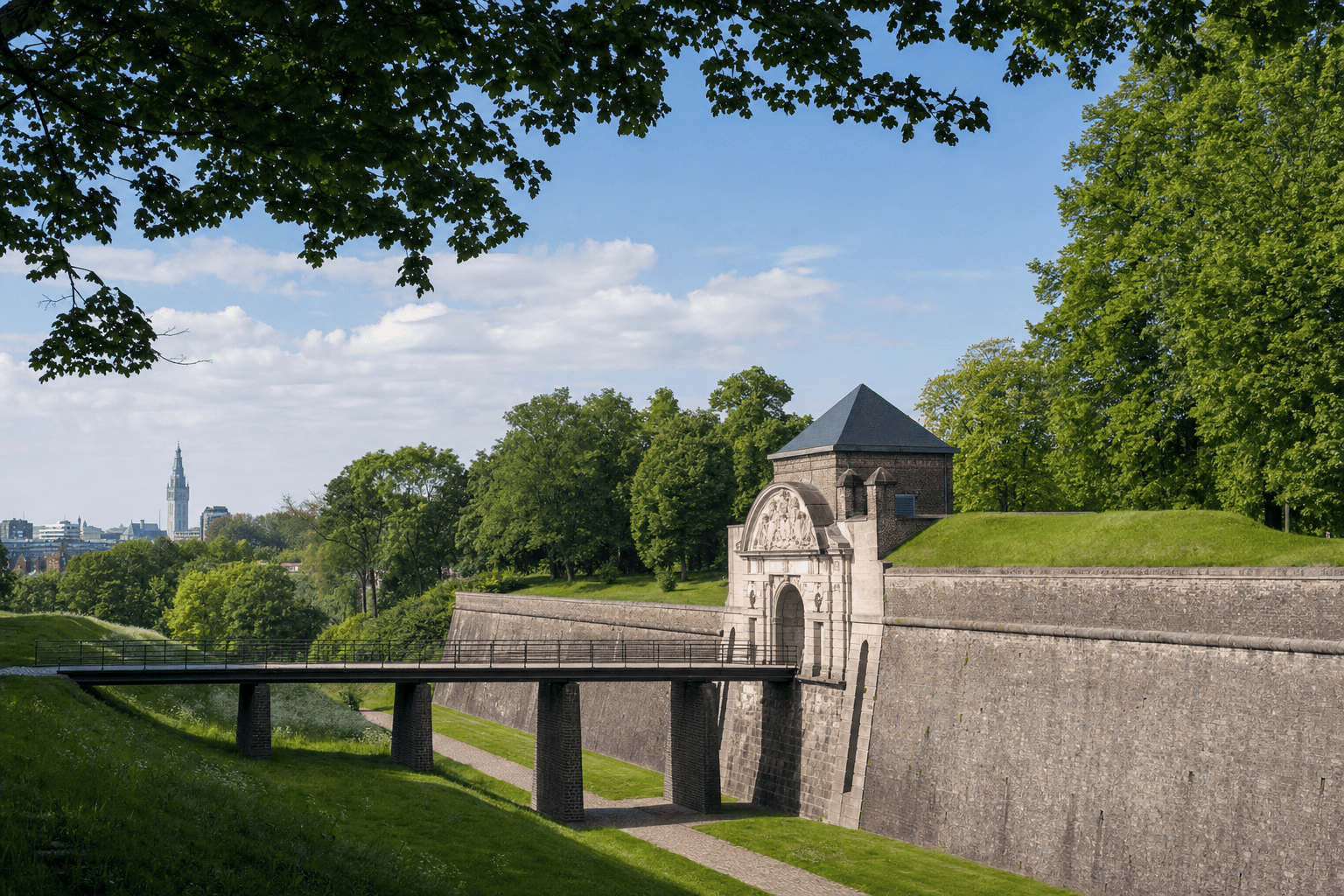
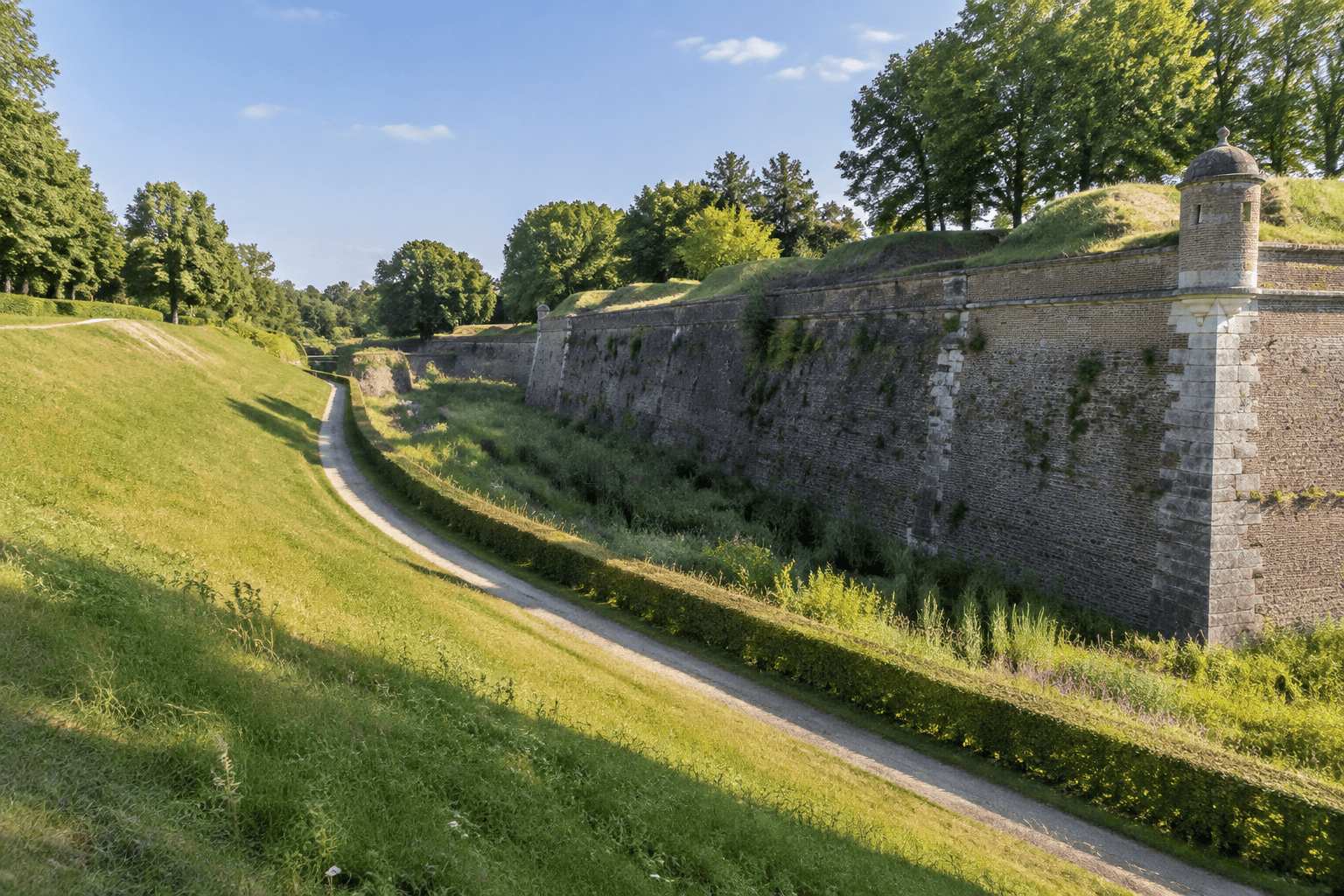
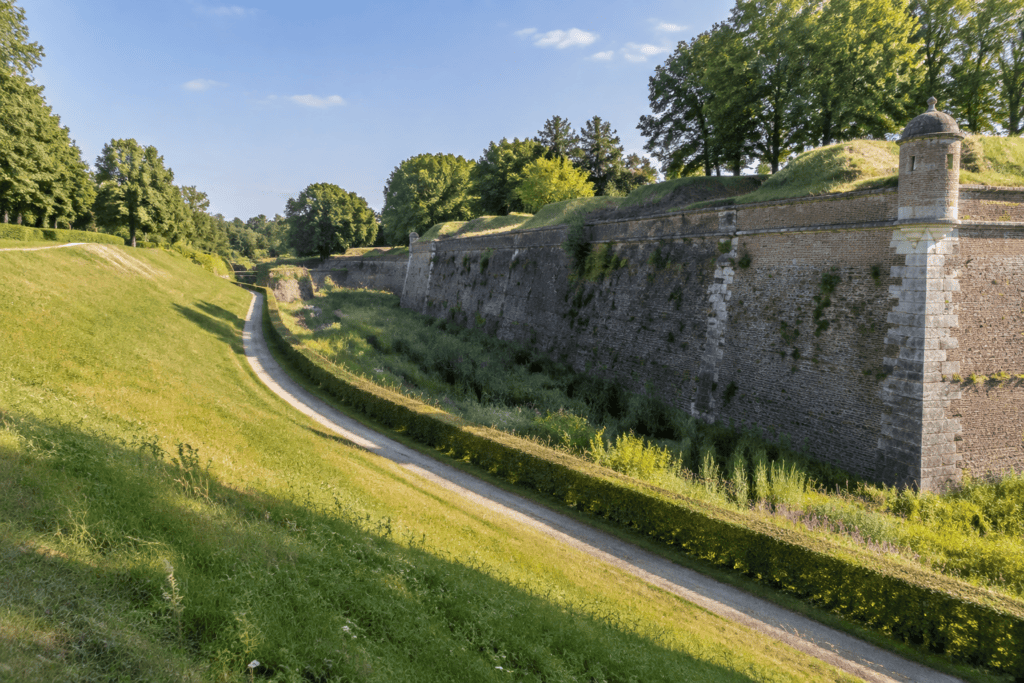
The fortress was built after Louis XIV’s conquest of Lille. Construction began in 1667 and was completed in 1670 under the direction of Sébastien Le Prestre, Marquis of Vauban. Its pentagonal shape, arranged around five bastions linked by curtain walls, illustrates 17th-century defensive design. Protection relied on more than walls: moats, gates, outworks, glacis, and firing lines formed a coherent system intended to defend the city.
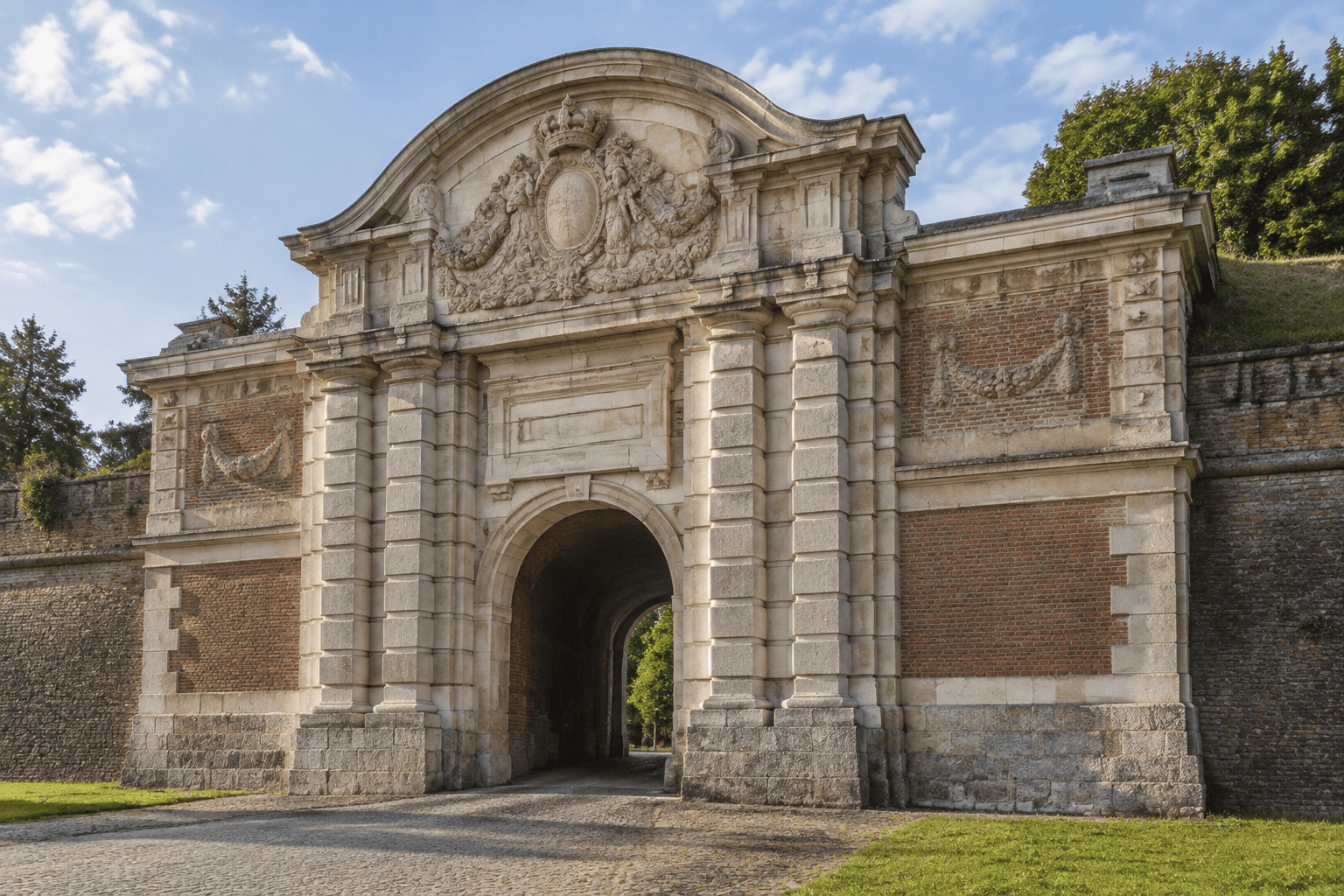
The Citadelle is sometimes nicknamed the “Queen of Citadels” because of its importance in Vauban’s work and its state of preservation. The Porte Royale, the ramparts visible from the paths, and the views toward the bastions convey its monumental scale. The inner area, however, remains in military use, notably by the Corps de Réaction Rapide-France. Interior access is therefore regulated and must be arranged through official organizations.
Highlights to see on a walk
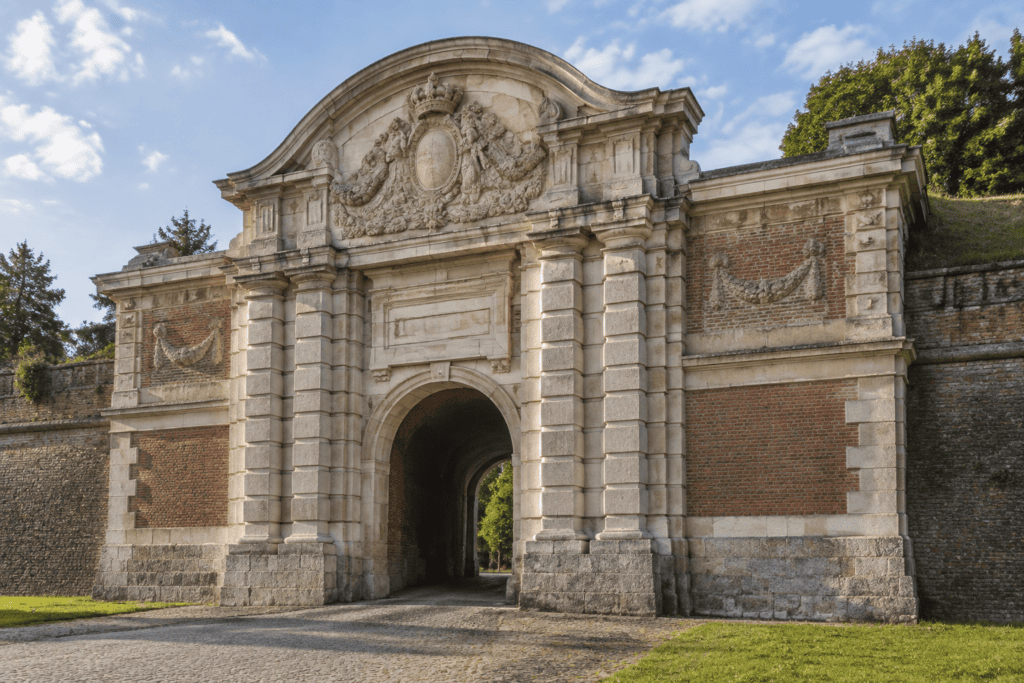
For a first visit, the Porte Royale is an excellent landmark. Its monumental proportions immediately convey the power of the former stronghold. From the outer areas, observe the geometry of the bastions, the moats, and the views opening toward the green spaces. A heritage trail featured on the park’s website connects several notable points and provides a natural thread for your visit.
The Champ de Mars has a different atmosphere. Once a military training ground, it is now associated with walks and recreation. The paths along the Deûle, bridges, rows of trees, and views of the fortifications change with the light and the season. The nearby Vauban Garden can complement your outing with a more landscape-focused experience. If time is limited, prioritize the Porte Royale, the outer areas of the Citadelle, and part of the Bois de Boulogne.
Nature, water, and biodiversity in the heart of Lille
The park forms a mosaic of woodlands, meadows, ponds, and banks along the Deûle. This variety of habitats supports remarkable biodiversity for a site in the heart of a major city. Depending on the area and season, a walk may offer opportunities to observe birds, insects, mature trees, and wildflower meadows. Ecological management of certain areas may also include grazing by sheep or goats to reduce mowing and preserve diverse habitats.
To enjoy this natural side of the park, choose quieter times, stay on the paths, and avoid disturbing the animals. Nature and biodiversity trails can be followed using the park’s resources. After rain, some sections become muddy, so suitable footwear is useful. With children, turn the walk into an observation game by looking for leaves, birds, tracks, and changes in the landscape without picking or moving natural elements.
Family activities and outdoor recreation
The park makes it possible to plan a family outing without making numerous trips between sites. The Zoo de Lille, located within the Citadelle grounds, is one of the best-known attractions. Cita-Parc offers nature- and animal-themed rides, while playgrounds provide child-friendly breaks. Each facility has its own opening hours, prices, and access rules, so check the official information before planning your day.
Active visitors can choose from brisk walking, running, orienteering, and other outdoor activities. Water-based recreation may also be available on the Deûle, depending on the providers and season. Le Quartier Libre, located in a renovated former military building, helps enliven the area with services, dining, and activities that may change over time. Leave some flexibility in your schedule so you can enjoy the park without turning the day into a series of appointments.
Plan your route according to the time available
With one hour, focus on the Porte Royale, the outer areas of the Citadelle, and the Champ de Mars. This option lets you see the essential historic features without trying to cross the entire site. With two hours, add a loop through the Bois de Boulogne or along the Deûle, with a break in a landscaped area. For a half-day, combine the heritage walk with the zoo, a family activity, or a nature trail, checking each facility’s opening hours.
The park’s interactive map can help you choose a route based on duration, theme, or difficulty. Geolocation makes it easier to find your way, especially if you want to visit several stops. It is wise to save useful information on your phone before setting out. Always treat an interior visit to the fortress as a separate activity: it depends on available dates, reservations, and the military site’s instructions. Do not assume that the buildings are freely accessible.
Access, practical tips, and respecting the site
The park has several access points. Avenue du 43e Régiment d’Infanterie, Avenue Mathias Delobel, and the Champ de Mars area serve as landmarks depending on which section you are visiting. By public transportation, the site can be reached by metro, bus, or shuttle, but routes should be checked based on your starting point and any roadworks. If driving, allow extra time on pleasant days and during events, as the surrounding roads may be busy.
For a comfortable visit, bring water, protection from rain or sun, and suitable shoes. Dogs may be allowed in certain areas, subject to the rules for parks and gardens and the regulations applying to specific sections. Respect natural areas, keep your pet under control, do not feed wildlife, and take your trash with you. Check the official schedule before setting out: activities, construction, or events may change access and the overall atmosphere of the site.
Frequently Asked Questions
Can you enter the Citadelle of Lille freely?
How much time should you allow to visit the park?
Is the Citadelle of Lille suitable for children?
Can you exercise in the park?
Where should you start your walk?
 Wazemmes Market An iconic Lille market, known for its varied stalls, covered halls, and welcoming atmosphere…
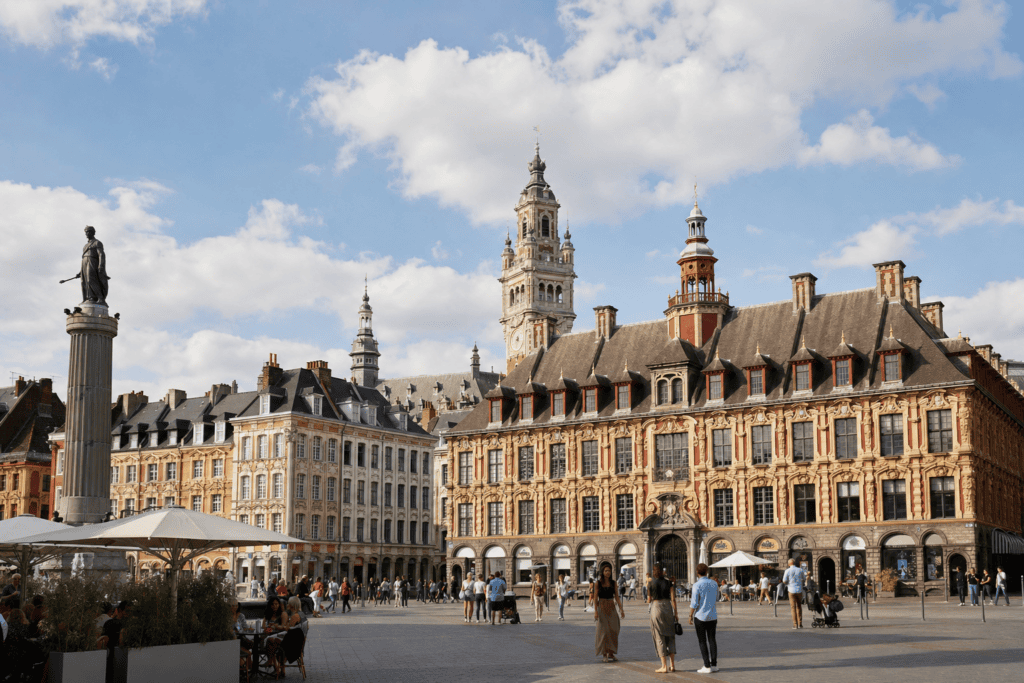 What to Do in Lille in a Weekend A two-day itinerary through Vieux-Lille, Flemish heritage, museums, local gastronomy, and the park of la…
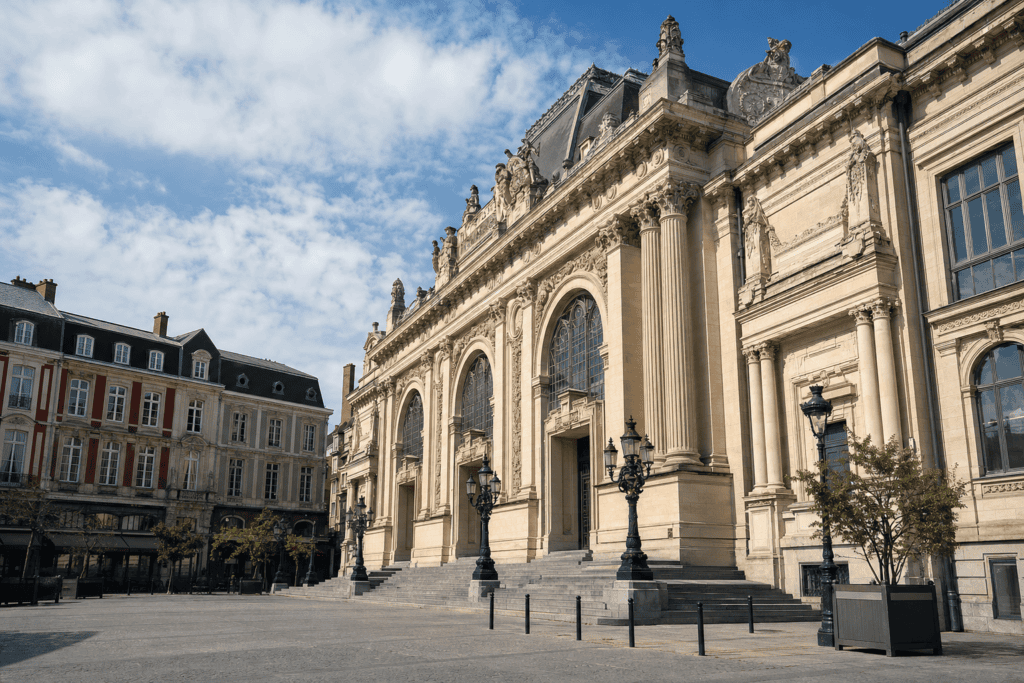 Palais des Beaux-Arts de Lille A major Lille museum, known for its European masters and exceptional collection of relief maps.
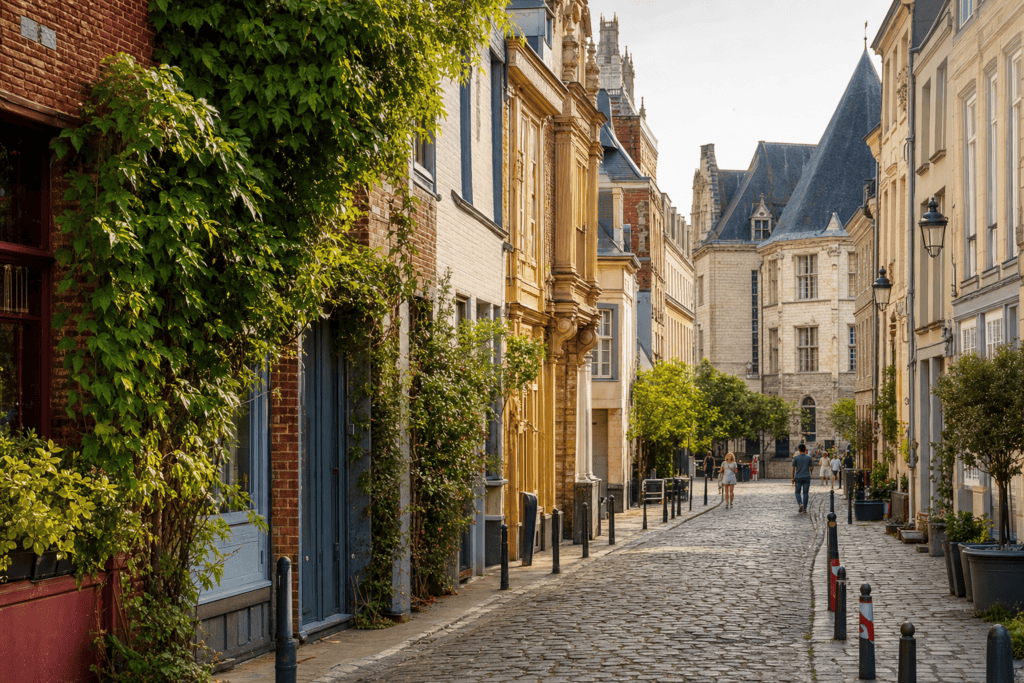 Vieux-Lille Flemish façades, cobbled streets, monuments, shops and regional cuisine: Vieux-Lille is the ideal neighborhood…
Online booking · Paris → Avenue du 43e Régiment d’Infanterie, 59000 Lille, France. Other access points include Avenue Mathias Delobel and the area around the Champ de Mars.
Choose your pickup date and time
Your departure and arrival details are already pre-filled. You can adjust them in the fare calculator before viewing the vehicles and fare.