



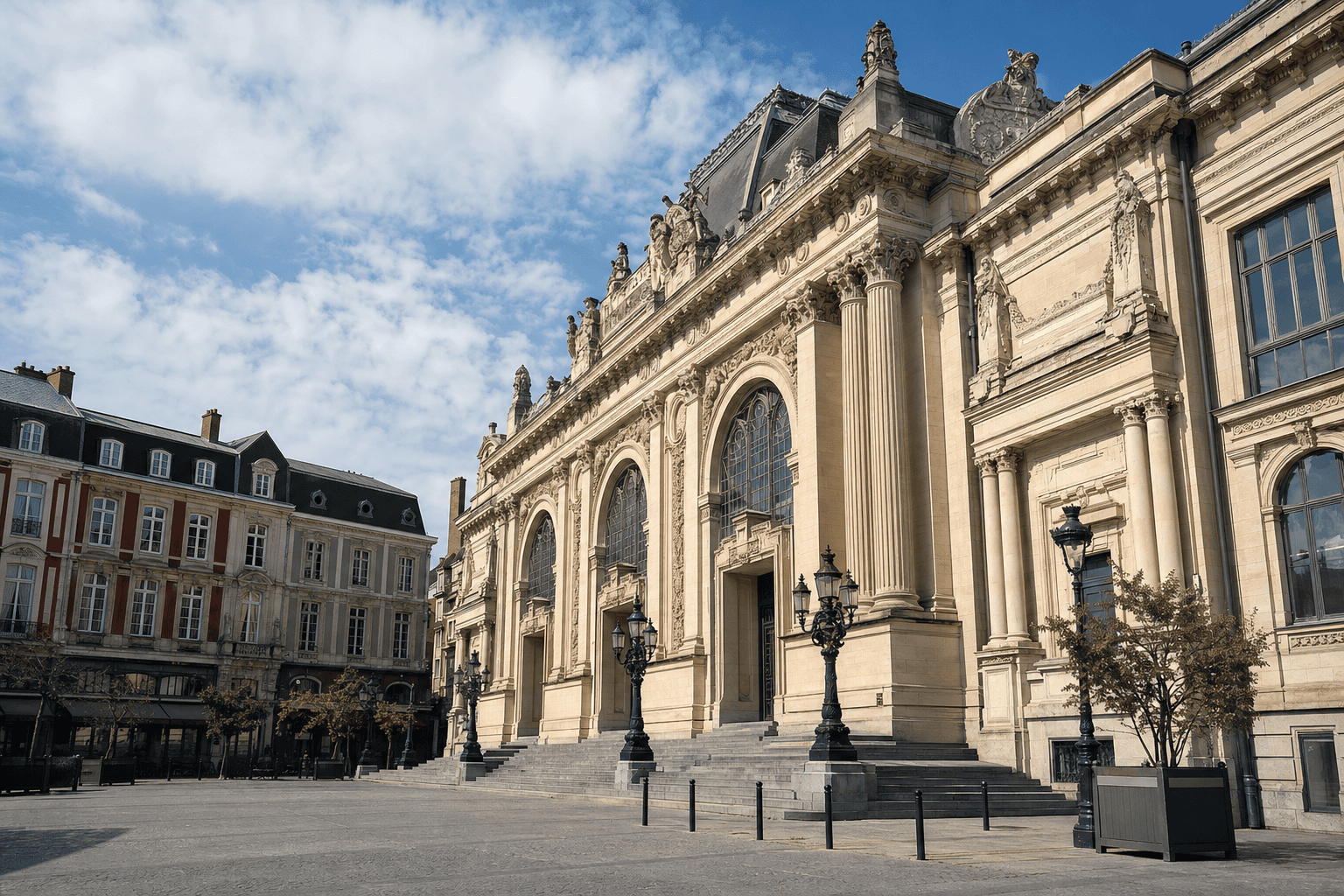
Palais des Beaux-Arts de Lille: Visitor Guide
Lille
Located on Place de la République, the Palais des Beaux-Arts de Lille is one of France’s major museums outside Paris. Its collections bring together paintings, sculptures, drawings and relief maps, including works by Rubens, Goya, Delacroix, Monet and Rodin. The breadth of the visitor route makes it suitable for both a first introduction to European art and a more in-depth visit in the heart of Lille.
Practical information
Set aside some time for the scale models: these models of fortified cities offer a unique perspective on history, architecture, and geography.
Paris → Lille by chauffeur-driven car
For a cultural day trip from Paris, Booking Paris Transfer may offer a private ride from Paris, Île-de-France, CDG, or ORY to Lille, with a return to Paris or continuation according to your itinerary. Transportation is separate from the museum visit and admission.
Transportation from Paris, Île-de-France, CDG, or ORY. Museum admission is not included.
Why visit the Palais des Beaux-Arts de Lille?
The Palais des Beaux-Arts offers a broad overview of European art in a monumental building in central Lille. The visit takes you from Old Master paintings to sculpture, drawing, and scale models without requiring multiple journeys across the city.
The museum appeals to many different visitors. Those discovering Lille can select a few major works, while art enthusiasts may want to spend several hours exploring the periods, schools, and techniques represented. The variety of the collection can also suit families, with the visit length adapted to the children’s ages.
The appeal of the museum lies in more than the presence of famous artists. Comparing the works makes it possible to observe the evolution of color, movement, the depiction of figures, and the relationship between painting and sculpture. The building itself also contributes to the experience through its scale and Beaux-Arts decoration.
Collections and Artists to Discover
The collections span several centuries, from the Middle Ages and Renaissance through modern art. They include paintings, sculptures, drawings, and scale models. The works on display may change depending on loans, restoration work, exhibitions, and gallery rearrangements.
Artists represented in the collections include Pierre Paul Rubens, Francisco de Goya, Eugène Delacroix, Claude Monet, and Auguste Rodin. Beyond this list, take time to compare the formats, materials, and compositional approaches. The drawings and works on paper, in particular, offer a more intimate look at the artists’ work.
For a first visit, choose a few points of reference before entering, then let yourself be guided by the galleries that catch your attention. Check the official schedule if you want to find out about temporary exhibitions and the spaces open on the day of your visit.
The Scale Models: A Unique Collection
The scale models are among the Palais des Beaux-Arts’ most original features. These detailed models depict fortified cities and their surroundings. They reveal the layout of a stronghold, its ramparts, bastions, access points, and the relationship between the city and the landscape.
Their significance goes beyond military history. The models showcase architecture, geography, and the evolution of territories from an almost cartographic perspective. As you change your viewpoint, streets, gates, waterways, and details that are not immediately noticeable gradually come into view.
This part of the visit can work particularly well for children, who can search for fortifications and landscape features. It also provides an interesting break between the painting galleries. If your time is limited, do not automatically skip it: it sets the museum apart from a traditional art gallery.
A Monumental Building in the Heart of Lille
The Palais des Beaux-Arts is housed in a building constructed at the end of the 19th century in the Beaux-Arts style, reflecting Lille’s cultural ambitions at the time. Before entering the galleries, take a moment to look at the building’s façades, scale, and architectural details.
The museum has undergone significant transformations and construction work throughout its history. To avoid presenting a technical chronology that could be incomplete or outdated, refer to the historical information published by the City of Lille and the museum.
The museum regularly hosts temporary exhibitions, tours, workshops, lectures, and family activities. Since the schedule changes throughout the year, check the information for your visit date rather than relying on an old announcement.
Planning Your Visit
The museum is located on Place de la République in central Lille. On the metro, République–Beaux-Arts station on Line 1 is the most convenient reference point. Bus routes and bike options also serve the area. If you are driving, check parking options and any traffic restrictions in the city center.
Opening hours, admission fees, closing days, and free-admission conditions may vary depending on the season, public holidays, and the program. Check the museum’s or City of Lille’s official website before you leave. Workshops, guided tours, and family activities may have separate booking requirements.
Allow at least two hours for a well-rounded introduction. Visitors with reduced mobility should check with the museum about the recommended entrance and access conditions for the different spaces. Families can also look up the activities available for children at the time of their visit.
What Itinerary Can You Combine with the Museum?
The Palais des Beaux-Arts’ central location makes it easy to include in a day in Lille. After your visit, continue to the Grand-Place and Vieux-Lille to discover Flemish façades, historic squares, and shopping streets.
You can also extend your walk around Place de la République and Boulevard de la Liberté, then head toward the Saint-Michel neighborhoods or the historic center. To avoid fatigue, make the museum the highlight of the day rather than scheduling several major indoor visits back to back.
From Paris, Lille is easy to reach by train for a cultural getaway. For travelers who prefer private door-to-door transportation, Booking Paris Transfer can look into a ride from Paris, Île-de-France, CDG, or ORY, with a return to Paris depending on the itinerary selected. Museum admission and any reservations must be arranged separately with the venue.
Tips for Making the Most of Your Visit
Do not try to see everything at the same pace. First identify the areas that interest you most: Old Masters, sculptures, drawings, or scale models. This approach makes the visit more enjoyable and leaves more time to study the works.
In the galleries, step back a few paces to appreciate the overall composition, then move closer to examine the details. With the scale models, change position to understand the volumes and spot the less obvious features of the cities depicted.
Before you leave, check the day’s official information: opening hours, admission fees, accessible galleries, exhibitions, and any required reservations. Wear comfortable shoes, as the building is large and the visit can easily last several hours.
Useful sources
Frequently Asked Questions
Where is the Palais des Beaux-Arts de Lille located?
How much time should I allow to visit the museum?
Which artists can you see at the Palais des Beaux-Arts de Lille?
Are the scale models accessible during the visit?
Is the museum accessible by public transportation?
Is the Palais des Beaux-Arts accessible to people with reduced mobility?
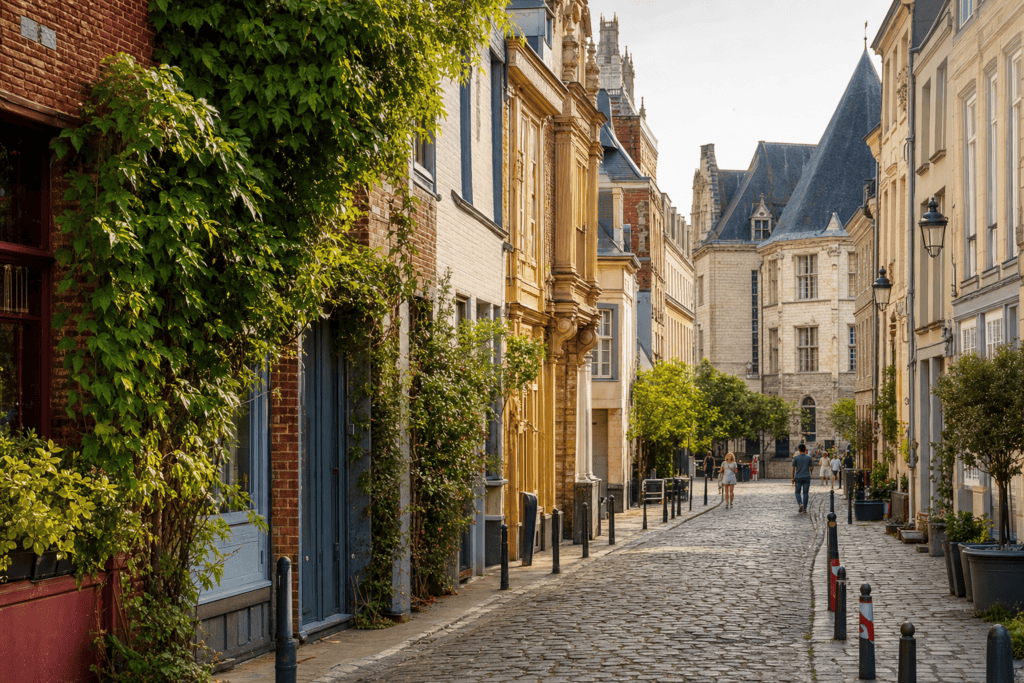 Vieux-Lille Flemish façades, cobbled streets, monuments, shops and regional cuisine: Vieux-Lille is the ideal neighborhood…
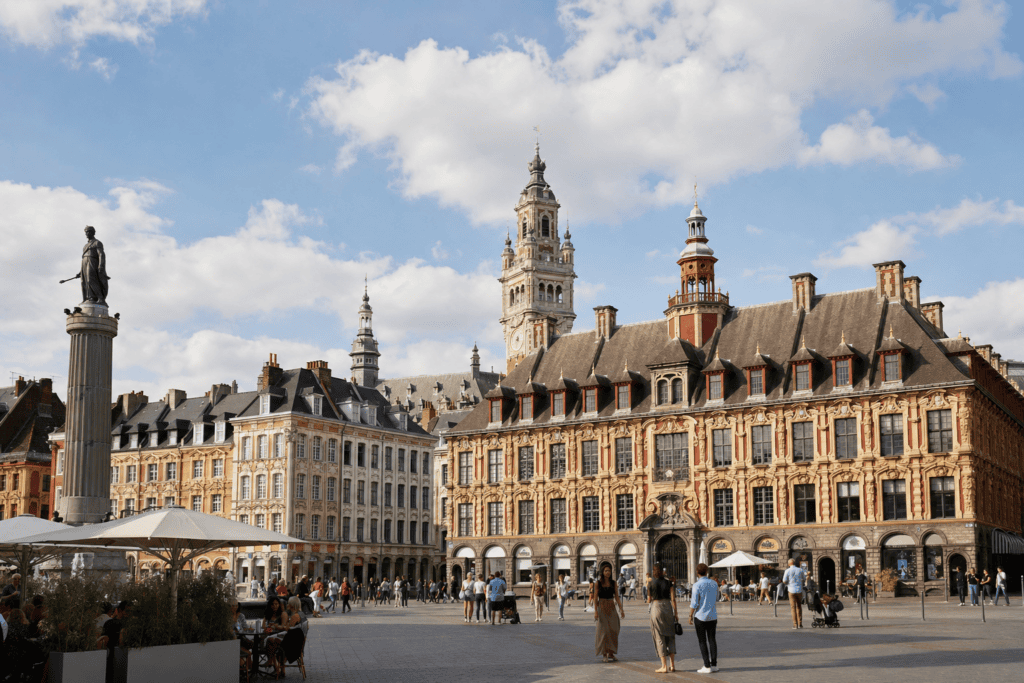 What to Do in Lille in a Weekend A two-day itinerary through Vieux-Lille, Flemish heritage, museums, local gastronomy, and the park of la…
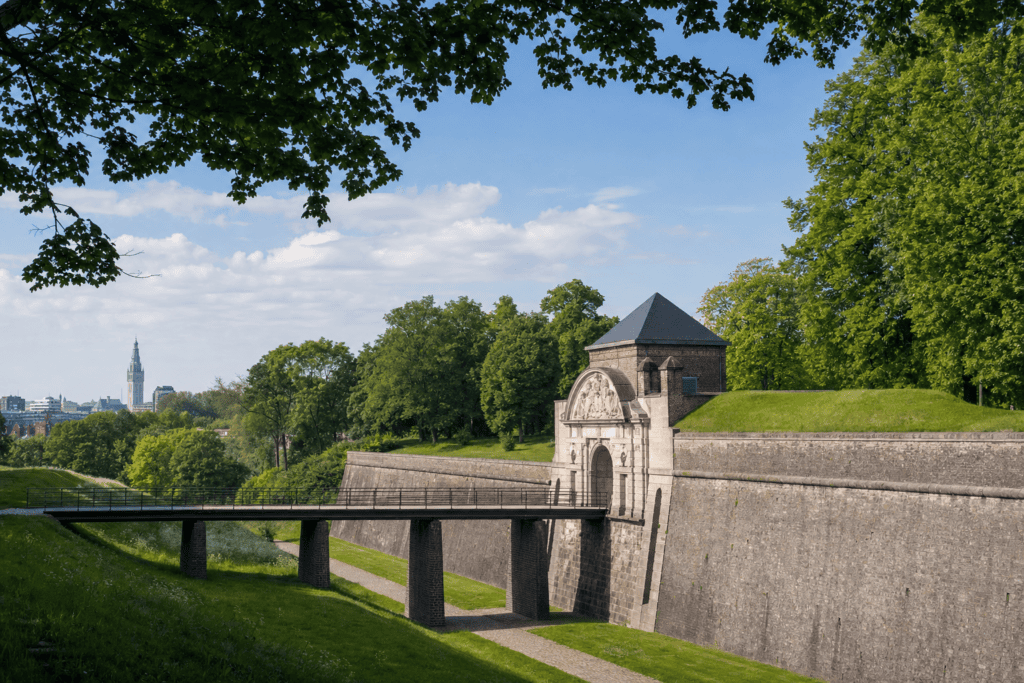 Lille Citadel and Citadel Park An iconic Lille site combining military heritage, waterfront walks, nature, and recreation in…
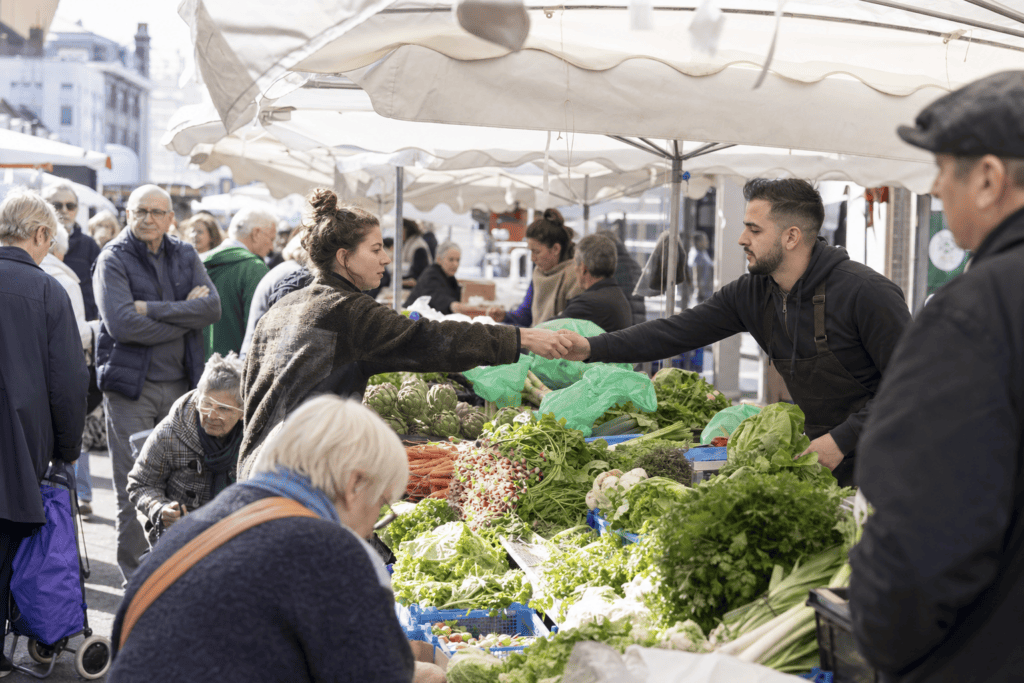 Wazemmes Market An iconic Lille market, known for its varied stalls, covered halls, and welcoming atmosphere…
Online booking · Paris → Palais des Beaux-Arts de Lille, Place de la République, 59000 Lille
Choose your pickup date and time
Your departure and arrival details are already pre-filled. You can adjust them in the fare calculator before viewing the vehicles and fare.