



Musée d’arts de Nantes: Visitor Guide and Getting There
Nantes
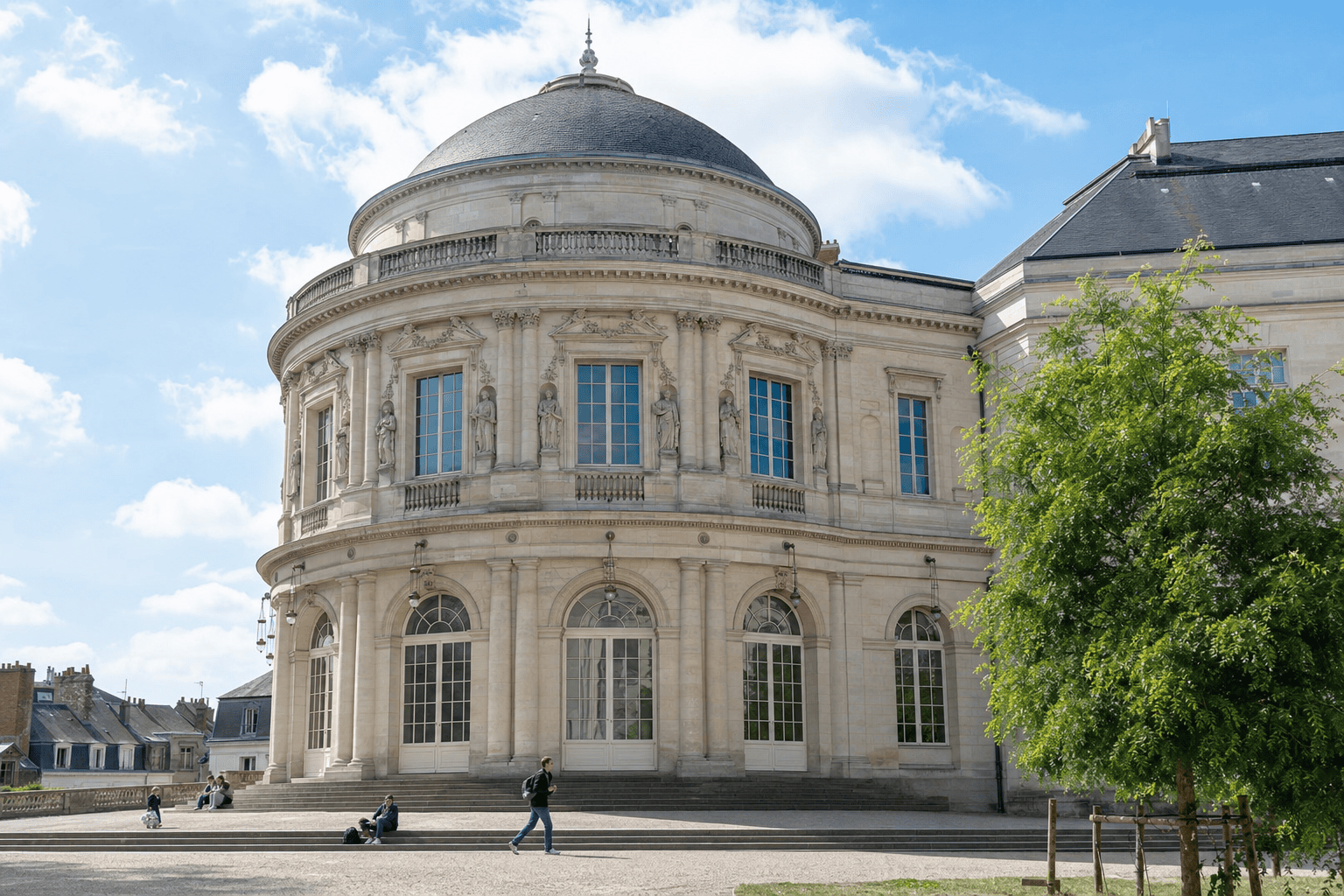
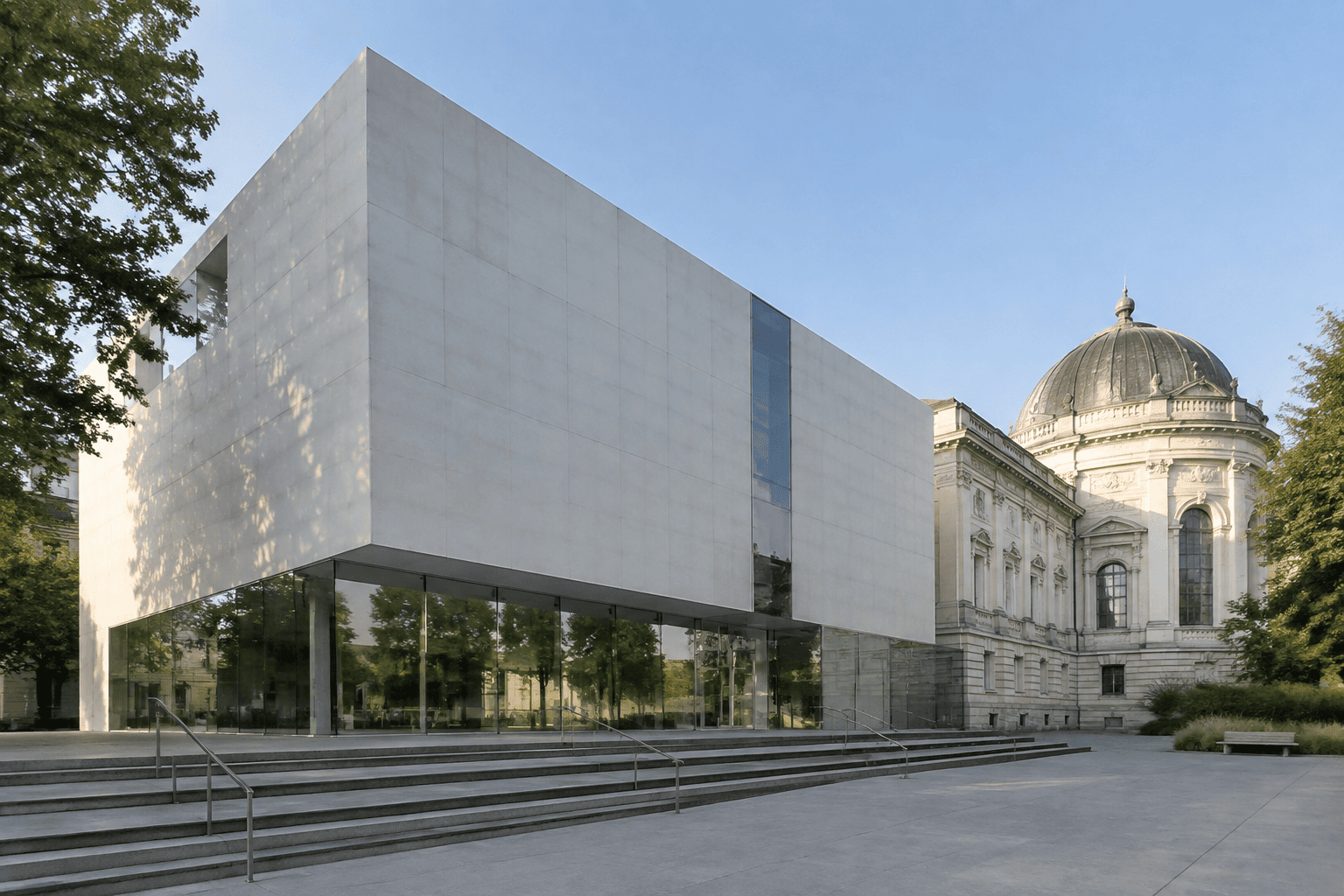
Located in central Nantes, the Musée d’arts de Nantes offers a journey through Old Master painting, modern art, and contemporary creation. The historic Palais, the Cube, and the Chapelle de l’Oratoire create a rich visit near the Château des ducs de Bretagne. Since the works on display, opening hours, accessible spaces, and visitor arrangements may change, check the official information before you travel.
Practical information
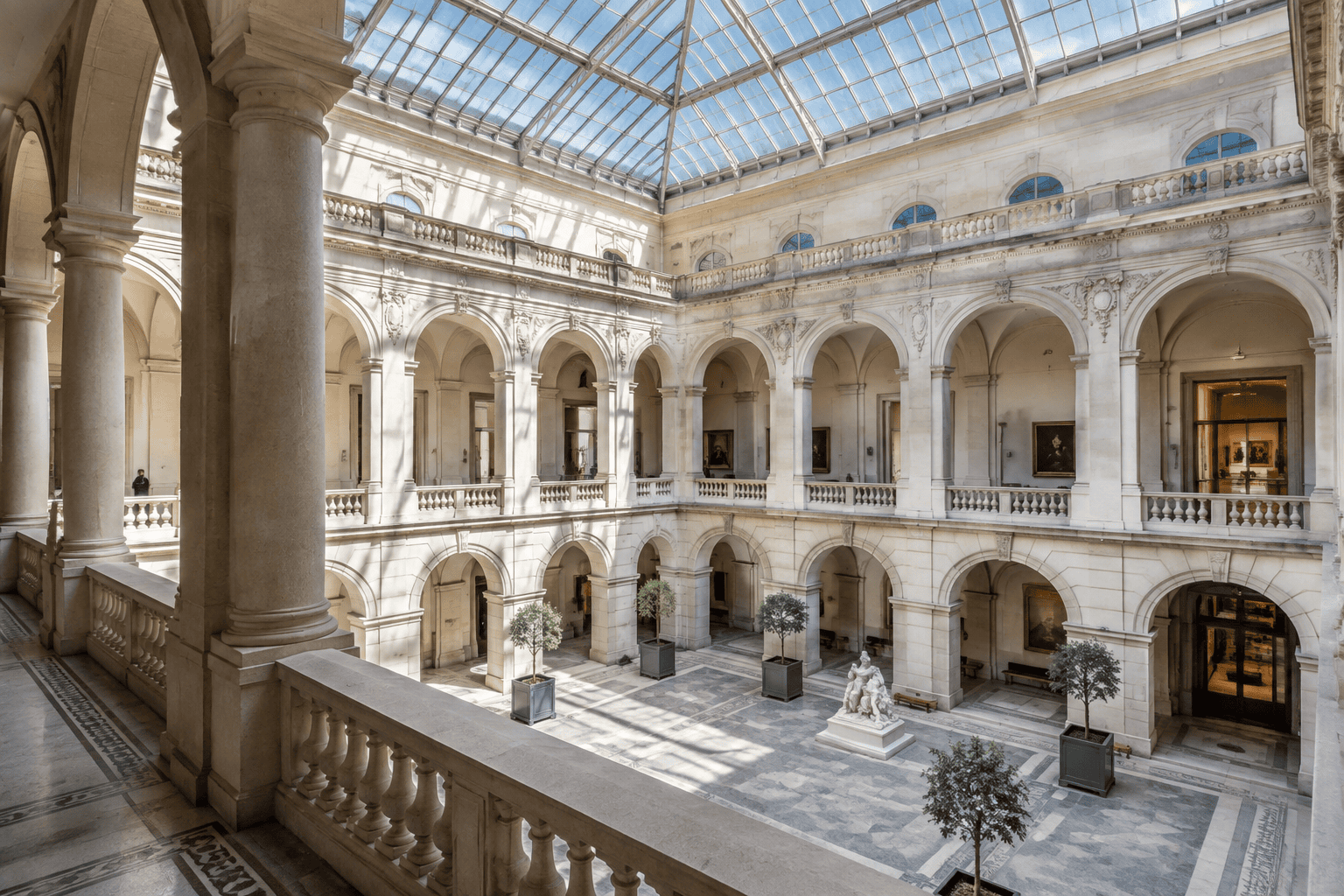
Choose a few key works rather than trying to see everything. Also take time to observe the Palais’s architecture, the transitions between spaces, and the interpretive information.
Getting to Nantes from Paris by private transportation
To organize a cultural day in Nantes, Booking Paris Transfer can offer private transportation departing from Paris, a Paris hotel, CDG, or ORY, with a return to Paris possible depending on the selected itinerary. The service is for transportation only and does not include admission tickets, museum reservations, or a local guide.
Private transportation from Paris, a Paris hotel, CDG, or ORY to Nantes, with a possible return to Paris. Tickets, reservations, and cultural accompaniment not included.
A museum in the heart of central Nantes
The Musée d’arts de Nantes is particularly well located for a day of culture. Situated on rue Georges-Clemenceau, it is close to the Château des ducs de Bretagne and several walking routes through the city center. This location makes it easy to combine heritage, art, and urban exploration without spending long periods traveling between sites. Before or after your visit, you can easily reach the area around the château, the streets of the historic center, or the neighborhood’s shops and cafés.
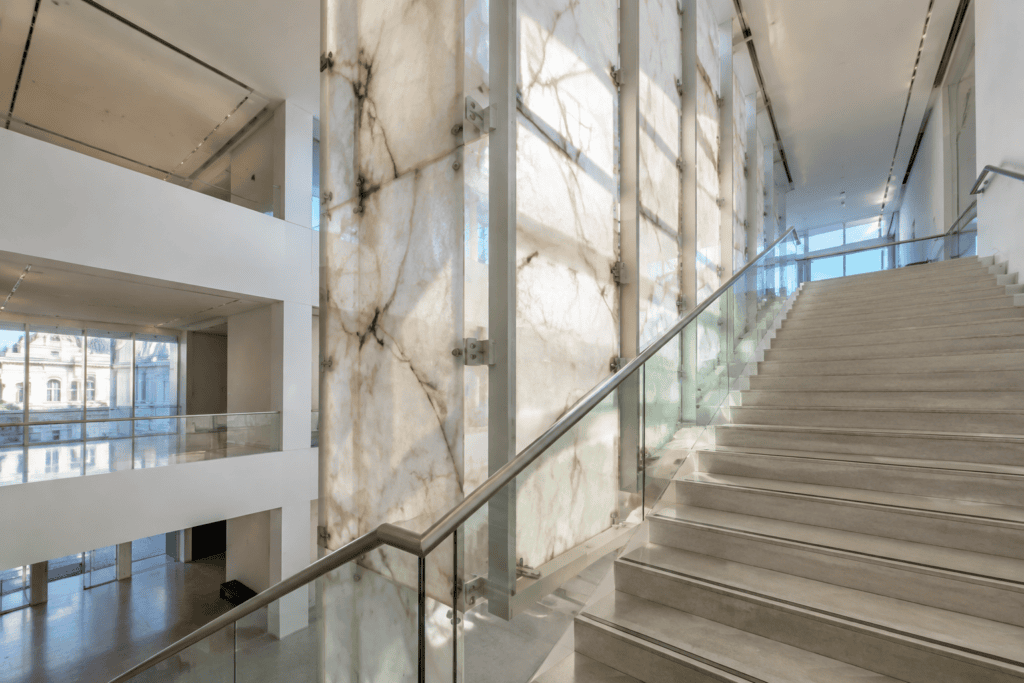
The museum is more than a single exhibition hall. The historic Palais gives the route a heritage dimension, while the Cube houses spaces designed for more modern and contemporary presentations. The Chapelle de l’Oratoire may also be used depending on the program. These venues shape how the works are experienced through their scale, light, and circulation patterns. So look at the architecture as well as the paintings and installations. Since access points and open spaces may change, check the official map and practical information before your visit.
A journey from Old Masters to contemporary creation
The Musée d’arts de Nantes is especially notable for the breadth of its collections. A single visit can take you from Old Master painting to the explorations of the 19th century, then to modern art and contemporary practices. Depending on the display, the route may include paintings, sculptures, drawings, photographs, videos, or installations. This diversity makes it possible to compare very different ways of representing the world and engaging the viewer’s gaze.
Chronology provides one point of reference, but it is not the only way to visit. Notice changes in scale, material, color, and the relationship to space. An older work may carefully organize gestures and light; a contemporary piece may ask you to move around, listen, or wait. For a first visit, choose a few works that attract you, read their labels, and let the suggested connections guide you. Since the display and loans can alter the route, consult the updated presentation of the collections rather than relying on an old list.
Old Master painting and the Cacault collection
The historic collections offer a valuable introduction to Nantes’s artistic history. The Cacault collection, assembled notably by François Cacault and his brother Pierre, made an important contribution to the development of Nantes’s collections. It brings together works from a range of European traditions and gives particular prominence to Italian painting. This collecting history helps explain how a municipal museum was built through acquisitions, donations, and successive additions.
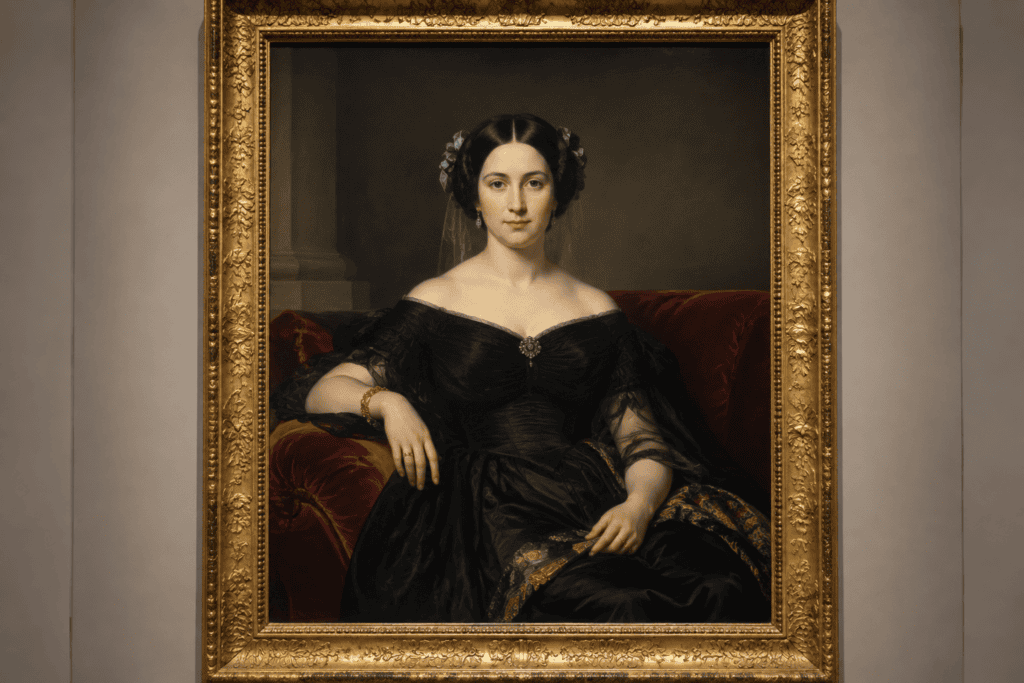
Hall Portrait de Madame de Senonnes Jean-Auguste-Dominique Ingres is among the works most closely associated with the museum’s identity. It can serve as a starting point for observing the precise rendering of fabrics, the model’s pose, the gaze, and the composition of the image. Other paintings invite you to examine drapery, gestures, architecture, or contrasts between illuminated areas and darker backgrounds. Don’t look only for the subject: notice the details that direct your eye. Since a work’s actual presence depends on the display and collection movements, check the official information before your visit.
From the 19th century to the modern avant-garde
The sections devoted to the 19th th century and modern art show how artists gradually transformed the subjects and means of painting. Landscape, portraiture, everyday life, and the perception of light became areas for experimentation. Brushwork, color, framing, and movement took on increasing importance, while images no longer always sought to reproduce a recognizable subject faithfully.
Depending on the current displays, the museum may juxtapose works associated with major figures of modern art, such as Pablo Picasso or Vassily Kandinsky. To appreciate these connections without specialized knowledge, simply compare the palette, lines, depth, and the role given to the viewer. What do you notice first? Where does your gaze stop? A figurative work and an abstract composition can thus be approached using the same observation tools. Since galleries, loans, and displays change, check the works actually on view on the museum’s official pages.
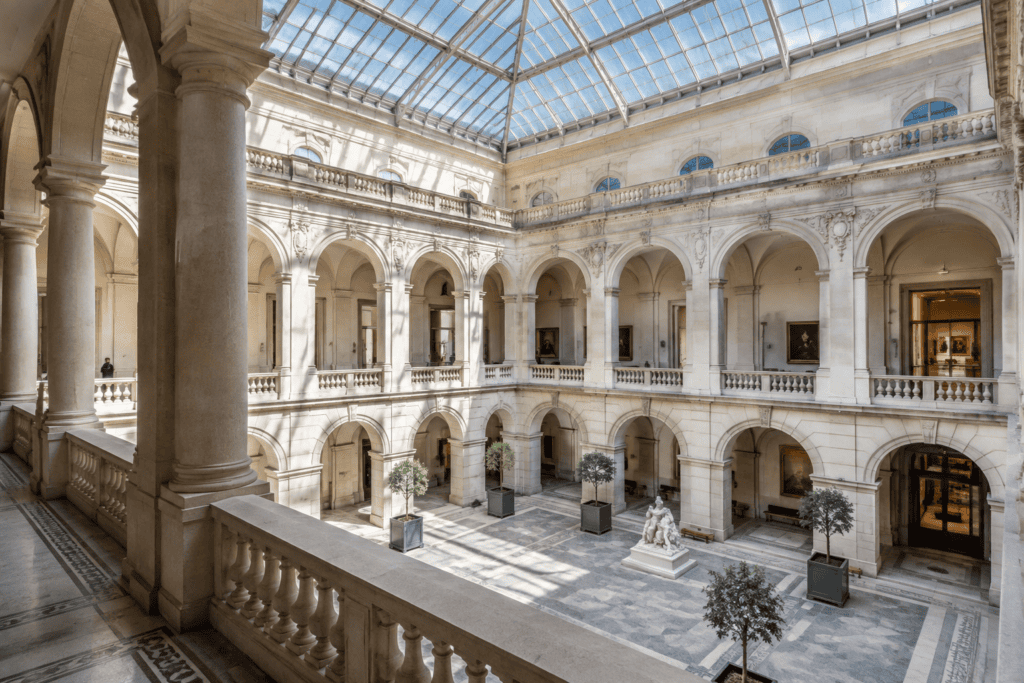
The Cube and contemporary practices
The Cube gives an important place to modern and contemporary forms. A presentation may bring together painting, sculpture, photography, video, or installation, with works that engage directly with the architecture. The pace of the visit then changes: it is not always about moving quickly from one painting to the next. Some works ask you to examine materials, take sound into account, follow a moving image, or change your viewpoint.
A simple approach is to first describe what is actually visible: dimensions, colors, textures, light, sounds, and location. Then read the label or gallery text to place the work in context. Follow the circulation and photography guidelines, which are especially important for installations and videos. With children, turn the visit into an observation game by asking them to find a shape, a material, or a sound detail. Since the Cube’s program may change, check the current presentation and any special access conditions before traveling.
Planning a two- to four-hour visit
Two to four hours is a reasonable amount of time for a first visit, but the route depends on your pace and what is currently on offer. In about two hours, focus on a few galleries, a period that interests you, and the key works. With more time, you can revisit certain paintings, explore the historic collections in greater depth, and devote a substantial portion of your visit to contemporary practices. Consult the map, program, and interpretive information to set your priorities.
For families, a short visit with simple goals is often more enjoyable than trying to see everything. Whether visiting as a couple or alone, alternate galleries requiring close observation with spaces where you can move more freely. Guided tours, workshops, and events depend on the official schedule, so don’t assume an activity is available without checking. Also check the rules regarding bags, photography, strollers, and accessibility. To come from central Nantes, walk if your accommodation is nearby, or consult the TAN network and its route planner to choose the latest available route.
Getting there, the neighborhood, and extending your day
The museum is accessible from central Nantes on foot by following signs toward the Château des ducs de Bretagne and rue Georges-Clemenceau. For travel by tram or bus, check directly with TAN for the most suitable stop, schedules, and any service disruptions, as this information may vary due to construction, events, or service changes. If you arrive by car, find out in advance about parking and city-center restrictions; since the museum is in an urban area, being able to drop off nearby does not necessarily mean parking is available in front of the entrance.
After your visit, the area around the Château des ducs de Bretagne offers a natural transition to a historic walk. You can also plan lunch or a break before continuing to another Nantes attraction. Avoid packing in too many demanding visits, however. For an itinerary starting in Paris, Booking Paris Transfer can arrange private transportation from Paris, a Paris hotel, CDG, or ORY, with a possible return to Paris. This service covers transportation only: it does not include admission tickets, time-slot reservations, or local cultural accompaniment.
Useful sources
Frequently Asked Questions
What is the address of the Musée d’arts de Nantes?
How much time should I allow for the visit?
How do you get to the museum from central Nantes?
Which artistic periods can you discover?
Are the works on view always the same?
Is the museum suitable for a family visit?
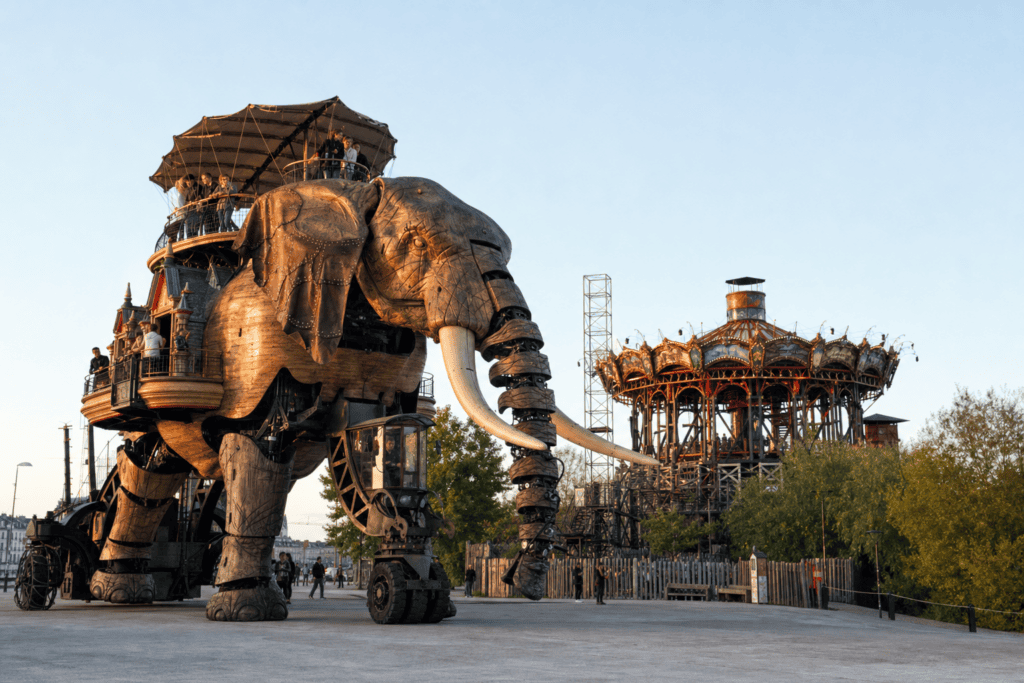 Les Machines de l’île A unique mechanical menagerie in Nantes, combining industrial heritage, Jules Verne’s imagination, and a spectacular experience…
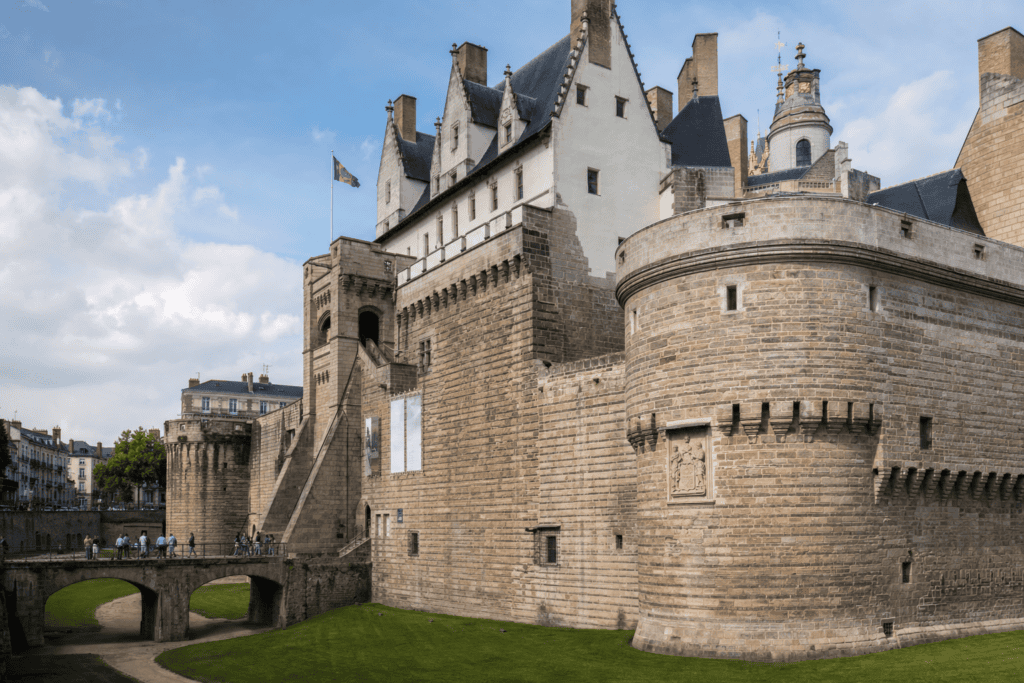 Château des ducs de Bretagne An iconic Nantes landmark, with ramparts, a fortified courtyard, flamboyant Gothic architecture, and the Nantes History Museum.
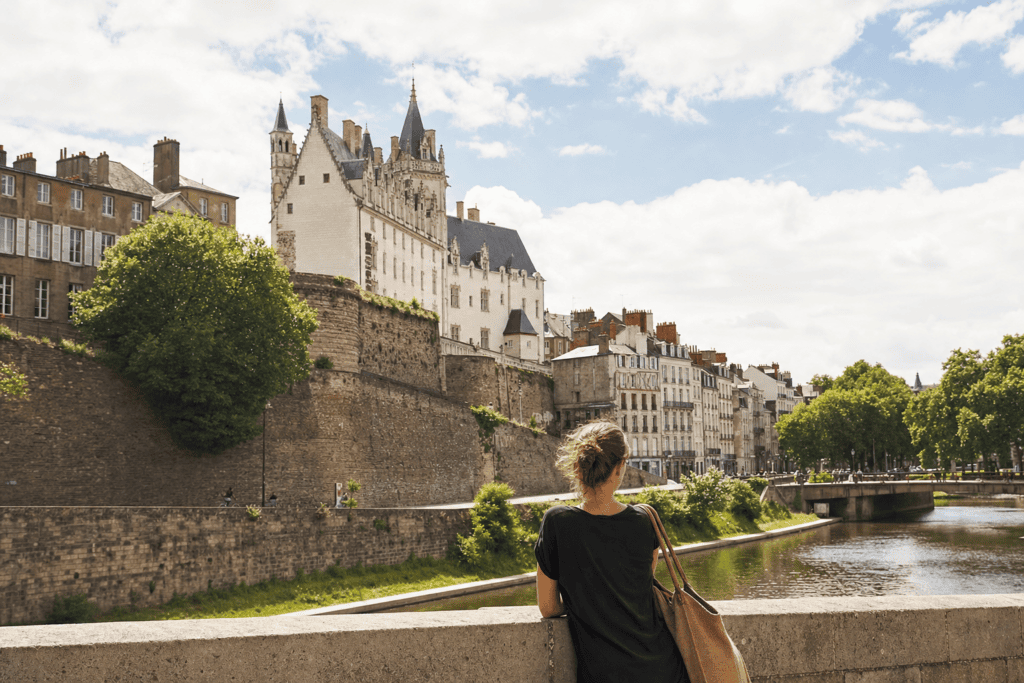 What to Do in Nantes in a Weekend A practical two-day itinerary for discovering Nantes, combining heritage, contemporary art, Les Machines de l’île,…
 Talensac Market Nantes’ iconic covered market, where you can discover fresh produce, the flavors of Loire-Atlantique, and…
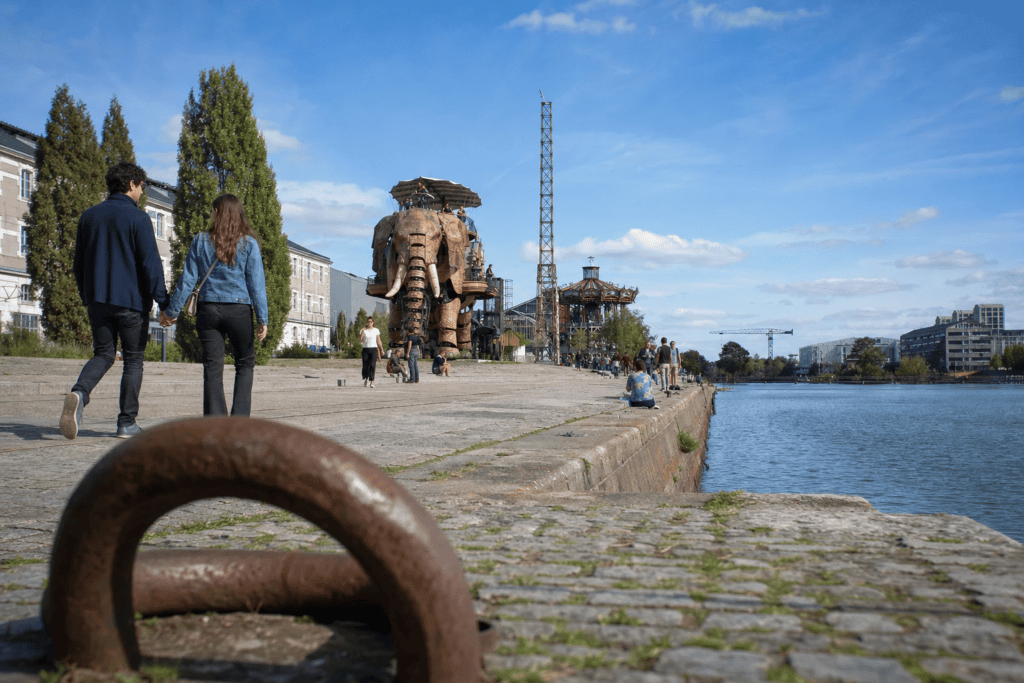 Île de Nantes A Nantes neighborhood undergoing major transformation, blending industrial heritage, artistic creations, contemporary architecture, and landscapes of…
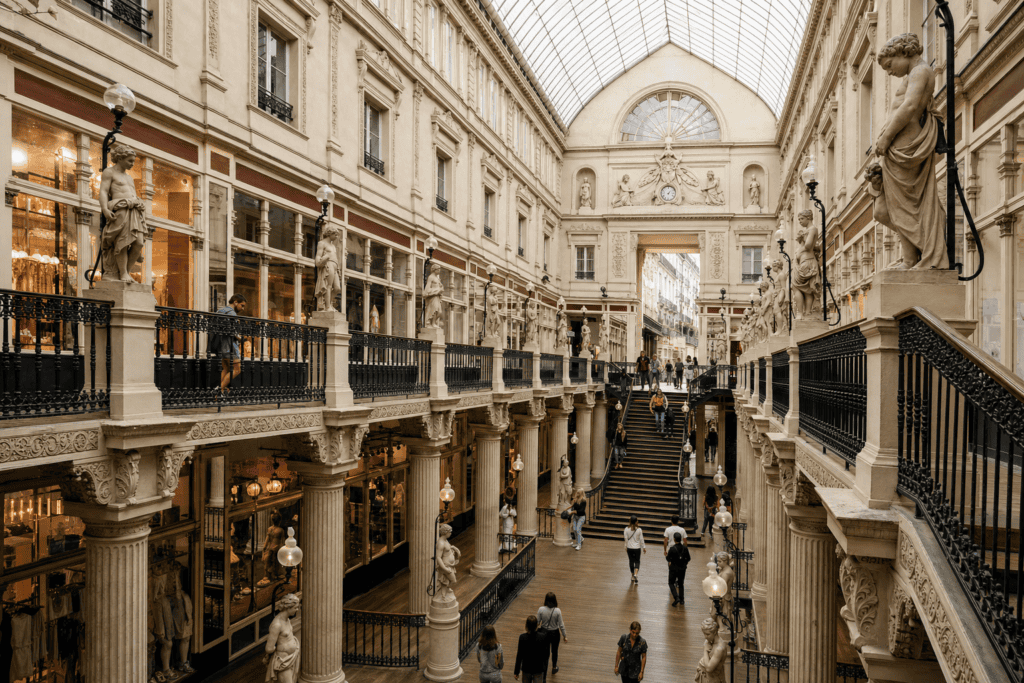 Passage Pommeraye A 19th-century covered passage, famous for its monumental staircase, glass roof, and decorative details…
Online booking · Paris → 10 rue Georges-Clemenceau, 44000 Nantes, France
Choose your pickup date and time
Your departure and arrival details are already pre-filled. You can adjust them in the fare calculator before viewing the vehicles and fare.