



Basilica of Notre-Dame d’Alençon: Visiting Guide and Highlights
Alençon
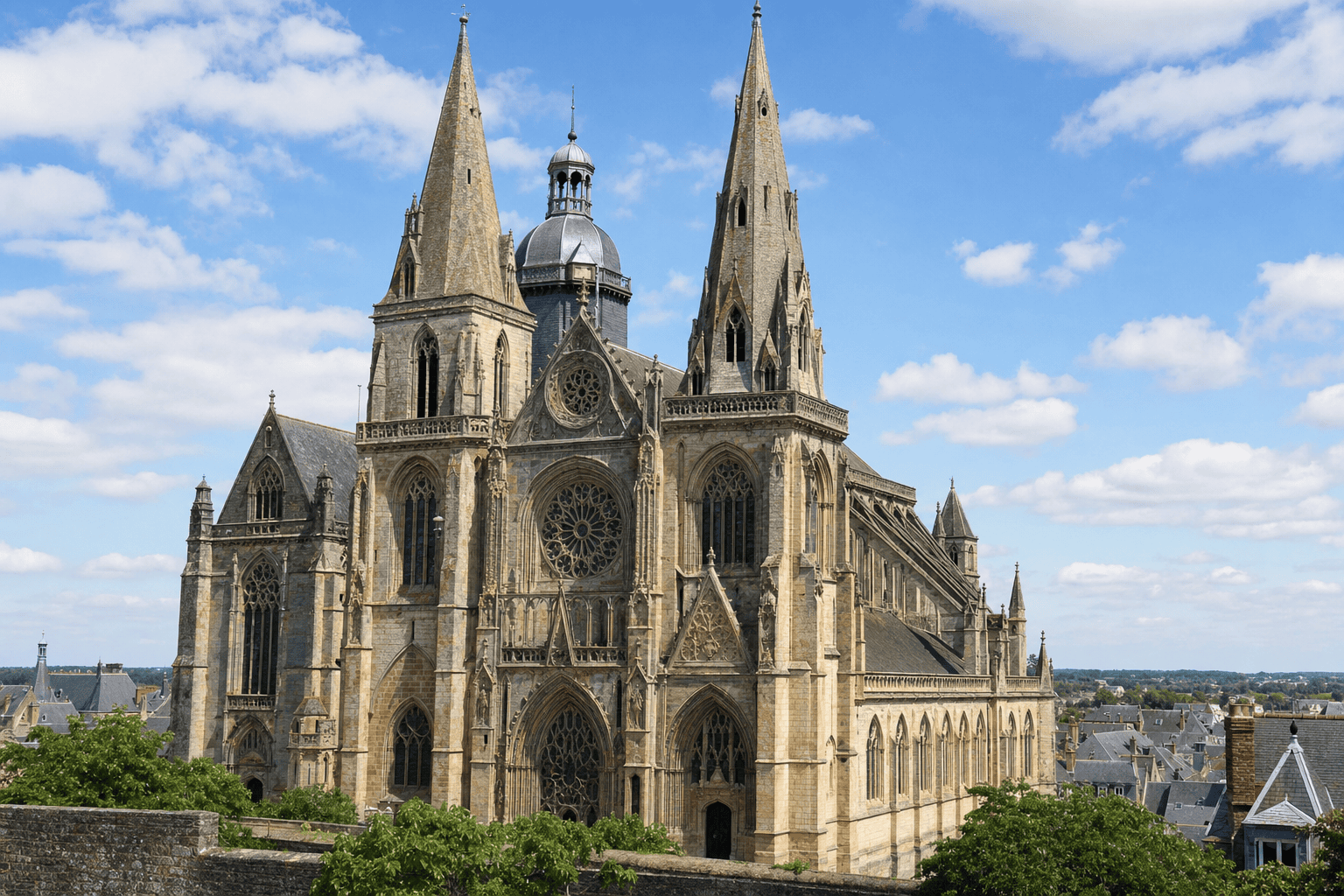
In the heart of Alençon’s historic center, the Basilica of Notre-Dame combines Gothic architecture, stained glass, and memories of the Martin family. Louis Martin and Zélie Guérin were married here in 1858, while their daughter Thérèse, born in Alençon, was baptized here on January 4, 1873. The Flamboyant Gothic portal, its sculpted decoration, and the depth of the nave make the basilica well worth a thoughtful stop. However, the building remains an active place of worship: access, visitor circulation, and visiting conditions may vary depending on services, ceremonies, construction, or events. This guide brings together useful information for discovering the basilica respectfully, then continuing your walk to Alençon’s other heritage sites.
Practical information
Combine the basilica with the Birthplace of Saint Thérèse, the Louis and Zélie Martin Shrine, the Museum of Fine Arts and Lace, or the National Atelier of Alençon Point Lace.
Getting to Alençon from Paris
To include the Basilica of Notre-Dame in a Normandy excursion, Booking Paris Transfer can arrange private transportation from Paris, the Île-de-France region, CDG, or Orly, with a return to Paris or continuation of an itinerary arranged in advance. The service covers transportation only: it does not include admission tickets or a local guided tour.
Departure from Paris, the Île-de-France region, CDG, or ORY; return to Paris or an itinerary arranged before departure.
Locating the Basilica in Central Alençon
The Basilica of Notre-Dame is located on Place Lamagdelaine, in Alençon’s historic center. Its location makes it easy to include in a walk through the old streets, among half-timbered houses, downtown shops, and buildings connected to local history. Your visit can therefore be brief or become one of the stops on an itinerary focused on religious heritage, the Martin family, and lace-making craftsmanship.
From the public space, take a few minutes to observe the façade as a whole. Stepping back slightly helps you understand its vertical composition and the portal’s place within the elevation. The basilica is not a museum: it retains its parish function and welcomes worshippers. An open door therefore does not guarantee that every area is accessible or that tourist circulation is possible at all times.
For a first visit, allow about half an hour. Visitors who want to explore further can then walk to the sites dedicated to Thérèse of Lisieux and Alençon lace.
Reading the Flamboyant Gothic Portal
The portal is one of the most remarkable features of Notre-Dame d’Alençon. It belongs to the Flamboyant Gothic tradition, recognizable in particular by its sinuous stone tracery, curved forms, and highly animated decorative style. The archivolts, pinnacles, niches, and sculpted elements organize the façade around the entrance, while the vertical lines heighten the impression of elevation.
The portal’s decoration is associated with a program devoted to the Transfiguration of Christ. To examine it, begin with the overall composition, then look at the reliefs and figures without trying to assign a specific subject to every detail if it has not been identified by a heritage source. The stone looks different depending on the light: side lighting emphasizes the reliefs, while overcast skies make the whole composition appear more uniform.
The façade may be photographed from the public space. Keep the entrance clear and avoid photographing people who are praying or attending a service.
Discovering the Nave, Choir, and Stained Glass
Inside, the nave gradually draws the eye toward the choir. The supports, arches, and vaults structure the perspective, while the side chapels create more intimate spaces. After entering, turn back toward the gallery or door: this view connects the depth of the interior with the façade seen from the square.
The stained glass is worth viewing from several angles. Natural light changes with the time of day, season, and weather, so the colors may appear more or less intense. Let your eyes adjust to the dimness before looking for details. Taking time to observe is often more rewarding than a visit devoted solely to photography.
Photography may be restricted during services or certain events. As a precaution, turn off your flash and follow the notices posted on site. If Mass, prayer, or a ceremony begins, remain discreet and give priority to worshippers. The quiet also makes it easier to appreciate the volume and reverberation of the nave.
Understanding the Connection to the Martin Family
The basilica holds an important place in the heritage associated with Louis Martin, Zélie Guérin, and their daughter Thérèse. Louis Martin and Zélie Guérin were married here in 1858. Their daughter Thérèse, born in Alençon in 1873, was baptized here on January 4 of the same year. These events give the monument a biographical dimension that complements its architectural and liturgical interest.
This history attracts pilgrims, but it may also interest visitors who want to understand life in 19th-century Alençonth The basilica places the family in a tangible urban and religious setting: it is not merely a backdrop associated with a spiritual figure, but a place used as part of family and parish life.
To continue exploring, visit the Birthplace of Saint Thérèse and the Louis and Zélie Martin Shrine. Their hours, visitor arrangements, and any organized tours differ from those of the basilica. Check each site’s information before planning your itinerary.
Basilica Status and Heritage Protection
Notre-Dame d’Alençon has held the title of minor basilica since 2009. This distinction highlights its spiritual importance and its place in the heritage associated with the Martin family. It should not be confused with a cathedral: Alençon is not the seat of the diocesan cathedral, which is located in Sées. This distinction helps explain the respective functions of the region’s principal religious buildings.
The building is also listed in the French Ministry of Culture’s official Mérimée database as part of historic-monument protection. For precise information about the nature of this protection and the elements concerned, refer to the heritage record rather than relying on a general description. This status recalls the building’s architectural and historical importance without turning the church into a museum.
Several uses may coexist in the basilica: prayer, services, individual visits, and sometimes cultural events. A ceremony, technical work, or event may temporarily change access. If you are visiting as a group, contact the parish in advance.
A Living Church and a Place for Reflection
The Basilica of Notre-Dame remains an active place of worship. Its dimensions, vaults, and stone surfaces create distinctive acoustics, useful for services and sometimes suited to musical or cultural events. However, this does not mean that a concert, rehearsal, or access to an instrument is possible outside an announced event.
To visit the basilica during an event, consult the calendars of the parish, the City of Alençon, or the tourist office. Dates, times, and access arrangements may change. Organizers are the only contacts for information about a specific event. Booking Paris Transfer is neither a ticket office nor a local guide.
Outside of a service, a few minutes of quiet observation are enough to appreciate the space. Do not deliberately test the acoustics or speak loudly. If a service begins during your visit, discreetly move away or remain in the background as instructed. A calm attitude protects both the atmosphere of prayer and the experience of other visitors.
Planning Access and Organizing Your Visit
The basilica can be reached on foot from several points in the historic center. However, pedestrian areas, old paving, and the layout of the surroundings may make access difficult with a wheelchair, stroller, or limited mobility. The available information does not allow us to confirm a complete accessible route here. Before visiting, ask the parish which entrance can be used, whether there are steps, what passage width to expect, and how access is organized during a service.
Do not assume that the basilica is open continuously. Check the parish and tourist office’s latest announcements, especially during religious holidays, ceremonies, construction, or events. Access may be free when the building is open, but this does not guarantee constant staff presence or access to every part of the building.
Allow 30 to 45 minutes, dress appropriately, and behave discreetly. From Paris, private transportation can simplify the round trip to Alençon; the basilica visit and local walk should be planned according to conditions on the day.
Frequently Asked Questions
Where is the Basilica of Notre-Dame d’Alençon?
What is the connection between the basilica and the Martin family?
Is the basilica accessible to people with reduced mobility?
How much time should I allow for the visit?
Can you visit during Mass?
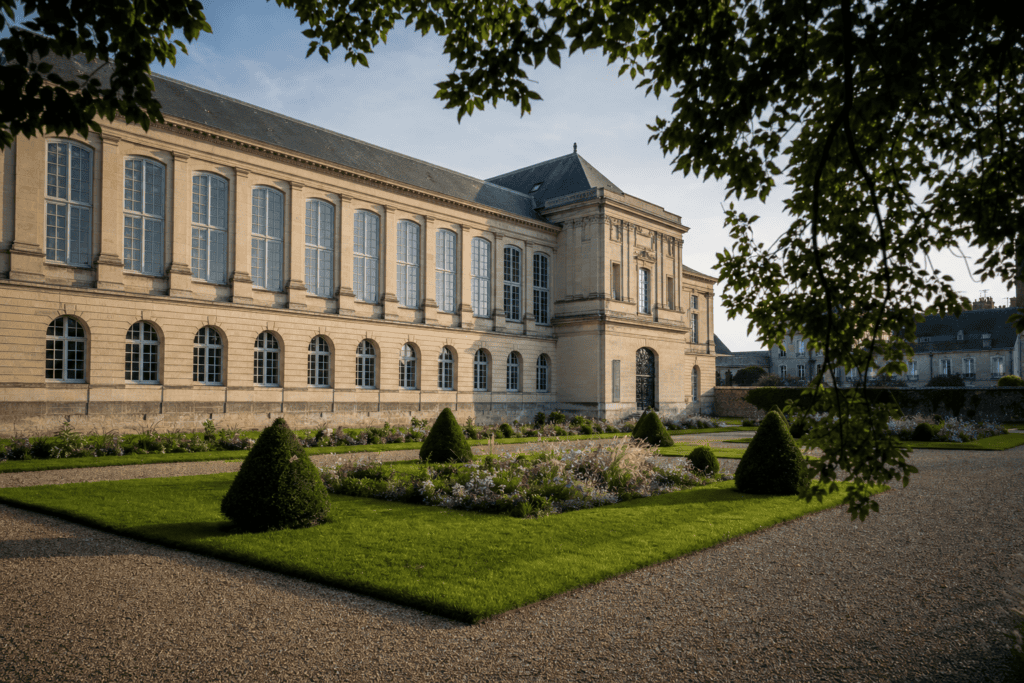 Museum of Fine Arts and Lace A must-see museum in Alençon where you can learn about Alençon lace, admire lacework, and explore…
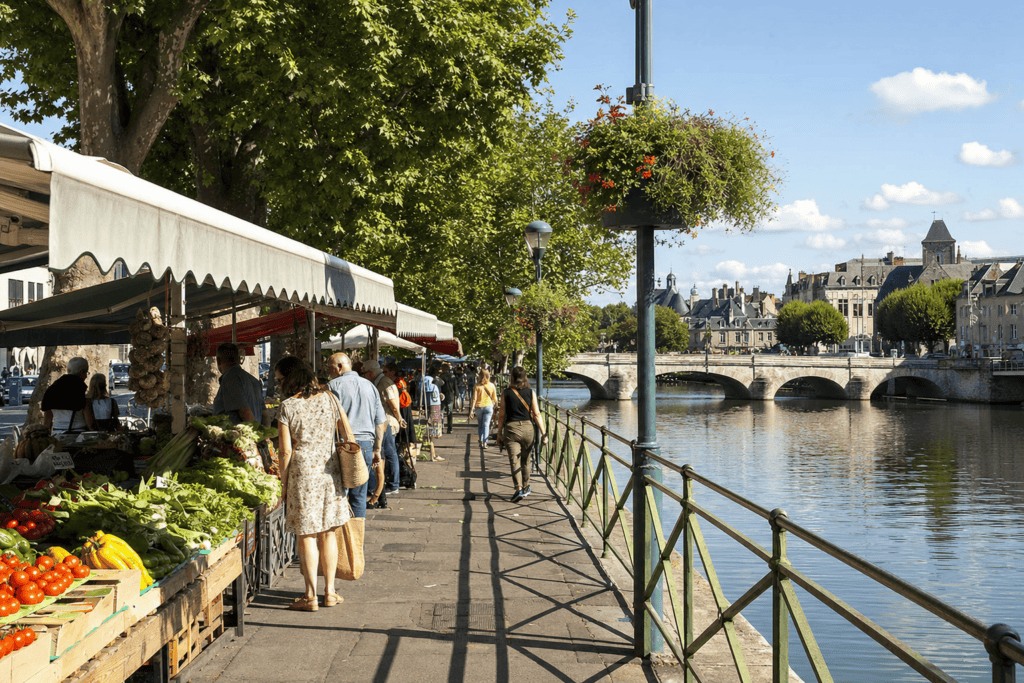 Alençon Market and a Walk Along the Sarthe A peaceful gourmet itinerary between Alençon Market, the historic center, and the banks of…
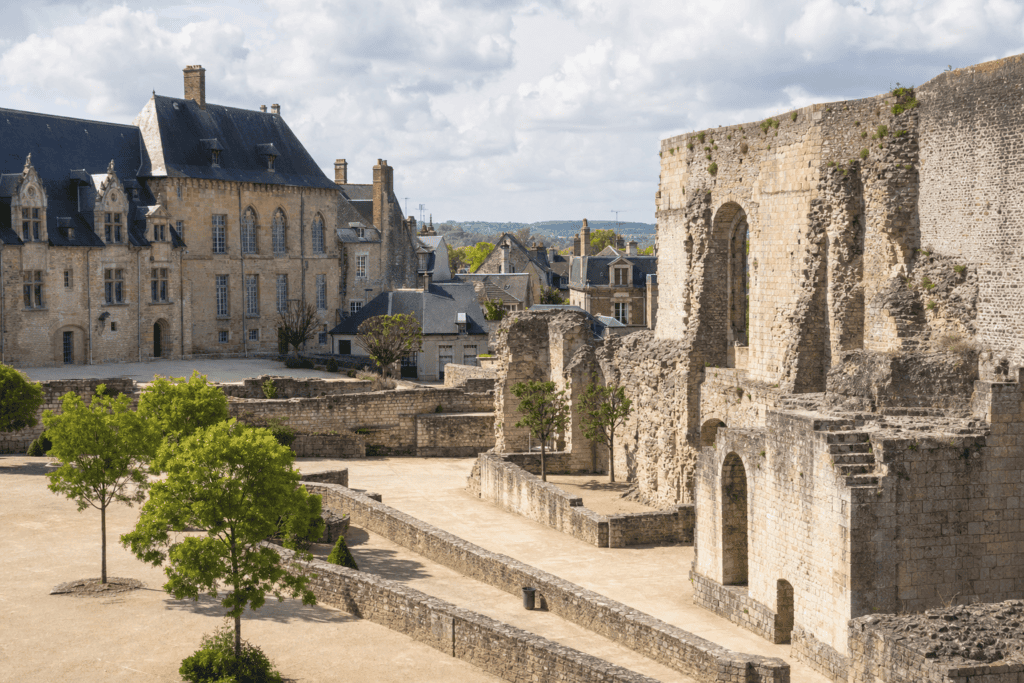 Historic Center of Alençon A walking tour through Alençon’s old town, among half-timbered houses, grand townhouses…
 Birthplace of Saint Thérèse In Alençon, discover the home where Thérèse Martin was born and the family and artisanal setting…
Online booking · Paris → Place Lamagdelaine, 61000 Alençon
Choose your pickup date and time
Your departure and arrival details are already pre-filled. You can adjust them in the fare calculator before viewing the vehicles and fare.