



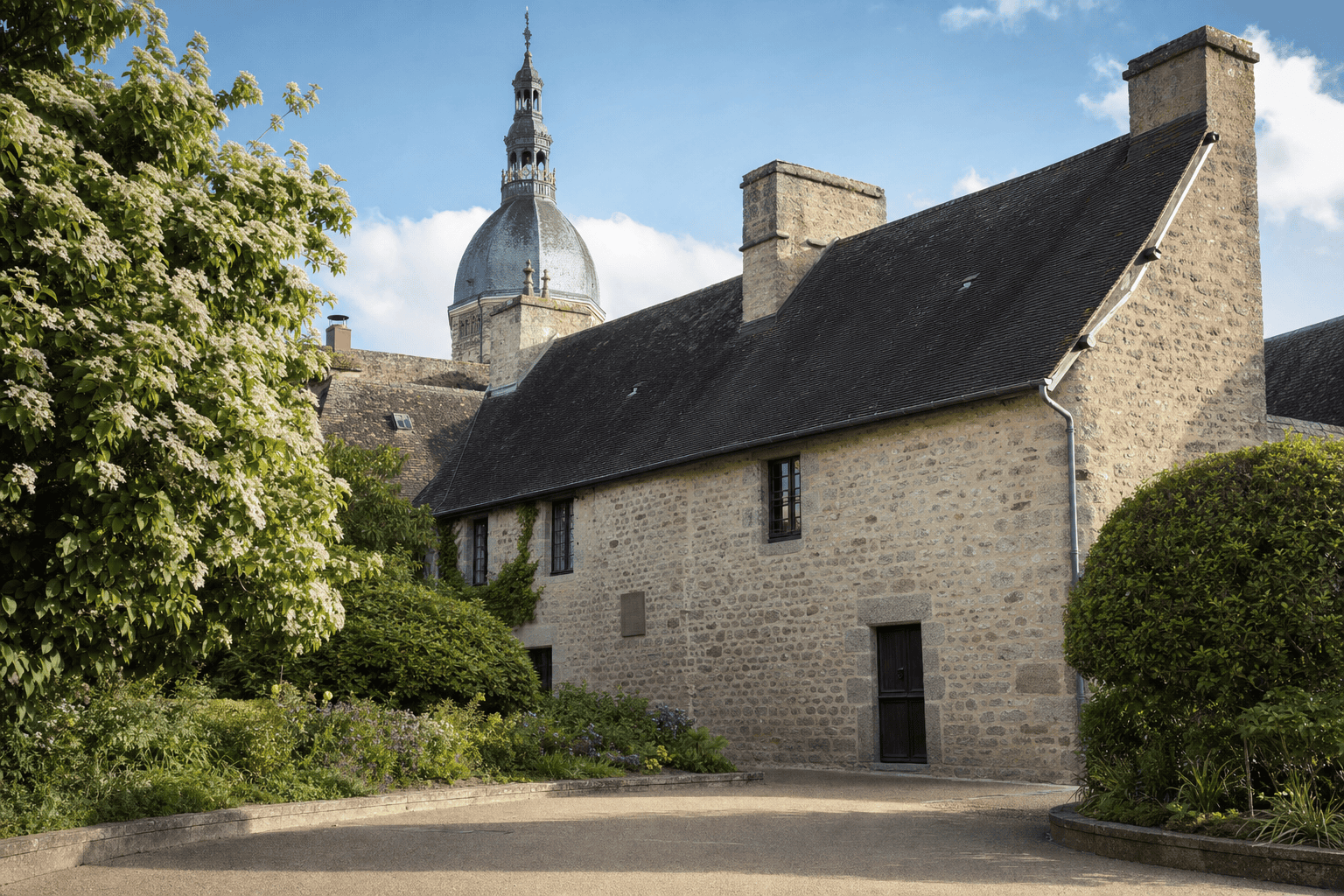
Birthplace of Saint Thérèse in Alençon
Alençon
At 50 rue Saint-Blaise in Alençon, Saint Thérèse’s birthplace preserves the memory of the Martin family. Louis Martin and Marie-Azélie Guérin, known as Zélie, lived there with their children, and Thérèse Martin was born there on January 2, 1873. The visit offers a look at a family home, the rooms and objects presented by the sanctuary, and a quiet space dedicated to the Martin family. It places Thérèse’s childhood in the everyday setting of a 19th-century Alençon family, shaped by domestic life, work, faith, and social relationships. Located in the historic center, the house can be combined with a visit to Notre-Dame Basilica and a walk following the history of Alençon lace. As hours and access conditions may change, check the official information before your visit.
Practical information
Combine the house with Notre-Dame Basilica and the Museum of Fine Arts and Lace if you would like to explore the history of Alençon lace further, subject to each site’s opening hours.
Getting to Alençon from Paris
From Paris, the Île-de-France region, Charles de Gaulle Airport, or Orly Airport, Booking Paris Transfer can arrange private transportation to Alençon, with a return trip to Paris or inclusion in an itinerary that began in Île-de-France. The service covers transportation only: no admission tickets or guided tour are included.
Private transportation departing from Paris, Île-de-France, CDG, or ORY, with a possible return to Paris. Check the trip conditions when submitting your request.
A Family Home in the Heart of Alençon
Saint Thérèse’s birthplace is first and foremost a home connected to a specific family and a clearly defined period in Alençon’s history. Louis Martin and Marie-Azélie Guérin, known as Zélie, married in the city and built their household there. The couple lived there with their children before the family left for Lisieux. Thérèse Martin was born in this house on January 2, 1873.
The tour therefore explores Thérèse’s birth without separating it from her family environment. The rooms on display evoke a 19th-century home, the organization of daily life, and the role of relatives in the family’s life. The visit is especially useful for understanding that Alençon represents the first period of Thérèse’s life, before she moved to Lisieux and entered Carmel.
The site therefore has a dual character. It is a place of Thérèse-related memory known to pilgrims, but it is also a historical starting point for discovering a family integrated into Alençon’s social and professional life.
What the Tour Reveals
The tour leads through preserved or arranged spaces that evoke the life of the Martin family. The rooms in the home, the objects on display, and the accompanying texts are not arranged as an independent collection; they help visitors understand the people who lived here and the customs of a 19th-century Alençon household.
Visitors can observe the connection between domestic spaces, family memories, and explanations about Louis, Zélie, and their children. Thérèse’s birth is the central focus, but the tour also emphasizes her parents and the early years of her childhood. This approach provides a useful complement to visiting Thérèse-related sites in Lisieux, which are more closely associated with her religious life.
The house is part of a spiritual complex that may welcome pilgrims, prayer gatherings, and groups. Visiting arrangements may therefore vary depending on the sanctuary’s calendar. Check the official information before setting out and allow time for a thoughtful visit suited to a place of remembrance and reflection.
Louis and Zélie Martin: A Local Story
The visit gives significant attention to Louis Martin and Marie-Azélie Guérin, beyond their role as Saint Thérèse’s parents. Their story is that of a couple established in Alençon and facing the responsibilities of work, family life, raising children, and faith. The sanctuary’s memorabilia offers a glimpse into the practical realities of their lives, including hardships and bereavements.
Louis Martin worked as a watchmaker and jeweler. Zélie Martin worked in lace and practiced Alençon lace, a craft emblematic of the city. Sources about her life describe her as a lacemaker who ran a workshop where she employed other women. This activity directly connects the family’s history with the local craft economy, rather than reducing lace to a merely decorative reference.
The joint canonization of Louis and Zélie in 2015 gave the site international visibility. Yet the house also remains of interest to visitors who want to discover a family and a profession in the context of 19th-century Alençon.
Thérèse’s Birth and Childhood
Thérèse Martin was born in Alençon on January 2, 1873. The house provides a tangible reference point for understanding the early years of her life, even though her fame is primarily associated with Lisieux. She spent her childhood there in a large family, surrounded by her parents and sisters. The visit helps distinguish this Alençon period from the later stages of her life.
The site invites visitors to view Thérèse’s birth in its real setting: an active household, working professions, domestic organization, and a recognizable city. The memories associated with the house shed light on the role of family relationships, education, and religious teaching in her personal story.
For visitors already familiar with the Lisieux sanctuary, Alençon therefore provides an essential complement. The house does not tell Thérèse’s entire life story and does not replace the sites connected with Carmel; it represents her family origins. This complementarity makes it possible to create a coherent itinerary between the two cities, taking travel time and each site’s opening hours into account.
The Chapel and Quiet Reflection
The chapel associated with Saint Thérèse’s birthplace complements the visit to the house with a space dedicated to prayer and reflection. It serves as a reminder that the site is a sanctuary, not simply a historic house operating as a museum. Some visitors come for a spiritual experience, while others discover the site for its family and heritage significance.
These uses can coexist as long as the purpose of each space is respected. In the house, visitors follow an interpretive route devoted to the Martin family. In the chapel, silence, services, and prayer times may affect circulation or access. A discreet attitude is therefore appropriate throughout the site.
The opening hours for the house, chapel, and any services are not necessarily the same. A ceremony or special activity may require adjustments to visitor arrangements. Consult the information published by the sanctuary before your visit, and do not assume that one space is open simply because another is.
Continue Exploring Alençon
Saint Thérèse’s birthplace fits easily into a walk through central Alençon. Notre-Dame Basilica is a natural stop for visitors who wish to explore the city’s religious history and its connection with the Martin family. However, visits should be planned according to the basilica’s own hours and visitor arrangements.
The historic center then helps place the house within the urban landscape of its time: old streets, façades, and facilities connected with local life. To better understand Zélie Martin’s work, explore Alençon lace, a needle-lace technique associated with the city and inscribed by UNESCO on the Intangible Cultural Heritage List. Zélie practiced this craft and ran a production workshop; this detail connects the visit with a real professional activity.
The Museum of Fine Arts and Lace can also complement this perspective, subject to its opening. A half-day generally provides enough time to combine the house, a religious building, and a walk without packing in too many stops.
Practical Tips Before Your Visit
The house is located at 50 rue Saint-Blaise in central Alençon. For the visit alone, allow about an hour; add extra time if you would like to read the explanations, see the chapel, or continue to Notre-Dame Basilica. Opening hours, exceptional closures, visitor arrangements, and any services may change.
Groups should contact the sanctuary before traveling to find out about current visitor arrangements or guided support. With children, prepare for the visit by simply introducing the Martin family, Louis and Zélie’s professions, and Thérèse’s birth in Alençon. On site, explain that some areas require quiet and respect.
If you are traveling with a stroller, a person with reduced mobility, or a specific accessibility need, ask the site directly for confirmation rather than assuming that an accommodation is available. Visitors coming from Paris or another city should also plan their return with the time spent on site in mind. This preparation helps avoid confusing the house’s hours with those of the chapel or nearby sites.
Frequently Asked Questions
Where is Saint Thérèse’s birthplace located?
How much time should I allow for the visit?
Are the opening hours the same year-round?
What is the connection between Zélie Martin and Alençon lace?
Can other places connected with the Martin family be visited?
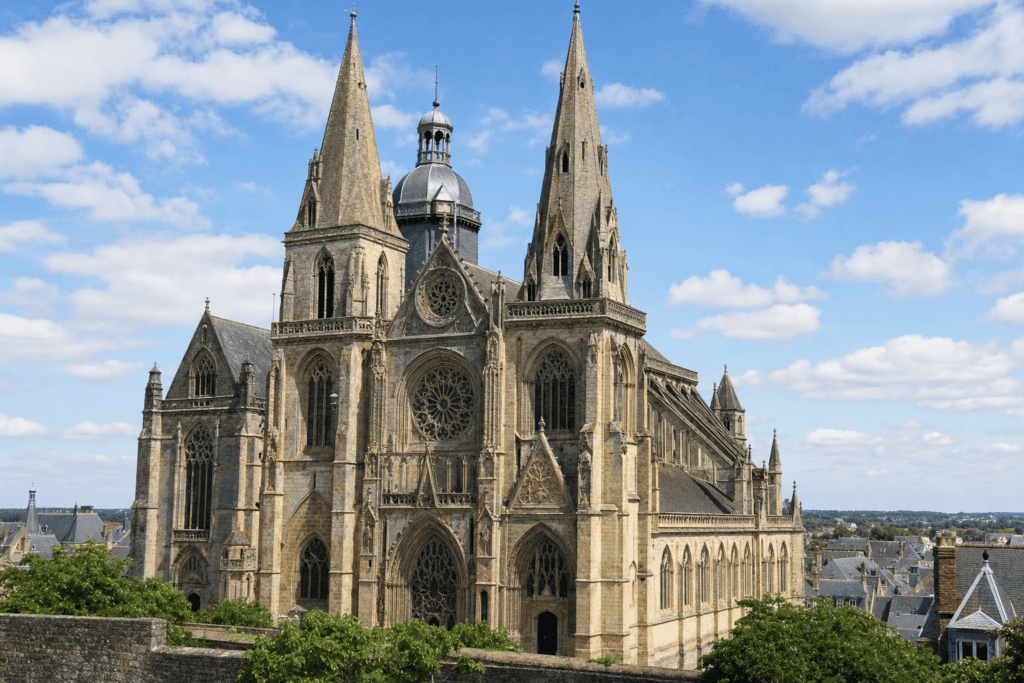 Basilica of Our Lady of Alençon A Gothic basilica in the heart of Alençon, notable for its Flamboyant portal, stained glass, and connection…
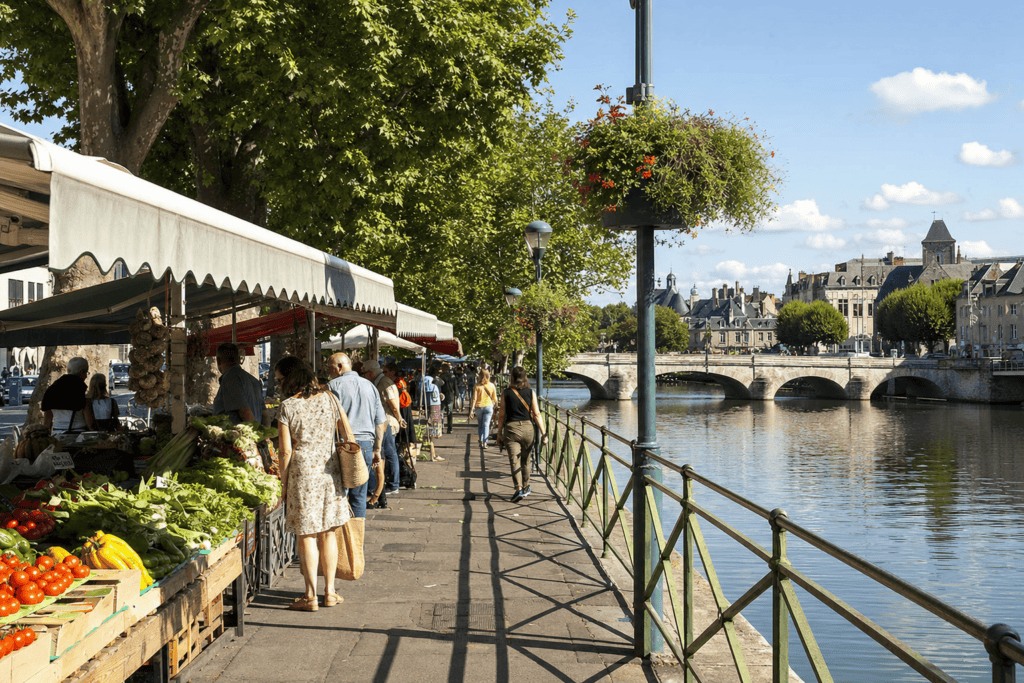 Alençon Market and a Walk Along the Sarthe A peaceful gourmet itinerary between Alençon Market, the historic center, and the banks of…
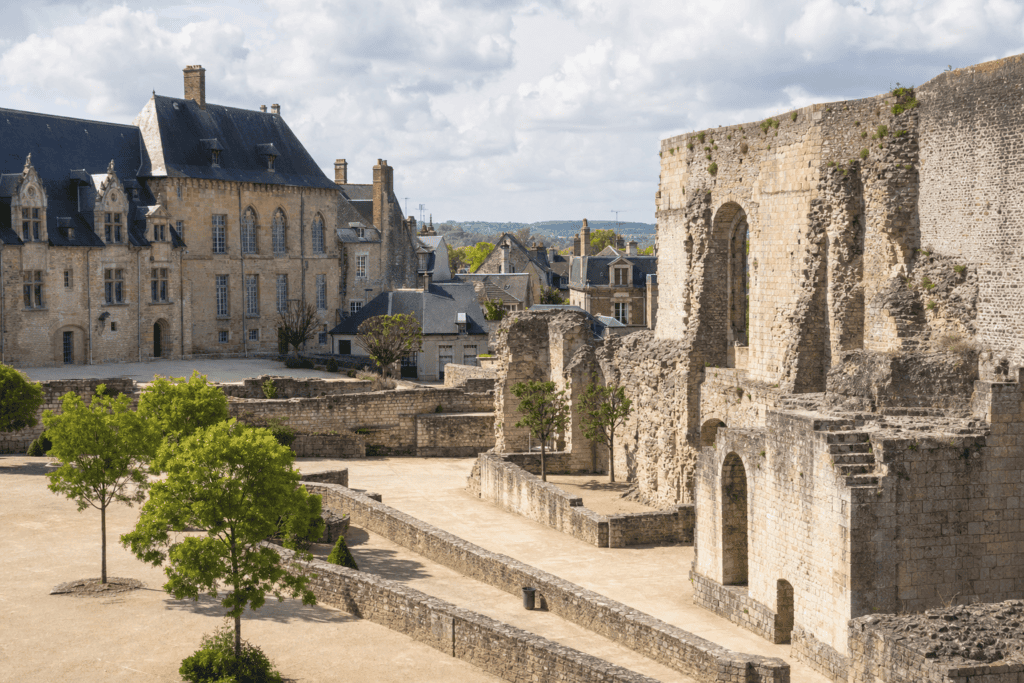 Historic Center of Alençon A walking tour through Alençon’s old town, among half-timbered houses, grand townhouses…
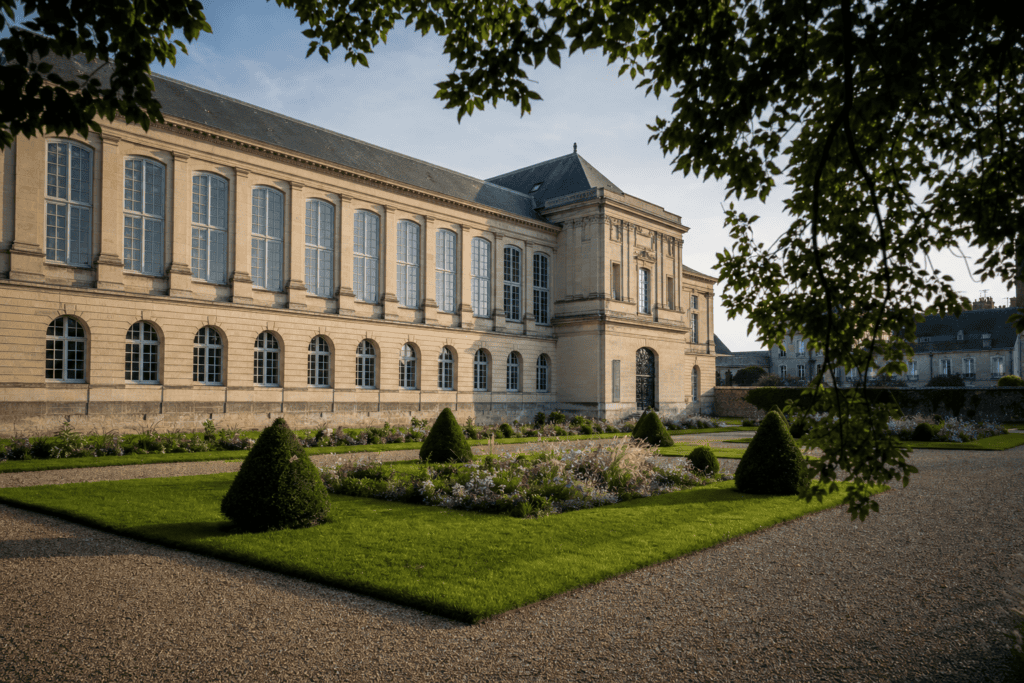 Museum of Fine Arts and Lace A must-see museum in Alençon where you can learn about Alençon lace, admire lacework, and explore…
Online booking · Paris → 50 rue Saint-Blaise, 61000 Alençon
Choose your pickup date and time
Your departure and arrival details are already pre-filled. You can adjust them in the fare calculator before viewing the vehicles and fare.