



Alençon Historic Town: Old Town Guide
Alençon
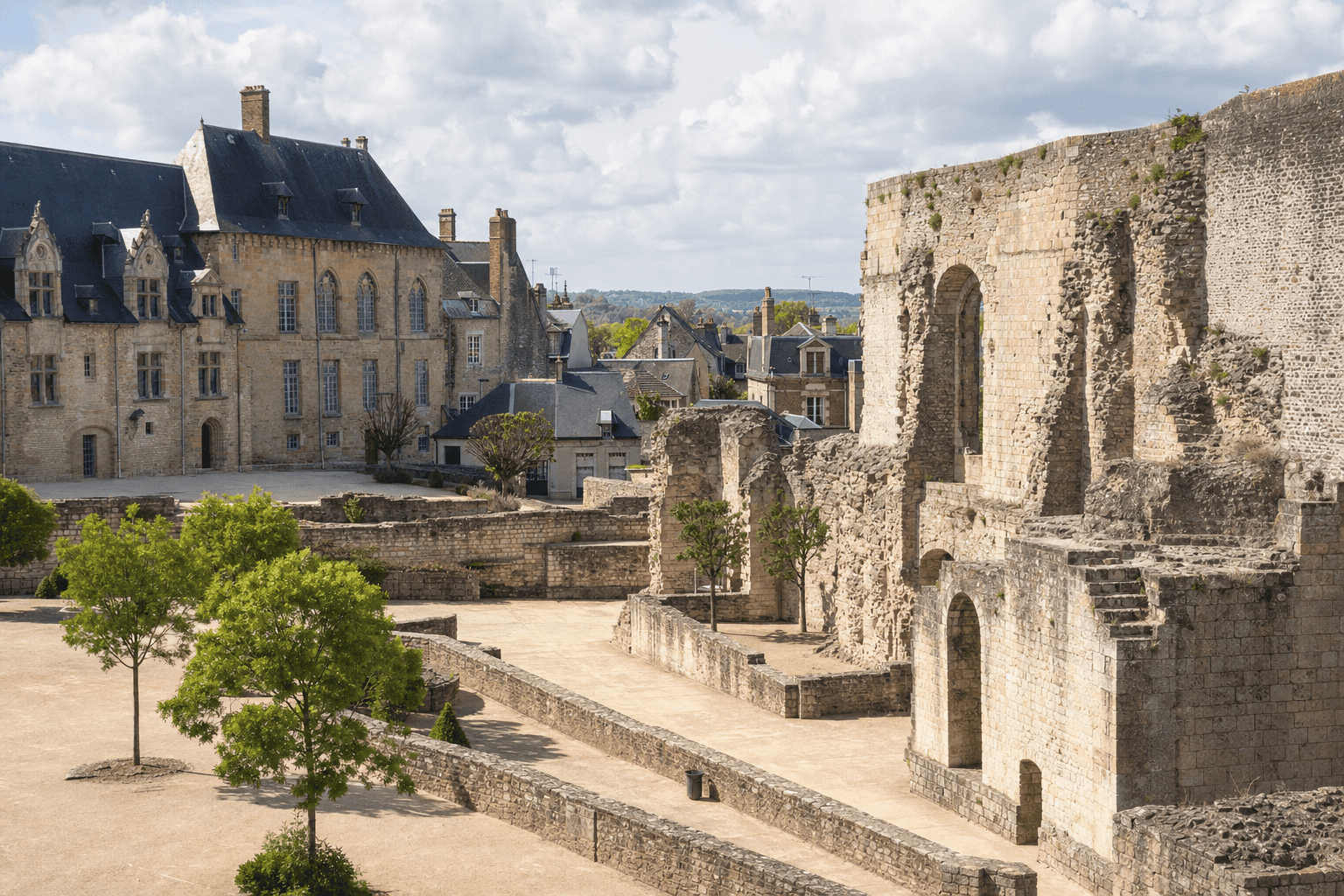
Alençon’s historic town is best explored on foot, among half-timbered houses, private mansions, religious buildings, and sites connected with lace-making. The old center retains a clearly recognizable urban layout, where shopping streets stand alongside more understated façades, ornate doorways, and public buildings. Your walk can begin near the Halle au blé or Notre-Dame Basilica, then continue along Rue du Jeudi, Rue des Grandes-Poteries, Rue Saint-Blaise, and Rue du Château. Because Alençon largely escaped the 1944 bombings, several areas still reveal how a mercantile, administrative, and craft-based city developed. Take time to look at the details above the storefronts, and respect private buildings, which should be viewed from public areas.
Practical information
Start near the Halle au blé or Notre-Dame Basilica, then head toward Rue du Jeudi, Rue des Grandes-Poteries, Rue Saint-Blaise, and Rue du Château. Courtyards and private buildings are accessible only with permission.
Get to Alençon from Paris without driving
Booking Paris Transfer offers private transportation from Paris, a Paris hotel, Charles de Gaulle, or Orly to Alençon, with a return trip to Paris also available. The driver provides transportation and does not sell admission tickets. The driver does not act as a guide or as a local provider based in Alençon. This allows you to devote your time on site to the historic town, its old streets, and visits booked directly with the relevant sites.
Private transportation from Paris, a Paris hotel, CDG or ORY, with a return trip to Paris also available. Check the schedules and terms of the sites you plan to visit separately.
Start exploring in the old town center
Alençon’s historic town is especially well suited to a gradual exploration. Rather than trying to follow a rigid itinerary, start by choosing a landmark and let the surrounding streets guide you. The Halle au blé, Notre-Dame Basilica, and the shopping areas are three convenient starting points for a first walk. From these locations, distances remain manageable, allowing you to move quickly from a monumental setting to a more intimate street.
The center reveals its character in stages. An old façade may appear between two shops, while a doorway, sign, or piece of ironwork catches your eye at a street corner. Visitors with two hours can focus on the main monuments and heritage streets. With more time, it is worth slowing down, taking a break, and revisiting certain areas to notice details that may be missed on a first pass. This flexibility also suits families and photographers.
Admire the Half-Timbered Houses
The half-timbered houses give central Alençon some of its character. They should be viewed carefully, however, because their appeal lies in more than a spectacular façade. Overhanging upper floors, beam patterns, plasterwork, openings, and slate roofs create a highly varied urban landscape. Some houses have been altered over time and feature commercial ground floors combined with older upper stories.
Rue du Jeudi and Rue des Grandes-Poteries offer particularly good examples of historic architecture to admire from the public street. Look above the contemporary storefronts: the upper levels may retain proportions, materials, or decorative details inherited from another era. This vertical reading helps explain how homes, workshops, and shops coexisted in a commercial city. To preserve the neighborhood’s character, take photos without disturbing residents, and never enter a private courtyard or building without permission.
Spot the private mansions and urban residences
Alençon also has urban residences that reflect its administrative role and the success of certain merchant families. Private mansions do not always form grand monumental ensembles; their elegance often appears in the arrangement of a façade, the quality of a doorway, a cornice, an ironwork balcony, or a courtyard protected by a gateway. This architecture calls for close observation, as several features can be discovered within a few seconds between two streets.
The area around Rue du Jeudi and Rue des Grandes-Poteries makes it possible to compare different types of historic houses and more formally arranged residences. The former Hôtel de Guise, now associated with the prefecture, is a reminder of Alençon’s political and administrative importance. Since some buildings are private or occupied by public services, the walk focuses on elevations visible from public areas. To learn more about a building’s history, rely on official heritage information or a locally offered guided tour when the schedule allows.
Notre-Dame Basilica, a landmark in the old town
Notre-Dame Basilica is one of the main landmarks in Alençon’s historic town. After the narrower streets and domestic façades, its monumental scale adds another dimension to the walk. Its surroundings show how closely places of worship, commercial areas, and residential neighborhoods once stood together. It can therefore serve as either a starting point or a stop along the way.
When the building is open, an interior visit is a useful complement to exploring the streets. Since hours may depend on services, events, or possible construction work, it is best to check official information before setting out. Take time to examine the interior volumes, portal, stained glass, and the relationship between the basilica and the neighboring buildings. Visitors should remain mindful of the site’s religious nature and respect services. Several old streets and shops can be reached on foot from the neighborhood, making it easy to explore without a car.
The Halle au blé and the history of trade
The Halle au blé creates a striking contrast with the old streets of the center. Its design recalls the importance of agricultural and commercial exchanges in Alençon’s development. The building was designed in the early 19thth century to organize the grain trade, and it subsequently underwent various changes and uses. Its glass-and-iron roof, added in the 19thth century, illustrates the interest in brighter structures and new construction techniques.
Set in a more open space, the market hall creates a welcome break in the urban fabric. Its volume makes it possible to compare the layout of public and commercial facilities with that of the more tightly packed streets. It can be included at the beginning or end of your visit, depending on the activities taking place there. Since exhibitions, events, and access conditions may change, check the City of Alençon’s information before you arrive. Even without going inside, the hall helps explain the city’s role as an economic crossroads.
Understanding the connection between Alençon and lace
Alençon lace is an essential part of the city’s identity. Its history connects craftsmanship, commerce, techniques, and the transmission of expertise. As you walk through the center, you can imagine the links between the workshops, families, merchants, and sales venues that contributed to the town’s reputation. This textile dimension gives the façades particular depth: heritage is not limited to stone, but also includes precise handwork and a professional memory.
To explore this history further, find out about places dedicated to lace, collections, demonstrations, and any guided tours. Hours and visitor arrangements may change, so checking with the official sites in advance is recommended. Combining an architectural walk with an introduction to the craft offers a better understanding of Alençon’s place in the history of the textile arts. Even without a specialized visit, shops, heritage information, and details along the route can help connect lace-making with the city’s urban development.
Practical tips for an enjoyable walk
Wear comfortable shoes and allow for a flexible pace. A two- to three-hour visit gives you time to admire the main façades, reach the basilica and the Halle au blé, and take a break. The old streets may have narrow sidewalks, uneven surfaces, or changes in level; visitors with reduced mobility should plan their route and check access conditions for any buildings they intend to visit. Photographers will appreciate the morning or late afternoon, when shadows emphasize the architectural relief.
A map of the center or an official heritage route can be useful for locating notable buildings. Check the hours of museums, places of worship, guided tours, and activities separately, especially on Sundays, public holidays, and during event periods. Respect residents, businesses, and private property. If you are arriving from Paris, Booking Paris Transfer can arrange private round-trip transportation from Paris, a Paris hotel, Charles de Gaulle, or Orly, leaving you free to spend the day exploring Alençon on foot.
Useful sources
Frequently Asked Questions
How much time should I allow to visit Alençon’s historic town?
Can you go inside Alençon’s private mansions?
What is the best starting point?
Is the walk suitable for families?
Why is lace important in Alençon?
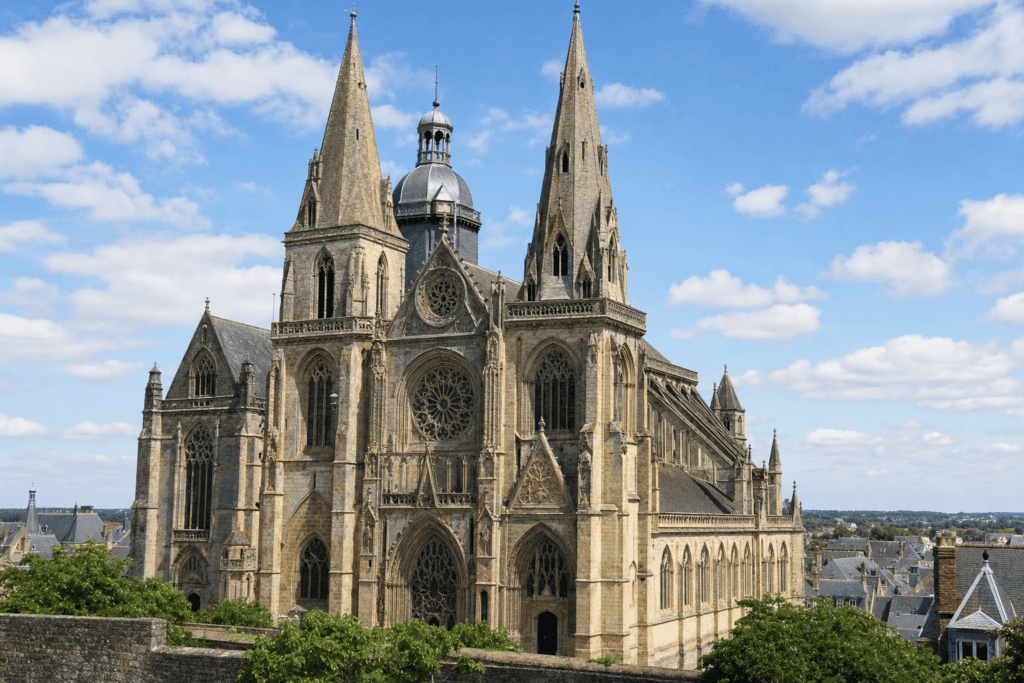 Basilica of Our Lady of Alençon A Gothic basilica in the heart of Alençon, notable for its Flamboyant portal, stained glass, and connection…
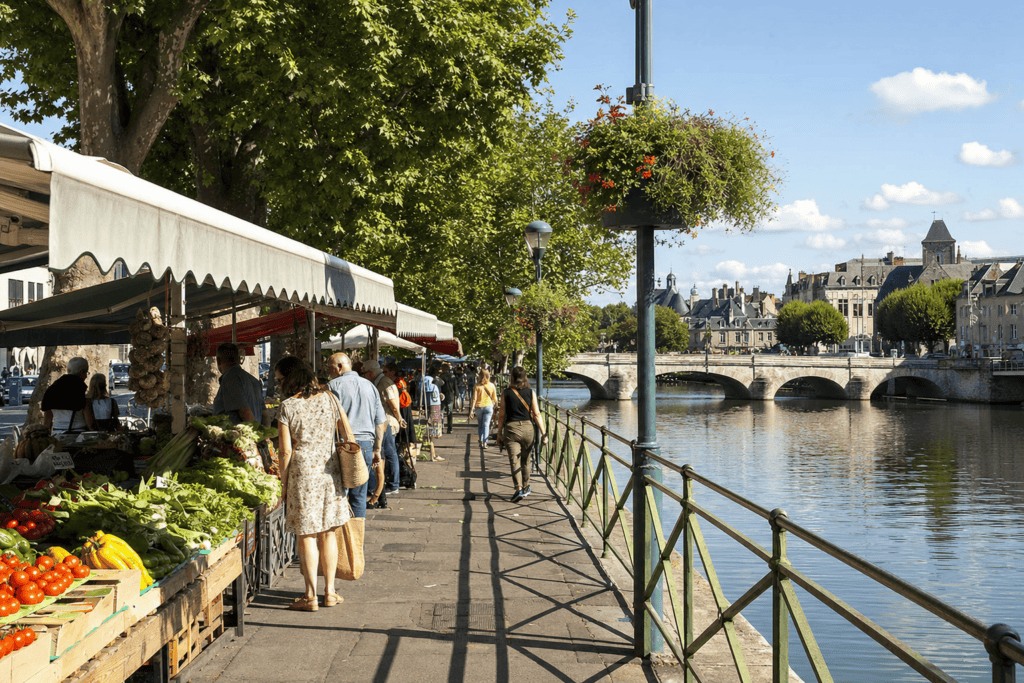 Alençon Market and a Walk Along the Sarthe A peaceful gourmet itinerary between Alençon Market, the historic center, and the banks of…
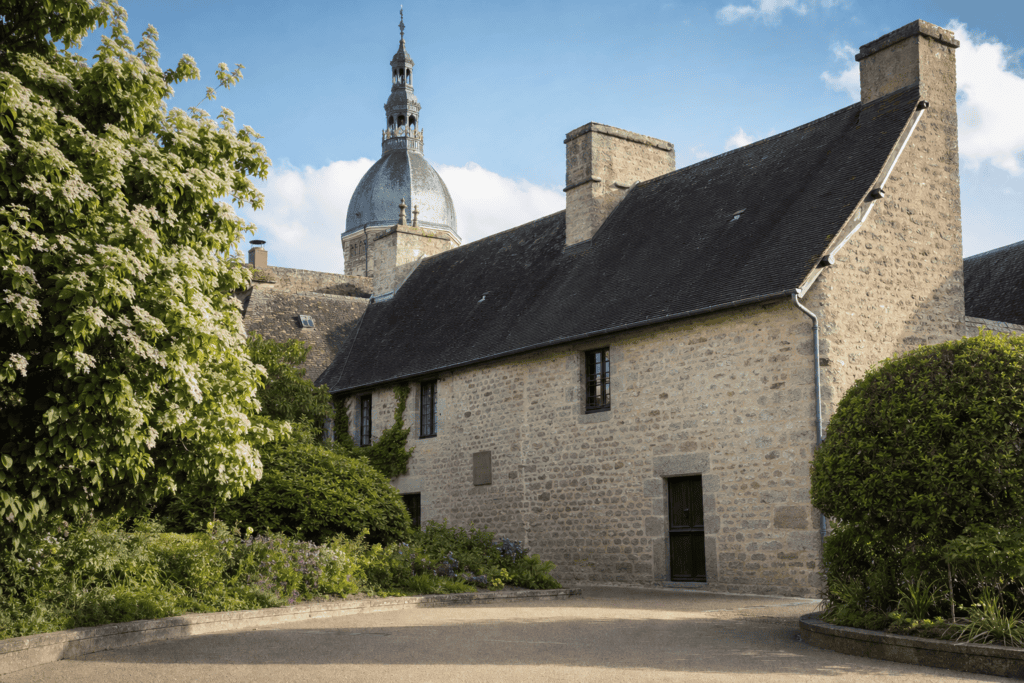 Birthplace of Saint Thérèse In Alençon, discover the home where Thérèse Martin was born and the family and artisanal setting…
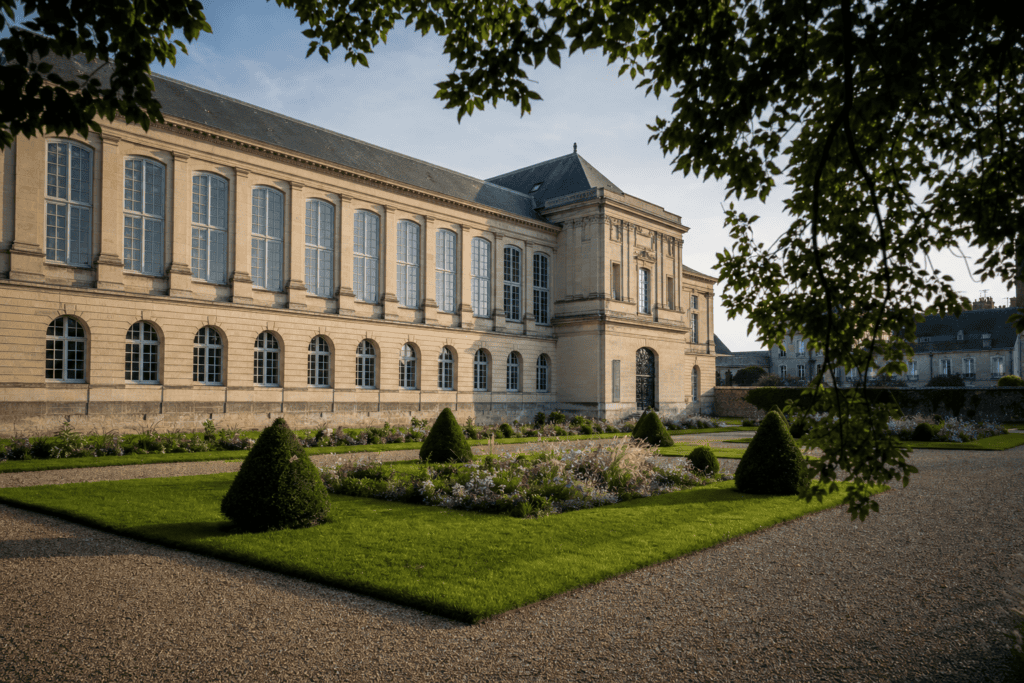 Museum of Fine Arts and Lace A must-see museum in Alençon where you can learn about Alençon lace, admire lacework, and explore…
Online booking · Paris → Alençon Historic Center, 61000 Alençon, Orne, Normandy
Choose your pickup date and time
Your departure and arrival details are already pre-filled. You can adjust them in the fare calculator before viewing the vehicles and fare.