



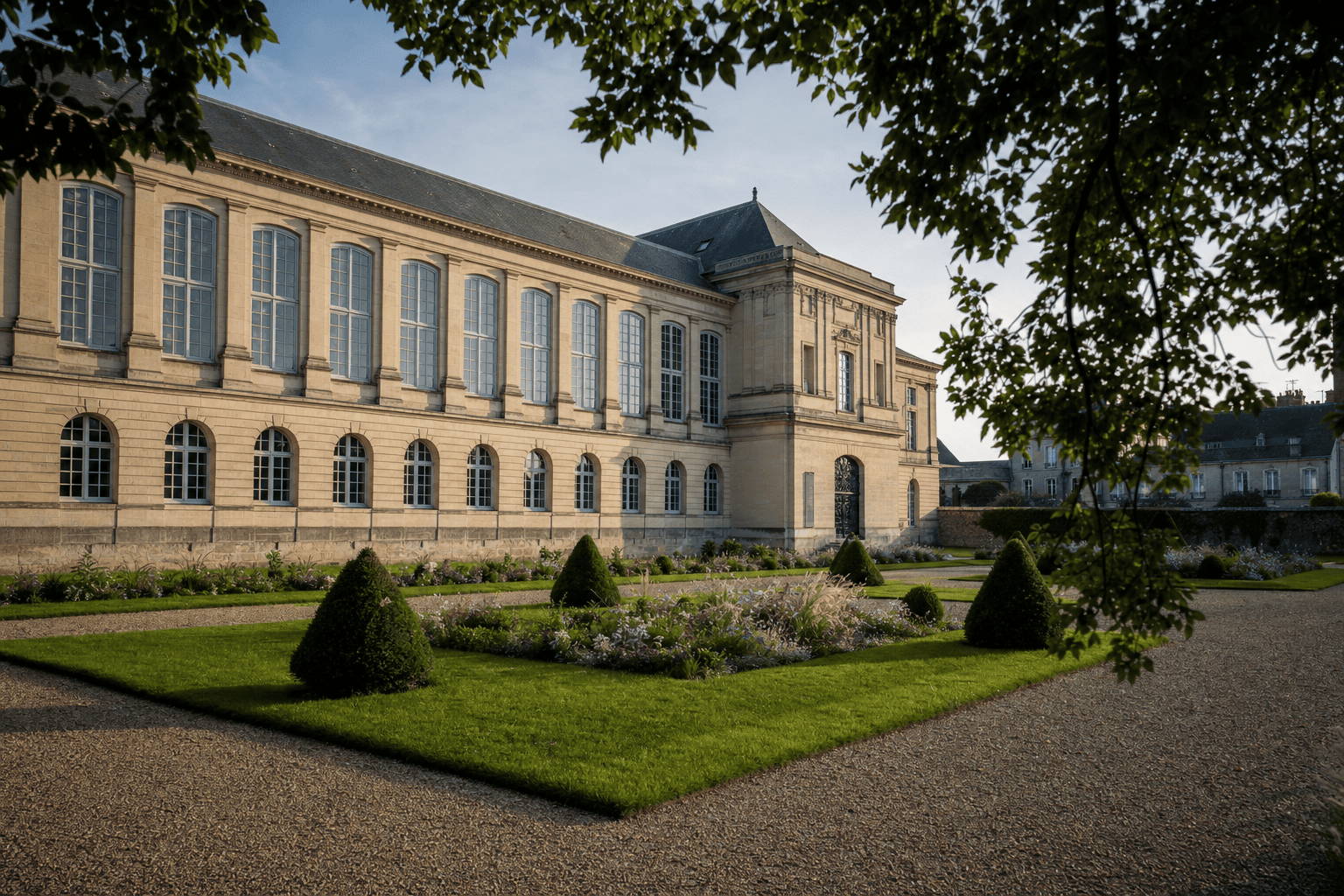
Alençon Museum of Fine Arts and Lace
Alençon
Located in the Cour carrée de la Dentelle in the heart of Alençon, the Museum of Fine Arts and Lace offers a journey at the crossroads of art, history, and the decorative arts. Its collection devoted to Alençon lace explains this rare craft, inscribed in 2010 on UNESCO’s Representative List of the Intangible Cultural Heritage of Humanity. The museum also displays fine art, decorative art, and a collection of Cambodian art. It is an especially interesting stop for discovering Alençon’s cultural identity and gaining a better appreciation of the patience, precision, and creativity required to create this exceptional lace.
Practical information
To appreciate the details of the pieces, take time to view the patterns from different distances. If a lacemaker demonstration is scheduled, it is an ideal complement to viewing the display cases.
Travel to Alençon from Paris with peace of mind
From Paris, a private transfer can take you directly to the Alençon Museum of Fine Arts and Lace from your hotel, CDG, or ORY. You can enjoy the journey without managing connections, then arrange a return to Paris or plan a cultural itinerary in Normandy. Transportation does not include museum admission; be sure to check visiting hours and conditions with the museum.
Transportation service departing from Paris, a Paris hotel, CDG, or ORY, with return service to Paris available. Admission is not included.
Why visit this museum in Alençon?
The Museum of Fine Arts and Lace is one of the places most representative of Alençon’s identity. Housed since 1857 in a building associated with the former Jesuit college, it brings together several artistic worlds in a single itinerary: lace, fine arts, and Cambodian art. This variety lets visitors vary the pace of their visit and appeals equally to textile art enthusiasts and those curious about cultural history.
The lace section naturally forms the heart of the experience. It explains why Alençon lace is considered an exceptional craft, while also showing that lace is not merely a delicate object intended for decoration. It reflects trade exchanges, aristocratic tastes, technical innovations, and a long tradition of artisanal transmission. The visit thus gives historical depth to a practice that might initially be reduced to its decorative appearance.
The museum is also well suited to a family outing, a cultural excursion during a stay in Normandy, or an additional stop after a walk through Alençon’s old town.
Understanding Alençon lace
Alençon lace is needle lace made entirely by hand. Unlike mechanically produced lace, each piece relies on a succession of precise steps: drawing and pricking the pattern, creating the net, making the fillings, adding decorative effects, embroidering the relief, then separating and finishing the piece. The museum presents these steps in an educational way, allowing visitors to connect the lace’s finished appearance with the processes required to make it.
The delicacy of the result requires remarkable patience. UNESCO notes that a single square centimeter can require approximately seven hours of work and that fully mastering the craft requires several years of practical training. These figures help visitors better understand the value of the pieces on display and the irreplaceable nature of the lacemaker’s skill.
Pay particular attention to the nets, outlines, and filled areas. Floral and botanical patterns sometimes appear almost weightlessly graphic, even though they consist of thousands of carefully controlled stitches and tensions. The visit then becomes a true lesson in precision.
A history connected to Normandy and the royal court
The history of lace in Alençon is part of the development of French manufactories in the 17th century. In 1665, Colbert founded the Royal Manufacture of Point de France to support domestic production and reduce dependence on lace imported notably from Italy. Alençon gradually became an important center for needle lace, with designs and practices that contributed to the city’s renown.
Over the centuries, this production evolved with changing fashions and uses. Lace could adorn clothing, accessories, linens, or objects associated with civil and religious ceremonies. It also became a marker of social status and refinement. The museum helps place its samples and notable pieces within this broader history of commissions, transmission, and changing tastes.
The collection also shows that the reputation of Alençon lace rests on more than its age. It stems from the exceptional quality of its execution and the continuity of specialized training. UNESCO recognition, granted in 2010, therefore concerns a living craft—not merely objects preserved in a display case.
Lace collections to explore
The lace collection is the highlight of the visit. It traces the evolution of styles from the 17th century to the present day and allows visitors to compare Alençon lace with other European traditions. This perspective is invaluable: it reveals the influences, technical differences, and uses that shaped the history of needle lace.
In the display cases, visitors can take time to examine the delicacy of the nets, the regularity of the outlines, and the variety of the patterns. Older pieces reflect a taste for floral compositions, borders, and transparent effects. Other works reveal lace’s ability to accompany fashion and adapt to new forms or uses.
Pay special attention to the large-scale pieces, accessories, and costume elements. A 19th-century bridal veil is notably identified as an exceptional piece in the exhibition. Contemporary creations also remind us that Alençon lace is not frozen in the past: it continues to inspire artists and research into textiles, materials, and light.
Fine arts and decorative arts: what else can you see?
Reducing the museum to lace alone would mean overlooking part of its richness. The Fine Arts section broadens the experience with paintings and works that offer another perspective on artistic tastes, techniques, and the collections assembled by the city. Depending on the exhibitions on display, the itinerary may also highlight particular artists or themes through loans and collaborations with other institutions.
The museum also houses a collection of Cambodian art, extending the visit beyond the Norman and European context. This collection creates an opportunity to compare cultures, materials, and the functions of objects. It encourages visitors to view decorative works not as mere ornaments, but as creations connected to specific traditions, beliefs, and uses.
For a first visit, start with the lace if that is your main interest, then continue to the fine arts and Cambodian art. Temporary exhibitions may change the ideal order of the visit, so check the official program before setting out, particularly if you want to see an exhibition announced for a specific period.
Planning an enjoyable visit
The museum is located in the Cour carrée de la Dentelle in central Alençon, at the address provided in the practical information. To avoid arriving to find the doors closed, check the latest hours on the official website or with the front desk: opening periods, public holidays, admission fees, and activities may change. This precaution is particularly useful when your visit depends on a demonstration or temporary exhibition.
Allow between 1½ and 2 hours if you want to explore the collections without rushing. Visitors who are drawn to small details will appreciate a slower visit, since lace works often require several viewings. Families can ask about child-friendly activities, which may be offered during school breaks or as part of the cultural program.
The museum is accessible via outdoor ramps, and the floors are served by an elevator according to the available cultural information. If you need specific assistance, contact the museum directly before your visit. For a full day, combine the museum with a walk through central Alençon and an exploration of the city’s heritage.
Extend your discovery of Alençon lace
A museum visit can serve as the starting point for a broader exploration of lace in Alençon. The craft is still passed on by professional lacemakers and supported by the Atelier national du Point d’Alençon, housed in municipal premises associated with the museum and library. Depending on the time of year, demonstrations, talks, or workshops may offer the chance to watch the work firsthand. These events are not held year-round, so check their schedule with the organizers.
Occasional introductory workshops can be an excellent way to appreciate the difficulty of the craft. Even a short experience is often enough to understand the difference between looking at finished lace and trying to build a pattern, net, or filling. For craft enthusiasts, these activities add a human and tangible dimension to the UNESCO recognition.
Finally, take time to explore Alençon around the Cour carrée de la Dentelle. The city center contains other historic and architectural landmarks that place the museum within its local setting. Lace is not an isolated theme: it is part of local memory, an earlier economy, and a Norman identity that remains visible in today’s cultural initiatives.
Frequently Asked Questions
Where is the Museum of Fine Arts and Lace located?
Is Alençon lace listed by UNESCO?
How much time should I allow for the visit?
Can you watch a lacemaker at work?
Is the museum accessible to people with reduced mobility?
 Basilica of Our Lady of Alençon A Gothic basilica in the heart of Alençon, notable for its Flamboyant portal, stained glass, and connection…
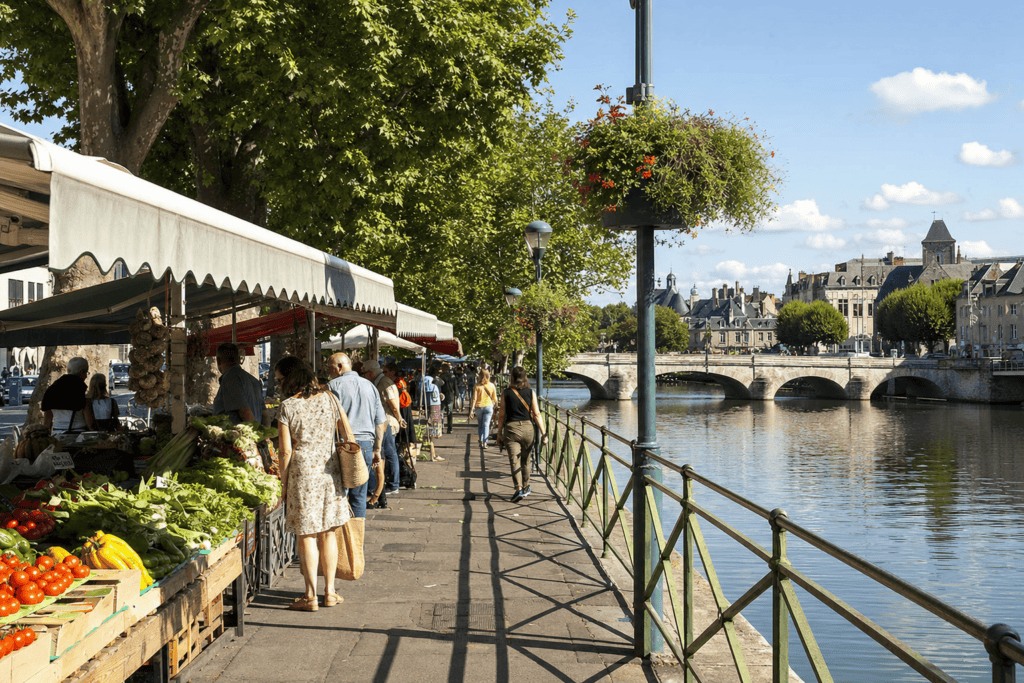 Alençon Market and a Walk Along the Sarthe A peaceful gourmet itinerary between Alençon Market, the historic center, and the banks of…
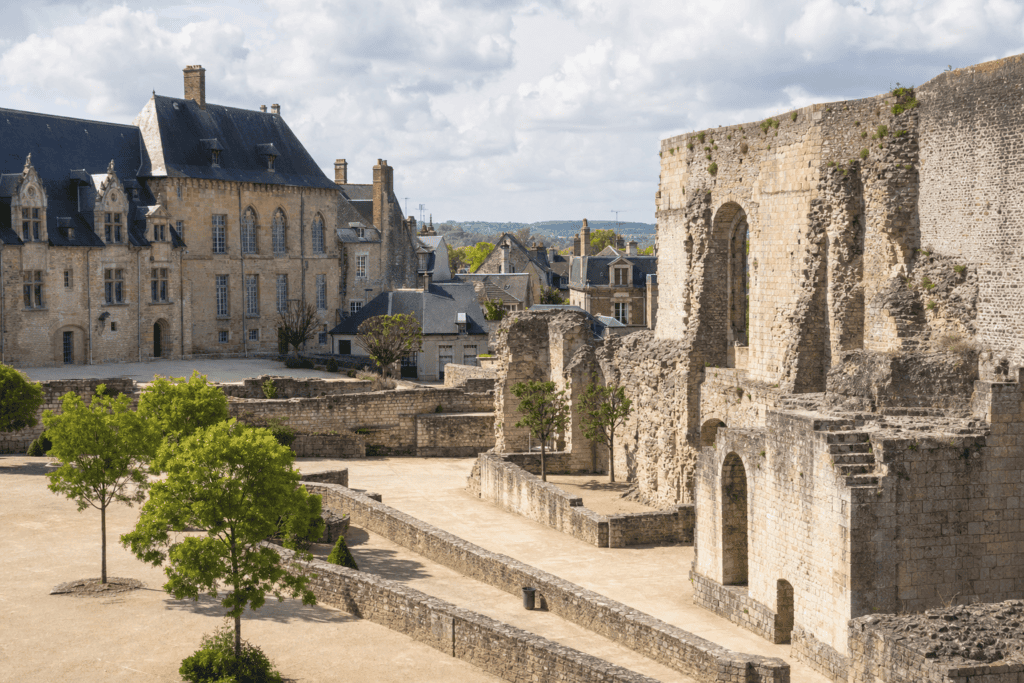 Historic Center of Alençon A walking tour through Alençon’s old town, among half-timbered houses, grand townhouses…
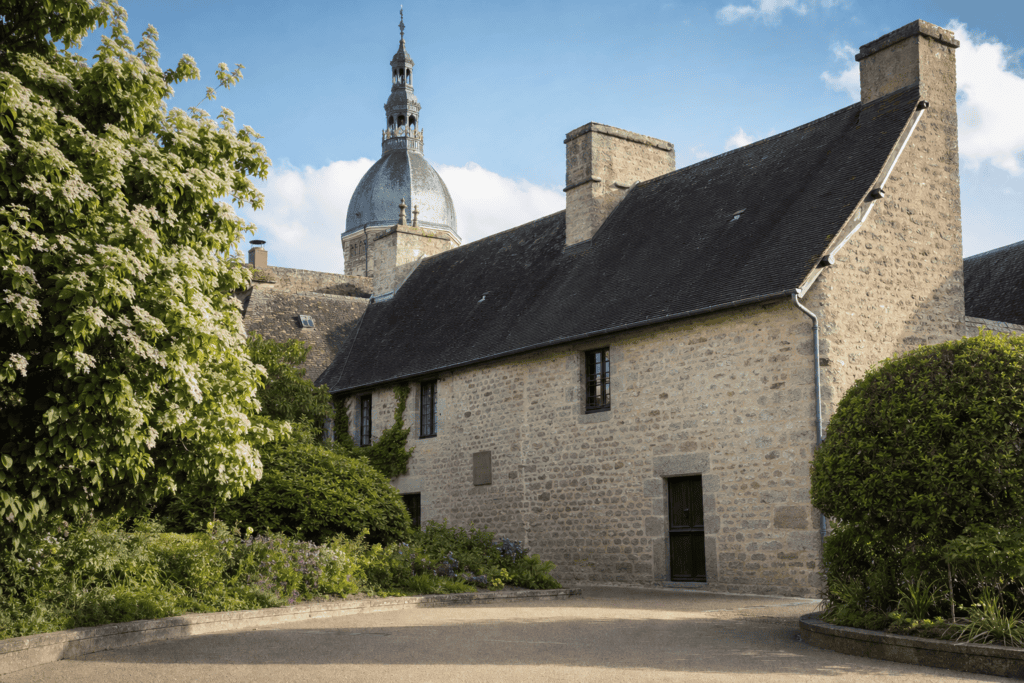 Birthplace of Saint Thérèse In Alençon, discover the home where Thérèse Martin was born and the family and artisanal setting…
Online booking · Paris → 12 rue Charles Aveline, Cour carrée de la Dentelle, 61000 Alençon
Choose your pickup date and time
Your departure and arrival details are already pre-filled. You can adjust them in the fare calculator before viewing the vehicles and fare.