



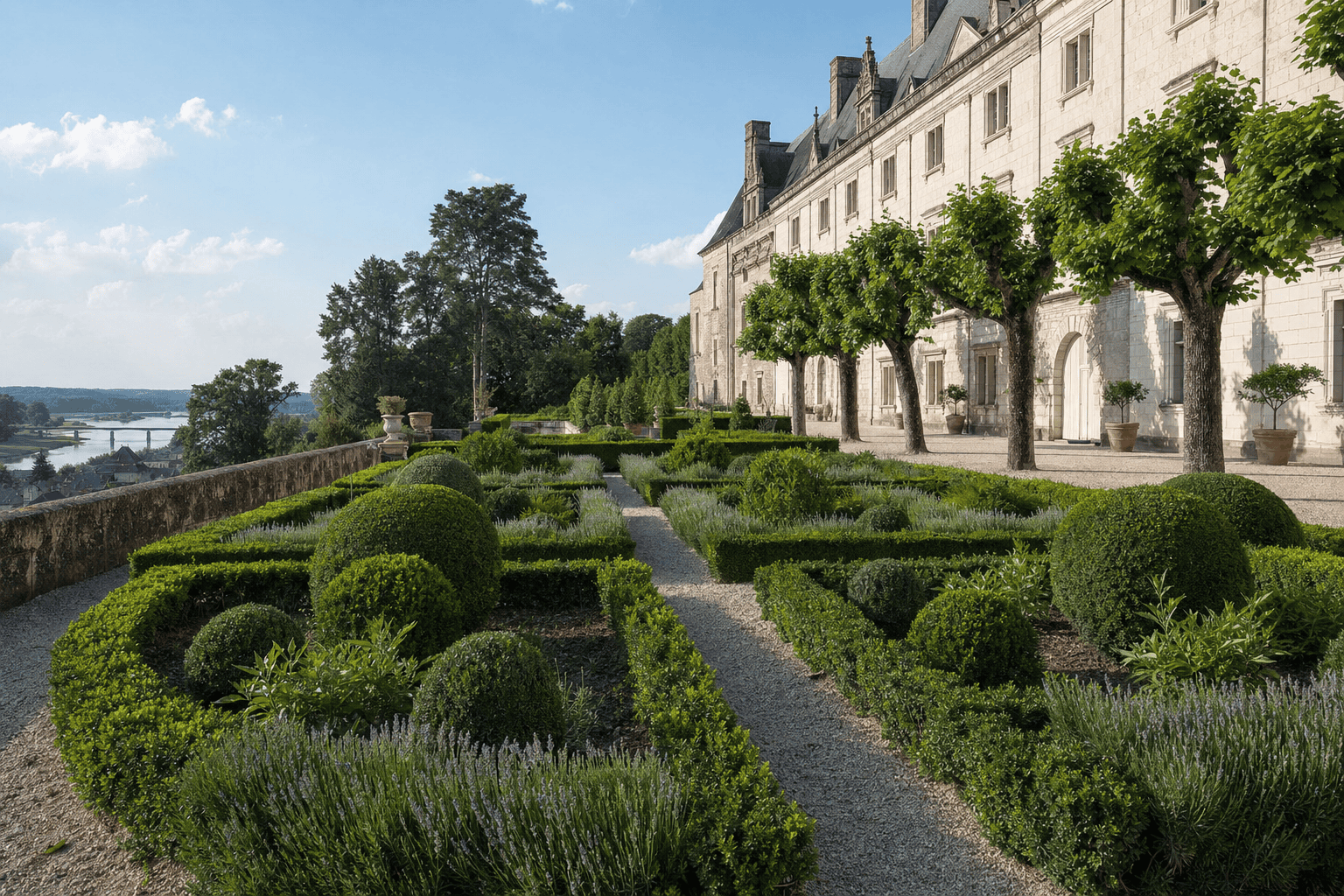
Château Gaillard in Amboise: An Intimate Renaissance Garden
Amboise
In Amboise, Château Gaillard offers a more intimate look at the Renaissance than the Loire’s grand châteaux. Set in a valley near the Royal Château of Amboise and the Château du Clos Lucé, the estate combines a pleasure residence, Italian-inspired gardens, an orangery, and a history linked to Dom Pacello de Mercoliano. The visit is especially appealing to travelers who enjoy heritage, gardens, photography, and places where architecture engages with nature.
Practical information
Combine this visit with the Royal Château of Amboise or the Château du Clos Lucé, both in the same area. Wear comfortable shoes and leave time to admire the plantings, walls, perspectives, and orangery.
Getting to Château Gaillard from Paris
Arrange a private transfer from Paris, your hotel in the Paris region, CDG or ORY to Amboise, with a return to Paris according to your itinerary. Transportation is separate from the admission ticket and can be incorporated into a Renaissance-themed tour of the Loire Valley.
Booking Paris Transfer offers transfers departing from Paris, the Paris region, CDG or ORY. This is not a local service based in Amboise, and no admission tickets are sold.
A Renaissance Palace in an Amboise Valley
Château Gaillard holds a distinctive place among Amboise’s heritage sites. The estate does not seek the monumental impact of the great royal residences; it is discovered in a sheltered valley, on a more intimate scale, with a direct relationship between the residence, the walls, and the plantings. This setting gives the site a peaceful, almost secluded atmosphere, even though it is close to the city’s main monuments.
The estate’s history is associated with Charles VIII’s return from Italy at the end of the 15th century. The king is believed to have wanted to introduce new architectural and horticultural forms inspired by the Quattrocento to Amboise. Château Gaillard later became associated with the royal court and Dom Pacello de Mercoliano, a gardener from Naples. The site’s interest therefore lies as much in its buildings as in the idea of experiencing the Renaissance as a whole: architecture, water, vegetation, scents, and promenades responding to one another.
The visit suits people who prefer taking time to notice details rather than quickly moving from one monument to the next. The palace’s volumes, openings onto the gardens, and the changing light in the valley create an especially photogenic setting.
Dom Pacello and the Encounter with Italy
Dom Pacello de Mercoliano is the central figure in Château Gaillard’s history. This monk, gardener, and botanist from Naples is believed to have been called to France as the court opened itself to Italian artists, artisans, and expertise. He is generally associated with the development of new gardens, where spatial composition, water circulation, and the acclimatization of plants played an essential role.
In Amboise, the valley offered favorable conditions for such experimentation. The walls, exposure, and presence of water could help create a milder microclimate, while the gardens made it possible to organize spaces for strolling and display. The site should not be imagined as an exhaustive reconstruction of every historical planting; today’s gardens instead offer a documented interpretation of this Renaissance heritage.
This history helps explain why the estate is more than a simple visit to a small château. Here, the garden becomes a historical subject in its own right. It reflects the sovereigns’ interest in rare species, the exchange of knowledge between Italy and France, and the desire to transform a landscape into a prestigious setting. The explanations provided on site help place the features you see within this cultural development.
Italian-Inspired Gardens to Explore
The gardens are the heart of the visit. Their appeal lies in the balance between orderly lines and the valley’s more relaxed vegetation. As you walk, notice the changing perspectives, passages between the walls, stairways, and terraces. Each space creates a different relationship with the palace and the light. The estate lends itself to a leisurely visit, with pauses to appreciate textures, foliage, and contrasts in color.
Italian influence can be seen in the preference for structured compositions, trained plants, fruit trees, and perspectives. Yet it combines with the climate and terrain of the Loire Valley. This adaptation is particularly interesting: it shows that Renaissance gardens were not simply imported backdrops, but projects designed for specific land and local conditions.
The season profoundly changes the experience. Spring brings flowers and fragrances, summer highlights foliage and citrus trees, while autumn adds warmer hues. Photographers will find compositions around the walls, openings, orange trees, and rooftops of Amboise. When available, a guided tour can provide useful insight into the symbolism and layout of the spaces.
The Orangery and the History of Citrus Trees
The orangery recalls the difficulties that citrus cultivation once presented in the French climate. Orange and lemon trees were precious plants, valued for their appearance, fragrance, and fruit. Keeping them required protected spaces and seasonal management: the trees could be brought outside in good weather and sheltered when temperatures became too low.
The estate links its history to the acclimatization of the first orange trees introduced to France by Dom Pacello. This horticultural tradition gives the orangery a tangible dimension. It helps explain how royal gardens became places of experimentation, capable of bringing together prestige, scientific curiosity, and sensory pleasure. Citrus trees also expressed the power of a sovereign who could have distant plants brought in and mobilize the resources needed to care for them.
On site, take time to observe the relationship between the orangery, the gardens, and the protective walls. The interest lies not only in the visible species, but in the overall arrangement. Opening conditions and accessible areas may vary by season; check the estate’s latest information before planning your visit.
A Complement to the Royal Château and Clos Lucé
Château Gaillard fits naturally into a day devoted to the Renaissance in Amboise. The Royal Château overlooks the town and the Loire; it offers insight into the city’s political power, the presence of the sovereigns, and the site’s strategic role. The Château du Clos Lucé presents another perspective, centered on Leonardo da Vinci, his final years in Amboise, and his working environment. Château Gaillard complements these sites with a more botanical and landscape-focused interpretation.
You can begin with the monument that best suits your pace, but avoid packing in too many visits without allowing time for a break. Walking between the sites, stairs, and the time needed in the gardens can make an overly busy day less enjoyable. Lunch or a break in central Amboise can help create a more balanced itinerary.
For a longer stay, the estate can also serve as a starting point for exploring the Loire Valley and its châteaux. It is best to check each monument’s hours, access conditions, and any reservation requirements separately. Local tourism information can help plan distances, but official websites remain the reference for arrangements specific to each visit.
Practical Tips Before Your Visit
Before setting out, check Château Gaillard’s official information regarding opening hours, prices, guided tours, and access conditions. These details may change depending on the season, an event, construction work, or conservation requirements. The estate lists a main address on avenue Léonard de Vinci as well as pedestrian access via allée du Pont Moulin; confirm the route that corresponds to your mode of transportation.
The gardens include paths, steps, and changes in elevation. Comfortable shoes are therefore recommended, especially if you plan to continue on foot to other sites in Amboise. Families may enjoy the lively nature of the visit, but children should remain accompanied in the landscaped areas and near places with uneven ground.
If you have specific accessibility needs, contact the estate well in advance to obtain information suited to your situation. For photography, soft morning or late-day light brings out the walls and plantings particularly well. Finally, allow some flexibility in your schedule: the gardens invite you to slow down, and that is precisely what makes them so charming.
Planning an Itinerary from Paris
From Paris, Château Gaillard can be a day trip or one stop during a stay in the Loire Valley. Plan the journey around the time you want to spend in Amboise and, if you add the Royal Château or the Château du Clos Lucé, the travel time between the different sites. An early departure offers greater flexibility, but the timing should remain compatible with the opening conditions announced by the estate.
A private transfer departing from Paris, a hotel in the Paris region, CDG or ORY may suit families and small groups wishing to avoid multiple connections. The transportation service can be arranged with a return to Paris and, depending on the itinerary, an additional stop in the Loire Valley. It does not include admission to the estate and does not replace reservations made directly with the sites you visit.
To plan your day, first check the official opening hours, then decide how much time you want to spend in Amboise. A clear plan leaves room for the gardens, breaks, and unexpected delays. Booking Paris Transfer can then be contacted to discuss a transfer from Paris or its airports, with an itinerary built around your heritage-focused program.
Frequently Asked Questions
Where is Château Gaillard located?
How much time should I allow for the visit?
Can Château Gaillard be visited together with the Château du Clos Lucé?
Are the opening hours and guided tours fixed?
Does transportation from Paris include admission to the estate?
 Royal Château of Amboise A spectacular royal château, combining French history, views over the Loire, and Leonardo’s tomb…
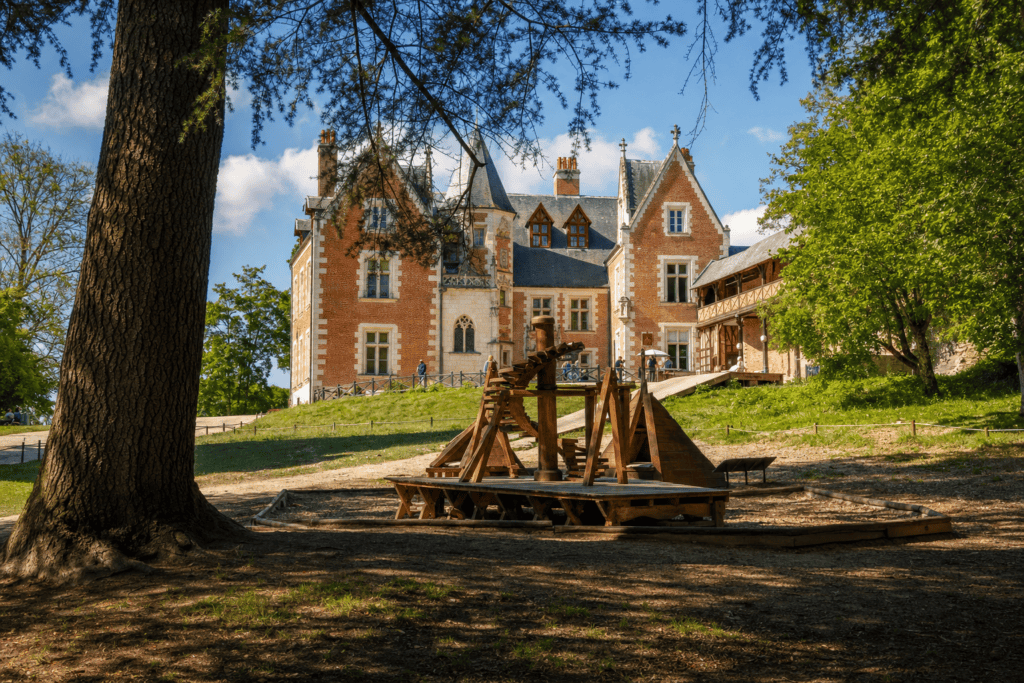 Le Clos Lucé – Leonardo da Vinci Park A historical, family-friendly visit to Leonardo da Vinci’s final residence, extended by a…
 Things to Do in Amboise Along the Loire Loire riverbanks, views of the château, cycling routes, and peaceful breaks: our ideas for…
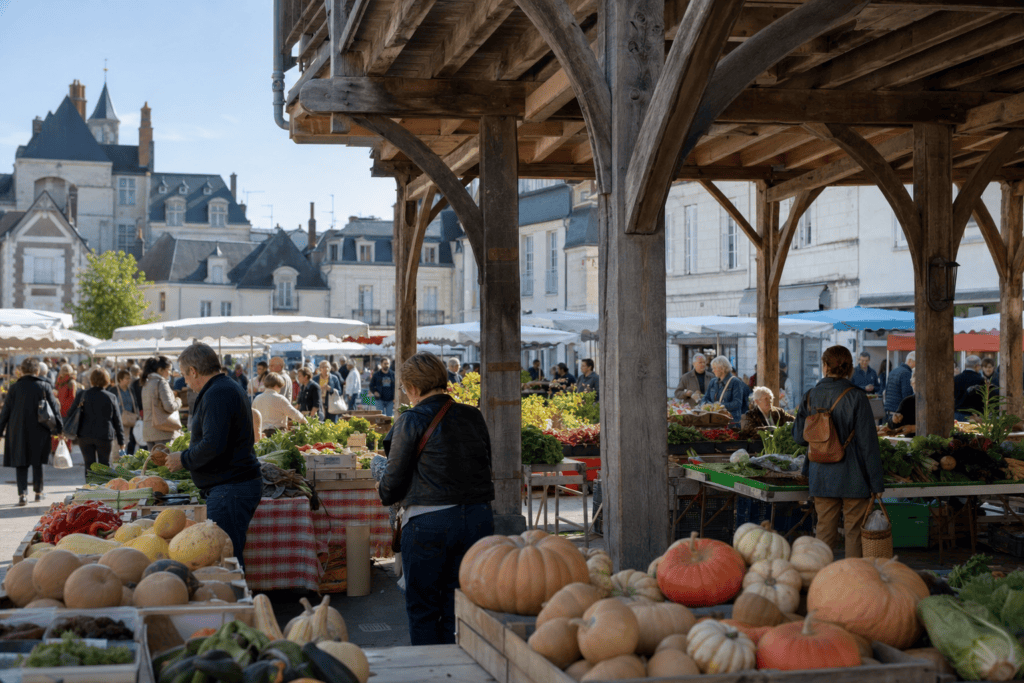 Amboise Market A lively market on the banks of the Loire, ideal for sampling Touraine products and discovering…
Online booking · Paris → 99 avenue Léonard de Vinci, 37400 Amboise, France. The estate also indicates pedestrian access via 29 allée du Pont Moulin.
Choose your pickup date and time
Your departure and arrival details are already pre-filled. You can adjust them in the fare calculator before viewing the vehicles and fare.