



Heritage · Centre-Val de Loire · Centre-Val de Loire
Visiting Amboise, at the Heart of the Loire Valley Renaissance
Visiting Amboise means discovering a town closely linked to the kings of France, the Renaissance, and Leonardo da Vinci. Set along the banks of the Loire, the town combines a royal château, historic lanes, tuffeau-stone residences, gardens, and views over the river. It is also a convenient base for exploring the Loire Valley’s major sites, including Chenonceau, Chaumont-sur-Loire, and the vineyards of Touraine.
Explore Amboise
Amboise Highlights
 Must-see
Things to Do in Amboise Along the Loire
Loire riverfronts, views of the château, cycling routes, and peaceful breaks: our ideas for enjoying Amboise…
 Markets
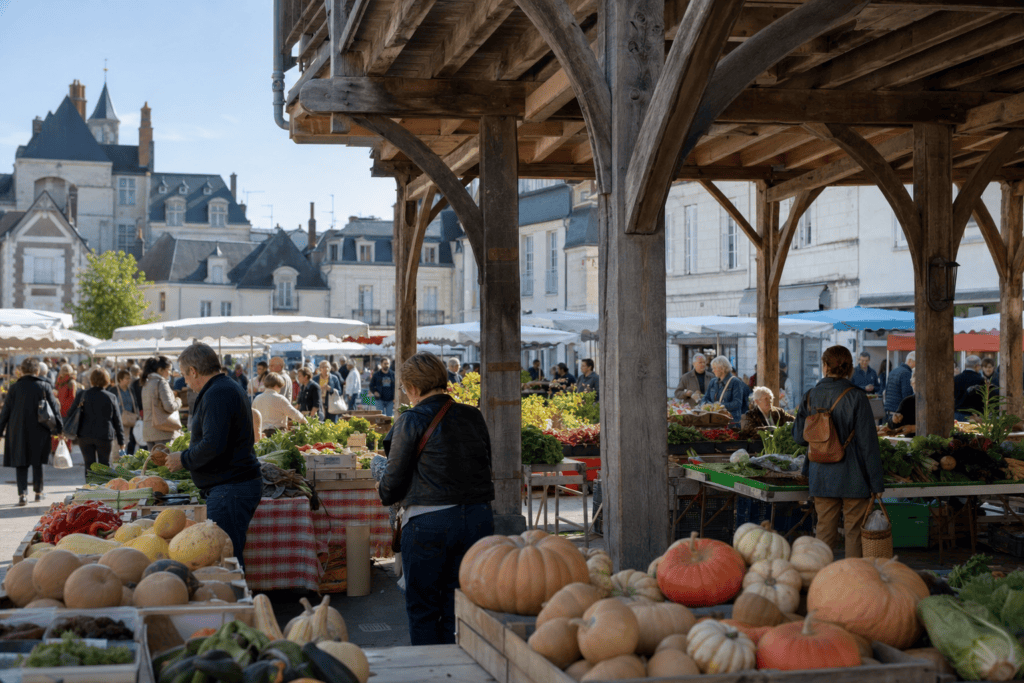
Amboise Market
A lively market along the Loire, perfect for sampling Touraine produce and experiencing the local atmosphere…
 Heritage
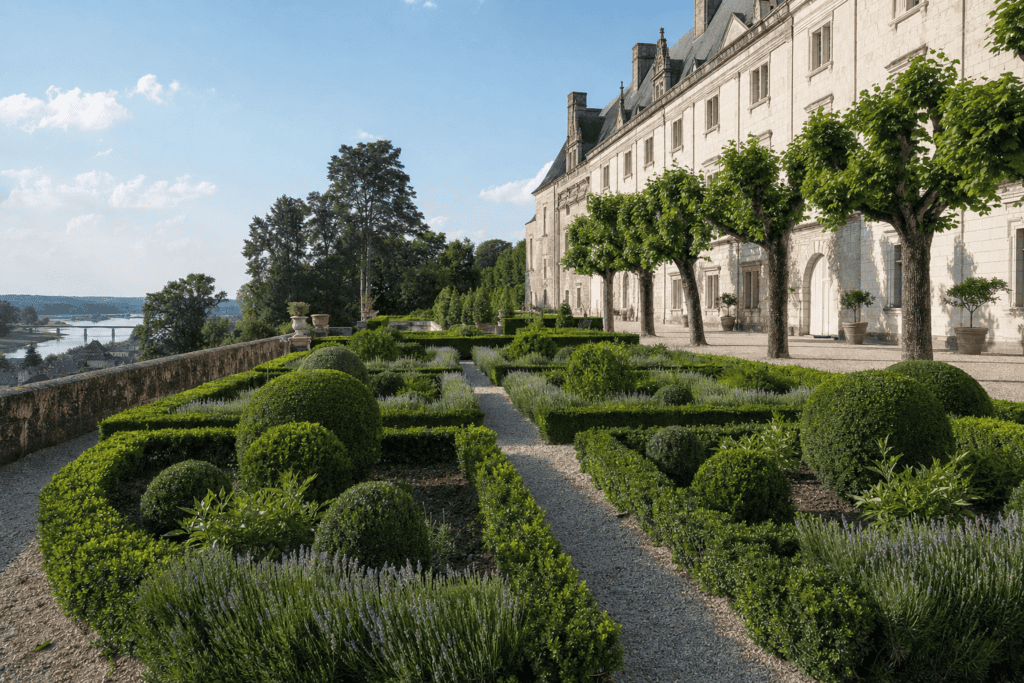
Château Gaillard and its Renaissance Gardens
An intimate Renaissance estate in Amboise, known for its Italian-inspired gardens, orangery, and citrus trees.
 Must-see
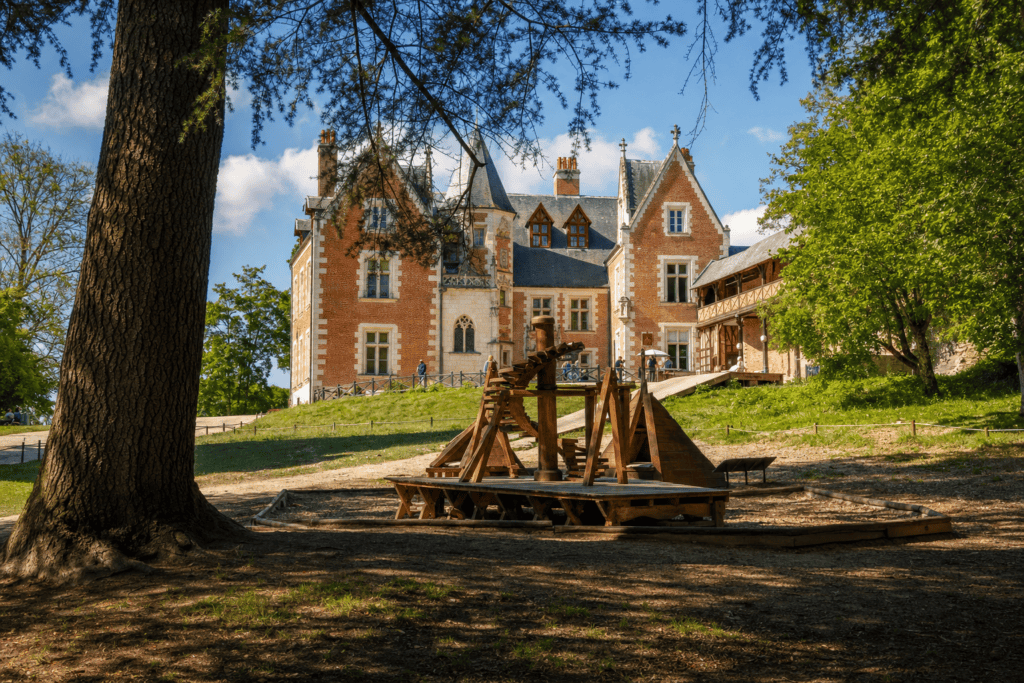
Le Clos Lucé – Leonardo da Vinci Park
A historical, family-friendly visit to Leonardo da Vinci’s final home, extending into a dedicated park…
 Must-see
Royal Château of Amboise
A spectacular royal château combining French history, views over the Loire, and Leonardo da Vinci’s tomb.
Other destinations to discover
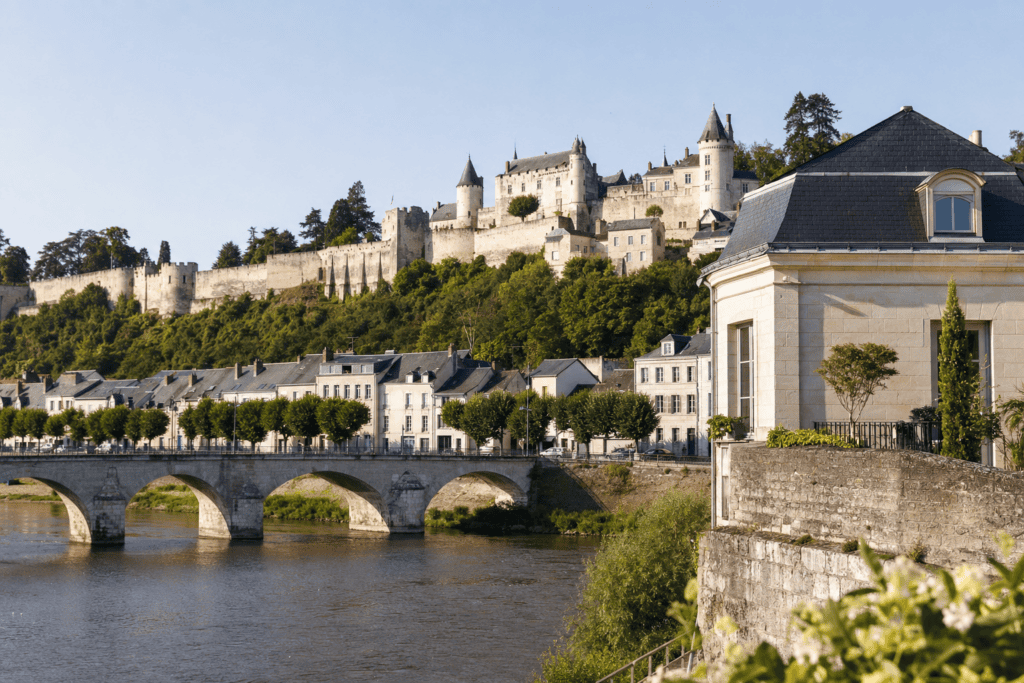
Chinon
A medieval town dominated by a royal fortress, amid heritage, vineyards, and the landscapes of the Vienne.
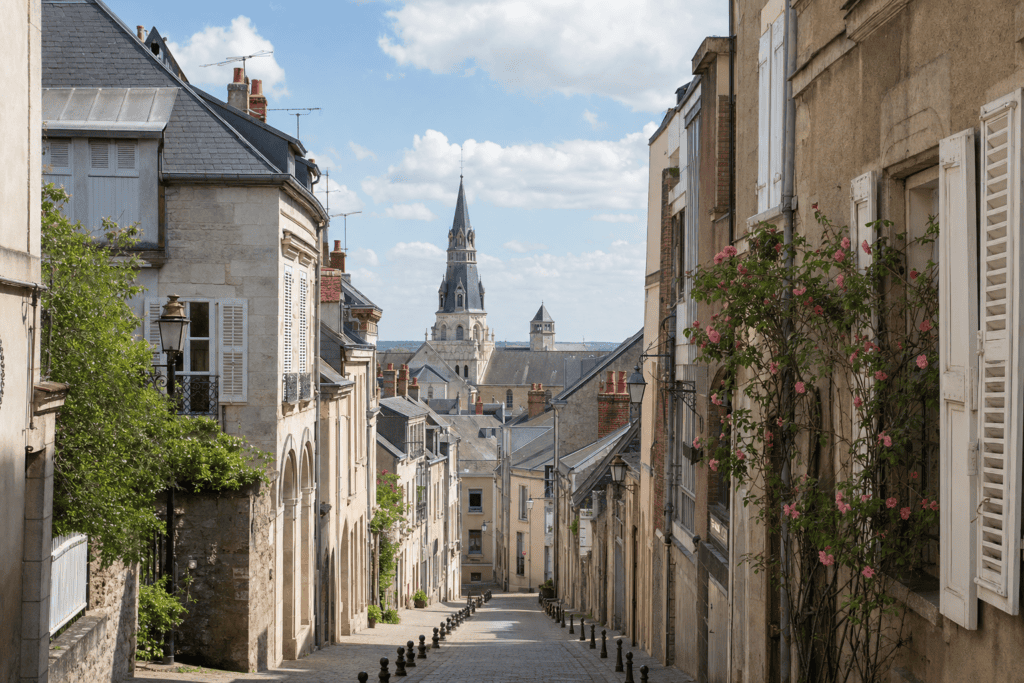
Châteauroux
From Château Raoul and the historic center to gardens, museums, and excursions in the Indre, Châteauroux reveals a discreet, cultural side of Berry…

Bourges
A charming heritage town with a Gothic cathedral, medieval palace, half-timbered houses, and gardens of…
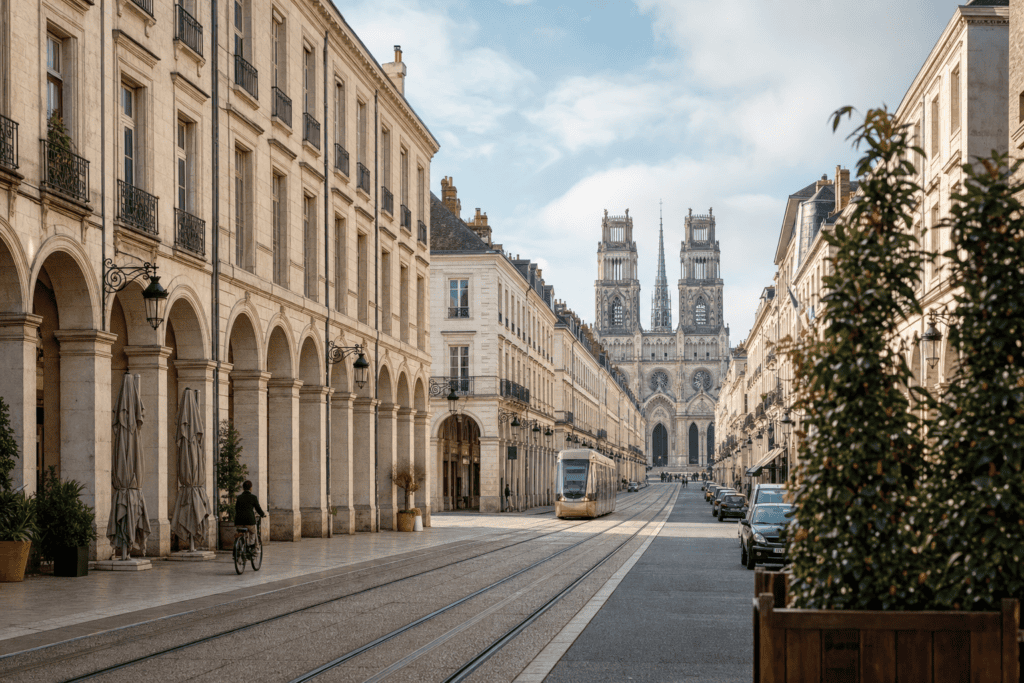
Orléans
With its Gothic cathedral, connections to Joan of Arc, Loire riverfronts, and museums, Orléans offers a cultural getaway…
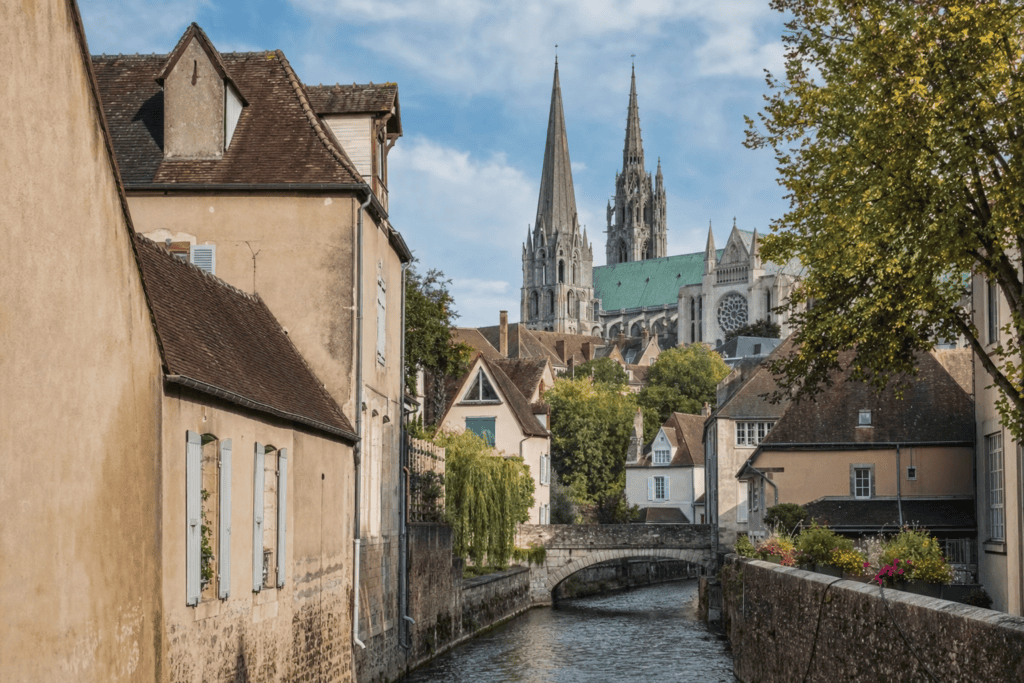
Chartres
A heritage getaway from Paris featuring a Gothic cathedral, medieval stained glass, historic lanes, and surprising creations by…
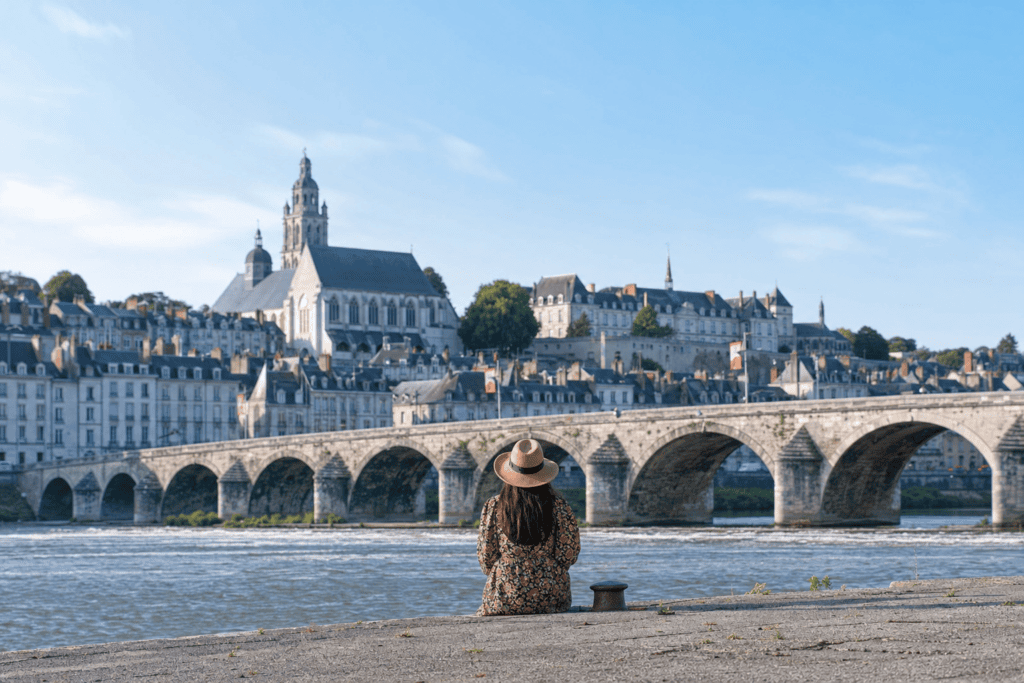
Blois
Royal château, historic lanes, views over the Loire, and the Maison de la Magie: Blois brings together a…
DESTINATION GUIDE
Amboise Travel Guide
A Town Shaped by Royal History
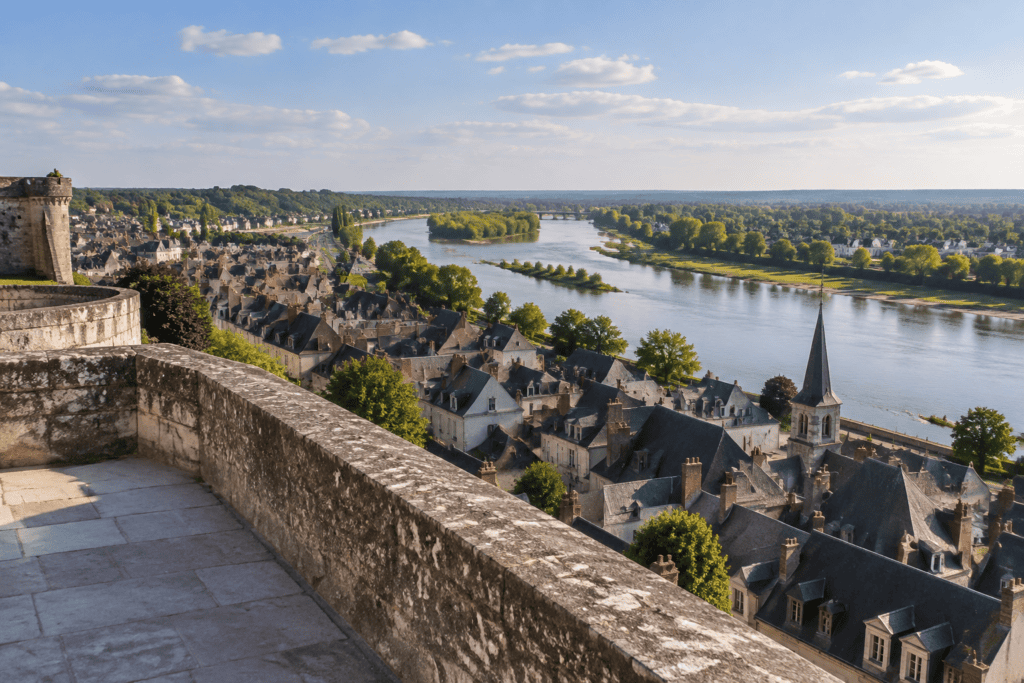
Amboise is best discovered first from the Loire riverfront. From the river, the royal château overlooks the town and recalls the city’s role in French history. At the end of the Middle Ages and during the Renaissance, Amboise became a favored residence of the court. Charles VIII was born and died there, while Francis I helped make the French Renaissance shine throughout the Loire Valley.
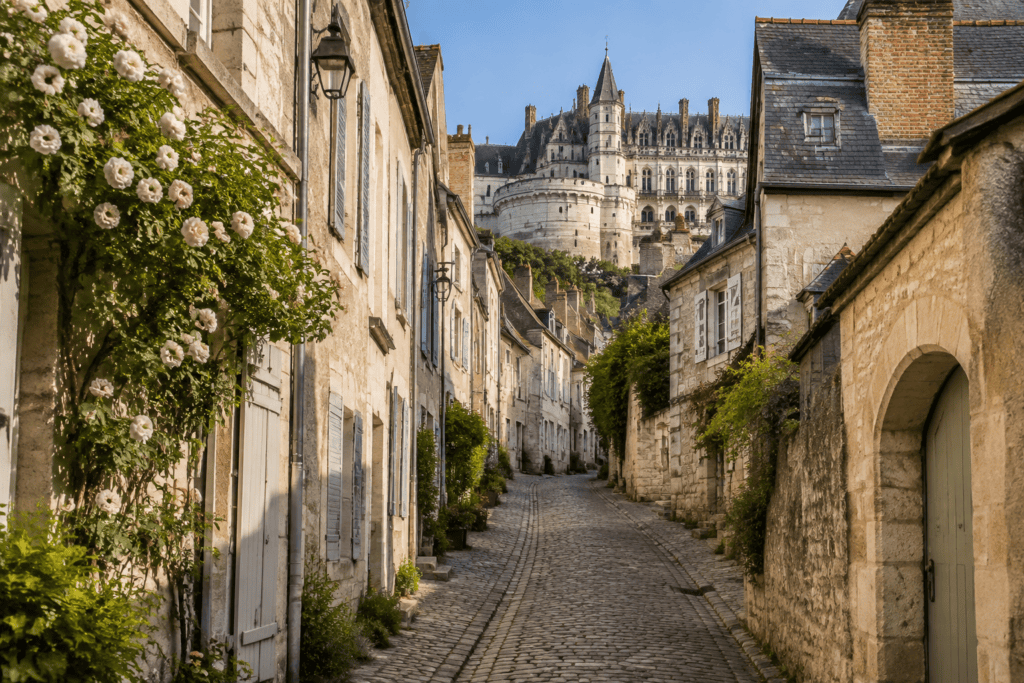
The historic center is easy to explore on foot. The sloping streets leading up to the château alternate between tuffeau-stone houses, historic façades, small squares, and quieter passageways. For a first introduction, it is worth starting at the riverfront, continuing along Rue Nationale, then gradually making your way up toward the château. This route helps you understand the relationship between the town, the river, and the defensive promontory.
The Royal Château of Amboise
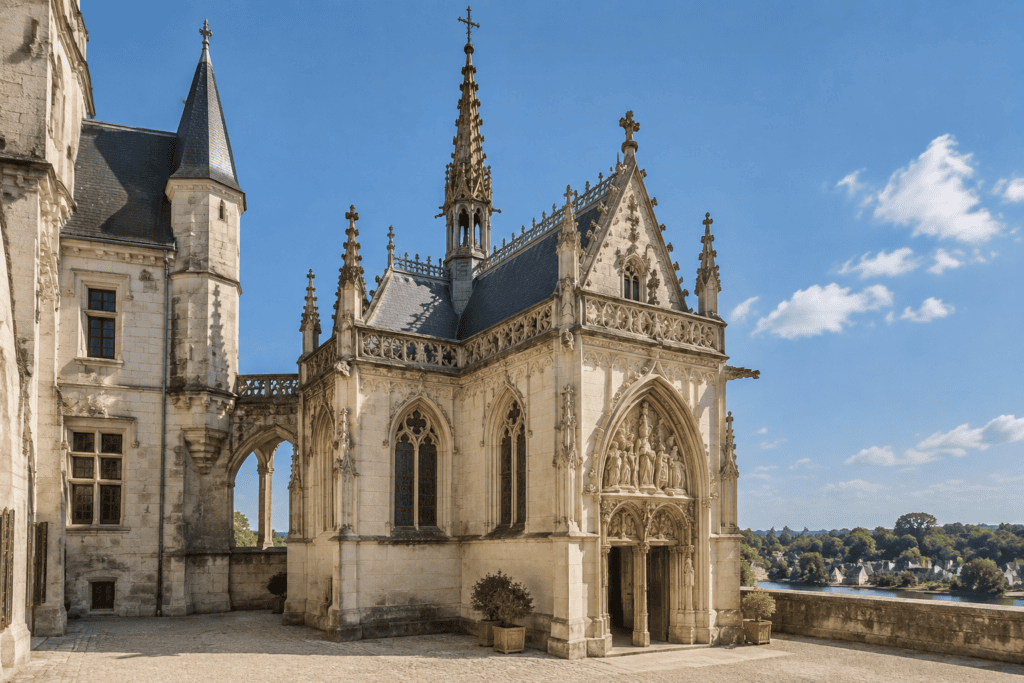
The royal château is the town’s landmark monument. Its architecture retains medieval elements, but above all reflects the site’s transformation during the Renaissance. The visit includes the royal residence, terraces, and gardens, with sweeping views over the Loire and Amboise’s rooftops.
The Saint-Hubert Chapel deserves special attention. An elegant example of Flamboyant Gothic architecture, it is traditionally associated with Leonardo da Vinci’s tomb. The collections, reconstructions, and interpretive displays place the château in the context of the monarchy, the court’s travels, and everyday life during the Renaissance. Depending on the option selected, you can explore independently or follow an accompanied route; it is best to check the available arrangements before your visit.
- Allow time for the terraces, which offer some of the finest views over the Loire.
- The stairs and sloping streets may make the visit less comfortable for people with reduced mobility.
- Exhibitions and themed tours vary by season: check the château’s official website before your visit.
Le Clos Lucé and the Legacy of Leonardo da Vinci
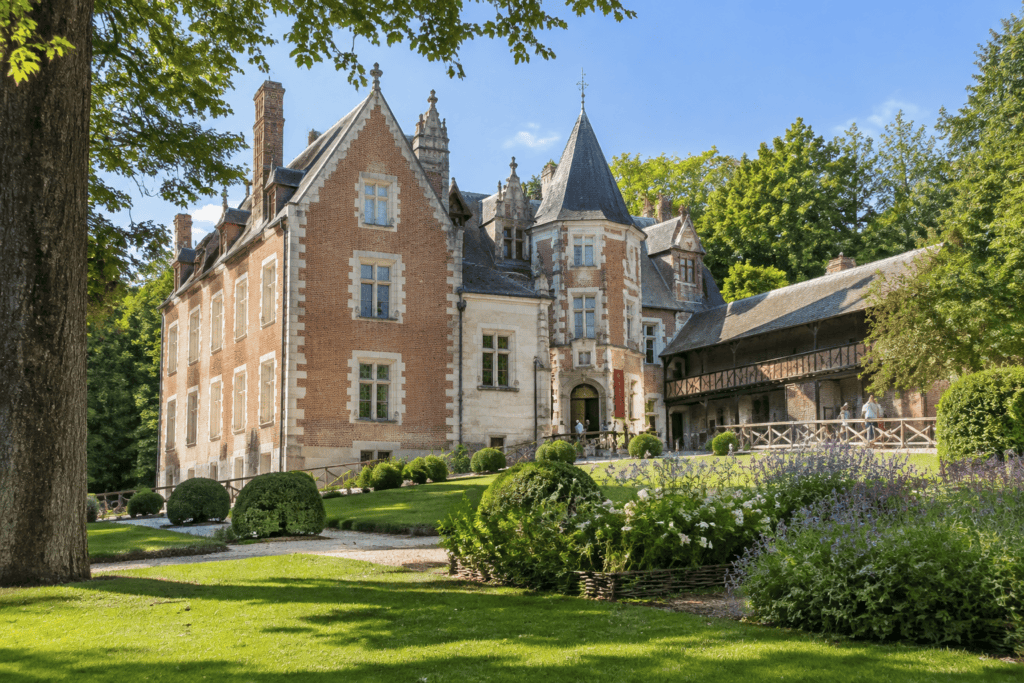
A few minutes’ walk from the royal château, Château du Clos Lucé is associated with Leonardo da Vinci’s final years. Invited to France by Francis I, the artist and engineer settled there in 1516 and remained until his death in 1519. The tour highlights his life, research, and connections to the royal court.
The residence has a more intimate atmosphere than the royal château. The rooms evoke Leonardo da Vinci’s daily life, while Leonardo da Vinci Park extends the visit outdoors. Models and interpretations of machines explore his work on mechanics, water, flight, and architecture. For families, the park makes scientific subjects more tangible and provides a pleasant break between indoor spaces.
Le Clos Lucé is particularly well suited to a combined visit with the royal château. The two sites are close, but their focus differs: the first tells the story of a royal residence and the political history of the Renaissance, while the second emphasizes Leonardo da Vinci’s personality, ideas, and legacy.
Gardens and Lesser-Known Sites
Amboise is more than its two most famous monuments. The Château Gaillard royal estate offers a more secluded experience amid gardens, pools, and lush vegetation. The site is associated with the early acclimatization of citrus trees in France and offers a more landscape-focused perspective on the Renaissance. It is well suited to visitors who want to slow down and enjoy a more intimate visit.
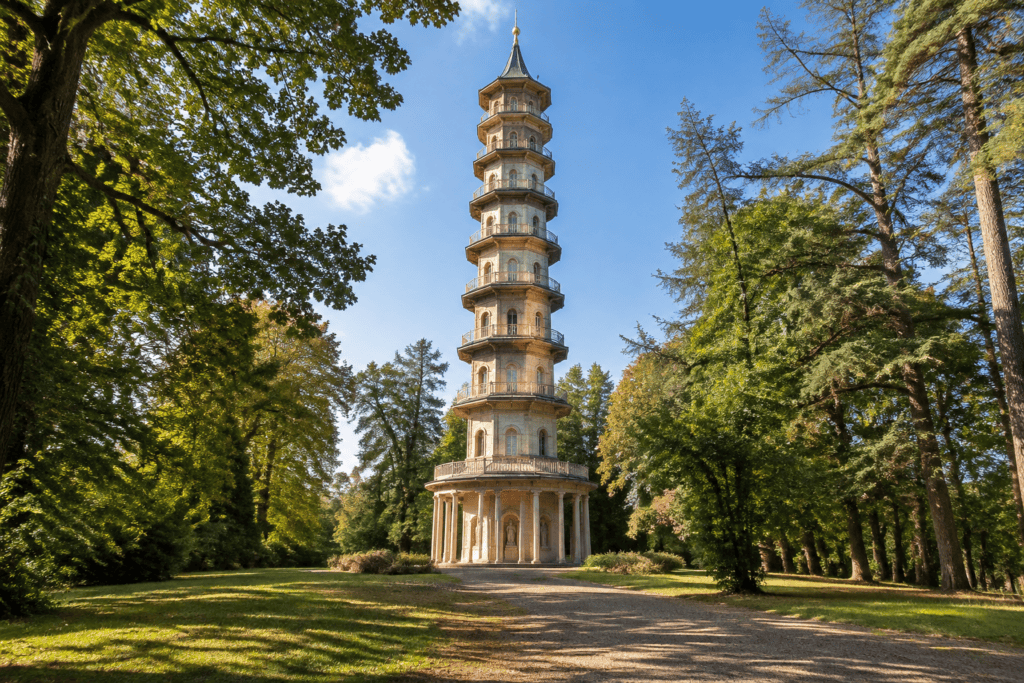
East of the town, the Pagoda of Chanteloup is a very different curiosity. Built in the 18thth century for the Duke of Choiseul, it is the last surviving remnant of a vast estate that has disappeared. The monument overlooks a wooded park and, when access to the top is possible, offers unobstructed views of the Forest of Amboise and the Loire Valley. The site is as much a place for a walk as it is a historic monument; opening conditions and available activities should be checked for the relevant period.
The Loire, Walks, and Landscapes
The river gives Amboise an essential landscape dimension. The riverfront is ideal for a leisurely stroll, especially at the end of the day when the light brings out the château and the town’s façades. The Loire à Vélo cycling routes also let you explore the surrounding area at a gentler pace, combining heritage, villages, vineyards, and valley landscapes.
For a more active experience, find out about local hiking routes and outings. The hillsides, Loire riverbank paths, and vineyards around Amboise offer different perspectives on the area. A bike ride or walk beyond the center can usefully complement visits to the monuments, especially during a stay of several days.
Food and Vineyards Around Amboise
The Amboise area is part of the Touraine wine region. Local wines, particularly those from the Touraine-Amboise appellation, pair with regional cuisine based on seasonal produce, goat cheese, Loire fish, and Touraine specialties. Nearby wine cellars and estates sometimes welcome visitors by appointment. For a tasting, always check the arrangements directly with the producer.
In the town center, restaurants and shops make it easy to plan a simple break between visits. Markets offer another way to discover local products, with selections that may vary by day and season. To avoid an overly busy day, ideally set aside half a day for the monuments and another for the landscapes, food, or nearby villages.
Planning a Stay in Amboise
One day is enough to see the main sites, but spending a night offers a more balanced experience. For a first stay, you could spend the morning at the royal château, have lunch in the historic center, then visit Le Clos Lucé in the afternoon. A second day could be devoted to Château Gaillard, the Pagoda of Chanteloup, a walk along the Loire, or a route toward Chenonceau.
- For a short stay: focus on the royal château, Le Clos Lucé, and a stroll along the riverfront.
- For families: combine Le Clos Lucé, its invention-focused exhibits, and an outdoor activity.
- For heritage enthusiasts: add Château Gaillard, the Pagoda of Chanteloup, and the wine-growing villages.
- For cyclists: use Amboise as a stop on a Loire à Vélo route, checking conditions and distances before setting out.
From Paris, Amboise can be included in an itinerary focused on the Loire châteaux. The destination also fits well into a route including Blois, Chenonceau, or Tours. Travel times and traffic conditions vary by date, so it is recommended to plan your itinerary around visiting hours and any necessary reservations.
Useful sources
Getting to Amboise from Paris
Booking Paris Transfer can arrange a private journey from Paris, your hotel, CDG or ORY to Amboise, with the option of arranging a return to Paris or a multi-city itinerary in the Loire Valley. The service covers transport only: admission tickets to monuments are not sold by Booking Paris Transfer.