



Château Royal d’Amboise: Royal Balcony Over the Loire
Amboise
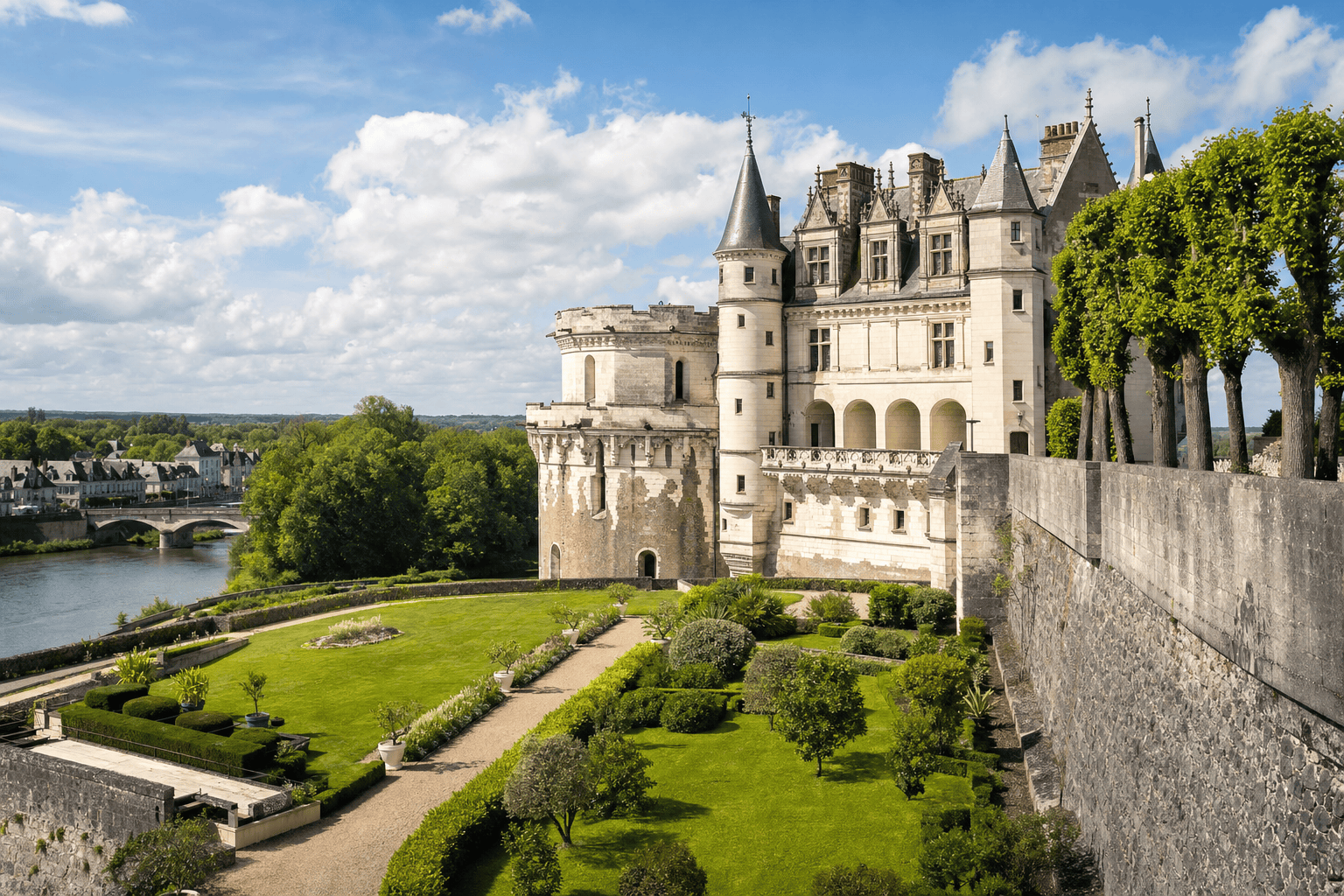
Perched on a promontory overlooking the Loire, Château Royal d’Amboise is one of the Loire Valley’s most iconic landmarks. Former residence of Kings Charles VIII and Francis I, it combines medieval architecture, Italian Renaissance influences, panoramic gardens, and the legacy of Leonardo da Vinci. Visitors can explore the royal residence, ramparts, equestrian towers, and Saint-Hubert Chapel, home to the tomb traditionally associated with the great Florentine artist. Opening hours, access conditions, and available tours vary by season, so check the official information before your visit. ([chateau-amboise.com](https://www.chateau-amboise.com/?utm_source=openai))
Practical information
Wear comfortable shoes and check the official hours on the day of your visit: the ticket office closes before the estate.
Travel from Paris to Amboise by private transportation
Pour organiser une excursion depuis Paris, un hôtel parisien, l’aéroport Paris-Charles-de-Gaulle ou Paris-Orly, Booking Paris Transfer peut assurer le transport jusqu’à Amboise, avec possibilité de retour vers Paris ou d’intégration dans un itinéraire des Châteaux de la Loire. Le service concerne le déplacement uniquement : l’entrée du Château Royal d’Amboise reste à organiser directement auprès du monument.
Departure from Paris, a Paris hotel, CDG, or ORY; return to Paris available. Private transportation only, no admission ticket included.
A Strategic Promontory Turned Royal Residence
Château Royal d’Amboise first owes its strength to its location. Rising on a rocky spur above the Loire, it controlled an important crossing of the river and directly overlooked the town. Before becoming a royal residence, the site had a long defensive history, reflected in its elevated position, ramparts, and several structures adapted to the terrain.
At the end of the 15th century, Charles VIII began transforming the fortress into a princely residence. The project introduced new forms to Amboise, inspired by exchanges with Italy. Francis I continued this ambition and made the château a place associated with the court, the arts, and major Renaissance figures. The residence was extensively remodeled over the centuries, but the visit reveals the meeting of military power, royal comfort, and political representation.
To appreciate the landmark, observe its setting as closely as its façades: the château is not merely a palace, but a complex built to adapt to a spectacular promontory.
The Royal Residence and Traces of the Renaissance
The royal residence is the heart of the indoor visit. Its rooms evoke court life, ceremonies, and the organization of a residence where power was put on display. Furnishings, portraits, tapestries, and recreations help recreate the atmosphere of a palace occupied by the sovereigns and their household.
The route highlights the distinction between medieval influences and the transformations introduced during the Renaissance. The spaces, openings, and decorations bear witness to an era when the Loire Valley châteaux became true artistic laboratories. Visitors interested in history can take time to read the information panels and compare the formal rooms with the more functional spaces.
A HistoPad device is available as part of the visit, according to the arrangements specified by the landmark. It can help visitors visualize some lost decorations and place historical figures in context. For a first visit, begin with the royal residence, then continue to the chapel and outdoor areas to connect the explanations with the views from the promontory.
Saint-Hubert Chapel and the Legacy of Leonardo
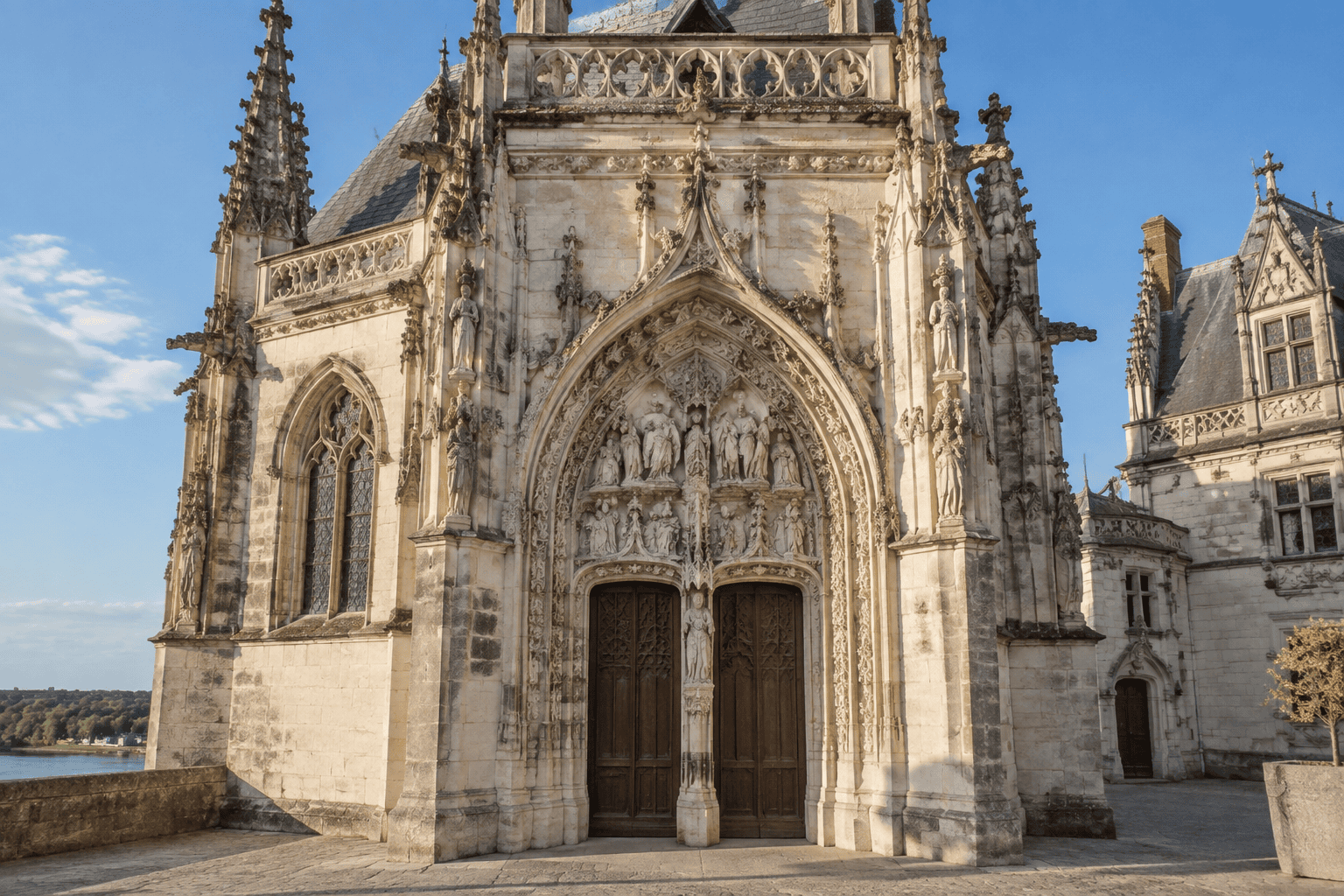
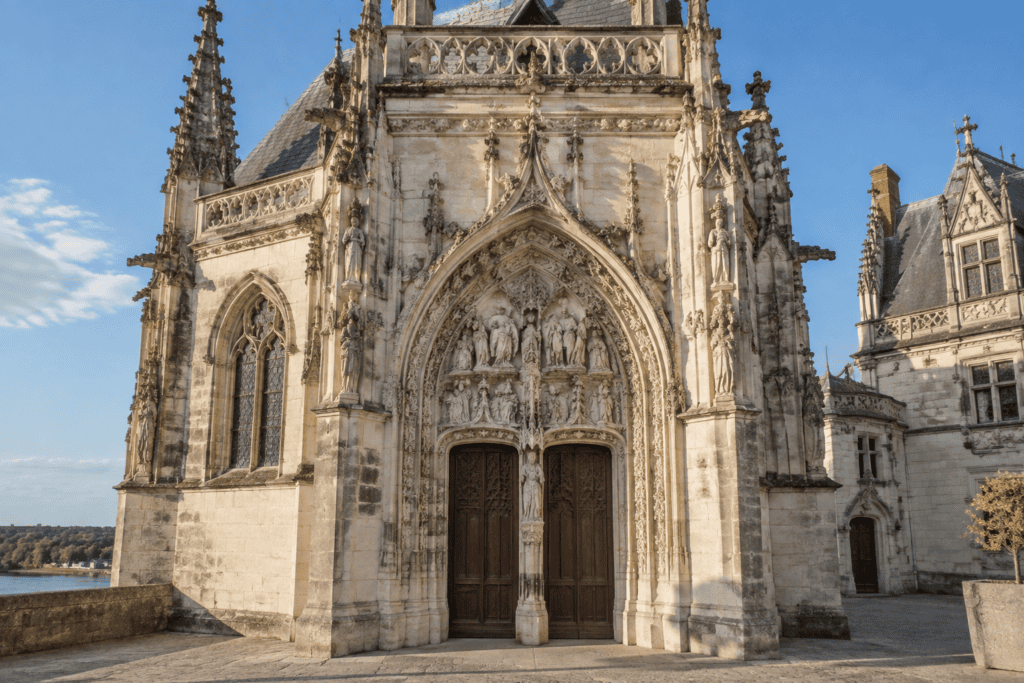
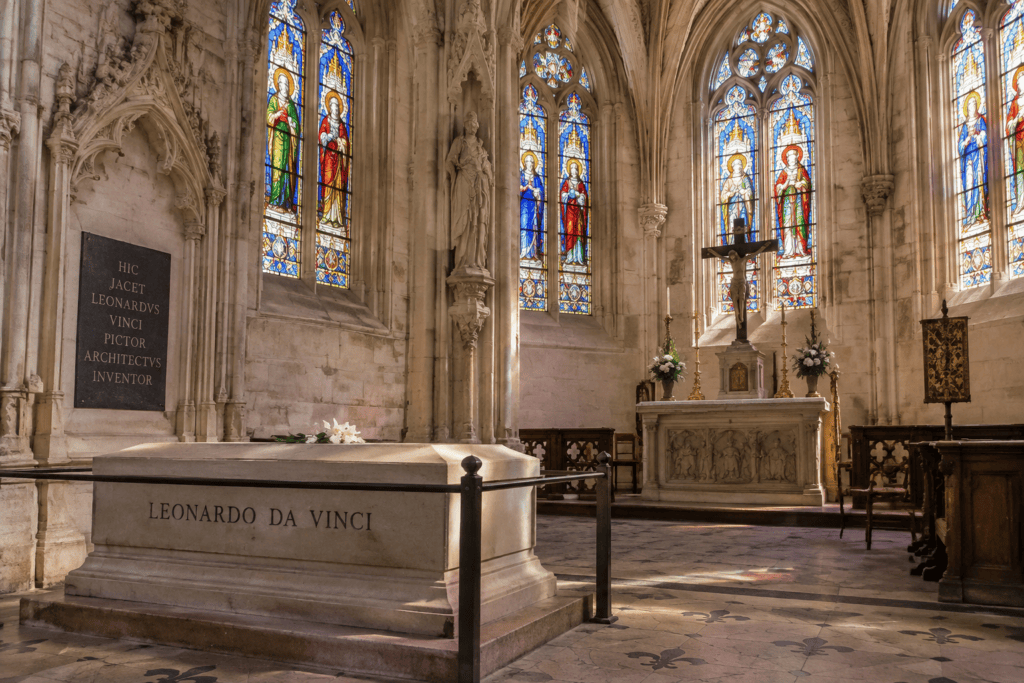
Saint-Hubert Chapel is one of the highlights of Château Royal d’Amboise. Built in the Flamboyant Gothic style, it stands out for its sculptures, decorative details, and elevated position. Its exterior deserves careful attention, especially the sculpted portal and features that emphasize its character as a princely oratory.
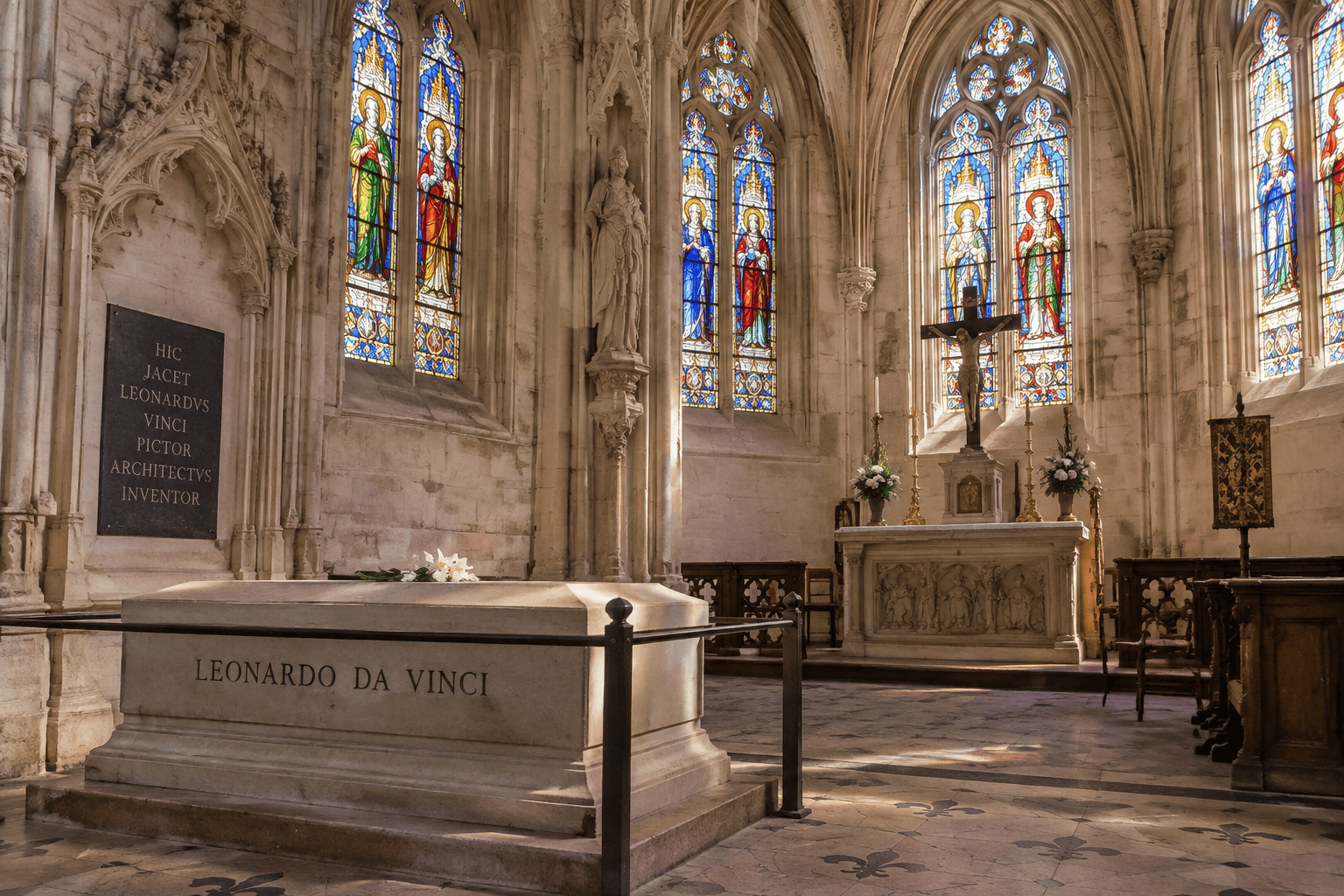
The chapel houses the tomb of Leonardo da Vinci, who died in Amboise on May 2, 1519. The great artist spent the final years of his life at Clos Lucé, a few minutes’ walk from the château, and had expressed the wish to be buried in Amboise. His remains were later moved to the chapel in the 19th century. The site is therefore both a religious space and a funerary monument, as well as a symbol of the relationship between Francis I and the Italian Renaissance.
The chapel underwent extensive restoration, completed before its full reopening in spring 2024. Visitors are encouraged to observe the stained-glass windows, sculptures, and interior light with as much attention as the tomb itself.
The Terraces: the Best Views of the Loire
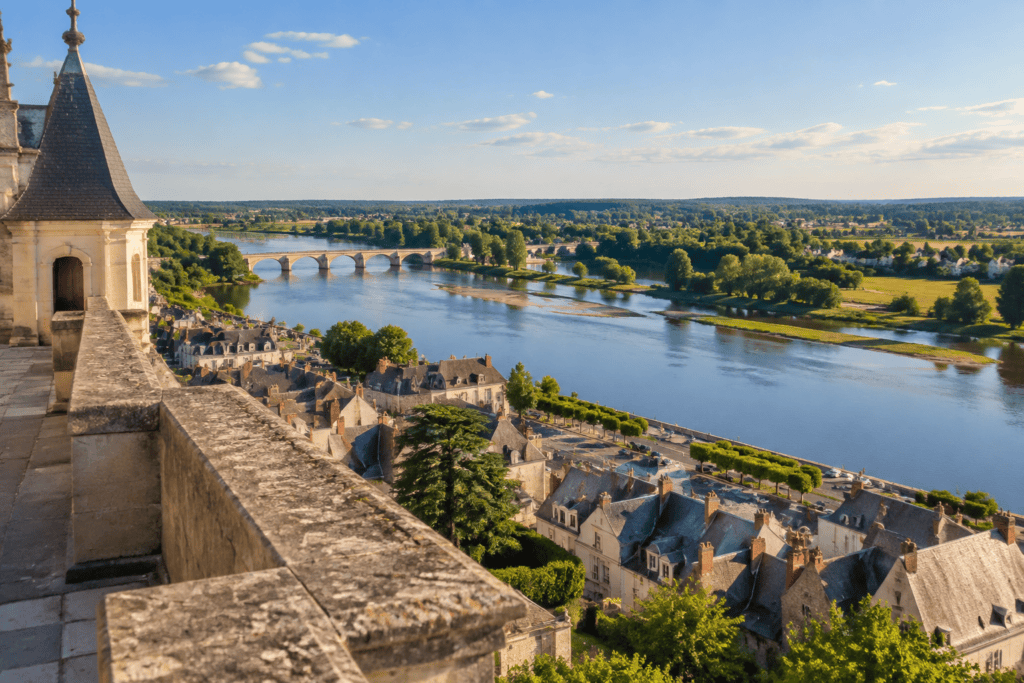
The terraces are the château’s defining landscape feature. From the ramparts and various viewpoints, visitors can take in the Loire, Amboise’s rooftops, and the landscapes of the Loire Valley. The view changes with the direction: some platforms face the river and open horizons, while others offer a closer perspective of the town and gardens.
This part of the visit deserves to be savored rather than rushed. Take time to identify the Loire’s bends, the quays, bell towers, and wooded areas surrounding Amboise. On clear days, the elevation helps explain the town’s geographic layout and the river’s historical importance.
Photographers will appreciate the morning light for east-facing views and the end of the day for a warmer, golden atmosphere. On windy days, remain cautious in exposed areas and follow the circulation signs. The terraces are also an excellent place to take a break after the indoor visit, provided you allow enough time before the estate closes.
Equestrian Towers, Ramparts, and Landscaped Gardens
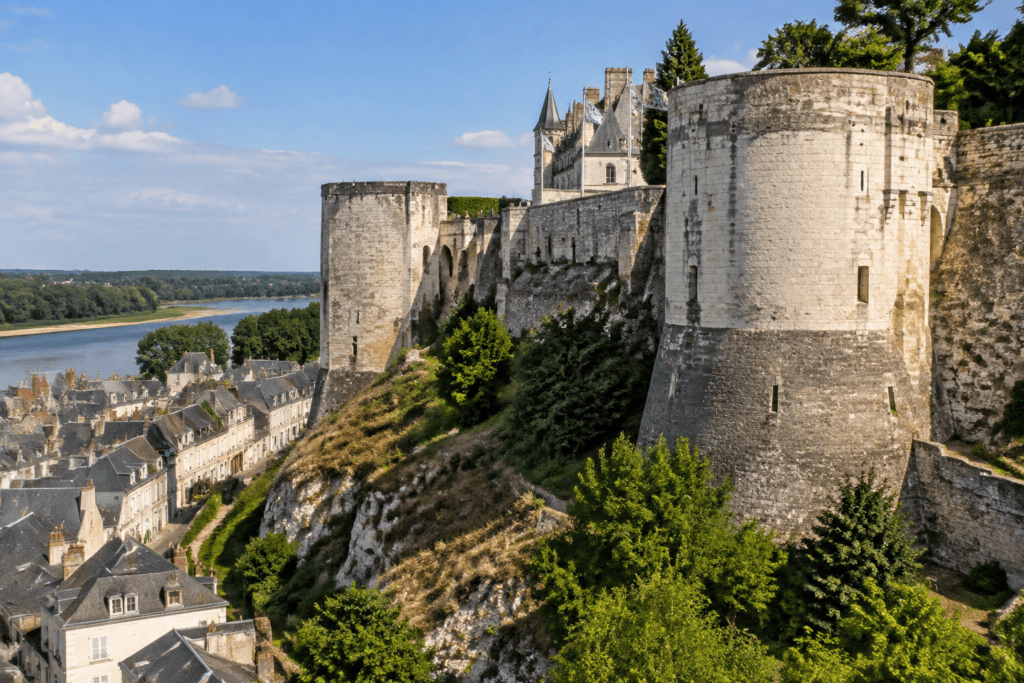
Château Royal d’Amboise has unusual architecture, marked by its two equestrian towers: the Minimes Tower and the Heurtault Tower. Their spiral ramps once allowed riders and carriages to reach the upper levels of the château without using a conventional staircase. This practical solution reflects the fact that the building had to meet the needs of the court as well as those of defense.
Depending on the visit arrangements, some underground areas and the Minimes Tower may be explored during specific guided tours. These routes may not be suitable for every visitor: age, mobility, and availability requirements should be confirmed with the château.
Outside, the gardens create a more peaceful setting. Plantings, topiaries, and terraces complement the old walls without attempting to erase their defensive character. Take a walk and vary your viewpoints: the château can also be discovered from its own gardens, where the stone structures stand out against the sky and valley.
Practical tips for planning your visit
The château is located in the heart of Amboise, at the address provided in the official practical information. Public access is via Montée de l’Emir Abd El Kader, from Place Michel Debré. Amboise train station is within walking distance, while the town offers nearby parking options, with conditions varying by season.
Opening hours change throughout the year. The official site specifies that the announced time corresponds to the closing of the ticket office and that the estate closes later. It is therefore best to arrive early enough, especially if you want to visit the rooms, chapel, gardens, and ramparts without rushing.
The route includes ramps, stairs, and uneven surfaces. Facilities are available to assist visitors with reduced mobility, but accessibility may vary across the historic areas. Visitors concerned should consult the official recommendations before traveling. Luggage storage is also indicated in the access ramp, subject to current conditions. Animals and permitted items are subject to the landmark’s visitor regulations.
An Ideal Stop on a Loire Valley Itinerary
Château Royal d’Amboise is easy to visit as part of a day dedicated to the heritage of the Loire Valley. Its proximity to Clos Lucé makes it possible to continue exploring Leonardo da Vinci’s legacy, while Amboise’s historic center invites visitors to stroll along the quays, historic streets, and local shops. A walk along the Loire is a pleasant complement to the visit from the heights.
For a more ambitious day, Amboise can be combined with another Loire château, provided you take distances, seasonal hours, and the time needed at each site into account. It is better to plan two well-prepared visits than an overly packed schedule. Garden enthusiasts can also organize their itinerary around flowering seasons, bearing in mind that weather conditions greatly affect comfort on the terraces.
Traveling from Paris requires careful planning, especially for a day trip. An early departure allows you to enjoy more of the landmark while leaving time for the town. For a private journey with a return to Paris, choose transportation suited to the number of travelers and clearly specify your preferred schedule before departure.
Useful sources
Frequently Asked Questions
Where exactly is Château Royal d’Amboise located?
Is Leonardo da Vinci’s tomb inside the château?
How much time should I allow to visit the landmark?
Are the opening hours the same year-round?
Is the château accessible to visitors with reduced mobility?
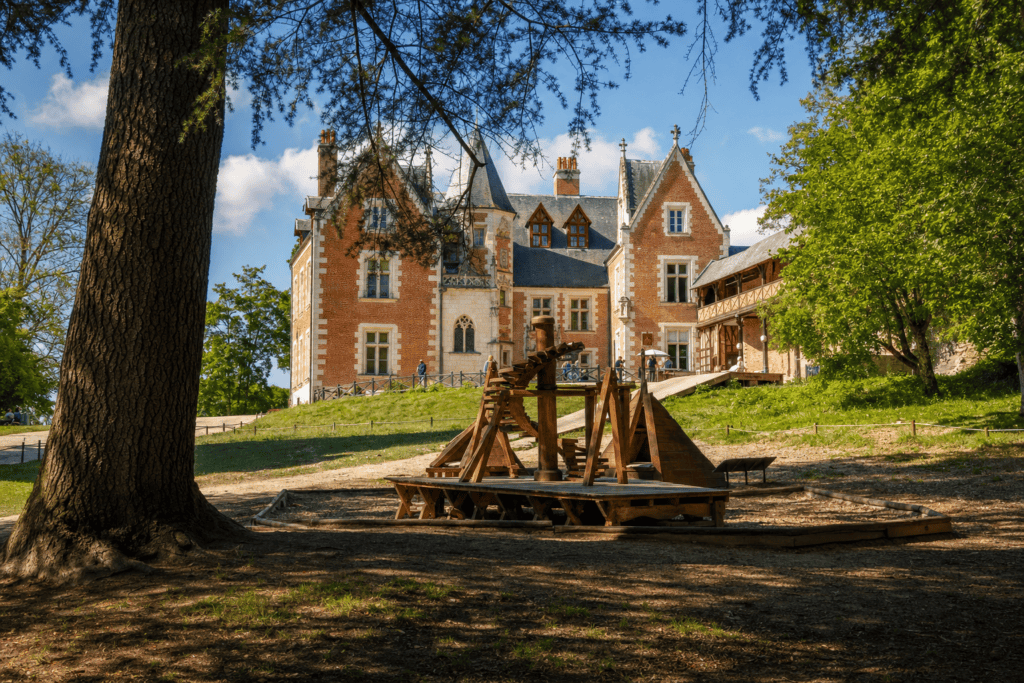 Le Clos Lucé – Leonardo da Vinci Park A historical, family-friendly visit to Leonardo da Vinci’s final residence, extended by a…
 Things to Do in Amboise Along the Loire Loire riverbanks, views of the château, cycling routes, and peaceful breaks: our ideas for…
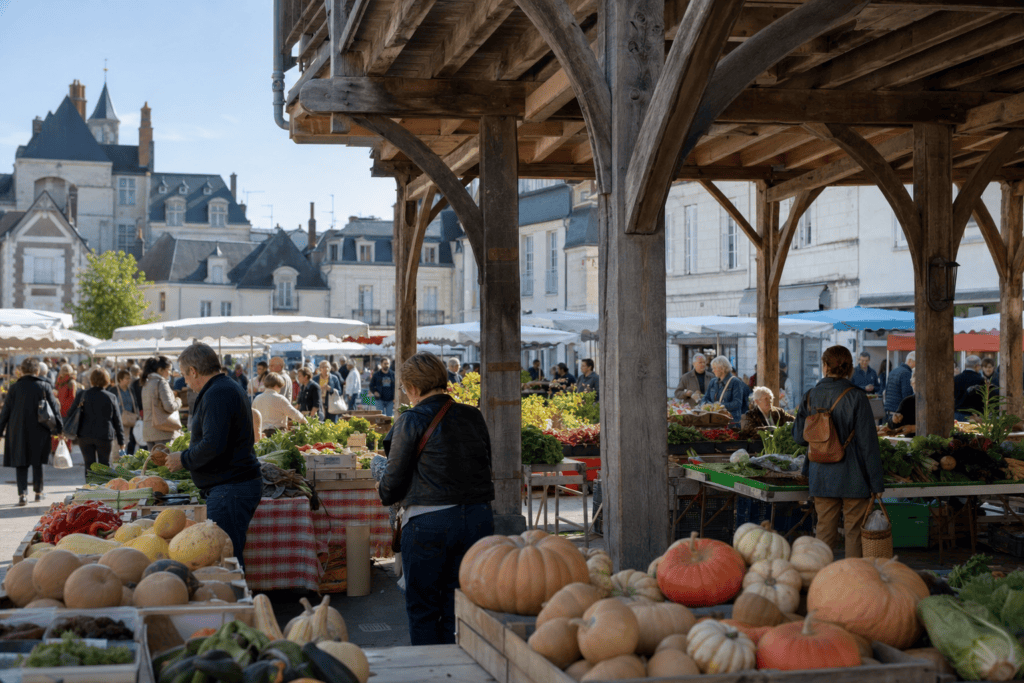 Amboise Market A lively market on the banks of the Loire, ideal for sampling Touraine products and discovering…
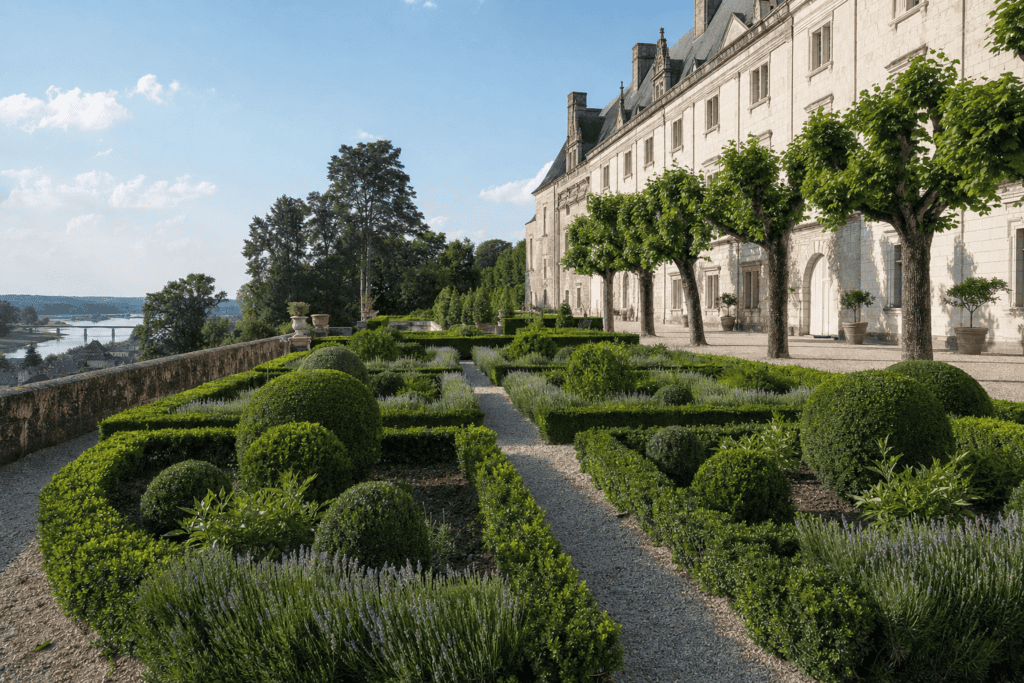 Château Gaillard and its Renaissance Gardens An intimate Renaissance estate in Amboise, known for its Italian-inspired gardens, orangery, and…
Online booking · Paris → Montée de l’Emir Abd El Kader, 37400 Amboise, France
Choose your pickup date and time
Your departure and arrival details are already pre-filled. You can adjust them in the fare calculator before viewing the vehicles and fare.