



Heritage, history, and the Angevin way of life · Pays de la Loire
Visiting Angers, a Historic City on the Maine River
Visiting Angers means exploring a city of art and history, where the medieval fortress, half-timbered houses, former abbeys, and museums engage with the landscapes of the Maine River. The historic capital of Anjou, Angers is easy to explore on foot, taking time to discover its neighborhoods, gardens, and iconic landmarks.
Explore Angers
Angers essentials
 Markets
Place Leclerc Market
Angers’ large Saturday market brings together a varied selection of fresh produce and regional specialties…
 Neighborhoods
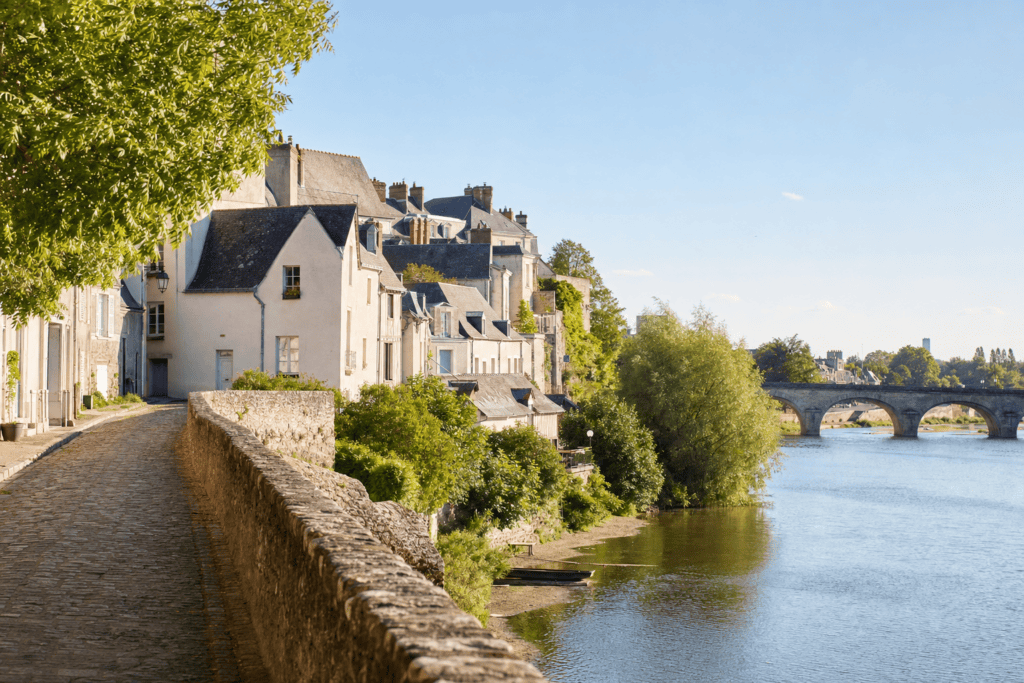
La Doutre
A peaceful stroll through Angers, passing the Ronceray Abbey, half-timbered houses, private mansions, and the quays…
 Museums
Jean-Lurçat Museum and Contemporary Tapestry
In the former Saint-Jean Hospital, discover Jean Lurçat’s The Song of the World and a major collection of contemporary tapestries…
 Must-see
Terra Botanica
A family-friendly, immersive park dedicated to plants, gardens, and great explorations, located to the north…
 Must-see
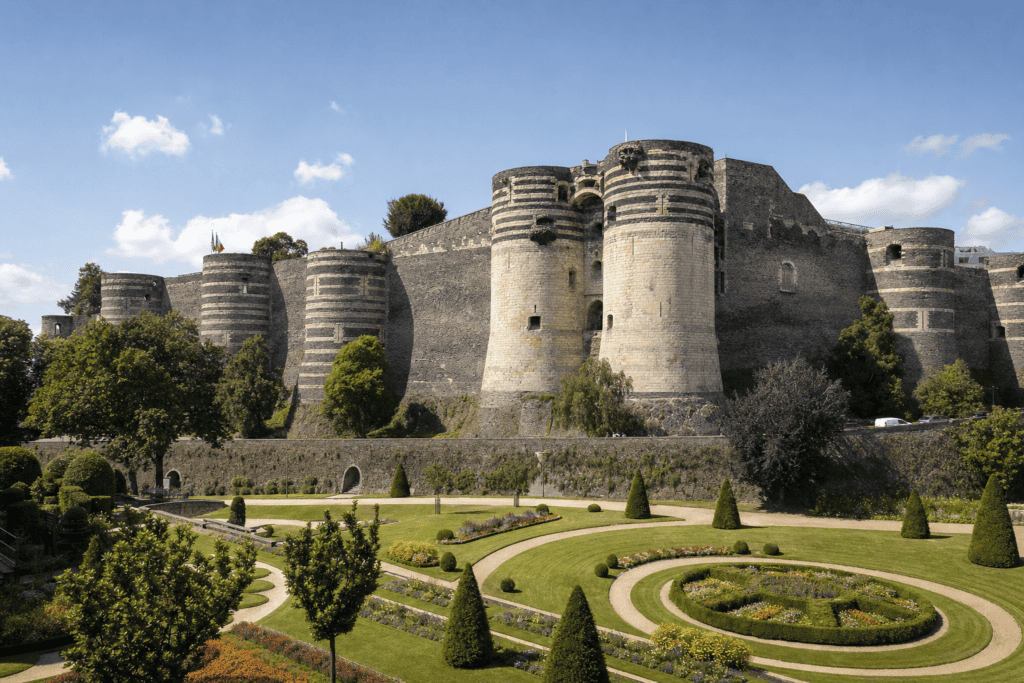
Château d’Angers and the Apocalypse Tapestry
A spectacular medieval fortress and the monumental Apocalypse Tapestry in the heart of Angers.
Other destinations to discover
Cholet
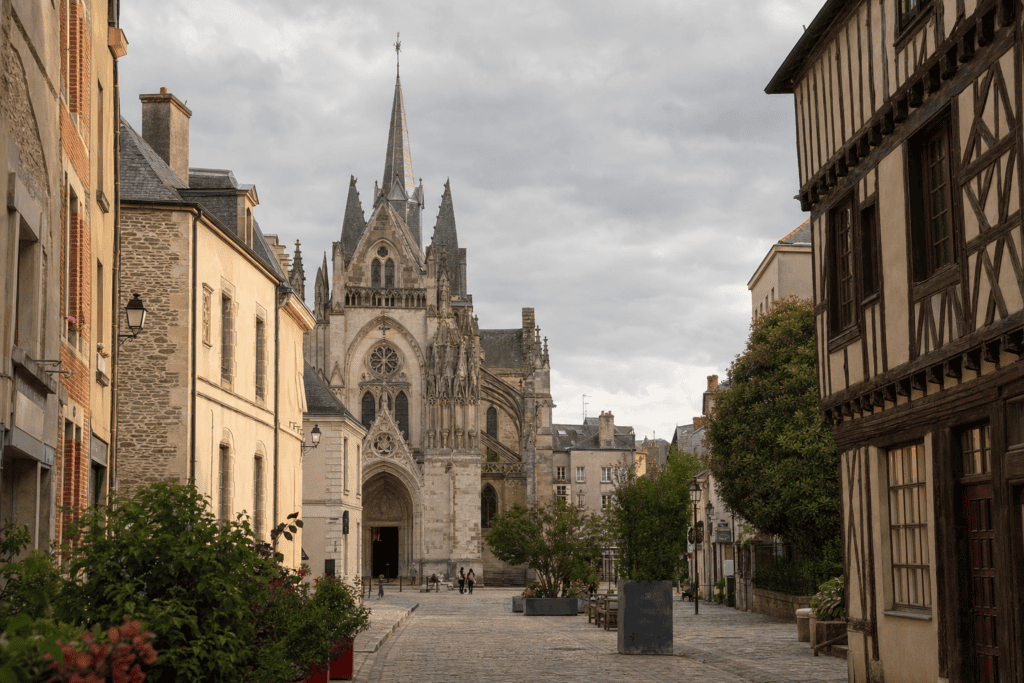
A charming town in the Choletais region, known for its textile heritage, museums, gardens, and nature excursions to Maulévrier, the lake…
Saint-Nazaire
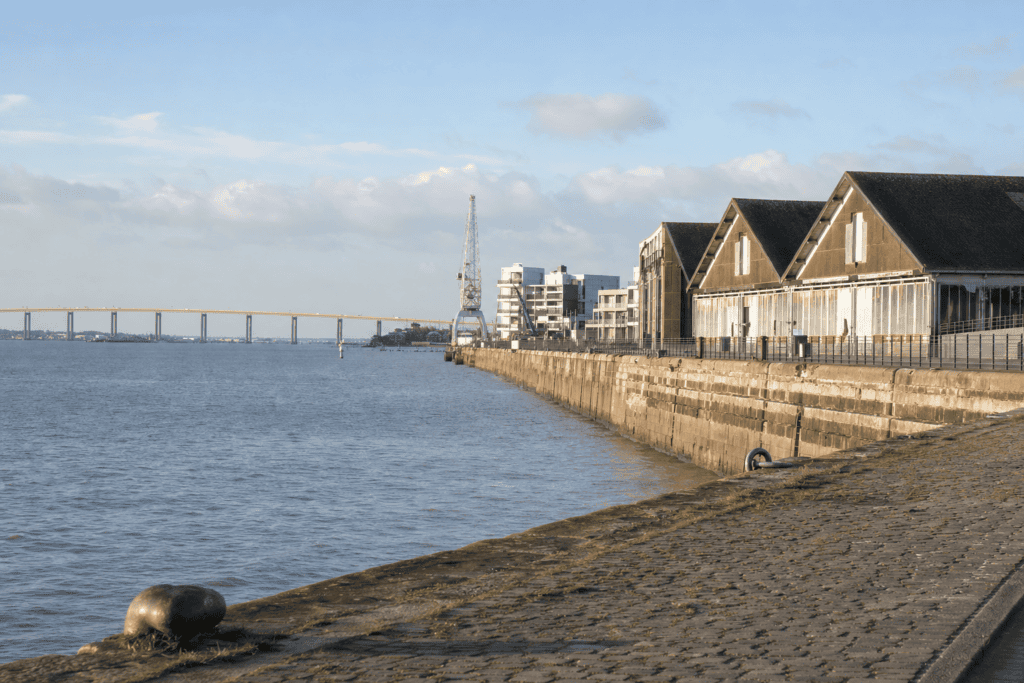
A surprising port city with a submarine base, ocean liners, Atlantic beaches, the Loire estuary, and marshes…
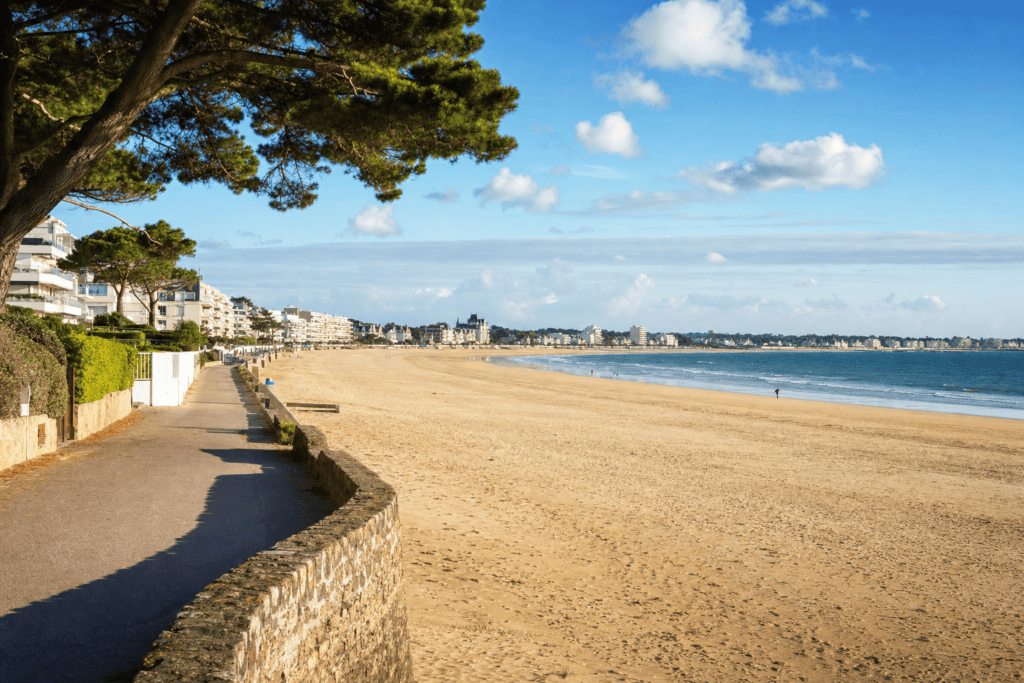
La Baule-Escoublac
An iconic Atlantic seaside resort featuring a beach, villas, pine forest, and discoveries around Guérande.
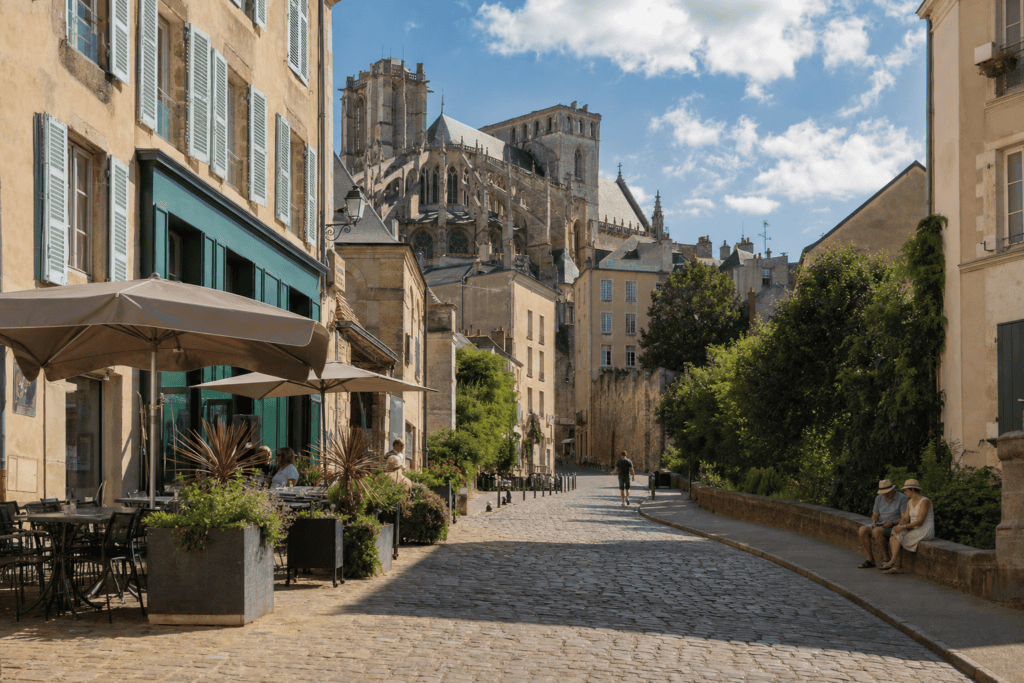
Le Mans
With the Plantagenet City, Saint-Julien Cathedral, and the 24 Hours circuit, Le Mans combines heritage,…
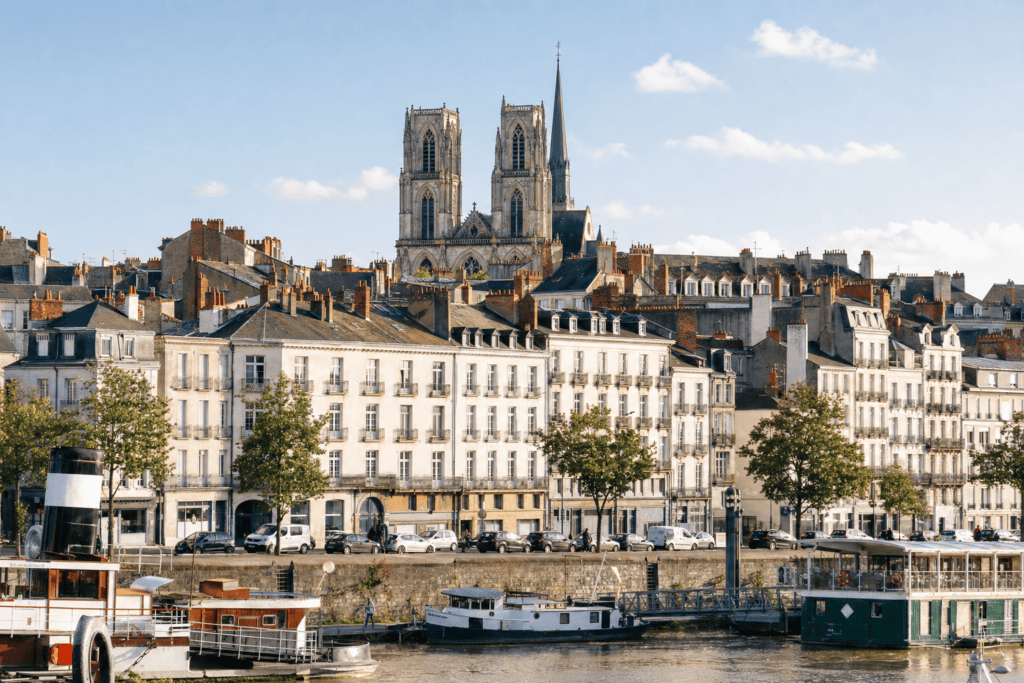
Nantes
An inventive, cultural Loire city featuring a medieval château, contemporary art, industrial heritage, and urban walks.
DESTINATION GUIDE
Angers Travel Guide
A city shaped by the Maine River and the history of Anjou
Angers developed around the Maine, a short but defining river that connects the basins of the Loire, Mayenne, Sarthe, and Loir rivers. The city’s historic site occupied a defensive promontory on the left bank. In Gallo-Roman times, Angers was known as Juliomagus and served as the center of the Andes territory. During the Middle Ages, the city became one of Anjou’s major political centers and still preserves traces of this long history today.
The city has held the Ville d’art et d’histoire, or City of Art and History, designation since 1986. This designation is reflected in the quality of its urban routes, guided tours, and interpretation resources for visitors. Angevin heritage is not limited to a few famous monuments: it also includes squares, private mansions, historic neighborhoods, gardens, works of art, and river landscapes.
Château d’Angers and the Apocalypse Tapestry
Château d’Angers is the city’s iconic landmark. Its massive silhouette, punctuated by seventeen towers, has overlooked the Maine since the 13thth century. The towers and ramparts bear witness to the evolution of medieval military architecture, while the royal residence recalls the political role played by the dukes of Anjou at the end of the Middle Ages.
The highlight of the visit is the Apocalypse Tapestry, commissioned in the 14thth century by Louis Iand of Anjou. Housed in a specially designed gallery, this monumental work illustrates the Book of Revelation in the context of the Hundred Years’ War. Its colorful scenes, figures, and fantastical animals offer an artistic, religious, and political perspective on the Middle Ages.
- Start with the ramparts to understand the château’s strategic position.
- Allow time to take in the tapestry’s details rather than rushing through it.
- Check the official visitor information before your visit, especially during periods of extreme heat or special events.
The Cité, the Cathedral, and the Historic Streets
Around the château, the Cité neighborhood brings together some of Angers’ oldest landmarks. Saint-Maurice Cathedral, recognizable by its façade and towers, occupies a central place in this historic landscape. It is an important example of Angevin Gothic, characterized in particular by distinctive vaults and architecture adapted to the light of western France.
As you descend toward the city center, the route leads through historic streets, half-timbered houses, and tuffeau-stone façades. The Maison d’Adam, located near the cathedral, is one of Angers’ best-known examples of medieval civic architecture. The sculptures adorning its façade draw attention, but it is also worth looking at the urban volumes, passages, and rows of houses that tell the story of the city’s development.
Place Sainte-Croix, Place du Pilori, and the area around Place du Ralliement gradually connect the medieval heritage with the more classical, commercial spaces of the center. For a first visit, a walk between Saint-Laud station, the historic center, the château, and La Doutre offers a balanced overview of the city’s different periods.
La Doutre, a neighborhood to explore at a leisurely pace
On the right bank of the Maine, La Doutre has a more residential atmosphere. Its narrow streets, historic houses, and private mansions form a particularly pleasant area to explore on foot. The neighborhood also preserves several important religious landmarks, including the former Ronceray Abbey, whose nave hosts tours, exhibitions, or cultural events depending on the season.
La Doutre is ideal for extending your château visit without following an exclusively monument-focused route. From the quays, you can look across toward the historic bank and Angers’ rooftops. Walks along the Maine provide a chance to pause between visits, while the small squares and quiet streets offer a more everyday view of Angevin heritage.
Museums and the Arts in Angers
Angers’ heritage can also be discovered in its museums. The Museum of Fine Arts, housed in the Barrault residence, presents collections spanning several centuries of art and city history. The David d’Angers Gallery, located in the former Toussaint Abbey, showcases the monumental sculptures of the renowned Angevin sculptor in a remarkable architectural setting.
At the Jean-Lurçat Museum and Contemporary Tapestry Museum, the city’s textile heritage continues through more modern forms of artistic creation. Together, these collections invite visitors to compare the Apocalypse Tapestry with the artistic approaches of the 20thth and 21stth centuries. Architecture enthusiasts can also visit Le Repaire urbain, which offers resources and exhibitions devoted to urban history, contemporary projects, and local heritage.
Gardens, the Art of Living, and Excursions Around Angers
Angers is more than its monuments. Jardin du Mail and Jardin des Plantes provide pleasant places to take a break downtown. The banks of the Maine, Île Saint-Aubin, and cycling routes toward the Loire offer a more scenic way to experience the area. Depending on the season and access conditions, these spaces can complement a day devoted to built heritage.
The Loire’s proximity also makes it possible to plan a broader route through the Loire Valley, between Angers, Loire villages, and Anjou’s wine-growing landscapes. Travelers with more time can combine the city with visits to the region’s châteaux, villages, or estates, always checking each site’s opening and reservation requirements.
Tips for Planning Your Visit
- Set aside a full day for the château, tapestry, cathedral, historic center, and La Doutre.
- Wear comfortable shoes: the historic streets and routes between the two riverbanks are best explored on foot.
- For a deeper experience, look for guided tours offered by Angers Patrimoine and Destination Angers, whose schedules vary by season.
- Check hours, access conditions, any reservation requirements, and temporary closures directly with the relevant monuments and institutions.
- When visiting with children, choose shorter routes, the ramparts, interpretation resources, and places where culture and outdoor time can be alternated.
Angers appeals through its balance of exceptional history and an accessible visitor experience. The fortress and tapestry are an obvious starting point, but the city’s richness truly emerges when you take time to connect its neighborhoods, museums, gardens, and river. This diversity makes Angers a major heritage destination in the Pays de la Loire.
Useful sources
Getting to Angers from Paris
Booking Paris Transfer can arrange a private journey from Paris, the Île-de-France region, or airports CDG and ORY to Angers, with the option of returning to Paris or creating a multi-city cultural itinerary starting in Paris. It is not a local taxi service in Angers, and tickets to monuments are not sold by Booking Paris Transfer.