



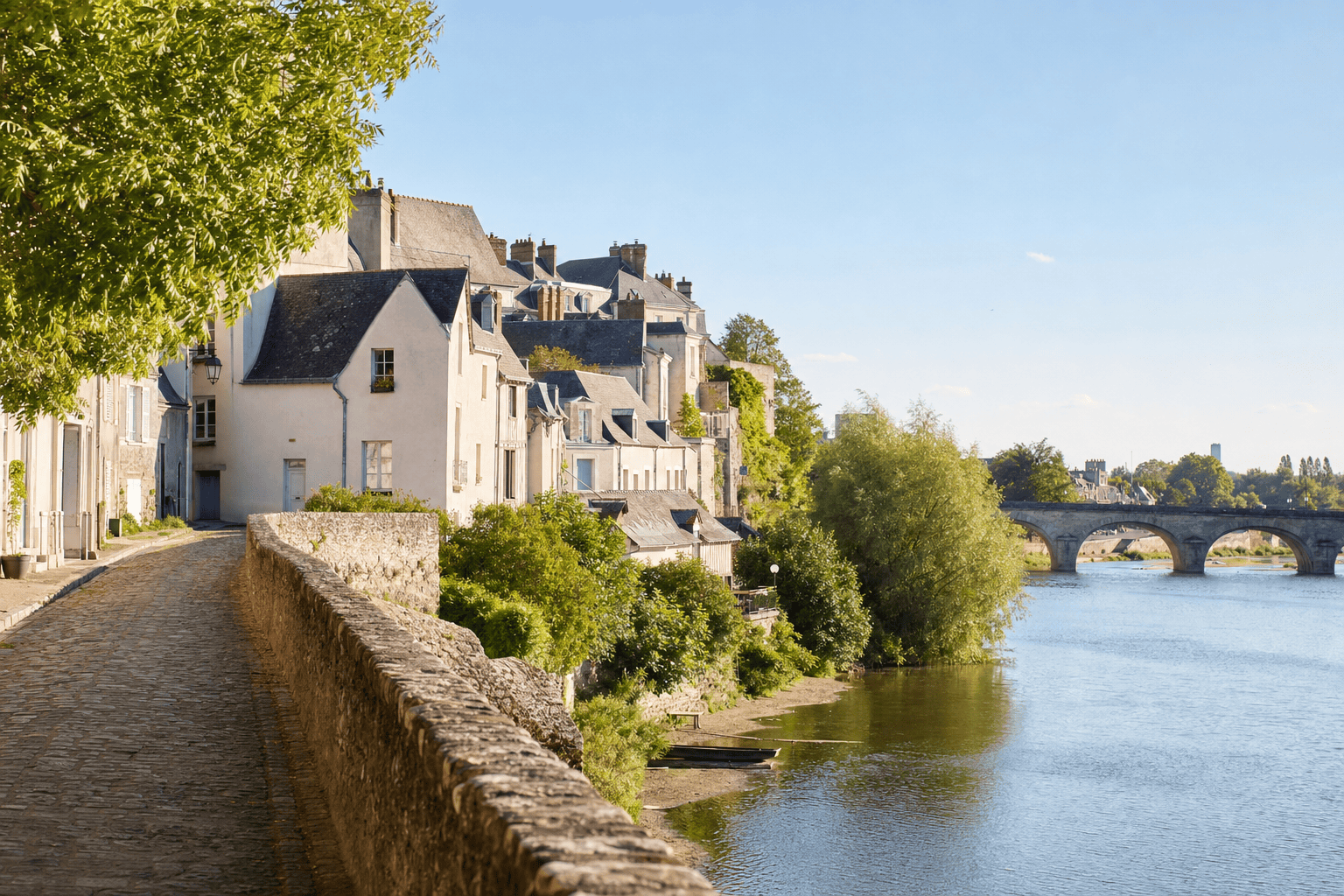
La Doutre in Angers: A Walk Through Heritage and Along the Maine
Angers
On the right bank of the Maine, La Doutre in Angers offers a pleasant walk among historic houses, religious buildings, private mansions, and riverfront quays. The neighborhood is easy to explore on foot from the historic center, after crossing the Maine via the Pont de Verdun or Pont de la Basse-Chaîne. A two- to four-hour loop can connect Place de la Laiterie, Ronceray Abbey, Rue de la Harpe, Place du Tertre, and the Carmes quays, with possible extensions to the former Saint-Jean Hospital and Le Quai theater. For indoor visits, check the official information before you leave.
Practical information
Wear comfortable shoes and keep a map on your phone: the main loop is approximately 2 to 3 kilometers, depending on detours through the historic streets.
Getting to La Doutre from Paris
Booking Paris Transfer can arrange transportation between Paris and Angers, with a return trip to Paris or integration into a cultural itinerary. The service covers transportation only and does not include admission tickets or a guided tour.
Private transportation from Paris or the Île-de-France region, depending on the itinerary selected.
Understanding La Doutre’s Location
La Doutre is the part of Angers located on the right bank of the Maine. Its name comes from the expression “outre-Maine,” which simply refers to the area beyond the river from the historic center. This location gives it a distinctive character: the neighborhood is close to the castle and cathedral, while offering a more residential atmosphere once you move away from the bridges and quays.
Two crossings are especially convenient for reaching La Doutre from the center. The Pont de Verdun leads to the area around Place de la Laiterie after a few minutes’ walk, while the Pont de la Basse-Chaîne brings you farther south, near Le Quai theater. From Château d’Angers, allow approximately 700 to 900 meters to reach Place de la Laiterie, depending on the bridge and route chosen. This proximity makes it easy to include La Doutre in a day exploring Angers’ heritage.
Reading the Historic Houses and Their Materials
La Doutre’s appeal lies as much in its urban fabric as in its recognizable monuments. On the historic streets, half-timbered houses first draw the eye with their exposed frameworks, projecting upper floors, and varied treatments. Some façades have been altered, while others retain forms and details that evoke earlier construction. The ground floors, often modified for shops or residences, also show how the neighborhood continues to evolve.
The route also reveals the diversity of materials used in Angers. Dark slate appears alongside lighter stones, particularly tuffeau, in window and door surrounds, walls, and certain decorative elements. Carriage entrances, dormer windows, quoins, and roofs deserve close attention. Views are sometimes short and the streets narrow, so take time to look up at the façades without entering private courtyards or passageways. The neighborhood’s richness emerges in small details rather than from a single spectacular viewpoint.
Place de la Laiterie and Ronceray Abbey
Place de la Laiterie is a good starting point for visiting La Doutre. It provides access to Ronceray Abbey, a former religious institution whose history is closely connected with that of the neighborhood. The abbey church and adjoining buildings form an important architectural landmark, on a scale that contrasts with the surrounding residential streets. From the square, it is easier to understand the historic presence of religious institutions in this part of Angers.
The name Ronceray is associated with the former Notre-Dame de la Charité Abbey. After changes over the course of its history, the buildings have served various purposes. Indoor access may not be available in the same way year-round: check hours, programming, and visitor arrangements on the official websites of the City of Angers or Angers Patrimoine. Even when access is limited, the building can still be appreciated from public areas. From Place de la Laiterie, continue toward Rue de la Harpe and Place du Tertre, approximately 400 to 600 meters away depending on the route.
Private Mansions and Landmarks on Rue de la Harpe
Rue de la Harpe and the area around Place du Tertre feature several residences that reflect the presence of affluent families, property owners, and religious communities in La Doutre. The former Augustinian convent is one of the area’s landmarks. Other buildings are more discreet: their interest may lie in a gateway, courtyard, orderly façade, or distinctive roof, sometimes difficult to spot at first glance.
The City of Angers’ heritage resources notably mention buildings associated with the Hôtel de Beauvau and Hôtel de Montiron, as well as the Hôtel de Tinténiac on Place du Tertre. These names and their histories should be considered alongside the official descriptions, since the buildings may have undergone alterations and changes of use. View them from public streets and respect their private character. For a closer look, allow approximately twenty to thirty minutes between Place de la Laiterie, Rue de la Harpe, and Place du Tertre, with a few detours along the adjacent streets.
A Walking Route Between Streets and Quays
A simple loop begins at the Pont de Verdun, on the La Doutre side, then reaches Place de la Laiterie in approximately 300 to 400 meters. After Ronceray Abbey, follow Rue de la Harpe toward Place du Tertre, allowing about 500 meters with stops to observe the surroundings. From the square, gradually head down toward the Carmes quays: the distance varies according to the streets chosen but is generally 500 to 700 meters. With pauses, this first section takes about an hour.
The quays then offer a more open setting, with views of the Maine and the façades on both banks. Allow another 500 meters to 1 kilometer to follow the riverfront before returning toward a bridge. The Pont de Verdun provides a quick route back to the historic center; the Pont de la Basse-Chaîne is more suitable if you continue toward Le Quai or the former Saint-Jean Hospital. Overall, the heritage loop is approximately 2 to 3 kilometers and remains accessible, although some historic paving may be uneven.
Extending Your Visit to the Former Saint-Jean Hospital and Le Quai
La Doutre can be a destination in its own right, but it also fits into a broader route through Angers. From the Carmes quays, an extension to the former Saint-Jean Hospital offers a change of scale and an opportunity to discover a site connected with the city’s hospital history. The site notably hosts presentations devoted to Jean Lurçat, depending on the spaces open and the current programming. Check access arrangements before adding it to your itinerary, as they may change.
Near the Pont de la Basse-Chaîne, Le Quai theater is another cultural landmark. After crossing the Maine again via the Pont de Verdun, you can reach Château d’Angers in approximately 10 to 15 minutes on foot, or around 700 to 900 meters depending on your starting point. Saint-Maurice Cathedral and the streets of the historic center naturally extend this discovery. Allow an additional half-day if you want to visit several indoor sites rather than reducing La Doutre to a quick photo stop.
Practical Tips for Enjoying the Neighborhood
For a first visit, two hours is enough if you focus on the streets, Place de la Laiterie, the main architectural landmarks, and the quays. Add one to two hours for an exhibition, an indoor visit, or an extension to the former Saint-Jean Hospital. Check information from Angers Patrimoine and the City of Angers before your visit to confirm opening hours, any ongoing works, and visitor arrangements. La Doutre is suitable for families, but take particular care near the Maine, the bridges, and roads with traffic.
Morning and late afternoon are especially good for photography: side lighting highlights the half-timbering, surrounds, and contrasts between slate and tuffeau. Be discreet outside residences, do not enter private areas, and avoid photographing interiors. For a cultural trip organized from Paris, Booking Paris Transfer can provide transportation to Angers, without including tickets or tour services. The neighborhood guide is independent of the transportation and should be planned around the hours actually available.
Frequently Asked Questions
Where is La Doutre in Angers?
Which bridge should I take to reach La Doutre?
How long does it take to visit La Doutre?
What are the main points of interest?
Can Ronceray Abbey be visited year-round?
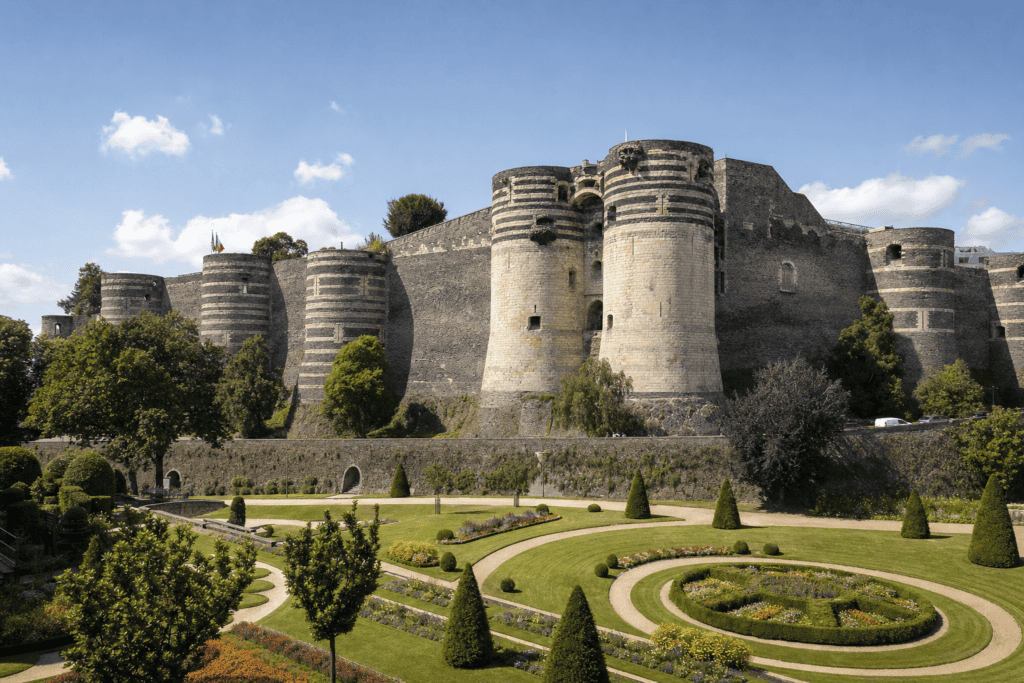 Château d’Angers and the Apocalypse Tapestry A spectacular medieval fortress and the monumental Apocalypse Tapestry in the heart of Angers.
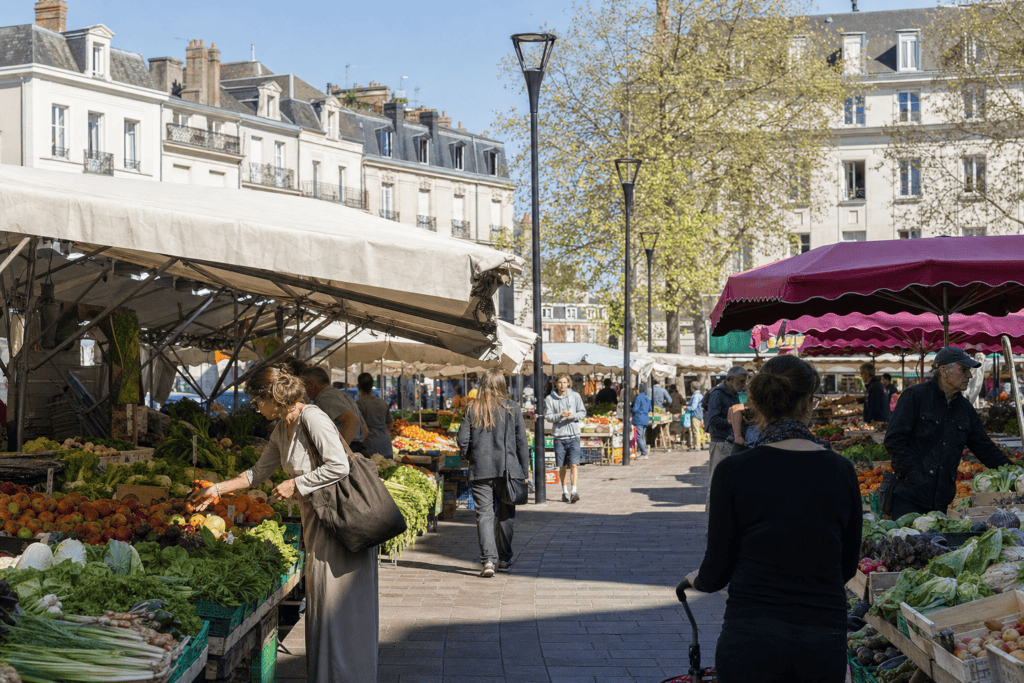 Place Leclerc Market Angers’ large Saturday market brings together a varied selection of fresh produce and…
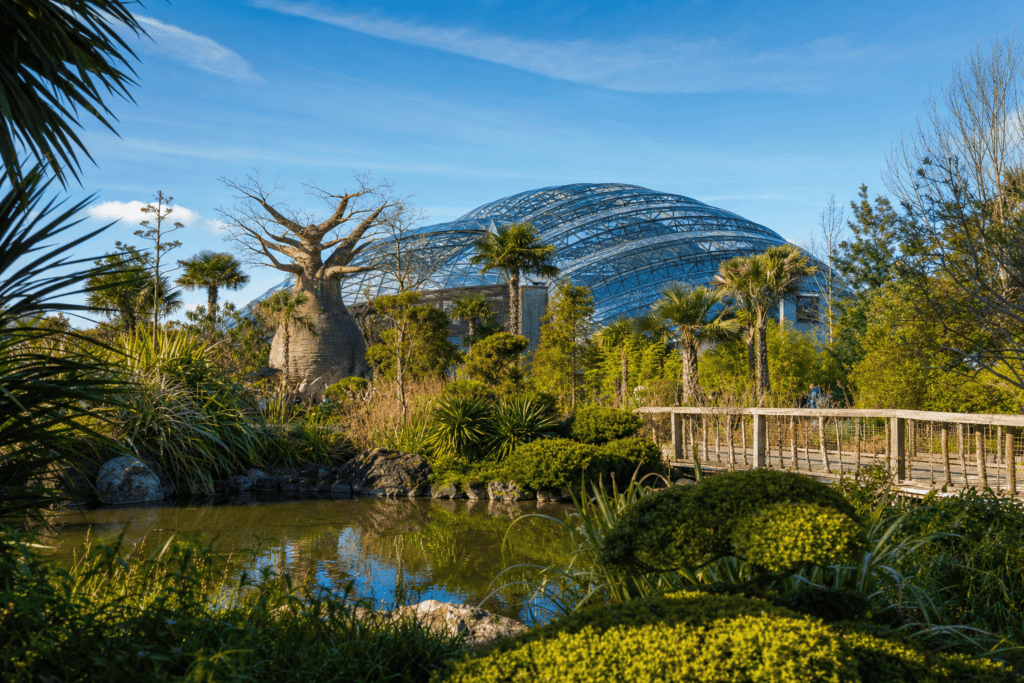 Terra Botanica A family-friendly, immersive park dedicated to plants, gardens, and great explorations—come discover it…
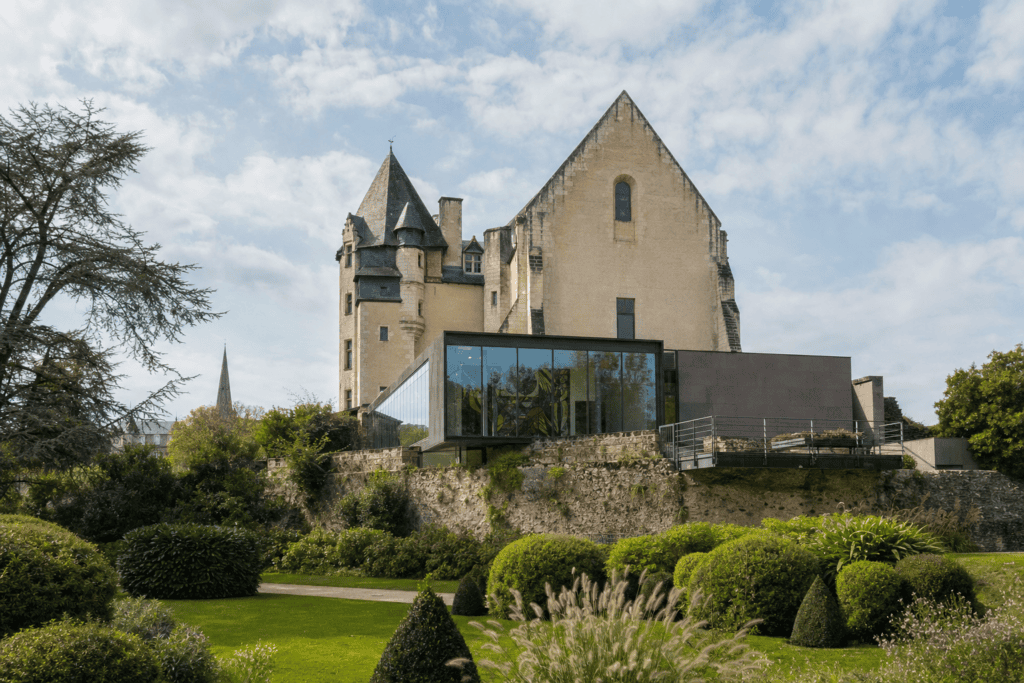 Jean-Lurçat Museum and Contemporary Tapestry In the former Saint-Jean Hospital, discover Jean Lurçat’s Le Chant du monde and a major collection…
Online booking · Paris → La Doutre, right bank of the Maine, 49100 Angers
Choose your pickup date and time
Your departure and arrival details are already pre-filled. You can adjust them in the fare calculator before viewing the vehicles and fare.