



Jean-Lurçat Museum in Angers: Textile Art and Heritage
Angers
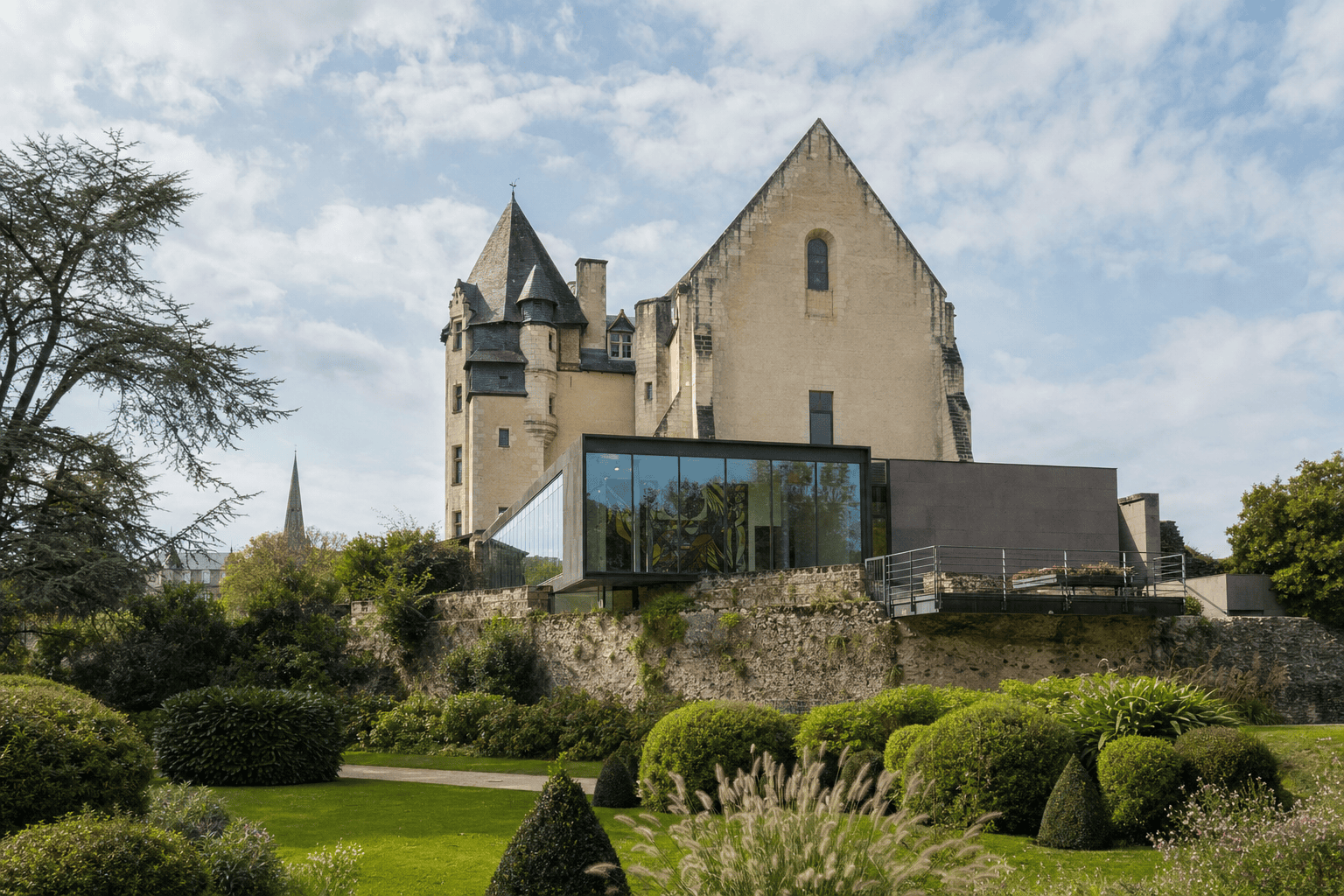
Housed in the former Saint-Jean Hospital, the Jean-Lurçat Museum in Angers brings together a monumental work, an exceptional medieval site, and an overview of textile art from the 20th century to the present day. The visit spans two buildings: the great patients’ ward, home to Jean Lurçat’s The Song of the World, and the former orphanage devoted to contemporary tapestry. It is an especially engaging place to understand the connection between architecture, hospital history, and textile art. The museum is located in the Doutre district, near the Maine River and Angers’ historic center.
Practical information
Don’t limit your visit to Jean Lurçat’s tapestry alone: set aside time for the second building, the historic spaces on display, and the garden associated with the museum.
Getting to Angers from Paris by private transportation
To include the Jean-Lurçat Museum in a cultural day trip, Booking Paris Transfer can arrange private transportation from Paris, a Paris hotel, CDG or ORY to Angers, with a return to Paris or continuation of your itinerary. The service covers transportation only: museum admission and any guided tours must be booked separately through the official organizations. Plan your schedule around the museum’s confirmed hours.
Departure is available from Paris, a hotel in the Île-de-France region, CDG or ORY; plan your return to Paris according to your itinerary.
A museum housed in a former medieval hospital
The museum’s first major attraction is its architecture. The former Saint-Jean Hospital is one of France’s outstanding examples of medieval hospital architecture. Founded in the late 12th century, it cared for sick and disadvantaged people for several centuries before a new hospital was built nearby in 1865. The great patients’ ward, now devoted to the Song of the World, is striking for its scale, three aisles, and vaulted ceilings characteristic of Angevin Gothic, also known as Plantagenet Gothic.
The façade, defined by schist and tuffeau stone, appears sturdy and austere. Inside, the proportions of the room and the delicate ribs of the vaults create a much brighter atmosphere. The visit also evokes the cloister, the hospital’s former functions, and the apothecary, offering insight into the site’s medical history. Before looking at the tapestries, take a few minutes to observe the volumes, materials, and the way the museum fits into this historic monument. This meeting of heritage and contemporary creation gives the site a distinctive identity.
The Song of the World, Jean Lurçat’s central work
The great patients’ ward houses The Song of the World, the most famous work presented in Angers. This vast tapestry series by Jean Lurçat consists of ten tapestries conceived as a poetic, symbolic, and humanistic vision of the 20th century. The artist addresses the threats of war and destructive forces, but also rebirth, nature, and hope. The series is often presented as a modern counterpart to the Apocalypse Tapestry preserved at Angers Castle.
Its placement in the medieval hall profoundly changes how the work is perceived. The tapestries are not isolated in white rooms: they engage with the old walls, arcades, vaults, and natural light. To appreciate the composition, begin by stepping back to take in the broad color rhythms and figures, then move closer to observe the details, symbols, and textural effects. Lurçat’s deliberately intense palette immediately catches the eye, but the visit is best taken slowly. Each panel can be read as an independent scene while also contributing to a broader narrative.
Understanding contemporary tapestry
The museum is not limited to Jean Lurçat. In the neighboring building, housed in a restored 17th-century former orphanage adapted for the museum, the collections trace the evolution of tapestry from the 1930s to contemporary practices. The displays show how artists renewed an art long associated with decorative tradition and painted designs.
The works on display make it possible to compare techniques, formats, materials, and artistic aims. The collection notably includes groups of works associated with Jean Lurçat, Thomas Gleb, and Josep Grau-Garriga, as well as more recent acquisitions and temporary exhibitions. Some pieces still favor figurative storytelling or pattern, while others explore abstraction, relief, assemblage, or the relationship between textiles and sculpture.
This second section is essential for placing The Song of the World within a broader history. It helps show that contemporary tapestry is not a fixed practice: it evolves with artists’ materials, methods, and concerns. If you are visiting with children or teenagers, invite them to identify differences in texture, density, and construction between the works.
A visit where architecture guides the eye
The museum’s layout is built around a particularly effective contrast. In the patients’ ward, the historic architecture creates a monumental reading of the Song of the World. The tapestries cover the walls like a continuous frieze, transforming the former hospital space into a place for contemplation. In the building devoted to contemporary tapestry, the exhibition-friendly spaces allow for a different approach, often more comparative and detailed.
This progression through two atmospheres is one of the visit’s highlights. It avoids making the museum feel devoted to a single artist and gives the collections genuine historical depth. Heritage enthusiasts will appreciate the traces of the former hospital, while visitors drawn by textile art can better understand the breaks and continuities between generations of artists.
To make the most of the site, avoid moving through the galleries too quickly. View the works from a distance, then move closer. In the medieval hall, pay attention to the height of the walls and the relationship between the motifs and the vaults. In the contemporary spaces, compare the display choices and the way each work engages with its surroundings. The museum is discovered as much through its spaces as through its objects.
The garden and the Doutre district
Your visit can continue in the garden associated with the Jean-Lurçat Museum. Its design references the site’s history and incorporates colors or allusions connected to the tapestries of the Song of the World. It includes elements recalling the site’s former religious and hospital functions, as well as plantings evoking the landscapes of Anjou. Access to the garden depends on the museum’s opening conditions and may change in bad weather: check municipal information before setting out.
The museum is located in the Doutre, a historic district established across the Maine River. After your visit, a stroll through the surrounding streets reveals another side of Angers, marked by historic houses, private mansions, quays, and a more residential atmosphere than the shopping center. The proximity of the Maine makes the route pleasant on foot, especially when the late-day light highlights the façades and slate roofs.
For a cultural half-day, you can combine the museum with a walk through the Doutre, then head to the historic center along the quays. This combination offers a fuller perspective on Angers, bringing together medieval heritage, urban architecture, and artistic creation.
Practical tips for planning your visit
The Jean-Lurçat Museum and Contemporary Tapestry is located at 4 boulevard Arago in Angers. Official information generally indicates that it is open Tuesday through Sunday, with hours and special conditions varying by day, public holidays, exhibitions, or events. Admission prices may also change. Check the Angers Museums page before your visit, especially if you are coming during a school holiday period or would like to join a guided tour.
Allow enough time for both buildings. A quick visit lets you see the main works, but around 1½ to 2 hours is more comfortable for appreciating the architecture and tapestry details. Visitors sensitive to light or visual fatigue can alternate periods of observation with breaks in the circulation areas.
For a first visit, start with the patients’ ward and the Song of the World, then continue to the contemporary collection. If you are already familiar with Jean Lurçat, reverse the order to place his work within the broader evolution of tapestry. Check accessibility conditions, guided tours, and family resources directly with the museum.
Why include this museum in a stay in Angers
The museum deserves a special place in a stay in Angers because it brings together several experiences in one location. First, it offers the chance to discover a major textile work in an exceptional architectural setting. It also provides a tangible introduction to the history of contemporary tapestry, with a wide variety of artists, techniques, and creative approaches. Finally, it opens onto the heritage of the Doutre and the city’s hospital history.
This diversity makes it appealing to different audiences. Art enthusiasts can focus on composition, colors, and techniques. History enthusiasts will appreciate the former Saint-Jean Hospital and its transformations. Visitors unfamiliar with tapestry will find a clear introduction to a field that is often less familiar than painting or sculpture.
The visit also works well on a rainy day, while fitting naturally into a broader day devoted to the heritage of Anjou. It complements a visit to Angers Castle and the Apocalypse Tapestry without confusing the two: the works belong to different periods and contexts, but both invite reflection on the narrative power of tapestry. This combination of art, memory, and architecture is what makes the museum an essential stop in Angers.
Useful sources
Frequently Asked Questions
What is the address of the Jean-Lurçat Museum in Angers?
What can you see at the Jean-Lurçat Museum?
How much time should I allow for the visit?
Is the museum open every day?
Can you visit the museum from Paris without a personal car?
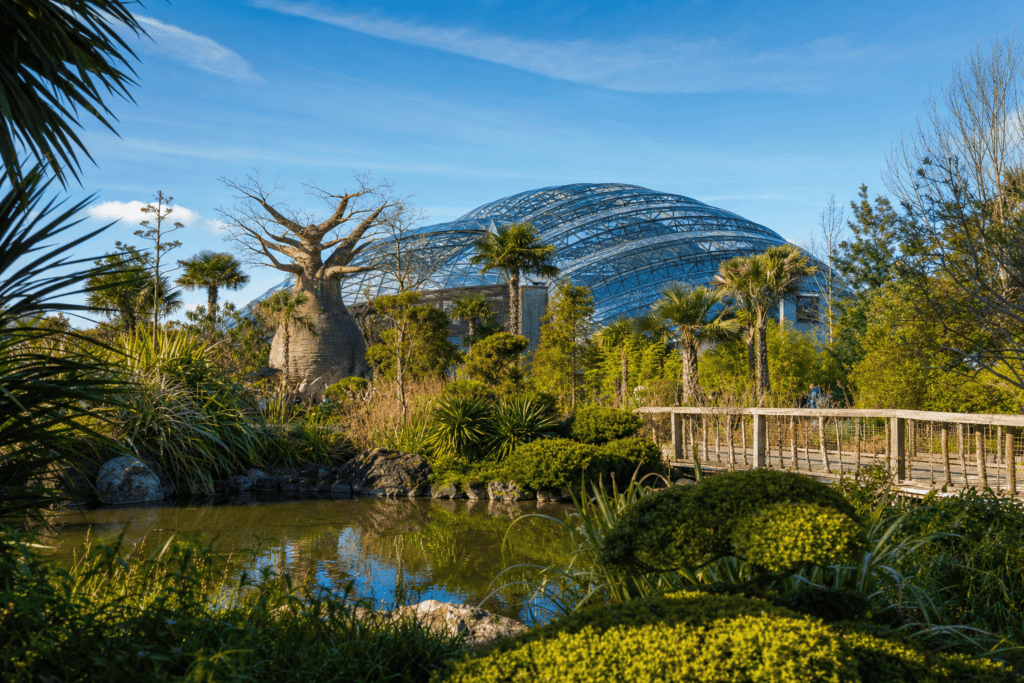 Terra Botanica A family-friendly, immersive park dedicated to plants, gardens, and great explorations—come discover it…
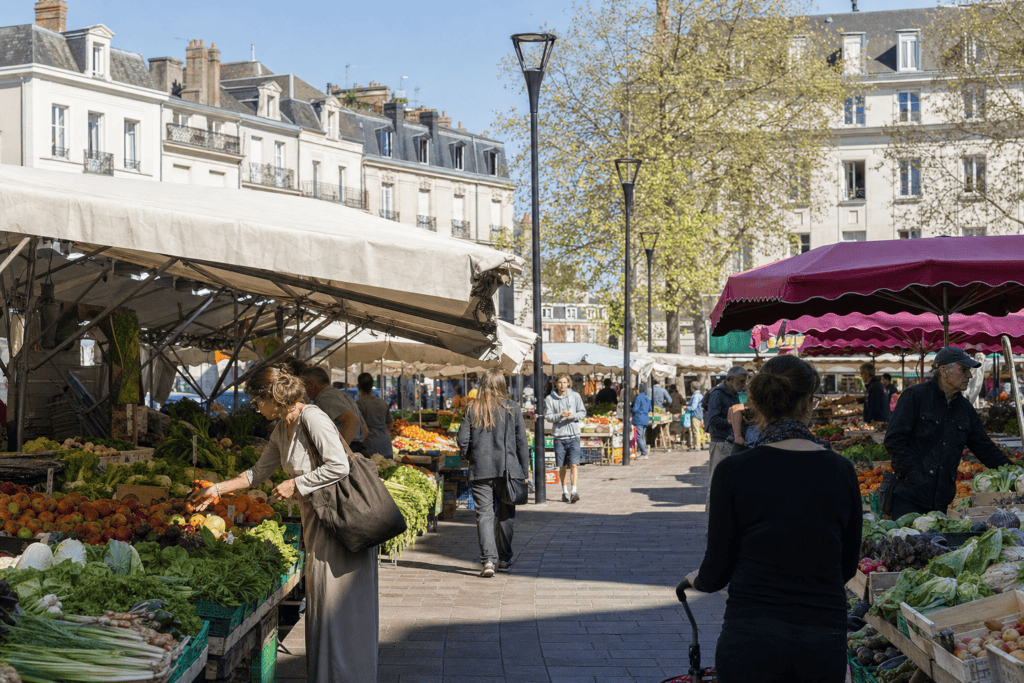 Place Leclerc Market Angers’ large Saturday market brings together a varied selection of fresh produce and…
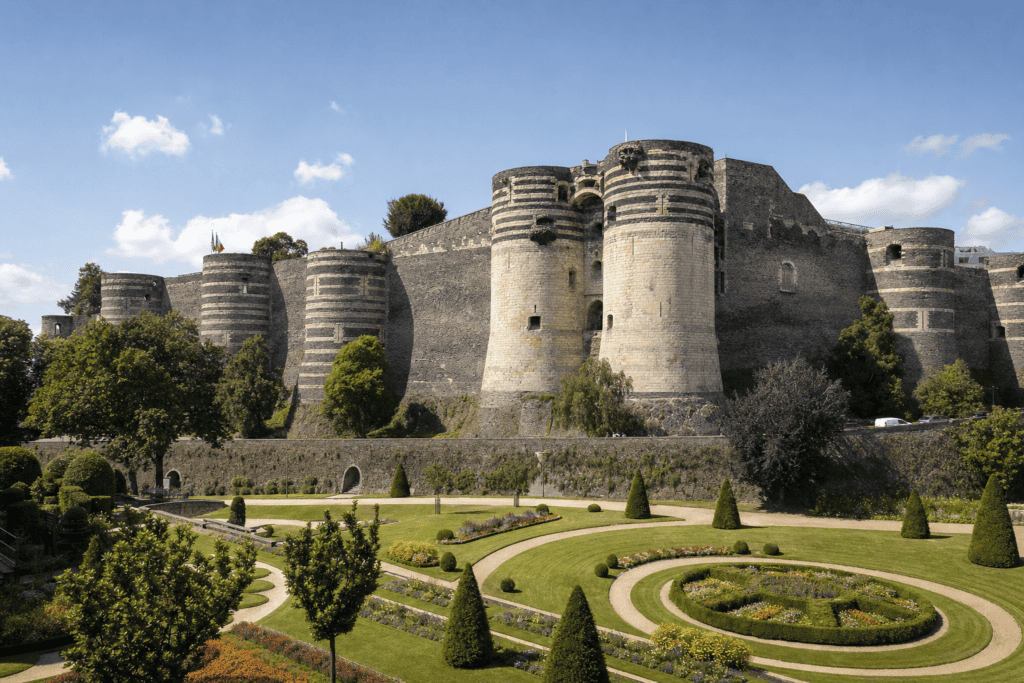 Château d’Angers and the Apocalypse Tapestry A spectacular medieval fortress and the monumental Apocalypse Tapestry in the heart of Angers.
 La Doutre A peaceful walk through Angers, passing the Ronceray Abbey, half-timbered houses, private mansions, and more…
Online booking · Paris → 4 boulevard Arago, 49100 Angers
Choose your pickup date and time
Your departure and arrival details are already pre-filled. You can adjust them in the fare calculator before viewing the vehicles and fare.