



CAPC Bordeaux: Contemporary Art in the Entrepôt Lainé
Bordeaux
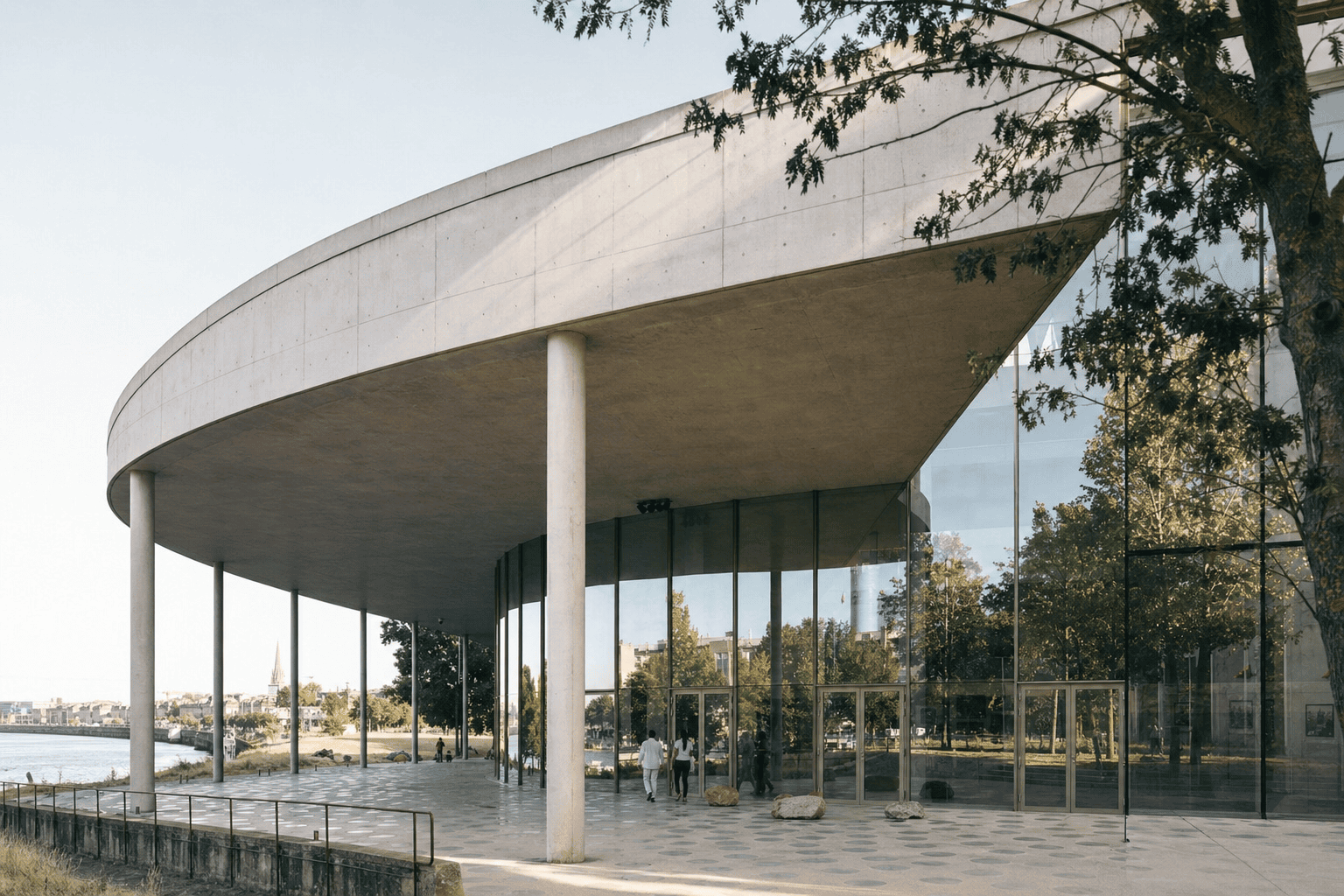
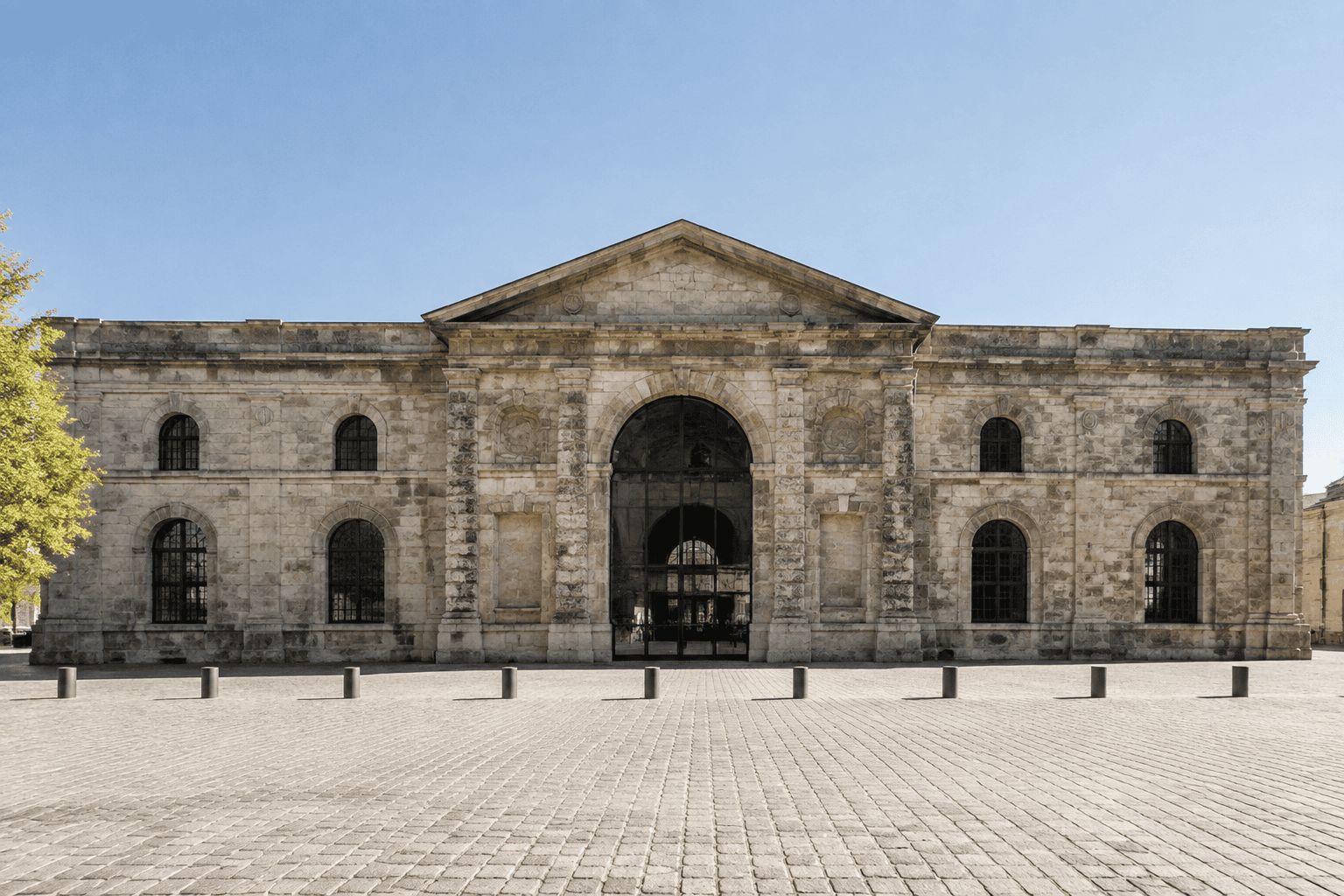
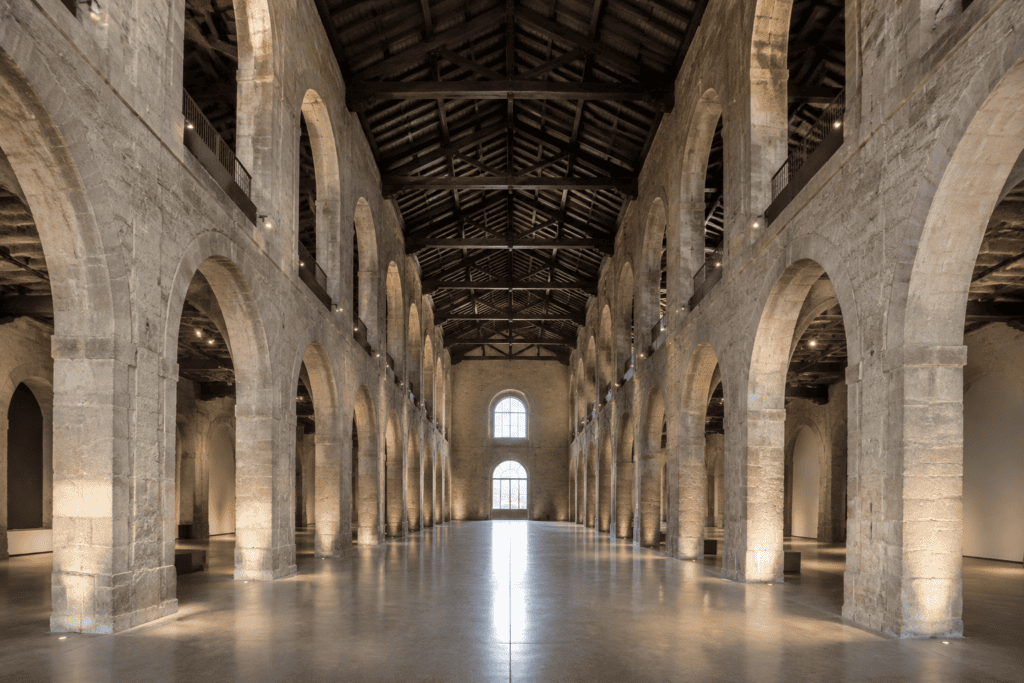
In the Chartrons district, the CAPC Museum of Contemporary Art of Bordeaux combines a demanding artistic program with a striking building. Housed in the Entrepôt Lainé, a former warehouse built in the 19th century for maritime trade, the museum invites visitors to look at the artworks as much as at the architecture’s volumes, arches, and perspectives. A visit can therefore be experienced on two levels: as an introduction to contemporary exhibitions and as an exploration of Bordeaux’s urban, economic, and memorial history.
Practical information
Take time to observe the relationship between the artworks and the Entrepôt Lainé’s main hall. If you are visiting with family, check the program and opening conditions for the Cool Kids Space before you travel: these offerings may depend on the schedule.
Paris → Bordeaux: comparing options for reaching the CAPC
For a simple getaway, the train is generally the most convenient way to travel between Paris and Bordeaux. If you are traveling as a group, with a lot of luggage, or with several stops, Booking Paris Transfer can explore a private trip from Paris, a Paris hotel, CDG, or ORY to Bordeaux, with a return to Paris depending on your itinerary. Transportation is separate from museum ticketing.
Transportation service from Paris, a Paris hotel, CDG, or ORY to Bordeaux, or back to Paris. No admission ticket, train ticket, or guide service is included.
1. Why visit the CAPC in Bordeaux?
The CAPC is one of France’s leading institutions devoted to contemporary art. Founded in 1973, it has developed a collection and program that bring together painting, sculpture, installation, photography, video, and performance practices. Temporary exhibitions play an important role in the experience, so the visit is not based on a permanent collection displayed in the same way all year.
The museum appeals both to contemporary art enthusiasts and to visitors looking to discover a cultural venue unlike traditional museums. You do not need to know the artists on display in advance. The exhibition design, the building’s proportions, and the connections drawn between the artworks offer several ways into the visit, while interpretive resources allow you to explore further.
Its location adds to its appeal for visitors. The CAPC is close to the riverfront, the Jardin Public, and Rue Notre-Dame. It can therefore be included in a half-day exploring the Chartrons, combining architectural heritage, a stroll, and cultural venues.
2. The Entrepôt Lainé: architecture as part of the experience
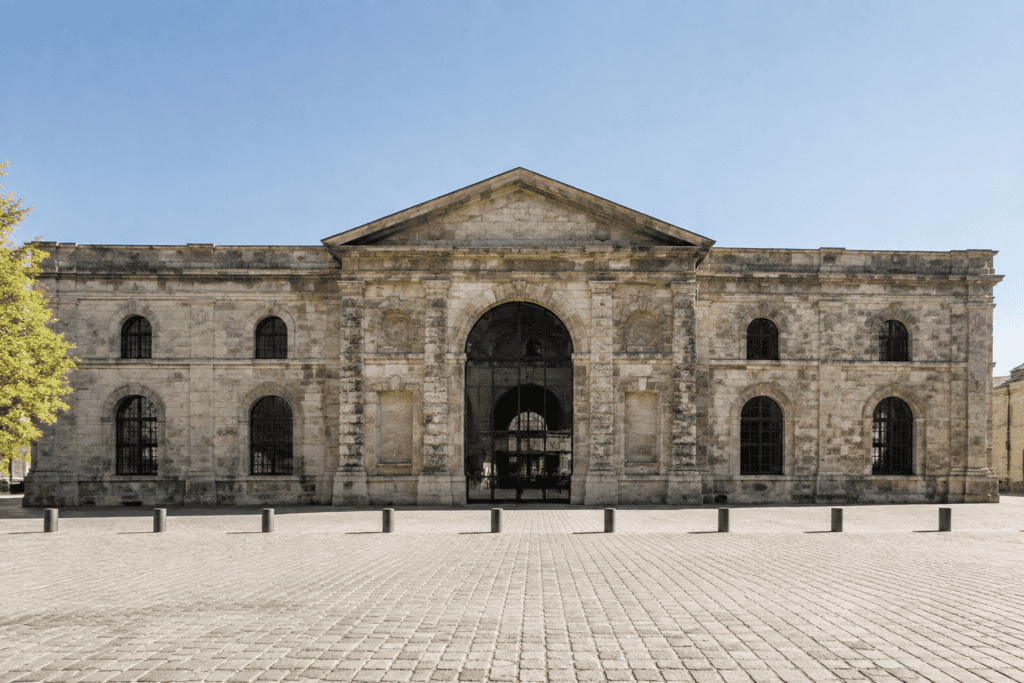
The CAPC occupies the Entrepôt Lainé, built between 1822 and 1824. The building was intended to store goods connected with Bordeaux’s maritime and colonial trade. This history should be presented accurately: the warehouse formed part of the city’s port and colonial economy, a system that must be studied in connection with Atlantic trade and the history of slavery, without reducing the site to a simplified heritage narrative.
The building’s memory is now an important subject of contextualization. The CAPC’s official resources provide a better understanding of its uses, its economic environment, and Bordeaux’s transformations. They are the best resources for exploring the connections between the Entrepôt Lainé, colonial trade, and the city’s history.
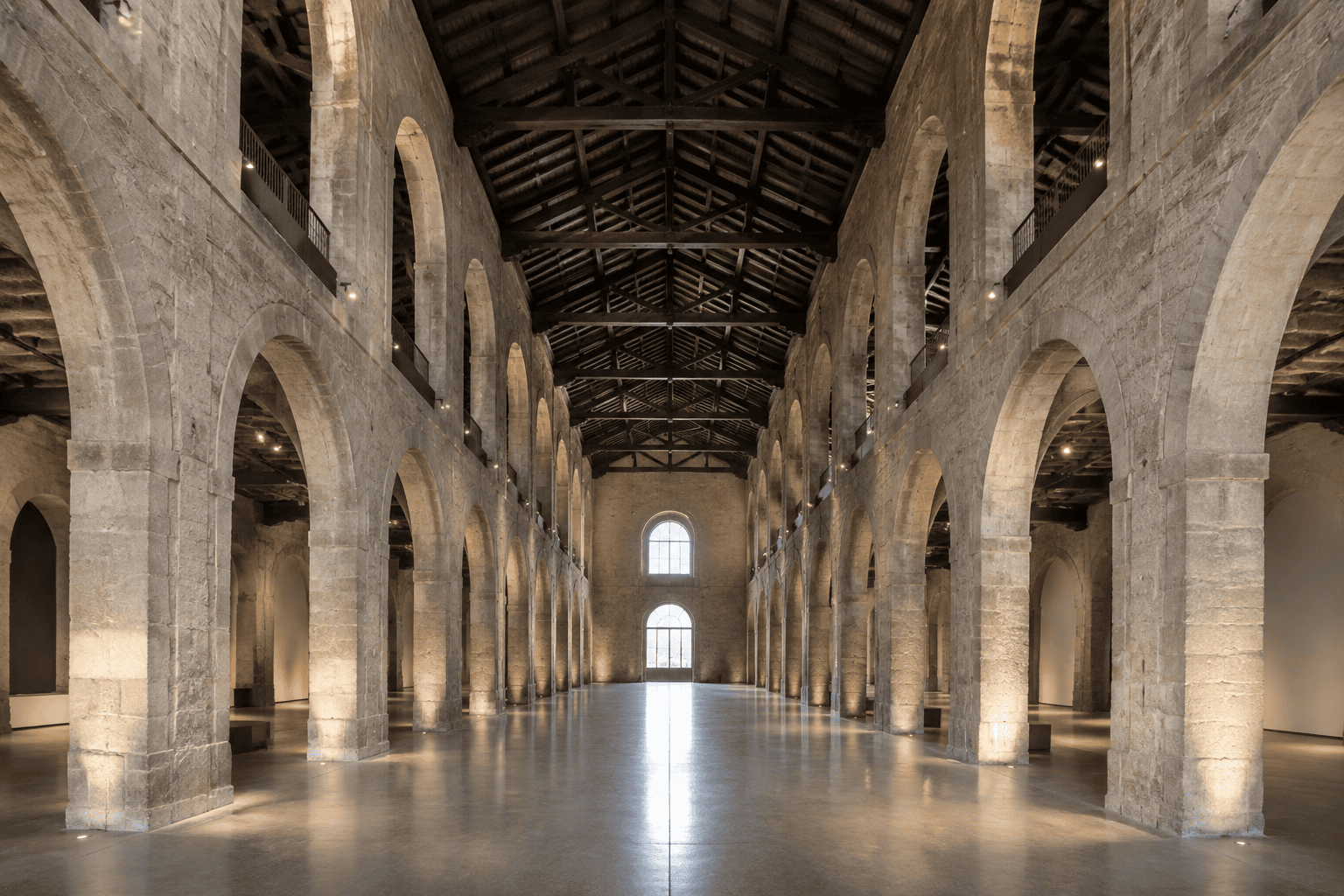
The grand hall, arches, stone walls, and long perspectives give the museum a distinctive atmosphere. Saved from demolition in the 1970s, the building was converted into a cultural venue after work carried out in the 1980s, with architects Denis Valode and Jean Pistre and designer Andrée Putman involved. The building is therefore more than a backdrop: it influences how visitors move through the museum and perceive the artworks.
3. Collections, exhibitions, and works created for the site
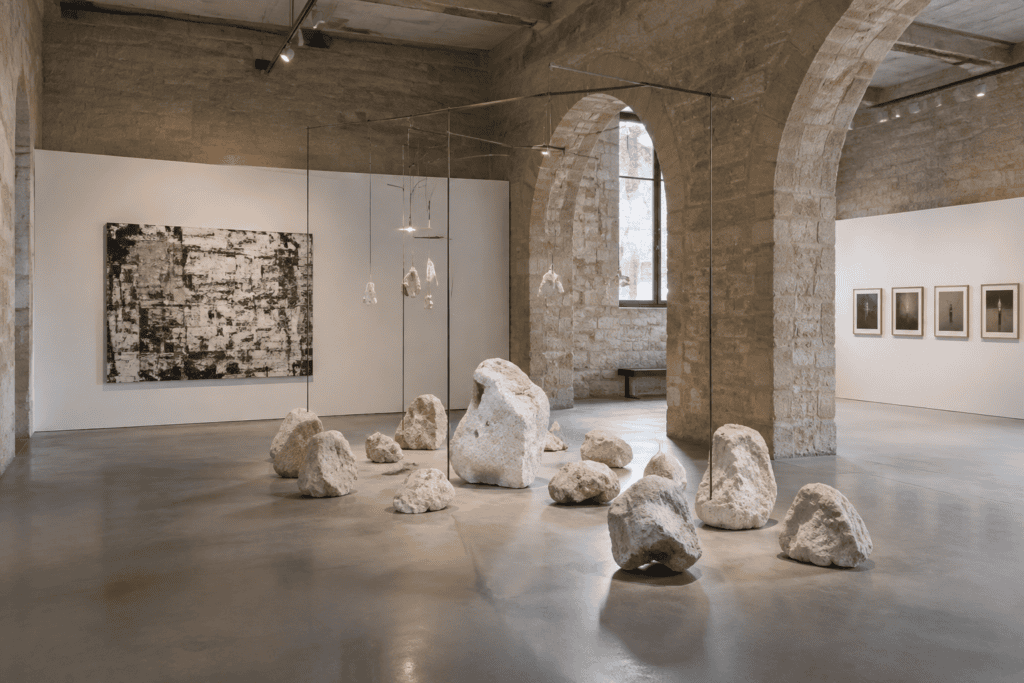
The CAPC collection grew from the late 1970s onward, particularly in connection with exhibitions organized by the center. It includes works by many international artists. Its presentation changes according to projects, loans, installations, and current exhibitions, so it is best to consult the official program to find out what will be on view during your visit.
The museum is also known for works and installations conceived in relation to the Entrepôt Lainé. Some may be displayed on a long-term basis, while others may be moved, loaned, undergoing conservation, or temporarily inaccessible. It is therefore best not to assume that a work will always be on view without checking the CAPC’s latest information.
During your visit, look at the thresholds, changes in scale, and views from one room to the next. A work can be understood through its material or subject, but also through its relationship to the length of the main hall, the light, or the building’s acoustics. A guided tour, when available, can help connect these artistic and architectural dimensions.
4. Planning your CAPC visit
The CAPC’s practical information may change depending on exhibitions, public holidays, events, and technical work. Before your visit, check the museum’s official page for opening days and hours, admission prices, reservation requirements, accessible spaces, and any last-entry time.
An hour may be enough for a quick introduction, but 1.5 to 2 hours is more comfortable if you want to see several spaces and take an interest in the architecture. Tours, workshops, lectures, and family events follow their own schedules; some may require advance registration.
Photography and filming rules may vary depending on the exhibitions and artworks. Follow the instructions posted in the galleries. To avoid disappointment, also check which spaces will be open on your chosen day: an exhibition or part of the building may be temporarily unavailable.
5. Visiting the CAPC with children and teenagers
The museum regularly offers educational programs, workshops, and events for children, teenagers, and families. Tourist and institutional resources describe the Cool Kids Space as an area for children ages 2 to 8. However, its availability, hours, and access arrangements should be checked in the official program before your visit.
With young children, it is often better to select a few artworks rather than try to cover the entire museum. The Entrepôt’s spaces can provide a starting point for simple observation: count the arches, compare textures, notice changes in light, or listen to how the spaces resonate.
For teenagers and adults, talks, tours, and interpretive materials can offer useful insight into the artists and themes explored. The CAPC program specifies which activities are available without reservations and which require registration.
6. What to do around the CAPC in the Chartrons
After your visit, head to the Garonne riverfront for a walk with views of the river and Bordeaux’s historic façades. The nearby Jardin Public offers a pleasant break. You can also continue to Rue Notre-Dame, known for its boutiques, galleries, and shops set within the Chartrons’ historic fabric.
The neighborhood places the Entrepôt Lainé within a broader history. The Chartrons were associated with merchants, the port, and maritime trade; today they are home to residences, independent shops, restaurants, and cultural venues. This evolution helps explain the contrasts between the area’s economic past and its contemporary uses.
For a cultural day, combine the CAPC with a walk rather than scheduling too many indoor visits. Distances in Bordeaux are easy to cover on foot or by public transportation, but check each venue’s hours if you plan several stops.
7. Getting to Bordeaux from Paris: train, plane, or private transfer?
For travel between Paris and Bordeaux, the high-speed train is generally the most practical option: it connects city centers and avoids some of the formalities and transfer times associated with flying. Compare schedules and fares through official booking channels before choosing your itinerary.
Flying may be worth considering depending on your departure point, connections, and schedule, but you should factor in the journey between the airport and central Bordeaux. A long-distance private transfer from Paris may be useful for a group, a large amount of luggage, several stops, or a customized itinerary, but it is often less suitable than a direct train for a simple visit to the CAPC. You should also allow for a travel time and cost that depend on the requested route.
Booking Paris Transfer can explore transportation from Paris, a Paris hotel, Charles de Gaulle Airport, or Orly to Bordeaux, with a return to Paris if your itinerary includes one. The service covers transportation only: it does not include a train or plane ticket, CAPC admission, an exhibition reservation, or a local guide. Provide the number of travelers, luggage details, and any planned stops so you can compare this option with the train.
Frequently Asked Questions
Where is the CAPC Museum of Contemporary Art of Bordeaux located?
What are the CAPC’s hours?
How much time should I allow to visit the CAPC?
Is the CAPC suitable for children?
Are the site-specific works always on view?
What is the history of the Entrepôt Lainé?
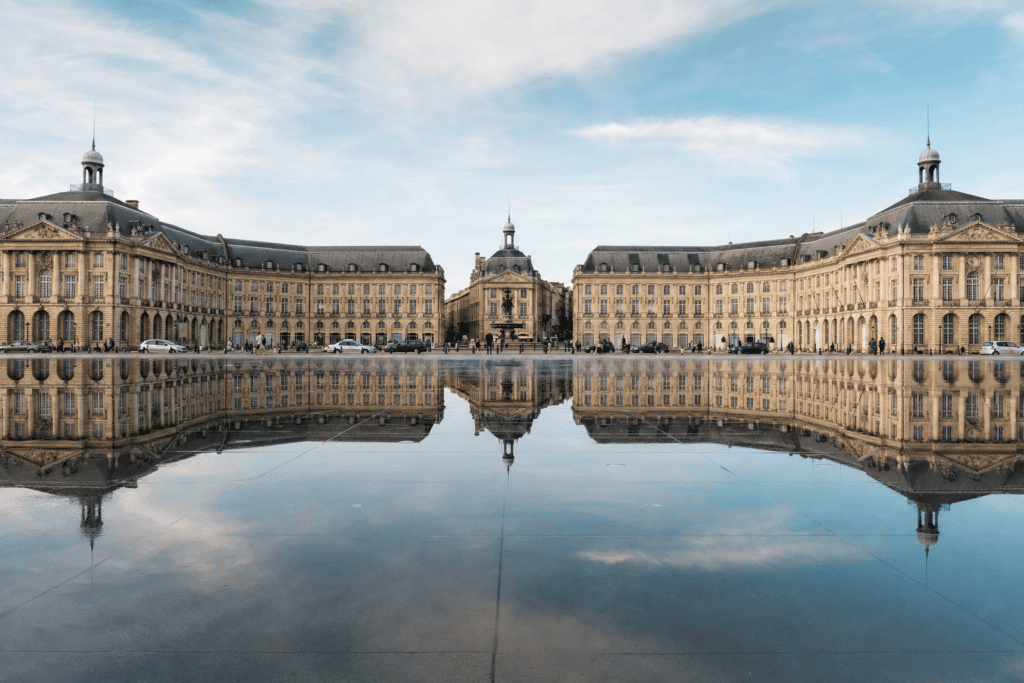 Water Mirror and Place de la Bourse 18th-century architecture, reflections along the quays, and views of the Garonne: the Water Mirror…
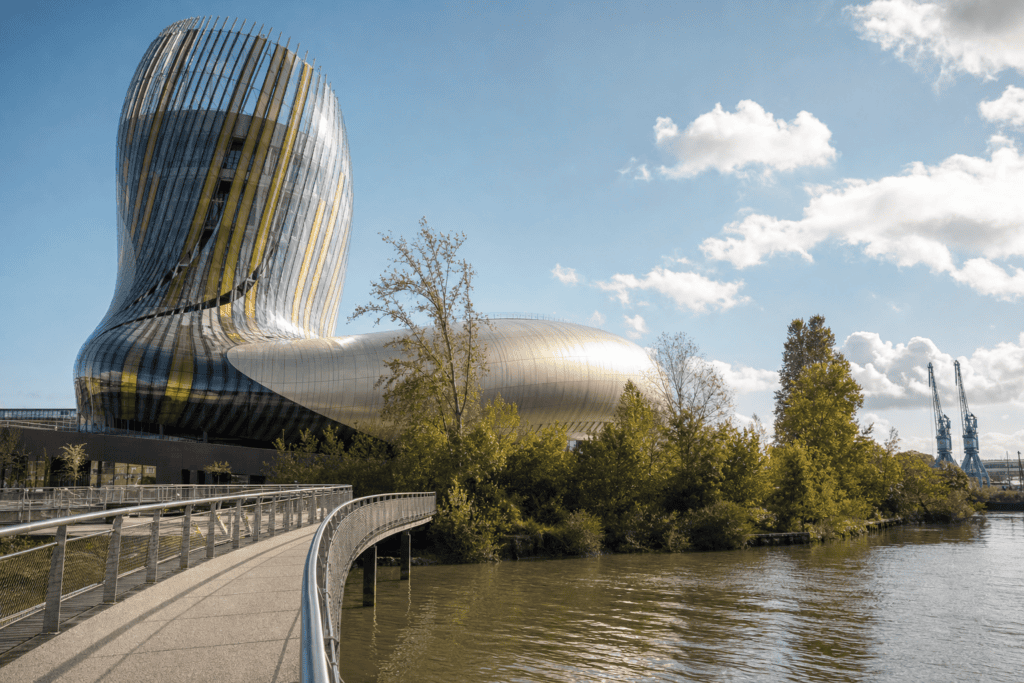 Cité du Vin An interactive cultural journey through the civilizations of wine, housed in an iconic building in Bacalan,…
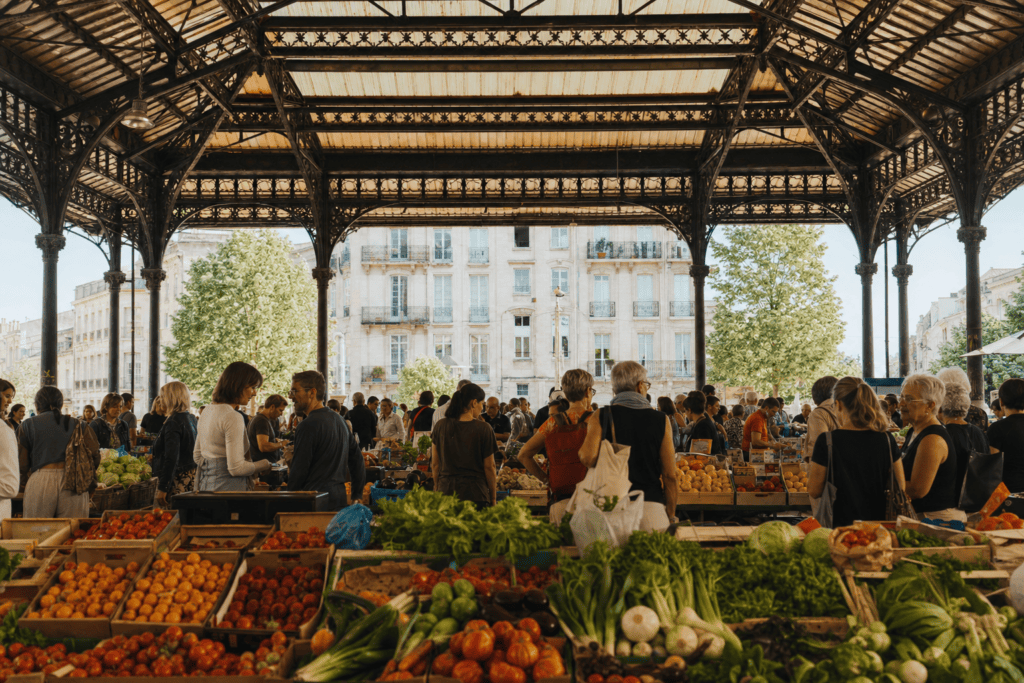 Marché des Capucins In the Saint-Michel neighborhood, the Capucins Market brings together fresh-produce stalls, seafood,…
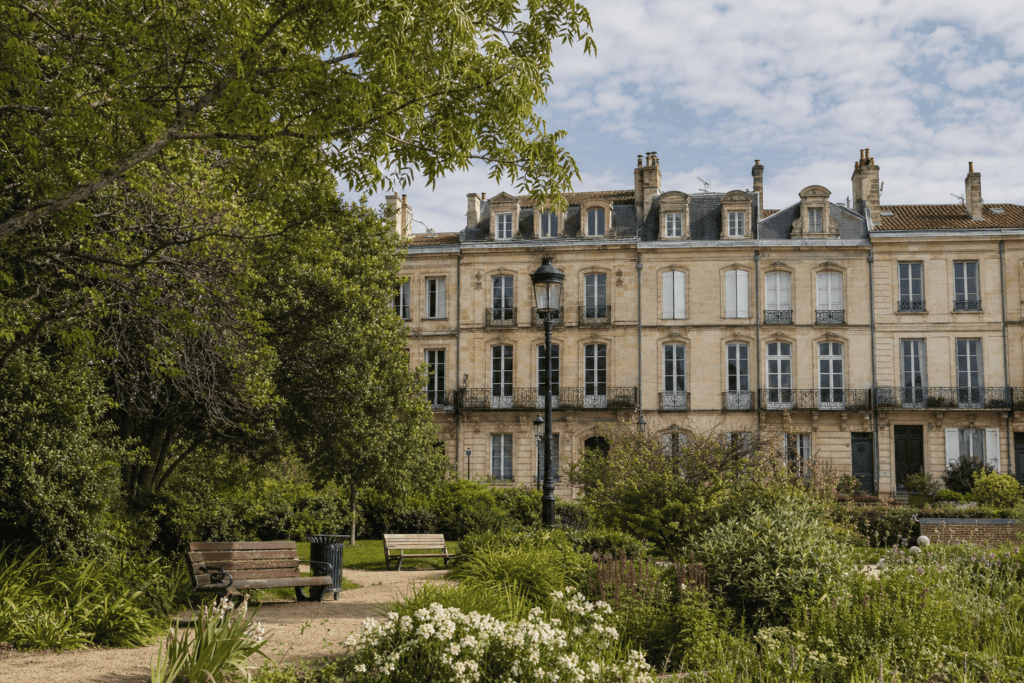 Jardin Public and the Chartrons district A Bordeaux stroll through the paths of Jardin Public, the streets of Chartrons and the quays…
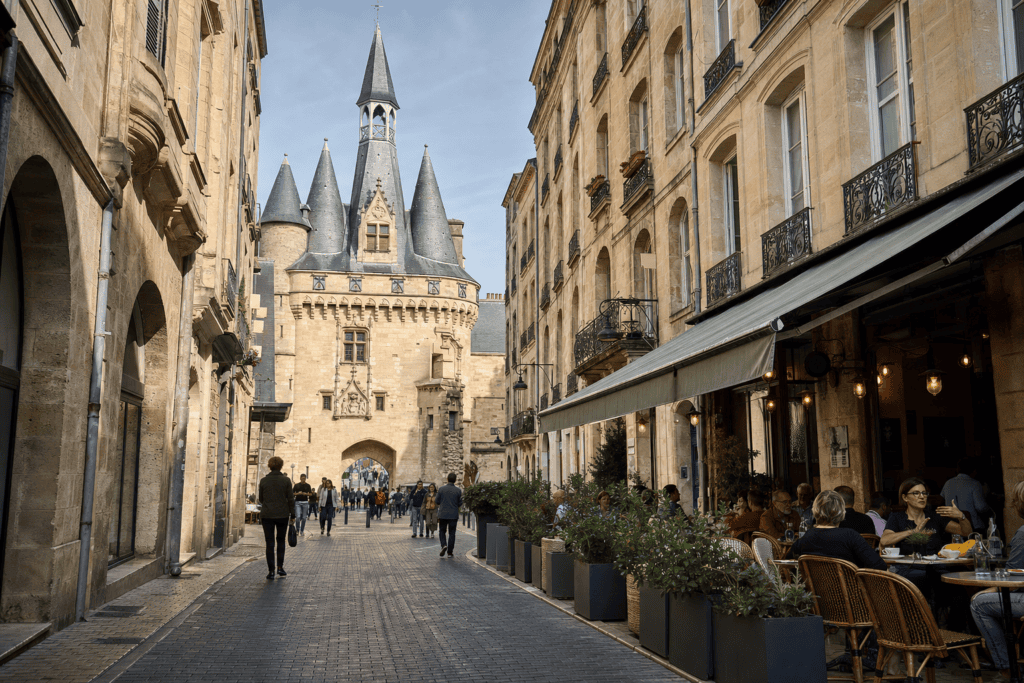 Historic Bordeaux and the Saint-Pierre district Classical façades, historic lanes, terraces and the Garonne quays: the Saint-Pierre neighborhood is a…
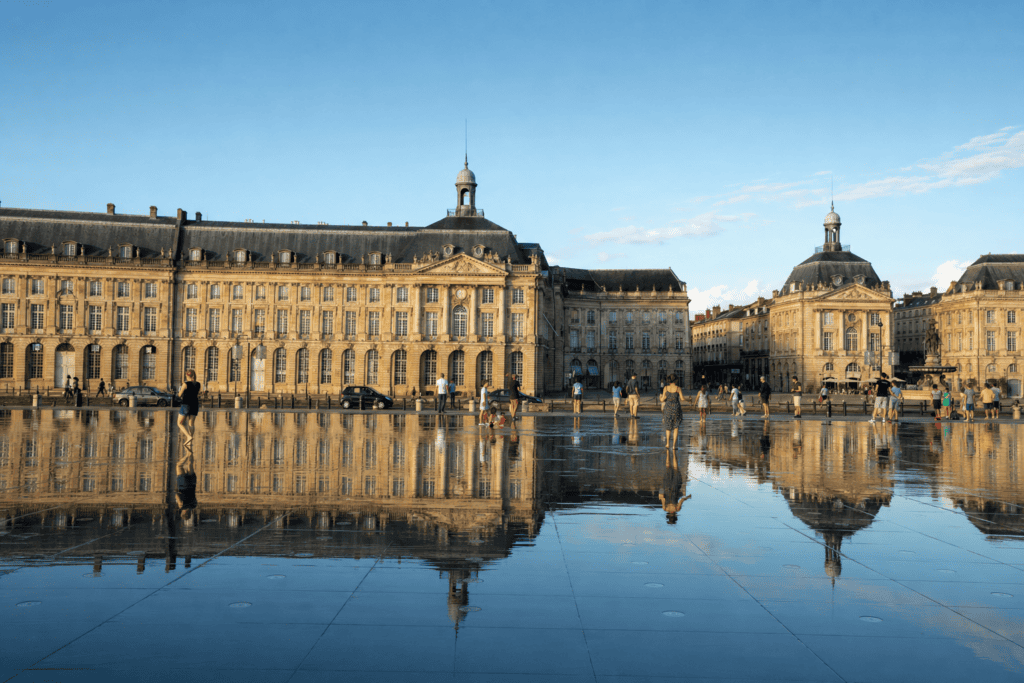 Bordeaux’s Water Mirror and quays Facing Place de la Bourse, the water mirror offers a spectacle of reflections and…
Online booking · Paris → 7 rue Ferrère, 33000 Bordeaux, France
Choose your pickup date and time
Your departure and arrival details are already pre-filled. You can adjust them in the fare calculator before viewing the vehicles and fare.