



Water Mirror and Bordeaux Quays: A Visitor’s Guide Along the Garonne
Bordeaux
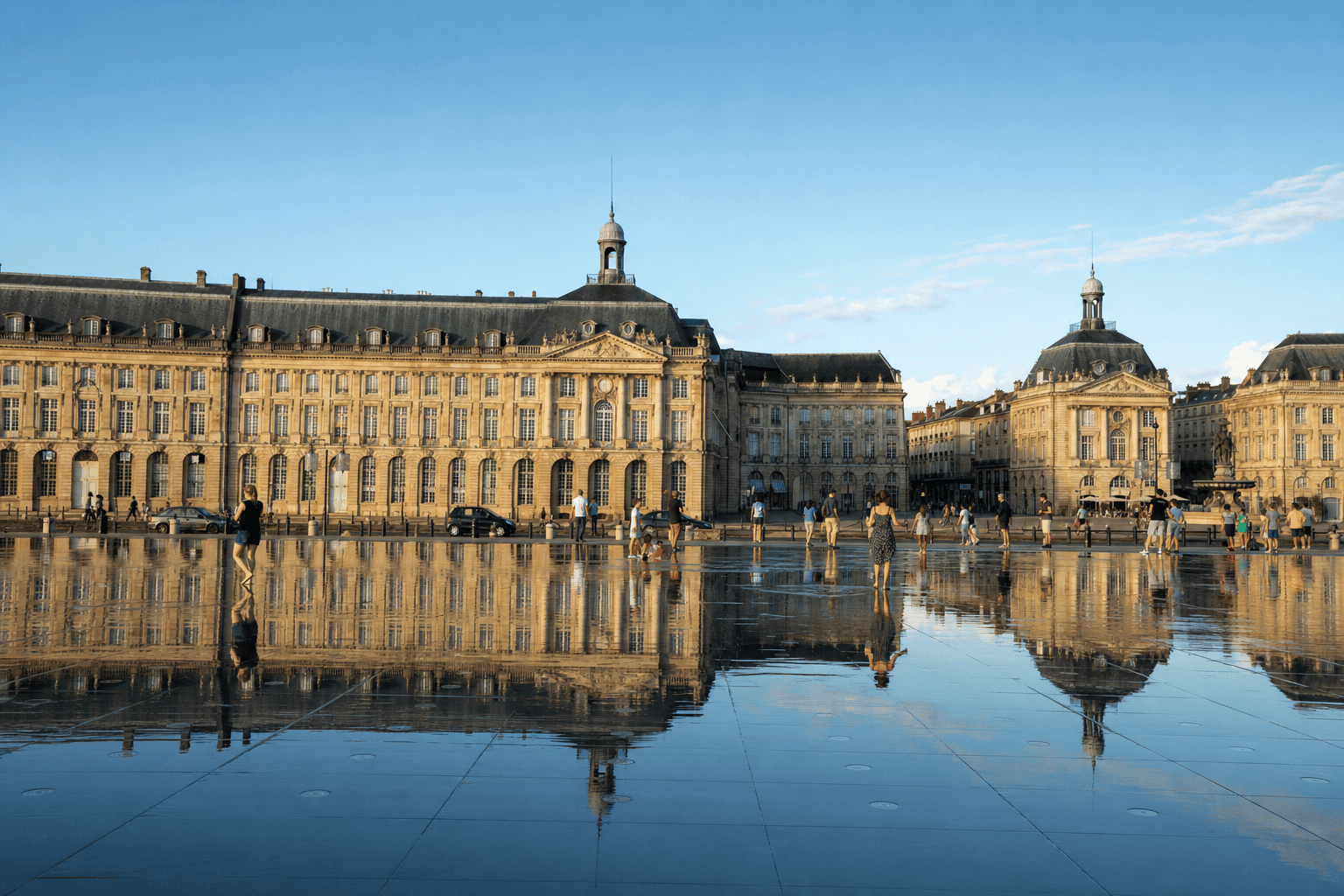
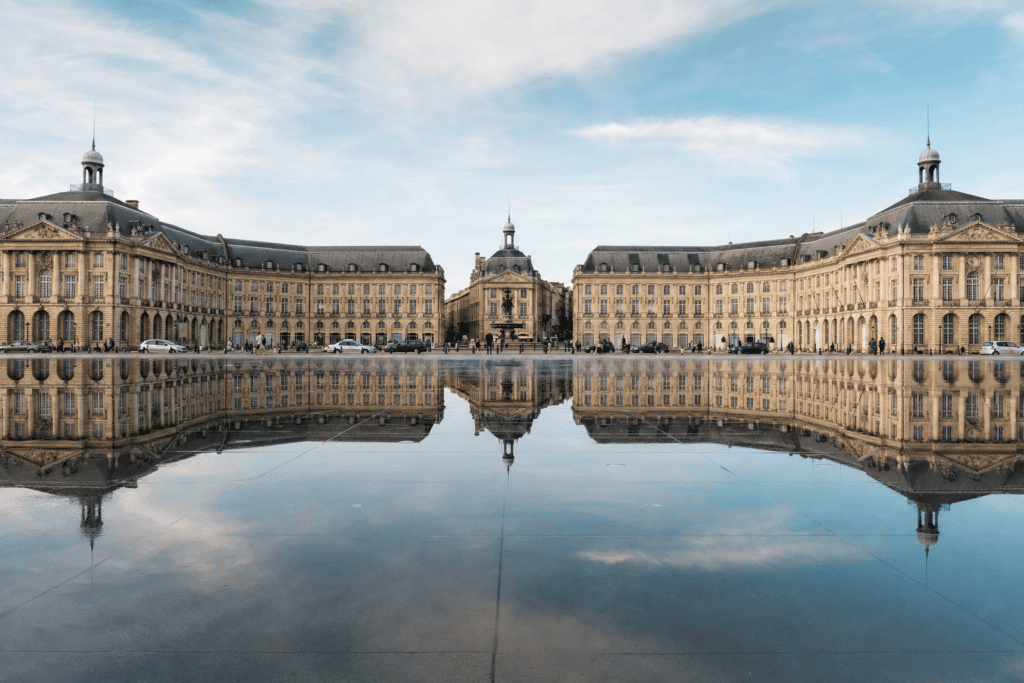
Bordeaux’s Water Mirror and quays form one of the city’s most recognizable landscapes. Opposite Place de la Bourse, the large granite slab typically alternates between a thin film of water and mist effects, creating spectacular reflections of the 18th-century façades. The site is easy to explore on a first visit, then you can continue along the quays toward Porte Cailhau, Pont de Pierre, Place des Quinconces, or the Chartrons district.
Practical information
Wear comfortable shoes if you plan to continue along the quays. For photos, view the square from the opposite edge of the slab and wait between mist sequences for a sharper reflection. The wet surface can be slippery, so proceed carefully and keep an eye on children.
Plan a Private Transfer Between Paris and Bordeaux
For a customized itinerary departing from Paris, a Paris hotel, CDG, or ORY, Booking Paris Transfer can arrange private transportation to Bordeaux, with a return to Paris if needed. This option may suit an itinerary combining several stops; for a visit focused solely on the Water Mirror, the train is often a more direct choice. The service covers transportation and does not include an admission ticket or local guided tour.
Private transportation departing from Paris, a Paris hotel, CDG, or ORY. Return to Paris available depending on the itinerary. No admission ticket or local guide service included.
Why the Water Mirror Is an Iconic Bordeaux Landmark
Inaugurated in 2006 as part of the redevelopment of the quays, the Water Mirror helped bring the city center closer to the Garonne. Its principle is simple and highly visual: a thin layer of water turns the slab into a reflective surface before giving way, during scheduled sequences, to low-lying mist.
The site’s appeal lies in its dialogue with Place de la Bourse. The classical façades, pale stone, river, and passersby create a constantly changing scene shaped by the light and visitor numbers. The mirror is therefore more than a viewpoint: it is also a public space where people linger and walk, and where children can enjoy the coolness on hot days.
On your first visit, take time to view the site from several angles. The buildings’ reflections are especially clear when the surface is calm, while the mist creates a more dynamic, theatrical atmosphere.
How the Water Mirror Works
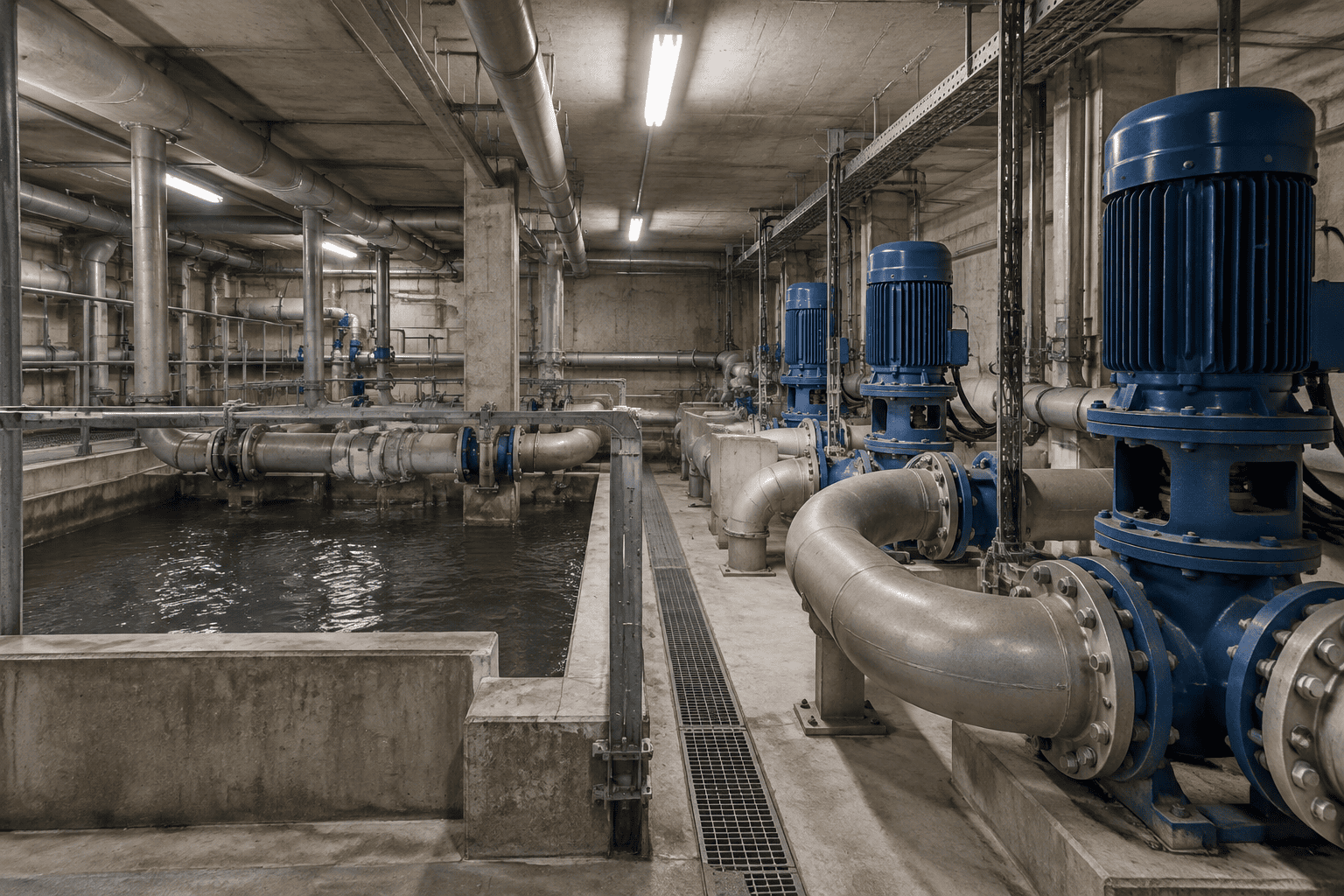
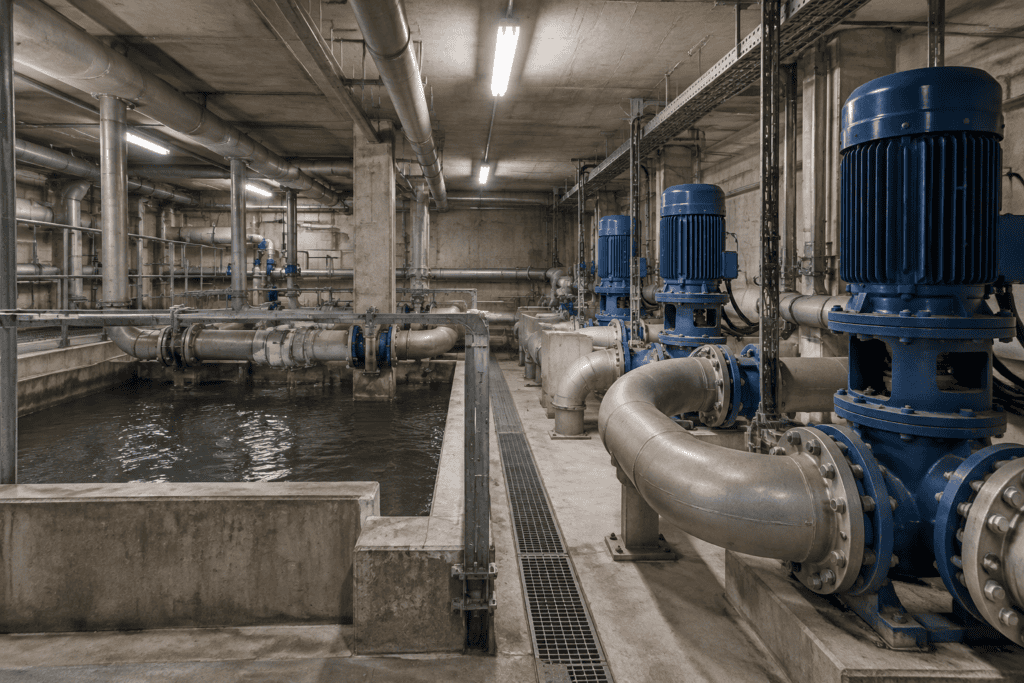
The system relies on technical equipment located beneath the slab. Reservoirs and pumps distribute water across the surface, then drain it away to produce a fog effect when scheduled. This alternation explains the site’s rapid changes between reflection, wet ground, and mist.
The sequences should not be considered guaranteed on every visit. Weather, temperature, maintenance, or technical constraints may alter operations or lead to a temporary suspension. Check the official information from Bordeaux Tourism or the City of Bordeaux before setting out, especially outside the high season.
Guided tours of the facilities beneath the mirror may occasionally be offered as part of a specific program. Their availability, dates, conditions, and any fee should be confirmed directly with the organizer. They are separate from free access to the outdoor space.
Place de la Bourse and Its Historic Setting
The Water Mirror takes on its full impact opposite Place de la Bourse, one of the great architectural ensembles of 18th-century Bordeauxth century. Designed to open the city toward the Garonne, the square features a monumental composition of façades, pavilions, and sculpted decorations.
Look at the mascarons adorning the buildings: these decorative faces and figures evoke trade, navigation, and the imagination of the port city. At the center stands the Three Graces Fountain, added in the 19thth century.
Begin by viewing the square from the other side of the mirror to take in its overall balance, then move closer to examine the façades’ details. A morning visit can make the architecture easier to appreciate, before the busiest hours bring larger crowds.
Continue Your Visit Along the Garonne Quays
From the Water Mirror, the quays offer a pleasant route for exploring Bordeaux on foot. Heading south, you can reach Porte Cailhau, the Saint-Pierre district, and Pont de Pierre. Heading north, the promenade leads toward Place des Quinconces and the Chartrons district, with long views over the river.
Each section has a different atmosphere: historic façades on the left bank, views of bridges and boats, and more open spaces as the promenade continues. Routes suggested by Bordeaux Tourism may cover several miles, so choose a section suited to your time and fitness rather than trying to walk the entire route.
A short loop of about an hour can combine the mirror, Place de la Bourse, Porte Cailhau, and a stop near Pont de Pierre. If you add Place des Quinconces or the Chartrons district, allow two to three hours including stops, photos, and a break.
When to Visit and How to Take Great Photos
To photograph Place de la Bourse in the mirror, look for a phase when the surface is calm enough. A wide-angle lens can include the slab, façades, and sky, while a tighter composition highlights architectural details and silhouettes.
Late afternoon often casts soft light on the stone. Morning is a good time to avoid some of the crowds and better appreciate the square’s lines. After dark, urban lighting can create more graphic compositions, provided the installation is operating and visiting conditions allow it.
Protect your equipment from water and mist, and do not block passageways while taking photos. The slab is a shared public space, so leave room for families, walkers, and people who simply want to cross.
A Pleasant Family Stop
The Water Mirror is easy to include in a family outing because the experience is immediate and does not require a long visit. Children enjoy the reflections, the appearance of the mist, and the chance to cool off when the system is operating.
Wear clothing that can handle splashes and keep a close eye on young children: the wet surface can be slippery and crowds may be heavy. To make the visit more engaging, ask them to spot the mascarons, compare the real square with its reflection, or observe the differences between water, stone, and mist.
The site is surrounded by monuments, restaurants, and transportation, making it easy to build an itinerary without many additional journeys. Visitors with specific accessibility needs should check the conditions on the day, as crowds, ground conditions, and water sequences can affect ease of movement.
Practical Tips for Planning Your Visit
Access to the outdoor Water Mirror area is free: no ticket is required to see the slab and Place de la Bourse. Any guided tour of the technical facilities is a separate activity, offered according to a schedule and conditions that should be confirmed with the organizer.
Operation may be interrupted or adjusted depending on the season, weather, maintenance, or a technical issue. Do not rely solely on old information found online: check the system’s status and the hours announced by official sources before you travel.
From Paris, Bordeaux is generally easy to reach by train, particularly from Montparnasse station, or by plane depending on your departure point. Once there, the Water Mirror is easy to visit during a day trip or a stay focused on the historic center. For getting around, choose walking and public transportation when they fit your itinerary.
Frequently Asked Questions
Is access to Bordeaux’s Water Mirror free?
Does the Water Mirror operate year-round?
How much time should I allow?
Can you walk on the Water Mirror?
What is the best time to take photos?
How do you get to the Water Mirror from Paris?
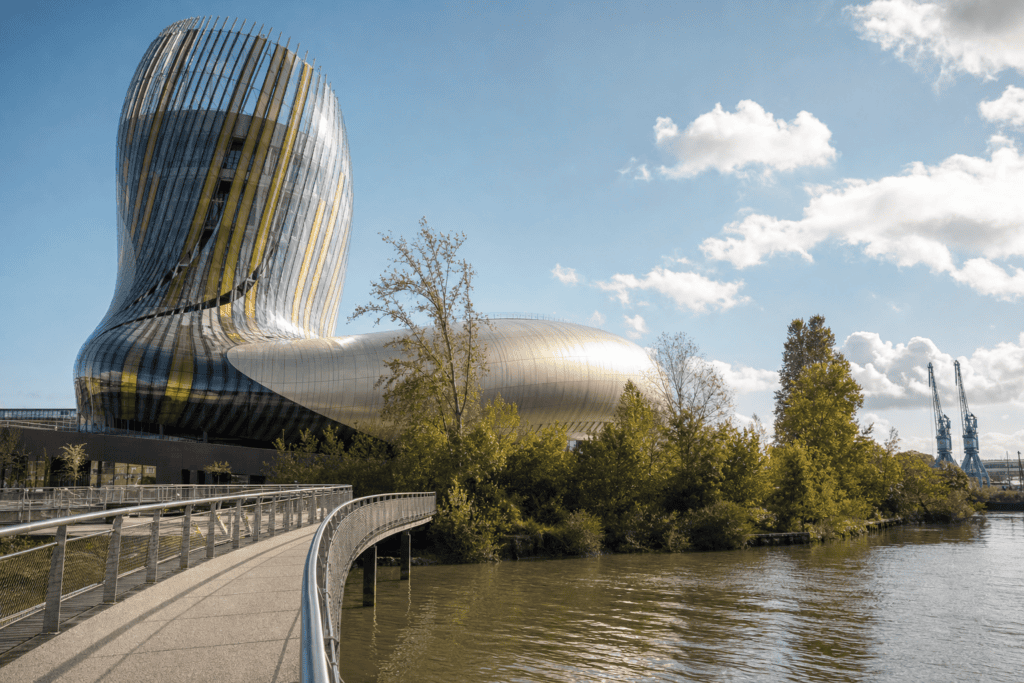 Cité du Vin An interactive cultural journey through the civilizations of wine, housed in an iconic building in Bacalan,…
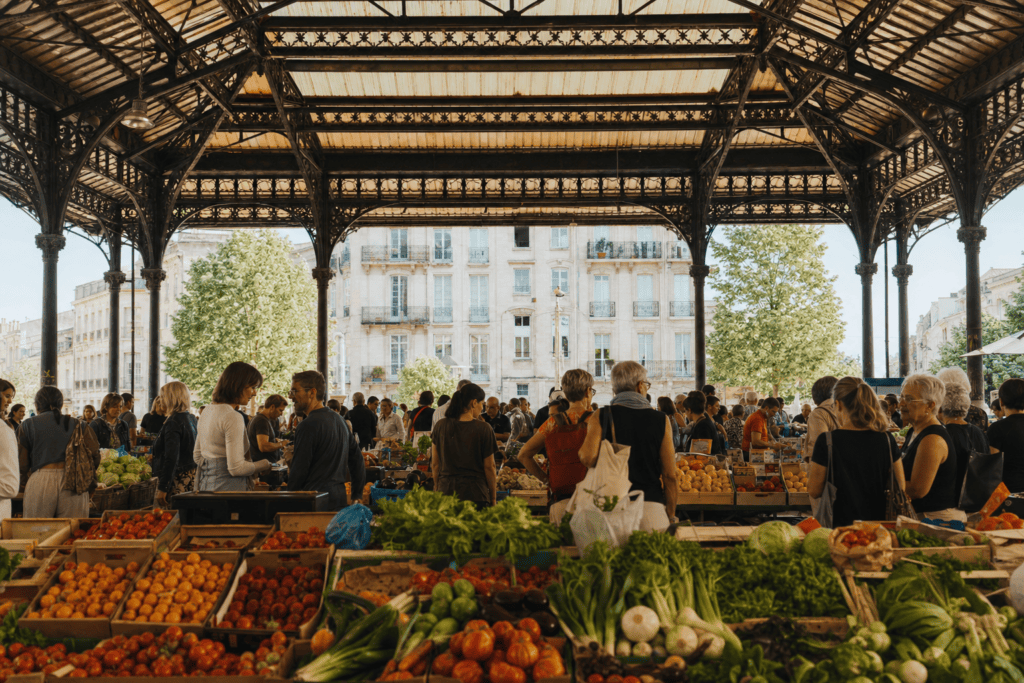 Marché des Capucins In the Saint-Michel neighborhood, the Capucins Market brings together fresh-produce stalls, seafood,…
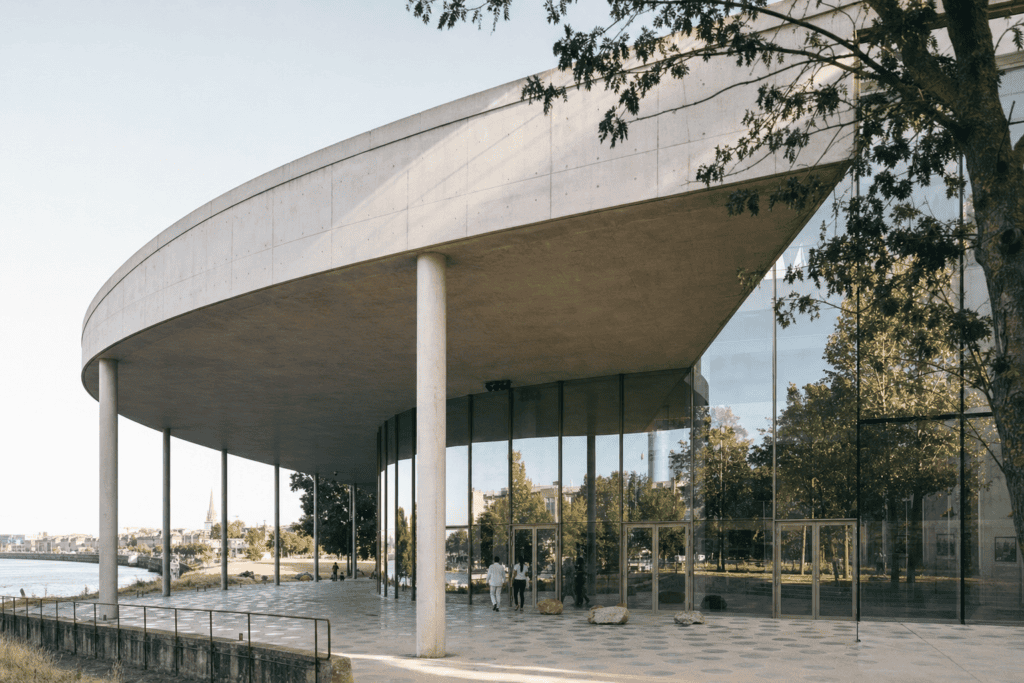 CAPC Bordeaux Museum of Contemporary Art Housed in the Entrepôt Lainé, CAPC combines contemporary art, striking architecture, and an opportunity to explore the Chartrons district.
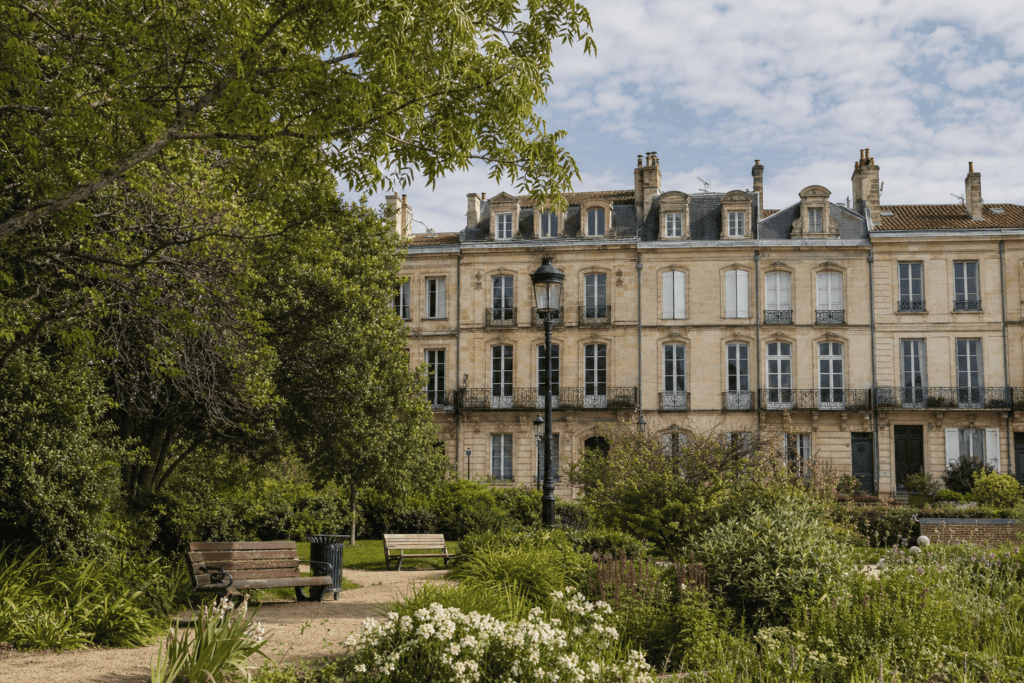 Jardin Public and the Chartrons district A Bordeaux stroll through the paths of Jardin Public, the streets of Chartrons and the quays…
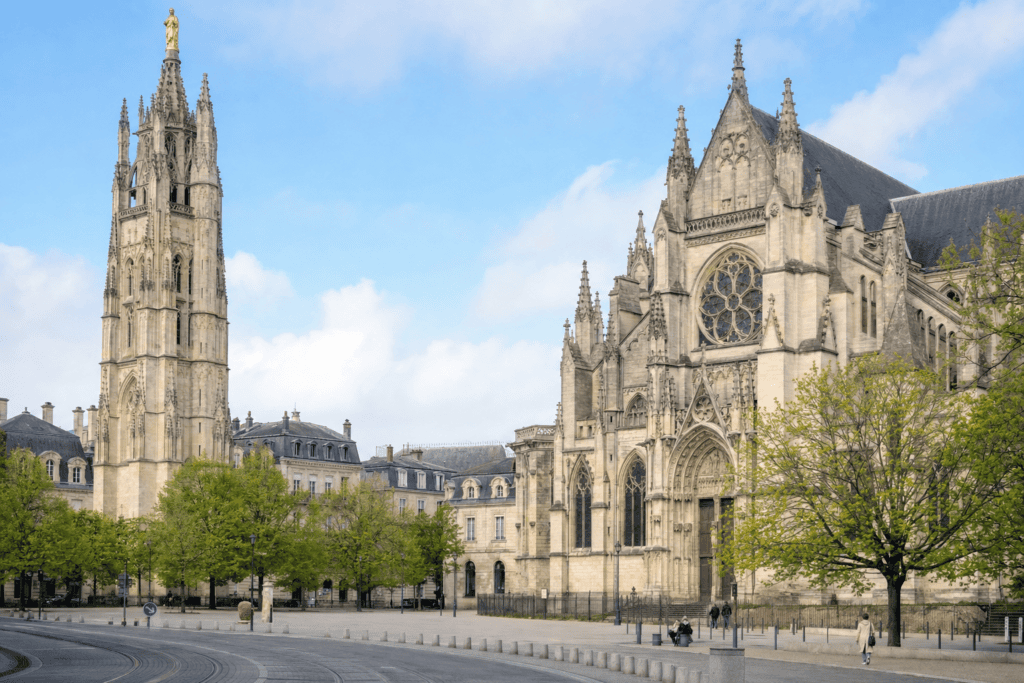 Pey-Berland Tower and Saint-André Cathedral An unmissable monumental ensemble in Bordeaux: Gothic cathedral, independent 15th-century bell tower, Palais Rohan…
 Water Mirror and Place de la Bourse 18th-century architecture, reflections along the quays, and views of the Garonne: the Water Mirror…
Online booking · Paris → Place de la Bourse, 33000 Bordeaux
Choose your pickup date and time
Your departure and arrival details are already pre-filled. You can adjust them in the fare calculator before viewing the vehicles and fare.